REVIEW · BERLIN
All-in-One Berlin Shore Excursion from Warnemunde
Book on Viator →Operated by Vexperio · Bookable on Viator
Berlin in one long day is a power move. This cruise-shore excursion turns a port call into a guided tour of the city’s most important landmarks, from Cold War border history to Nazi-era memorials—without you getting stuck in transit stress.
I like that the trip is built around your cruise schedule, with pickup at the port you choose (Warnemünde or Rostock) and a planned return that’s meant to get you back before your ship leaves. I also love the pace of the guided route, which lines up big visual stops plus short reflection breaks so you’re not just watching streets slide by.
One drawback to plan for: it’s a long day dominated by the drive. You’ll also do some walking, and since the bus isn’t set up with Wi‑Fi or phone charging, you’ll want to keep your battery life in check.
In This Review
- Key Things That Make This Berlin Day Trip Work
- Price and Logistics: How $83.48 Feels Fair for 10–11 Hours
- The Bus Ride to Berlin: Where the Real Background Happens
- Charlottenburg Palace and West Berlin Icons: Starting With Big Contrast
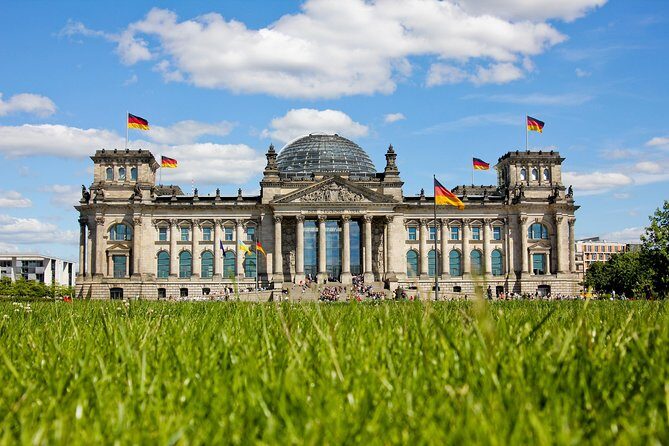
- Reichstag Walk and Brandenburg Gate: A Short Stroll With Serious Meaning
- Holocaust Memorial and Fuhrerbunker: When the Tour Gets Heavy, Manage Your Pace
- Nikolaiviertel, Berlin TV Tower Area, and Museum Island: The “How Berlin Grew” Portion
- Bebelplatz Book Burning, Gendarmenmarkt Squares, and the Photo Stops That Reset Your Brain
- Checkpoint Charlie and Topography of Terror: Cold War Up Close
- Timing: How the Tour Stays Cruise-Friendly (and Where It Can Feel Tight)
- What to Bring for a 10–11 Hour Shore Day
- Guides Make or Break This Tour: The Human Touch You’re Paying For
- Value Check: Why This Often Beats Cruise Ship Berlin Pricing
- Who This Shore Excursion Fits Best
- Should You Book This Berlin Shore Excursion?
- FAQ
- How long is the Berlin shore excursion?
- Is the tour offered in English?
- Where do they pick you up?
- Will I have enough time to get back to the ship?
- Do I need tickets for the attractions?
- Is the bus comfortable?
- Is Wi-Fi or phone charging available on the bus?
- Is there walking?
- Is lunch included?
- How big are the groups?
Key Things That Make This Berlin Day Trip Work
- Port-timed pickup and return so you can see Berlin and still catch your ship
- English-speaking local guide who stitches the landmarks into a clear storyline
- Air-conditioned shared bus plus restroom stops and time for a snack or quick shopping
- A long highlight list that prioritizes major memorials and iconic sights (Checkpoint Charlie, Brandenburg Gate)
- Group size capped around 35, which helps when you’re moving through dense areas
- Free memorial stops make the day feel high-impact without adding entrance-fee surprises
Price and Logistics: How $83.48 Feels Fair for 10–11 Hours
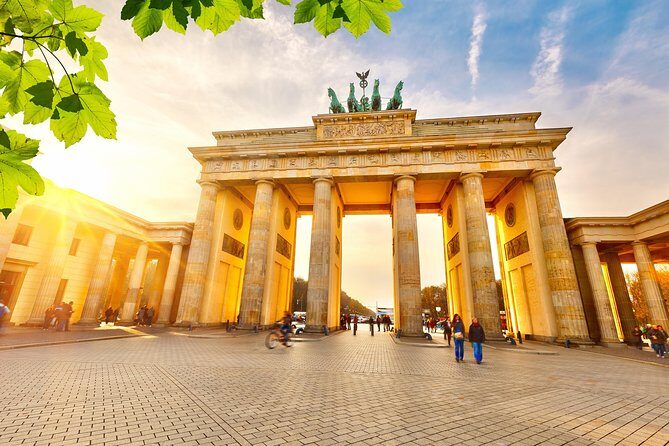
At $83.48 per person for roughly 10 to 11 hours, you’re paying for two main things: a full-day guided itinerary and a bus ride that removes planning from your plate. Berlin is not close to Warnemünde, so the cost is partly the “you don’t have to think” convenience factor.
You also get value because so many key stops are free memorial sites. That matters on shore days, when cruise ports sometimes tack on extra costs for the same general neighborhoods. Here, the day is organized around what you can see without ticket headaches, plus scheduled areas where entrance tickets are explicitly not included (more on that in a moment).
The timing structure is a big part of the value. The tour is designed to give you maximum flexibility for cruise docking and road traffic, but it still aims to spend about 5 hours with the guide in Berlin. For a port day, that’s a real chunk of time.
You can also read our reviews of more tours and experiences in Berlin

The Bus Ride to Berlin: Where the Real Background Happens
The day starts with a simple meet-up outside your cruise ship, then you transfer into a modern air-conditioned bus. The drive is about three hours each way, so the bus portion is not filler. It’s when you get the context that makes the stops make sense.
You’ll hear Berlin history explained while you’re traveling through the former East Germany flatlands into the city. This is the part that helps people who don’t usually “do history tours” still connect with what they’re seeing later—especially when the route turns to the WWII and Cold War sites.
A few practical notes from what you can expect:
- Restroom breaks happen during transfers.
- You get some free time for a snack or souvenir shopping, depending on traffic and how the ship docks.
- You can store your things on the bus, which makes walking stops easier.
One important planning point: the bus does not have Wi‑Fi or charging ports. So if you’re relying on maps, photos, or online translation, bring a fully charged phone and, if you have one, a power bank.
Charlottenburg Palace and West Berlin Icons: Starting With Big Contrast
Once you arrive, you meet your professional English-speaking local guide. The tour begins with orientation in the city so you can start “reading” Berlin instead of just collecting photos.
A first highlight is Charlottenburg Palace with a short stop (about 20 minutes). The schedule says the admission ticket is not included, so think of this as a look-and-position stop rather than a full palace visit. If you want to go inside, you’d need to plan for an extra ticket.
From there, the route moves through West Berlin vibes:
- A drive along Kurfürstendamm, Berlin’s answer to a grand boulevard, with big architecture and a classic shopping-street feel.
- A pass by the ruins of a late 19th-century church—a stark reminder of WWII bombing.
- A drive past Kaufhaus des Westens, a historic department-store landmark that signals how pre-war Berlin and post-war reinvention live side by side.
- Through Tiergartenstraße, you’ll see a mix of embassies and major cultural landmarks, including a view of the Berlin Philharmonic area.
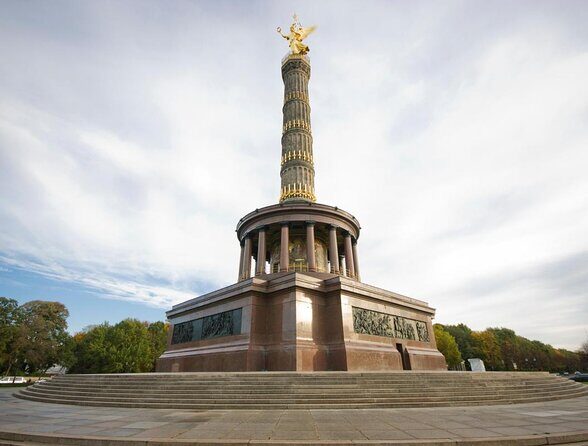
- You’ll also circle the golden angel Victoria statue, which is a strong visual cue to Prussia’s military pride and national power imagery.
Why this opening works: it sets up Berlin’s theme of contrasts. You see elegance, destruction, rebuilding, and state symbolism before the day shifts into the heavier memorial sites. The short visits also keep you from getting stuck in one place when time is tight.
Reichstag Walk and Brandenburg Gate: A Short Stroll With Serious Meaning

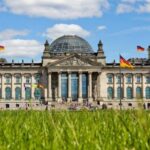
Next comes the Reichstag Building area. You exit the bus and do a brief on-foot segment (around 10 minutes). Again, the admission ticket is not included, so this is mostly about the setting and exterior views, plus the guide’s framing of why the Reichstag matters today.
Then you move along the walk toward Berlin’s most famous icon, with two key stops that add layers to the story:
- Memorial to the Sinti and Roma Victims of National Socialism: a brief tribute stop with reflection time.
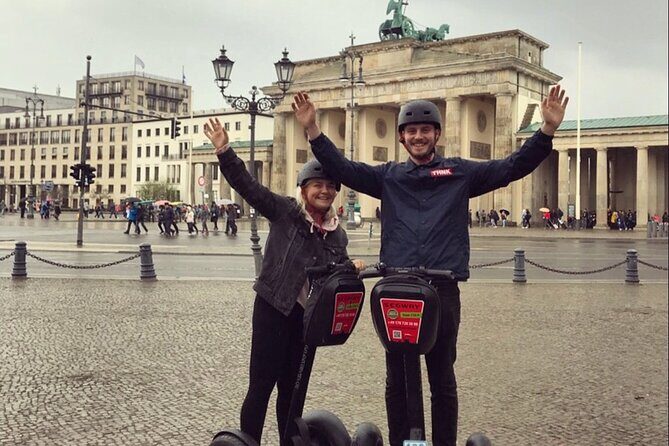
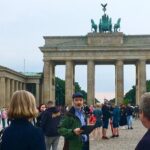
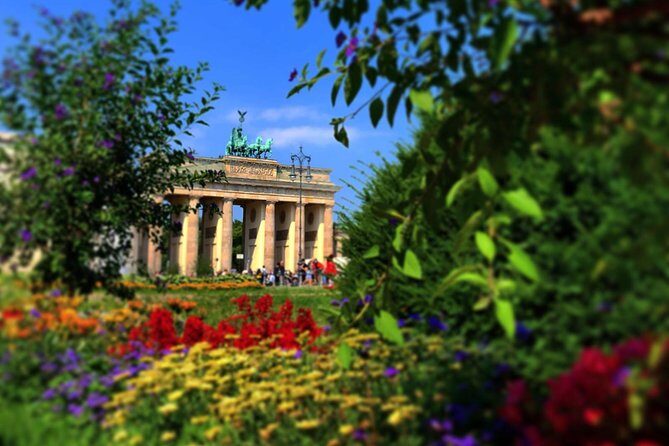
- Brandenburg Gate: a longer look (about 15 minutes) at a landmark that the guide explains as a central cultural monument tied to unity and resilience through a complicated history.
This is one of the most efficient parts of the day. It’s not just “see the gate.” It’s a guided path that connects the Nazis, the post-war city, and modern Germany in a way that’s easy to follow—especially when you’re short on time.
Practical drawback: these areas can feel crowded and noisy. One review mentioned that traffic and tourist density sometimes made it hard to hear the guide. My tip is simple—position yourself where you can actually face the guide during explanations, and don’t assume you can hear from the back.
Holocaust Memorial and Fuhrerbunker: When the Tour Gets Heavy, Manage Your Pace
After Pariser Platz, you head to the Holocaust Memorial (Memorial to the Murdered Jews of Europe). You get about 15 minutes here. This is one of the stops where time is never enough, but the structure still helps. The design creates space for quiet movement through the concrete blocks, and your short window is meant to give you room to experience it without rushing everyone out.
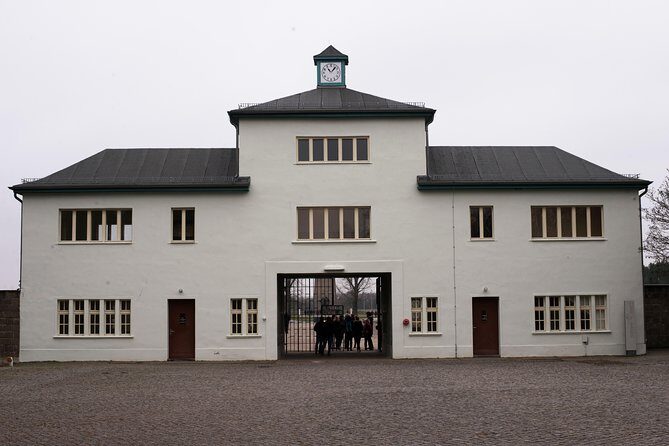
Then you reach the Fuhrerbunker stop. You’ll walk a bit to the site associated with Hitler’s suicide. This stop includes another built-in moment for the group, followed by a lunch break of about 45 minutes.
That lunch break is practical, because the day has been emotional and the drive back is long. The guide accompanies you to an area with quick food options and convenient restrooms, which is exactly what you want on a cruise shore day.
Two things to watch for here:
- If you need food, don’t try to hunt for something fancy. The tour is set up for fast.
- If you want to keep your energy for later Cold War sites, you might consider a lighter lunch so you don’t get sleepy on the final bus segment.


Nikolaiviertel, Berlin TV Tower Area, and Museum Island: The “How Berlin Grew” Portion
After lunch, the route shifts again—less memorial-focused, more “how the city changed” through visible landmarks.
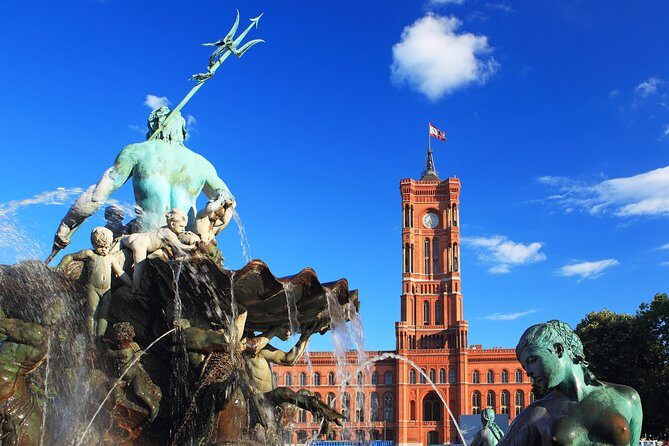
You’ll drive past Nikolaiviertel, Berlin’s oldest district, known for its older-style medieval architecture and cobbled streets. It’s a reminder that Berlin’s layers don’t start in the 20th century; they go way earlier.
Next, you pass by Berliner Fernsehturm, the tall TV tower built in 1969, which became a symbol of East Germany’s modern-state image. Seeing it from the bus works because it’s a strong skyline moment even if you aren’t getting out.
Then you cruise past the pre-WWII core area, including the Old and New Town Halls and the Church of St. Mary, giving you a quick sense of architectural continuity before devastation and rebuilding shaped the modern city.
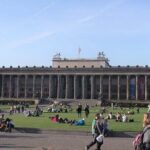
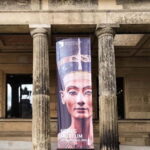
After that, you stop at Museum Island (about 10 minutes). Museum Island is a UNESCO site, and you’ll see the exterior grandeur of buildings like the Old Museum area and Berlin Cathedral views nearby. The schedule marks it as free for this stop, which is one reason the tour fits so much into a limited time window.
If you’re the type who wants to see interiors, you should temper expectations. This is a highlight-and-context day, not a museum day.
Bebelplatz Book Burning, Gendarmenmarkt Squares, and the Photo Stops That Reset Your Brain
Between heavier memorials and the Cold War sites, the itinerary gives you a couple of breathing moments.
At Bebelplatz, time permitting, you visit the memorial site for the Nazi book burning on May 10, 1933. It’s a short stop, about 10 minutes, and it hits hard because it connects ideology to everyday culture—books, language, ideas, and enforced silence.
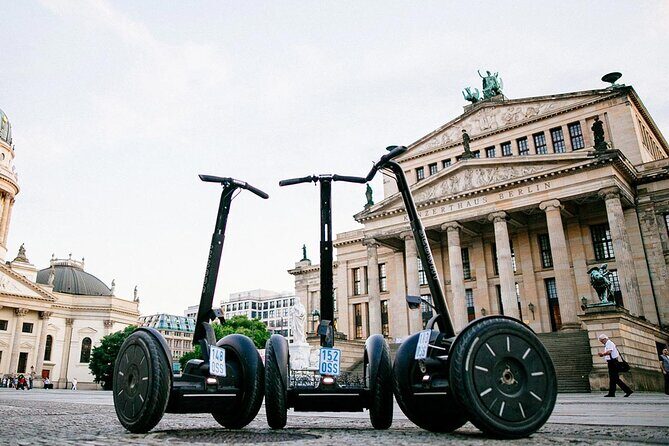
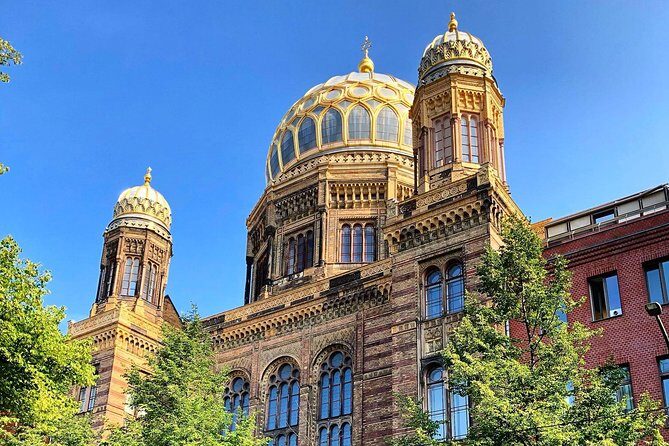
Then you reach Gendarmenmarkt, one of Berlin’s most photogenic squares. You get around 5 minutes to admire the French and German domes and the concert-house style setting. This is a quick “reset” area, and it also gives you photos you’ll actually want later, not just memorial snapshots.
The tour’s design choice here is smart. After emotionally intense sites, your brain needs a visual break. Even a five-minute square can help you feel the day didn’t become only heavy blocks and numbers.
Checkpoint Charlie and Topography of Terror: Cold War Up Close
Next comes Checkpoint Charlie, one of the most famous Berlin Wall border crossings. You have about 20 minutes and time to cross between East and West at the symbolic point. There’s also often a chance to grab quick souvenirs if you want something small and easy.
Then comes the final major stop: Topography of Terror. This is centered on the former headquarters of the SS and Gestapo and also connects you to Cold War symbolism through references to the Berlin Wall. You’ll have time for a bathroom break before boarding the bus for the last drive back.
This end section is the payoff for people who came to Berlin for the Wall-and-border story. The day moves in a line: WWII atrocities → post-war state reshaping → border tension → the institutions behind repression.
One timing note from reviews: some people wished they had more time at Checkpoint Charlie and the Wall area. If those two are your top priorities, treat this tour as a strong “first look.” For deep time, you’d want a separate, focused visit later.
Timing: How the Tour Stays Cruise-Friendly (and Where It Can Feel Tight)
The biggest operational win here is the commitment to returning you in time for your ship. You’ll see multiple reviews praising the fact that the return timing lowered stress and left people with significant buffer hours.
Still, the day has fixed points. It’s long, and it packs in a lot. A few things can make it feel tight:
- Traffic and crowd levels.
- Short stop durations by design.
- The order of stops and what you personally care about most.
If you want to minimize frustration, do this:
- Prioritize your must-see items before the tour starts, so you’re not bargaining with your own expectations mid-day.
- Bring comfortable shoes and plan for short walks in busy areas.
- If you’re sensitive to crowds, expect the city’s popular zones to feel loud.
A small but useful practical tip from real day-of experience: bring a little cash in euros for restroom needs. One review specifically advised having euro change because restroom stops may take coins or small bills.
What to Bring for a 10–11 Hour Shore Day
Here’s what I’d pack for this kind of day trip, based on the stated walking and the practical realities of a long schedule:
- Comfortable footwear (some walking, and you’ll be on your feet more than you expect)
- Weather-appropriate clothing plus an umbrella if rain is possible
- A fully charged phone and ideally a power bank (no Wi‑Fi or charging on the bus)
- A small amount of cash in euros for bathrooms and lunch snacks
Also: keep your expectations realistic about museum interiors. The stops are arranged for time-on-foot viewing and guided explanation, not long entry lines.
Guides Make or Break This Tour: The Human Touch You’re Paying For
This excursion’s success isn’t just the route. It’s the people running it.
You’ll see many guides named in the feedback: Tobi, Ryan, Philippa, Ryan again, Jonathan, Anne, Campbell, Daniel, Nick, and even driver names like Markus and Matthias. Across the board, the praise focuses on the same themes:
- Guides that explain why places matter, not just what they are.
- A strong ability to manage a group through dense city blocks.
- Drivers that handle the long route safely and get everyone back on schedule.
One standout detail: one guide (Campbell) shared materials like binders with newspaper articles and historic pictures during the day. That’s the kind of “extra context” that makes memorial sites feel less like checkboxes and more like connected history.
Value Check: Why This Often Beats Cruise Ship Berlin Pricing
Cruise ship tours can be pricey because you’re paying for logistics, comfort, and a packaged experience. This one competes well because:
- It’s priced far below typical cruise excursions in many cases.
- It includes transportation and a guided day.
- It avoids many add-on entrance fees since so many key stops are free memorial and square areas.
The tradeoff is time. You’re not doing deep museum sessions. You’re doing a guided sweep with short looks. If your goal is a quick, high-impact overview that you can build on, it’s a strong value.
If your goal is to spend hours inside major attractions, you might feel the schedule runs fast. That’s where you should plan a second trip or a more focused Berlin day.
Who This Shore Excursion Fits Best
This is a good match if you:
- Want a guided “highlights + meaning” day without navigating Berlin on your own.
- Prefer English commentary and an itinerary built around cruise timing.
- Are comfortable with moderate walking and short stop durations.
It may feel less ideal if you:
- Want a slow, museum-heavy day.
- Are very worried about crowds and noise, since central Berlin can get busy.
- Need long, uninterrupted time at one single site like Checkpoint Charlie or the Wall.
Should You Book This Berlin Shore Excursion?
I’d book it if you’re doing Berlin as a shore stop and you want the day to feel organized, not stressful. The biggest reason is simple: you’re getting a guided route that hits major WWII and Cold War landmarks, plus you’re returning to the ship on time with built-in restroom and break planning.
I’d think twice if you’re the type who wants to go deep into interiors, because some major locations list admission tickets as not included, and most stops are short by design. For most cruise travelers, though, this is exactly the right format: see a lot, learn the why, and still make it back to the gangplank.
FAQ
How long is the Berlin shore excursion?
The tour lasts about 10 to 11 hours total.
Is the tour offered in English?
Yes, it’s offered in English.
Where do they pick you up?
Pickup is from the cruise ship port you select when booking, either Warnemünde or Rostock, with escort to the bus.
Will I have enough time to get back to the ship?
Yes. The experience includes a guaranteed return to your ship on time.
Do I need tickets for the attractions?
Some stops list admission tickets as not included (like Charlottenburg Palace and the Reichstag area). Other memorial stops are free as scheduled.
Is the bus comfortable?
You’ll ride in a modern, comfortable, air-conditioned shared bus.
Is Wi-Fi or phone charging available on the bus?
No. The buses do not include Wi-Fi or charging ports, so bring a power bank if you need it.
Is there walking?
Yes, the tour includes some walking, so comfortable shoes help.
Is lunch included?
No. Food and drinks are not included, though the tour includes a lunch break of about 45 minutes with access to places to eat.
How big are the groups?
The maximum group size is 35 travelers.