REVIEW · BERLIN
Berlin: Hop-on Hop-off Bus Tour with Live Commentary
Book on GetYourGuide →Operated by Tempelhofer Sightseeing · Bookable on GetYourGuide
Berlin gets easier with a live guide. This hop-on hop-off bus tour strings together big landmarks with live German and English commentary and the freedom to jump on and off whenever you want. You get a fast, low-effort way to map the city before you commit to museums or neighborhoods.
I especially like the way the hop-on hop-off setup helps you control the pace. One stop can be history, the next is shopping or a quick photo moment, and you can always ride onward if you feel like skipping a detour. On recent departures, guides such as Martin and Otti have been praised for switching languages smoothly while keeping the tone light.
One thing to plan around: route and stop access can shift. There are bypasses due to bridge and street constraints, and in some situations you may get an audio system instead of a human guide.
In This Review
- Quick Hits I’d Prioritize
- One-Day Orientation Without Overplanning
- Starting at KaDeWe: Getting Oriented on Kurfürstendamm
- Potsdamer Platz: From 1930s Square to Wall-Era No Man’s Land
- Topography of Terror and Checkpoint Charlie: Placing the Dark Chapters
- Gendarmenmarkt to Alexanderplatz: Theater-Front Europe Meets TV-Tower Berlin
- Museum Island, Humboldt University, and Unter den Linden
- Madame Tussauds, Hackescher Höfe, and the Movie-Set Berlin Feel
- Brandenburg Gate, Embassies, and the Stop at Platz des 18. März
- Reichstag Views, Hauptbahnhof, and Berlin’s Fujiyama Moment
- Tiergarten, Bellevue Palace, and Ending With Siegessäule
- Practical Tips That Make the Tour Better
- Should You Book This Hop-On Hop-Off Loop?
- FAQ
- How long is the Berlin Hop-on Hop-off bus tour?
- Where can I start the tour?
- Is there live commentary during the tour?
- What are the most important sights on the route?
- How often do the buses run?
- Is the tour wheelchair accessible?
- Do I need tickets for food, drinks, or attractions?
- What do I need to bring, and what’s not allowed?
Quick Hits I’d Prioritize
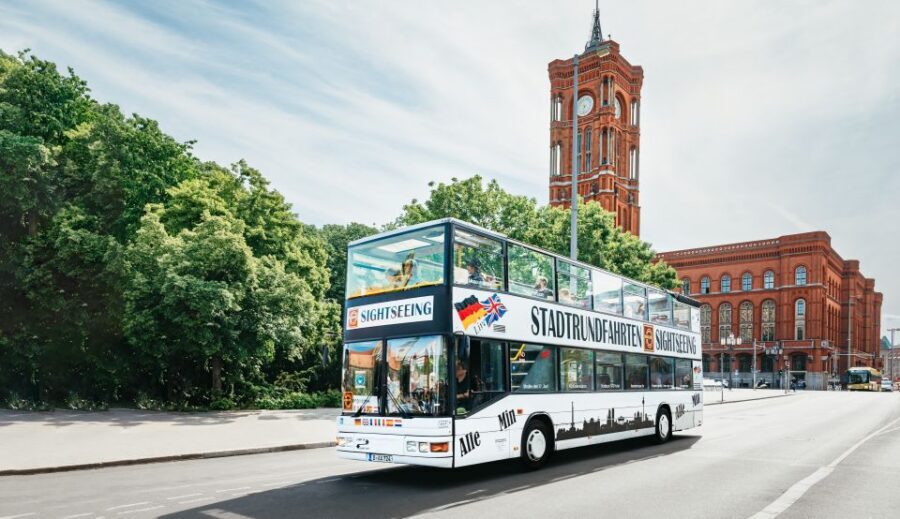
- Live dual-language commentary (German and English) with a real person, not just recorded audio
- Potsdamer Platz history made visible, including the Wall-era no man’s land context
- Topography of Terror stop for the Nazi and persecution history you’ll want to place on a map
- Unter den Linden to Museum Island flow, linking classics like Humboldt University with modern stops
- Brandenburg Gate and Holocaust Memorial timing, with an explicit stop at Platz des 18. März
- Tiergarten and Bellevue Palace finish, for a calmer end after the political sights
One-Day Orientation Without Overplanning
This is the kind of tour you take when Berlin feels too big. The schedule keeps you moving across key districts, but hop-on hop-off means you’re not stuck watching every stop like it’s a school bus field trip. Between major photo points, you can actually look up at buildings, read signage nearby, and decide where you want more time.
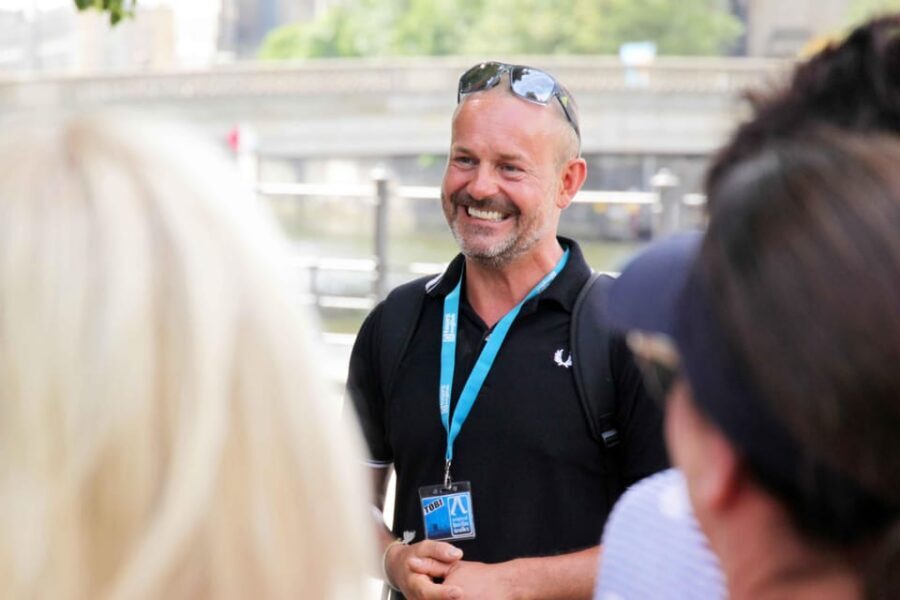
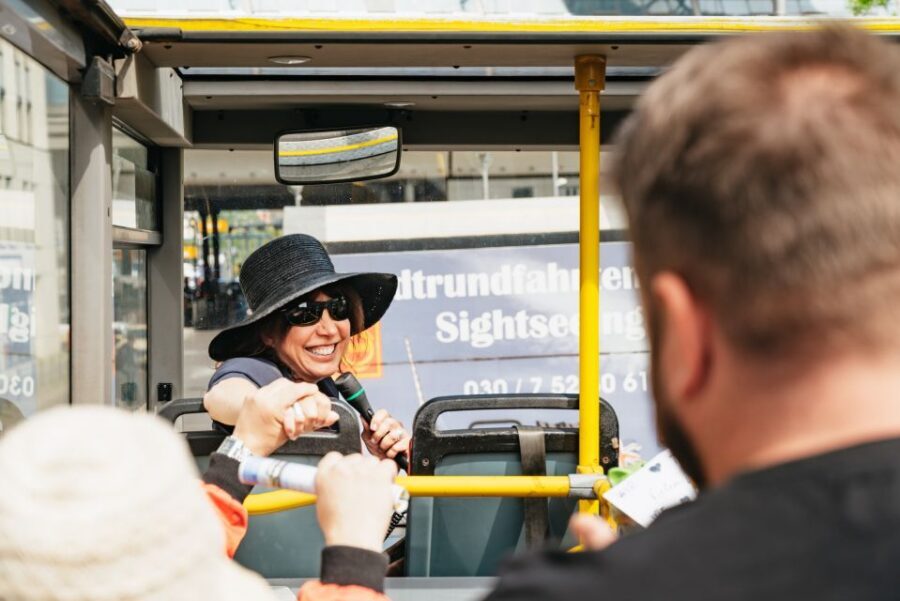
The heart of the experience is the live guide. You’ll get commentary in both German and English, and the best part is how the guide connects landmarks to what happened around them. Guides in recent days have been called funny and engaging, and that matters more than you’d think. Berlin’s history is heavy; a good guide keeps it understandable and, yes, a little human.
Buses generally run from about 9:30 AM to 5 PM, with frequent departures (at least every 15–30 minutes, and less often in the winter months). That rhythm is what makes hop-on hop-off work. You’re not racing a strict itinerary, but you still have a full loop to ride and re-ride.
You can also read our reviews of more tours and experiences in Berlin.

Starting at KaDeWe: Getting Oriented on Kurfürstendamm
You can start at several stops along the route, including GALERIA Reisen Berlin Kudamm at Kurfürstendamm 231 (near the KaDeWe area). If you’re in Berlin for the first time, I like starting around Kurfürstendamm because it instantly puts you in the West Berlin vibe: wide streets, big department-store energy, and easy connections to other parts of the city.
From there, you’ll pass by KaDeWe, then continue along stops such as Lützowplatz and the Kulturforum area. Even if you don’t hop off, the bus view gives you a mental map: where the cultural institutions cluster, how the streets flow, and how Berlin’s “different eras” sit side by side.
If you’re the type who wants a quick photo sweep before you commit to anything else, this opening segment is a good warm-up. It’s also a practical move if you’re jet-lagged: you’re paying to learn, not to stand in line.
Potsdamer Platz: From 1930s Square to Wall-Era No Man’s Land
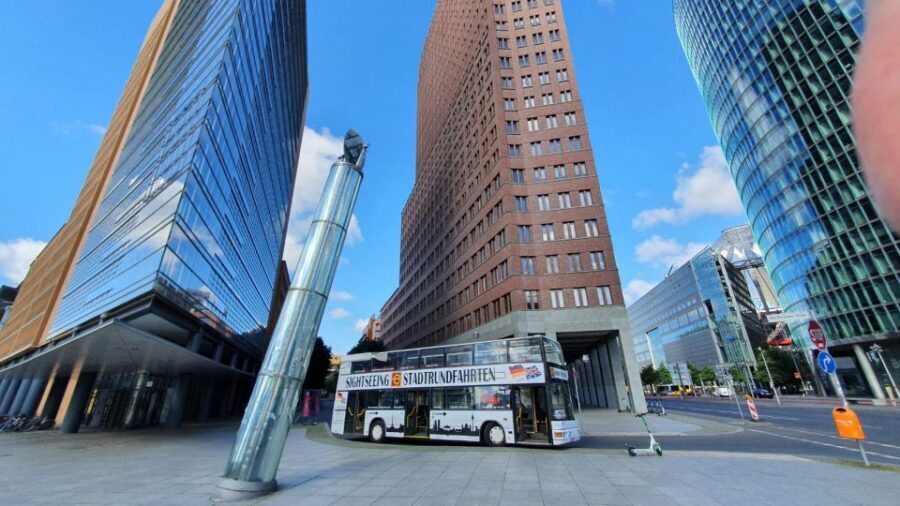
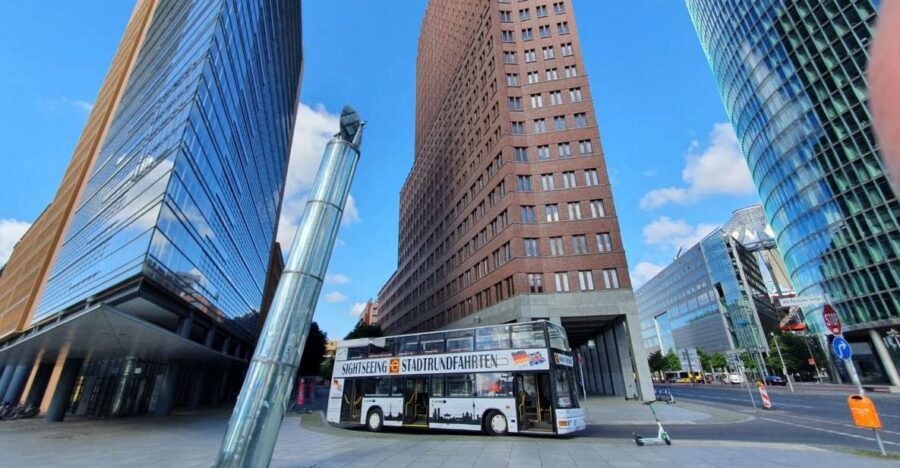
Potsdamer Platz is the stop that turns this from sightseeing into context. You’ll pass through the area tied to the 1930s public square era, then shift into the reality after the Second World War—when this became no man’s land, cut by the Wall.
What makes this stop click is the contrast. Today, you see newer towers and dense urban life, including a vibe that some people describe as canyon-like compared to New York. But the bus commentary frames that as the twist of history: for years, the space wasn’t “just empty,” it was a fortified divide with real consequences.
If you want something hands-on near this stop, Legoland Discovery Center is located at Potsdamer Platz. That’s useful if you’re traveling with kids or you simply want a break from monuments. Even without hopping off, the bus angle helps you understand why Potsdamer Platz became a major redevelopment symbol.
Topography of Terror and Checkpoint Charlie: Placing the Dark Chapters
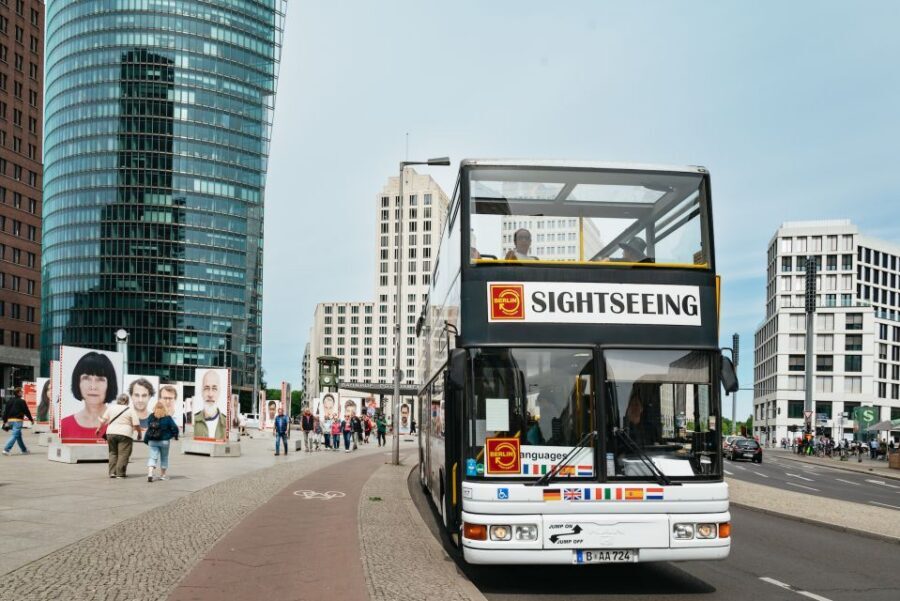
From Potsdamer Platz, the tour moves toward areas where Berlin’s 20th-century story becomes unavoidable. You’ll get a stop at Topography of Terror, and that’s a big deal. This is where the narrative shifts to the Nazi regime and the suffering of Jews under Nazi persecution—history you’ll want to understand in the same geographic frame as the rest of the city.
Next, you’ll see Checkpoint Charlie on the route. Even if you only do a quick stop, the point is to tie the major symbolic locations into one continuous mental timeline. Berlin is full of plaques and fragments; a bus loop helps you stitch them together.
A note for timing: if you visit during the Christmas market season, the Gendarmenmarkt stop can change for security, so don’t assume every stop works exactly like a summer day. The landmarks are still there—you may just walk a few extra blocks from a nearby alternate stop.
Gendarmenmarkt to Alexanderplatz: Theater-Front Europe Meets TV-Tower Berlin
After the checkpoints and memorial context, you’ll reach Gendarmenmarkt. This square is a classic “pretty side of Berlin,” and it works as a visual breather after the heavier stops. It’s also one of those locations where Berlin’s sense of grandeur becomes obvious when you see it from the street level.
Then comes Alexanderplatz, plus the TV Tower area. The bus stop is associated with the Neptune Fountain zone, and that location matters because it sits on ground tied to the older Berlin City Palace area. In other words, you’re not just looking at a modern landmark hub—you’re looking at layers.
One practical tip: you can’t do everything everywhere. Alexanderplatz is the place where you’ll want to choose. Want panoramic city photos? Do that. Want quick shopping or a snack? You’ll be set up for it. Want museums next? Hop back on and keep moving.
During Christmas markets, the Alexanderplatz/Neptune Fountain stop may close, and you’re directed to use Karl-Liebknecht-Straße 5 instead. So if your day includes that stop, keep the alternate location in your mental checklist.




Museum Island, Humboldt University, and Unter den Linden
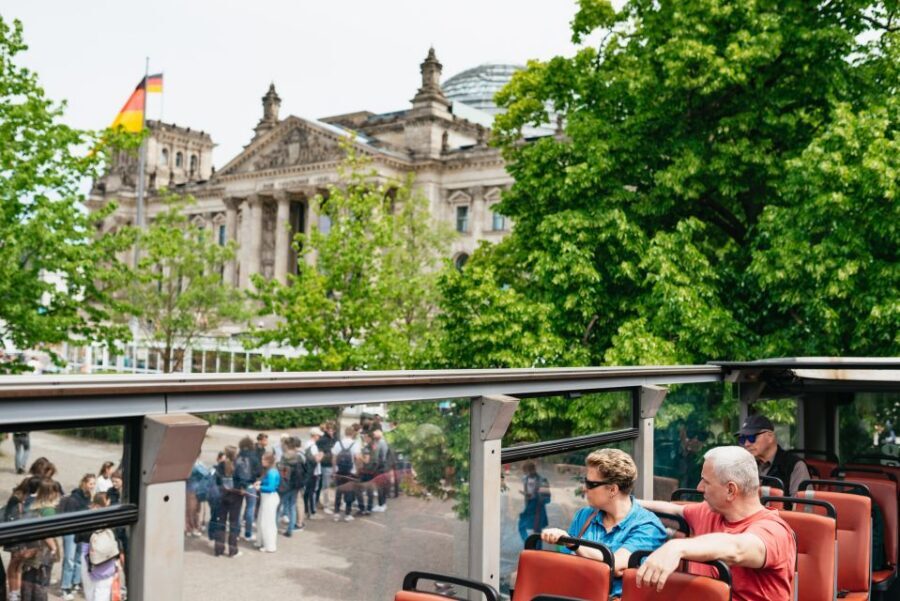
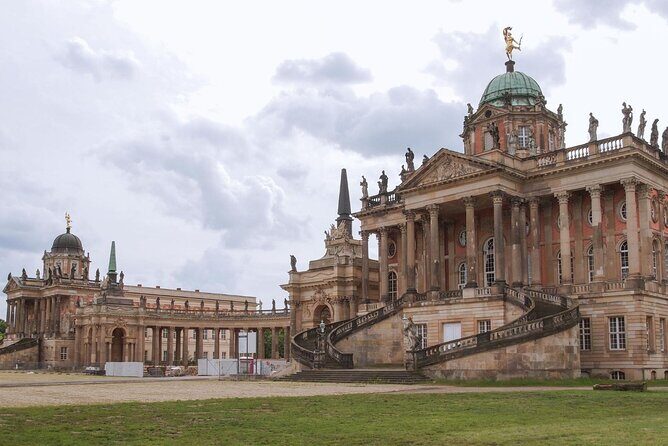
This is the Berlin segment I’d call “the academic spine.” You’ll pass by and stop around Museum Island, as well as Humboldt University of Berlin. Even if you don’t go inside, it’s helpful to stand near these institutions because it shows Berlin as a city built on ideas, not just politics.
From there, the route runs along Unter den Linden—one of Berlin’s signature streets. This stretch links iconic sights like Museum Island to major stops around Friedrichstrasse and the cultural corridor that makes this city feel formal and intentional.
There’s also a lively mix on the bus stops here:
- Bud Spencer Museum at Unter den Linden 10 (listed stop)
- ZDF Capital City Studios near Unter den Linden 36
- Madame Tussauds Berlin at Unter den Linden 74
One real-world factor: the tour may bypass parts of Unter den Linden due to a structural risk tied to vehicle weights. In that case, you might not be able to reach stops 11 to 13 from the usual route. The good news is the bypass route can still show notable areas like Hackescher Markt, the New Synagogue, and the Friedrichstadt-Palast.
That means the bus might not behave like a textbook map, but you still get a meaningful slice of central Berlin.
Madame Tussauds, Hackescher Höfe, and the Movie-Set Berlin Feel
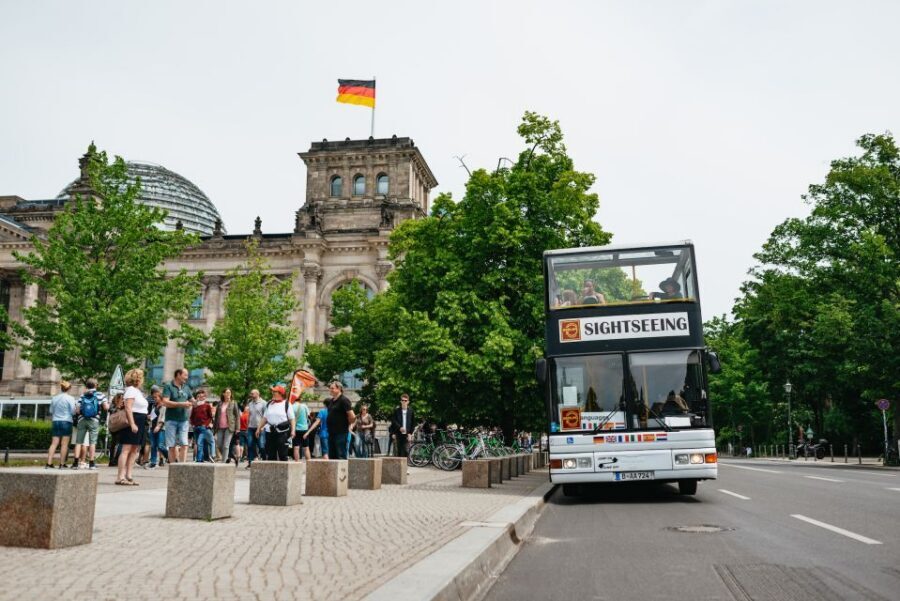
A surprising part of this loop is how it blends big names with “I can do this fast” attractions. Madame Tussauds Berlin sits right on the Unter den Linden corridor, which makes it an easy hop for a short, controlled visit if you don’t want a full museum day.
If the route gets rerouted on Unter den Linden, you may get a chance to see more of the Hackescher Markt / Hackeschen Höfe area from the bus. That neighborhood is a good place to hop off if you want streets that feel more lived-in than monumental.
This segment is also where Berlin’s “in-between” stops help. You’ll pass by or approach places like SEA LIFE Berlin and the general central shopping zones tied to multiple stops. It’s not all cathedrals and government buildings—this loop keeps you oriented to what you can actually do with your feet once you hop off.
Brandenburg Gate, Embassies, and the Stop at Platz des 18. März
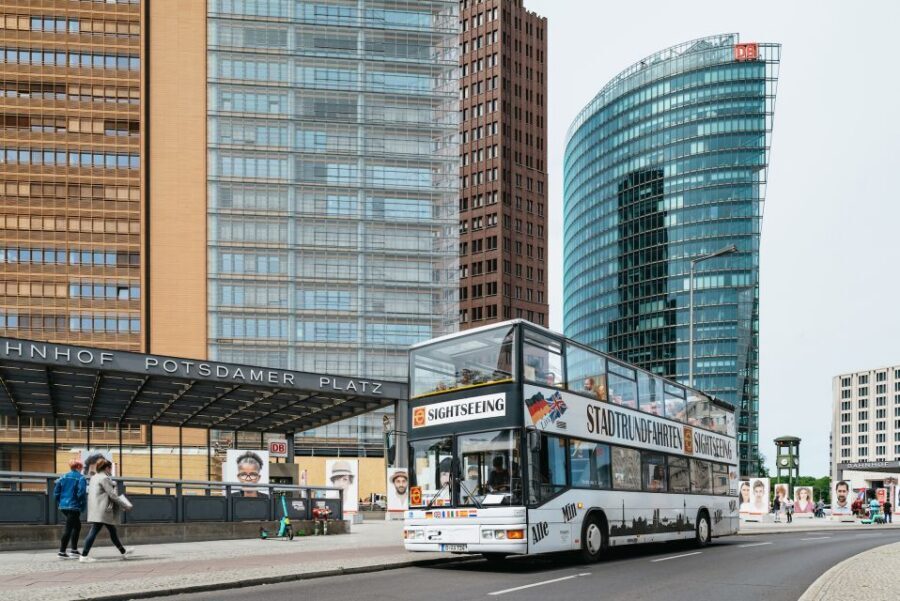
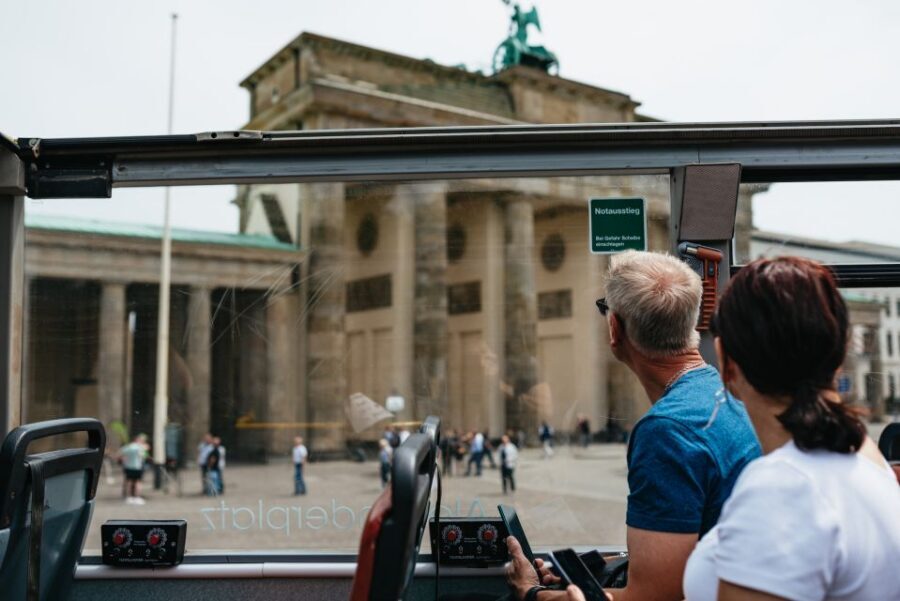
Now the bus really leans into the political and memory map. As you head toward the Brandenburg Gate, you’ll pass embassies—listed as the UK, Russia, France, and US—before arriving at the Holocaust Memorial area.
The key practical detail is the explicit stop at Platz des 18. März. That makes it easier to get your bearings and spend a focused amount of time there without guessing how to reach it from the road.
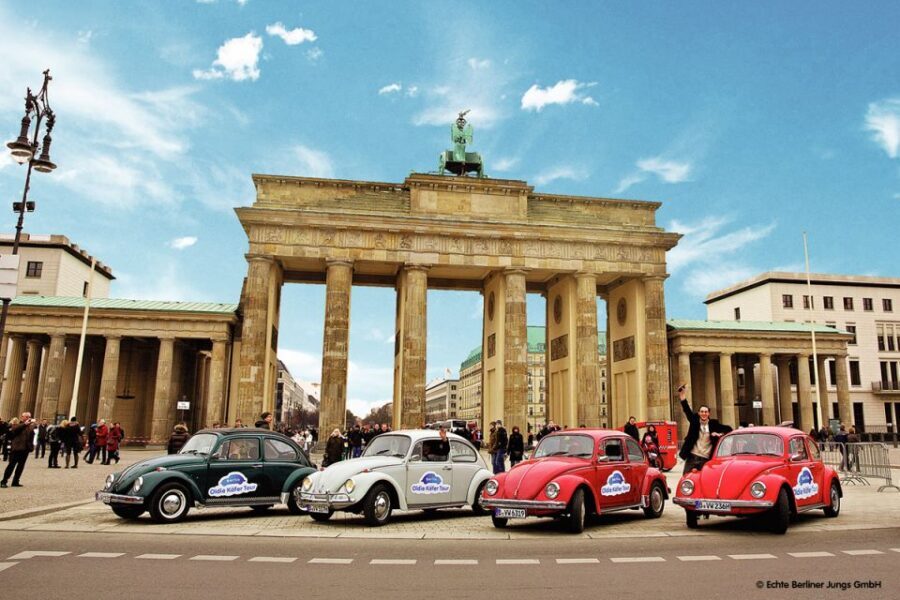
If you’re trying to understand Berlin’s identity, this is where it crystallizes. Brandenburg Gate is iconic, but the route ensures you don’t treat it as just a photo back-drop. The bus commentary frames what’s around it so the site connects to broader historical context.
Reichstag Views, Hauptbahnhof, and Berlin’s Fujiyama Moment
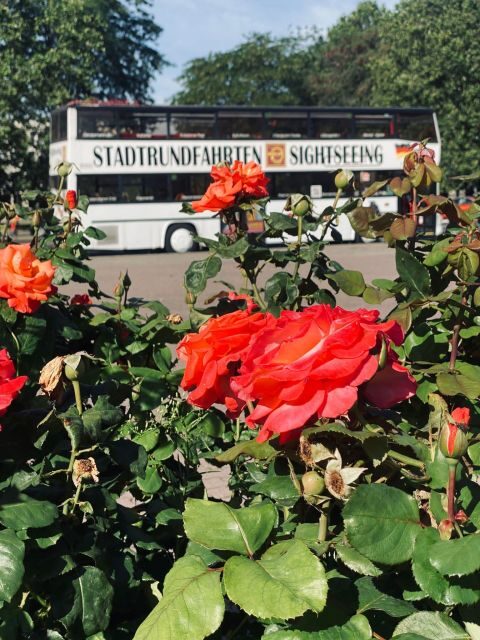
After the memorial stop, you’ll pass the Reichstag and continue toward Berlin Hauptbahnhof. This is a major transit hub, and it gives the loop a modern edge—real infrastructure, not only historic monuments.
From this area, you’ll get a world-famous view that ties together the German Chancellery and the Reichstag. Then comes the fun surprise mentioned in the tour materials: Berlin’s Fujiyama. It’s the kind of name that grabs attention, and it’s exactly the sort of detail that helps you remember the route after the ride ends.
This part of the day is also a great time to sit on the upper deck if you can and look for photo angles. You’ll be moving through wide streets and open sight lines that make “I saw it from the bus” photos surprisingly effective here.
Tiergarten, Bellevue Palace, and Ending With Siegessäule
After government sights, the tour gives you a calmer finish. You’ll cross Berlin’s so-called green lung, the Tiergarten, which is bigger than New York’s Central Park (as the tour describes it). That size difference matters because it changes how the city feels once you’ve spent the earlier part focused on landmarks and memorials.
You’ll also pass Congress Hall and reach Bellevue Palace, the official residence of the President of Germany. Then you get a view toward Siegessäule, topped with the golden Victoria statue.
Ending here is smart. It’s a chance to slow down after a day of heavy context and major architecture. If you still have energy, you can hop off and walk a bit within Tiergarten. If not, you’re already in a central area with easy connections to other plans.
Practical Tips That Make the Tour Better
If you want the best day with the least hassle, use these tricks.
- Bring ID: a passport or ID card is required, and a copy is accepted.
- No big bags and no smoking on board.
- Time your hopping: buses run often, so hop when you see what you want, but don’t “hop at everything.” Pick 3–5 moments.
- Expect occasional reroutes: bridges and street constraints can alter the shortest route, though the stops themselves are generally not affected.
- If the bus goes audio-only, it’s usually temporary, tied to illness or passenger volume. If you’re set on human commentary, try to start early in the day.
From the ride itself, the tour length is built for you to learn quickly and then follow up on your own. One of the most helpful outcomes is that you’ll know which neighborhoods feel right for a second visit.
Should You Book This Hop-On Hop-Off Loop?
Yes, if you’re doing Berlin for the first time and you want a practical way to hit the big landmarks in one day. The live German-and-English guide is the difference-maker, especially if you like your history explained with real-world context and a bit of humor. At $22 per person for a full loop, it’s strong value when you use hop-off time wisely.
I’d think twice if you’re very picky about vehicle comfort, because bus condition can vary. Also, if you’re planning on a mostly-English experience, keep in mind this is a dual-language setup and the balance can shift day to day. If you want a “standby plan” that still lets you see the essentials even with reroutes, this tour fits that job well.
FAQ
How long is the Berlin Hop-on Hop-off bus tour?
The ticket is valid for 1 day.
Where can I start the tour?
You can start from any stop on the route, including GALERIA Reisen Berlin Kudamm (Kurfürstendamm 231) and several other listed stops.
Is there live commentary during the tour?
Yes. A tour guide provides commentary in English and German, and an audio guide is also included in German and English.
What are the most important sights on the route?
Key sights include Potsdamer Platz, Topography of Terror, Checkpoint Charlie, Gendarmenmarkt, Alexanderplatz and the TV Tower area, Museum Island and Humboldt University, Unter den Linden, Madame Tussauds Berlin, Brandenburg Gate, the Holocaust Memorial, the Reichstag area, Berlin Hauptbahnhof, Tiergarten, and Bellevue Palace.
How often do the buses run?
Buses run at least every 15–30 minutes. From November to March, the frequency can be every 30–45 minutes. The day runs roughly from 9:30 AM to 5 PM.
Is the tour wheelchair accessible?
Yes, it is wheelchair accessible.
Do I need tickets for food, drinks, or attractions?
Food and drinks are not included. The tour ticket includes the hop-on hop-off bus ticket and the tour guide.
What do I need to bring, and what’s not allowed?
Bring a passport or ID card (a copy is accepted). Smoking is not allowed, and luggage or large bags are not allowed.