REVIEW · BERLIN
Berlin: Discover Berlin Walking Tour
Book on GetYourGuide →Operated by Original Berlin Walks GmbH · Bookable on GetYourGuide
Berlin hits you fast. This Berlin walking tour turns landmarks into real stories. You’ll see Checkpoint Charlie and the Brandenburg Gate, then keep moving through the city’s biggest turning points with guides praised for clear, human storytelling (Anja and Philipp are just two names that come up often). My favorite part is how the walk connects eras without turning it into a lecture, and how the stops feel tied to what Berlin is today.
I also like that you’re not stuck just looking at monuments—you’re walking past the places where decisions were made, propaganda was spread, and lives were changed. The itinerary covers major sights like Museum Island, Bebelplatz (the site tied to the Nazi book burning), and the area linked to Hitler’s suicide. One thing to consider: it runs rain or shine, so you’ll want weather-proof clothing and a bit of patience with outdoor walking.
Key tour details at a glance
- What you’ll see: Central Berlin’s core WWII and Cold War sites
- How long: 2–4 hours
- Language: German or English
- Price: $23 per person (with a live guide)
In This Review
- Key moments that make this walk worth your time
- A Berlin walking tour that keeps the timeline straight
- Checkpoint Charlie and Brandenburg Gate: the Cold War in walking distance
- Museum Island and the Berlin Cathedral area: culture built on top of conflict
- Bebelplatz and the Nazi book burning: what public memory tries to fix
- Stand over Hitler’s suicide site: Berlin’s final-war geography
- Berlin Wall stories and the fall of 1989: why the walk ends with momentum
- What to wear, how to pace yourself, and who this fits best
- Value check: is $23 really fair for this many major stops?
- Should you book the Berlin walking tour?
- FAQ
- How long is the Berlin Discover Berlin Walking Tour?
- What sights are included?
- What language is the tour guide?
- Is there a guide during the walking tour?
- Does the tour run in bad weather?
- Is a private group available?
- What should I bring?
- How much does it cost?
Key moments that make this walk worth your time
- Checkpoint Charlie + Berlin Wall context: you get the Cold War story from street level, not a museum label
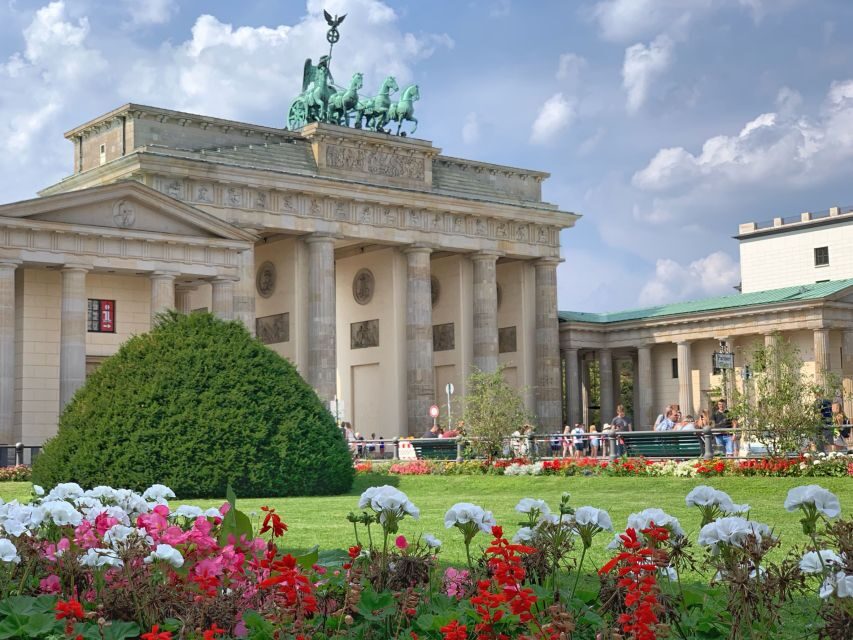
- Brandenburg Gate: more than a photo stop, it’s a symbol pulled into multiple political eras
- Museum Island: a chance to understand why Berlin built cultural power right where history got heavy
- Bebelplatz book-burning site: you’ll be guided through how censorship shaped public life
- Hitler’s suicide area and final days: the darkest chapter is handled with factual framing and momentum
- Stops break up the pacing: guides frequently keep the tour moving without rushing people
A Berlin walking tour that keeps the timeline straight
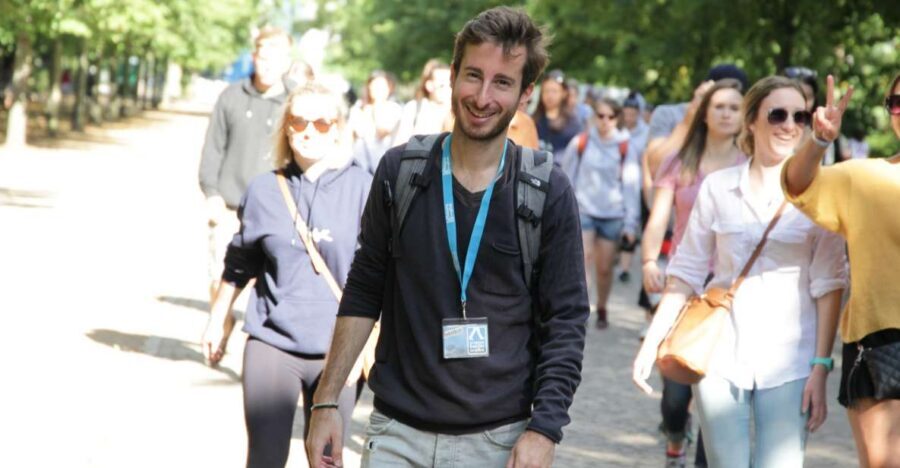
Berlin can feel like a grab bag of architecture—Prussian shapes, Nazi-era statements, East German gray practicality, and today’s design-forward energy. What I love about this tour format is that it keeps those pieces in order. Your guide weaves themes across time, so you’re not left memorizing names without a thread.
You’ll start with the idea that Berlin’s story doesn’t begin in 1939. The tour framing stretches back through Prussian and Imperial Berlin, then moves into the Nazi era, the Cold War split, and finally the 21st-century city you’re seeing now. That matters because the major sites only make sense when you know what they meant at the time.
It also helps that many guides get praised for pacing and tone. People describe the experience as thoughtful, engaging, and not so heavy that you tune out. You’ll still cover tragic subjects (including the murdered Jews of Europe), but the point isn’t to overwhelm you—it’s to explain how history shaped Berlin’s streets and memory.
You can also read our reviews of more walking tours in Berlin



Checkpoint Charlie and Brandenburg Gate: the Cold War in walking distance
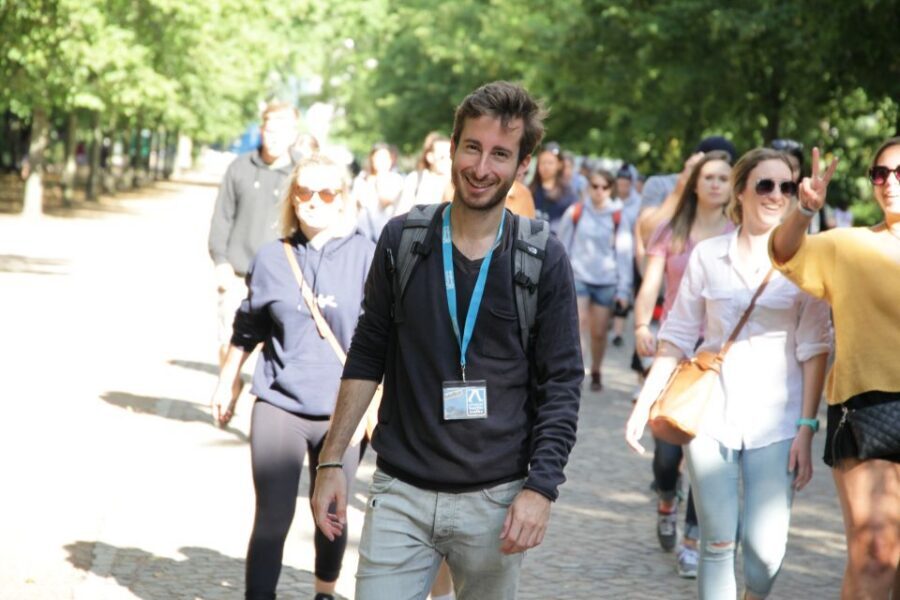
Checkpoint Charlie is one of those places where the facts are simple (a border crossing, a tense era), but the meaning is huge. On this tour, that’s exactly how it’s handled. You’ll learn what this area represented during the Cold War and why the world watched Berlin like a pressure gauge.
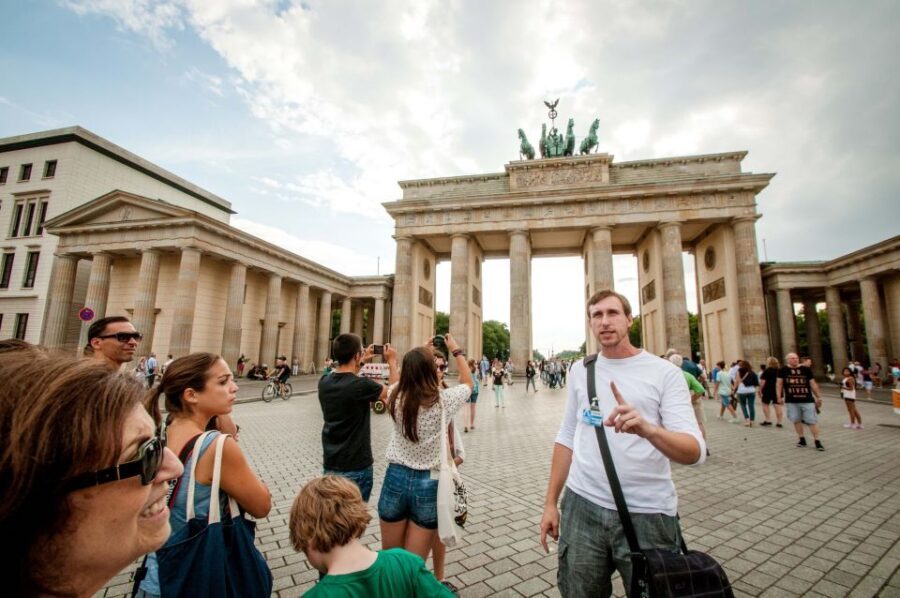
Then there’s the Brandenburg Gate, which keeps getting reused by history. It can look like just another grand landmark from afar, but the story changes depending on who controls the city. Seeing it in the context of Cold War Berlin gives you a different kind of “wow”—not just size, but political weight.
A practical plus: this is the kind of tour where your guide can answer your questions as you walk. Multiple reviews mention guides who welcome queries and keep explanations clear. If you’re the type who wonders why Berlin looks the way it does—why certain memorials exist, or why some designs sparked debate—this format is made for that.
Museum Island and the Berlin Cathedral area: culture built on top of conflict
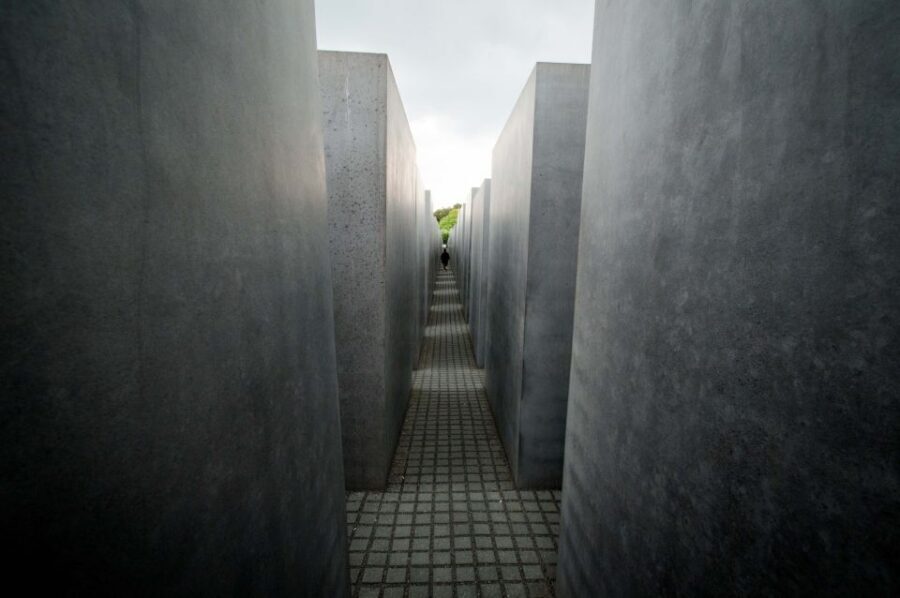
Museum Island isn’t just a postcard. It’s a reminder that Berlin invested in knowledge and culture at the same time it was becoming a power center. On this tour, the island fits into the larger narrative: where the city puts its money says a lot about what it wants to project.
You also visit the Berlin Cathedral and Palace Square area as part of the walk’s broader “power and planning” theme. These places help explain how Berlin tried to define itself—through monarchy-era grandeur, later political messaging, and eventually a layered identity after reunification.
The value here is that you’re learning why these sites matter beyond their architecture. You’re seeing how Berlin uses space: cultural prestige in one place, official symbolism in another, and political confrontation across others. It’s an efficient way to build a mental map in just a few hours.
Bebelplatz and the Nazi book burning: what public memory tries to fix
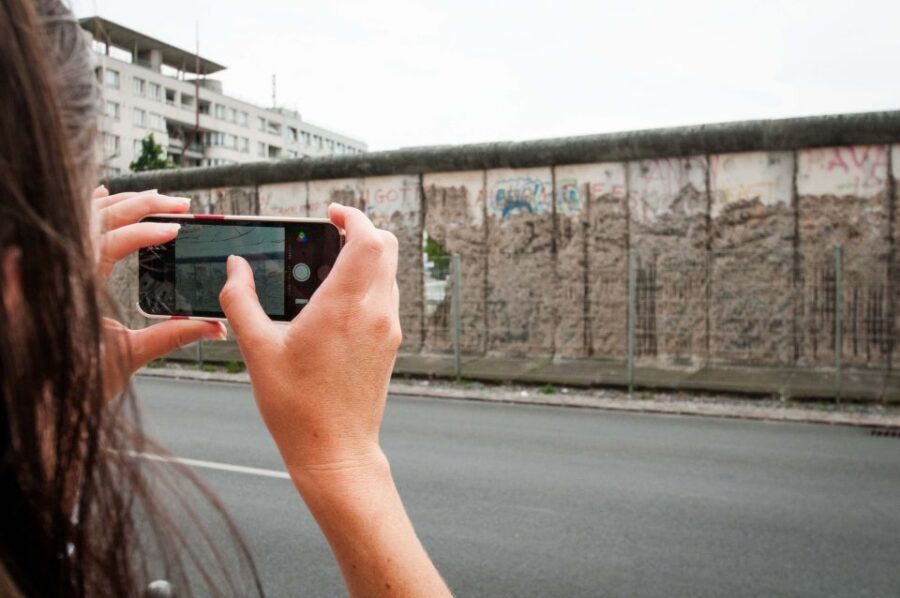
Bebelplatz is one of the most emotionally loaded stops on the tour—and it’s also one of the most educational. You’ll learn about the Nazi book burning scene tied to this square. That’s not trivia. It’s about how a regime attacks ideas, not just people.
The tour’s framing helps here: it doesn’t just name the event. You’re guided through why censorship is powerful. You’ll also hear about controversies over memorial design, which is important because Berlin’s history isn’t treated as a closed chapter. Even how the city chooses to remember can be debated.
This is a stop that benefits from a live guide. Without one, Bebelplatz can feel like a quick “check and go” location. With a guide, it becomes a moment where you understand the stakes: what gets removed from public life, and how that kind of removal leaves scars.
Stand over Hitler’s suicide site: Berlin’s final-war geography
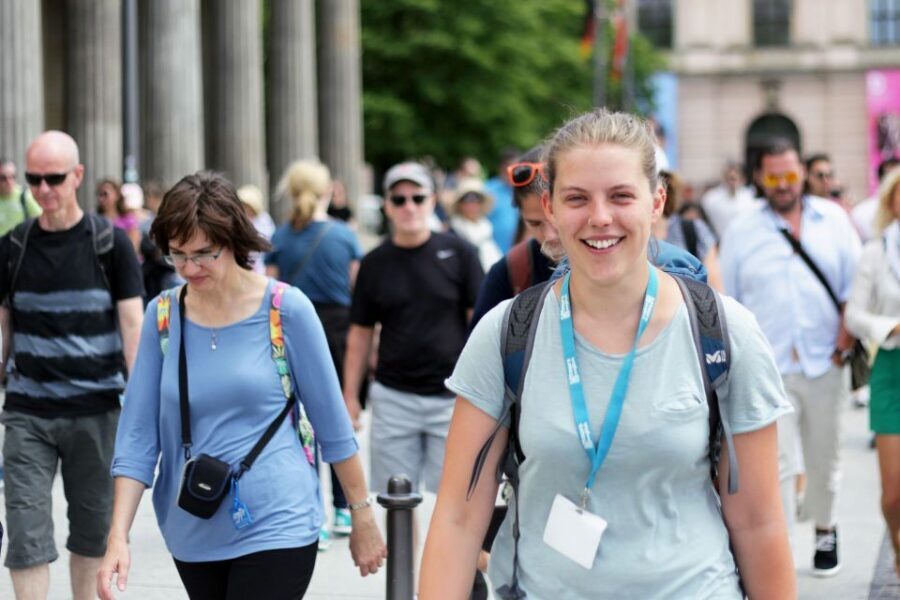
One of the highlights is standing over the site associated with Hitler’s suicide in April 1945. This area is difficult, but it’s part of understanding how Berlin’s endgame unfolded during WWII.
What makes this stop work on a walking tour is the way your guide connects it to nearby storylines—especially the desperate timing and the question of who had a way out. The tour description includes themes of daring escapes across the Berlin Wall before its fall in 1989, and that connection helps you see the arc from 1945 to reunification.
It’s also a reminder that the city’s most famous political symbols weren’t born in comfort. The tour doesn’t soften that. Instead, it gives you the context to understand why Berlin’s memorial landscape looks the way it does today and why those locations still matter.




Berlin Wall stories and the fall of 1989: why the walk ends with momentum
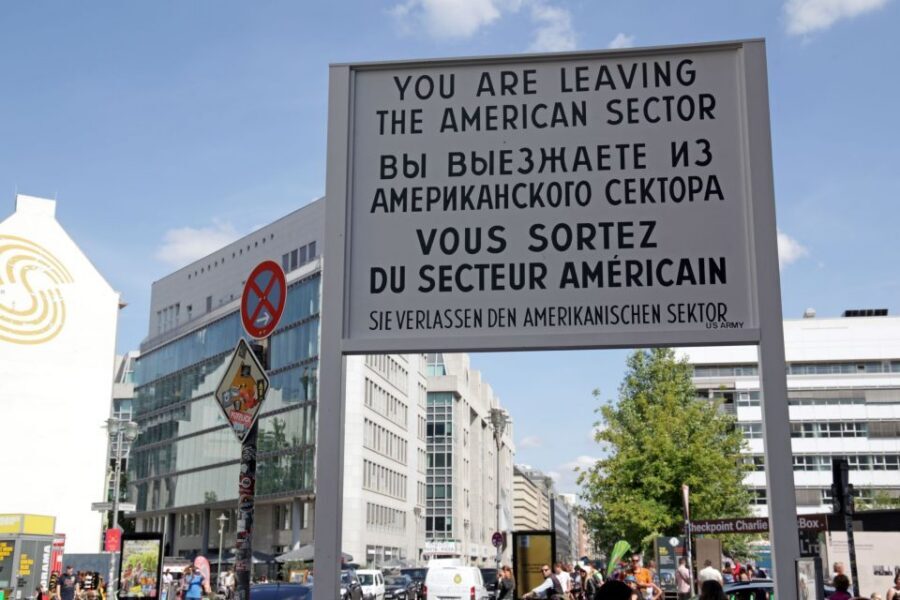
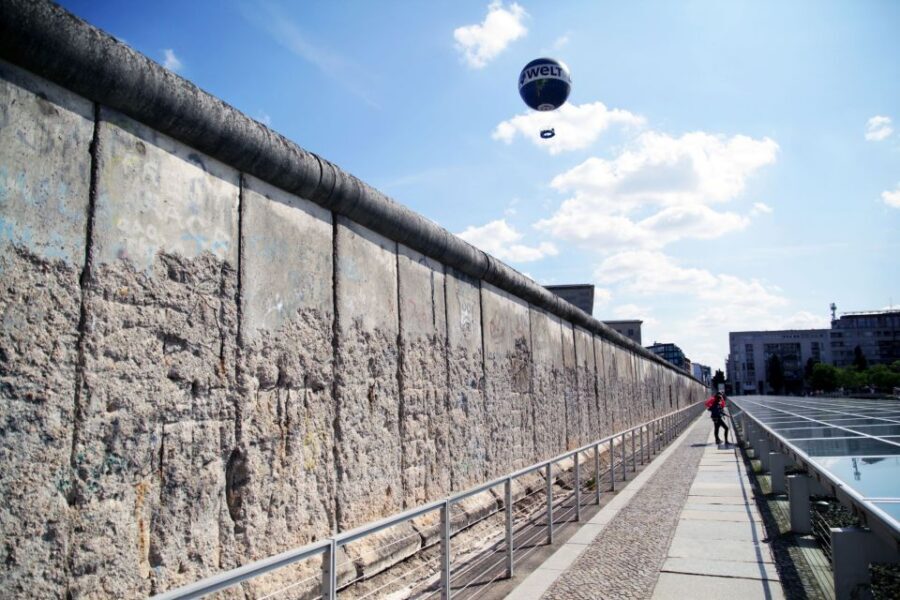
Even if you already know the headline about 1989, the tour approach helps you understand the human texture around it. You’ll hear about the experiences around the Wall and the chance of escape, then see how that leads into the momentous fall.
This is where Berlin’s layering becomes obvious. The same city that carried propaganda and terror also carried resistance, negotiation, and the eventual dismantling of barriers. Walking between key points makes that feel real instead of abstract.
And because the tour is timed at 2–4 hours, you’re not stuck in one long, exhausting stretch. It’s enough time to cover major sights and still stay alert through heavy topics. If you’re doing Berlin for the first time, this is one of the fastest ways to gain orientation—both geographically and historically.
What to wear, how to pace yourself, and who this fits best
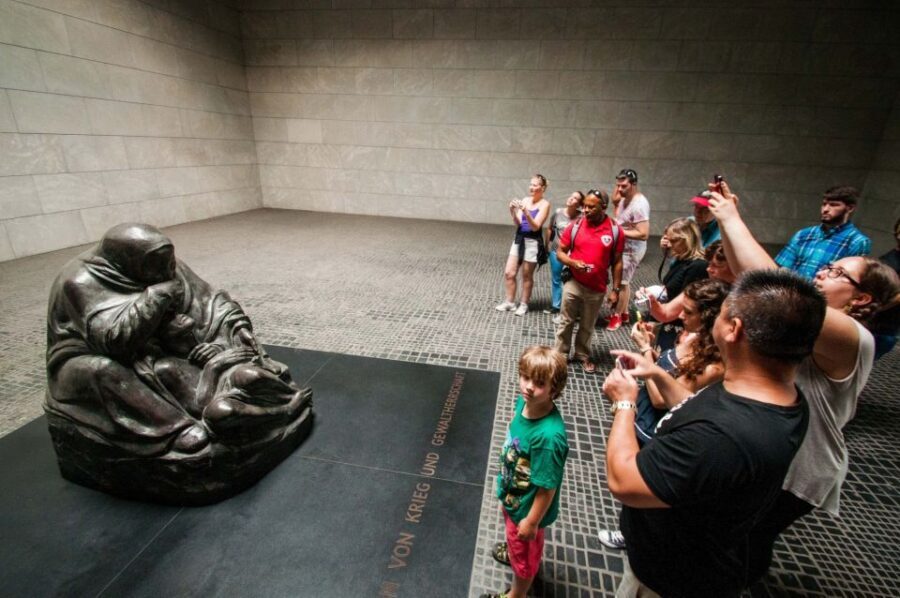
This is a rain or shine walking tour, so bring weather-appropriate clothing. In winter, that’s not just comfort—it’s your ability to keep moving. Some reviews mention guides adjusting the experience in harsh conditions, including finding warmer or sheltered areas when needed, which is a big deal when temperatures drop.
The tour is run in English and German, and it’s a live guided experience. There’s also a private group available option, which can be a good fit if you want a more customized pace or smaller group discussion.
Who should book it? I’d put it in your “yes” pile if you:
- want a fast start and a coherent sense of Berlin’s modern history
- care about WWII and the Cold War more than just surface sightseeing
- enjoy asking questions and getting guided context rather than reading alone
If you only want quick photo stops, this won’t feel like that kind of tour. It’s more about meaning than speed.
Value check: is $23 really fair for this many major stops?
At $23 per person for a 2–4 hour guided walk, the value is the big selling point. You’re paying for a local guide who can connect eras, explain why sites matter, and keep the narrative clear. That’s hard to replicate if you’re relying only on apps or self-guided reading.
Also, the tour is built around high-impact places—Checkpoint Charlie, Brandenburg Gate, Museum Island, Bebelplatz, and the Hitler suicide area topic. Those are among the most visited and most meaningful locations in central Berlin, and your time is limited. A guide compresses your understanding so you get more insight per hour.
One more practical value point: reviews repeatedly highlight guides who are warm, funny, and good at answering questions without rushing. That’s what turns the walk from “lots of stops” into “real learning.”
Should you book the Berlin walking tour?
If you want a short, structured way to understand Berlin’s WWII and Cold War story, I’d book this. You’ll cover major sites like Checkpoint Charlie and Brandenburg Gate, get context at Museum Island and Bebelplatz, and end with the hardest but most important history near the Hitler’s suicide area. The guide-led storytelling is a core part of the experience, and the strongest feedback centers on clarity, pacing, and engaging answers.
The only real reason to hesitate is if you hate walking in the weather. Since it runs rain or shine, you’ll need to dress for it and accept that outdoors time is part of the deal. If you’re okay with that, this is one of the best ways to get your bearings fast and make the city’s most famous sites actually mean something.
FAQ
How long is the Berlin Discover Berlin Walking Tour?
It lasts 2–4 hours, depending on which option you choose and the start time available.
What sights are included?
The tour includes major central Berlin highlights such as Checkpoint Charlie, the Brandenburg Gate, Museum Island, Bebelplatz (the Nazi book burning site), and the area tied to Hitler’s suicide, plus other significant landmarks like Berlin Cathedral and Palace Square.
What language is the tour guide?
The live guide is available in German and English.
Is there a guide during the walking tour?
Yes. The tour includes a live tour guide.
Does the tour run in bad weather?
Yes. This tour takes place rain or shine.
Is a private group available?
Yes. Private group options are available.
What should I bring?
Bring weather-appropriate clothing, since you’ll be walking outdoors.
How much does it cost?
The price is $23 per person.