REVIEW · BERLIN
Berlin: Sights and Highlights Bike Tour with a Local Guide
Book on GetYourGuide →Operated by Berlin on Bike BoB Fahrradtouren GmbH · Bookable on GetYourGuide
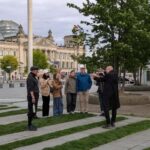
Berlin by bike feels like a time machine on wheels. You’ll cover major sights fast, but with stops that turn streets into stories, from Prussian power to what changed after the Wall. I like that the tour blends big landmarks with smaller context, and I’ve seen guides (like Isabelle and Brendan) bring it to life with clear, on-the-spot explanations and even printed photos.
Two things I especially like: the relaxed pace (you’re moving, but you’re not racing) and the small-group vibe (max 15), which makes it easier to ask questions and hear what’s going on around you. One drawback to consider: you’re on public roads, so you’ll need to watch traffic and lights yourself, not just follow the person in front.
In This Review
- Key Takeaways
- Why Berlin Highlights Feel Easier by Bike
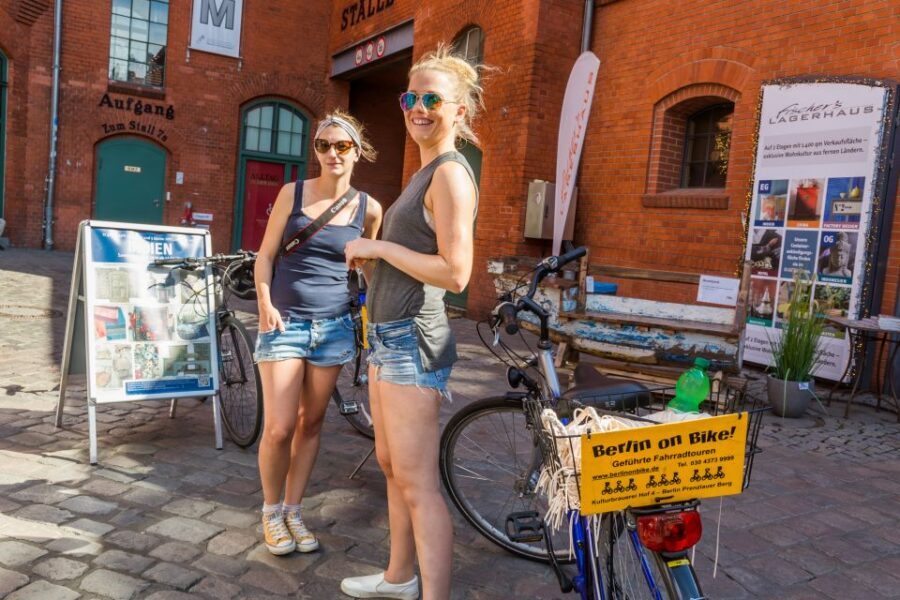
- Starting at Kulturbrauerei: Prenzlauer Berg Sets the Tone
- Government District and Central Station: Where Big Power Meets Motion
- Past Brandenburg Gate and the Reichstag Area: Seeing Old Drama Up Close
- Holocaust Memorial Pause: A Serious Stop That Doesn’t Feel Like a Detour
- Riding Past the Berlin Wall: What Division Looks Like on the Ground
- Gendarmenmarkt and Museum Island: Nice Views, Better Understanding
- How the Tour Actually Feels: Pace, Group Size, and Road Sense
- Gear and Comfort: Bikes, Gloves, Helmets, and Rain Plans
- The $41 Value: What You’re Paying For
- Who Should Book This Bike Tour
- Should You Book This Berlin Sights and Highlights Bike Tour?
- FAQ
- How long is the Berlin Sights and Highlights bike tour?
- What landmarks does the tour include?
- How much does the tour cost?
- Is the group small?
- What languages are the live guides?
- Are bikes and safety gear included?
- Do they provide anything for weather?
- What should I bring?
- Is there anything I’m not allowed to bring or use during the tour?
- Where do I meet the guide?
- Are there any extra costs during the tour?
Key Takeaways
- Prenzlauer Berg start at Kulturbrauerei: a restored, lively launch point before you hit the major sights
- Major Berlin hits in one ride: Brandenburg Gate, Reichstag area, Holocaust Memorial, Berlin Wall, and more
- Local guides who shape the route with stories: some use printed photos to match what you see
- Safety rhythm built into the group: the tour waits at crossings so everyone can regroup
- Practical gear for real weather: sunscreen, trouser clips, optional gloves/helmet, and ponchos when it rains
Why Berlin Highlights Feel Easier by Bike
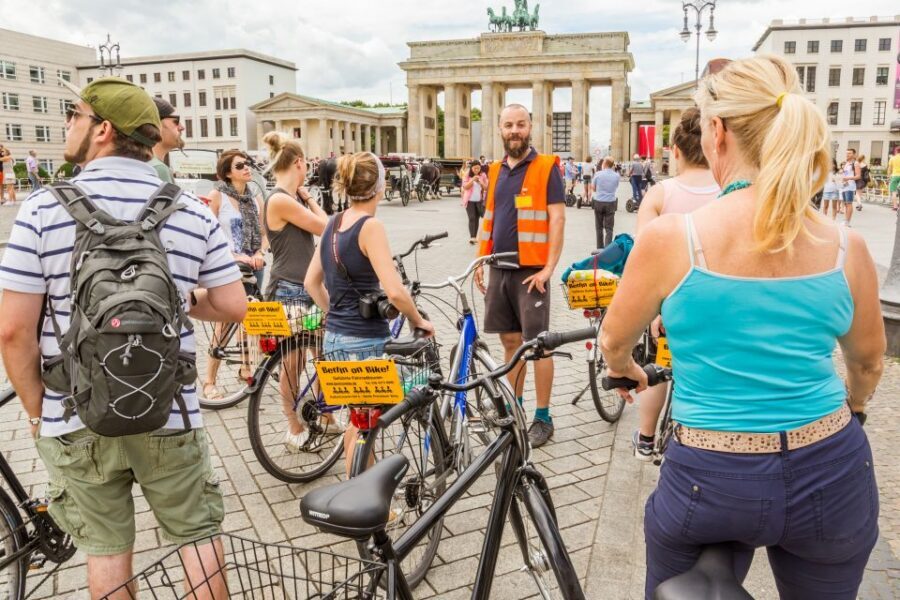
Walking Berlin is great, but it’s slow when you want the core landmarks in a short time. This tour is built for efficiency without feeling like a checklist. You get that rare mix: you’re outside, you’re seeing real streets, and you’re also getting context while you pause.
At $41 for about 3 hours, the value isn’t just the bike—it’s the guided ordering of the city. Berlin has layers, and it helps to have someone connect what you see today to how the city changed after big political shifts. In the small-group format (up to 15 people), you’re not lost in a crowd, and the guide can actually react to questions.
You can also read our reviews of more walking tours in Berlin
Starting at Kulturbrauerei: Prenzlauer Berg Sets the Tone
The ride begins at Kulturbrauerei in Prenzlauer Berg—a carefully restored spot that’s both historic-feeling and very Berlin in its current identity. This matters because you don’t start in the most touristy “photo-only” zone. You start in a neighborhood that helps you understand the city’s present-day character before the tour jumps into the government and memorial areas.
From there, you bike toward the larger landmarks, with stops that give you breathing room. Guides may also tailor the storytelling to your interests—some groups reported that the guide asked what people cared about before moving on.
What to expect here: quick orientation to how the ride works, then you’re rolling through neighborhoods that feel lived-in rather than staged.
Government District and Central Station: Where Big Power Meets Motion
One of the main anchors is the Government District, plus a ride past Berlin Central Station. Even if you’ve read about Berlin politics, it’s different when you’re actually cycling through the area—because you feel how the city’s layout channels movement and attention.
This portion is useful for first-timers. It’s where Berlin’s “center of gravity” becomes obvious: wide roads, official-looking buildings, and the sense that this city was built around major national narratives. Your guide talks through stages of Berlin’s history—think the kind of ceremony and power associated with Prussian rule, and then the rapid changes after the fall of the Wall.
A practical note: if it’s your first time on a bike in a major city, this early segment helps you get comfortable with pace and spacing. The group regroups at crossings, so you’re not constantly sprinting to catch up.
Past Brandenburg Gate and the Reichstag Area: Seeing Old Drama Up Close
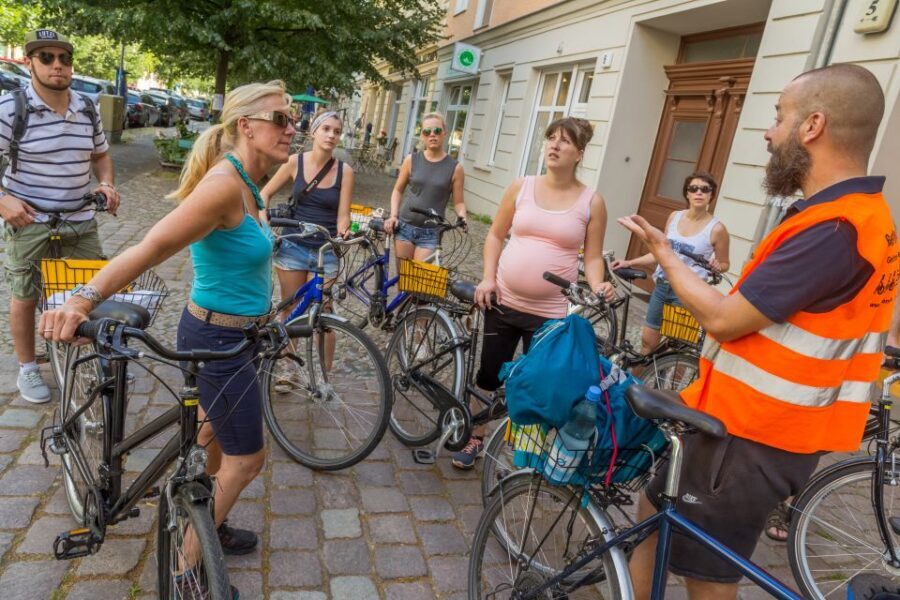
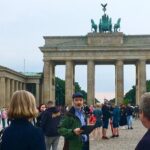
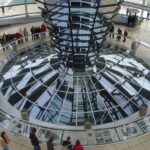
Next comes the area you’ve probably seen in photos: Brandenburg Gate and the Reichstag. On a bike, these stops land differently. Instead of craning your neck in front of a single monument, you glide through the surrounding streets that frame the views.
Guides tend to connect these points to the “before and after” story Berlin is famous for—especially the shift from older imperial pageantry to the city’s later reinvention. Expect the guide to narrate what you’re looking at, then point you to how the city’s meaning changed over time.
Possible drawback: this is one of the busier zones. You’ll get good sightlines, but you’ll want to focus on safe riding more than perfect selfies.
Holocaust Memorial Pause: A Serious Stop That Doesn’t Feel Like a Detour
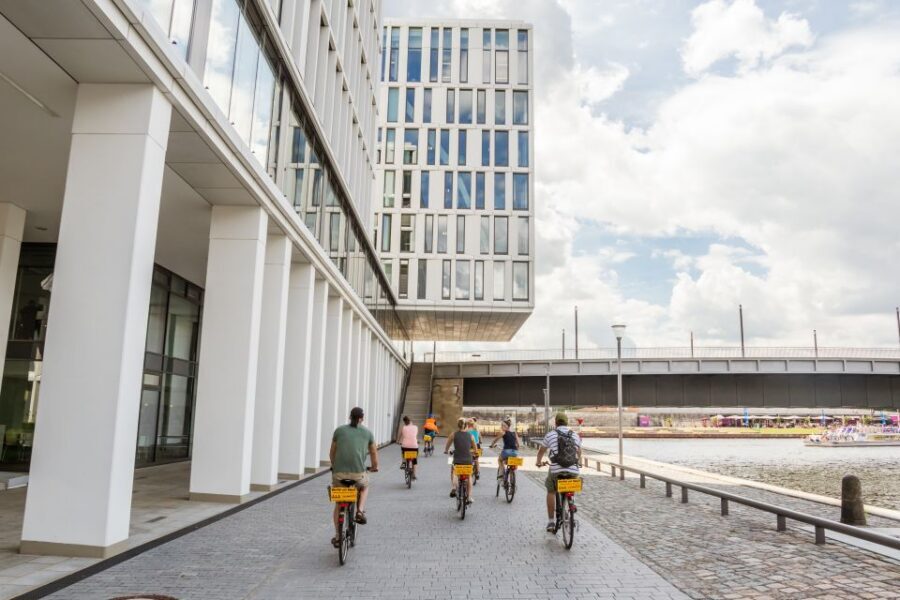
The Holocaust Memorial is included on this route, and it’s the kind of stop where you’ll probably feel the difference in the tone of the tour. The guide’s job isn’t to rush past it; it’s to frame what you’re seeing with care and context.
Some groups noted that guides covered Nazi history in a way that felt direct and respectful, with explanations matched to where you’re standing. That approach is important on a bike tour—because this isn’t a place where you can treat the stop like a quick photo moment.
How it plays for you: you’ll slow down. You’ll listen. Then you’ll get back on the bike with a stronger grasp of why these landmarks matter beyond their appearance.
You can also read our reviews of more cycling tours in Berlin
Riding Past the Berlin Wall: What Division Looks Like on the Ground
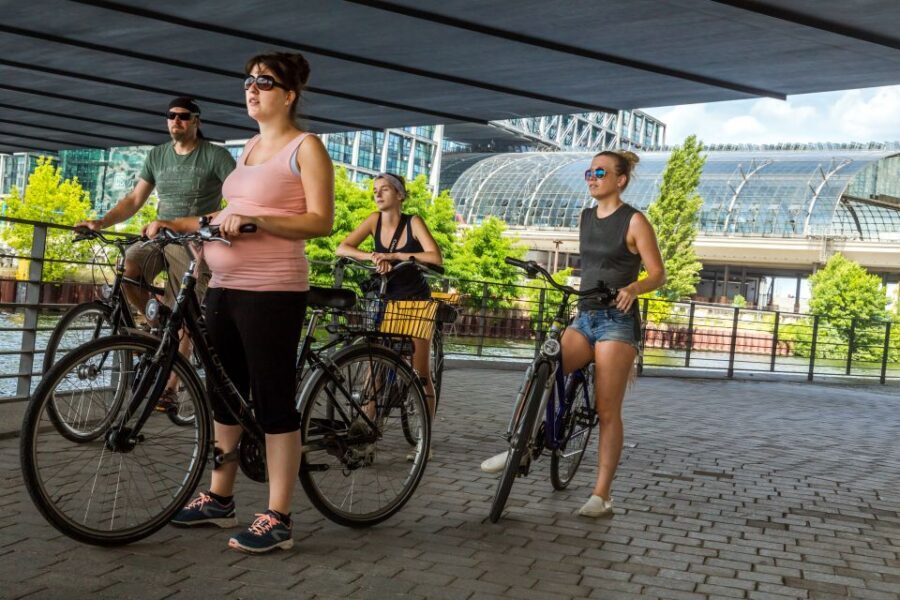
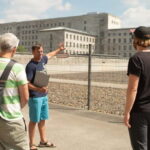
Seeing the Berlin Wall on foot can be moving. Seeing it by bike can be powerful in a different way: you experience it as part of the city’s actual flow, not just a fenced-off exhibit.
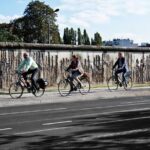
The tour has you ride past the Wall, and during those moments the guide connects the site to Berlin’s broader story—especially the drastic shifts after the Wall fell. Even if you already know the basics, the ride format helps you notice the surrounding streets and how the city built a new normal.
Practical detail: you won’t be pedaling flat-out. The pace is meant to keep the group together and give time for explanation. One review even mentioned a guide waiting at the other side of the road so everyone could catch up—useful if you’re traveling with varying comfort levels.
Gendarmenmarkt and Museum Island: Nice Views, Better Understanding
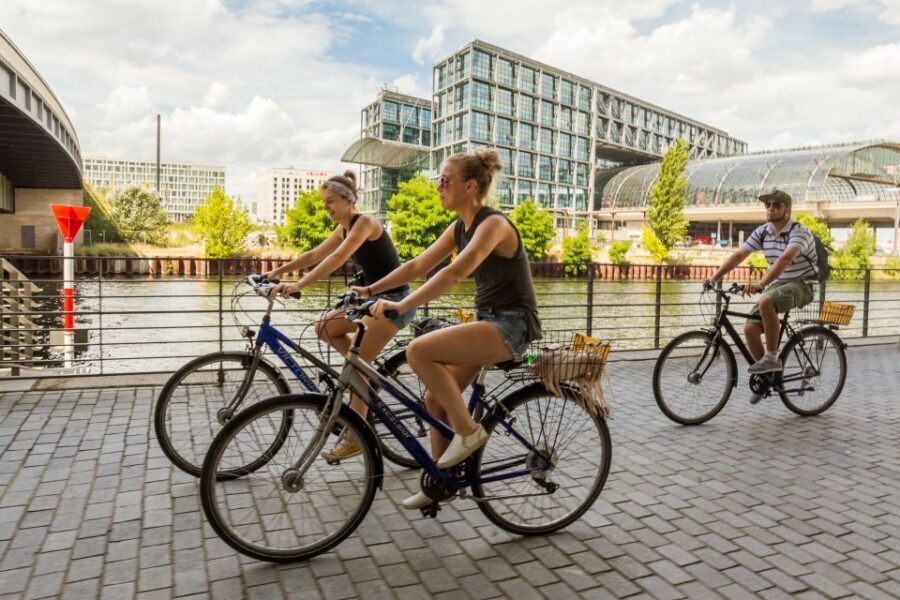
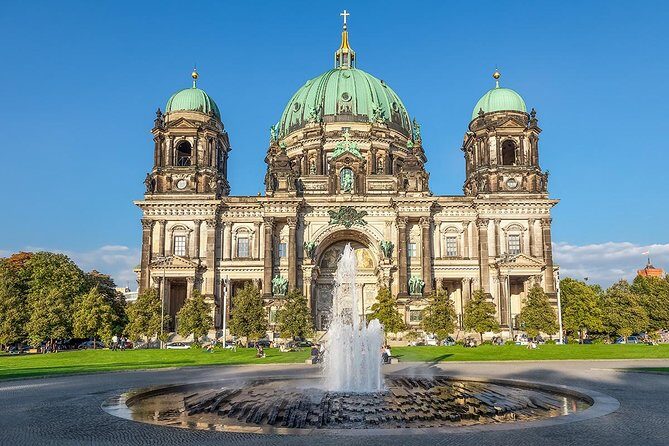
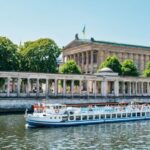
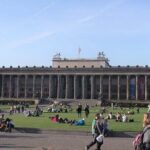
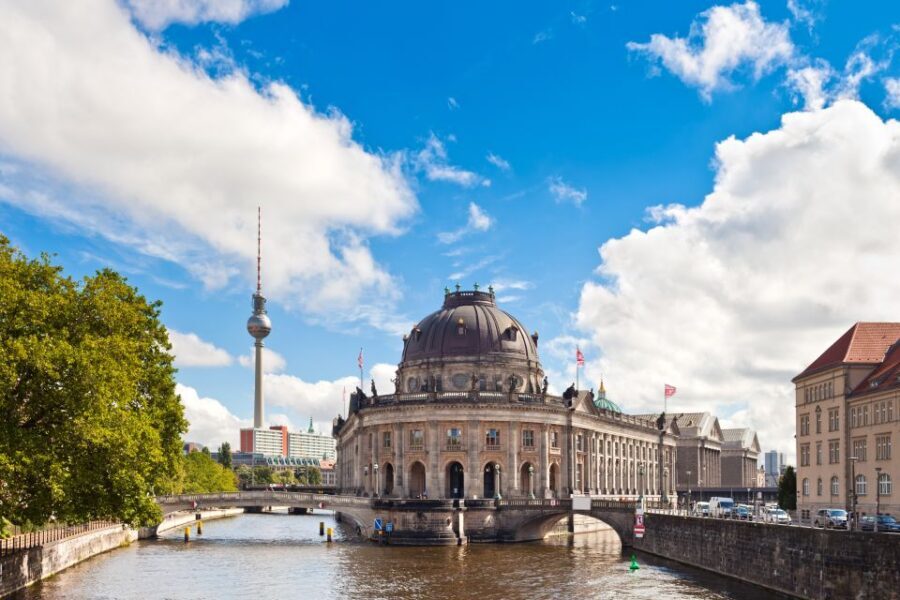
Toward the end, you bike past Gendarmenmarkt and through the area of Museum Island. These stops help balance the heavier parts of the route with places that feel more relaxed and photogenic.
Here’s the value: a bike tour keeps you from spending your whole time inside your head. You physically move from memorials and government spaces into places where you can process what you’ve just learned, then look at the city’s cultural identity through a different lens.
At these points, guides often use printed photographs to show what you’d be looking at historically versus what you see now. That technique is more helpful than you might expect. It turns “I saw a building” into “I understand why that location matters.”
How the Tour Actually Feels: Pace, Group Size, and Road Sense
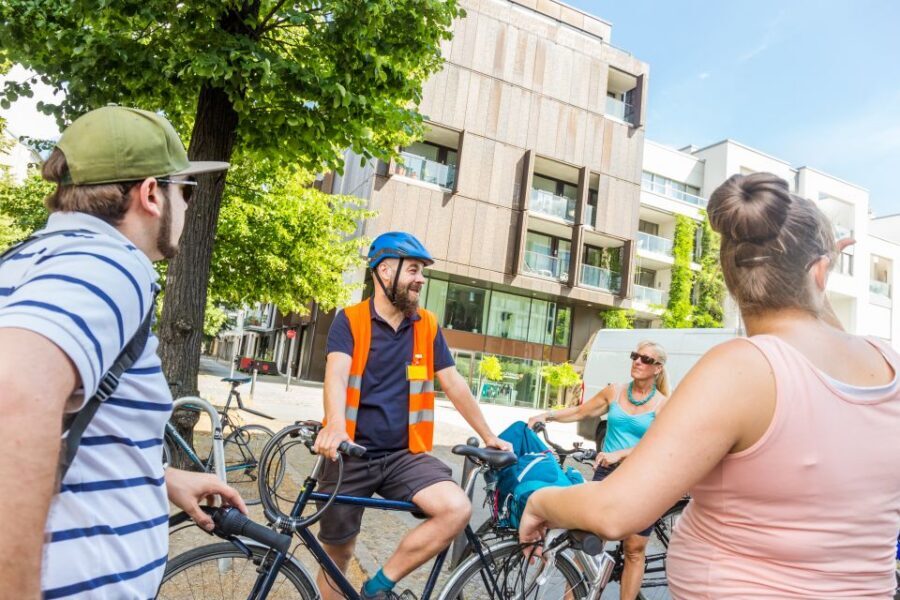
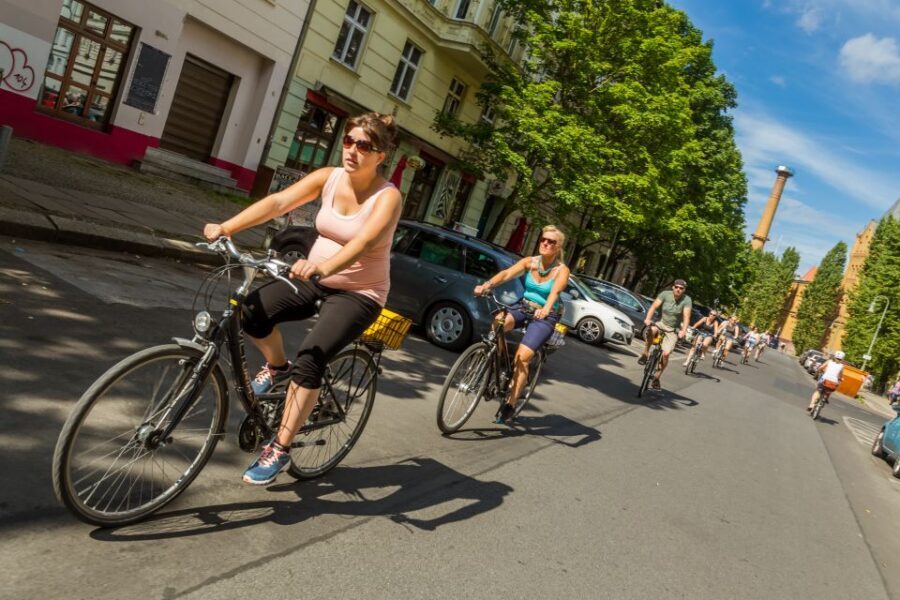
This is a small-group experience with a maximum of 15 participants. That size is a sweet spot. Big enough that the energy stays friendly. Small enough that the guide can keep an eye on everyone and keep the story flowing.
The tour is described as relaxed, and feedback supports that. Some riders mentioned it felt safe, but with a key reminder: you still need to judge the road conditions and lights yourself. Cycling in Berlin often means shared space with cars and bikes; the guide controls the group rhythm, but you’re still an active participant.
Distance note: reported distances vary by departure and route choices, with some riders citing around 6 miles and others closer to 19 kilometers. Either way, the goal is not suffering—it’s covering a lot of ground without feeling worn out.
Also, the group waits at crossings and regroups, which helps if you’re not the fastest cyclist. That alone makes the experience feel smoother for beginners.
Gear and Comfort: Bikes, Gloves, Helmets, and Rain Plans
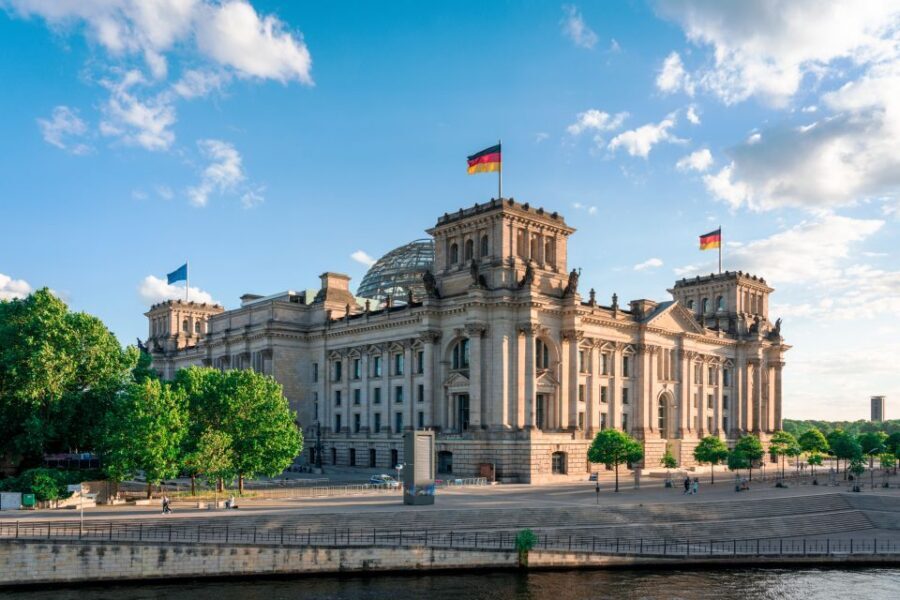
The tour includes a reliable bicycle and practical ride extras. Baskets are part of the bike setup, which helps if you have a small bag or a light layer to stash during stops.
You can request helmet and gloves. Some riders said gloves were available to borrow (especially useful in colder months), and seats can be adjusted during the tour if needed. There are also sunscreen and trouser clips, plus rain ponchos available if weather turns.
This matters because it changes how mentally “on guard” you feel. If you’re not worried about being cold or soaked, you can focus on the guide’s story and the sights.
The $41 Value: What You’re Paying For
At $41 per person, you’re buying more than a ride. You’re paying for:
- a bike ready to go (not a rental hassle),
- a guide who sets the order of stops,
- and the time-efficient route that strings together government landmarks, memorial sites, and major public squares.
If you were doing this solo, you’d spend time figuring out bike routes, where to stop for context, and how to connect the “before and after” of Berlin’s modern history. Here, you get that structure in about 3 hours.
What’s not included is snacks and coffee expenses. So if you want drinks or food, plan to buy them yourself—or decide ahead of time if you’d rather just snack later.
Who Should Book This Bike Tour
I’d point you to this tour if you want a first-day view of Berlin without spending half your day in transit. It’s also a good match if you like history stories but don’t want museum-heavy logistics right away.
It fits especially well if:
- you’re short on time and want the big landmarks plus context,
- you prefer moving through a city rather than standing in one spot,
- you enjoy guides who tell stories and answer questions,
- you want something that can work for different interests in one group.
If you’re uncomfortable with city cycling or feel you can’t reliably judge traffic and crossings, you may want a more foot-based option. The tour is designed to be safe and paced, but it still runs on real roads.
Should You Book This Berlin Sights and Highlights Bike Tour?
If you want a solid orientation to Berlin’s major sights in about 3 hours, I think this is a smart booking. The route hits the kind of places you’d usually bounce between with buses and taxis, and the guide stops give those sites meaning—especially around the Wall era and Holocaust Memorial context.
Before you book, think about two things: your comfort cycling in traffic, and whether you’re okay with a tour that mixes photo moments with listening time. If that sounds like your style, you’ll get a lot for the money—and you’ll likely leave with a clearer picture of how modern Berlin got from one chapter to the next.
FAQ
How long is the Berlin Sights and Highlights bike tour?
It lasts 3 hours, which is listed as 210 minutes.
What landmarks does the tour include?
You’ll ride past or visit major sights such as Brandenburg Gate, Reichstag, Museum Island, the Berlin Wall, the Holocaust Memorial, Gendarmenmarkt, and you’ll also go through areas like the Government District and Berlin Central Station.
How much does the tour cost?
The price is $41 per person.
Is the group small?
Yes. It’s a personal atmosphere in small groups with a maximum of 15 participants.
What languages are the live guides?
The live guide is available in Dutch, German, and English.
Are bikes and safety gear included?
A reliable bicycle is included. Bicycle helmet and gloves are available upon request.
Do they provide anything for weather?
Sunscreen and trouser clips are included, and rain ponchos are available if the weather turns bad.
What should I bring?
Wear comfortable shoes and comfortable clothes.
Is there anything I’m not allowed to bring or use during the tour?
Alcohol and drugs are not allowed.
Where do I meet the guide?
The meeting point may vary depending on the option you booked.
Are there any extra costs during the tour?
Snacks, coffee, and other expenses during the tour are not included.