REVIEW · BERLIN
Berlin: Guided Bike Tour of the Berlin Wall and Third Reich
Book on GetYourGuide →Operated by FREE BERLIN Bike Tours · Bookable on GetYourGuide
Berlin remembers in motion. I love the way this ride takes you to original Wall remnants while the guide explains how the Cold War and Nazi-era plans shaped everyday life. The best part for me is the close-up biking access, even on quieter side streets where big tours don’t go, though it does move at a steady pace so you won’t linger long at each stop.
I also like the smart start in Nikolaiviertel, a central old neighborhood near the TV Tower, so you’re oriented fast. From there, you pedal roughly 15 kilometers over a mix of streets and bike paths, with the route flexible thanks to the operator’s Free-Berlin concept.
One more practical note: bring layers and accept that some parts can feel physical, especially if you’re not used to cycling for a few hours. The good news is they provide waterproof ponchos if the weather turns.
In This Review
- Key things I’d plan around
- Starting in Nikolaiviertel, where Berlin’s story is already visible
- 3 hours, about 15 km: the pace that makes the Wall doable
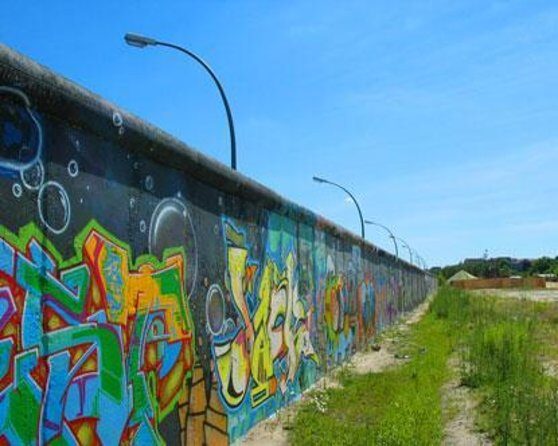
- Following the Berlin Wall line and seeing what took its place
- Ghost stations: when rail lines became a message
- Third Reich remnants and the idea of Germania
- Hitler’s Führerbunker: understanding why you can’t reach it
- Where the route flexibility helps (and why it matters)
- Rainy weather, warm layers, and the poncho reality check
- Is the $40 price a smart value?
- Who should book this bike tour, and who might want a different pace
- Should you book this Berlin Wall and Third Reich bike tour?
- FAQ
- FAQ
- How long is the Berlin Wall and Third Reich bike tour?
- How much does the tour cost?
- Where do I meet the guide?
- What’s included in the price?
- Will I get a helmet and rain protection?
- How far do we bike?
- What sites and themes will the tour cover?
- Are e-bikes available?
- What languages are offered, and is a private group possible?
- What are the cancellation terms?
Key things I’d plan around
- Nikolaiviertel start near the TV Tower makes it easy to meet up and get your bearings quickly
- About 15 kilometers on bike paths and side streets so you can get up close without buses blocking your view
- Wall line + borderland repurposing shows how spaces changed after division
- Ghost stations and Cold War details bring the divided-city routine into focus
- A look at Nazi-era bunker thinking and Germania adds context beyond the obvious sites
Starting in Nikolaiviertel, where Berlin’s story is already visible
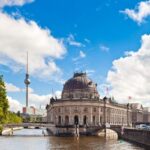
The tour kicks off in Nikolaiviertel, in a centrally located area about five minutes on foot from the TV Tower. That matters more than it sounds. When a history tour starts in a place with lots of surviving signals of the city’s past, you’re not just “visiting points on a map” — you’re building a mental picture of where Berlin’s power centers and neighborhoods connect.
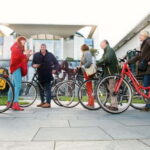
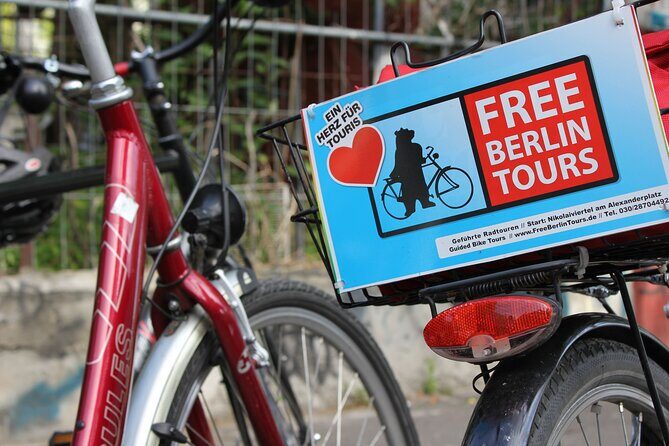
Meeting is at the FREE BERLIN office, at the courtyard entrance of Poststraße 11. It’s a clean setup for a bike tour: you can arrive, grab your rental bike, and get moving before the session turns into a waiting game. Also, Nikolaiviertel gives you a gentle runway into the themes of the day. You go from everyday Berlin streets to the more unsettling parts of 20th-century history without feeling like you’ve been dropped into the deep end.
If you’re watching your time, this location helps. It’s not out on the edge of the city where you lose half your day just getting there.
You can also read our reviews of more cycling tours in Berlin
3 hours, about 15 km: the pace that makes the Wall doable
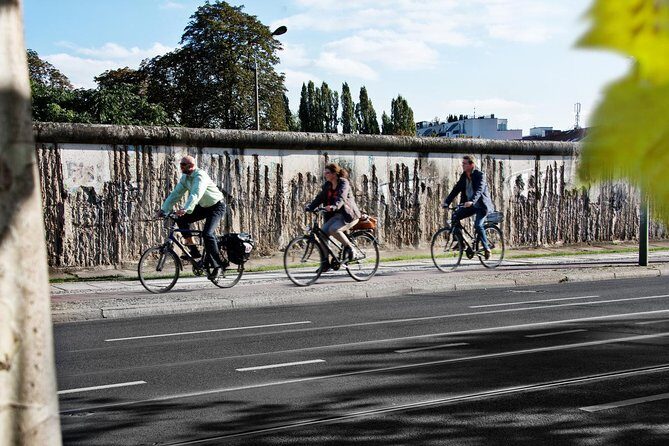
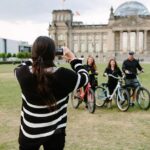
You’re on rental bikes for roughly 15 kilometers over three hours, which is a good length for people who want real coverage but don’t want a half-day ordeal. The route tends to favor remote corners, mostly side streets and bike paths, which makes a big difference. You see parts of the Wall’s story from angles that cars and buses can’t offer, and you get closer to the physical layout of the borderland.
I like the way this format balances movement and meaning. Stop by stop, you’re not stuck at a museum wall reading signs for 40 minutes. Instead, you get short teaching moments, then you ride again to the next relevant stretch. That rhythm keeps you engaged, especially with a subject as heavy as division and state violence.
Physically, it’s still cycling. It’s not described as a stunt tour, but it is an active outing. Wear comfortable shoes, and if you tend to get cold easily, plan to layer. Even if the bike is easy to handle, three hours outdoors is three hours outdoors.
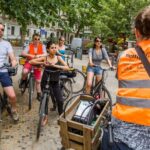
One more detail that helps your comfort: the rental bikes come with baskets, and they’re checked regularly by a certified mechanic. That’s a simple thing, but it reduces the small frustrations that can ruin the day.
Following the Berlin Wall line and seeing what took its place
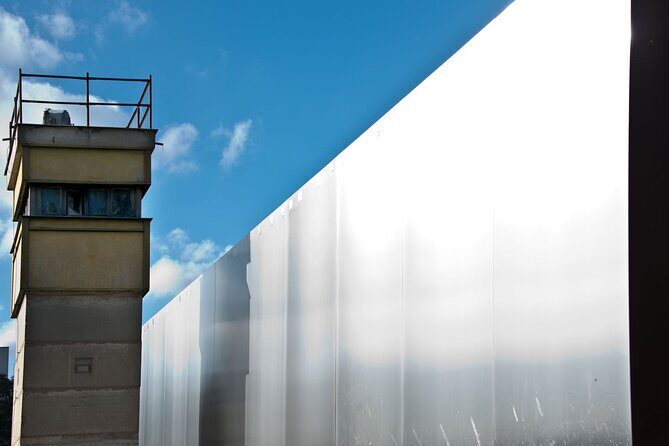
The Wall is the headline, but the best part of the tour is how it treats the Wall as a system, not just a wall. You follow the outline of where it once stood, and the guide connects the visible remains with what happened around them — including how the borderland found new usage after the division ended.
That’s where biking shines. You don’t only look at a single segment behind glass. You travel through the corridor where the Wall mattered, so you start to understand why the city was divided the way it was. The separation wasn’t a single fence; it shaped streets, access, and daily routes. Seeing the terrain in motion helps you get that.
The tour also goes looking for old bunkers and the infrastructure that supported the Cold War. You’re not just hunting for dramatic photos; you’re learning what Berlin looked like when it was being managed under pressure. The route is designed to reach places that are harder to reach on foot or by larger vehicles, which helps you feel the scale of the border zone rather than just reading about it.
Ghost stations: when rail lines became a message
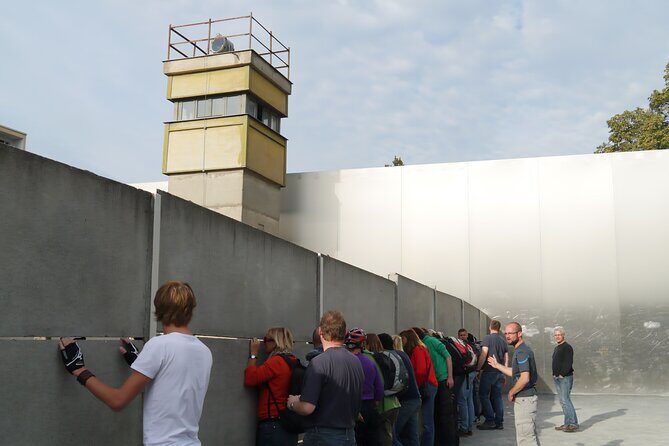
One of the most striking themes you’re pointed toward is the story of ghost stations — parts of the rail network that served as a stark symbol of division. Even if you’ve heard the phrase before, seeing the context matters. Standing near where a station would have sat in the system gives you a clearer sense of how people and trains moved differently under political control.
You’ll also hear about daily life in the divided city, including the odd blend of normal routine and constant surveillance. The goal isn’t shock for shock’s sake. It’s to help you understand how a city can function while built-in constraints quietly limit choices.
For me, the power here is the guide’s ability to connect the human scale to the historical machine. When you’re riding and the guide explains daily life, the story sticks better than it would from a single information board.
Third Reich remnants and the idea of Germania
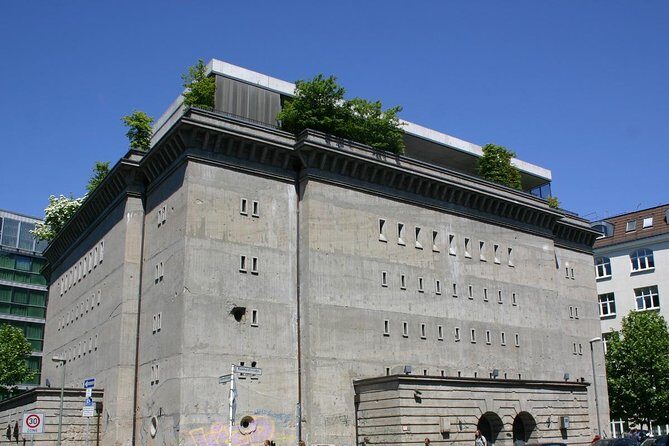
The tour doesn’t stop at the Cold War. It also takes you into remnants of the Nazi era and the planning mindset behind them. That includes a visit to an enormous bunker and stories tied to the vision of Germania.
This part of the tour can be unsettling, but it adds essential context. Without it, the Cold War can feel like it arrived from nowhere. With it, you see how ideology, architecture, and power fantasies shaped physical spaces — and why Berlin became such a focus for competing visions of control.
If you like history that connects politics to real geography, this is one of the strongest reasons to take the bike tour. You’re not just reading about buildings. You’re getting oriented to the way planners thought about the city and how that thinking left traces long after the original plans failed.
You can also read our reviews of more guided tours in Berlin
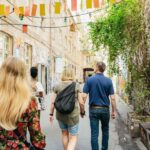
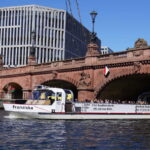


Hitler’s Führerbunker: understanding why you can’t reach it
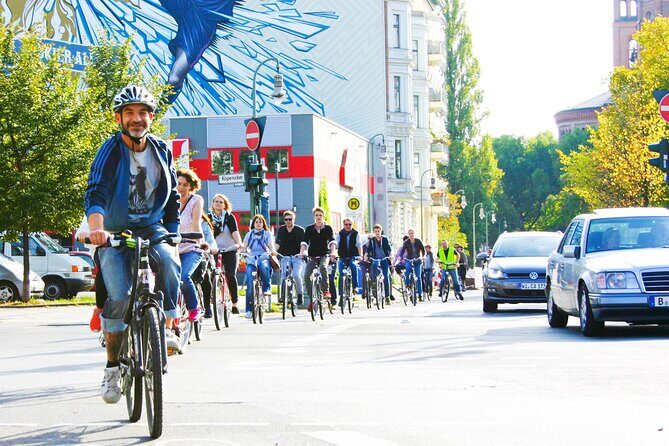
A key theme you’ll hear is why it’s no longer possible to access Hitler’s bunker, the Führerbunker. Even with guides pointing you toward the location story, the point is clear: you won’t be able to visit it the way you might visit a museum site.
In at least one case described on this route, the area is noted as now being used as a parking lot. Whether or not you expected that kind of change, it’s a good reminder that history doesn’t stay frozen. Over time, cities reuse land and repurpose spaces, even when the past remains morally heavy.
So treat this stop as a lesson in limits as much as location. You’ll learn what the bunker represented and why the site is difficult or impossible to access today, which keeps the tour from drifting into fantasy sightseeing.
Where the route flexibility helps (and why it matters)
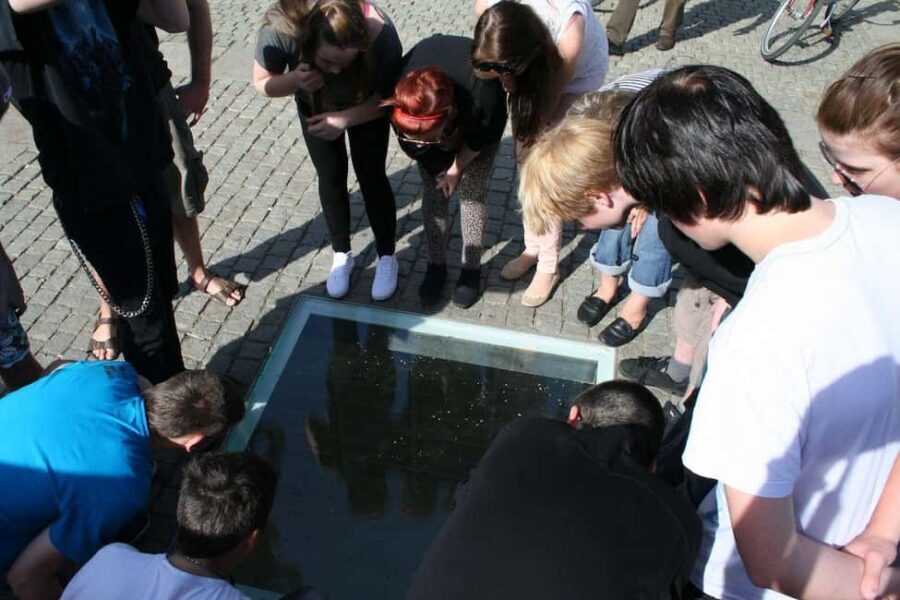
The operator uses a Free-Berlin concept: the guide can design the route freely, and the route plan may differ. That can sound vague until you realize what it accomplishes. It lets the guide adjust based on conditions like timing, crowd density, and what they want to emphasize most that day.
For you, that means the tour can be tailored. If a particular segment is too impacted by weather or other road realities, the guide can steer to safer or more meaningful alternatives. It’s also one reason this experience tends to stay more human and less scripted.
That said, it also means you should expect the exact stops and sequence to vary. If you have a specific must-see location in mind, plan to treat this as a guided coverage experience rather than a checklist with guaranteed timing at every single pin.
Rainy weather, warm layers, and the poncho reality check
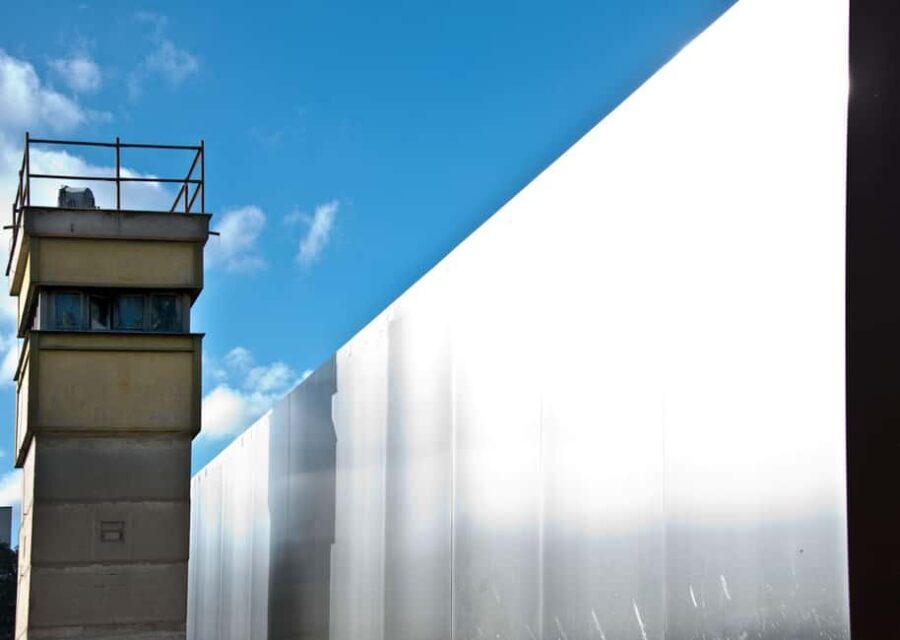
Berlin weather is famous for being unpredictable, and this tour includes waterproof ponchos for rain. That’s a real benefit because a bike tour can turn miserable fast if you’re soaked and cold. The poncho can keep you reasonably comfortable during light to moderate rain.
But don’t treat that as a substitute for dressing for the outdoors. If it’s windy or cold, bring warm layers and consider gloves. Cycling makes you feel temperature changes more quickly than walking does, especially if the pace is steady.
If you’re traveling in shoulder season, this tour can still be a solid move. The active format tends to keep your momentum even when conditions are less than perfect.
Is the $40 price a smart value?
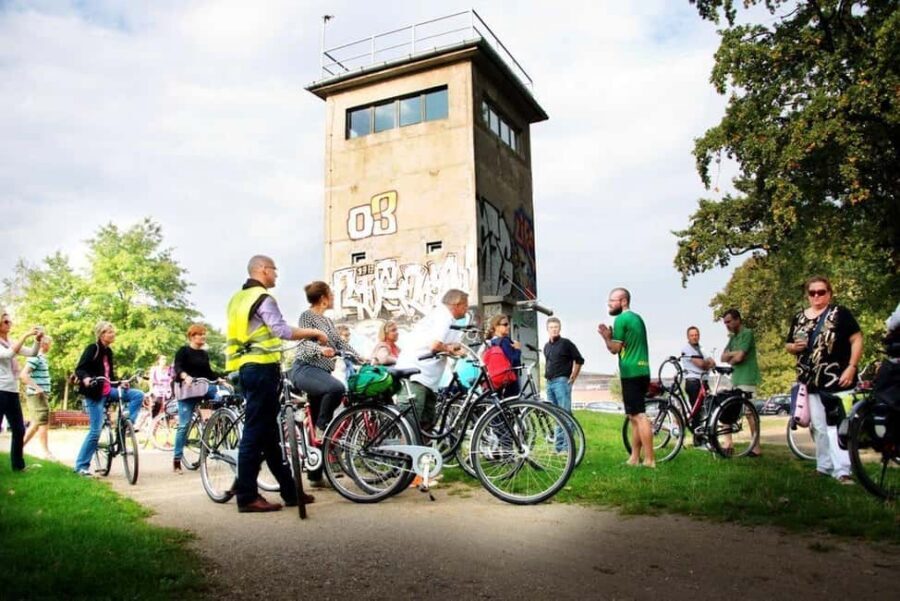
At around $40 per person for a three-hour guided bike tour, including the bike rental and guide, this is priced like an experience designed for value and coverage. You’re not just paying for the guide’s time. You’re also paying for practical costs that you’d otherwise handle yourself: the rental bike, the helmet option, and the rain gear.
The route covers a lot of ground for the time. You’ll see segments tied to both Nazi-era and Cold War stories, follow the Wall line, and hear about ghost stations, bunker thinking, and everyday life in a divided city. You also get access to places that are harder to reach by bus, which is the big advantage of a bike format in Berlin.
The main “value trade-off” is that you’ll see plenty of sites without having long stops for deep museum-style reading. If you’re the type who wants 60 minutes in one place, you’ll probably want to pair this with a museum visit on a different day.
For most people — especially those on a first Berlin trip — the price is a fair exchange for guided context plus real mobility.
Who should book this bike tour, and who might want a different pace
This tour fits best if you want:
- A fast, guided way to understand the Wall and the surrounding city system
- A blend of Nazi-era planning and Cold War daily life, connected through real places
- A day plan that includes movement, not just standing still with a headset
You might want something else if you:
- Prefer very slow sightseeing with long stops at a single site
- Don’t feel comfortable biking for about 15 kilometers in an outdoor setting
- Want a strictly confirmed list of exact stops with lots of time for each one
If you’re bringing teens or older kids, this kind of tour can be a strong format because it turns history into a route and a story you can follow along the street grid.
Should you book this Berlin Wall and Third Reich bike tour?
If your goal is to understand Berlin’s 20th-century divide through the geography you can actually ride, I’d book it. The best reason is simple: you get guided storytelling while you’re moving through the same kind of spaces that shaped lives at the time.
The trade-off is pacing. You’ll cover a lot, and you won’t settle in for long museum-style reading. If you accept that and dress for the outdoors, this is a high-value way to see original Wall remnants, learn about ghost stations and borderland changes, and connect Nazi-era bunker thinking to what came later.
FAQ
FAQ
How long is the Berlin Wall and Third Reich bike tour?
The tour lasts 3 hours.
How much does the tour cost?
It’s priced at $40 per person.
Where do I meet the guide?
Meet your guide at the office courtyard entrance at Poststraße 11. Look for the FREE BERLIN sign.
What’s included in the price?
The tour includes bike rental, the guide, and waterproof ponchos in case of rain. A bike helmet is also available if requested.
Will I get a helmet and rain protection?
You can request a helmet, and you’ll be provided waterproof ponchos in case of rain.
How far do we bike?
The tour covers about 15 kilometers.
What sites and themes will the tour cover?
You’ll see remains of the Berlin Wall, learn about the divided city and daily life, hear about ghost stations, visit areas tied to old bunkers, and learn about an enormous bunker and the vision of Germania, including why Hitler’s Führerbunker can’t be accessed.
Are e-bikes available?
Yes. If you want an e-bike, you can book as a senior, which adjusts the price to include the e-bike.
What languages are offered, and is a private group possible?
The live guide is offered in German, English, and French. Private group tours are available.
What are the cancellation terms?
You can cancel up to 24 hours in advance for a full refund. You can also reserve now and pay later.