REVIEW · BERLIN
Berlin: walking tour about Charité
Book on GetYourGuide →Operated by Secret Tours Berlin · Bookable on GetYourGuide
Medical history on Berlin sidewalks.
This Charité walking tour traces about 300 years of Berlin medicine, following famous names and the darker chapters too, all with a good pace over the university area. You start with a look at the hospital’s well-known buildings from the street, then learn how this institution grew out of a plague-era setup.
I especially like two things: the way the stories connect research and real lives (life and death, hospitals, and teaching), and the fact that you get to visit important teaching sites rather than only staring at plaques. You also hear the names you associate with big scientific leaps, including Rudolf Virchow, Emil von Behring, Robert Koch, and Ferdinand Sauerbruch—and that makes the whole walk feel less like trivia and more like a guided timeline.
One possible drawback: you do not get free run of the hospital complex. The tour is designed around public-facing areas, and the hospital grounds (Charité Campus Mitte) are not accessible for group tours. Also, the guide works in German, and the Animal Anatomical Theatre (TAT) can have schedule changes, with closure on public holidays.
In This Review
- Key takeaways before you go
- Charité in 2 hours: why this walk feels different
- Meeting at Charité Tower and starting with the Bed House outside
- From plague house beginnings to the Nobel doctor line-up on the streets
- Campus walking: what you’ll see versus what you won’t enter
- The Animal Anatomical Theatre (TAT): teaching at the edge of ethics
- The medicine temple in a backyard: Berlin’s oldest teaching building
- Nazi-era medicine: the hard chapter you should expect
- Price and value: is $27 for 2 hours a fair deal?
- Who should book this Charité walking tour
- Should you book the Charité walking tour?
- FAQ
- Where is the tour starting point?
- How long does the Berlin Charité walking tour last?
- What language is the tour guide?
- Do you go inside the Charité Bed House?
- Can you access the hospital grounds at Charité Campus Mitte?
- What indoor stop is included besides the teaching building?
- What could affect the TAT visit?
- What’s the cancellation policy?
Key takeaways before you go
- Nobel-level names on real streets: Virchow, von Behring, Koch, and Sauerbruch show up in context, not as random facts.
- Teach-and-study sites: you visit an important teaching building, including the medicine temple concept in a backyard.
- TAT stop is time-sensitive: the Animal Anatomical Theatre may adjust hours for closed events, and it’s closed on public holidays.
- Outside views + limited entry: you see the Charité Bed House from outside and you do not access the main hospital grounds on this group format.
- A balanced look at science and politics: the story includes Nazi-era collaboration, not just success stories.
Charité in 2 hours: why this walk feels different

The Charité story isn’t just about medicine in the abstract. It’s about how a city’s priorities, research culture, and political pressures shape what gets taught, what gets funded, and who gets treated. In two hours, you get a clear arc: starting in the 18th century with a plague house, then moving toward what Charité became—one of Europe’s most important university hospitals.
What makes the tour work for you is the structure. You walk through the spaces where people studied and built knowledge, and the guide uses that movement to keep the timeline straight. Instead of bouncing around in museum mode, you’re learning while your feet map the geography: street to campus edge, building to building, and then inside a teaching site tucked away behind a more ordinary-looking entrance.
And yes, the famous scientists are a big part of it. But the payoff is how the tour frames them: not as statues, but as doctors and thinkers tied to institutions, debates, and consequences.
You can also read our reviews of more walking tours in Berlin



Meeting at Charité Tower and starting with the Bed House outside

You start at the Charité Tower, at the crossroads of Schumannstraße / Charitéplatz / Charitéstraße. The tour starts on time, so I’d plan to arrive a few minutes early to get oriented and avoid being late.
From there, the first thing you do is set expectations visually. You view the Charité Bed House from the outside. That matters because Charité is not a single building—it’s a whole medical university footprint. From the street, you’re given a sense of scale and layout before you learn the deeper history behind those walls.
Practical tip: this is a walking tour, and you’ll be moving across campus areas. Comfortable shoes pay off, even if the total time is only two hours.
From plague house beginnings to the Nobel doctor line-up on the streets
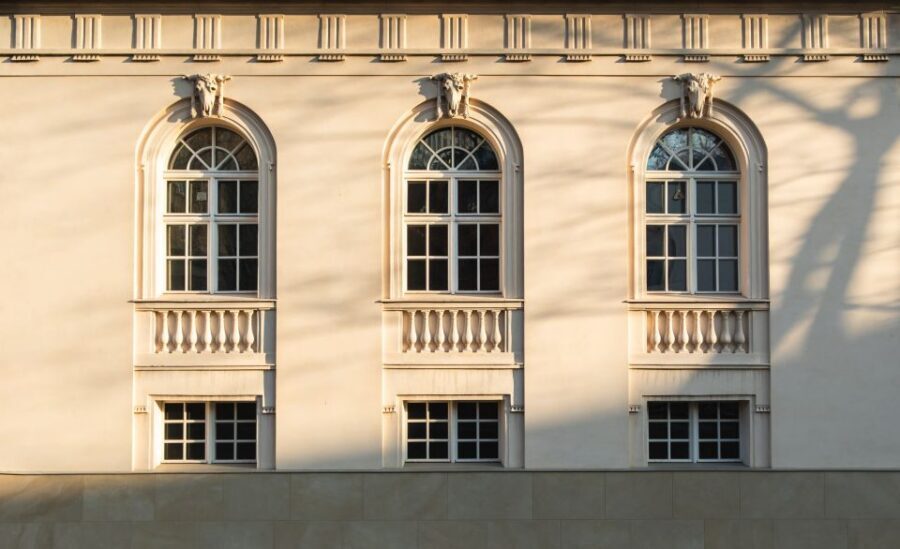
One of the most interesting threads is how the institution evolved. The tour starts with an 18th-century plague house and follows how it developed into today’s university-hospital role. That simple origin story is useful because it explains why teaching hospitals don’t spring up fully formed—they grow out of emergencies, needs, and political decisions.
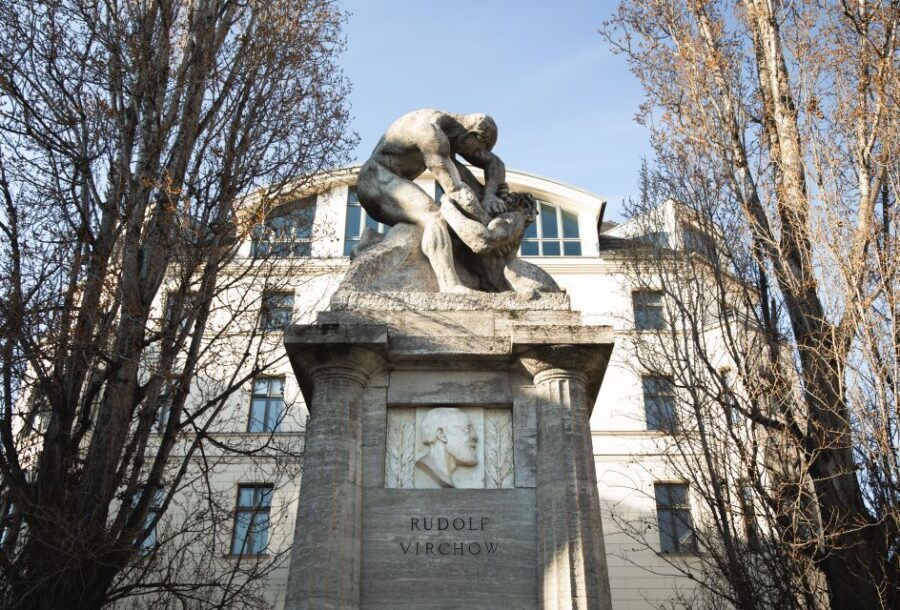
As you walk along Luisenstraße and cross the university campus area, the guide brings in major Berlin medical figures. Names like Rudolf Virchow, Emil von Behring, Robert Koch, and Ferdinand Sauerbruch aren’t just dropped for effect. They’re tied to what Charité represents: research, medical education, and the push to understand disease.
Why this matters: if you usually think of science as something that happens in labs, this tour shows how science lives in institutions. Charité is where ideas got taught, practiced, and tested—then shared, debated, and sometimes misused.
Campus walking: what you’ll see versus what you won’t enter
Here’s the honest trade-off. The tour does not treat Charité Campus Mitte as a walk-in campus. The hospital grounds are not accessible for group tours, and the Charité Bed House is also not entered during this particular experience.
That might disappoint if you’re picturing a full inside-hospital visit. But there’s a silver lining: you still get a strong sense of the medical ecosystem by combining outside views with visits to specific teaching-related spaces that are designed for visitors and learning.
So what you do get is a guided route that keeps you on track:
- a start point at Charité Tower
- street walking along Luisenstraße
- crossing the university campus in sequence
- finishing back at the meeting point
It’s a practical format for a two-hour timeline in an active medical environment.
The Animal Anatomical Theatre (TAT): teaching at the edge of ethics
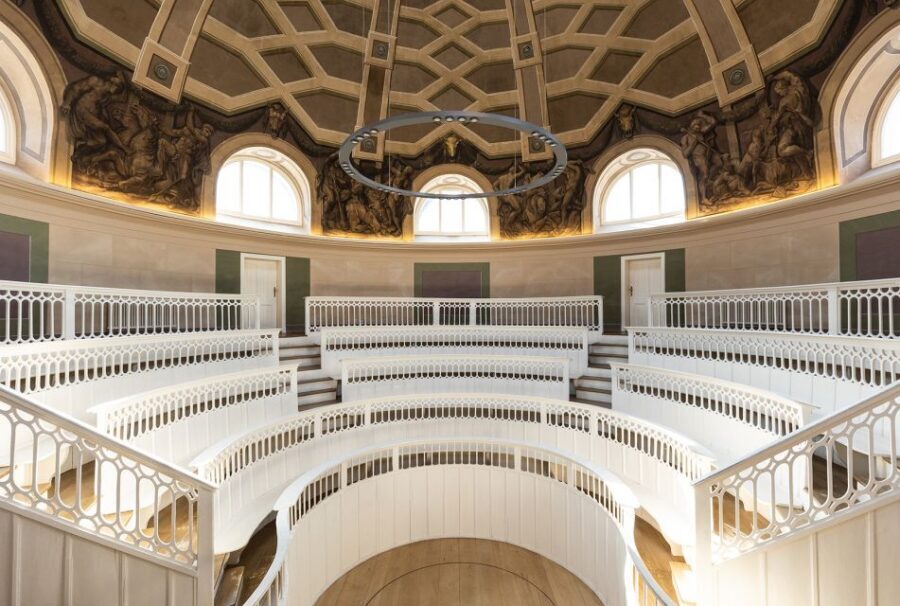
During the tour, you visit the Animal Anatomical Theatre (TAT). That stop is one of the most “this is real” moments because it connects medical education to how anatomy was historically taught. You’re not just learning about breakthroughs; you’re seeing a teaching concept—where learning happened, how it was staged, and how institutions used animals in study.
There’s also a small timing caveat you should know. The TAT can adjust opening hours at short notice due to closed events, and it is closed on public holidays. If your travel dates line up with a public holiday, it could affect your visit to that specific stop.
My advice: treat that stop as important, but be mentally ready for the schedule to shift. The best way to enjoy it is to show up with questions ready, not with a rigid expectation that every door will be open exactly the same way.






The medicine temple in a backyard: Berlin’s oldest teaching building
One of the tour highlights is a mysterious-sounding “medicine temple”—Berlin’s oldest surviving teaching building—found hidden in a backyard. This is the kind of detail that makes you slow down and look twice, because the entrance doesn’t scream museum. It’s part of the charm: teaching history tucked behind ordinary Berlin surroundings.
Unlike the Charité Bed House (which you only see from outside), this teaching building is a true visit. Being able to go inside changes how the history lands. It turns the story from something you heard on a street into something you experience in space—how a teaching room feels, how the building is laid out, and why this kind of architecture matters for how knowledge gets passed along.
If you love architecture that’s functional—buildings shaped by what they must teach—this is a strong stop. Even if you’re not a medical-history superfan, it’s the kind of place that makes the whole tour click.
Nazi-era medicine: the hard chapter you should expect
A balanced tour has to include the uncomfortable parts. This one does. The guide covers dark times when doctors collaborated with the Nazi regime.
I appreciate that this is part of the story rather than an afterthought. When you learn about famous physicians and Nobel Prize winners, it’s easy to end up in a clean, celebratory version of history. Including the Nazi-era chapter keeps the narrative honest—and it forces you to connect scientific prestige with human ethics.
For your planning: be prepared for the tone to shift. This stop is emotional, and it’s likely the guide will treat it with seriousness rather than just adding it as a quick fact.
Price and value: is $27 for 2 hours a fair deal?
At about $27 per person for roughly two hours, this tour is priced like a specialty walking experience, not a museum ticket. The value comes from what you get for that time:
- a guided route with stops tied to Charité’s key story points
- the named scientists (Virchow, Koch, Behring, Koch, Sauerbruch) placed in context
- visits to teaching-focused sites, including the TAT and the oldest surviving teaching building
- a clear timeline from plague-era origins to a major modern university hospital
Could you spend the same time researching on your own? Sure. But the guide’s job here is to stitch together institutions, people, and events into something you can remember. For a two-hour window, that kind of structure is usually what turns a “quick visit” into a meaningful one.
If you’re in Berlin for a short stay, this is also efficient. You get a big medical-history theme without spending your day fighting between multiple museum entrances.
Who should book this Charité walking tour
This is a great fit if you:
- like science history, but want it anchored in real places
- enjoy stories that mix achievement with moral complexity
- want a focused, two-hour walk rather than a half-day museum circuit
- can handle a German-language guide
It may feel less ideal if you:
- expect unrestricted access inside active hospital buildings
- need a fully inside, behind-the-scenes campus tour
- are visiting on a public holiday and rely on the TAT stop staying open
Should you book the Charité walking tour?
I’d book it if your goal is to understand how Charité became influential—by following the trail from plague-era beginnings to major medical breakthroughs, while also learning what the institution did in morally terrible times. The mix of outside views plus inside access to teaching spaces makes it feel practical, not just sightseeing.
Skip it or adjust expectations if you really want a full hospital interior tour. This experience is designed around what you can safely access as a group, and that shapes the route.
If you’re the type who likes turning a famous name into a map in your head, the Charité Tower to Luisenstraße to the teaching building route is exactly the right way to do it.
FAQ
Where is the tour starting point?
The tour starts in front of the Charité Tower at the crossroads of Schumannstraße / Charitéplatz / Charitéstraße.
How long does the Berlin Charité walking tour last?
The duration is 2 hours.
What language is the tour guide?
The live tour guide language is German.
Do you go inside the Charité Bed House?
No. The tour does not go inside the Charité Bed House. It is a hospital facility with protection and hygiene regulations.
Can you access the hospital grounds at Charité Campus Mitte?
No. The hospital grounds (Charité Campus Mitte) are not accessible for group tours.
What indoor stop is included besides the teaching building?
The tour includes a visit to the Animal Anatomical Theatre (TAT).
What could affect the TAT visit?
The TAT reserves the right to adjust opening hours at short notice due to closed events, and it is closed on public holidays.
What’s the cancellation policy?
Free cancellation is available up to 24 hours in advance for a full refund.