REVIEW · BERLIN
From Berlin: Sachsenhausen Concentration Camp Memorial Tour
Book on Viator →Operated by Original Berlin Tours · Bookable on Viator
A sobering walk through Sachsenhausen awaits in Berlin. This guided visit to the Sachsenhausen Memorial turns a difficult site into a clear story of life under the Third Reich, with a professional guide and time to see the most important areas.
I like the way the tour focuses on practical, on-the-ground details like prisoner cells and guard towers, not just facts from a distance. I also love that your guide ties the camp to the wider Nazi concentration-camp system and keeps the day organized around that 6-hour window.
One consideration: this is a heavy, mostly outdoors day with plenty of walking and limited chances to pause for food, so bring layers and don’t expect long breaks. You’ll also need to have exact change for a €3 donation collected at the memorial.
In This Review
- Key things to know before you go
- A powerful Berlin day focused on how the system worked
- Meeting at Alexanderplatz: your morning setup matters
- Getting to the memorial: expect public transit and some walking
- The core stop: Gedenkstätte und Museum Sachsenhausen
- What you’ll see and why it matters
- The museum side: context you can’t fake
- The emotional tone: serious, but often made readable
- Price and value: where the real costs show up
- What you’re paying for
- What you’ll still pay on site
- Transit and meals: plan for the full-day feel
- How the guide experience can shape your day
- Best for history-minded visitors who want structure (and who can handle it)
- Should you book the Sachsenhausen Memorial tour from Berlin?
- FAQ
- How long is the Sachsenhausen Concentration Camp Memorial tour?
- What does the $29.81 price include?
- Where do I meet for the tour?
- What time does the tour start?
- Is the tour offered in English?
- Is there a donation or fee required at the memorial?
- Do I need a public transit ticket to get to the memorial?
- What is the cancellation policy?
- How many people are in the group?
Key things to know before you go
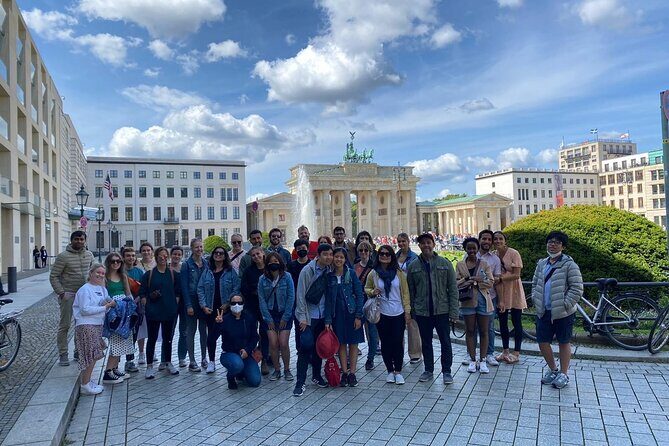
- Alexanderplatz pickup helps you start the day without guessing transportation
- A small group (max 20) keeps the pace human and questions easier
- Prisoner cells and guard towers are part of the core route, not optional stops
- A professional guide provides the timeline and context you won’t get from plaques alone
- Bring exact €3 donation change for memorial maintenance
- You’ll supply your own transit ticket and meals, so plan for the full day feel
A powerful Berlin day focused on how the system worked
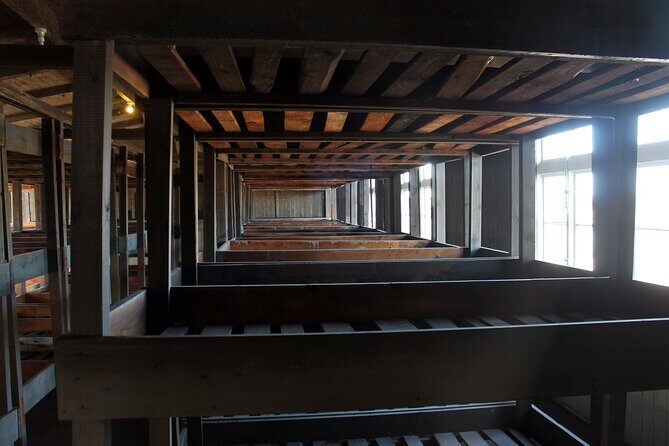
Sachsenhausen isn’t just a “see the camp” stop. It’s one of those places where a good guide helps you read the site like evidence. You’re walking through space that was designed to control people, break them, and erase individuality—so the experience lands harder than a typical museum visit.
What makes this tour especially useful is that it doesn’t float in generalities. You’ll hear how Sachsenhausen operated primarily for political prisoners, and how it functioned as an administrative center within the larger Nazi camp system. That matters because it helps you understand that this wasn’t random brutality. It was organized, planned, and repeatable.
You also get the human side in a respectful way. Several guides mentioned in the recent experience reports (people like Anna, Roshana, Siobhán, Sebastian, Miguel, and Sharon) are praised for telling prisoner-centered stories, while still sticking to structure and facts. That balance is hard to find on tours of dark history, and it’s a big reason this itinerary gets high marks.
You can also read our reviews of more tours and experiences in Berlin.



Meeting at Alexanderplatz: your morning setup matters
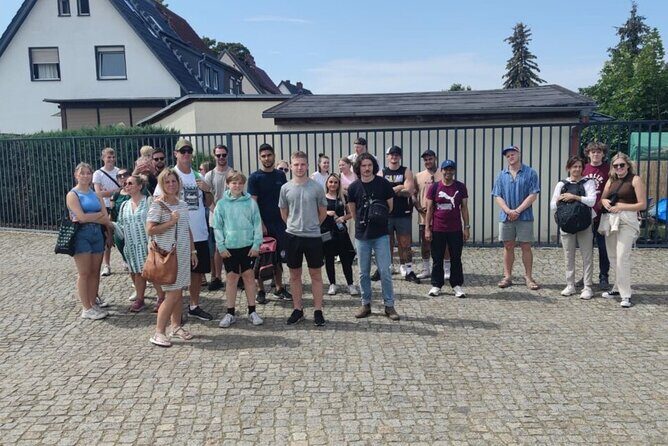
The tour starts at 10:00 am with a meeting point at Generator Berlin Alexanderplatz, Otto-Braun-Straße 65. The meeting point is central, and that helps—because getting oriented on day one in Berlin is already enough work.
This is also the moment where you should get very practical:
- Make sure you’re on time. The day is built around a schedule, and the group stays together.
- Have your mobile ticket ready on your phone.
- Double-check what you’re carrying for transit. The tour doesn’t include your public transport ticket.
One review story I liked for its realism: a guide helped participants make sure they had the right transit tickets so they didn’t get stuck during transfers. That’s the kind of “small help” that turns logistics from stress into background noise.
If you’re traveling with kids, note that children must be accompanied by an adult. Most people can participate, but this isn’t a “sit and stroll” style day.
Getting to the memorial: expect public transit and some walking
You’ll head from central Berlin out to the memorial site using public transportation. The key point for you is this: you’re responsible for your own transit ticket (often referred to as an ABC Transit Ticket in local guidance). If you arrive without it, you’ll lose time.
Once you reach the area, expect a walk from the station/drop-off to the camp grounds. One person described about a 20-minute walk. That doesn’t sound extreme on paper, but once you add the emotions of what you’re walking toward, plus the rest of the day, your stamina matters.
Also expect the memorial experience to be mostly outdoors. Weather can change your comfort level fast, even if the information inside is the main event. If it’s raining, bring a rain layer or a compact umbrella, and wear shoes you can trust.
The core stop: Gedenkstätte und Museum Sachsenhausen
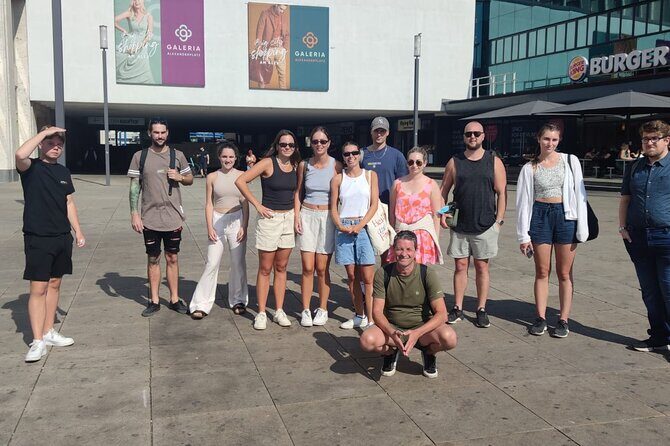
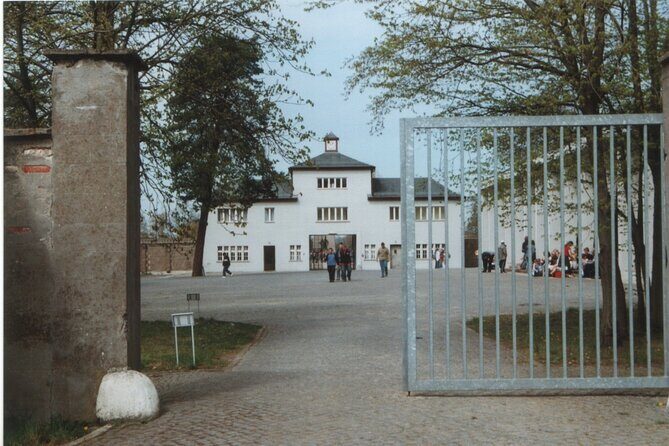
The heart of the experience is a walking visit through the former Sachsenhausen Concentration Camp Memorial and Museum. The tour runs about 6 hours (approx.), structured so you see the significant places without rushing through them.
What you’ll see and why it matters
The tour route includes key features such as:
- Former prisoner cells
- Guard towers
- Other key areas across the camp site
These aren’t random photo spots. They’re the physical parts of the system. When you stand in or near the cells, you start to grasp how confinement was meant to work on the body—movement restricted, privacy removed, time controlled. When you look at guard towers, you’re seeing how surveillance was built into the layout.




The museum side: context you can’t fake
Along the way, your guide helps you connect what you see to what was happening in the Third Reich. You’ll hear about Sachsenhausen’s role for political prisoners and how it served as part of a larger administrative network of camps.
This is where the guide earns their place. Plaques give you dates and descriptions. A strong guide helps you understand cause-and-effect: how prisoners were processed, how authority was maintained, and how the system stayed running. Several people praised guides for answering questions clearly and keeping the group on track with time—this matters because memorial visits can otherwise become a free-for-all of skipping important areas.
The emotional tone: serious, but often made readable
You should expect a serious tone. Guides are praised for handling the subject with care, including people who bring a bit of humor when appropriate. That doesn’t mean the tour becomes light—it means your guide helps you keep up with the story instead of falling behind after one hard stop.
One review described the balance as serious details without losing engagement. Another noted that even in rain, the guide kept things moving and understandable. That’s a good sign for your comfort: you’re not only absorbing tragedy, you’re also absorbing complex history.
Price and value: where the real costs show up
The price is listed at $29.81 per person, which is a solid baseline for a guided memorial tour. But you should budget for a couple extra items that affect the real value.
What you’re paying for
At this price, you’re mainly paying for:
- A professional guide
- A structured, timed route through the memorial
For many visitors, that guide component is the difference between a confusing walk and a meaningful one. If you’re short on time in Berlin, paying for a guide can be the most efficient way to learn without spending half your day figuring out what to look at.
What you’ll still pay on site
There are two additional cost items you should expect:
- A €3 per person donation is required for memorial maintenance, collected by the guide before entering the camp area. Have exact change ready.
- Food and drinks are not included, so you’ll need to plan for meals.
Even if you find the $29.81 price attractive, your total day cost won’t be just that number. That’s why it’s smart to think of this as a half-day history class plus a donation, not a cheap bus tour.
Transit and meals: plan for the full-day feel
Public transit tickets are not included, and meals aren’t included either. Some experiences described a lack of time to rest and eat lunch, and no convenient indoor option—so if you’re the type who needs breaks to stay mentally steady, plan ahead.
Practical move: bring water and something simple if you can (as long as it fits the site’s rules), and dress for wind or cold if you visit in cooler months.
How the guide experience can shape your day
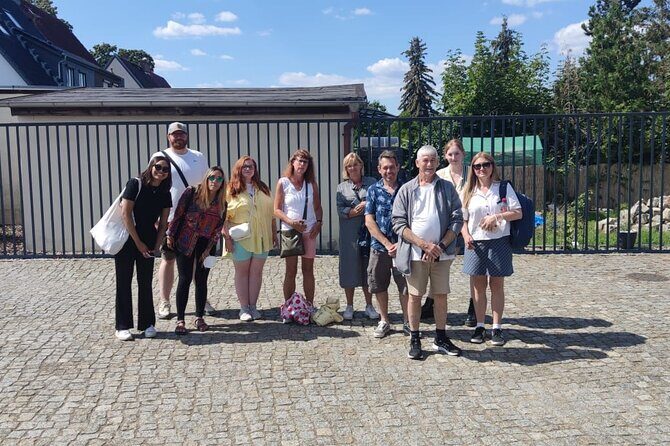
At memorial sites, the “how” matters as much as the “what.” A tour can be factually correct and still feel cold or chaotic if the pacing is off. Here, guides are repeatedly praised for:
- Keeping the group together and on schedule
- Answering questions with clarity
- Staying sensitive while still moving through a lot of material
- Explaining timelines in a way that makes sense
People specifically mentioned guides such as Anna for presenting a timeline of historical details, and Roshana for being both engaging and funny while still covering the heavy content responsibly. Others praised Sebastian for linking camp details with broader history, and Miguel for explaining multiple layers of how these camps developed and functioned.
That variety is useful. If you like a clear, structured chronology, you might enjoy a guide style like Anna’s. If you prefer a guide who connects the story to later patterns and larger contexts, guides like Sebastian’s style were singled out.
My advice: come with questions. Even one or two thoughtful questions can steer your understanding from “I saw things” to “I understand how this machine worked.”
Best for history-minded visitors who want structure (and who can handle it)
This tour fits best if you:
- Want a guided walking route through major camp features
- Prefer organized context over reading everything on your own
- Are okay with a heavy subject and a serious tone
- Like being able to ask questions and get straight answers
It may be less comfortable if you:
- Need frequent long stops for breaks
- Struggle with long outdoor walks
- Want a mostly relaxing day trip
Also, if you’re sensitive to accents or find it hard to concentrate in challenging audio conditions, consider that day-to-day guide communication can vary. One account described a guide as difficult to understand due to accent, which can be a real factor when you’re trying to absorb details. Still, most accounts emphasize clarity and engagement.
If you’re visiting Berlin with teenagers, history-focused students, or adults who want meaning over sightseeing, this experience often hits the mark. It’s not “fun,” but it can be deeply worthwhile and structured.
Should you book the Sachsenhausen Memorial tour from Berlin?
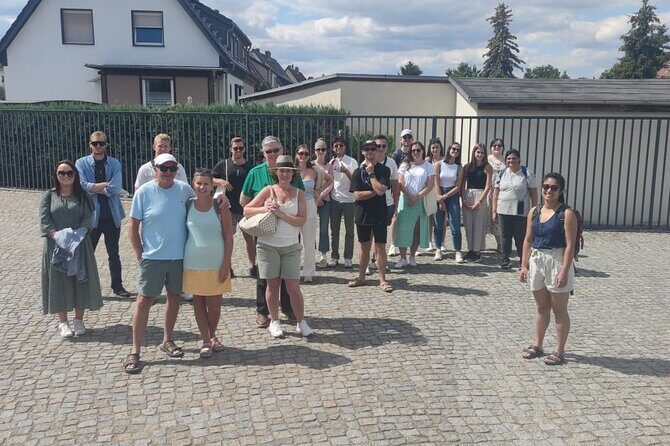
If you want a respectful, structured introduction to Sachsenhausen—with a route that hits the crucial parts like prisoner cells and guard towers—this tour is a strong pick. The small group size (up to 20) and the professional guide make it feel far more grounded than DIY wandering.
Book it if you can handle a heavy day, you’re prepared for walking and weather, and you’re ready to pay the small extras that make it complete: the €3 donation and your own transit and meals. In that case, you’ll get more than a checklist of sights. You’ll leave with a clearer sense of how the Nazi camp system functioned and why Sachsenhausen mattered within it.
FAQ
How long is the Sachsenhausen Concentration Camp Memorial tour?
It’s about 6 hours (approx.).
What does the $29.81 price include?
The tour includes a professional guide. It does not include food and drinks, and it doesn’t include your public transit ticket.
Where do I meet for the tour?
The meeting point is Generator Berlin Alexanderplatz, Otto-Braun-Straße 65, 10178 Berlin.
What time does the tour start?
The tour starts at 10:00 am.
Is the tour offered in English?
Yes, it’s offered in English.
Is there a donation or fee required at the memorial?
Yes. You should plan on a €3 per person donation collected by the guide before entering the camp area.
Do I need a public transit ticket to get to the memorial?
Yes. An ABC Transit Ticket is listed as not included, so you’ll need to arrange your own transit ticket.
What is the cancellation policy?
You can cancel for a full refund up to 24 hours in advance of the experience’s start time.
How many people are in the group?
The tour has a maximum of 20 travelers.