REVIEW · BERLIN
Berlin: Deutschlandmuseum – Flexible Entrance Ticket
Book on GetYourGuide →Operated by Deutschlandmuseum · Bookable on GetYourGuide
German history is staged like a movie. The Deutschlandmuseum turns about 2,000 years of story into hands-on, interactive scenes, so you’re not just reading labels. I especially like how the museum aims for learning you can experience with all your senses, not only your eyes.
One of my favorite parts is the way it moves through 12 historical eras, using period exhibits plus interactive media around major turning points. You go from early Roman-era clashes (the Battle of Varus) all the way to modern times (including a 2006 fairy-tale summer reference), which helps the whole timeline feel connected.
The main drawback: it may not satisfy people who want deep, academic history. If the museum is full, it can also feel less fun and harder to take your time.
In This Review
- Key highlights at a glance
- Deutschlandmuseum ticket value: why $30 can make sense
- What 2,000 years of German history actually feels like inside
- How the museum’s timeline is built
- How you’ll plan your day: a simple, realistic route
- A good rhythm for one day
- Timing that helps
- The interactive design: why it changes how you remember history
- Skip the line and keep your day loose
- The good, the not-so-good, and who this fits best
- What most people seem to like
- The main considerations
- A realistic expectation set: what you’ll learn and what you won’t
- Practical tips to get more out of your visit
- Should you book Deutschlandmuseum in Berlin?
- FAQ
- How long is the Deutschlandmuseum ticket valid?
- Do I need pre-registration to visit?
- Is there a way to avoid waiting in line?
- What is included with the ticket price?
- Is free cancellation available?
- Can I pay later?
- Is the museum wheelchair accessible?
- What language options are available?
Key highlights at a glance
- Interactive scenes across 12 eras that make the timeline easier to follow
- Historic exhibits from each period alongside interactive media
- A broad sweep from Varus to 2006, so you get the big picture quickly
- Skip-the-line entry via a separate entrance to keep your day moving
- Worth it for families, with history explained in an approachable way
Deutschlandmuseum ticket value: why $30 can make sense

For $30 per person, you’re buying more than entry. You’re getting a one-day pass to a museum experience built around turning points in German history, presented through detailed stagings and supporting artifacts from each era. On top of that, the ticket includes no waiting in line through a separate entrance, plus the freedom of a flexible visit (no pre-registration required for appearance).
If you’re the kind of visitor who wants context fast, the value is real. The museum’s format is basically a “timeline you can experience,” not a single-theme display. In a single day, you can cover a huge arc of time, which is hard to do if you’re jumping between multiple museums or neighborhoods.
That said, set your expectations. This isn’t advertised as an ultra-scholarly, research-level deep dive. One of the clearest signals from the experience’s feedback is that it can be very visual and varied, but not always “historical depth” in the academic sense. If that’s what you’re chasing, you may want to pair it with another history stop in Berlin.
You can also read our reviews of more tours and experiences in Berlin



What 2,000 years of German history actually feels like inside
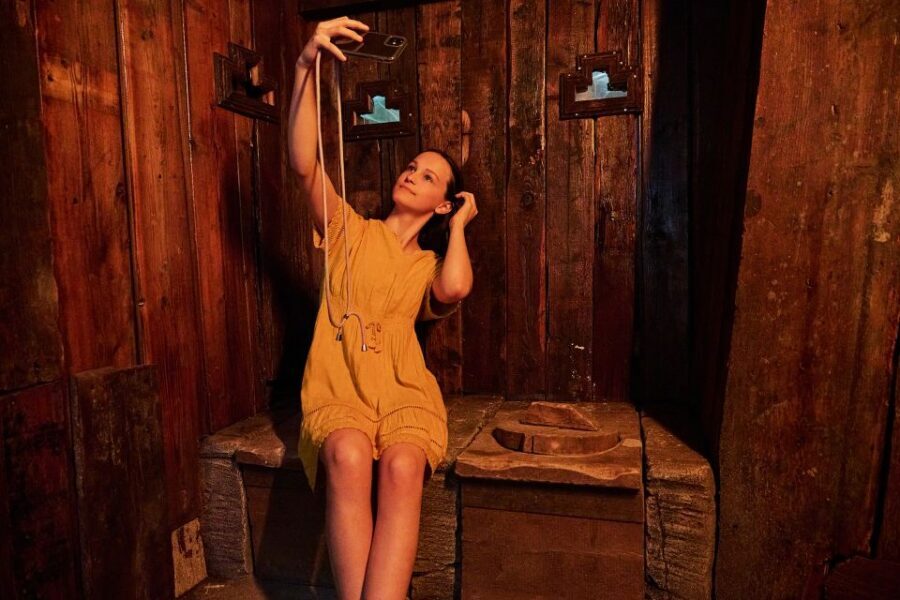
The Deutschlandmuseum presents historical moments from twelve eras as interactive depictions, each built to help you understand what changed and why. The museum uses a mix of staging, period exhibits, and interactive media. The goal is learning you can process with multiple senses, not only by reading.
The experience is designed to make cause and effect feel practical. Instead of history as a list of dates, you see scenes around important turning points and you’re nudged to connect them. That matters because German history can feel like a maze if you only encounter it through individual monuments. Here, you get an organized flow—like walking along a timeline—without having to build the timeline yourself.
How the museum’s timeline is built
You start with early moments, including the Battle of Varus reference, then move forward through major eras, ending with a modern reference point that includes the 2006 summer fairy-tale idea. It’s a wide range, so the presentation style shifts as you go. Early eras tend to rely more on historical material and interpretive displays, while later periods can feel more familiar because the world becomes easier to picture.
You don’t need to be a history specialist to follow it. The approach is meant to keep you oriented, and the interactive elements are there to reduce the “blank page” feeling you can get in some museums.
How you’ll plan your day: a simple, realistic route

You don’t get an explicit “start at Room A, then Room B” plan in the information you’ve been given, so the best strategy is to treat the visit like a guided timeline walk. I’d plan for you to start, orient yourself, then move through the eras at a pace you can actually enjoy.
A good rhythm for one day
Aim for two or three “stops” per era. That might sound obvious, but museums like this can tempt you to rush. The places that work best are the ones where you pause long enough to read the period exhibit context and then actually use the interactive media.
In practice, that means you’ll likely want:
- A few minutes to scan the scene and key points
- Time to look closely at the period exhibits next to it
- One interactive moment where you let the museum do the explaining for you
If you feel yourself speed-walking, slow down for one era. The museum is built to be understood in sequence, so your first “proper” pause usually pays off later.






Timing that helps
Your ticket is valid for one day, and the museum has starting times you can check based on availability. Since the skip-the-line option exists, getting in earlier in your chosen window is a smart way to keep the day enjoyable—especially if you don’t like crowds.
The interactive design: why it changes how you remember history
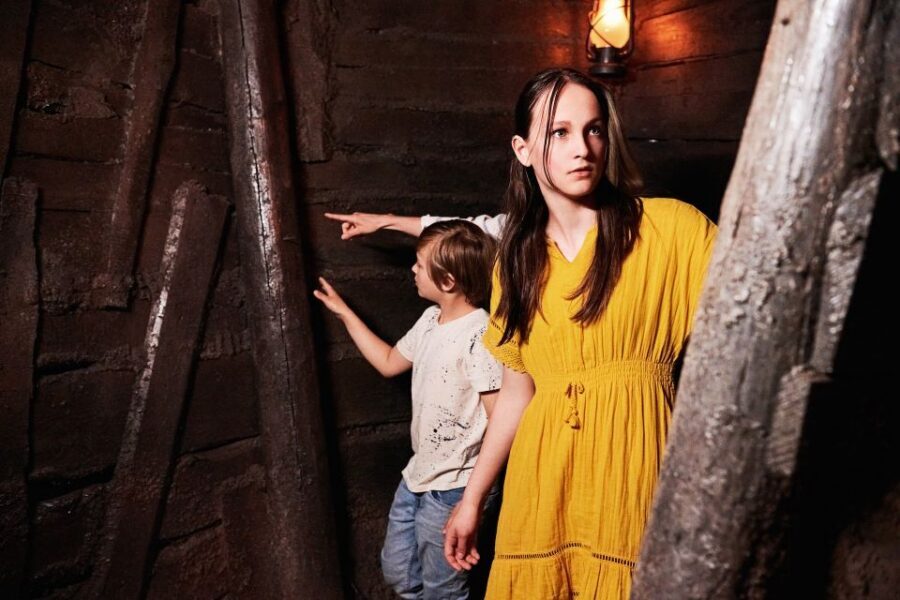
The Deutschlandmuseum highlights a “new way” of knowledge transfer. That isn’t marketing fluff in this case. The structure—stagings plus interactive media plus period exhibits—means you’re not just absorbing information once. You’re returning to the idea from different angles.
Here’s what to look for as you move through:
- Visual staging that makes the moment legible
- Historical exhibits that ground the scene in something tangible from the era
- Interactive elements that help you process rather than just observe
When the museum is at its best, it reduces the mental load. You’re less likely to leave thinking, “That was interesting,” and more likely to leave thinking, “Oh, that’s how events connected.”
That also explains why it can feel like fun, not just instruction. One clear takeaway from the feedback is that the experience is approachable and varied, and that’s usually what makes interactive history work.
Skip the line and keep your day loose
The ticket includes no waiting in line through a separate entrance, and it allows flexible appearance without pre-registration. If your Berlin schedule is packed, this is a big deal. Museums are often time thieves. Here, the friction is reduced, so you can fit the visit in without feeling trapped.
I also like that it’s straightforward: entry is included, and it’s valid for a full day. You aren’t required to treat it like a strict timed tour where you must be exactly on the minute. That’s helpful if you’re balancing museum time with outdoor plans, transit, or a late coffee stop.
The good, the not-so-good, and who this fits best
The overall rating is 4.8 based on 74 reviews, which is a strong signal. The comments also point to two themes you should consider.
What most people seem to like
- The museum is described as interesting and varied, with a strong atmosphere.
- It can work well for children, and history can feel easy explained.
- The presentation is often considered very visual and approachable.
Those points matter because they help you choose the right kind of history activity. If you want a museum that keeps moving and doesn’t require deep pre-reading, this is likely a good match.
The main considerations
- Some people feel it does not go deep enough historically.
- If it’s too full, the experience can feel less enjoyable and harder to take in.
So if you love intense lectures, academic footnotes, and slow contemplation, you might find the format a bit light. If you just want a clear, motivating overview that helps you understand the big turning points, you’ll probably have a better time.
A realistic expectation set: what you’ll learn and what you won’t
Because the museum spans twelve eras and references events from Varus to 2006, it naturally provides a broad view. That’s the strength.
What you won’t get, based on the feedback and the format, is the kind of deep specialization where every nuance is unpacked. Think of this as a strong foundation and a memory hook machine, not the final word on German history.
If you want to make it even better, I’d pair the visit with one more focused stop in Berlin—something smaller or more specialized. That way, Deutschlandmuseum gives you the timeline, and the other place gives you the depth.
Practical tips to get more out of your visit
These are small moves that can change your experience in museums like this.
- Pick a pace you can sustain. If you rush, you’ll miss what the interactive media is trying to teach.
- Take one era slowly. Your brain remembers sequences better when you don’t treat every moment as equally urgent.
- Use the period exhibits as anchor points. When you see a scene, then look for the real artifacts or related historical display, it helps your memory lock in.
- Go earlier if you dislike crowds. The museum can get full, and crowd pressure makes it harder to enjoy interactive parts.
Should you book Deutschlandmuseum in Berlin?
I’d book it if you want a one-day, high-energy history experience that covers a massive time range in an approachable way. At $30, the value improves if you like interactive museums and you appreciate the benefit of skip-the-line entry plus flexible timing.
Skip it or think twice if you want deeply academic treatment. If your idea of a perfect museum day is long, quiet reading and deep context, Deutschlandmuseum may feel like it moves too fast or focuses more on presentation than depth.
If you’re traveling with kids or you just want something fun that still teaches real history, this is a strong choice. It’s the kind of place where you can leave with a clearer timeline and a few standout scenes you’ll remember later.
FAQ
How long is the Deutschlandmuseum ticket valid?
The ticket is valid for 1 day.
Do I need pre-registration to visit?
No. The ticket allows flexible appearance without pre-registration.
Is there a way to avoid waiting in line?
Yes. You enter through a separate entrance with no waiting in line.
What is included with the ticket price?
Entry to the Deutschlandmuseum is included.
Is free cancellation available?
Yes. You can cancel up to 24 hours in advance for a full refund.
Can I pay later?
Yes. You can reserve now and pay later, so you can keep travel plans flexible.
Is the museum wheelchair accessible?
Yes, the experience is wheelchair accessible.
What language options are available?
The provided information does not list specific exhibit or tour languages.