REVIEW · BERLIN
Private Cold War Berlin: Espionage, Berlin Wall, a Divided City
Book on Viator →Operated by Insider Tour Berlin · Bookable on Viator
The Berlin Wall still has a pulse. This private, walking-focused tour threads Wall history, border-crossing heartbreak, and Cold War spying through the places you actually see in Berlin. I love the hotel pickup and drop-offs, which keep the day smooth, and I love the story-led guiding approach (names like Tina and Toni pop up for a reason). One drawback: this is a real walking tour, so wear good shoes and be ready for some heavy subject matter.
For first-timers, you get the big picture fast. For repeat visitors, you get the details that make the city feel like it’s talking back. If you want Berlin that’s more human than postcard, this is the kind of day that sticks.
In This Review
- Key Points You’ll Care About
- How a Private Cold War Route Makes Berlin Click
- Getting There Smoothly: Pickup, Pace, and What to Expect
- Memorial of the Berlin Wall (Bernauer Strasse): Where Escape Stories Begin
- Tränenpalast (Palace of Tears): Border Crossings and Spy Tactics
- East Side Gallery: From Division to Street-Level Hope
- Stasimuseum: Seeing How Surveillance Worked in Real Life
- Checkpoint Charlie: The Cold War in One Crossing Point
- Prenzlauer Berg’s Fröbelstraße Corner: NKVD Then Stasi
- Alexanderplatz: The Pressure Point of November 1989
- Price and Value: Is $191.44 Worth It?
- Who Should Book This Tour (and Who Might Hesitate)
- Should You Book This Private Cold War Berlin Tour?
- FAQ
- How long is the tour?
- Is this a private tour?
- Does it include hotel pickup and drop-off?
- What language is the tour offered in?
- Are admission tickets included for the stops?
- Does the tour run in bad weather?
Key Points You’ll Care About
- Hotel pickup and drop-offs keep your day from turning into transit math
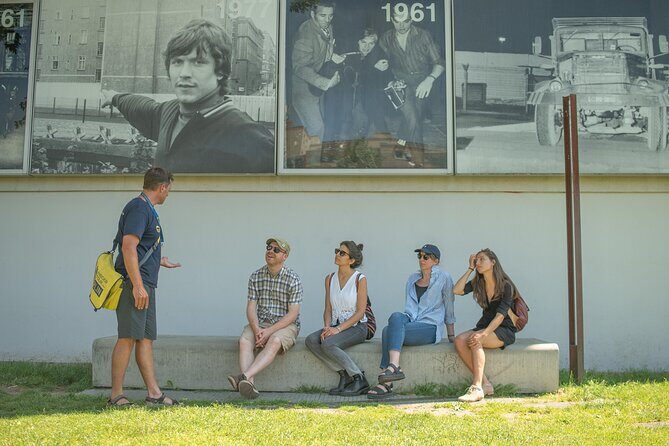
- A private group means your guide can slow down, speed up, or adjust for you
- Wall, prisons, and spy sites in one route give you cause-and-effect, not random stops
- Free admission listed for each site helps keep value strong
- All-weather operation means dress for rain and wind, not just sunshine
- Guides who tell the story (Tina, Toni) bring everyday life into focus
How a Private Cold War Route Makes Berlin Click
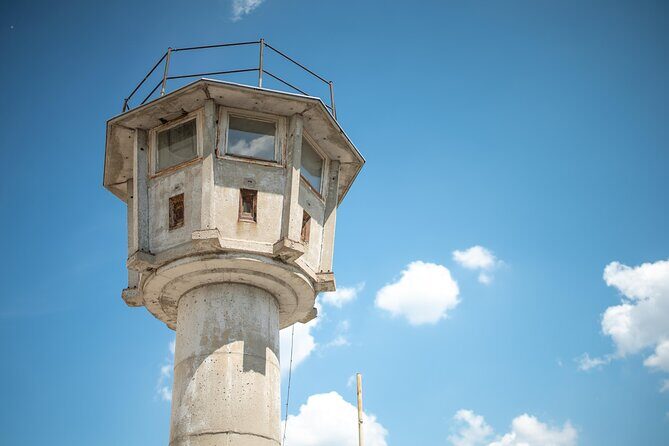
Cold War Berlin can feel like a pile of monuments if you just hop on and off. What makes this tour work is the order of sights: you start with the Wall’s physical barrier, then move to the border drama, then to the watching machine behind it. That progression helps your brain connect the dots between escape attempts, surveillance, and the public pressure that finally broke the system.
You’re also getting more than “what happened.” You’ll hear how people lived—what families faced, how crossing points worked, and how spy networks and prison systems shaped daily life. It’s a walking tour, so you’ll see the setting as you go, not just read plaques.
You can also read our reviews of more city tours in Berlin

Getting There Smoothly: Pickup, Pace, and What to Expect
This is built for convenience. Hotel pickup and drop-off are included, so you won’t lose energy trying to find meeting points. The tour lasts about 3 to 4 hours, and it’s offered in English.
Plan on walking most of the time. The upside is you get to cover multiple Cold War zones without turning the day into public-transport chaos. The downside is you’ll want comfortable shoes and a rain layer. The tour runs in all weather conditions, so you can’t count on weather to make it easier.
Also, this is a private tour, meaning it’s only your group. That tends to make questions feel natural, and it helps with pacing. One guide-style detail worth noting: guides have shown the ability to accommodate physical limitations, so if mobility is a concern, it’s worth mentioning early.
Memorial of the Berlin Wall (Bernauer Strasse): Where Escape Stories Begin
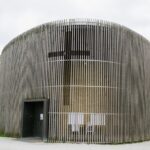
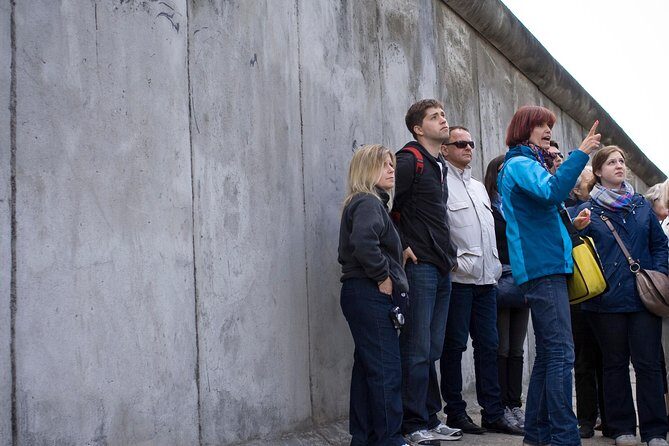
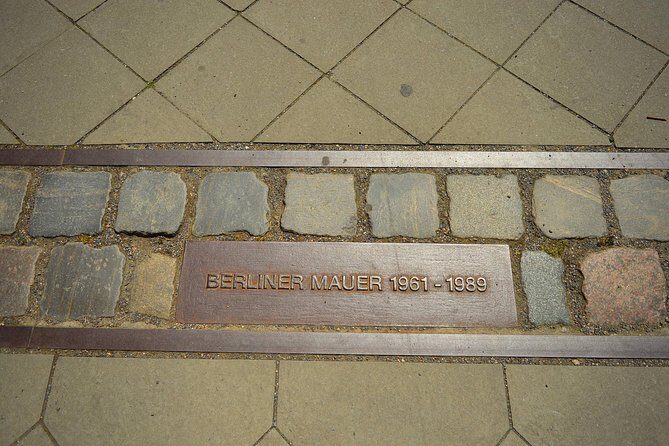
Your tour kicks off at the Memorial of the Berlin Wall on Bernauer Strasse, a place that hits hard because it’s tied to specific moments. You’ll see a preserved section of the Wall alongside the Chapel of Reconciliation, which makes the site feel less like a photo stop and more like a memory space.
This stop focuses on escape attempts—and you’ll hear stories tied to well-known tunnel operations. The tour includes Tunnel 57 and Tunnel 29, underground passageways used by East Berliners trying to reach the West. Tunnel 29 gets especially specific: it’s noted as leading 29 people to freedom in 1962. That matters because it shifts the Wall from abstract “politics” into individual risk and planning.
What I like about leading with this stop: it gives you context for everything else you’ll see later. When you move to border facilities, spy talk makes more sense. When you reach prison sites, you understand the purpose behind the control.
Time on site is about 40 minutes, with admission listed as free.
Tränenpalast (Palace of Tears): Border Crossings and Spy Tactics
Next comes Tränenpalast, the Palace of Tears at Friedrichstrasse. This building served as a border crossing point during the Cold War. The emotional angle is the headline: East Berliners said farewells here to loved ones as they crossed into West Berlin, with separation that still feels jarring today.
But you don’t just get one layer. Tränenpalast also shows up in the espionage side of the story. It’s described as a hotspot for spies trying to cross between East and West using tactics meant to avoid detection. So you’ll get the sense that the border wasn’t only about travel permits—it was also about intelligence work and risk management.
Now it’s a museum, and the exhibits cover the history of the Berlin Wall, border control practices, and spy networks on both sides. That’s valuable because you leave with a more balanced understanding: the human cost and the technical/strategic side of the system.
This stop is about 20 minutes, with admission listed as free.
East Side Gallery: From Division to Street-Level Hope
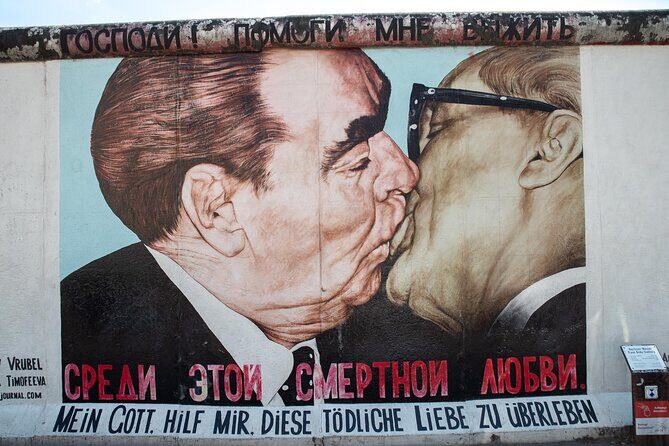
Then you walk the East Side Gallery, a 1.3 km stretch of the Berlin Wall turned into an open-air art gallery. After the Wall fell in 1989, artists from around the world painted murals on the remaining sections. The result is visual storytelling—messages tied to optimism and hope in the aftermath.
It’s easy to treat this as “fun Berlin art” if you show up cold. But on this tour, you’ll have the earlier context in your head: you know what the Wall was before you see what it became. Your guide will share the history behind murals and the artists’ messages, so you’re not just looking at color.
This stop is shorter—about 20 minutes. Admission is listed as free. Think of it as a reset button after the heavier museum and prison material, while still keeping the Wall’s legacy in view.
You can also read our reviews of more private tours in Berlin




Stasimuseum: Seeing How Surveillance Worked in Real Life
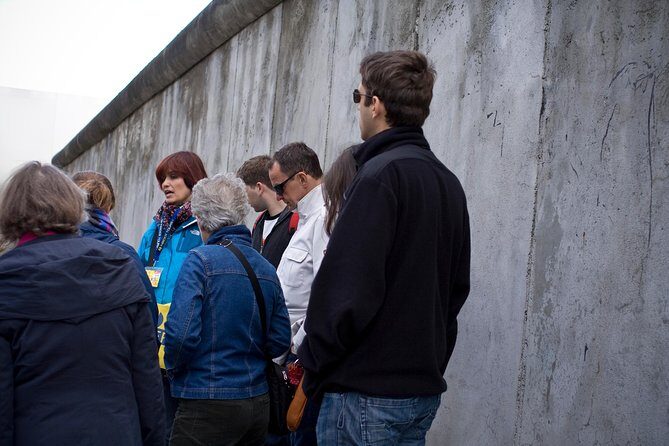
At Stasi Headquarters / Stasimuseum, the mood shifts again. This is described as a haunting reminder of how extensive surveillance and control were under East Germany’s secret police. The tour route here isn’t about rumors; it’s about systems.
You’ll get a guided walkthrough of the museum facility and an explanation of the methods used: hidden cameras, wiretapping, and informants—including everyday citizens. The tour also includes the personal impact—how people faced interrogation, harassment, and pressure inside their own lives and families.
This is one of those stops where a guide’s tone matters. The goal isn’t fear-mongering. It’s understanding the scale of monitoring and how it shaped behavior. You’ll probably finish thinking about privacy in a new way—not because the Stasi is “just another spy story,” but because the mechanism is recognizable: watch, record, pressure, control.
Time here is about 25 minutes, with admission listed as free.
Checkpoint Charlie: The Cold War in One Crossing Point
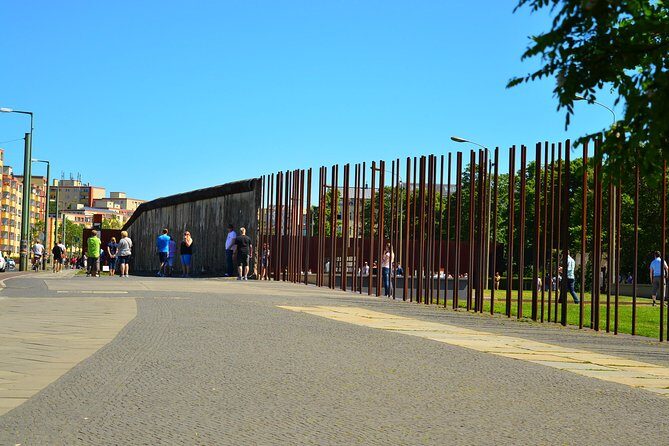
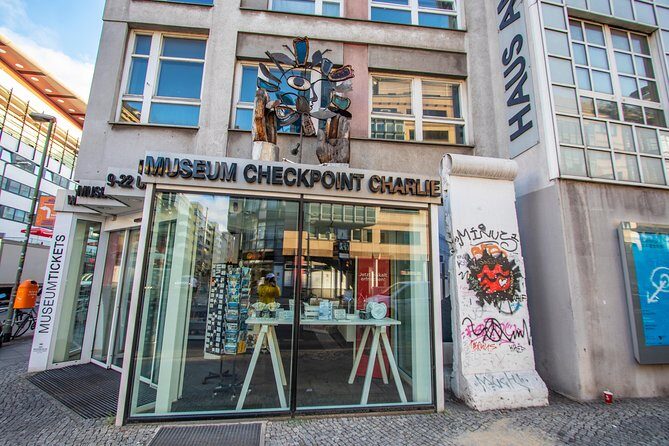
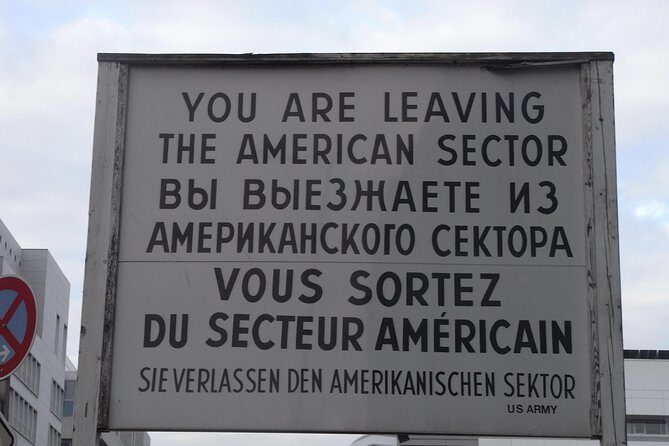
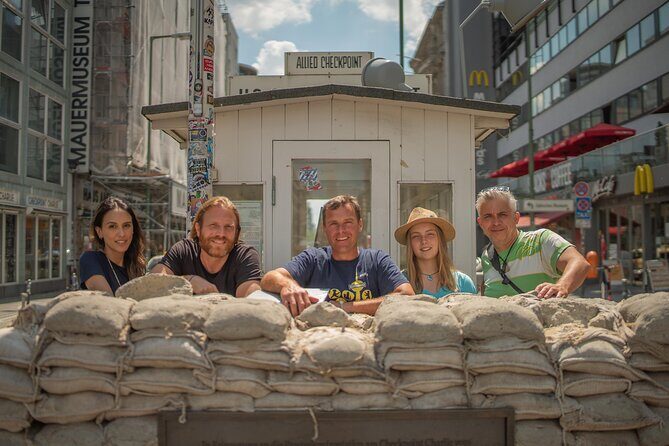
Next is Checkpoint Charlie, one of the most iconic Cold War sites in Berlin. This was a former border crossing between East and West Berlin, and it became a symbol of the division between the communist East and the democratic West.
Your guide will explain tense standoffs between American and Soviet forces, with special attention to the Berlin Crisis of 1961, when the Wall was erected. You’ll also hear about dramatic events associated with the crossing—escapes, spy exchanges, and moments where the world seemed to teeter toward conflict.
A key practical point: the museum at the site adds depth to the story. So if you’re a “show me evidence” type, this stop delivers more than speeches. It gives you exhibits that connect espionage and escapes back to the crossing’s role in everyday life.
Time is about 15 minutes, with admission listed as free.
Prenzlauer Berg’s Fröbelstraße Corner: NKVD Then Stasi
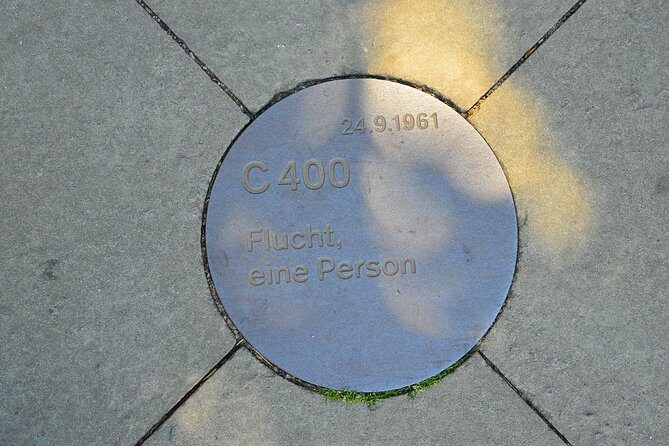
In Prenzlauer Berg, you visit a location tied to both the former NKVD prison and the Stasi prison at Fröbelstraße corner. The tour frames the shift after World War II: Soviet authorities originally used the prison for political detainees, suspected spies, and people viewed as enemies of the state. After the GDR formed, the Stasi took over, continuing the logic of repression and surveillance.
You’ll learn about the harsh conditions faced by those imprisoned there and the methods used by both Soviet and East German authorities to control and silence opposition. The tour also points to stories of bravery and resistance, which matters because otherwise this stop could feel only grim.
This is one of those “you can feel the weight of the walls” moments. And because it’s paired with other sites—Wall memorial, border center, Stasi museum—you understand it as part of one system, not isolated cruelty.
Time is about 15 minutes, with admission listed as free.
Alexanderplatz: The Pressure Point of November 1989
Your final stretch includes Alexanderplatz, another zone where power, surveillance, and public protest intersect. The tour highlights the November 4th, 1989 protest, when over half a million East Berliners gathered to demand change—an important moment leading to the fall of the Berlin Wall.
Your guide will also connect Alexanderplatz to Cold War landmarks, including the Television Tower (Fernsehturm) and the Red City Hall, home to GDR leadership. The tour explains how the area was tied to Stasi surveillance efforts, but it also shows how resistance played out in public space.
This stop is short—about 15 minutes, with admission listed as free—but it lands the story arc. You go from systems of control to a mass demand for change, and it feels like history moving from behind the scenes to the open air.
Price and Value: Is $191.44 Worth It?
At $191.44 per person for roughly 3 to 4 hours, it’s not the cheapest thing on Berlin’s “things to do” list. But the value is clearer when you look at what’s included:
- Hotel pickup and drop-off (less time lost, fewer headaches)
- A professional guide who provides the connecting narrative
- A private format, so your group isn’t squeezed into someone else’s pace
- Admission listed as free for the stops covered in the route
- The tour is built for multiple key Cold War sites, not one monument and a bus ride
If you’re coming to Berlin for a few days and want high-impact context, this is the kind of spending that can save you from doing the “I’ll just Google it later” trap. You’ll walk away with a timeline in your head, not just a stack of photos.
Who Should Book This Tour (and Who Might Hesitate)
This tour fits best if you:
- enjoy walking and want to cover real history on foot
- like story-driven context, not just plaques
- want the Cold War explained through multiple angles: escapes, border control, prison systems, and political pressure
You might hesitate if:
- you don’t do well with heavy topics. This route includes prisons, surveillance, and separation at a border crossing.
- walking for hours is tough for you. The tour is described as active, though guides have shown the ability to accommodate physical limitations when needed.
Should You Book This Private Cold War Berlin Tour?
I’d book it if you want Berlin’s divided-city story in one organized, human-scale route. The best part is that it doesn’t treat the Wall as a standalone sight. It connects the Wall to border systems, then to espionage and surveillance, then to the public moments that forced change.
If you’re the type who loves a guide who can make the Cold War feel real—names like Tina and Toni are part of why people rate this experience so highly—you’ll likely feel that same spark. Just go in prepared: comfy shoes, a jacket, and the willingness to sit with difficult history. That mix turns a walking tour into a true understanding of the city.
FAQ
How long is the tour?
It runs about 3 to 4 hours.
Is this a private tour?
Yes. It’s private, and only your group participates.
Does it include hotel pickup and drop-off?
Yes. Hotel pickup and hotel drop-off are included.
What language is the tour offered in?
The tour is offered in English.
Are admission tickets included for the stops?
Admission is listed as free for each stop on the route.
Does the tour run in bad weather?
Yes, it operates in all weather conditions, so dress appropriately.