REVIEW · BERLIN
Berlin: City Sightseeing Hop-On Hop-Off Bus Tour
Book on GetYourGuide →Operated by City Sightseeing Europe · Bookable on GetYourGuide
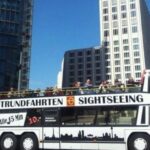
Berlin’s sights come fast on this bus. I like the open-top panoramic deck for quick photo angles and the multilingual audio guide with headphones that keeps you oriented without slowing down your day. Add free Wi‑Fi onboard, and you can plan your next hop in real time.
My main caution is practical: in heavy rain, the open deck can get wet, and the headphone ports have not always been perfect. One stop (KaDeWe) can also run long, so if you’re chasing tight museum times, keep a little flexibility.
In This Review
- Key things I’d center in your plan
- Why this hop-on hop-off style works so well in Berlin
- Choosing Classic vs Trendy East Berlin and the Wall route
- Classic Route: the first-day “get oriented” loop
- Trendy East Berlin and Wall Route: division-era landmarks in one pass
- The audio guide and free Wi‑Fi: better than it sounds
- Audio guide with headphones in 13 languages
- Free Wi‑Fi on board
- Classic Route stop by stop: what each area is good for
- Tauentzienstraße and KaDeWe area
- Lützowplatz and the Kulturforum (Tiergarten side)
- Potsdamer Platz and the Kolhoff-Hochhaus
- Martin-Gropius-Bau (Gropiusbau)
- Checkpoint Charlie (Friedrichstraße)
- Gendarmenmarkt
- Neptunbrunnen / Rotes Rathaus area
- Alexanderplatz and Park Inn zone
- Lustgarten and Unter den Linden / Friedrichstraße
- Brandenburg Gate
- Reichstag area
- Berlin Central Station (Hauptbahnhof) and Schloss Bellevue
- Victory Column (Siegessäule)
- Zoo / Elephant Gate (Elefantentor) and Café Kranzler area
- Kurfürstendamm (Ku’damm) area
- Trendy East Berlin and Wall Route: what’s special about this shorter loop
- Neptunbrunnen / Rotes Rathaus area
- Oranienburger Straße
- Mauergedenkstätte and Mauerpark
- Alexanderplatz / Park Inn
- Karl-Marx-Allee
- East Side Gallery
- Ostbahnhof
- When to ride: build a day around bus timing, not the other way around
- Classic schedule strategy
- Trendy schedule strategy
- The app is your anti-stress tool
- What to pack and what to watch for on the open-top deck
- Price value: is $25 really fair for two days in Berlin?
- Tour of Lights option: a night ride for festival season
- Common hiccups to plan around (so you stay in control)
- Should you book the Berlin City Sightseeing Hop-On Hop-Off Bus Tour?
- FAQ
- What routes are included with the ticket?
- How long is each route loop?
- When do the buses run?
- Is the audio guide included, and what languages are available?
- Where can I start the tour?
- What’s included and not included in the price?
Key things I’d center in your plan
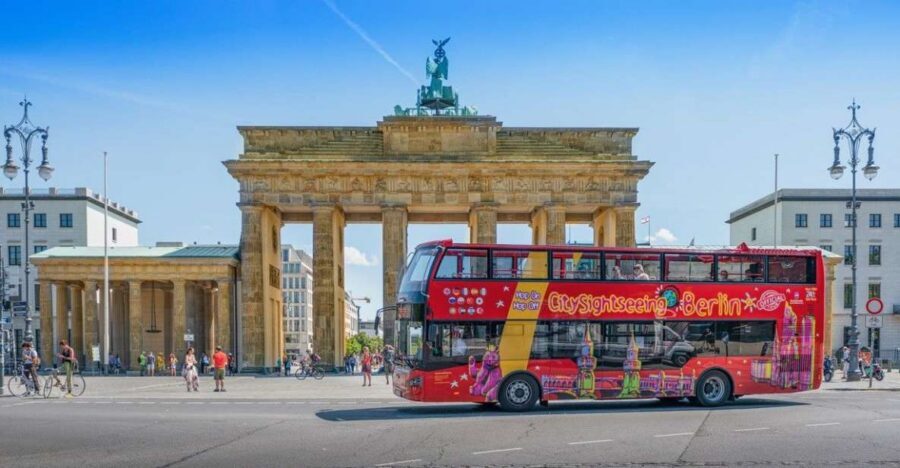
- Two routes that fit two different moods: Classic for the big monuments, Trendy East Berlin & Wall for division-era sites
- Open-top views that make landmarks easier to spot from a distance
- 13-language audio guide with headphones, plus free Wi‑Fi on all buses
- Frequent service (every 25 minutes on Classic, every 40 on the East Berlin route)
- Stop staff and the City Sightseeing Berlin app so you can find buses and switch routes
Why this hop-on hop-off style works so well in Berlin
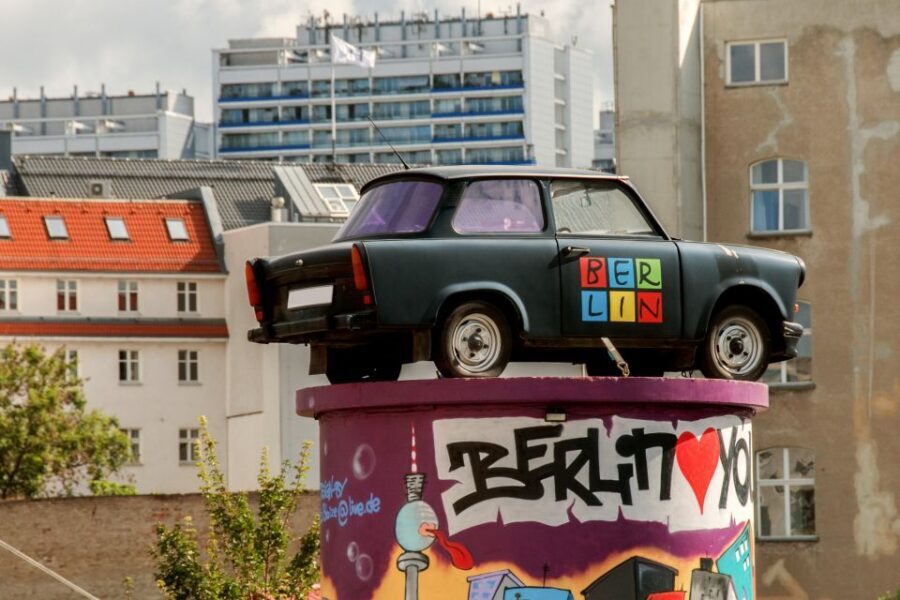
Berlin is big, spread out, and often best understood in chunks. This hop-on hop-off bus gives you that structure. You get an efficient loop that touches major sights and then gives you freedom to jump off and explore at street level when something grabs you.
I also like that the tour isn’t just a route. The on-board audio guide runs in 13 languages using included headphones, so you can follow what you’re seeing as you pass it. And with free Wi‑Fi on every bus, you’re not stuck offline when you want to check hours, map the next walk, or find a café nearby.
There’s one more bonus that matters: Berlin’s story isn’t linear. You can use the bus as your “timeline builder.” Ride the Classic route to get your bearings, then switch to the East Berlin & Wall line to see how the city’s division shaped the streets you’ll later recognize on foot.
You can also read our reviews of more city tours in Berlin



Choosing Classic vs Trendy East Berlin and the Wall route

You don’t have to do both routes, but you’ll get a more satisfying Berlin picture if you do.
Classic Route: the first-day “get oriented” loop
The Classic Route is designed to cover the main sights, including Brandenburg Gate, Checkpoint Charlie, and the Reichstag area. It runs a longer circuit than the East Berlin line, so it’s the one I’d pick if you only have a day and want the highlights plus classic city-center stops.
Key timing details:
- First departure: 9:30am
- Last departure: 5pm
- Duration: 2 hours
- Frequency: every 25 minutes
Trendy East Berlin and Wall Route: division-era landmarks in one pass
This shorter route focuses on sites tied to Berlin’s divided past and the areas where that story is still visible. You’ll pass Mauergedenkstätte (Wall memorial) and ride along toward the East Side Gallery, plus you end up back near Ostbahnhof.
Key timing details:
- First departure: 10am
- Last departure: 5pm
- Duration: 1 hour
- Frequency: every 40 minutes
Practical tip: If you can, do Classic first, then do East Berlin & Wall the next day (or later the same day). After the first ride, you’ll understand which streets to revisit without feeling like you’re guessing.
The audio guide and free Wi‑Fi: better than it sounds
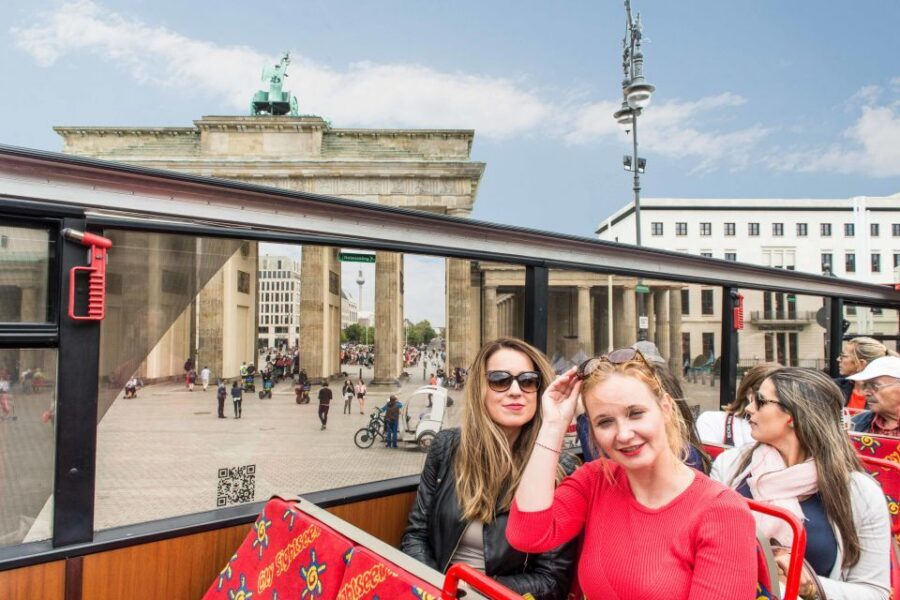
This is one of those tours where the “features” matter because they change how you move through a city like Berlin.





Audio guide with headphones in 13 languages
You’ll get audio in: English, Spanish, French, German, Italian, Hebrew, Japanese, Chinese, Portuguese, Russian, Polish, Arabic, and Turkish. That means you can match the narration to your comfort level, instead of relying on street signs alone.
On a practical level, headphones help you keep your eyes up. You can be looking at the Brandenburg Gate approach or the streets around Gendarmenmarkt while still following the context.
Free Wi‑Fi on board
Wi‑Fi is surprisingly useful for a hop-on hop-off bus. It helps you:
- check current stop info using the City Sightseeing Berlin app
- confirm the next departure when you’ve just hopped off
- look up walking options if you want to turn part of the route into a self-guided stroll
Also worth knowing: the app is your friend for timing. It’s built to show times and list stops, and it helps you avoid the classic mistake of wandering back to the wrong curb.
Classic Route stop by stop: what each area is good for
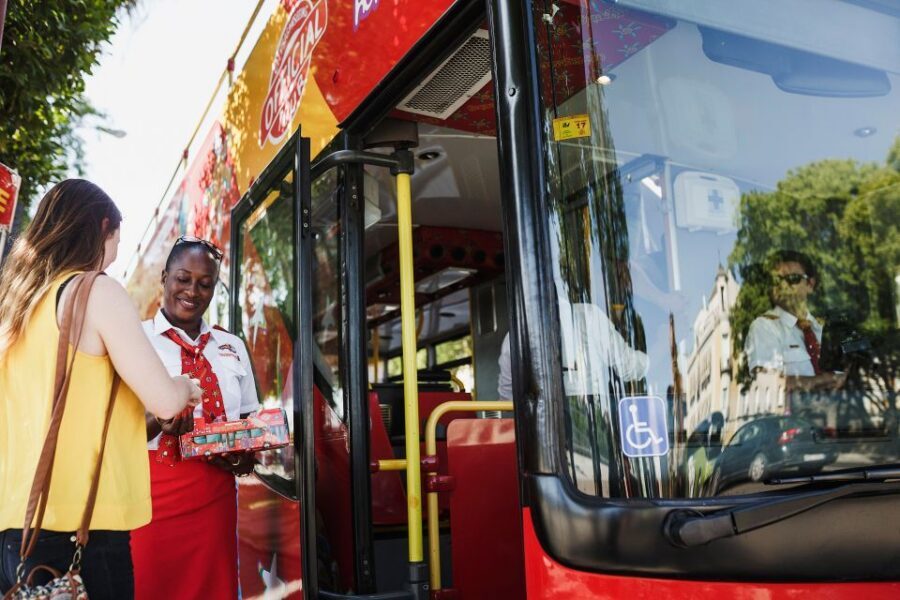
The Classic loop is the longer “main sights” circuit. You can start at any of the bus stops on the route, and the app will show the latest stop locations and times. There are also two starting location options listed in the app (marked with codes G83Q+C44 and GC94+QF5).
Here’s how I’d think about the stops, in the order you’ll pass them.
Tauentzienstraße and KaDeWe area
You start in the Tauentzienstraße / KaDeWe zone, which is a good warm-up. This is where you’ll feel Berlin’s modern shopping energy without needing museum tickets.
KaDeWe itself is a “worth it for atmosphere” stop. Even if you don’t plan to shop, the area is busy, easy to orient from, and it’s a convenient place to grab a snack before the more solemn sights.
Lützowplatz and the Kulturforum (Tiergarten side)
This area puts you near the cultural spine of West Berlin. You’ll pass the Kulturforum stretch and the edge of Tiergarten. It’s a nice pivot point: from shopping and movement into parks and grand civic buildings.
If you like walking after you’re dropped off, this is an easy zone to do it.
Potsdamer Platz and the Kolhoff-Hochhaus
Potsdamer Platz is the definition of “Berlin reinventing itself.” You’ll see the modern squares and buildings that mark the city’s post-reunification transformation.
This is a good stop for short breaks: stand, look around, then decide if you want to linger or keep moving.
Martin-Gropius-Bau (Gropiusbau)
This stop places you near a landmark cultural building. Even if you’re not entering, the surroundings are worth taking in. It’s an example of how Berlin pairs grand architecture with practical urban design.
Checkpoint Charlie (Friedrichstraße)
This is one of the big-ticket moments on the Classic route. The bus passes Checkpoint Charlie at Friedrichstraße 45, which makes it easy to connect your understanding of Berlin’s division to a physical place.
One caution: Checkpoint Charlie can be busy as a sight. If you hop off, give yourself time to walk away from the most crowded corners so you can see the area calmly.
Gendarmenmarkt
Gendarmenmarkt feels “picture-postcard” without being frozen in time. It’s a great stop for photos and a short wander. You’ll also appreciate it more if you’ve already absorbed the division-era context from earlier stops.
Neptunbrunnen / Rotes Rathaus area
Neptunbrunnen and the Rotes Rathaus area brings you into Berlin’s historic city-center feel. It’s a good place to rest your legs and watch how people move through central streets.
Alexanderplatz and Park Inn zone
Alexanderplatz is a key “big city square.” You’ll pass it near the Park Inn area. If you’re the kind of traveler who likes to observe how a city actually functions, this is a worthwhile hop-off.
It’s also practical: lots of transport options and an easy place to reset your plan before heading back into monument territory.
Lustgarten and Unter den Linden / Friedrichstraße
This middle stretch is where Berlin’s core monuments cluster. Lustgarten sets you up for the serious-looking architecture ahead, and then Unter den Linden / Friedrichstraße gets you back into the heart of “main avenue Berlin.”
If you want a guided-feeling day without committing to timed tickets, this is a smart area to get off and walk in both directions.
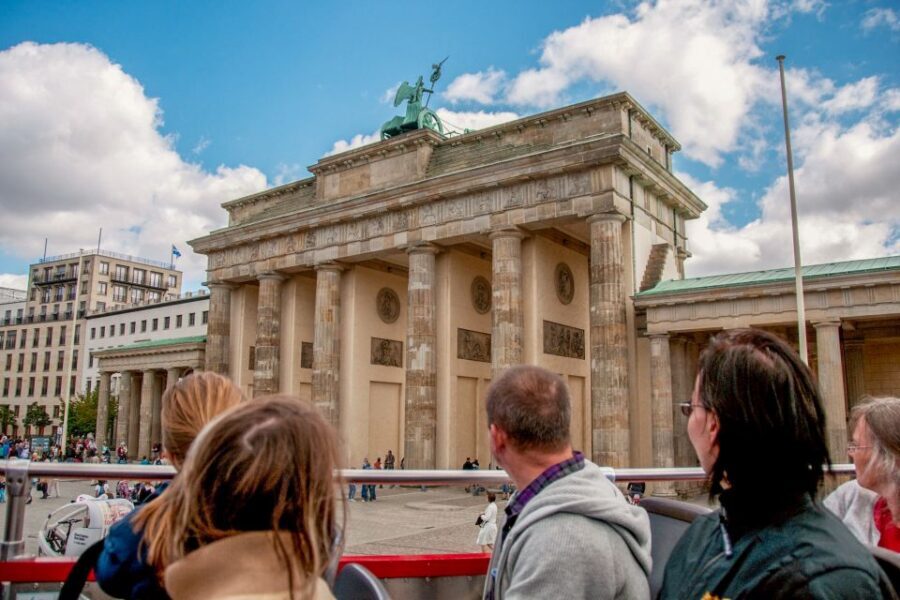
Brandenburg Gate
Seeing Brandenburg Gate from the open-top deck is a classic move for a reason. You’ll get a wide view, and the bus angle helps you understand the landmark’s scale.
If you get off here, don’t treat it like a single photo. Walk a few minutes one way or the other to see how the surrounding streets funnel people toward the monument.
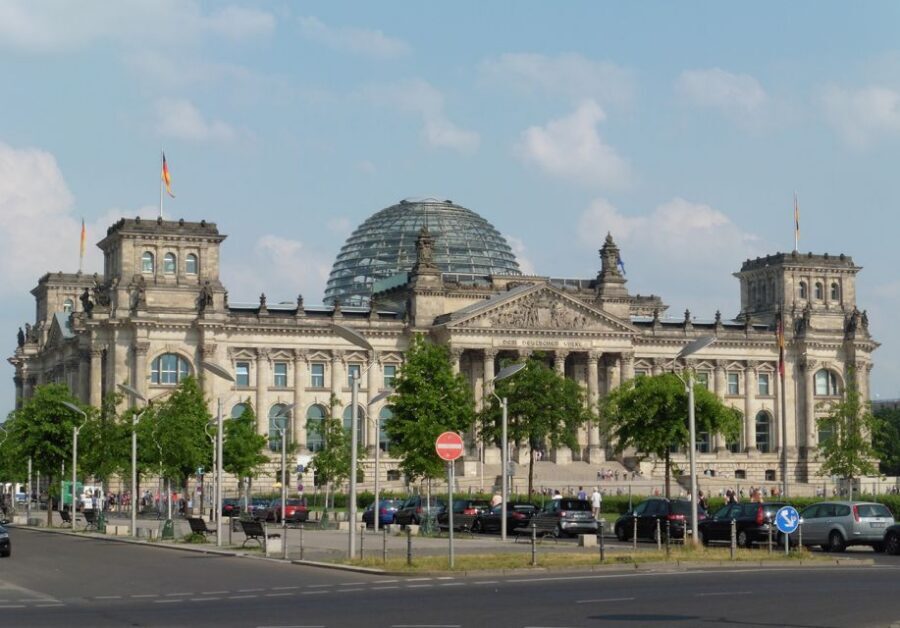
Reichstag area
The bus passes the Reichstag. This stop is more than a building name; it’s about political symbolism in architecture.
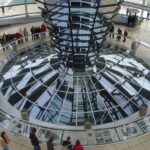
If you’re short on time, this is still a solid “see it once, then decide” stop. If you want to go deeper, plan a longer on-foot stop later in your trip.
Berlin Central Station (Hauptbahnhof) and Schloss Bellevue
You’ll pass Berlin Central Station (Hauptbahnhof), then continue toward Schloss Bellevue. Both are great for understanding Berlin as a living city, not just a museum.
- Hauptbahnhof is a reminder that Berlin’s modern transport runs right alongside historic sites.
- Schloss Bellevue is a softer, official-civic moment after the heavier political stops.
Victory Column (Siegessäule)
The Victory Column area is a strong photo and panorama target. Even if you don’t climb, the positioning makes it memorable.
This stop also pairs well with a short park-walk vibe, since the surrounding area lends itself to stretching out after time in traffic.
Zoo / Elephant Gate (Elefantentor) and Café Kranzler area
You’ll pass Berlin Zoo and the Elephant Gate, plus the Café Kranzler area. This is the Classic route’s “less solemn, more playful” shift.
Even if you’re not going into the zoo, the surrounding city energy makes it a good breather.
Kurfürstendamm (Ku’damm) area
The route ends with the Kurfürstendamm stretch (including Kurfürstendamm 236). This is where you feel the West Berlin shopping boulevard identity.
It’s also a convenient finish because it’s easy to find a meal afterward without changing neighborhoods.
Trendy East Berlin and Wall Route: what’s special about this shorter loop
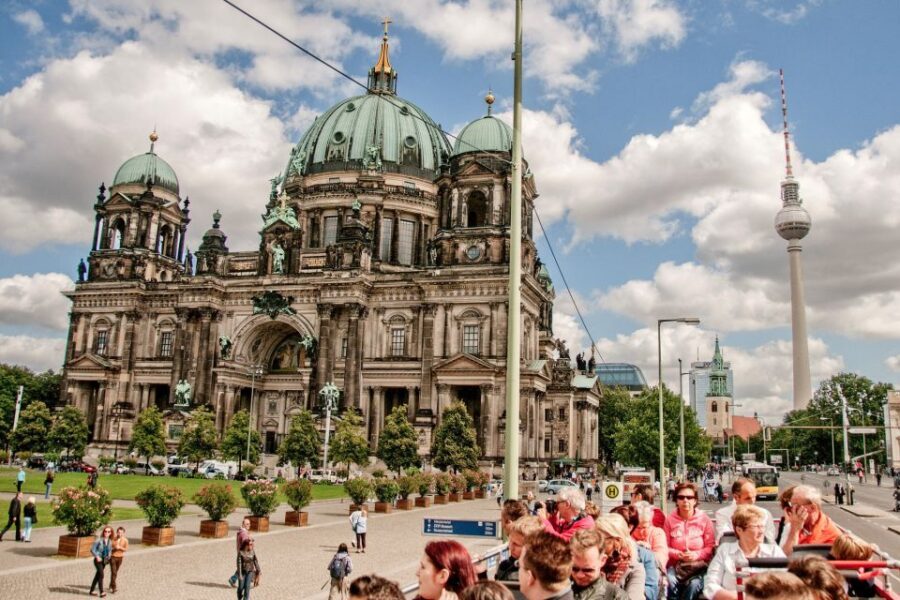
The Trendy East Berlin and Wall Route is faster (1 hour per loop) and built around the story of division. You’ll start near central landmarks and then move into areas where that history is visible in the streets and memorial sites.
Neptunbrunnen / Rotes Rathaus area
You’ll pass the central starting point again, which makes this route easy to combine with Classic. If you’re doing both in two days, this repetition helps you build mental maps.
Oranienburger Straße
This corridor gives you a different feel from the west-side monuments. You’ll notice how the city’s character shifts as you move across neighborhoods.
Mauergedenkstätte and Mauerpark
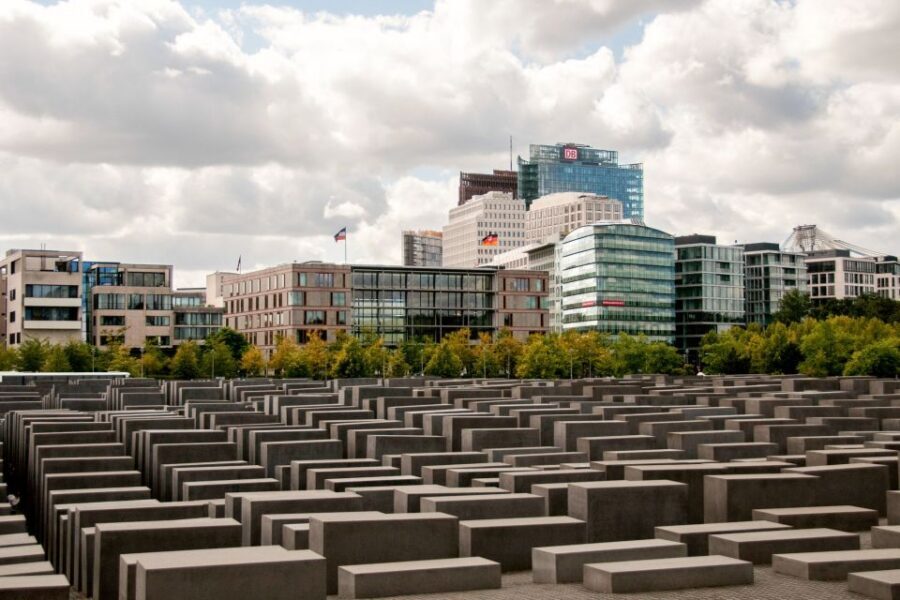
This is the Wall-focused core. Mauergedenkstätte makes the theme literal and easier to grasp, and Mauerpark adds a modern contrast—Berlin living and changing while still carrying memory.
If you hop off, give yourself a slow walk here. It’s the kind of area where it helps to stand still for a moment.
Alexanderplatz / Park Inn
You come back to a major square, which is great for practical reasons. It lets you reset and decide where you want to spend extra time before continuing.
Karl-Marx-Allee
Karl-Marx-Allee is architectural and urban-design important. It’s a stretch that helps you understand East Berlin’s planning style and scale.
East Side Gallery
This stop is one of the most famous on the route. The bus takes you right to the East Side Gallery area, which is ideal if street art and memory intersect.
Try not to treat it like a 30-second stop. Even a short walk along the gallery helps it make sense, especially if you’ve just passed memorials moments before.
Ostbahnhof
Ending near Ostbahnhof is helpful because it’s a practical transport hub. You can easily connect onward—dinner, transit, or a walk to keep exploring.
When to ride: build a day around bus timing, not the other way around
Because the bus runs on loops, you get better results when you plan your day in blocks.
Classic schedule strategy
With Classic buses running about every 25 minutes between 9:30am and 5pm, you can treat the day like this:
- Start in the morning near your first chosen stop.
- Hop off at 2–4 anchors (like Checkpoint Charlie, Gendarmenmarkt, Brandenburg Gate, Reichstag).
- Use the in-between time to wander the closest streets rather than sprinting across town.
Classic is listed as a 2-hour duration per loop, which is long enough to learn the city’s rhythm but short enough to keep your day flexible.
Trendy schedule strategy
The East Berlin route runs about every 40 minutes between 10am and 5pm. That lower frequency is not a problem if you use it well:
- Hop on, ride the loop, then decide where to continue on foot.
- If weather is turning or you’re tired, this shorter route can feel like a win.
The app is your anti-stress tool
Since the tour can be started from any stop, the app helps you stay confident you’re waiting at the correct place. You can also use it to see how far away the next bus is, which reduces the time spent hovering at curbs.
What to pack and what to watch for on the open-top deck

This tour is wheelchair accessible, and it’s generally straightforward to ride. Still, Berlin weather can be its own character.
- Bring a passport or ID card.
- The tour does not allow smoking or pets.
- If rain is in the forecast, plan for dampness on the top deck and be ready for limited comfort. Some departures have seen leaking under canopies and rain-related visibility issues.
One more small but real point: headphone ports can be hit-or-miss. If you get weak sound, it’s worth moving to a different port or asking staff at the stop for help.
Price value: is $25 really fair for two days in Berlin?

At around $25 per person, this hop-on hop-off bus can be great value if you use it the way it’s intended: as orientation plus flexible exploring.
Here’s why it can feel worth it:
- You get access to the Classic route no matter what.
- If you select the ticket that includes it, you also get access to the Trendy East Berlin & Wall route.
- You’re not just buying transportation. You’re paying for headphones, an audio guide in 13 languages, and the ability to hop off and choose your pace.
Where the value might feel smaller is if you’re the type who only wants one monument and then wants to focus exclusively on walking a single neighborhood. In that case, you might spend more time waiting for buses than you’d like.
But if you want coverage—Brandenburg Gate, Checkpoint Charlie, the East Side Gallery, plus central squares—this is a strong budget-friendly way to do it.
Also, note that tickets are valid for 24 or 48 hours, but the bus ticket can only be used during hours the buses are running. The time window matters more than the purchase date.
Tour of Lights option: a night ride for festival season
There’s a separate option to book the Tour of Lights, tied to Berlin’s annual light show. This part uses an open-top bus setup with live commentary in English and German.
If you’re visiting during the festival period, this can be a fun add-on. It’s not required for the main daytime experience, but it’s a nice way to see landmarks with lighting you don’t get during regular touring hours.
Common hiccups to plan around (so you stay in control)
Hop-on hop-off tours are simple, but small issues can change your day. Here are the ones worth keeping in mind:
- Headphone port problems: sometimes an audio jack may fail. If that happens, ask staff at a stop for support and try another port.
- Comfort on long seats: if you’re staying on longer stretches, the seating can feel stiff for 1–2 loops. Bring a light layer and be ready to shift positions.
- Longer stop times at high-demand areas: some key shopping landmarks can linger longer than you expect. If you’re aiming for a timed appointment, hop off with extra buffer.
The good news: there’s on-the-ground help at stops, and staff can guide you if you’re switching between routes.
Should you book the Berlin City Sightseeing Hop-On Hop-Off Bus Tour?
I’d book it if:
- you want a fast way to map Berlin and choose what to revisit on foot
- you’re interested in both major landmarks and the Wall-era story
- you’d rather listen on headphones than try to decode everything from street signs
- you want free Wi‑Fi so your planning doesn’t stop when you hop off
I’d skip it (or reduce your commitment) if:
- you only have time for one neighborhood and you prefer walking over waiting
- you’re likely to get irritated by weather on an open deck
- you don’t plan to spend at least part of your day hopping off at different stops
If you’re on a tight weekend, the smartest move is to ride Classic early to build the map in your head, then add the Trendy East Berlin & Wall route so Berlin’s division story clicks into place.
FAQ
What routes are included with the ticket?
The Classic Route is included with all tickets. Access to the Trendy East Berlin & Wall Route depends on selecting the ticket type that includes all lines.
How long is each route loop?
The Classic Route loop takes about 2 hours. The Trendy East Berlin & Wall Route loop takes about 1 hour.
When do the buses run?
For the Classic Route, the first departure is 9:30am and the last is 5pm, with frequency about every 25 minutes. For the Trendy East Berlin & Wall Route, the first departure is 10am and the last is 5pm, with frequency about every 40 minutes.
Is the audio guide included, and what languages are available?
Yes. The audio guide is included with headphones in 13 languages: English, Spanish, French, German, Italian, Hebrew, Japanese, Chinese, Portuguese, Russian, Polish, Arabic, and Turkish.
Where can I start the tour?
You can start from any bus stop along the route. For the latest times and stop list, use the City Sightseeing Berlin app.
What’s included and not included in the price?
Included: the 24- or 48-hour hop-on hop-off bus tour, access to the selected routes, an audio guide in multiple languages, headphones, and an open-top option for the Tour of Lights (booked separately). Not included: attraction tickets and food and drinks.