REVIEW · BERLIN
Berlin Private Complete History All Day Walking Tour
Book on Viator →Operated by Birchys Berlin Tours · Bookable on Viator
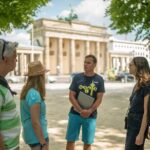
Berlin history hits hard on foot. This private, all-day walk strings together the biggest names in Germany’s 20th century—Brandenburg Gate, Reichstag, Holocaust Memorial, the Wall, Checkpoint Charlie, and Museum Island.
What I like most is the private format. You’re not stuck listening to a script for the group at large—you can ask questions, pause for a photo, and move at a pace that fits your legs and your interests.
One consideration: it’s a very heavy day. Expect World War II, the Nazi state, the Holocaust Memorial, and the Fuhrerbunker site, plus Cold War tension throughout—so plan breaks if you need them.
In This Review
- Key takeaways before you go
- Why a private, all-walking history route works in Berlin
- Brandenburg Gate to the Reichstag: power, propaganda, and a nation arguing with itself
- Tiergarten and the Soviet Memorial: when memory politics gets uncomfortable
- Holocaust Memorial and Fuhrerbunker: two stops you can’t speed past emotionally
- Elser, the Aviation Ministry, and Topography of Terror: the Nazi system seen from the inside
- Berlin Wall memorial section and Checkpoint Charlie: escapes, tragedies, and the Cold War script
- Friedrichstraße, Gendarmenmarkt, and Bebelplatz: Berlin shows its stagecraft
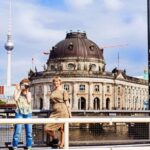
- Unter den Linden: universities, memorial buildings, and Museum Island’s UNESCO weight
- Museum Island, Humboldt Forum, and St. Mary’s Church: the city extends beyond 1945
- Alexanderplatz finish: the DDR rebuild in plain sight
- How to plan your day so it feels good (not just impressive)
- Price and value: what $253.95 buys you in Berlin
- Who should book this tour, and who might want a different day
- Should you book Birchys Berlin Tours’ Complete History Walk?
- FAQ
- How long is the Berlin Private Complete History all-day walking tour?
- What is the price per person?
- Is this tour private?
- Do they use a vehicle, or is it walking only?
- Where does the tour start and end?
- Is the tour in English?
- Are the listed admissions included or free?
- Is food included?
- Are there any cancellation terms?
- Can I bring a service animal or pets?
Key takeaways before you go
- Private attention for six hours: fewer crowds, more back-and-forth questions.
- WWII + Cold War built into one route, with major landmarks from Mitte to Alexanderplatz.
- Short stop times at many icons, so you’ll see a lot fast—but you may want to return for longer.
- Mostly outdoors for the big memorials and viewpoints, so weather matters.
- Free admission is built into every listed stop, but this tour doesn’t include food or drinks.
- Guides like Ciaran, Rhys, and Paul are repeatedly praised for keeping tough history clear and engaging.
Why a private, all-walking history route works in Berlin

Berlin is a city of layers. If you’re trying to connect the dots between empires, Nazism, division, reunification, and today, you need context—not just photos.
This tour is priced at $253.95 per person and is structured as a private walking experience. That matters because the guide can slow down when you want depth and speed up when you’d rather keep moving. And since the tour is on foot only (no private transportation), you’re getting the neighborhoods as you go, not just views from a vehicle window.
It also makes timing simpler. You’re guided from Ebertstraße 24 (10117 Berlin) to Alexanderplatz (10178 Berlin), with pickup that happens on foot with the tour guide. If you’re short on time or you want a smart first day to orient yourself, this route is built for that.
You can also read our reviews of more walking tours in Berlin


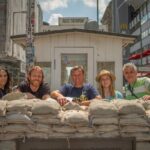
Brandenburg Gate to the Reichstag: power, propaganda, and a nation arguing with itself
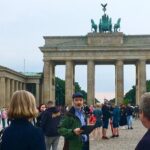
The day starts at the Brandenburg Gate. It’s one of Europe’s most copied icons, but your guide won’t let it stay a postcard. You’ll learn why it was built in the first place and how it became a symbol people fought over as Berlin and Germany changed—then later, it turned into a focal point for divided Berlin during the Cold War.
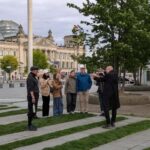
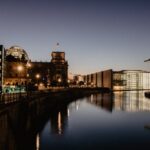
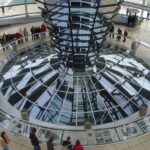
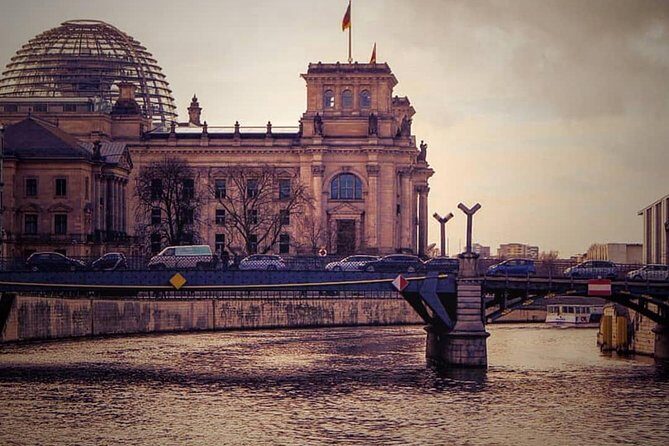
Next comes the Reichstag Building. Even from outside, it hits hard because it’s the kind of place that shows up in history books for a reason. You’ll stand there and get the story of the Hohenzollerns, why the building mattered in early 1933, and how conflict in Berlin shaped what happened next—ending with the changes after German reunification.
These early stops are intentionally quick (around 15 minutes each), so the value is in the framing. You’re not just looking at architecture. You’re learning why the architecture mattered.
Tip: at Brandenburg Gate, you’ll get a photo break built into the moment, and the guide will encourage you to ask for one.
Tiergarten and the Soviet Memorial: when memory politics gets uncomfortable
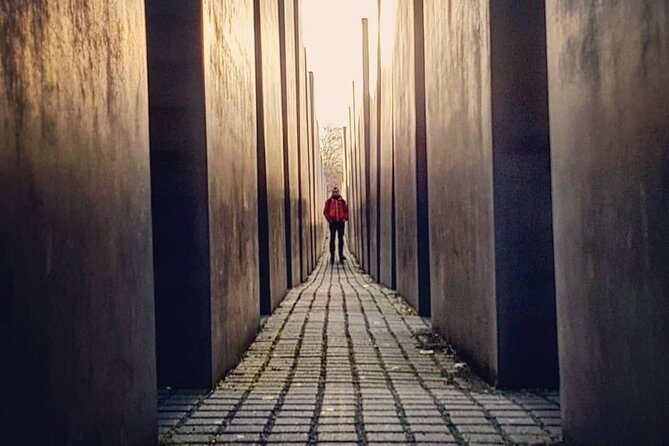
After the big-state landmarks, the tour shifts into Tiergarten, Berlin’s largest park. You’ll walk through a slice of it and hear how the park developed from medieval times—and how major Berlin events affected it over the centuries. It’s an important change in tone: you get breathing room while still learning how power shaped public space.
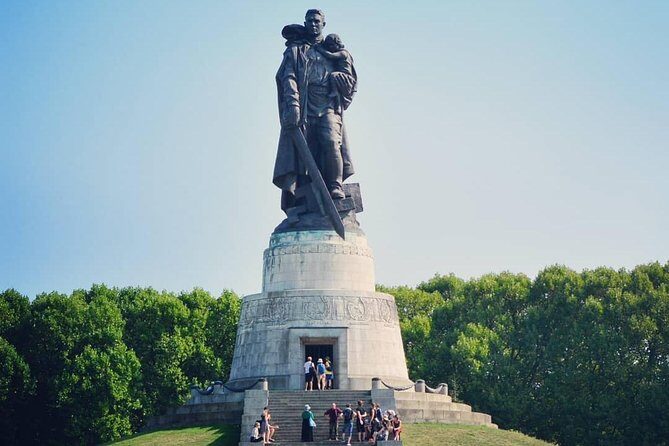
Then comes a standout stop: the Soviet Memorial located in an area that was part of West Berlin. The surprise here is the kind of questions your guide will help you ask. Why was it there? What materials were used and where did they come from? How did symbolism play out—and what controversies followed?
From there you’ll see the Victory Column from a distance in the Tiergarten area. You’ll also hear a twist: not just when it was constructed, but that it once had a different location. It’s a reminder that monuments move through time and meaning, even when they look permanent.
Holocaust Memorial and Fuhrerbunker: two stops you can’t speed past emotionally
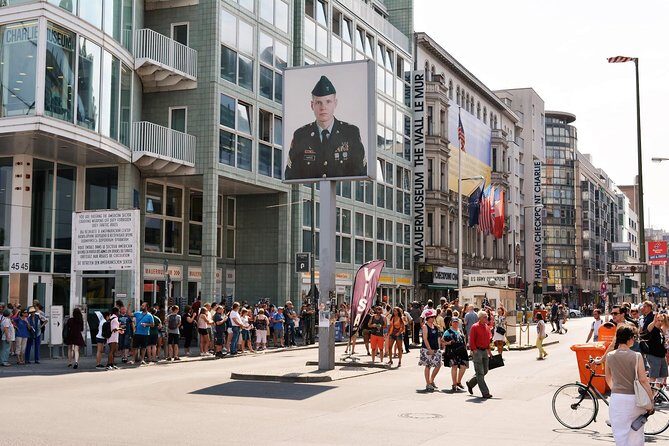
The Memorial to the Murdered Jews of Europe is one of Berlin’s most powerful places. You get about 15 minutes here, but it’s less about checking a box and more about understanding what you’re looking at and why it was built.
The guide’s job is crucial at this stop. They’ll help connect the memorial to the larger story of Nazi crimes without turning it into a trivia lesson. This is one of those moments where the private format helps. You can slow down, look longer, and ask questions if you want to.
Next is the Fuhrerbunker site—described in the tour as the most infamous car park/parking-lot-like place in the world. It sounds odd until you stand near it and realize how history sits on the modern ground. You’ll hear what happened there during the final days of the tyrant’s regime, and why this location became a lasting symbol.
This is the day’s heaviest pairing. If you’re sensitive to Holocaust-related content, or you want more breaks, this is where you’ll benefit from planning a short pause—just step aside, take a breath, and let your brain catch up.
Elser, the Aviation Ministry, and Topography of Terror: the Nazi system seen from the inside
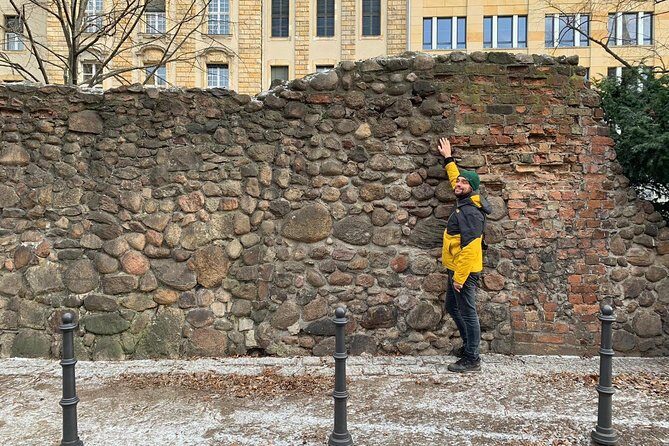
Before you leave the neighborhood of power and institutions, you’ll hear about Johann Georg Elser through a sculpture tied to his story. The point isn’t just that he opposed the regime. It’s that he came close to changing world history—and you’ll hear how narrow that line was.
Then you’ll look at the Aviation Ministry of Berlin, a monumental building in continuous use since 1936. That date matters because it places the building squarely in the time when the Nazi state was accelerating war. You’ll get it as a witness to turbulent 20th-century decades, not just an old exterior.
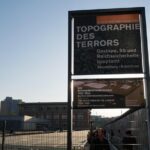
After that, you’ll reach Topography of Terror, where the tour enters the site of the former SS, Gestapo, and SD headquarters in Berlin. This is another “context matters” moment. You’ll discuss what happened there under the Nazi system and what the site became after the war. Even when you’re not reading every panel, the guide’s structure helps you understand why it’s remembered.
If you’re trying to understand how oppression ran on paperwork and administration as much as on violence, this section is a strong answer.
You can also read our reviews of more private tours in Berlin




Berlin Wall memorial section and Checkpoint Charlie: escapes, tragedies, and the Cold War script
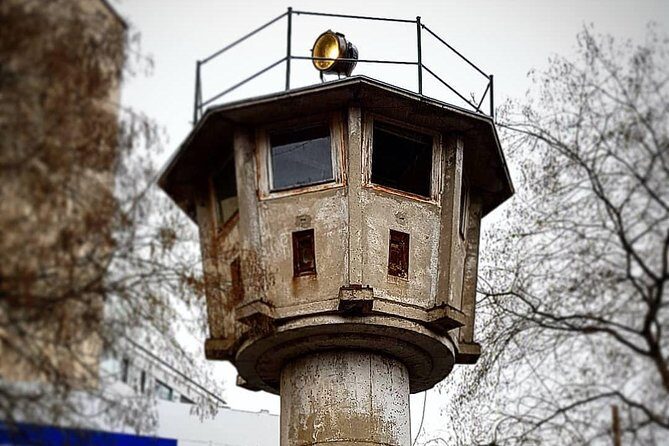
When the tour reaches the Memorial of the Berlin Wall, you’ll visit a section of wall and learn why and when it was constructed. You’ll also hear stories of escapes—and tragic deaths—associated with those attempts.
This stop is especially important because it’s not abstract. It’s a physical reminder that division was engineered into everyday movement. You’ll understand why the Wall became one of the clearest symbols of the Cold War.
Then you’ll see Checkpoint Charlie, the best-known checkpoint in the city and one of the most iconic Cold War sites in Berlin. It’s famous for a reason, but your guide’s job is to keep it connected to real systems and real fear—not just tourism photos. The payoff is understanding what made this crossing special and how it fit into the bigger pattern of control.
Friedrichstraße, Gendarmenmarkt, and Bebelplatz: Berlin shows its stagecraft
From there, you take a stroll down Friedrichstraße, once known as the Cabaret Mile. It’s a useful tonal shift. Berlin wasn’t only propaganda, camps, and walls. It also had nightlife, performance, and public life—sometimes thriving in the same era that also produced catastrophe.
Next comes Gendarmenmarkt, often called one of Berlin’s most beautiful squares. You’ll learn its origins and how it developed into an architectural showpiece, not just a place to pass through.
Then you’ll reach Bebelplatz, surrounded by 18th-century buildings. Here, the tour adds a jolt: the square connects to the “Nazi Book Burnings.” You’ll also see and discuss the memorial that exists there now—an example of how a painful event was turned into a permanent warning.
These stops matter because they show how Berlin processed ideology not only through laws and violence, but through culture—books, performances, and public identity.
Unter den Linden: universities, memorial buildings, and Museum Island’s UNESCO weight
The route continues with a focus on education and state memory along Unter den Linden.
You’ll visit Humboldt University and hear about the building and the university’s history, including who the Humboldts were. If you’re trying to understand German influence beyond 20th-century disasters, this helps. Education and civic life are part of the story too.
Then comes Neue Wache, where the tour takes you inside one of the most remarkable buildings on Unter den Linden. It’s described as a political weathervane, and in its current form it functions as a moving memorial. In a day full of heavy sites, this one is an important “how memorials change” lesson.
Nearby, you’ll hear about the Deutsches Historisches Museum from the outside, including that the building is the oldest surviving structure on Unter den Linden. The point isn’t just age. It’s continuity—how Berlin reuses powerful sites instead of wiping them clean.
Museum Island, Humboldt Forum, and St. Mary’s Church: the city extends beyond 1945
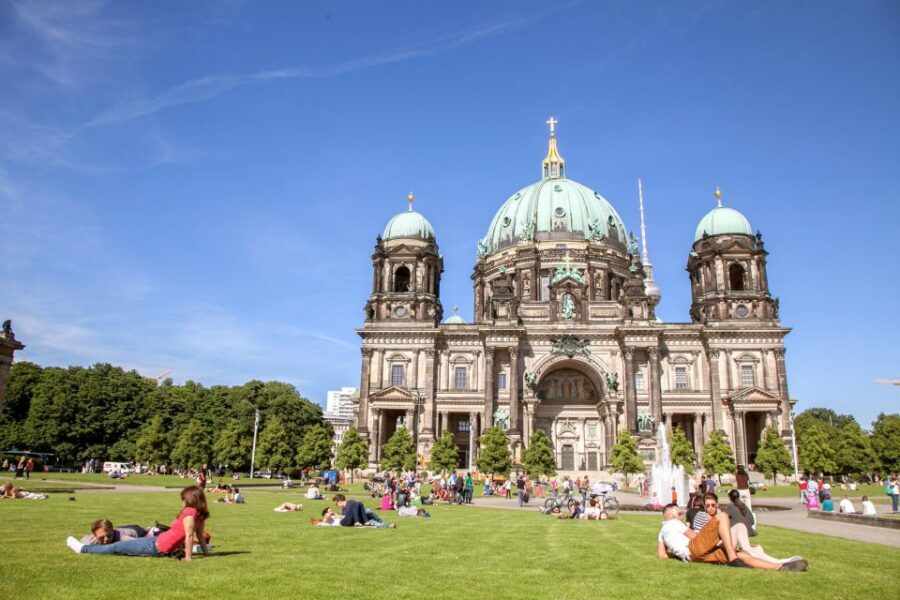
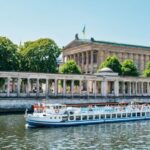
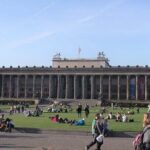
Next is Museum Island, a UNESCO World Heritage site. You’ll talk through how the island developed, the museums there, plus the cathedral and the architects involved. This is where Berlin can feel like it’s expanding out of the 20th-century story and back into a long arc of culture.
Then you’ll visit the Humboldt Forum, described as having complicated and relatively recent history. That phrasing is important: it tells you to expect discussion of how restoration, politics, and identity collide in modern Berlin.
Finally, you’ll go to St. Mary’s Church. If possible, you’ll step inside and see what’s described as the oldest church in Berlin that’s been in continuous use. The guide will frame it as both architectural gem and a lucky survivor.
This section works well because it gives you a moment to breathe while still keeping the historical thread alive.
Alexanderplatz finish: the DDR rebuild in plain sight
To close the tour, you head to Alexanderplatz, where Berlin was rebuilt post-war as the capital of the DDR. Ending here makes sense because it’s a high-visibility place to feel the shift from West to East, then back again.
The walk ends at Alexanderplatz (10178 Berlin), a convenient final hub if you want to keep exploring—because you’re landing in a neighborhood with lots of transport options.
How to plan your day so it feels good (not just impressive)
This is a 6-hour walking tour, and it’s structured as a sequence of many iconic stops. Even if you enjoy history, that’s a lot of standing, looking, and listening in one block.
Here’s how I’d plan it:
- Wear shoes you’d wear for a long day, not a quick city stroll.
- Bring water and plan small breaks when the guide naturally pauses between stops.
- If you want photos, tell the guide early. The tour explicitly supports asking for pictures, especially at the big skyline landmarks.
- Since food and drinks aren’t included, plan a light plan for your own lunch or snack timing.
Also, remember that some stops are brief by design. If you start getting your interest in one theme (Cold War escape stories, Nazi administration, memorial design), you’ll probably want a return visit. That’s normal.
Price and value: what $253.95 buys you in Berlin
At $253.95 per person for an all-day private walking tour, you’re paying for two things: time and interpretation.
Time: you’re covering major sites across the center without needing to figure out route logistics for each landmark. The tour even builds in pickup on foot and ends at a major transit hub.
Interpretation: you’re not just seeing famous places. You’re hearing why each one matters—how the Brandenburg Gate became divided Berlin’s focal point, how the Reichstag links to the early Nazi dictatorship, how the Soviet Memorial in West Berlin complicated the story, and why Topography of Terror is remembered as “where evil operated.”
One more value note: the stops are listed with free admission. That helps you avoid extra museum ticket costs for the big icons included in the route. You still might want to spend more time elsewhere on your own later, but you won’t get hit with a long list of paid entries for this guided framework.
Who should book this tour, and who might want a different day
This tour is a strong fit if:
- You want a first-day orientation in Berlin focused on WWII and the Cold War.
- You like asking questions and getting specific answers rather than following a hurry-up group script.
- You want to see major landmarks—Brandenburg Gate, Reichstag, Holocaust Memorial, Berlin Wall section, Checkpoint Charlie, Museum Island—in one organized day.
It may be less ideal if:
- You’re not up for intense subject matter. This route includes the Holocaust Memorial and the Fuhrerbunker site.
- You want long museum time. Many key places are given brief windows, designed for overview and context.
If your goal is a calm sightseeing day with minimal heavy topics, look for a different itinerary. If your goal is to understand Berlin’s modern identity quickly, this fits well.
Should you book Birchys Berlin Tours’ Complete History Walk?
If you like history that connects buildings to events—and you want the freedom of a private guide—I think you’ll get a lot for your money.
Book it if you’re entering Berlin curious and you want the city’s 20th-century story mapped for you in one coherent day. I’d especially recommend it for people doing Berlin for the first time, or for anyone who plans to return and explore deeper afterward.
If you’re worried about the emotional weight, plan your pacing. Tell the guide you want a slower rhythm for memorial-related stops. A good private guide will adjust.
FAQ
How long is the Berlin Private Complete History all-day walking tour?
The tour is listed at about 6 hours.
What is the price per person?
The price is $253.95 per person.
Is this tour private?
Yes. It’s a private tour/activity, meaning only your group participates.
Do they use a vehicle, or is it walking only?
It’s a walking tour with no vehicles used. Pickups happen on foot with the guide.
Where does the tour start and end?
It starts at 10117, Ebertstraße 24, 10117 Berlin, Germany and ends at Alexanderplatz, 10178 Berlin, Germany.
Is the tour in English?
Yes, it’s offered in English.
Are the listed admissions included or free?
The itinerary notes free admission at each listed stop.
Is food included?
No. Food and drinks are not included.
Are there any cancellation terms?
Free cancellation is available up to 24 hours in advance for a full refund. Changes made less than 24 hours before start time are not accepted.
Can I bring a service animal or pets?
Service animals are allowed, and animals or pets are allowed.