Berlin’s best secrets sit behind doors, not billboards. This 2-hour walking tour pulls you into Berlin-Mitte’s courtyards, especially around the Jewish quarter near the New Synagogue, where daily life happens away from the big sightseeing lines. You’ll walk through Spandauer Vorstadt and see how it shifted over centuries into the international, creative neighborhood it is today.
I love the way the tour uses real places to explain how Berlin changes over time. You get the classic “Berlin courtyard” feel at Haus Schwarzenberg, with art studios in a historic yard, plus color and local energy at Heckmann-Höfe. And a lot of the best parts come from the guides themselves—names that show up often include Nick, Nicolas, Alex, Lydia, Susanne, and Minit—praised for staying friendly while connecting stories to architecture and street life.
One possible drawback: it runs rain or shine, and it’s a walking tour with no food or drinks included. If the weather turns nasty, you’ll want good shoes and a quick dry plan, because you’ll be outside for the whole experience.
In This Review
- Key highlights at a glance
- Why Berlin Courtyards Matter in Mitte
- Getting Started at BUTLERS Berlin Hackescher Markt
- Haus Schwarzenberg Courtyard and the Art-Studios Effect
- Hackesche Höfe and Rosenhöfe: Passageways That Feel Like a Shortcut Through Time
- Sophienkirche and the Jewish Quarter Story You Can Actually See
- Auguststraße Back Streets: Everyday Berlin Between Landmarks
- Heckmann-Höfe: A Color-Splashed Pause You’ll Want to Linger In
- Price and Value: Getting More Than a Walk for $23
- Who This Tour Fits Best (and Who Might Prefer Something Else)
- Practical Tips for a Smooth 2-Hour Courtyard Walk
- Should You Book Berlin Hidden Backyards?
- FAQ
- How long is the Berlin Hidden Backyards guided walking tour?
- Where do I meet the guide?
- How much does the tour cost?
- Does the tour run in bad weather?
- What languages are available?
- Is the tour wheelchair accessible?
Key highlights at a glance
- Spandauer Vorstadt’s transformation from Jewish-centered life near the New Synagogue to today’s trendy international scene
- Haus Schwarzenberg courtyard with art studios and street art inside historic structures
- Hackesche Höfe and Rosenhöfe passageways that show Berlin’s unique court-building style
- Sophienkirche and nearby streets tied to the area’s cultural and religious development
- Heckmann-Höfe: a 19th-century courtyard that feels like an oasis from the main streets
Why Berlin Courtyards Matter in Mitte
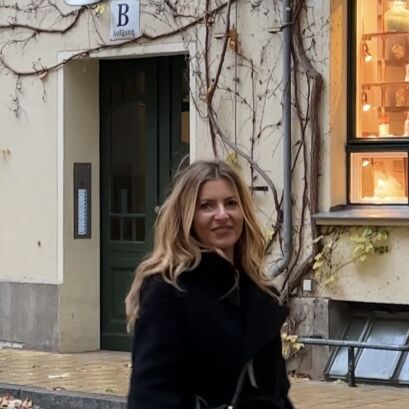
Berlin’s big sights get the photos, but the city’s rhythm is often behind a gate. In neighborhoods like Mitte, those enclosed courtyards (called Höfe) are where people live, work, create, and hang out—so you get Berlin’s story in a more human scale.
This tour is built around that idea. You’ll connect the dots between architecture and community, watching how a district like Spandauer Vorstadt evolved into a center of Jewish life around the New Synagogue, and later into a modern area with studios, cafés, and visitors who know how to look up from the street.
You can also read our reviews of more walking tours in Berlin



Getting Started at BUTLERS Berlin Hackescher Markt
The meeting point is easy to find: in front of the BUTLERS shop at Hackescher Markt 4. Hackescher Markt is a solid landmark in Berlin-Mitte, which matters because it helps you start the walk oriented instead of stressed.
Because the tour is only 2 hours, the timing is tight in a good way—you’re not wandering for ages without context. Come ready to move and listen, since the value here is the guide’s connection between each courtyard and the district’s changing roles over time.
Haus Schwarzenberg Courtyard and the Art-Studios Effect
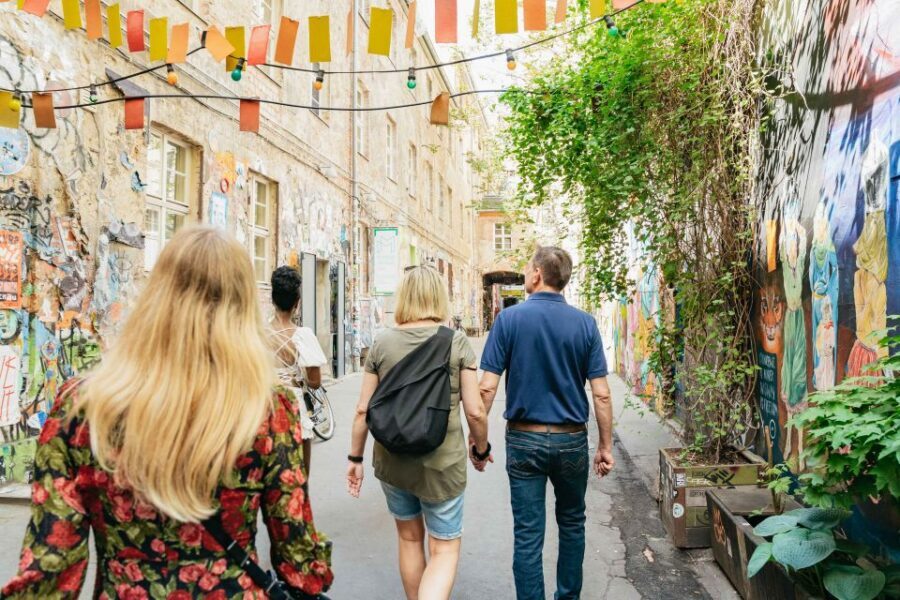
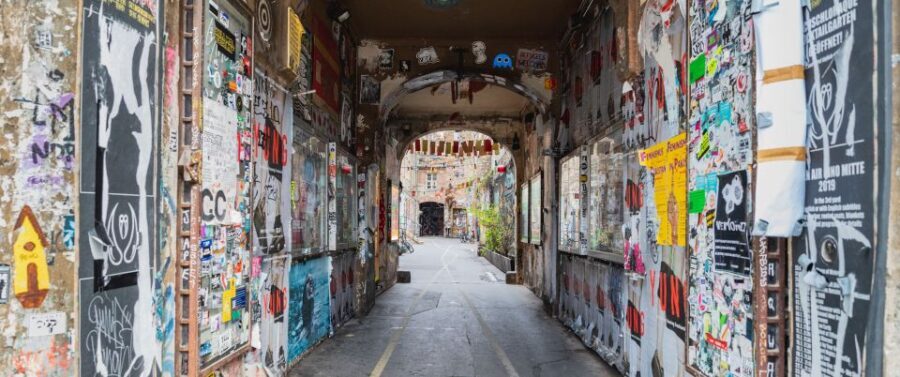
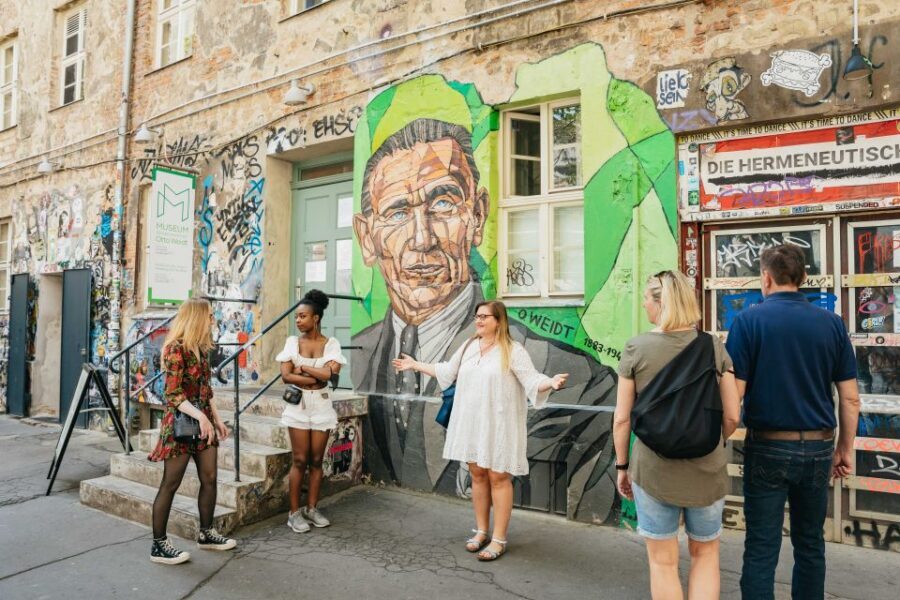
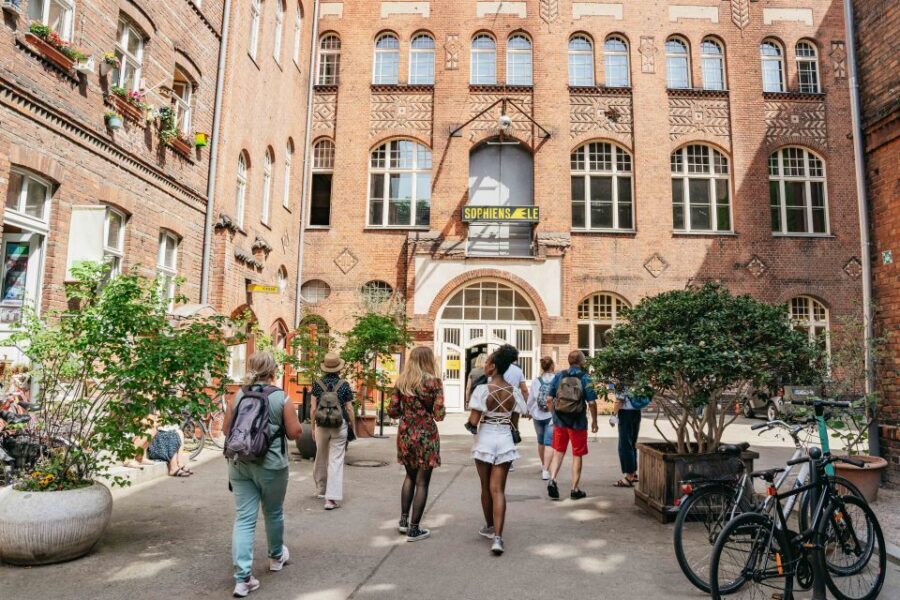
One of the best early stops is Haus Schwarzenberg, a historic building whose courtyard has become a work-and-create zone. What you’re looking for isn’t just pretty walls—it’s the way an older structure has been repurposed again and again, until it now supports artists and creative studios.
In the courtyard, you’ll see how the spaces balance old and new: historic buildings holding multiple functions over the years, and yard surfaces that carry street art. That mix is very Berlin. It also gives you a quick lesson in how courtyards can act like community hubs, not just backdrops.
A practical note: courtyards often have narrow entries and you may be standing and walking through passage-style spaces. If you’re hoping for lots of wide-open views, set your expectations for close-up angles and architectural details instead.
Hackesche Höfe and Rosenhöfe: Passageways That Feel Like a Shortcut Through Time
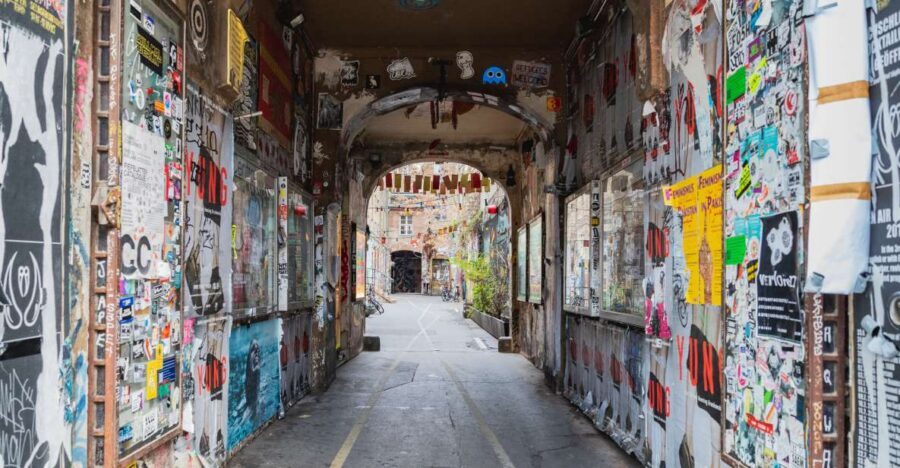
After Haus Schwarzenberg, you move into the courtyard network around Hackesche Höfe and then Rosenhöfe. These places are famous enough that you might have walked past the area before, but the point here is getting the courtyard logic explained—how these interior spaces were built to function as semi-private urban rooms.
I like these stops because they show Berlin’s “in-between” design. From the street, you might never guess what’s behind the entry gates, but once you’re inside, the architecture starts speaking: multiple blocks feeding into shared courtyards, different entrances leading you to a different angle of the same neighborhood.
Look for how the courtyards change the sound and feel of the street. You’ll get that classic shift—quieter air, softer traffic noise, and a stronger sense that you’re walking through spaces people actually use, not just spaces people photograph.
Sophienkirche and the Jewish Quarter Story You Can Actually See

This tour spends meaningful time in the orbit of the Jewish tradition around the New Synagogue, and it’s tied directly to the history of Spandauer Vorstadt. That matters because the Jewish quarter story is often presented from the outside, as dates and buildings. Here, you get the neighborhood’s layout and courtyard culture as part of the narrative.
You’ll also visit Sophienkirche and move through the surrounding area to understand how the district’s identity developed. Think of it as learning the city’s map with context: why this quarter mattered, how people shaped it, and how the urban fabric reflects those shifts.
If you care about cultural history, this is one of the strongest segments. The guide’s job is to connect what you see—church, streets, and interior courtyards—to what the district became over time. It turns a walk into a place-based lesson.
You can also read our reviews of more guided tours in Berlin




Auguststraße Back Streets: Everyday Berlin Between Landmarks
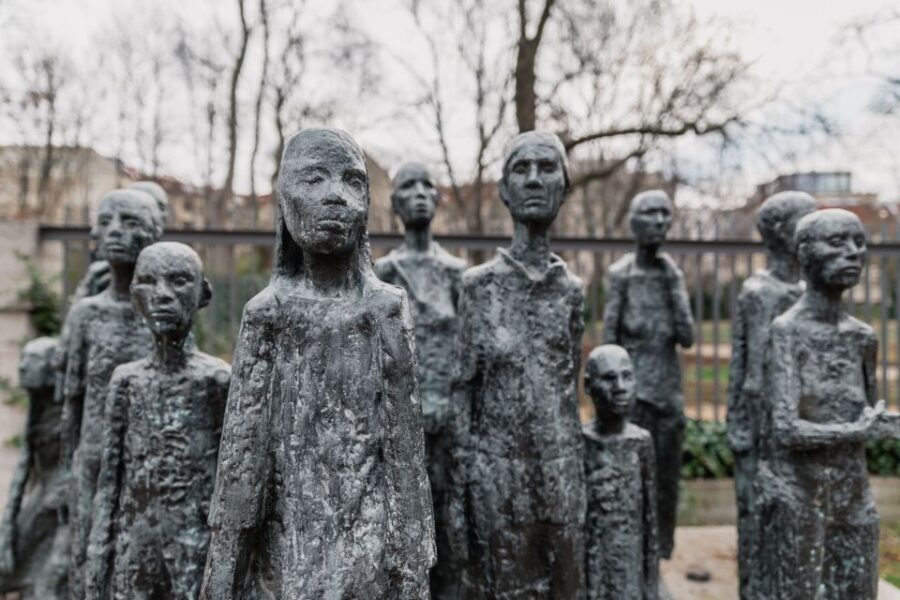
Next up is Auguststraße, which is one of those streets that feels ordinary until you understand what it’s doing in the wider city picture. In this kind of walk, streets like Auguststraße are where you learn how courtyards and passages stitch the neighborhood together.
This stop also gives your brain a breather. After architecture and courtyard focus, a broader street section helps you reset and notice how people move, where the entries sit, and how easy it would be to miss these connections as a casual visitor.
If you’re the type who likes to understand how a place works day-to-day, you’ll appreciate this portion. It’s not just about famous buildings—it’s about the practical urban design that makes courtyards possible.
Heckmann-Höfe: A Color-Splashed Pause You’ll Want to Linger In
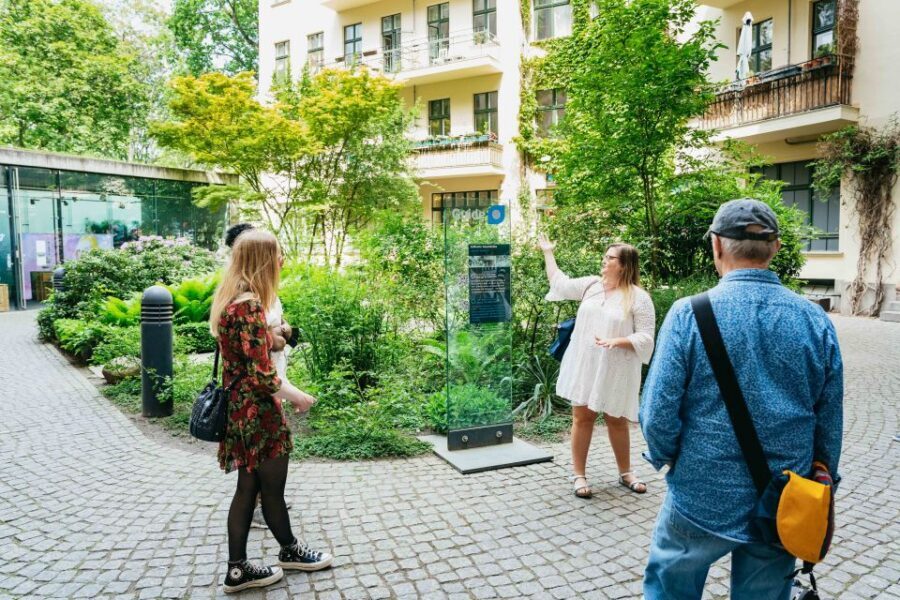
The tour’s courtyard payoff comes at Heckmann-Höfe. This is described as a 19th-century courtyard, and when you step into it, you get the feeling of an oasis carved out of the main streets.
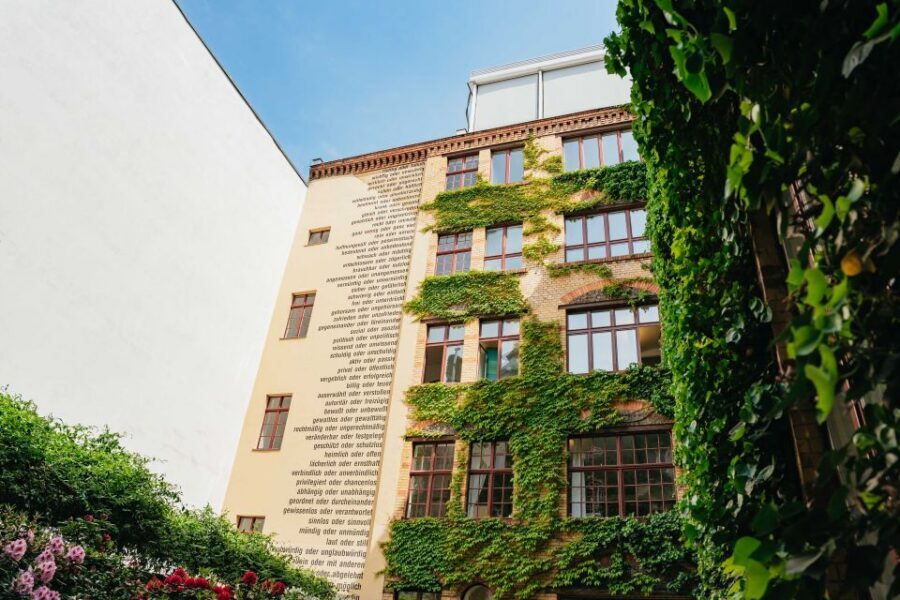
The yard is known for its color—think ivy and trees overhead with architecture that creates a cozy frame around the courtyard. It’s also a popular local hangout, so you’re not just looking at a museum-like space. You’re seeing how a courtyard functions as a social place.
I recommend using this stop to slow down. Take a minute to watch how the space changes your perspective: you’re surrounded by walls, but you still feel open. That’s the secret of Berlin courtyards—privacy plus city energy, all in one compact area.
Price and Value: Getting More Than a Walk for $23
At $23 per person for 2 hours, this is one of those deals that feels fair because you’re paying for interpretation. You could wander Mitte on your own, but you’d miss the logic connecting Spandauer Vorstadt’s development, the Jewish-quarter context, and why certain courtyards became creative and social hubs.
The included value is simple: a walking tour plus a live guide. No food is included, so you’re not buying a full itinerary of meals—you’re buying a structured, guided understanding of specific places. For the time you get, that’s good value, especially if you’ve already seen Berlin’s major monuments and want something more local and architectural.
It also helps that the tour supports English and German. If you can match your language to the guide running that day, you’ll get more out of every courtyard story.
Who This Tour Fits Best (and Who Might Prefer Something Else)
This tour is ideal if you’re into:
- Urban design and how courtyards shape daily life
- Architecture you can touch: gates, passageways, yard walls, and reuse of older buildings
- Neighborhood history that doesn’t feel like a textbook
- Berlin’s Jewish-quarter story around the New Synagogue area, explained through the streets and spaces you can actually see
You might not love it if you want a high volume of major landmarks in quick succession. This is more about “inside Berlin” than “big Berlin.” Also, because it’s rain or shine, plan around weather and don’t treat it like a casual stroll you can abandon halfway through.
Practical Tips for a Smooth 2-Hour Courtyard Walk
Bring comfortable shoes. Courtyard entries and passageways can mean a few extra turns and slightly uneven footing, and you’ll want your legs to feel fresh at the end for Heckmann-Höfe.
Pack for weather. Since the tour runs rain or shine, a compact umbrella or light rain jacket helps a lot. If you’re taking photos, a small wipe cloth is useful for camera lenses in wet conditions.
Because food or drinks aren’t included, decide in advance how you’ll handle it. If you finish near Oranienburger Straße, you’ll have options nearby, but plan for it so you’re not hungry and cold while the guide is talking.
Language matters too. The tour offers English and German, so check which language your departure uses if you’re picky about understanding every detail.
On flexibility: it includes free cancellation up to 24 hours in advance and also offers a reserve now, pay later option, which is handy when weather or schedules are shifting.
Should You Book Berlin Hidden Backyards?
I’d book this tour if you want Berlin that feels lived-in. The tour’s strength is that you learn the city through courtyards you can’t easily find or interpret on your own, from Haus Schwarzenberg’s art-studio energy to Heckmann-Höfe’s color-and-green courtyard pause.
Skip it if your trip goal is only the headline sights, or if you hate walking in the rain no matter what. But if you like history that has walls you can look at, and you enjoy discovering the city’s private spaces, this is a solid use of your time in Berlin-Mitte.
FAQ
How long is the Berlin Hidden Backyards guided walking tour?
The tour lasts 2 hours.
Where do I meet the guide?
Meet your guide in front of the BUTLERS shop at Hackescher Markt 4.
How much does the tour cost?
The price is $23 per person.
Does the tour run in bad weather?
Yes, it takes place rain or shine.
What languages are available?
The live guided tour is available in English and German.
Is the tour wheelchair accessible?
Yes, the tour is wheelchair accessible.