REVIEW · BERLIN
Berlin: Hitler’s Berlin The Rise & Fall Guided Walking Tour
Book on GetYourGuide →Operated by On the Front Tours · Bookable on GetYourGuide
Nazi Berlin sticks in your head. This expert-led walk turns the terrifying timeline of Hitler’s rule into a clear route from election to dictatorship and defeat, with Then & Now photos to show change on the ground.
I love how it keeps the story structured—politics, ideology, and military events all connect instead of feeling like disconnected stops. I also like that the route ends where the Third Reich fell apart, so the whole arc feels complete.
I really like the way the Reichstag gets treated as more than a landmark. It’s presented as a symbol that shifted from democracy toward dictatorship. I also appreciate the Holocaust Memorial segment’s reflective tone, with room for Q&A so the hard questions don’t get brushed aside.
One consideration: this is outdoors and you’ll walk a lot for 150 minutes. It’s also emotionally heavy, so you’ll want comfortable shoes, water, and the mindset to take it in at a steady pace.
In This Review
- 6 Key Things I’d Bet You’ll Remember
- Hitler’s Berlin Walking Tour: Why This Route Makes Sense
- Meeting at Brandenburg Gate and Getting Your Bearings Fast
- Brandenburg Gate to the Sinti and Roma Memorial: Power Shows Up Early
- The Reichstag Stop: Democracy Recast as Dictatorship
- Soviet War Memorial Tiergarten: When the Story Turns Toward Defeat
- Holocaust Memorial: A Space for Understanding, Not Just Photos
- Hitler’s Bunker Site: Where the War in Europe Came to an End
- Johann Georg Elser Memorial: The Story Isn’t Only About Hitler
- German Finance Ministry: The Machinery Behind the Regime
- Topography of Terror: Former Gestapo & SS Headquarters in Plain Sight
- How the “No Lectures” Style Works (and Why It Matters)
- Then & Now Photos and Historic Maps: The Fastest Way to See the Shift
- Price and Value: Is $47 Worth 150 Minutes in Berlin?
- Who This Tour Suits Best (and Who Might Want a Different Plan)
- Should You Book Hitler’s Berlin: The Rise & Fall Walk?
- FAQ
- How long is the Berlin walking tour?
- Where do I meet the guide?
- Is the tour offered in English?
- Is this tour outdoors?
- What are the main stops on the route?
- Are there any food or drinks included?
- Is the tour wheelchair accessible?
- What’s included in the price?
- What should I bring for an outdoor walking tour?
- Is free cancellation available?
6 Key Things I’d Bet You’ll Remember
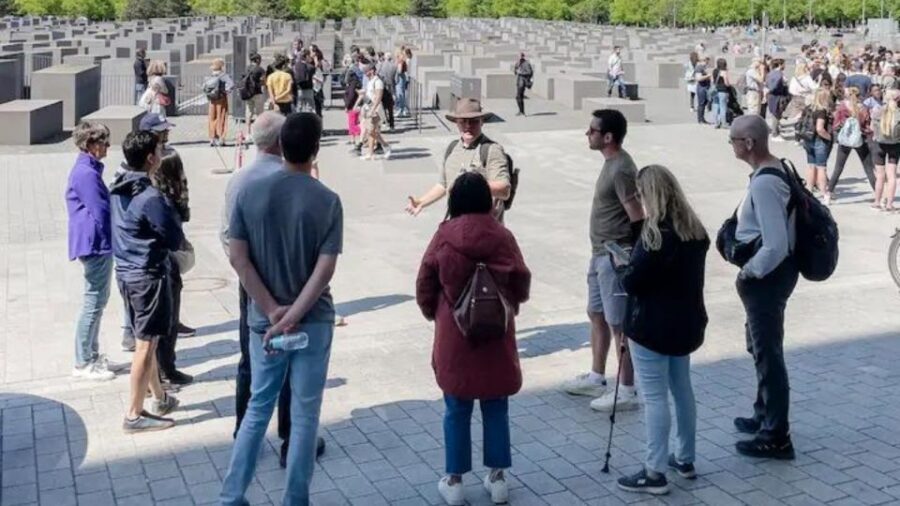
- A historian-led narrative, not a checklist: the tour aims to make 1933–1945 easy to follow.
- Then & Now photos and historic maps: you’ll see how places changed with the regime.
- Small group feel: Q&A is built in, not tacked on at the end.
- Memorials as reflection points: the experience asks you to slow down mentally, not just take photos.
- The story reaches the collapse: Hitler’s bunker site and the final area of the walk bring the timeline to an end.
- Easy meeting point: you start at the Tourist Office at Brandenburg Gate and look for the Blue Umbrella.
Hitler’s Berlin Walking Tour: Why This Route Makes Sense
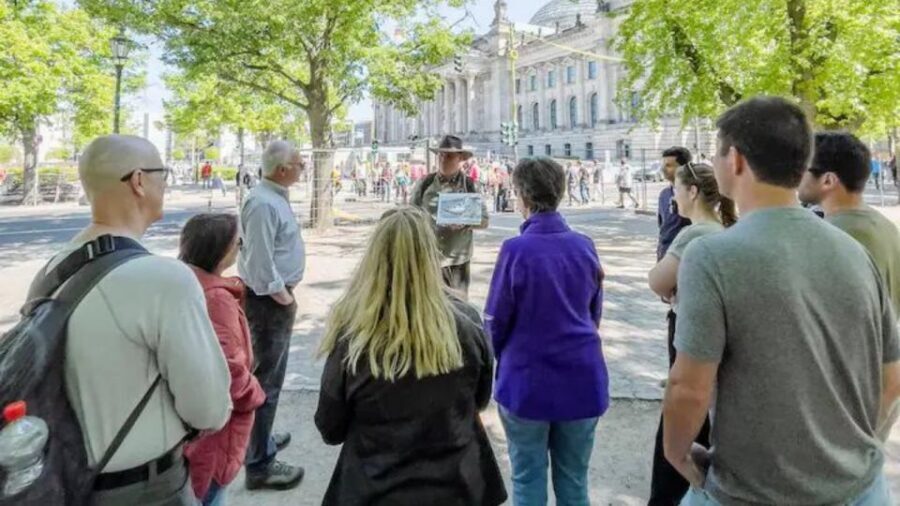
Berlin is where Hitler rose to power and where the Nazi regime collapsed in ruins. That alone makes this kind of tour worth doing. The difference here is that you’re not just hopping from site to site—you’re following a cause-and-effect story across the city.
I like that the tour is designed to make complex events clear and understandable. It’s built to explain how the Nazis seized power, why Jewish people were systematically targeted, how Berlin became the capital of the Third Reich, and how fear, propaganda, and repression kept control in place.
And it doesn’t stop with the rise. It follows the full arc into defeat in 1945, so you leave with the bigger picture, not just the shock value of recognizable names and buildings.
You can also read our reviews of more walking tours in Berlin



Meeting at Brandenburg Gate and Getting Your Bearings Fast
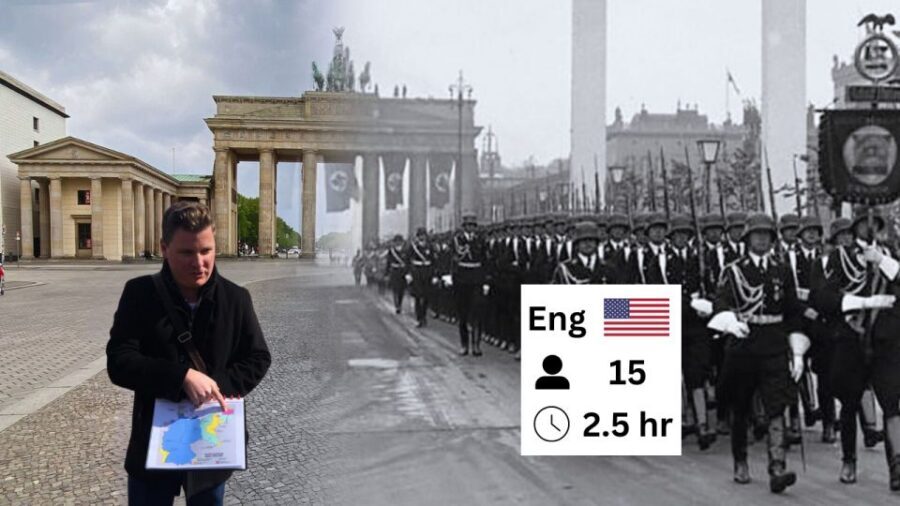
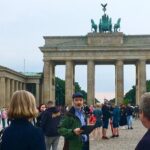
You meet your guide at the Tourist Office at Brandenburg Gate and look for the Blue Umbrella. It’s a smart setup because you’re starting in one of Berlin’s easiest-to-find landmarks, with good pedestrian flow.
From there, the walk begins with the area around Brandenburg Gate—so you’re immediately oriented. Expect photo stops and short walks as you get your bearings, which matters more than you’d think on a topic this intense. Getting lost would be the last thing you want when the guide is connecting political events to the places you’re standing in.
The tour is also offered in English and runs about 150 minutes, so you’ll move at a steady walking pace with guided stops instead of long museum-style wandering.
Brandenburg Gate to the Sinti and Roma Memorial: Power Shows Up Early
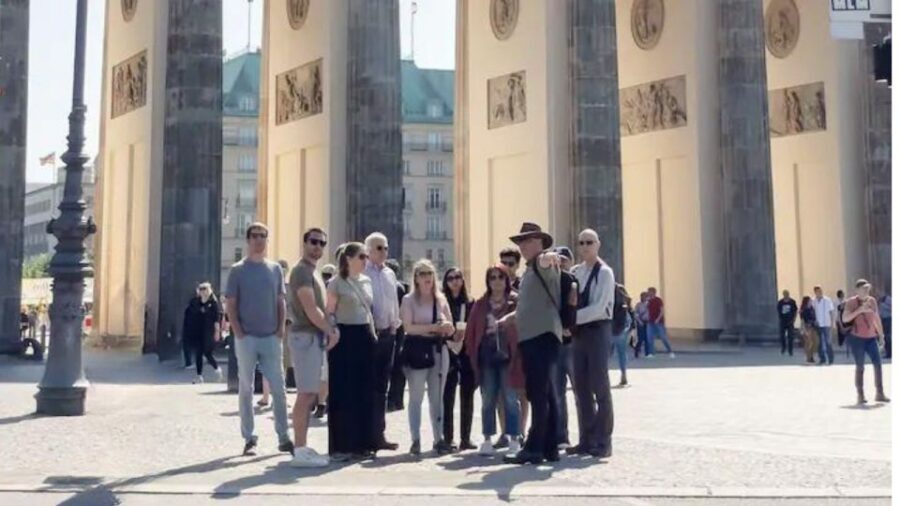
The early segment links Germany’s political shift to public space. You’ll pass through the Brandenburg Gate photo stop and then move toward the Memorial to the Sinti and Roma Victims of National Socialism.
This part matters because it frames persecution as policy, not a random horror story. Standing at a memorial dedicated to Sinti and Roma victims helps you understand that Nazi terror didn’t only target one group. It was systematic and wide-reaching.
You’ll keep the pace gentle here—guided explanations and short walks—so the tour can set context before it moves into the most central nodes of state control.
The Reichstag Stop: Democracy Recast as Dictatorship

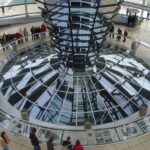
The Reichstag is one of the most symbol-heavy stops in Berlin. Here, it’s treated as a story in stone: a building representing democracy, then later dictatorship, and eventually unity.
That framing is exactly what you want from a “rise and fall” tour. It pushes you to think about how political systems can be replaced from within—and how symbolic centers of power often become stage props when regimes change direction.
You’ll get a guided visit here, with time to look around while your guide ties what you’re seeing back to the Nazi takeover narrative. For many people, this is where the timeline stops feeling like textbook trivia and starts feeling like a sequence of decisions made in real places.
Soviet War Memorial Tiergarten: When the Story Turns Toward Defeat
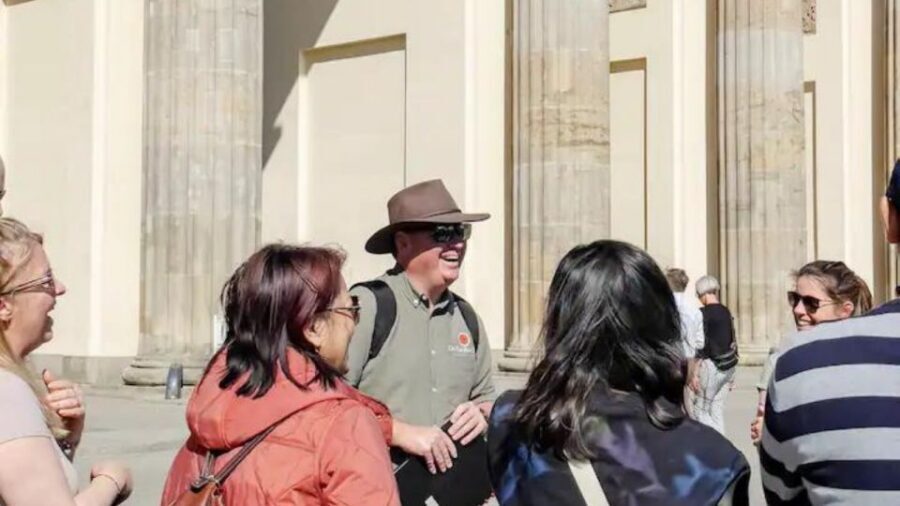
A key pivot in this tour is the shift from how the regime operated to what finally ended it. You’ll reach the Soviet War Memorial in Tiergarten for a photo stop and guided visit.
The tour presents it as a reminder of the brutal Battle of Berlin. That’s an important change in tone: the focus moves from repression and propaganda toward the reality of collapse and war’s final cost.
Even if you already know the broad outcome of the war, placing it here helps you visualize how close the conflict was to the political center. It’s also a useful mental reset before you move deeper into the sites tied to terror and the regime’s last days.
You can also read our reviews of more guided tours in Berlin




Holocaust Memorial: A Space for Understanding, Not Just Photos
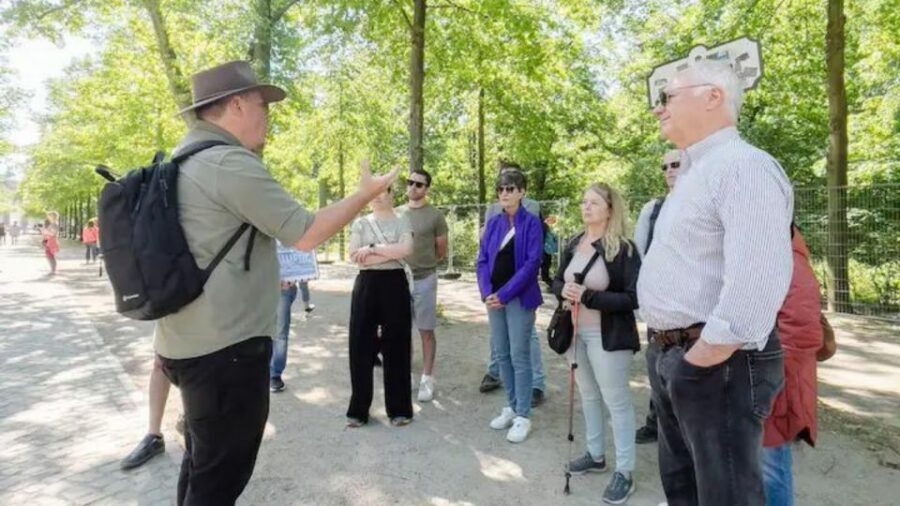
At the Memorial to the Murdered Jews of Europe, you’ll have photo time and a guided visit with space to reflect. This stop is handled as more than an emotional photo opportunity.
The guide’s job here is to help you understand the “why” behind what happened—so you can connect the persecution narrative to the real-world places you’ve been walking past. You’ll also get built-in time for Q&A, which can be a relief when you’re carrying questions that don’t fit into a typical “see it and move on” sightseeing rhythm.
Come prepared for your own pace. This is the kind of stop where you’ll likely want a few quiet minutes even if your group is moving.
Hitler’s Bunker Site: Where the War in Europe Came to an End
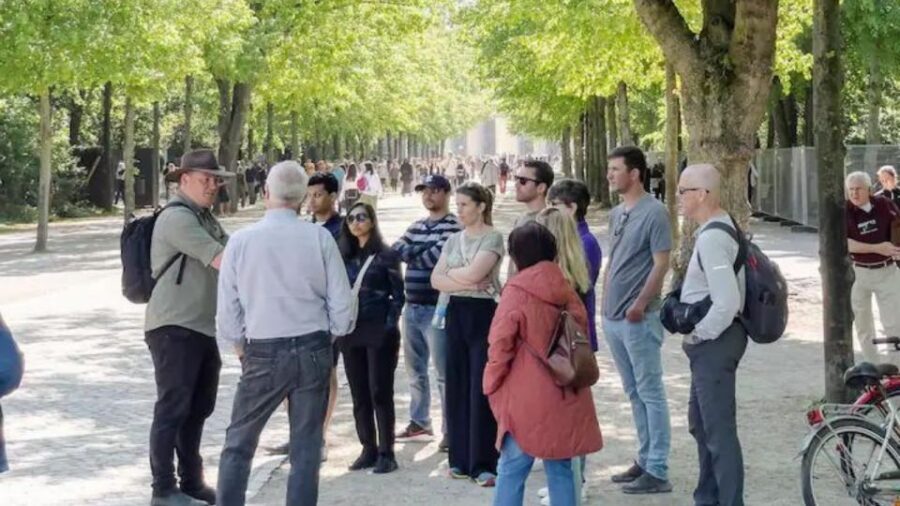
Next up is Hitler’s Bunker site, the place tied to the war in Europe’s final days. You’ll have a photo stop, a guided visit, and time to look at the area as the tour explains how the story of Nazi control ends in total defeat.
This is one of those moments where a guided structure really helps. The guide isn’t just pointing at the location; they’re connecting the last phase of the regime to what Berlin had become—an arena of control, fear, and destruction.
You’ll also want to keep your expectations grounded. This is outdoors and focused on the site itself, not an indoor museum exhibit.
Johann Georg Elser Memorial: The Story Isn’t Only About Hitler
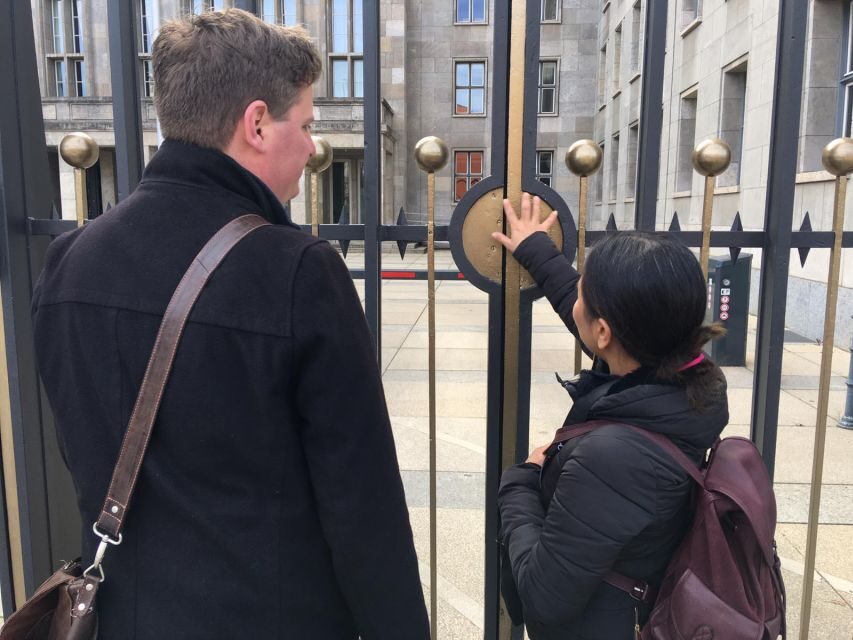
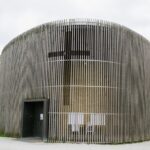
After the bunker site, you’ll visit the Johann Georg Elser Memorial. The tour uses this stop to add another layer to the arc of 1933–1945: resistance existed even under extreme conditions.
It’s a useful balance point. You’re not only hearing about the Nazi machine; you’re also hearing about how people tried to push back—often at great risk.
This is also a good stop for questions. The memorial’s presence makes you ask the kind of “what if” questions that historians wrestle with: how power responds, how regimes harden, and what happens when attempts at interruption fail.
German Finance Ministry: The Machinery Behind the Regime

You’ll make a shorter stop at the German Finance Ministry. Even when time here is brief, it helps the story feel real, because Nazi control wasn’t only built out of speeches and uniforms. It also depended on state systems—money, administration, and the ability to mobilize resources.
This is where a “clear narrative” tour pays off. If you’ve only visited iconic buildings, you might miss how bureaucratic and financial institutions can support repression. A guided explanation helps you connect what you’re seeing to how control was maintained.
Expect photo stop time plus a guided explanation, with enough movement to keep the overall pace from dragging.
Topography of Terror: Former Gestapo & SS Headquarters in Plain Sight
The finish at Topography of Terror is the tour’s most direct confrontation with repression. This area ties to the former Gestapo and SS headquarters—described in the tour as the nerve centre of terror and repression.
The value of finishing here is emotional and educational. You’ve already walked through the symbols, the memorials, and the turning points. Now you land on the infrastructure of fear—where power wasn’t abstract.
You’ll end with guided time at Topography of Terror, plus reflection and Q&A opportunities earlier in the route so you’re not holding questions until the last minute.
If you take only one thing from the whole walk, let it be this: the Nazi regime didn’t just win through force. It ran through intimidation and surveillance tied to real places in the city.
How the “No Lectures” Style Works (and Why It Matters)
One of the best things about this tour format is the promise of no lectures and no gimmicks. That usually means you get a guided story with frequent pauses that let the group absorb what’s in front of you.
The small-group setup also helps. You’re not disappearing into a sea of people, which makes it easier to hear the guide and ask questions. The tour is built around expert WWII history interpretation, with guides trained to connect politics, ideology, and military events into one coherent narrative.
From the guide names that have led this walk—Scott, Hannah, Matthew, Mark, Ben, and others—I’d focus on the practical point: this isn’t a “script reads, you follow” experience. The guides are described as engaging and willing to answer questions, and that makes a big difference when the subject matter is so heavy.
Then & Now Photos and Historic Maps: The Fastest Way to See the Shift
You’ll use Then & Now photographs and historic maps during the walk. I love this element because it gives your brain a tool: it helps you compare what’s there now to what used to be there under the regime.
This is also where Berlin wins as a city for this kind of learning. You’re surrounded by layers, and photos/maps give you permission to notice those layers instead of getting overwhelmed.
Even when a stop is short, the guide can make the site feel bigger by showing what changed and why it mattered.
Price and Value: Is $47 Worth 150 Minutes in Berlin?
At about $47 per person for 150 minutes, the price is fair for an expert-led, academically grounded walking tour that covers multiple high-impact sites outdoors. You’re paying for three things that are hard to replicate on your own: a guided narrative, historical visual aids (Then & Now photos and historic maps), and the chance to ask questions along the way.
Is it expensive compared to a self-guided stroll? Sure. But a self-guided route usually can’t turn 1933–1945 into a clear arc with the same cause-and-effect links. If you only want one structured experience for Nazi-era Berlin, this is the kind of value that can save you time and confusion.
The also part you should factor in: it’s outdoors and includes several memorial and site segments, so you’ll get education and reflection rather than indoor browsing.
Who This Tour Suits Best (and Who Might Want a Different Plan)
This walking tour fits you if you want the big story of Nazi Germany told clearly, with time for reflection and Q&A. It’s also a good choice if you’ve got some WWII knowledge but want Berlin-specific context that ties politics and military events to actual sites.
It’s also ideal if you appreciate a historian-style approach and don’t want a showy gimmick. The tour is designed to connect ideology, fear, propaganda, daily life under the regime, and collapse—without reducing everything to slogans.
Two types of people should plan carefully:
- If you hate walking on uneven streets, you may find 150 minutes outside a challenge.
- If you’re not ready emotionally for persecution and terror narratives, consider whether you want to pair this with quieter activities afterward.
Should You Book Hitler’s Berlin: The Rise & Fall Walk?
I’d book it if you’re looking for a guided, structured, Berlin-specific way to understand how the Nazi regime took hold and how it ended. The combination of key sites (Reichstag, Topography of Terror, Holocaust Memorial, Hitler’s bunker area) plus Then & Now photos and Q&A makes this more than a typical sightseeing walk.
Go for it if you want your questions answered and your understanding built step by step. Skip it if you want a light, casual tour—or if long outdoor walking on a heavy topic would feel like too much.
FAQ
How long is the Berlin walking tour?
The tour lasts about 150 minutes.
Where do I meet the guide?
Meet the guide at the Tourist Office at Brandenburg Gate and look for the Blue Umbrella.
Is the tour offered in English?
Yes, the live tour guide speaks English.
Is this tour outdoors?
Yes. It’s an outdoor walking tour, and it does not include access to indoor museum exhibitions.
What are the main stops on the route?
You’ll visit several major sites, including Brandenburg Gate, the memorial for Sinti and Roma victims, the Reichstag, the Soviet War Memorial in Tiergarten, the Holocaust Memorial, Hitler’s Bunker site, the Johann Georg Elser Memorial, the German Finance Ministry, and you finish at Topography of Terror.
Are there any food or drinks included?
No. Food or drinks are not included.
Is the tour wheelchair accessible?
Yes, the tour is wheelchair accessible.
What’s included in the price?
Included items are an expert local guide with academic background in WWII history, small-group experience, guided visits to key Nazi-era sites and memorials, Then & Now photographs and historic maps, and reflection time plus Q&A.
What should I bring for an outdoor walking tour?
Bring comfortable shoes and a water bottle. If weather is an issue, consider bringing your own umbrella or walking stick, since personal umbrellas or walking sticks aren’t provided.
Is free cancellation available?
Yes, you can cancel up to 24 hours in advance for a full refund.