REVIEW · BERLIN
Berlin: Alternative Berlin Walking Tour
Book on GetYourGuide →Operated by Alternative Berlin Tours · Bookable on GetYourGuide
Berlin hits different when you walk its edges. This 4-hour alternative walking tour shows you Berlin’s subcultures in motion, from café districts to graffiti walls and community projects. I especially like how the guide connects neighborhood life to food culture, including the origin lore behind currywurst and doner.
I also like the range of people and places on the route, with stops that bring in Turkish areas, African and former Jewish communities, and a peek at Berlin’s gay scene. One thing to plan for: it’s a walking tour with a fast pace, and you’ll cover real ground, so bring good shoes and be ready to move.
In This Review
- Key points before you go
- Meeting at Alexanderplatz TV Tower: start where Berlin feels central
- Mitte on foot: café life, local shops, and underground Berlin
- Kreuzberg’s 2-hour storytelling: Turkish neighborhoods, African and former Jewish communities
- Street art and graffiti: when walls act like a history book
- Currywurst, doner, and Prater Beer Garden: food lore that sticks
- Canals, urban farms, and community funded change
- Friedrichshain finish: leaving with a real next-step plan
- Price and value: why $29 can work if you want the right kind of Berlin
- Transit tip: the BVG AB metro ticket requirement can matter
- Should you book this alternative Berlin walking tour?
- FAQ
- How long is the alternative Berlin walking tour?
- Where do I meet the guide?
- What languages is the tour offered in?
- Does the tour run in bad weather?
- Do I need a BVG metro ticket?
- What’s included in the price?
- Is the tour refundable if plans change?
Key points before you go
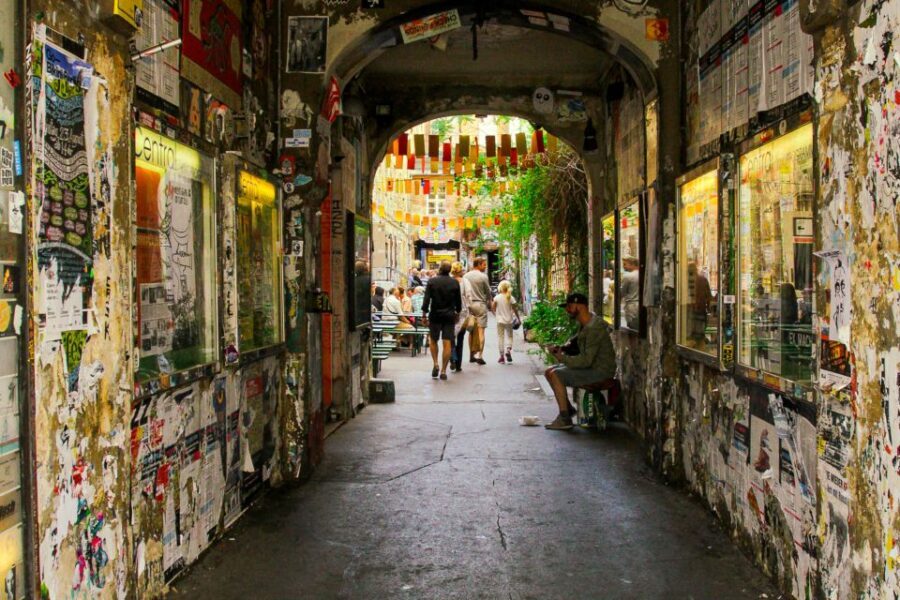
- Alternative Berlin route: step off the standard tourist track and focus on neighborhoods with subcultural fingerprints
- Street art up close: graffiti and murals are part of the story, not a backdrop
- Food origin storytelling: learn where classic Berlin bites like currywurst and doner fit into the city’s cultural mix
- Multi-cultural stops: you’ll pass through areas tied to Turkish life, African communities, and former Jewish presence
- Urban change in the present: canals, underground galleries, and community-funded urban farms show Berlin today
- Guide energy matters: the best guides keep groups moving and asking questions, even in cold weather
Meeting at Alexanderplatz TV Tower: start where Berlin feels central
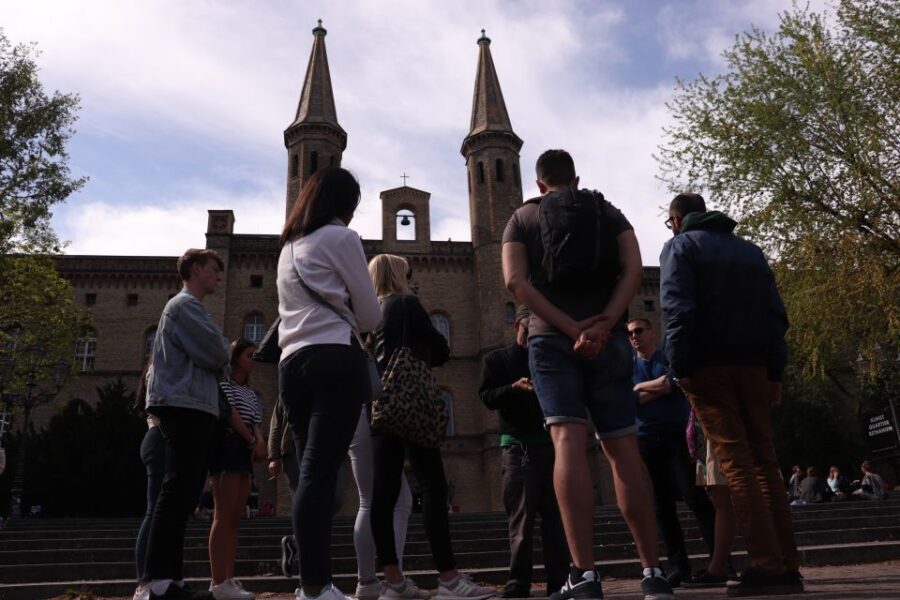
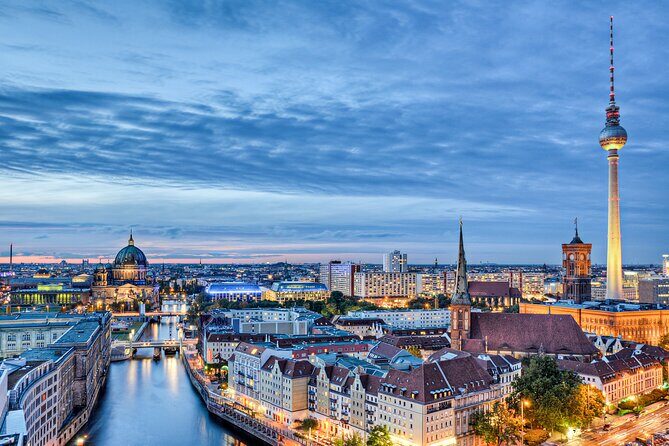
You meet at the Alexanderplatz TV Tower, right in front of Vapiano. It’s a smart starting point because Alexanderplatz is easy to reach, and you’re already near the kind of dense city rhythm Berlin does so well. From there, you’ll start building a map in your head: where the money and monuments live, and where the city’s counterculture formed its own routes.
You’ll also get a good early “tone check.” These aren’t museum vibes. Expect walking pace, real street-level observation, and stories that connect everyday details—shops, cafés, street corners—to bigger themes like migration, politics, and housing.
Practical tip: arrive a few minutes early. If you’re dealing with transit tickets (more on that below), it’s worth handling that before the group tightens up.
You can also read our reviews of more walking tours in Berlin


Mitte on foot: café life, local shops, and underground Berlin
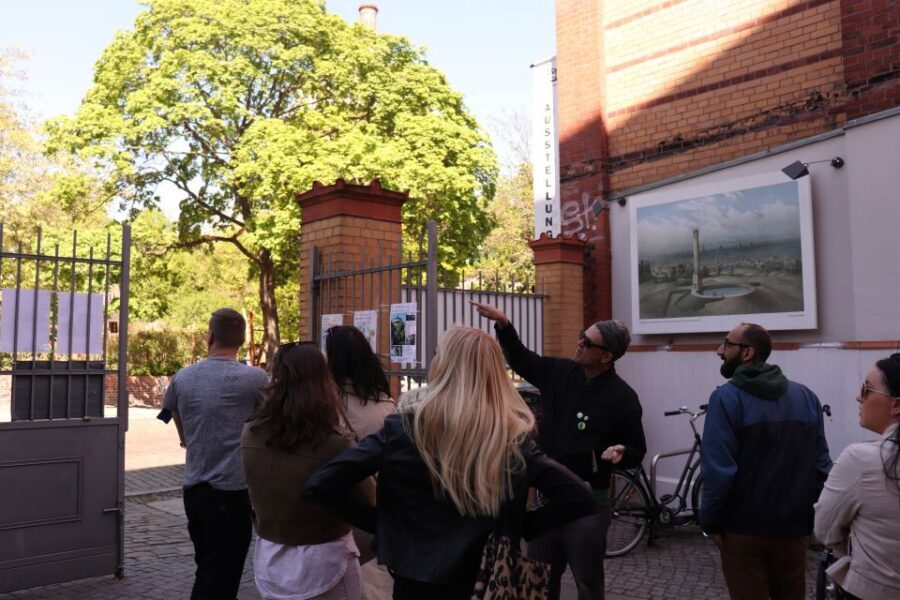
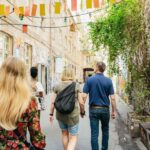
Mitte is where a lot of visitors begin—and also where many alternative tours either skip too quickly or only skim the surface. Here, Mitte is treated like a working neighborhood, not a photo stop. You’ll spend about an hour in this area, and the vibe is that Berlin is constantly remixing itself.
What I like about this approach is that you don’t just hear history as a timeline. You hear it as a living system. Café districts and local shopping areas matter because they’re where Berliners actually spend time. That makes the “alternative” feel more believable. It’s not only protest posters and nightclubs. It’s also daily routines, small businesses, and people building community where they can.
During the Mitte stretch, you can also expect stops tied to Berlin’s underground side—like underground galleries—and the kind of street art you only notice when you’re walking slowly enough to look up and sideways. The tour’s theme logic is: Berlin’s underground didn’t stay underground forever. In Berlin, some of it becomes normal, and that shift is the point.
Kreuzberg’s 2-hour storytelling: Turkish neighborhoods, African and former Jewish communities
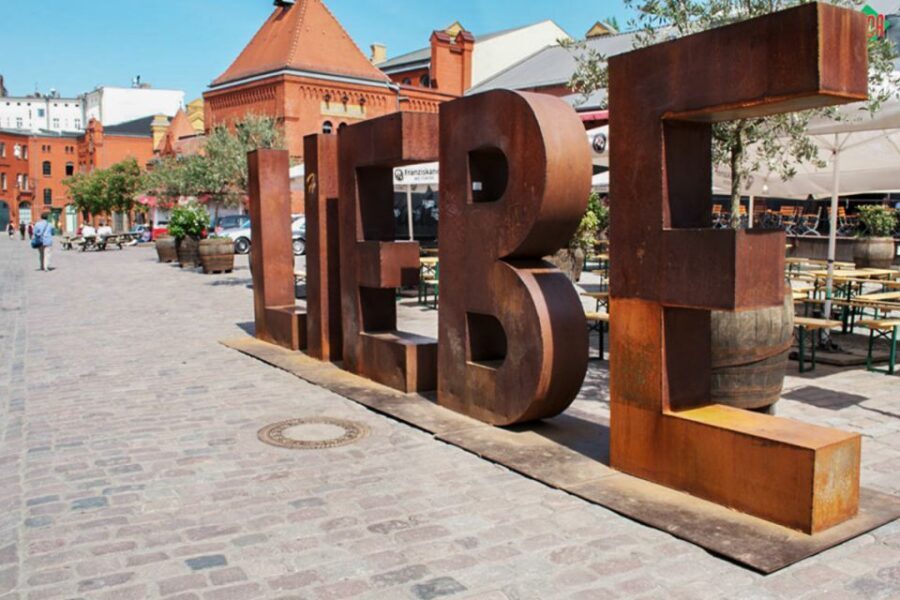
The route then leans hard into Kreuzberg, with about two hours there. Kreuzberg is where the cultural mixing is most visible, and this tour doesn’t treat diversity like a slogan. It treats it like a geography—different communities shaped by different histories, and different pressures on the streets.
You’ll visit Turkish neighborhoods and hear how immigrant life shaped the city’s food, social spaces, and daily language. The goal isn’t just cultural name-dropping. You’re learning why certain flavors and rhythms became part of the Berlin identity people carry home.
You’ll also get stops related to Berlin’s African and former Jewish communities. That matters because it shifts Berlin away from a single narrative. The tour frames Berlin as a place where multiple communities have influenced what the city became—and where you can still read those influences in the streets.
And yes, you’ll get a look at Berlin’s gay community too, with a stop in one of the city’s more extravagant neighborhoods. The point isn’t spectacle. It’s how Berlin has treated self-expression as a form of public life rather than only private rebellion.
Street art and graffiti: when walls act like a history book
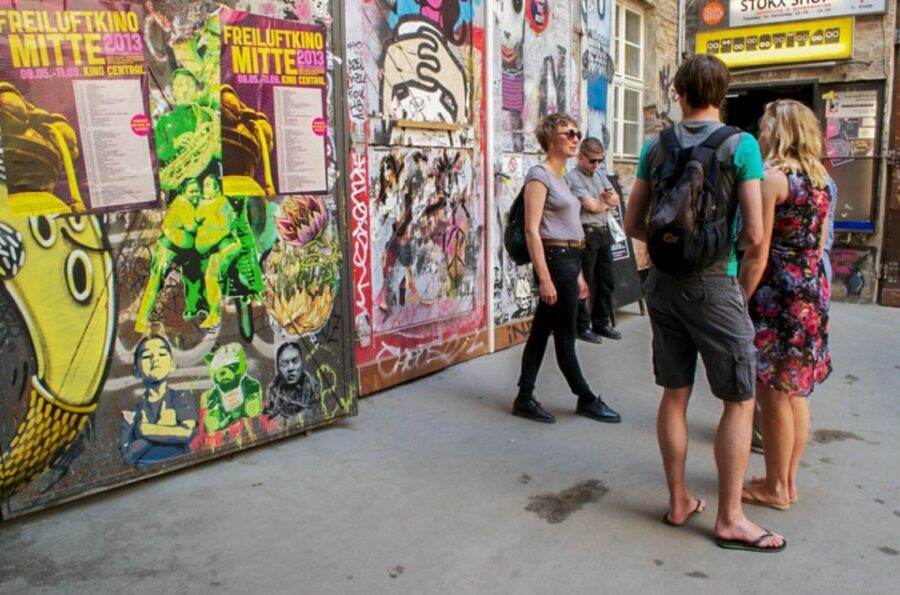
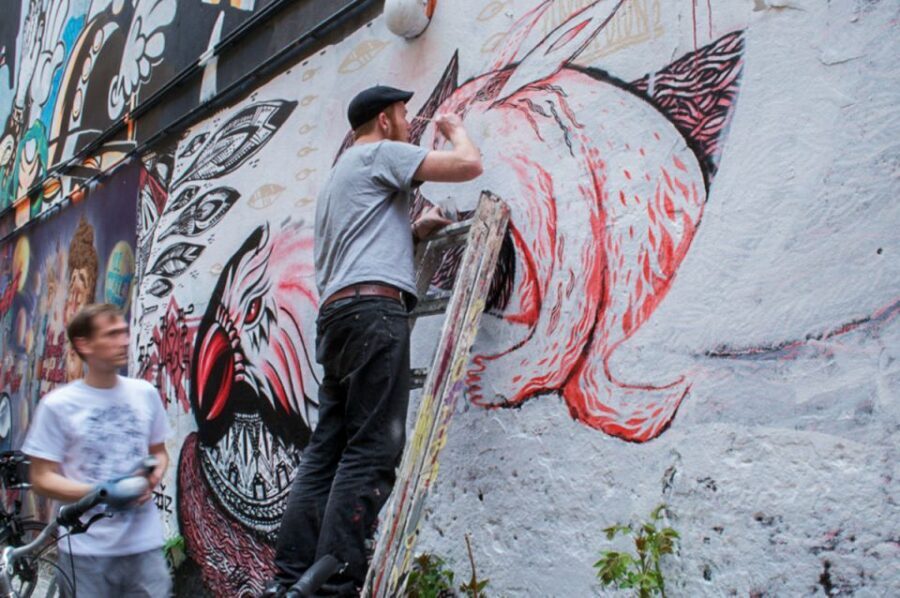
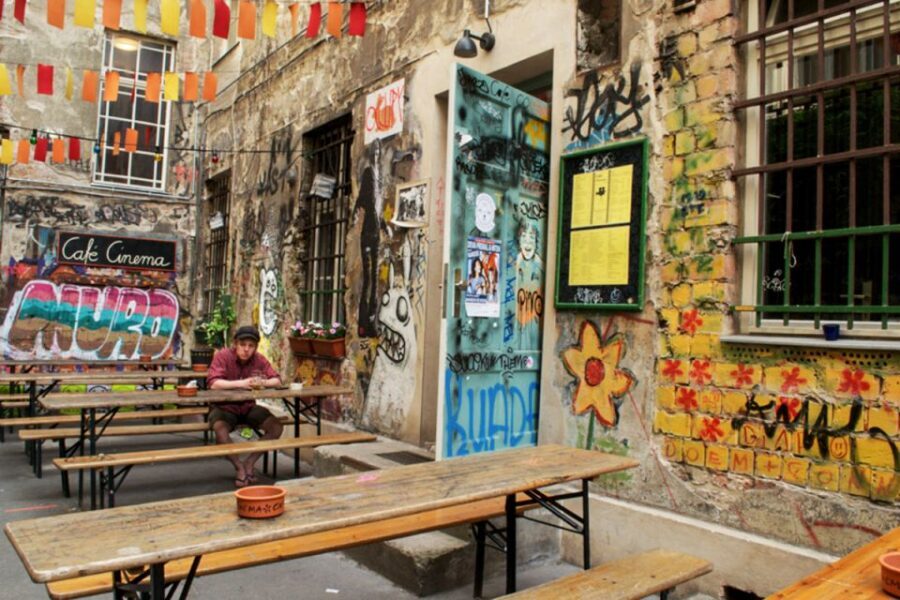
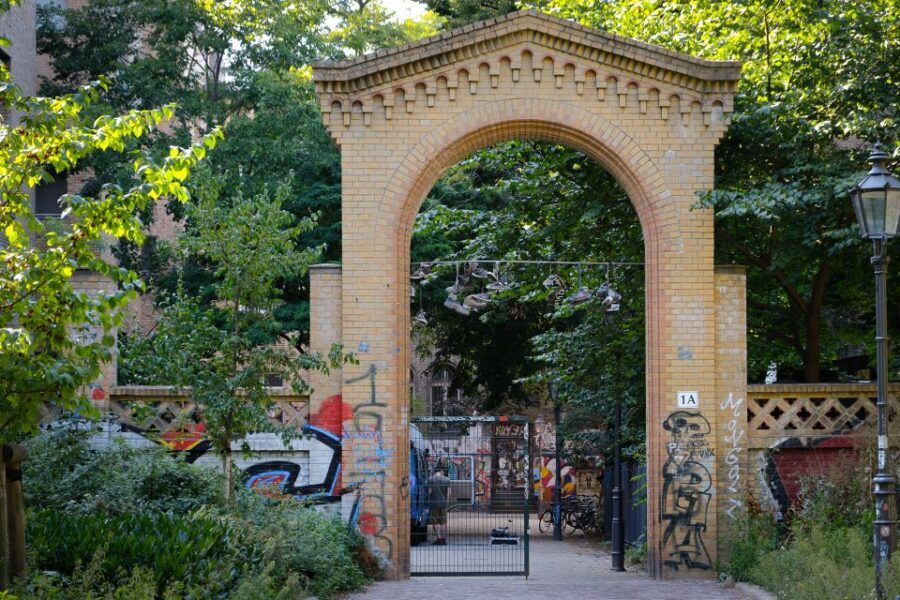
One of the most praised parts of this tour is how close you’ll get to Berlin’s street art and graffiti. This is the kind of tour where the guide points out more than style—they connect the art to the people and moments that produced it.
That’s why I think street art works so well on a guided walk. You’re not just looking at pretty murals. You’re learning what the wall is arguing with: politics, housing, identity, and the tension between “official” Berlin and the lived reality behind it.
You’ll also hear how East and West Berlin neighborhoods can feel different even after reunification. The tour’s theme is built around that comparison—tradition and trends, density and open space, underground and cosmopolitan areas. Berlin is good at holding contradictions at the same time, and the art helps you see that quickly.
Currywurst, doner, and Prater Beer Garden: food lore that sticks
This tour has a real superpower: it turns food into a cultural map. You’ll learn the origins behind Berliner currywurst, doner, and the Prater Beer Garden. Even if you’re not a food-history person, this format works because it ties a common Berlin craving to the forces that brought people, ingredients, and ideas together.
Food stories are also the easiest way to understand how a city changes without forcing you to memorize dates. Currywurst, for example, is simple, fast, and everywhere—but its backstory points to immigration, postwar street life, and how working-class culture became mainstream.
Doner helps the same way. It signals migration and cross-cultural adaptation, the sort of “everyday integration” that doesn’t always show up in traditional sightseeing routes. Prater Beer Garden adds another layer: it’s where social life, Berlin’s beer culture, and public gathering merge.
Practical note: there are food-and-drink moments built into the walk. One of the more common experiences on tours like this is a stop where you can grab a currywurst and keep moving. If you’re hungry, bring that appetite—you’ll have chances to recharge during planned refreshment breaks.

Canals, urban farms, and community funded change

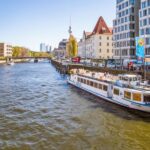
Berlin isn’t only about the past or the paint on walls. The tour also points you toward projects that look forward: relaxing canals and community-funded urban farms.
This is a great contrast after you’ve spent time with the city’s underground and counterculture threads. It shows you that “alternative” isn’t a one-time historical phase. In Berlin, alternative ideas often become tools people use right now—whether that’s growing food locally or building shared spaces.
Urban farms and canal-side moments give you a breather, too. After a couple hours of dense neighborhood walking and story time, these stops let you reset your attention. You’ll come out of the tour with a better sense of what kind of city Berlin became after the big headlines faded.
Friedrichshain finish: leaving with a real next-step plan
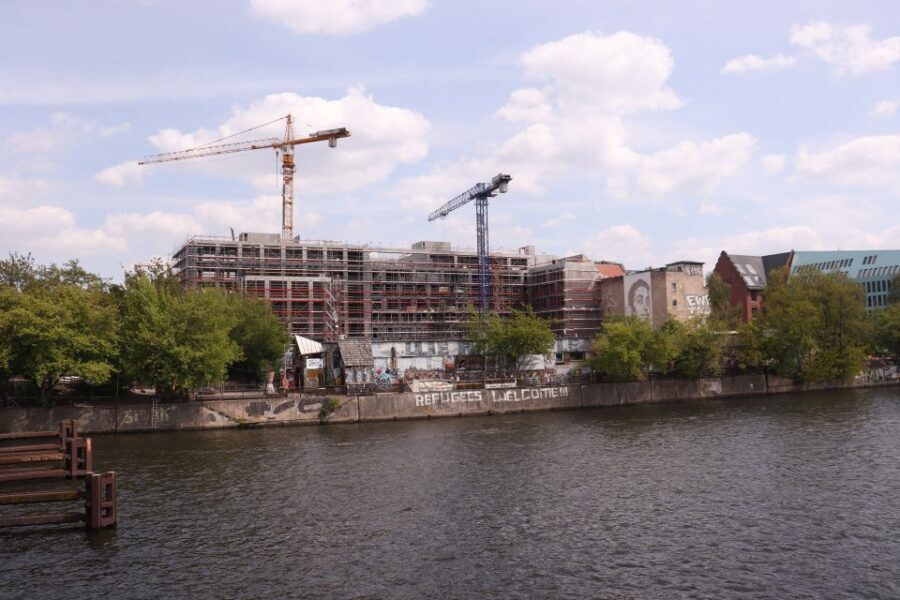
The tour finishes in Friedrichshain. That ending location is useful because Friedrichshain is a natural continuation point if you want more bars, street art, or late-day wandering. Even if you don’t have a plan, you’ll leave with a better sense of what to chase next.
I like endings like this because they don’t trap you back in the “easy return” zone only. You finish in an area that rewards follow-up exploration—especially if you’re the type who likes to keep walking after the official part ends.
If you’re also the kind of person who asks questions, Friedrichshain is a good place to feel that momentum. The tour’s guide style often includes Q&A energy, and if your question was building through Kreuzberg, this is where it typically clicks into a clearer picture of the whole city.
Price and value: why $29 can work if you want the right kind of Berlin
At $29 per person for four hours, this is good value if your goal is understanding Berlin beyond the obvious. A lot of “standard” Berlin tours mostly recycle the same central monuments and generic background. This one pays attention to the city’s creative systems—how communities, street culture, and local social life shaped Berlin’s personality.
Here’s what you’re really paying for:
- A live guide who connects neighborhoods to the city’s identity
- Refreshment breaks (built in, not an afterthought)
- Photo opportunities where the scenes actually make sense
- Local tips that help you continue exploring after the tour
The tour also seems to benefit from strong guiding performance. Names that show up in past guiding styles include Rhys, Reece, Antonio, Jake, Damian, Jonathan, and AD. The consistent thread is humor plus clear storytelling, plus adaptation when weather gets rough. One person even noted how a guide adjusted during freezing snow, which matters because Berlin doesn’t care about your itinerary.
One consideration: because it’s a walking tour and described as fast paced, it’s not ideal if you have mobility limits. If you can’t do lots of steps, you may feel rushed instead of guided.
Transit tip: the BVG AB metro ticket requirement can matter
You’ll need an AB metro ticket for this tour depending on the current art and tour route. If you don’t want to buy it ahead of time, you can bring it with you or buy it when needed, but there’s also an option where BVG is included.
This is worth taking seriously because nothing kills good energy like a group waiting on transit ticket issues. If you’re tight on time, choose the option that includes the ticket. If you’re budgeting carefully, make sure you have the right AB ticket before you start moving.
Should you book this alternative Berlin walking tour?
Book it if you want Berlin as a living culture, not just a list of famous landmarks. This tour is a strong fit for you if you care about street art, neighborhood texture, and how migration and politics shaped everyday life. It’s also perfect if you like guides who keep the tone playful while still connecting the dots.
Skip it (or consider a different style) if you need a slow, seated tour or if you’re very mobility-limited, because the pace is brisk and you’ll cover ground.
If you’re on a first visit and already feel like you know the Cold War basics, this tour gives you something more useful: a practical sense of what Berlin feels like now, and why that feeling exists.
FAQ
How long is the alternative Berlin walking tour?
The tour lasts 4 hours.
Where do I meet the guide?
Meet at the Alexanderplatz TV Tower, in front of Vapiano.
What languages is the tour offered in?
The tour is available in English.
Does the tour run in bad weather?
Yes. Tours run in all weather and all year round.
Do I need a BVG metro ticket?
An AB metro ticket is required depending on the current art and tour route. You can bring it, buy it as needed, or choose the option where BVG is included.
What’s included in the price?
The tour includes the tour guide, refreshment breaks, photo opportunities, and local tips.
Is the tour refundable if plans change?
You can cancel up to 24 hours in advance for a full refund.