REVIEW · BERLIN
Queer Berlin Walking Tour
Book on GetYourGuide →Operated by Original Berlin Walks GmbH · Bookable on GetYourGuide
Berlin changes the way you look at a city. This walking tour takes you through Schöneberg and the Tiergarten and frames the story of queer Berlin through people, places, and hard history. It mixes landmark stops with entertaining anecdotes, so the past doesn’t feel like a textbook.
I especially like the way this route ties queer life to bigger Berlin history, from Prussian rulers to modern politics. I also like that the tour is run by English-speaking guides from Original Berlin Walks, with multiple named guides showing up in past tours (including Tom, Tobi, Kyle, Finn, Beth, and others), and the focus stays on real questions you can ask out loud.
One thing to consider: you’re on your feet for about 3.5 hours, and the tour runs in all weathers, so pack for walking and bring a backup plan for rain.
In This Review
- Key things to look forward to on this tour
- Schöneberg First: Why This Route Matters
- The Former Eldorado Stop and Berlin’s Long Nightlife Memory
- Section 175 and the Berlin Wall Shadow: History with a Pulse
- Magnus Hirschfeld and the Institute for Sexual Science
- Marlene Dietrich, Isherwood, Otto Dix, and the Art Circuit of Identity
- What the Walking Pace Really Feels Like
- Guides, Questions, and Group Energy
- Price and Value for $23 in 3.5 Hours
- Who Should Book This Tour (and Who Might Skip It)
- Should You Book the Queer Berlin Walking Tour?
- FAQ
- How long is the Queer Berlin Walking Tour?
- How much does the tour cost?
- Where is the tour located?
- What neighborhoods or areas does the tour cover?
- Is there an English-speaking guide?
- Does the tour run in bad weather?
- Is public transport included?
- Are entrance fees included?
- Can I cancel for a full refund?
- Where do we meet?
Key things to look forward to on this tour

- Schöneberg’s iconic queer neighborhood: you’ll see why this area became the center of community life.
- The former Eldorado site: Berlin’s long-running tradition of queer nightlife and cross-gender spaces.
- Section 175 context: how a penal code shaped everyday risk for gay men for decades after WWII.
- Magnus Hirschfeld’s Institute for Sexual Science: the story of innovation crushed in 1933, plus the library destroyed in Nazi book burnings.
- The memorial for Nazi persecution: a sober stop for the homosexual men sent to concentration camps.
- Tiergarten as a social map: the meeting spots under the shadow of the Berlin Wall.
Schöneberg First: Why This Route Matters
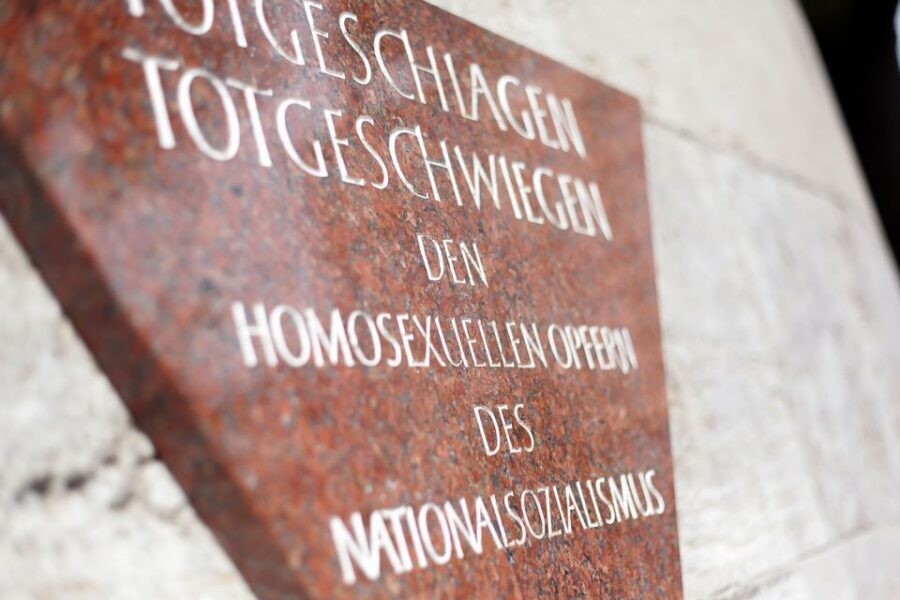
Schöneberg isn’t just a setting here. It’s the main character. The tour uses this neighborhood to explain how queer Berlin formed visible community spaces even while laws and violence made visibility dangerous.
You’ll hear about the area’s cultural landmarks, including where Marlene Dietrich lived and worked. You’ll also connect the neighborhood to the cabaret and nightlife scene through references to Christopher Isherwood and Otto Dix, which helps you picture how queer stories circulated through art and performance, not only politics.
And then the tour widens the lens. It doesn’t treat queer history as separate from Berlin history. Instead, it shows how one affected the other, from rulers like Friedrich the Great through to more complicated, even disturbing figures like an openly gay Nazi leader. That contrast is heavy, but it’s also part of why this tour lands.
You can also read our reviews of more walking tours in Berlin



The Former Eldorado Stop and Berlin’s Long Nightlife Memory
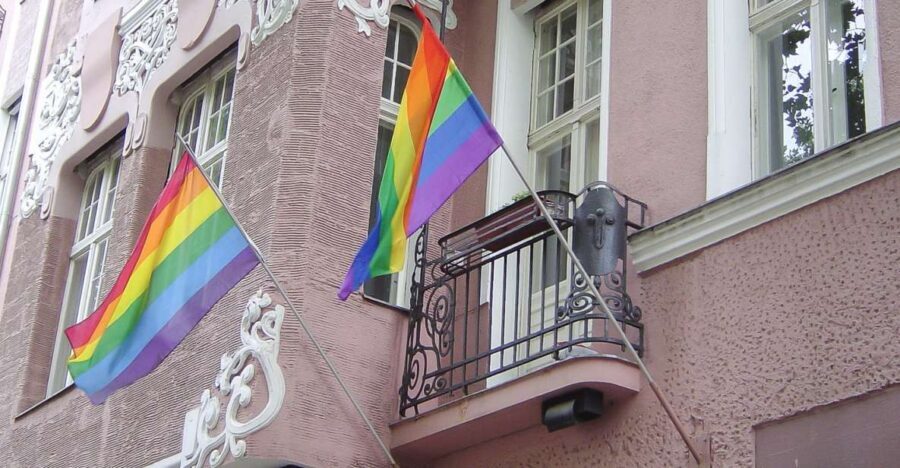
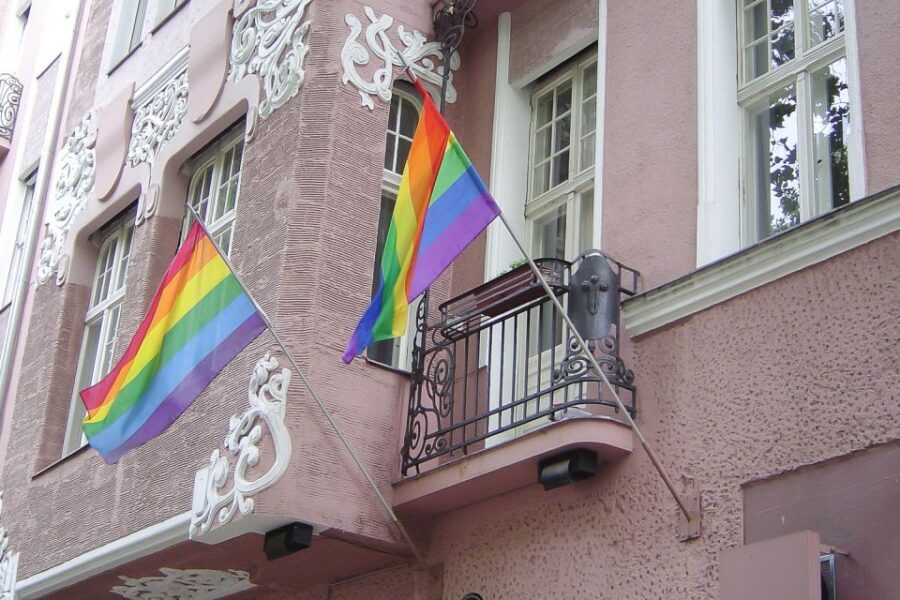
One of the most specific, memorable pieces is the stop at the site of the former Eldorado, described as one of Berlin’s oldest queer and transvestite bars. Even if you’ve seen modern queer venues in other cities, this one matters because it represents endurance: the idea that community doesn’t disappear just because laws and regimes change.
The Eldorado mention also gives you a chance to think about “queer nightlife” in a broader way than today’s stereotypes. Here, gender nonconformity is treated as part of the historic fabric, not a side note.
This tour tends to make these points through mix-and-match stories: a public place in a specific neighborhood, plus the lived reality of the people who made it possible. The result is that the street itself starts to feel like evidence.
Section 175 and the Berlin Wall Shadow: History with a Pulse
Berlin has always been political, but this tour makes that political part personal. You’ll learn about Section 175, the German penal code that criminalized male homosexuality for decades after World War 2. The point isn’t to scare you. The point is to help you understand why the places you’re seeing became “meeting spots” in the first place.
Then the tour moves into the Tiergarten, Berlin’s best-known gay meeting area, and places it in the shadow of the Berlin Wall. That pairing helps you grasp something important: movement, policing, and fear weren’t abstract. They shaped where people could gather, how they protected each other, and how they built community despite barriers.
You also get a stop at a memorial honoring homosexuals persecuted by the Nazis and sent to concentration camps. This is one of the moments where the tour slows down and asks you to hold both truths at once: community existed, and cruelty was real. It’s an emotional stop, but it doesn’t feel random in the flow.
Magnus Hirschfeld and the Institute for Sexual Science
If you want one stop that explains why Berlin mattered beyond nightlife and art, it’s the Hirschfeld portion. Magnus Hirschfeld’s work is treated here as a turning point: the tour explains his ground-breaking Institute for Sexual Science and what happened when the Nazis took power.
You’ll hear that the institute was shut down in 1933, and that its library was destroyed during Nazi book-burnings. That detail matters because it’s not only about a building. It’s about attacking knowledge, language, and the chance for science and rights to grow.
I like how this part connects the dots between ideas and survival. Hirschfeld’s presence in the story isn’t just historical trivia. It explains why activism, research, and public debate mattered, and why losing them had consequences that lasted.
Marlene Dietrich, Isherwood, Otto Dix, and the Art Circuit of Identity
The tour’s Berlin culture references do more than add names. They build a map of how queer life circulated through the arts. When you learn that Marlene Dietrich lived and worked in Schöneberg, you’re also learning how celebrity and neighborhood identity intertwined.
Then Christopher Isherwood and Otto Dix come in as artists and chroniclers of Berlin cabaret and nightlife. This makes the city feel less like a set of monuments and more like a living scene where art, music, and social life changed the way people understood each other.
The practical takeaway for you: when you leave the tour, you’ll have an easier time spotting queer themes in Berlin’s galleries, museums, and nightlife venues. You’ll know what to look for and why it matters.





What the Walking Pace Really Feels Like
This is a 3.5-hour walking tour, and the tour runs in all weathers. That means your comfort affects your enjoyment more than you might expect.
Keep your expectations realistic. It’s not a quick “photo tour.” You’ll be hearing facts, anecdotes, and connective tissue between centuries. That takes focus, and walking helps you keep energy up while you process the heavier moments.
Based on how guides handle the day, the experience can move smoothly even when there are route hiccups. Guides such as Tom and Tobi (names that come up in past tours) are praised for being patient and for answering questions, which is a big deal when you want context, not just dates.
Also, plan on bringing basics: water, a light snack, and layers. One past participant noted a lunch stop during the middle portion of the tour, so if that’s on your route, you’ll be happy you planned for it.
Guides, Questions, and Group Energy
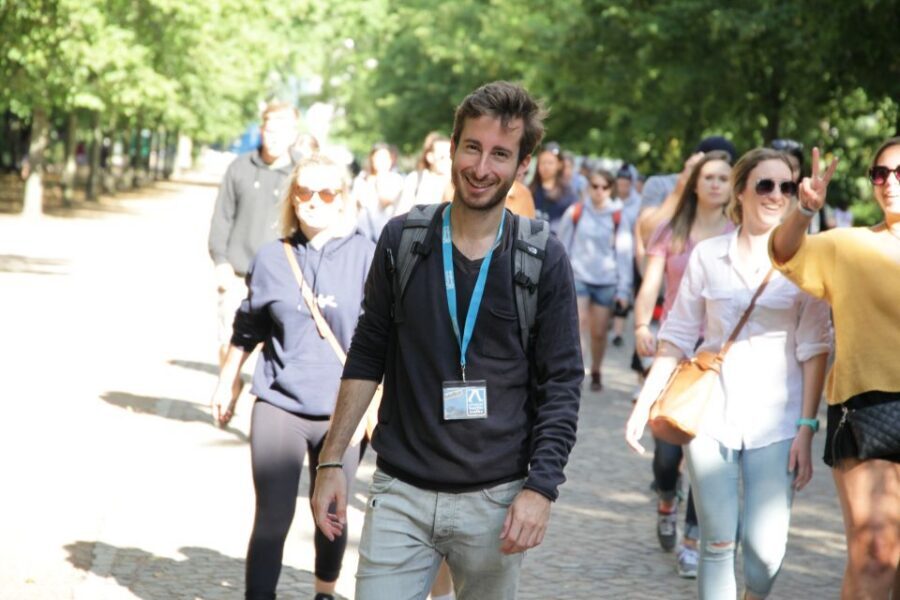
This tour is guided by an English-speaking guide (and German is also offered on some tours). You’ll see the guide wearing a blue Original Berlin Walks name badge.
What stands out in the feedback is how much the guides are willing to talk. People mention guides being funny, helpful, and ready to expand on topics you care about. That matters because queer history is full of nuance, and you’ll probably have personal questions about how laws, culture, and community support worked in different eras.
There’s also a strong emphasis on inclusion in the way history is told. One comment specifically called out that women’s history wasn’t sidelined, and that resistance and inclusion stayed front and center. That kind of attention helps the tour feel less like a “best hits” playlist and more like a serious effort to represent real lives.
Price and Value for $23 in 3.5 Hours
At $23 per person, you’re paying for more than narration. You’re paying for guided context in a city where the same street can mean different things depending on time period, law, and who had to hide.
A walking tour that lasts 3.5 hours and includes an English-speaking guide is usually a good value if it helps you understand what you’re looking at while you’re looking at it. Here, the value comes from the variety of topics packed into the route: queer neighborhood life, LGBTQIA+ rights history, Nazi persecution, and scientific activism through Hirschfeld.
Also, this tour is at its best when you take the “why” seriously. It’s not only about what happened. It’s about how and why these places mattered to people trying to live openly or safely.
Who Should Book This Tour (and Who Might Skip It)
This tour is a strong fit for you if:
- You want queer Berlin history tied directly to real places in Schöneberg and the Tiergarten.
- You like tours that explain connections, not just headlines.
- You’re okay with mixed emotions, from celebration and nightlife to persecution and memorials.
- You want a guide who will answer questions and keep things moving.
You might want a different option if:
- You prefer short, low-walking experiences.
- You’re looking only for modern queer nightlife recommendations without historical context.
- You want a purely upbeat tour with no mention of Nazi persecution or criminalized laws.
Should You Book the Queer Berlin Walking Tour?
I think you should book it if you want Berlin that feels grounded and human, not just picturesque. The Schöneberg and Tiergarten route gives you a practical map of where queer community happened, and the Hirschfeld and Nazi-era stops explain the forces that shaped what was possible.
If you’re the type who enjoys questions, you’ll likely get a lot out of the guide time. And if you’re trying to decide what to do on your first visit, this tour helps you interpret the city fast and in the right direction.
FAQ
How long is the Queer Berlin Walking Tour?
It lasts 3.5 hours.
How much does the tour cost?
The price is $23 per person.
Where is the tour located?
The tour is in Berlin, in the Berlin state of Germany.
What neighborhoods or areas does the tour cover?
You’ll explore Schöneberg and walk through the Tiergarten.
Is there an English-speaking guide?
Yes. The tour includes an English-speaking guide, and German is also listed as a possible language option.
Does the tour run in bad weather?
The tour runs in all weathers.
Is public transport included?
Public transport is not included, if you need it.
Are entrance fees included?
Entrance fees are not included.
Can I cancel for a full refund?
Yes, you can cancel up to 24 hours in advance for a full refund.
Where do we meet?
The meeting point may vary depending on the option booked.