REVIEW · BERLIN
Berlin: Third Reich, Hitler, and WWII Walking Tour
Book on GetYourGuide →Operated by Insider Tour Berlin · Bookable on GetYourGuide
Berlin’s Nazi sites are hard to forget. This 3-hour walking tour strings together Nazi Germany’s key power locations—from early reign seats to the WWII closing chapters—so the story lands in real places, not just slides. I really like that it points you to the Führer Bunker area and the Germania plan axis, where grand propaganda met brutal reality.
I also appreciate the Topography of Terror stop, because it gives you historical context without losing the street-level feel. Guides such as Hannah, Will, Mikhail, and Xavier are repeatedly praised for making sensitive topics feel respectful, clear, and question-friendly, which matters a lot on this subject.
One consideration: it runs rain or shine, and one practical note from comments is that there are no scheduled water or toilet breaks. If you’re going on a long day in Berlin, come ready with water and a comfortable pace.
In This Review
- Key things that make this tour worth your time
- Finding the group at Friedrichstraße: start clean, not confused
- Nazi power in street form: Göring, Luftwaffe plans, and the machinery of control
- Himmler, the SS, and Gestapo headquarters: where fear was organized
- Hitler’s rise to power: Germania’s big plan and the road to the bunker
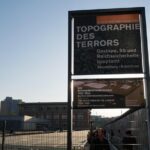
- Topography of Terror: connecting what you saw outside to what the regime did
- The Reichstag and the Soviet assault: tracking the end of the war on foot
- Brandenburg Gate to the Soviet War Memorial: two endings in the same city
- Price and timing: is $20 for 3 hours good value?
- What to bring and how to prepare
- Who this tour fits best (and who might want a different day plan)
- Should you book this Berlin Third Reich walking tour?
- FAQ
- How long is the Berlin Third Reich, Hitler, and WWII walking tour?
- How much does the tour cost?
- Where does the tour meet?
- Where does the tour end?
- What languages is the guide available in?
- Is the tour available in private or small groups?
- Does the tour run in bad weather?
- Is pickup available?
- What should I bring?
- Are there scheduled water or toilet breaks?
- What’s the cancellation policy?
- Can I reserve without paying right away?
Key things that make this tour worth your time
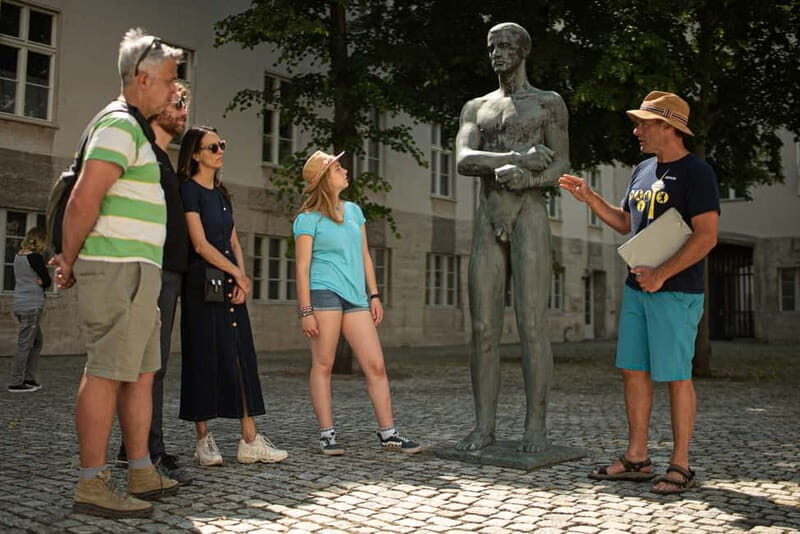
A tight route focused on power centers and collapse points
The Germania axis and the Führer Bunker location
Topography of Terror, tied directly to what you see outside
Reichstag area and the Soviet assault path
Brandenburg Gate plus the Soviet War Memorial with heavy artillery
Guides praised for clear, respectful handling of tough history
Finding the group at Friedrichstraße: start clean, not confused
The tour meets outside Friedrichstraße train station, on the square between the Tränenpalast (Palace of Tears) and the station. You’ll spot the guides wearing a blue lanyard with a yellow name tag, and they use yellow umbrellas if the weather turns.
This start matters more than it sounds. You’re beginning right in the middle of how Berlin mixes eras—rail lines, Cold War symbolism, and WWII aftermath all sitting side-by-side. Get there a few minutes early, find the yellow umbrellas, and you’ll avoid the common stress of standing around trying to match a meeting-point photo.
You can also read our reviews of more walking tours in Berlin



Nazi power in street form: Göring, Luftwaffe plans, and the machinery of control
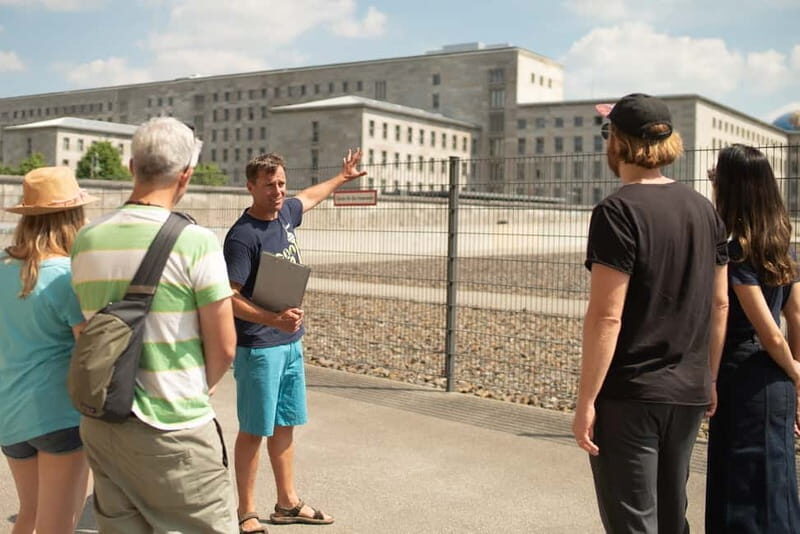
Early on, your guide leads you through the areas tied to the Nazi state’s top command structure. You’ll hear how Berlin functioned as a nerve center—not just a backdrop, but a working system that helped the regime plan war and run propaganda.
One of the most memorable parts here is the way the tour connects buildings to decisions. For example, you’ll stand where Göring’s Air Defence Ministry once operated, the kind of location where Luftwaffe planning for the Blitz took shape. Even if the exact walls aren’t still the same, the point is strong: this is where policy became operations.
You’ll also move through the areas tied to Goebbels’ Propaganda Ministry. The tour doesn’t treat propaganda like a vague idea; it explains it as an engine—words, images, and institutions turning ideology into daily reality. If you’re the type who likes cause-and-effect, this section gives it to you in a walking format.
Himmler, the SS, and Gestapo headquarters: where fear was organized
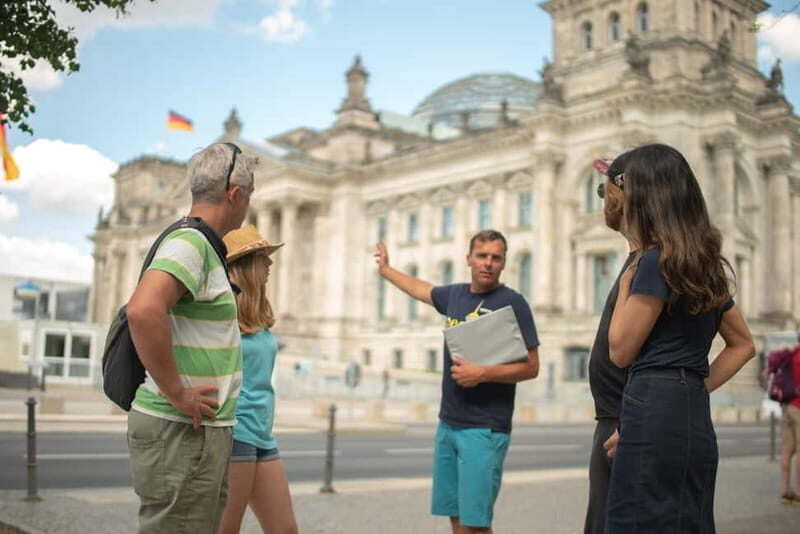
Next comes the part where Berlin’s WWII story gets uncomfortable, and it should. Your guide covers the locations connected to Himmler’s SS and Gestapo headquarters, described as major “nerve centers” of Nazi terror.
What I like about how this is handled is the balance between facts and restraint. This is a topic with real victims and real human consequences. Guides such as Hannah, Will, and Mikhail are repeatedly praised for treating sensitive material with respect while still answering questions directly.
On a walking tour like this, your job is simple: slow down enough to absorb what the guide is linking to the address. The buildings may be modern or altered, but the story is tied to what happened there. This is also where wearing comfortable shoes helps—because you’ll likely want to stand longer than you expected, just to let it sink in.
Hitler’s rise to power: Germania’s big plan and the road to the bunker
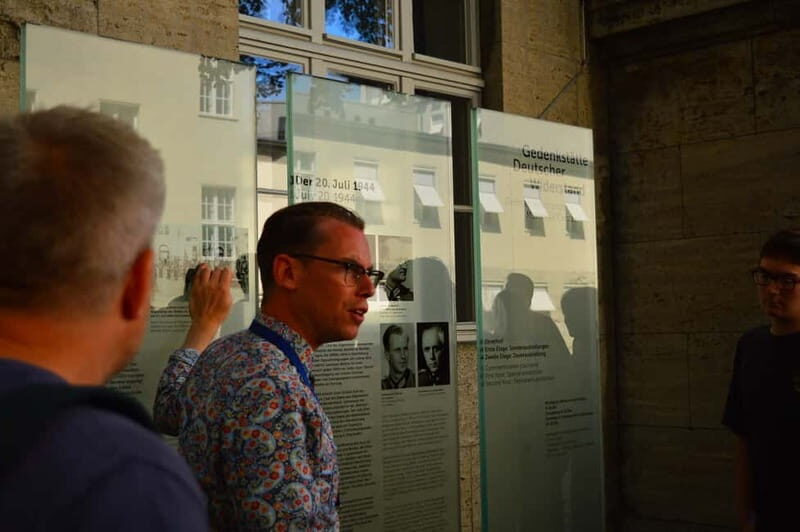
Then the tour turns toward Hitler’s world—both the “planned future” and the end game. You’ll follow along Hitler’s envisioned Germania axis, connected to Albert Speer’s planning. Think of this as the regime’s attempt to design eternity: grand scale, straight lines, and buildings meant to broadcast power for generations.
Walking that kind of axis in Berlin is a useful reality check. It shows you how authoritarian visions don’t stay in speeches. They translate into city planning, architecture, and institutional priorities. Even when the full Germania dream never fully materialized, the idea still shapes how you read the city today.
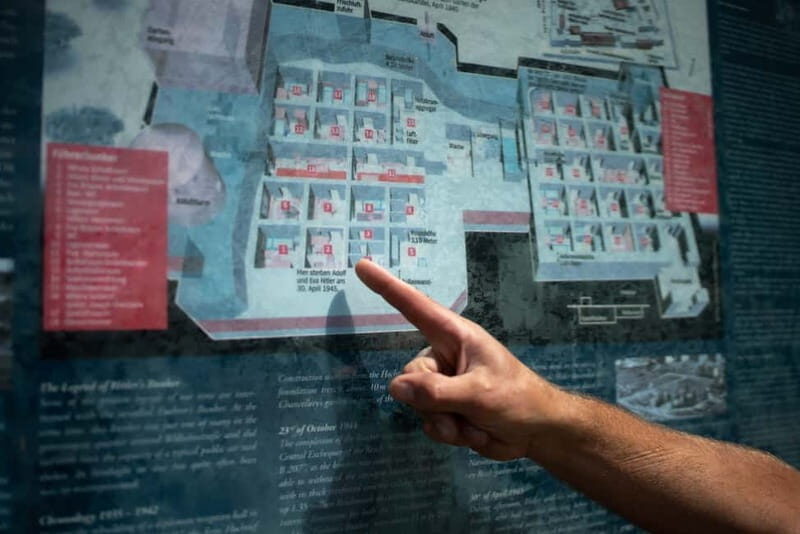
And then comes the stop you’ll remember: the location tied to the Führer Bunker—including where Hitler’s suicide is associated with the bunker site. Your guide walks through Hitler’s final days step-by-step, including what happened afterward to his remains.
This section is heavy, but it’s also clarifying. You’re not just learning that the regime fell; you’re learning how it fell in the physical geography of Berlin.
Topography of Terror: connecting what you saw outside to what the regime did
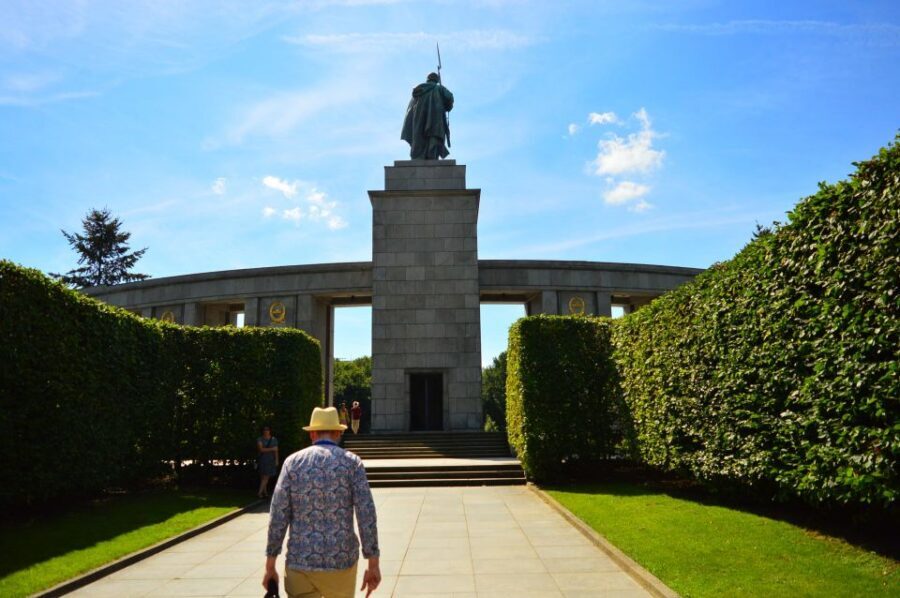
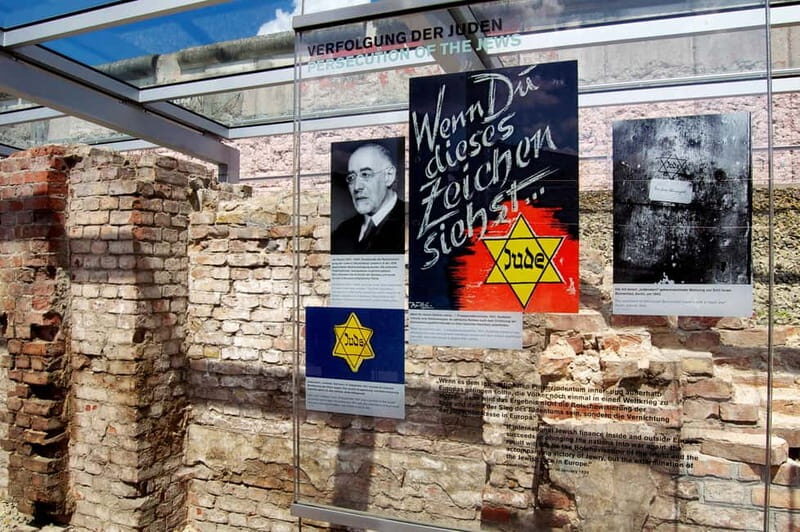
The Topography of Terror exhibit is part of the tour’s flow for a reason. Outdoor stops can make history feel like a list of addresses. The exhibit helps tie those addresses to documented actions—why the terror happened, how institutions worked, and what life and punishment looked like under the Nazi system.
You’ll feel the shift from “site spotting” to understanding the system. It’s the kind of stop that makes the earlier parts click. When you’ve just been standing near locations linked to propaganda and secret police, the exhibit’s context gives your brain a framework for what those organizations actually did.
Guides are praised for being respectful here, which matters. This isn’t a topic you want handled like trivia. The best moments come when your guide explains the structure and purpose of Nazi repression without sensationalizing it.




The Reichstag and the Soviet assault: tracking the end of the war on foot
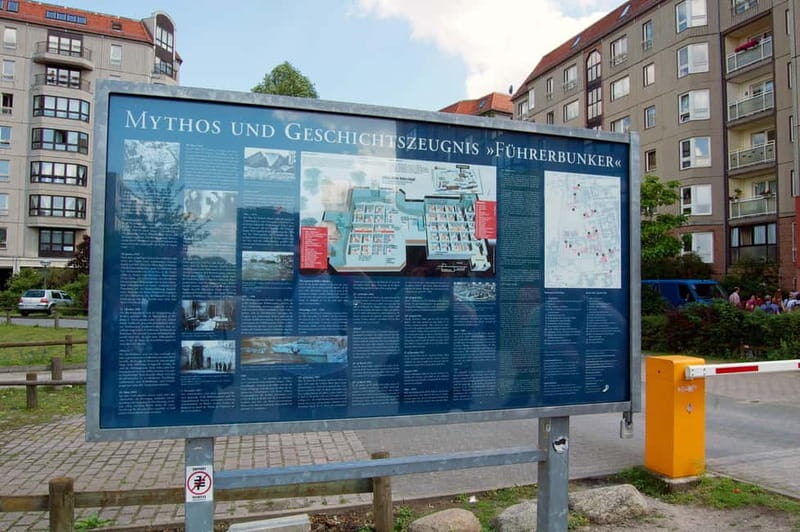
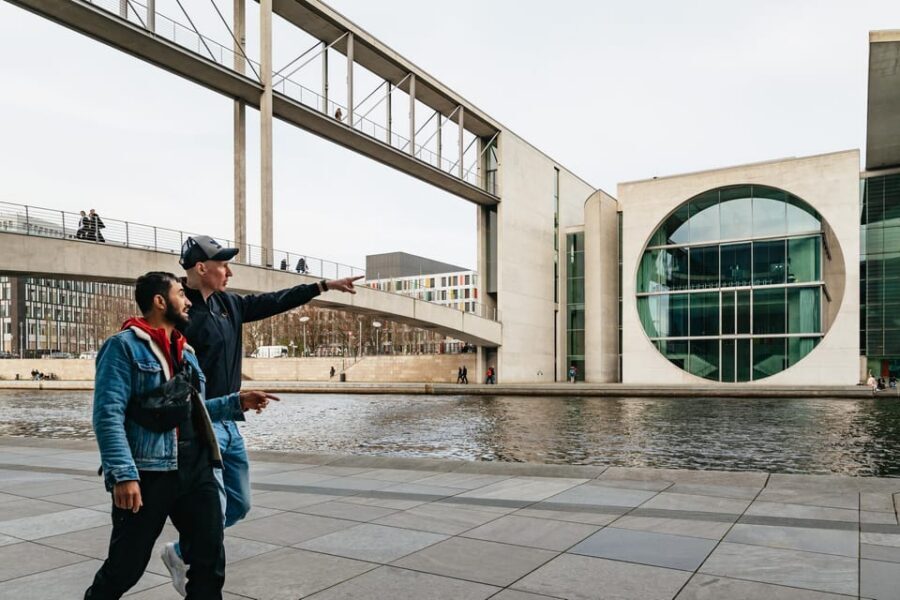
After Topography of Terror, the tour shifts toward Berlin’s final battlefield story. You’ll visit the area tied to the Reichstag, described as the final battlefield of Nazi Germany, and you’ll follow the path of the Soviet assault from there.
This is one of the tour’s best “storytelling mechanics.” You’re not asked to imagine the war in your head and hope it clicks. Your guide helps you connect the direction of movement to the historical outcome—how the fight reached the center and why the Reichstag became symbolic at the end.
The guided pacing also helps. You get enough time to look around, then enough context to understand why people fought there. If you’re a history student, you’ll probably appreciate the clarity. If you’re a casual visitor, you’ll appreciate not getting lost in dates.
Brandenburg Gate to the Soviet War Memorial: two endings in the same city
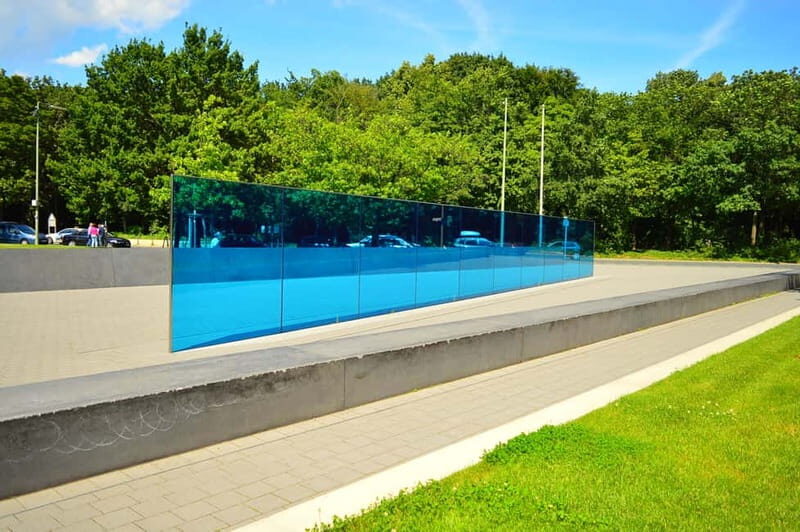
After the Reichstag area, you’ll pass the Brandenburg Gate. The guide explains its layered meaning: once associated with Nazi power, later tied to the Cold War divide. Seeing it during a tour like this makes it feel like a timeline carved into stone.
Then you land at the Soviet War Memorial, where the experience takes a physical turn. The memorial is flanked by T-34 tanks and Red Army Howitzers. That detail matters because it turns abstract victory into something you can literally stand in front of.
This stop is a reminder that WWII is not just one side’s story. In Berlin, victory and aftermath landed fast, and the city wears both narratives in public space. Your guide helps you hold that whole picture without turning it into a simple good-versus-bad movie.
Price and timing: is $20 for 3 hours good value?
At $20 per person for a roughly 3-hour walking tour, the price is easy to justify if you care about context. For one day in Berlin, it’s not a huge commitment of time, and it covers multiple major sites you’d otherwise try to stitch together on your own.
Why this feels like value: the tour isn’t only about seeing famous buildings. It’s about hearing how Nazi institutions linked together—propaganda, policing, military planning, and political leadership—then watching how the story ends at the Reichstag and Soviet memorial sites.
Three hours also makes sense for a topic like this. It’s long enough to create a real narrative arc, but short enough that you’re not stuck on your feet for an entire half-day. That said, if you’re extremely sensitive to emotionally heavy content, pace yourself and take breaks when your body asks for them.
What to bring and how to prepare
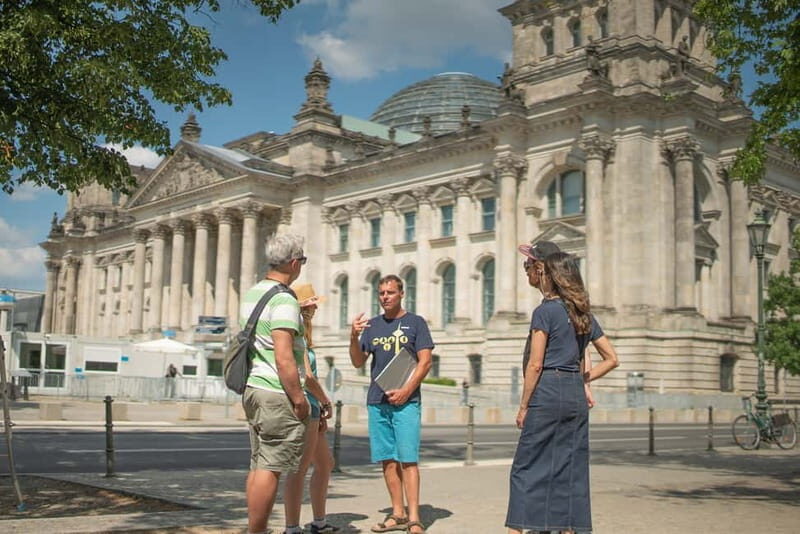
This tour operates rain or shine, so plan for weather. Wear comfortable shoes and bring weather-appropriate clothing. You’re outside a lot, and the route is built around walking between sites.
Also, because the tour is a walking route with no scheduled break mentioned in comments, I’d bring practical extras: a bottle of water and something small to snack on later. The best tours feel smooth because you don’t spend energy solving logistics.
Who this tour fits best (and who might want a different day plan)
This tour fits you if you want WWII Berlin history tied to physical locations. If you like guides who can answer questions and explain how institutions worked—propaganda offices, secret-police headquarters, and war-planning structures—you’ll probably enjoy the format.
It’s also a strong fit for anyone visiting Berlin for the first time and trying to understand the city’s 20th-century turning points. This route connects the rise, the machinery, and the end—without making you read a wall of text before you even start walking.
Who might pause: if you’re traveling with limited mobility or you want an activity with lots of built-in rest stops. The tour is designed around walking and standing at multiple points, and you may not have as many “pause buttons” as you’d like.
Should you book this Berlin Third Reich walking tour?
Yes—if you want a guided, site-connected story of how Nazi power worked and how Berlin ended the war. For $20 and around 3 hours, you get a focused route that hits the big landmarks: the Führer Bunker location, the Topography of Terror exhibit, the Reichstag area, the Brandenburg Gate, and the Soviet War Memorial with T-34 tanks and howitzers.
If you do book, go in with one expectation: this is history with weight. The payoff is a clearer, more grounded understanding of Berlin’s WWII chapter, told in the streets where it happened.
FAQ
How long is the Berlin Third Reich, Hitler, and WWII walking tour?
The tour lasts about 3 hours.
How much does the tour cost?
It’s listed at $20 per person.
Where does the tour meet?
You’ll meet outside Friedrichstraße train station, on the square between the Tränenpalast (Palace of Tears) and the station. An address listed is Reichstagufer 17, 10117 Berlin.
Where does the tour end?
The tour ends back at the meeting point.
What languages is the guide available in?
The live guide is available in English, German, and Spanish.
Is the tour available in private or small groups?
Yes. It offers private or small group options.
Does the tour run in bad weather?
Yes, it operates rain or shine.
Is pickup available?
Pickup is available only for private options. You’d wait in the hotel lobby 5 minutes before pickup, and the guide will have a yellow name tag.
What should I bring?
Bring comfortable shoes and comfortable clothes, plus weather-appropriate clothing.
Are there scheduled water or toilet breaks?
There are no water or toilet breaks mentioned as part of the tour.
What’s the cancellation policy?
You can cancel up to 24 hours in advance for a full refund.
Can I reserve without paying right away?
Yes, it offers Reserve now & pay later, so you can book and pay nothing today.