REVIEW · BERLIN
Berlin: The Time of National Socialism Walking Tour
Book on GetYourGuide →Operated by You In Berlin · Bookable on GetYourGuide
Nazi-era Berlin hits different on foot. This 2-hour walk led by a local guide shows hidden remnants of WWII while you connect propaganda, power, and terror to real street corners. You start at the Brandenburg Gate and keep moving through places that still carry the weight of what happened there.
I especially like how the guide ties buildings to the people who used them, so the story doesn’t stay abstract. I also like the way you see WWII fallout in the middle of today’s Berlin, not just in museums. One drawback: you cover a lot of ground outdoors for two hours, and the topic is heavy, so it’s a good idea to bring warm clothes and mental space.
In This Review
- Key takeaways before you go
- Why This 2-Hour Walk Makes Nazi-Era Berlin Feel Real
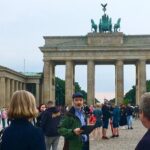
- From Pariser Platz to the Brandenburg Gate: Propaganda in Real Space
- Reichstag Area: Where Political Power Became a Machine
- Tiergarten Soviet War Memorial: Seeing WWII Aftermath in Today’s City
- Holocaust Memorial: Remembrance, Not Page-Turning
- Johann Georg Elser Memorial: A Different Kind of Resistance
- Hitler’s Bunker Area and the Government District Feel Like a Map of Control
- Topography of Terror: The SS and Secret Police on Their Operating Ground
- The Guide Makes or Breaks This Topic: Why Carlo Stands Out
- Price and Logistics for a $43 Two-Hour Walk
- Weather, Comfort, and Emotional Intensity: Plan Smart
- Who Should Book This Tour (and Who Might Skip)
- Should You Book This Tour?
- FAQ
- How long is the Berlin: The Time of National Socialism walking tour?
- How much does the tour cost?
- Where do I meet the guide?
- What language is the tour in?
- Is the tour wheelchair accessible?
- How big is the group?
- Does the tour run in bad weather?
- Is there free cancellation?
Key takeaways before you go
- Start at Brandenburg Gate and follow the logic of Nazi propaganda straight into key power sites
- Tiergarten Soviet War Memorial puts WWII aftermath on display with visible tank and artillery elements
- Holocaust Memorial stop grounds the tour in remembrance for the murdered Jews of Europe
- Johann Georg Elser memorial adds a counterpoint with German resistance history
- Topography of Terror focuses on SS and security institutions in the very area where they operated
- Small group (up to 10) helps you ask questions and keep pace with the story
Why This 2-Hour Walk Makes Nazi-Era Berlin Feel Real
Berlin can look polished and ordinary from street level. That’s why this kind of walk matters: you’re not only looking at landmarks, you’re learning what they meant at the time and how the city carries those layers forward.
What I like is the tight format. Two hours is short enough to stay energetic, but long enough to connect the dots from propaganda to government power to terror institutions. If you’re trying to make sense of National Socialism in Berlin without getting lost in dates, this is an effective way to get your bearings fast.
You can also read our reviews of more walking tours in Berlin


From Pariser Platz to the Brandenburg Gate: Propaganda in Real Space
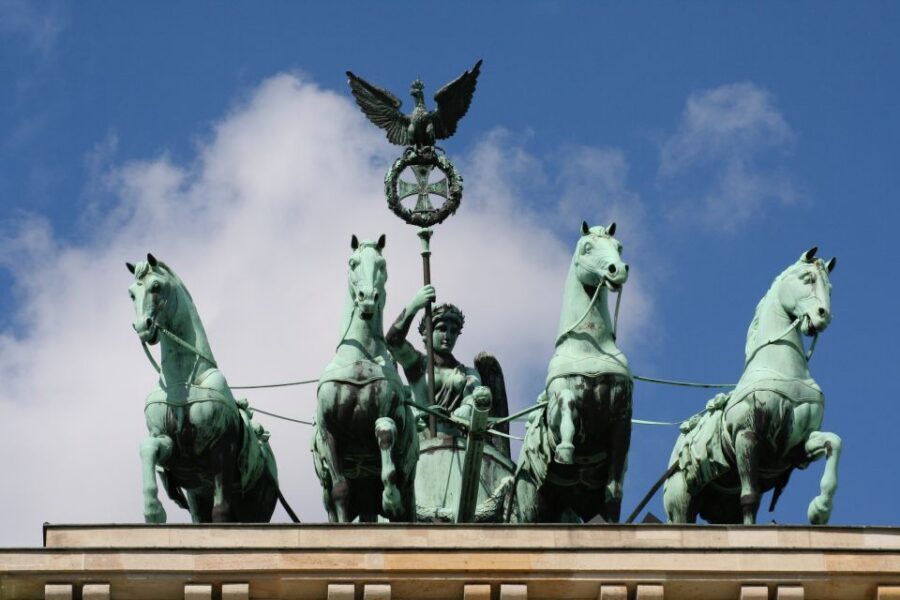
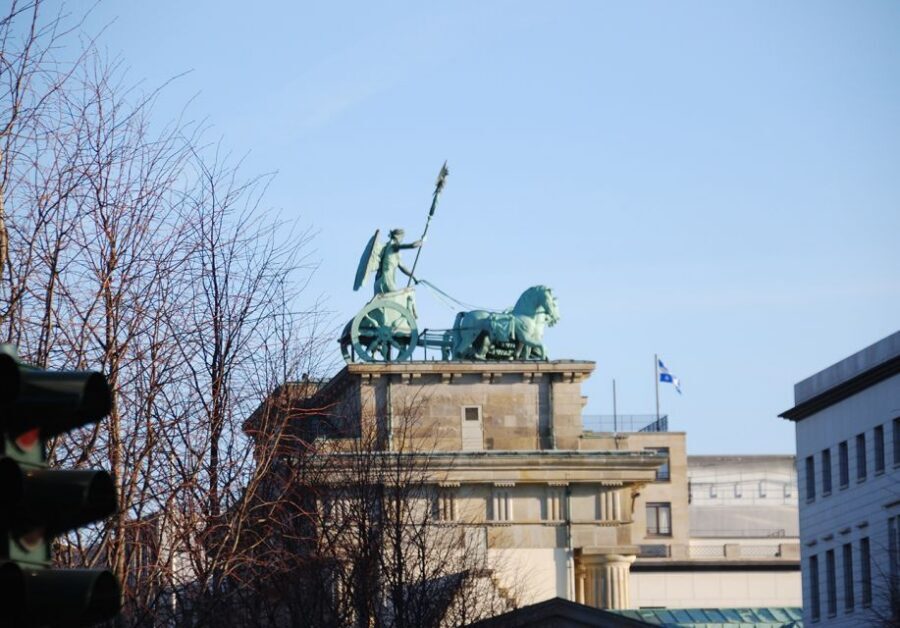
You begin near Pariser Platz, and then the tour lands at Brandenburg Gate, Berlin’s famous symbol. Here, the emphasis is on how the Nazis used spectacle—marches and public performances—to project power. Standing at the gate, it’s easier to understand why architecture was part of the messaging.
The guide’s approach is practical: you don’t just hear what happened, you learn what to notice. That turns the gate from a photo spot into a historical instrument. You’ll also walk with context toward the next major site instead of treating each stop like a separate sightseeing postcard.
Reichstag Area: Where Political Power Became a Machine
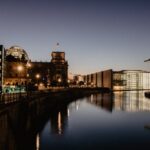
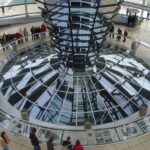
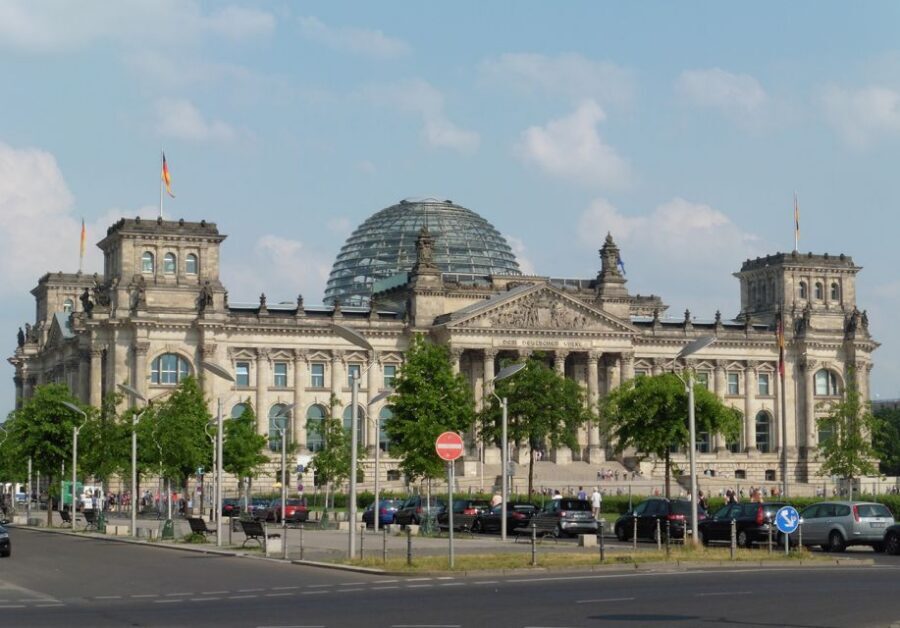
After the gate, you move toward the Reichstag, which today is the seat of the German parliament. The tour explains how the Nazi Party, NSDAP, and Adolf Hitler came to power in 1933, tying that political shift to the surrounding government landscape.
The useful takeaway here is cause and effect. It’s one thing to read about political takeover; it’s another to walk the same corridors of authority and see how the city’s government center became part of the machinery. Expect the guide to frame this as a turning point, not a distant chapter in a textbook.
Tiergarten Soviet War Memorial: Seeing WWII Aftermath in Today’s City
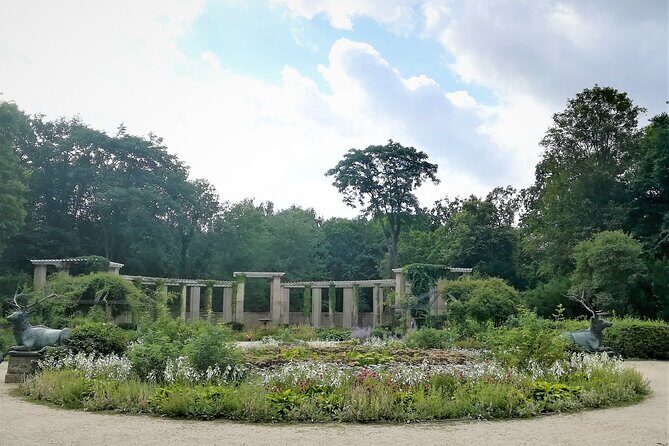
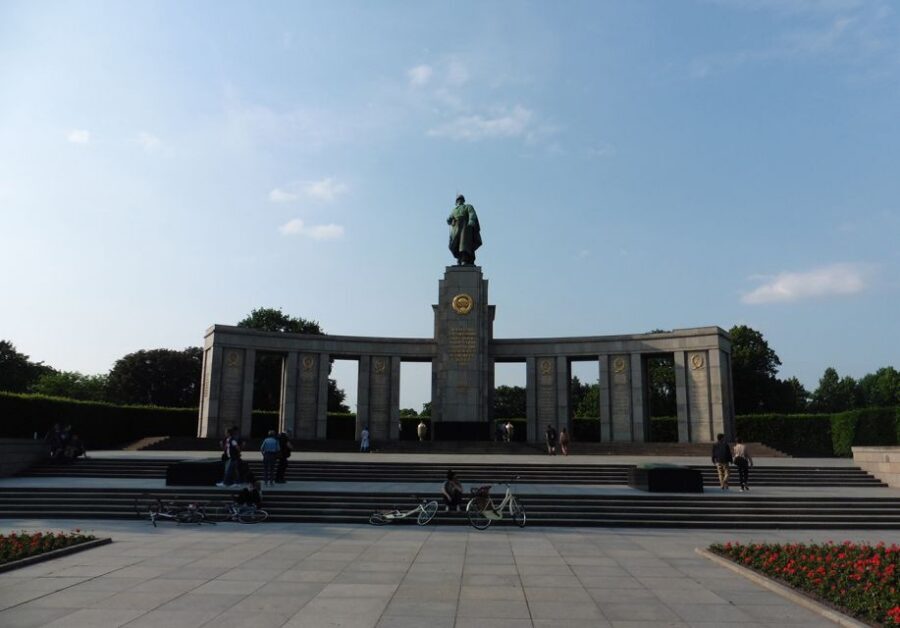
Next comes the Tiergarten Soviet War Memorial, where you can see elements connected to WWII—specifically Soviet T-34 tanks and artillery in the memorial setting. This stop shifts the lens from Nazi rise and control to the destruction and consequences that followed.
I like this part because it breaks the spell of only talking about perpetrators. The city didn’t just change regimes; it absorbed the cost of war. Even if you know WWII basics, the physical presence of military artifacts in a memorial context gives you a sharper sense of scale.
Holocaust Memorial: Remembrance, Not Page-Turning
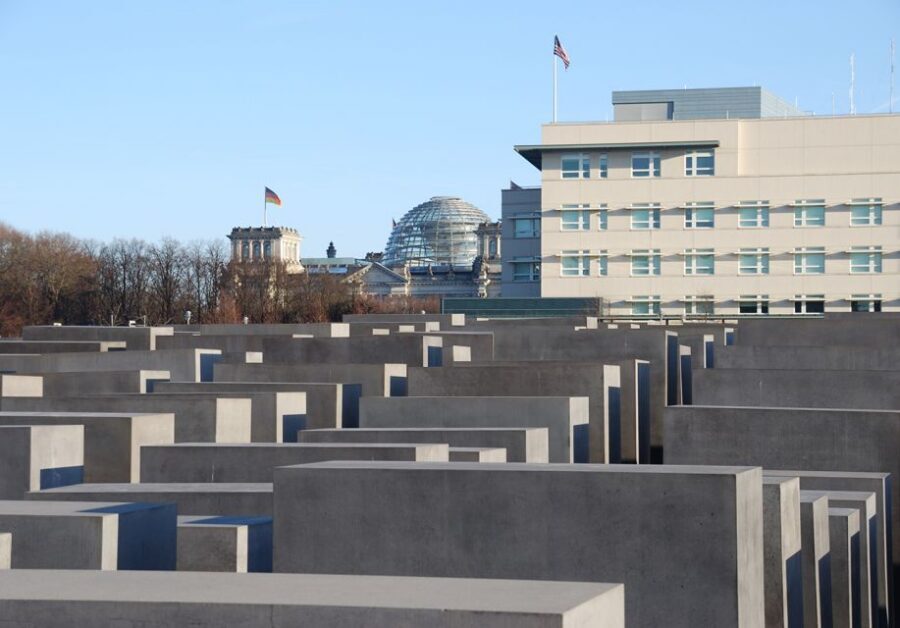
From there, you reach the Holocaust Memorial, dedicated to the murdered Jews of Europe. This is the stop where the tone becomes quieter and heavier. The guide uses this location to bring focus to what “terror” meant for individuals and families, not just for political opponents.
If you’ve visited memorials before, you might think you already understand them. Still, the way this walk positions the Holocaust Memorial inside the broader story of Nazi control gives the site additional weight. It’s the moment when the history stops being about structures and becomes about human loss.
Tip for your body: this stop can feel emotionally intense. Give yourself a moment, and don’t rush. If you need a breather, step aside and let the group move a bit ahead.


Johann Georg Elser Memorial: A Different Kind of Resistance
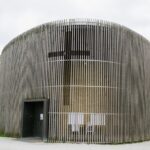
One of the smartest additions is the stop at the Johann Georg Elser Memorial. Elser is tied to German resistance history, and the tour uses his story to complicate the idea that Germans either supported or ignored the regime.
This is a valuable pivot. It’s easy for Nazi-era tours to flatten people into two categories: villains and victims. The Elser stop makes room for resistance—even when it was risky, difficult, and limited by circumstances.
If you care about the moral landscape of history, you’ll likely appreciate this. It helps you see that opposition existed, even inside a dictatorship that tried to control information and fear.
Hitler’s Bunker Area and the Government District Feel Like a Map of Control
As you continue, the tour moves toward the location where Hitler’s bunker and the New Reich Chancellery were located. You also visit the surrounding government district area from that period.
This is where the guide’s storytelling earns its money. Instead of simply saying where things were, the tour connects the geography of decision-making: where leadership operated, where orders came from, and how the government’s layout supported control. Walking this section helps you understand why Berlin became such a critical stage for the regime.
One thing to watch for: you may feel a bit unsettled here. That’s normal. You’re in places where power decisions were made, and the tour doesn’t pretend it was a normal job for ordinary people.
Nearby, you also pass through the Detlev-Rohwedder-Haus area. The tour uses this stop in the flow of government-era Berlin, which helps you keep understanding the timeline and purpose of each location, even when the modern streets look calm.
Topography of Terror: The SS and Secret Police on Their Operating Ground
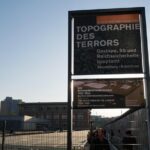
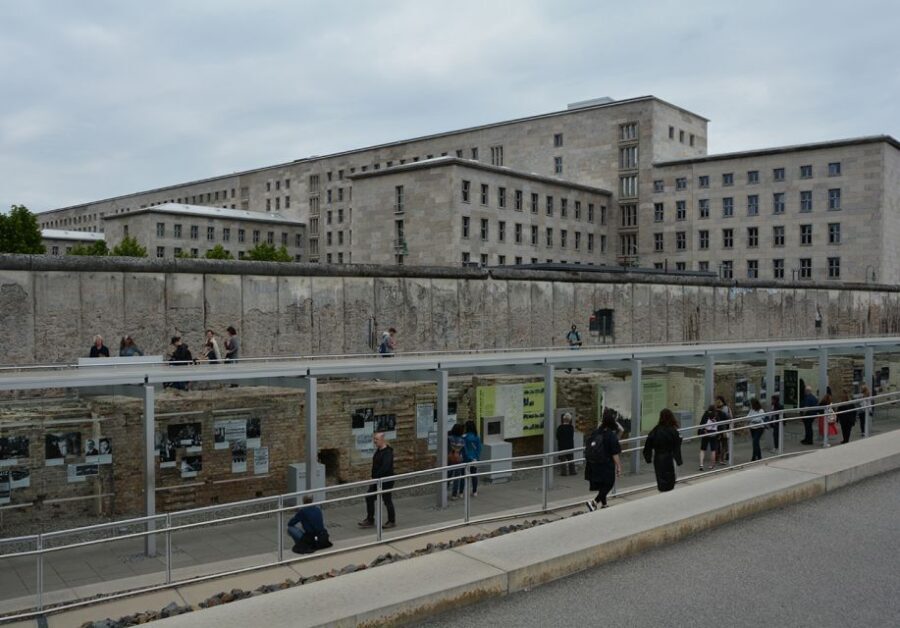
The tour’s final big chapter is Topography of Terror Documentation Center, where you learn about the headquarters that were in the area during WWII. The focus includes the SS, the Secret State Police, the Reich Security Main Office, and the Reich Aviation Ministry.
This part works because it explains what those names meant in practice. You’re not just memorizing abbreviations. You get the sense of an administrative and security network built to enforce Nazi rule, track opponents, and spread terror. Seeing it connected to a real district helps the story feel structured instead of chaotic.
I also like how resistance stories come back through the tour. The guide weaves in examples of German Resistance against the dictatorship, so the narrative doesn’t only describe how repression worked. It also points at the human effort to push back.
The Guide Makes or Breaks This Topic: Why Carlo Stands Out
The quality of the guide matters a lot for this subject, and the experience here seems to land that balance well. In one case, the tour ran for just two people, and the guide—Carlo—kept the pace steady even when the streets were icy and the weather was brutal. That tells you something important: the tour isn’t a slow museum crawl. It’s a live explanation that still has to function in real Berlin conditions.
Carlo’s style is also described as enthusiastic and story-driven, with time spent answering questions. You don’t just hear facts; you get context and extra tips for Berlin afterward. If you’re the type who asks why something happened, you’ll likely appreciate that the guide doesn’t brush questions aside.
Price and Logistics for a $43 Two-Hour Walk
At $43 per person for 2 hours, you’re paying for a certified guiding experience built around meaning, not just movement. You’re not buying museum tickets here, so the value comes from interpretation: how the guide links each stop to power, propaganda, and the institutions of terror.
Also, because it’s a small group limited to 10 participants, you’re not stuck in a noisy herd. That matters on a tour like this, where questions can clarify the story and where the group’s energy affects how comfortable people feel with the subject matter.
Logistics are straightforward. You meet at the exit of S+U Bhf Brandenburger Tor, exit B, heading toward Pariser Platz / Straße des 17. Juni. Look for the guide with the GetYourGuide – You in Berlin flag. The tour is German-language, and it’s listed as wheelchair accessible, which is good to know if you’re planning accessibility needs.
Weather, Comfort, and Emotional Intensity: Plan Smart
This walk runs in all weather conditions, including public holidays. So treat it like an outdoor experience first, history lesson second. Wear layers. Bring shoes that handle damp pavement. In winter, you’ll be glad you didn’t skip gloves.
Now for the emotional part: you’ll visit sites connected to the Holocaust Memorial and the terror apparatus of the Nazi regime. This is not “light learning.” If your idea of a vacation includes dark history with distance and jokes on top, you might find the tone challenging. If you want clarity, context, and remembrance, you’ll probably leave with your understanding sharpened.
Who Should Book This Tour (and Who Might Skip)
I think this works best for you if you:
- want a focused, story-led introduction to National Socialism in Berlin
- enjoy connecting history to real buildings and layouts
- want to see WWII traces still present in public space
- prefer small-group guiding where questions can actually get answered
You might consider skipping if:
- you’re uncomfortable with emotionally heavy historical topics
- you don’t do well with walking outdoors in cold or rain
- you’re only looking for quick photo stops rather than meaning
Should You Book This Tour?
Yes, if you want your Berlin understanding to go from name-and-date to place-and-purpose. The tour’s strength is the way it links propaganda, government power, WWII aftermath, and the institutions of terror into one coherent route.
For $43 and 2 hours, it’s a practical way to cover major sites without spending your whole day running from one museum to another. Just go prepared for the weather and for the subject matter, and you’ll come away with a much clearer mental map of how Berlin functioned under the Nazi regime.
FAQ
How long is the Berlin: The Time of National Socialism walking tour?
The tour lasts 2 hours.
How much does the tour cost?
The price is $43 per person.
Where do I meet the guide?
Meet at the exit of the metro station S+U Bhf Brandenburger Tor, exit B, in the direction of Pariser Platz/Straße des 17. Juni. Look for the guide with the GetYourGuide – You in Berlin flag.
What language is the tour in?
The live tour guide language is German.
Is the tour wheelchair accessible?
Yes, the tour is listed as wheelchair accessible.
How big is the group?
It’s a small group limited to 10 participants.
Does the tour run in bad weather?
Yes. The tour takes place in all weather conditions and on all public holidays.
Is there free cancellation?
Yes. You can cancel up to 24 hours in advance for a full refund.