REVIEW · BERLIN
Berlin: Sachsenhausen Concentration Camp Museum Tour
Book on GetYourGuide →Operated by Virtual Travel · Bookable on GetYourGuide
History gets louder at Sachsenhausen. This tour takes you from Alexanderplatz out to the Sachsenhausen Memorial, then guides you across the camp grounds with an English-speaking, certified guide who keeps the story grounded and respectful. You’ll also get a smooth rail hop that makes the trip feel doable, even though the subject matter is anything but light.
What I like most is the way the guide connects places to what happened there, including narratives of hardship and threads of optimism and resistance inside the machinery of terror. The other plus: you’re likely to hear especially clear, chronological framing from guides such as Miguel, who’s known for tying the build-up to WWII to what visitors see. The one drawback to plan for is that you’re out walking and standing for a long stretch, so wrap up warm and expect an emotionally heavy day.
In This Review
- Key highlights you should care about
- Why Sachsenhausen feels different from a standard history stop
- Getting there from Alexanderplatz: the train ride as your warm-up
- The walk to the memorial: time to shift gears
- The guided camp tour: cells, towers, and the human story behind the system
- Museum context and Berlin’s change from chaos to present-day life
- Price and value: €18 isn’t the full cost, but it’s fair
- Who this Sachsenhausen tour suits best
- What to bring and how to prepare for a respectful visit
- Should you book Sachsenhausen with a guided tour?
- FAQ
- What’s the meeting point for the Sachsenhausen tour?
- How long is the tour from start to finish?
- Is entry to the Sachsenhausen Memorial included?
- Do I need to buy public transportation tickets?
- Is the tour offered in English?
- Can I cancel and get a refund?
Key highlights you should care about
- Certified English guide who explains the camp layout with care and respect
- Premier Inn Alexanderplatz meeting point makes it easy to find before the train
- Sachsenhausen Memorial grounds tour lasting about 3 hours on-site
- Stories of daily struggle and small acts of defiance, not just dates and headlines
- Berlin context that links the past to what the city became afterward
- Value for the price, since entry to the memorial is included
Why Sachsenhausen feels different from a standard history stop
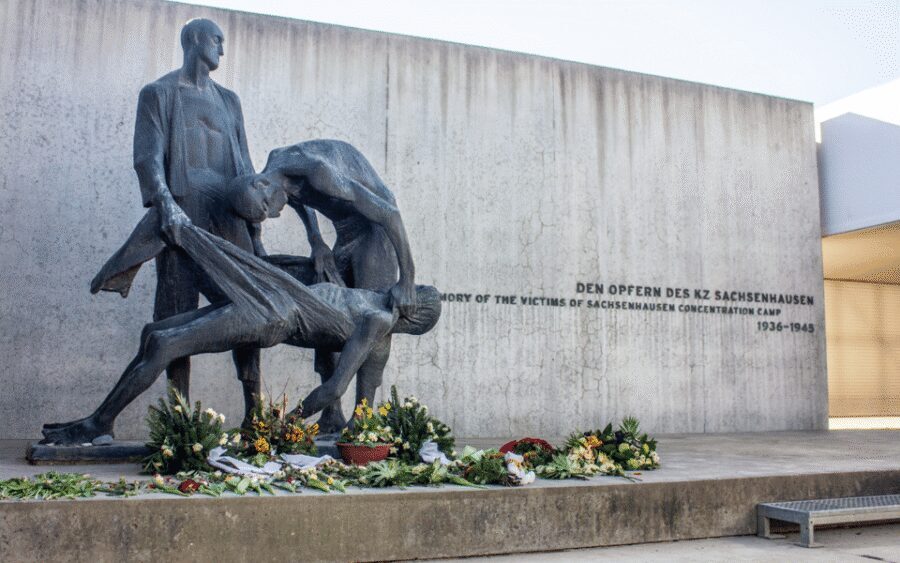
Sachsenhausen isn’t a tidy “museum-only” experience. It’s a real memorial site built around what happened there, so even the act of walking through the space changes your perspective. You don’t just learn that the Nazi regime created a system of imprisonment and punishment—you see how the camp’s layout was designed to control people, break them down, and then erase their identities.
This tour matters because the guide doesn’t treat it like a checklist. The experience is built around explanation plus reflection. You’ll hear how the camp worked day to day, what inmates endured, and where human resilience showed up—sometimes in the form of quiet resistance, sometimes as survival itself. That combination is the difference between facts you read once and understanding that actually sticks.
Also, Berlin’s history doesn’t sit in a vacuum here. You’re taken from the city’s present to a space that explains a brutal part of Europe’s past. Then you come back and the contrast hits harder—in a good way, if you’re open to uncomfortable lessons.
You can also read our reviews of more museum experiences in Berlin


Getting there from Alexanderplatz: the train ride as your warm-up
The day starts at the Premier Inn Berlin Alexanderplatz Hotel, and you’ll want to find the white umbrella in front of the entrance. This is important because you’re relying on the group catching the train at the right moment.
Once everyone’s together, you head out by public transportation for about 25 minutes. That ride is more than travel time. It’s often where guides set the stage—especially if you get Miguel, who has been highlighted for sharing context about the build-up to the war and the rise of the camps before you even reach Sachsenhausen. It’s a smart move: by the time you arrive, the site isn’t blank space. It’s part of a timeline.
Two practical notes for your planning:
- You’ll need a valid ABC transit pass for public transportation, and public transit tickets are not included.
- Since this is Berlin, you’ll move fast. If you’re even slightly late to the meeting point, catching the train can become stressful.
The walk to the memorial: time to shift gears
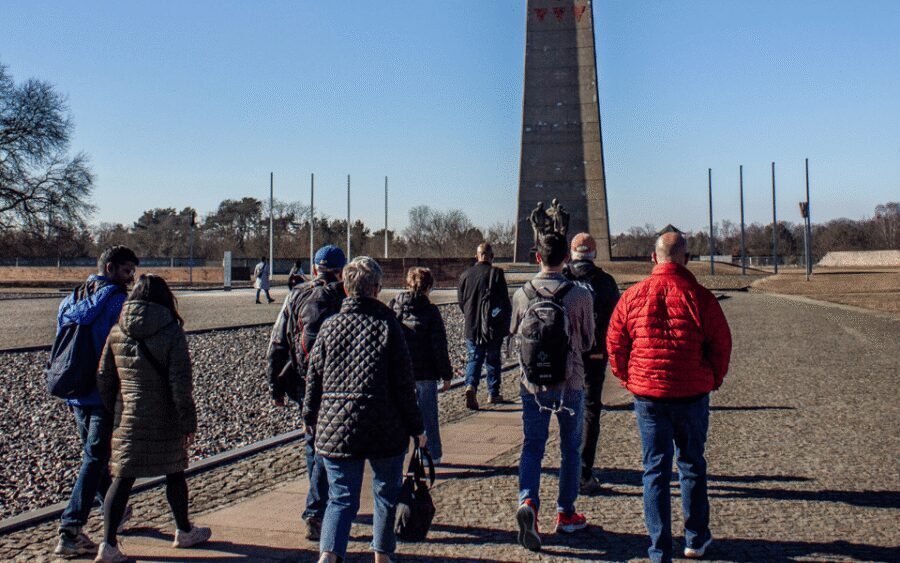
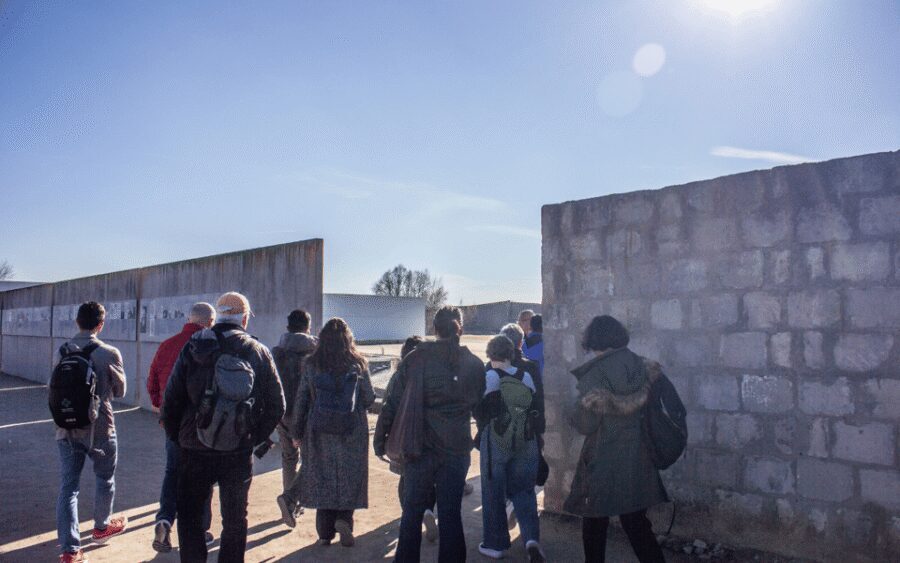
After the train, there’s roughly 30 minutes of walking to reach the Sachsenhausen Memorial area. This isn’t just logistics. It’s your first transition from Berlin’s city rhythm into the camp’s atmosphere.
This part matters because Sachsenhausen is solemn and spacious. The walking stretch gives the group a chance to settle and for the guide to set expectations: what you’re going to see, why it matters, and how to approach the site respectfully. You’ll also be moving on pathways where you’re likely to be on your feet for much longer than you’d expect—so wear shoes you trust.
Even if you think you’re emotionally prepared, it helps to arrive with your body ready too. That’s where warm layers and good footwear pay off.
The guided camp tour: cells, towers, and the human story behind the system
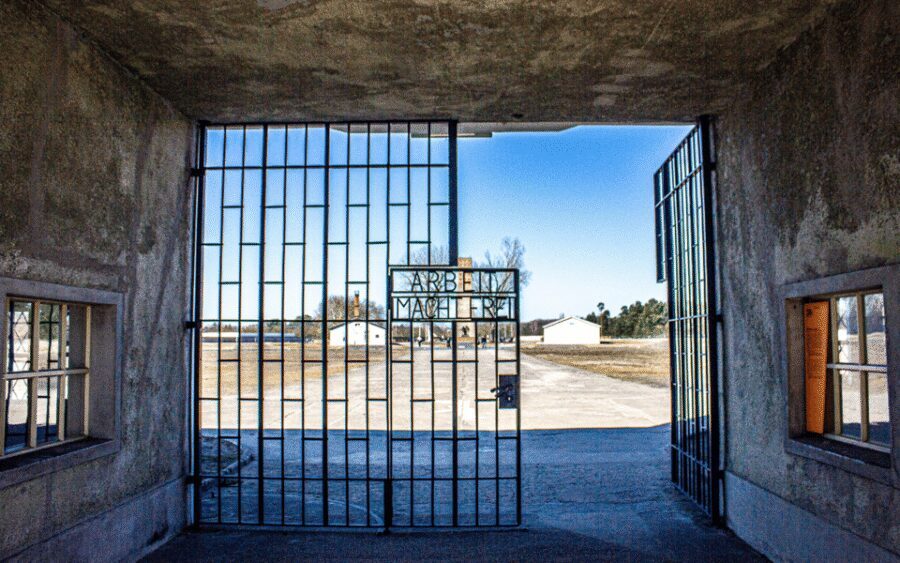
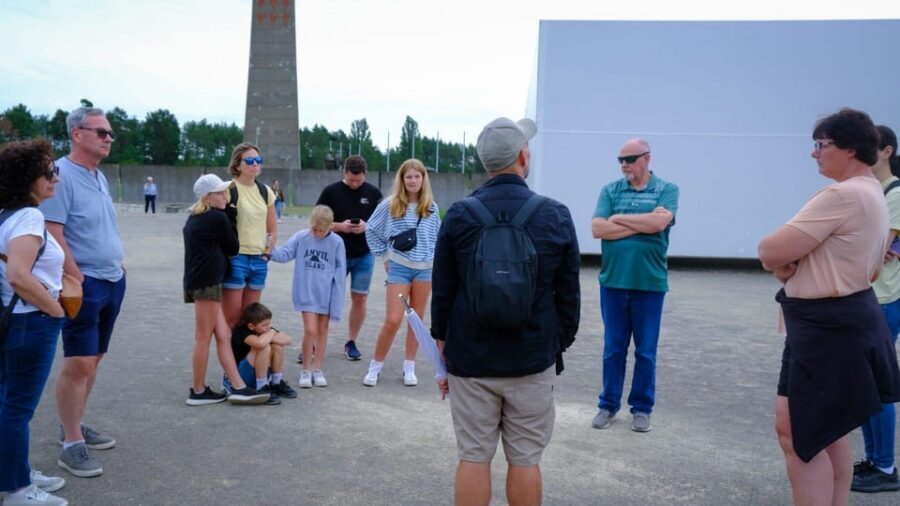
The core of the experience is a guided tour of about 3 hours inside the Sachsenhausen Memorial and Museum. This is where you’ll get the camp’s history explained in a clear, structured way—without turning it into a cold lecture.
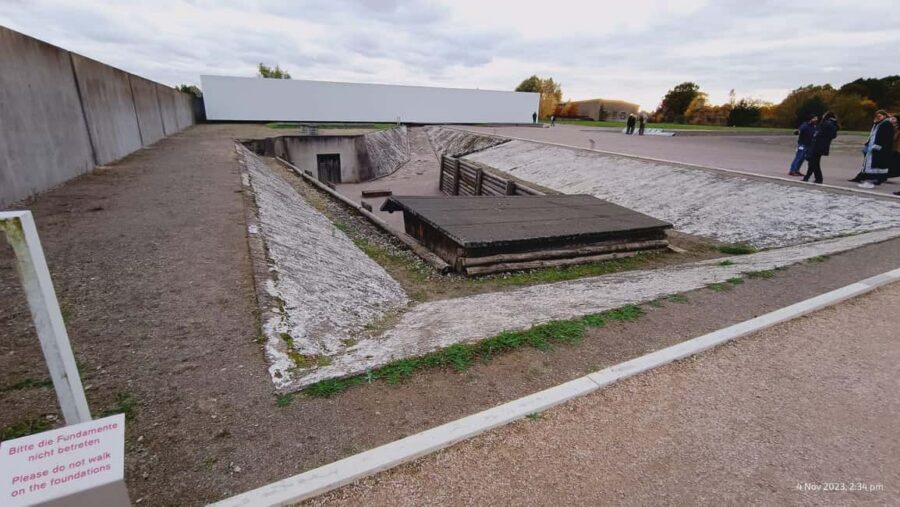
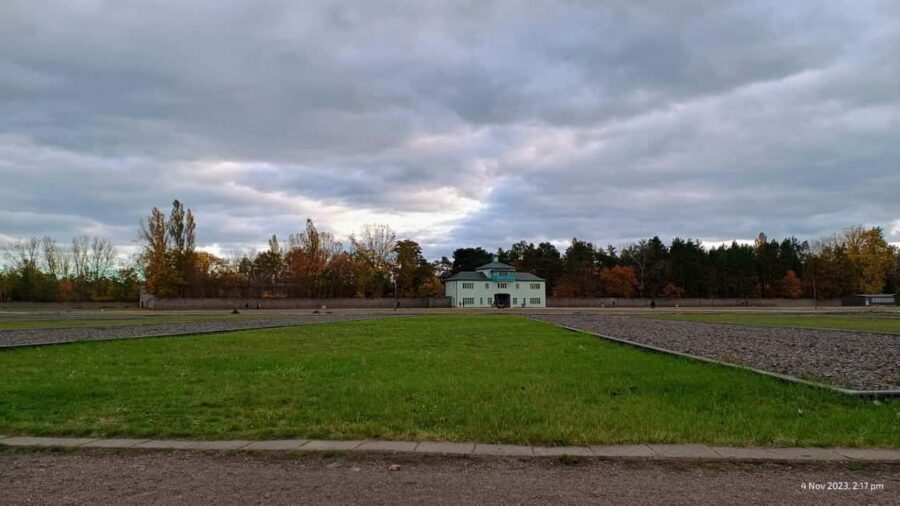
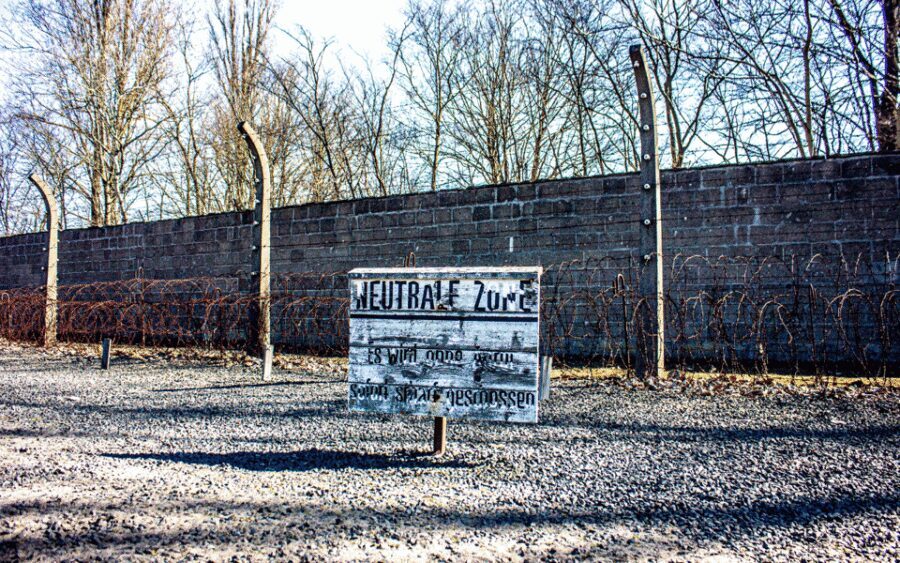
Expect the guide to walk you through the camp’s somber layout, including areas associated with punishment and confinement (like the oppressive cells) and features such as guard towers. The point isn’t to treat the site like a photo set. The tour emphasizes what those elements meant: control, intimidation, forced labor, and the constant threat of brutality.
What I find especially valuable is the way the stories are framed. You’ll hear about daily struggles and small acts of defiance. That last part is key. Too many history tours focus only on suffering. Here, resistance and optimism are part of the narrative too—proof that victims and survivors were not reduced to victims alone.
Different guides bring slightly different strengths. Sharon, for example, has been praised for covering all areas of the camp clearly. Miguel is repeatedly described as passionate and careful with his pacing, taking time to explain big historical issues and the camp’s inner workings in a way that doesn’t talk down to the group. If you get a guide like that, you should expect more than surface-level explanation—you’ll come away with a stronger grasp of how the system worked and why it had such lasting impact.
One more detail that’s easy to overlook when you’re reading about the itinerary: the tour includes a moment for quiet reflection. That pause matters because Sachsenhausen is heavy material. You’ll have time to absorb what you’re seeing instead of speeding past it.
Museum context and Berlin’s change from chaos to present-day life
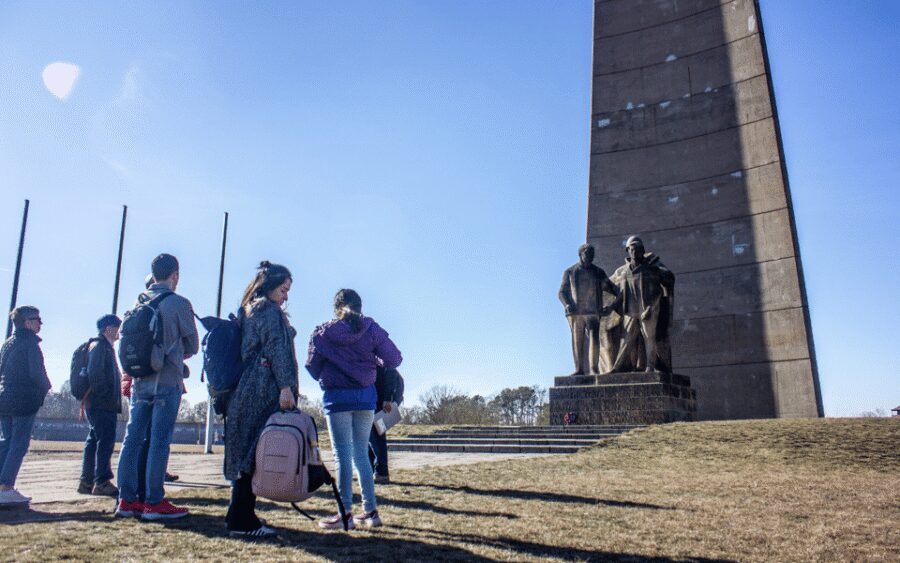
After the on-site walking tour, the experience keeps tying the camp to the wider story of Berlin and Germany. You’ll get context on how the Nazi era reshaped life and institutions—and how, after the war, Berlin’s story evolved into the functioning, diverse city you experience today.
This is part of why the tour feels worthwhile even for visitors who already think they know WWII history. Seeing the camp and then being guided back to the city’s present helps you connect the past to modern identity: what gets remembered, what gets taught, and what a society chooses to face.
It also helps that the tone is described as respectful and integrity-focused. Several guides, including those mentioned in user feedback like Miguel and Richard, are credited with handling the material carefully, honoring the people harmed rather than using the site for shock value. That’s exactly what you want from a memorial visit. If you’re the type who appreciates thoughtful narration and room for questions, this setup fits well.





Price and value: €18 isn’t the full cost, but it’s fair
The headline price is listed at $18 per person for a roughly 5-hour outing. Here’s the important value math:
- What you get for that money: a certified guide and entry to Sachsenhausen Concentration Camp.
- What costs extra: you need public transit (not included), and there’s also a suggested contribution to the memorial of €3 cash.
That means the real cost isn’t just the $18. But once you account for guided interpretation plus admission, it still reads as good value—especially because this isn’t a quick pass-through. You’re there for a significant on-site guided segment, and the explanation can shape how much meaning you take away.
One more thing: the price feels especially reasonable if you’re not comfortable navigating on your own. The tour handles the big structure—getting from central Berlin, reaching the memorial, and returning—so you can focus on the learning and the respectful experience.
Who this Sachsenhausen tour suits best
This tour is a strong fit if you:
- want an English-guided explanation of how the camp system worked, not just general WWII overview
- prefer a structured itinerary with a guide who can answer questions
- appreciate memorial visits that include room for reflection
It may be less ideal if:
- you hate long periods on foot, because you’ll be walking before and during the main tour
- you’re easily overwhelmed by grim historical content and need a gentler pace
The good news is that the format is built to keep you from feeling lost. A guide leads you through the grounds and explains what you’re seeing in a way that’s meant to help you understand, not just witness.
What to bring and how to prepare for a respectful visit
This is one of those trips where small choices make a big difference.
Bring:
- Snacks (listed as recommended)
- A plan for the weather. One recurring tip from the experience feedback is to wrap up warm, because the grounds and outdoor walking can make chilly conditions feel longer.
Prepare mentally:
- Go in with the expectation of heavy themes: hardship, punishment, and the Nazi regime’s cruelty.
- If you have questions, bring them. The tour style is described as giving space for explanation and engagement, and that can help you turn what you see into lasting understanding.
And one practical note: since public transit tickets aren’t included, make sure your pass is sorted before you meet at the hotel.
Should you book Sachsenhausen with a guided tour?
I’d say yes—if you want the kind of visit that changes how you understand WWII. The guided format is the real value here. Sachsenhausen’s layout and purpose are hard to interpret without narration, and the best guides (people like Miguel and Sharon come up often) are praised for making the camp history understandable while staying respectful to the people affected.
Book it if you:
- like structured learning paired with reflection
- want a clearer sense of how the camp functioned day to day
- are traveling in Berlin and want one “must-do” memorial stop that connects past to present
Skip it only if you know you can’t handle long walking time or you’re looking for something lighter. This isn’t a casual attraction. It’s remembrance, education, and a careful look at how a society slid into atrocity—and what must never be forgotten.
FAQ
What’s the meeting point for the Sachsenhausen tour?
You meet at the Premier Inn Berlin Alexanderplatz Hotel. Look for the white umbrella in front of the hotel, and arrive on time so the group can catch the train.
How long is the tour from start to finish?
The full experience is listed as 5 hours.
Is entry to the Sachsenhausen Memorial included?
Yes. Entry to the Sachsenhausen Concentration Camp is included in the tour.
Do I need to buy public transportation tickets?
Public transit tickets are not included, and you’ll need a valid ABC transit pass for public transportation.
Is the tour offered in English?
Yes. The live tour guide speaks English.
Can I cancel and get a refund?
Yes. Free cancellation is available up to 24 hours in advance for a full refund.