REVIEW · BERLIN
Berlin: Hansaviertel “The City of Tomorrow” Guided Tour
Book on GetYourGuide →Operated by Sonderweg-Berlin · Bookable on GetYourGuide
Berlin’s future plans still shape this walk. In just 2 hours in Hansaviertel, you’ll see how postwar Berlin tried to build a structured, spacious city, including landmark architecture like the Berlin Pavilion and the Müller-Rehm/Siegmann House. I also like how the tour keeps the story practical, pointing out what you can still recognize today as you pass places such as Hansaplatz station, the Hansaviertel Library, and Hansaviertel Hospital.
The one catch I’d plan around: in colder months, the schedule may feel a bit late for daylight and warmth, since some people wished it started and ended earlier in winter.
In This Review
- Key points to watch for
- Hansaviertel and the IBA 1957 idea: why this district matters
- The 2-hour pacing: comfortable walking, but mind the season
- Hansaplatz and the everyday civic stops: where the plan meets real life
- Müller-Rehm/Siegmann House and the Berlin Pavilion: the design you can read up close
- Gropius-Haus: when “modern” becomes a personality
- Kaiser-Friedrich Memorial Church and the Swedish House: faith and identity in a design lab
- Hansaviertel houses: Van den Broek House and Schwippert House in context
- The Academy of Art: what the district signals today
- The guide is the real value: Tobias and Mr Schwabe’s approach
- Price and value: is $23 for a 2-hour walk a fair deal?
- Who should book, and who might not love it
- Should you book the Berlin Hansaviertel City of Tomorrow tour?
- FAQ
- How long is the Hansaviertel guided tour?
- What is the price per person?
- Is the tour guided in English or German?
- Where do we meet for the tour?
- Does the tour include a walking component?
- Is the tour wheelchair accessible?
- Is free cancellation available?
- Can I pay later instead of paying right away?
Key points to watch for
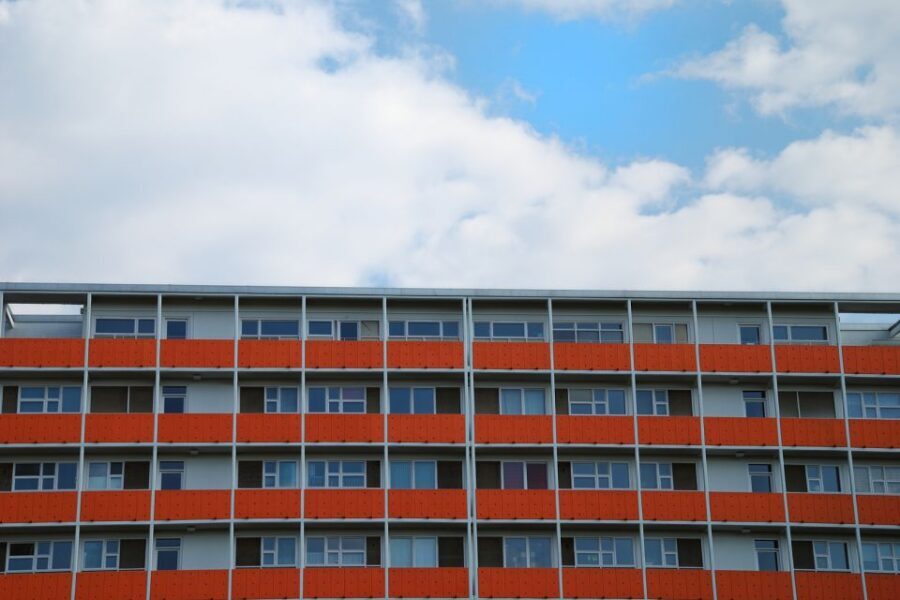
- IBA 1957 planning ideas: you’ll get the why behind the straight lines, open spacing, and modernist layout.
- Real buildings, not just photos: stops include the Gropius-Haus and the Kaiser-Friedrich Memorial Church.
- A mix of countries and architects: houses like the Van den Broek House and Schwippert House show how diverse the project was.
- Hansaplatz as your anchor: the tour ties the architecture to daily city life around the station and civic buildings.
- Guides who tell stories with humor: guides such as Tobias (and also Mr Schwabe) are praised for keeping it lively.
- Perfect if you like 1950s design: this is the kind of tour that makes modernism click fast.
Hansaviertel and the IBA 1957 idea: why this district matters

Hansaviertel is Berlin’s “what if we rebuilt smarter” chapter. The district was newly designed for the International Building Exhibition of 1957, with a modern urban plan that aimed for lots of space and a clear structure. It’s the rare place where you can watch architecture do political and social work at the same time.
On this tour, you’ll connect the dots between the original vision and what survived. The streets and building placements still read like a concept, not an accident. That makes the walk feel like a guided reading of the city: you look up, you spot materials and forms, then you hear what they were meant to do.
You can also read our reviews of more guided tours in Berlin

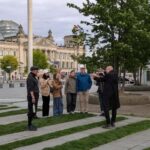

The 2-hour pacing: comfortable walking, but mind the season
This is a 2-hour walking tour, so it moves at a steady city pace rather than a slow museum shuffle. The route is built around clusters of buildings and nearby key points, so you’re not constantly sprinting between far-off neighborhoods. Still, you are outside for the whole time, so dress for the weather.
In winter, Berlin can be a bit brutal, and at least one review specifically wished for an earlier start and finish. If you’re going in December to February, plan for shorter daylight and colder waiting time, and consider wearing layers you can manage quickly.
Hansaplatz and the everyday civic stops: where the plan meets real life
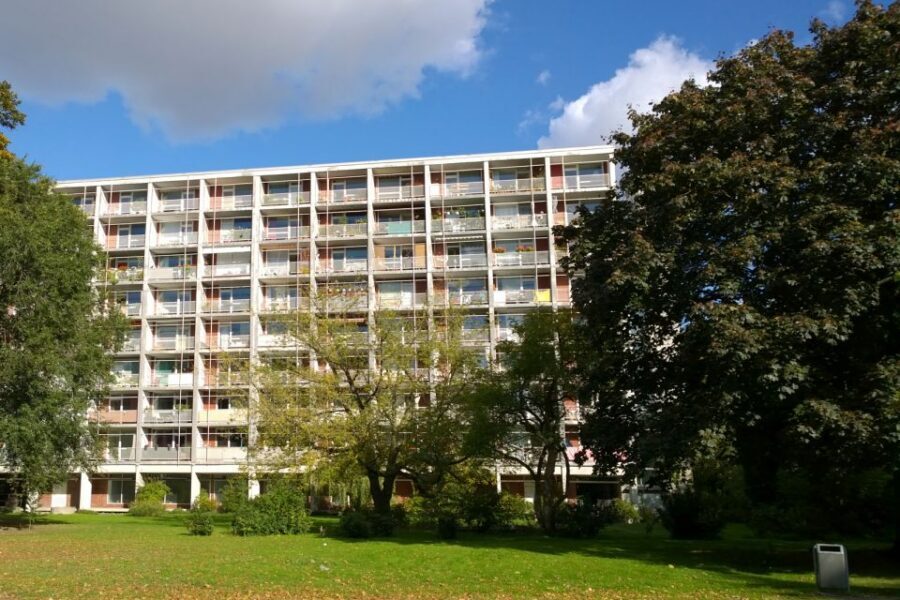
You start by making your bearings in the Hansaviertel area, then the tour brings you toward Hansaplatz station. That stop matters because it shows the district isn’t just a “display” of mid-century architecture. It’s also a working part of Berlin where transit and daily services exist right alongside the design experiments.
From there, you’ll pass the Hansaviertel Library and the Hansaviertel Hospital. These aren’t the headline buildings in postcards, but they’re part of what made the 1957 vision feel “city-like”: modern living meant more than housing blocks. A good design plan needs schools, health care, and culture integrated into the neighborhood.
If you like architecture tours that connect form to function, these civic moments keep the story grounded. If you mostly want only famous facades, you might wish you had a touch more time on the standout houses, but the balance here is part of the point.
Müller-Rehm/Siegmann House and the Berlin Pavilion: the design you can read up close
One of the most satisfying parts of the walk is how you get to see the district’s architecture at human scale. The tour highlights the Müller-Rehm/Siegmann House, giving you context for why it fits this particular postwar “city of tomorrow” concept. You’re not just spotting shapes—you’re learning what those shapes were meant to communicate.
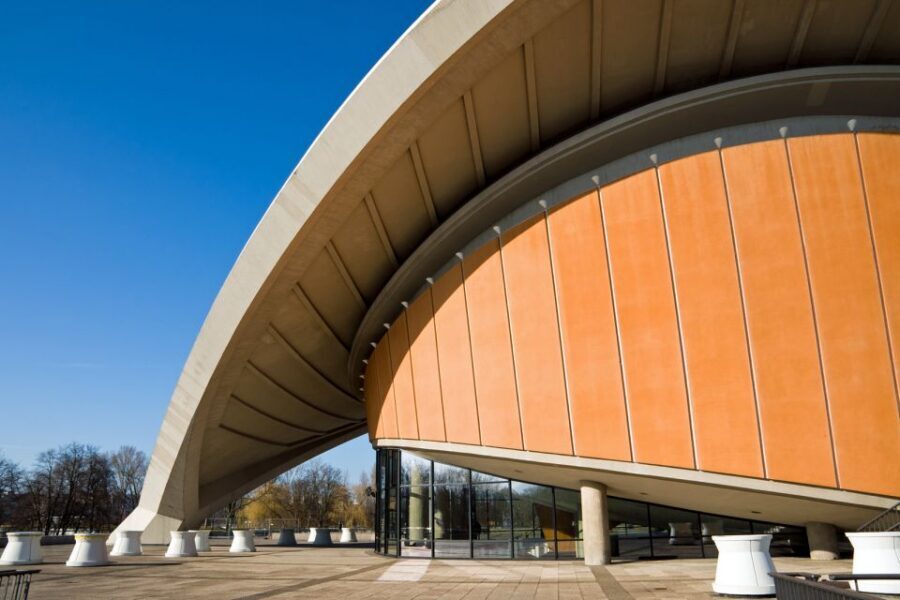
You’ll also visit the Berlin Pavilion. Even if you don’t know modernist terminology, you can still sense the intent: this was a showcase meant to prove a future was possible. You’ll get the feeling that this wasn’t built just for residents, but to persuade people that better planning could improve life.
A practical tip: when you stop, spend a minute looking from one end of the building line to the other. Modernist design often reads differently depending on where you stand, and the guide’s explanation usually connects to what you can actually see.
Gropius-Haus: when “modern” becomes a personality
The Gropius-Haus is a key stop on this tour because it demonstrates how modernism could be both practical and expressive. The design language here is crisp and purposeful, and your guide will frame it as part of the broader 1957 exhibition spirit—architecture as a public argument.
This is also where you’ll likely start noticing patterns: spacing, angles, and the way buildings relate to open areas. Instead of feeling random, it starts to feel like the district was laid out by someone thinking in systems, not just individual buildings.
If you enjoy architecture more than sightseeing for the sake of it, Gropius-Haus is a strong reason to book. It turns the walking route into something you can interpret.
You can also read our reviews of more city tours in Berlin






Kaiser-Friedrich Memorial Church and the Swedish House: faith and identity in a design lab
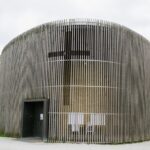
The tour also brings you past the Kaiser-Friedrich Memorial Church, which adds contrast to the modern housing and exhibition architecture around it. A church doesn’t need to match a modern plan to belong in the city, and that tension—old and new, tradition and experiment—is part of what makes Berlin feel like Berlin.
You’ll also see the Swedish House. Names like this remind you the exhibition wasn’t one nation’s style. It was an international stage where different countries and architects brought their own ideas to the same larger concept of rebuilding.
When you’re comparing buildings on this walk, try not to rank them instantly as better or worse. The point is variety within a shared neighborhood plan. That’s how the district becomes more interesting than a single style.
Hansaviertel houses: Van den Broek House and Schwippert House in context
Two of the stops that make this tour feel more like an architectural tour and less like a general history walk are the Van den Broek House and the Schwippert House. You’ll learn how these homes fit the broader exhibition-era goals—more light, healthier layouts, and a neighborhood built with clear thinking.
What I like about this section is that it helps you see housing design as a cultural choice. The differences between houses aren’t just aesthetic; they reflect different approaches to living space, privacy, and the relationship between indoors and outdoors.
Also, because the route is compact, you can compare fairly quickly. That short feedback loop is exactly what makes a walking architecture tour work. You don’t have to memorize a slideshow. You’re standing in the evidence.
The Academy of Art: what the district signals today
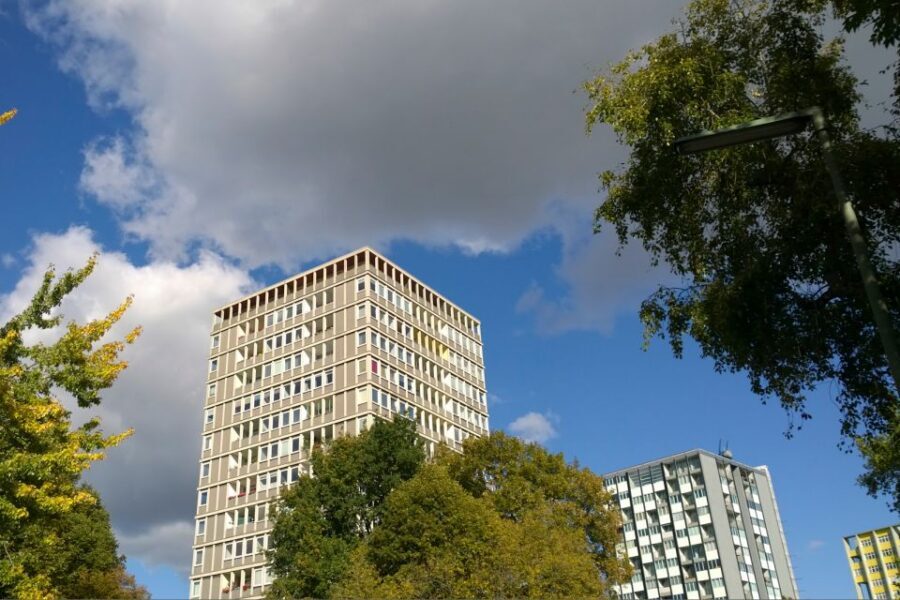
You’ll finish by working your way toward the Academy of Art area. This stop helps you close the loop: the “city of tomorrow” project wasn’t only about buildings for residents, but also about shaping culture, training, and the future-facing identity of Berlin.
It’s the kind of place where modernist ideas still feel alive—not necessarily in the buildings alone, but in the role the area plays. If you like tours that make you look at the present as a continuation of the past, this ending lands well.
The guide is the real value: Tobias and Mr Schwabe’s approach
A lot of tours can list buildings. This one focuses on how those buildings got their meanings. The guide-led storytelling is a major reason people score it so high, and two names come up repeatedly: Tobias and Mr Schwabe.
From the reviews, the common threads are clear. Guides bring humor, stay patient when questions pile up, and keep the explanations tied to what you’re seeing in front of you. One review even noted that living in Berlin for years didn’t lead to exploring Hansaviertel until this tour, which tells you how effective the guide is at making the district feel readable.
If you want an architecture walk where the facts actually connect to real street corners, this is the right match.
Price and value: is $23 for a 2-hour walk a fair deal?
At about $23 per person for a 2-hour guided walking tour, the value comes from concentration. You’re paying for a guide who can interpret a whole mini-world of buildings—while you’re already in the neighborhood, already walking it.
What helps the math is the density of stops: Berlin Pavilion, Müller-Rehm/Siegmann House, Gropius-Haus, Kaiser-Friedrich Memorial Church, Swedish House, Hansaplatz station, Hansaviertel Library, Hansaviertel Hospital, Van den Broek House, Schwippert House, and the Academy of Art area. That’s a lot of different points for the time.
If you like doing self-guided architecture walks, you can absolutely read up and go on your own. But the guide saves time and adds context fast—so you’re not staring at modernist shapes trying to guess what mattered.
Who should book, and who might not love it
Book this tour if you like:
- 1950s and mid-century architecture and want the story behind it
- Berlin history that isn’t only about monuments and museums
- A walking route that teaches you to look, not just to pass by
Skip it or pair it with another option if:
- You hate walking for two hours in the open air, especially in winter
- You want only the most famous Berlin sights rather than a focused “one district, many design ideas” theme
This tour doesn’t aim to be a whole-Berlín overview. It’s a targeted view—and that focus is exactly why it gets such strong scores.
Should you book the Berlin Hansaviertel City of Tomorrow tour?
Yes, if you want a smart, design-focused Berlin experience in a short time. Hansaviertel is one of those places where a guide changes everything: you start noticing patterns and explanations that you simply wouldn’t pick up from a map.
If you’re traveling in colder months, think about timing and daylight. And if modernist architecture has ever felt confusing to you, this tour is still worth it because it turns the district’s rules into something you can actually see while you walk.
FAQ
How long is the Hansaviertel guided tour?
The tour lasts 2 hours.
What is the price per person?
The price is listed as $23 per person.
Is the tour guided in English or German?
Yes. The live guide is available in English and German.
Where do we meet for the tour?
The meeting point may vary depending on the option booked.
Does the tour include a walking component?
Yes. It is a walking tour with a guide.
Is the tour wheelchair accessible?
Yes, the tour is wheelchair accessible.
Is free cancellation available?
Yes. You can cancel up to 24 hours in advance for a full refund.
Can I pay later instead of paying right away?
Yes. It offers Reserve now & pay later, so you can book your spot and pay nothing today.