REVIEW · BERLIN
Berlin: Interactive DeJa Vu Museum Entrance Ticket
Book on GetYourGuide →Operated by DeJa Vu Museum · Bookable on GetYourGuide
Your eyes will argue with you here. At Berlin’s Deja Vu Museum, you get 90 minutes of interactive exhibits that make you question what you see, plus mirror rooms built for photos that look like magic tricks. It’s a fun way to turn a cloudy afternoon into something visual and surprisingly satisfying.
The one catch: some rooms feel small and slow when it’s busy, and you may hit a bit of waiting. If you go at peak times, a few parts can start to feel more repetitive than you’d hope.
In This Review
- Key Things I’d Mark on Your Map
- What Makes the Deja Vu Museum Feel Different in Berlin
- Finding the Entrance: Easy Hop from Alexanderplatz
- Your 90-Minute Game Plan Across Two Floors
- Hands-on Illusions: Beuchet-Stuhl, Dark Room, and Sandbox
- Beuchet-Stuhl (table illusion)
- The Dark Room
- Interactive Sandbox
- Projector Rooms: When the Art Uses You as the Focus
- Oleg Shupliak’s Layered Portraits: More Than a Background Theme
- Mirror Rooms Like the Starroom and the Abyss (Photo Ops, Yes, But Really)
- How to get better results
- Value for $17: What You’re Really Paying For
- When It Might Feel Less Fun: Waiting, Repetition, and Crowds
- Who Should Book This Ticket (And Who Should Skip It)
- Should You Book the Berlin Deja Vu Museum Ticket?
- FAQ
- How long is the Deja Vu Museum visit?
- How much does the ticket cost?
- Where is the museum entrance near major landmarks?
- What languages are available at the museum?
- Is it suitable for people with mobility impairments?
- Is it safe for people with epilepsy?
- Are pets, food, or drinks allowed inside?
- What’s the best way to think about the experience?
Key Things I’d Mark on Your Map
- Two floors of optical play with a steady mix of hands-on and photo-friendly rooms
- Interactive classics like the Beuchet-Stuhl, the Dark Room, and the Interactive Sandbox
- Projector rooms where you’re the subject, not just the observer
- Oleg Shupliak’s layered portraits that reward a second look
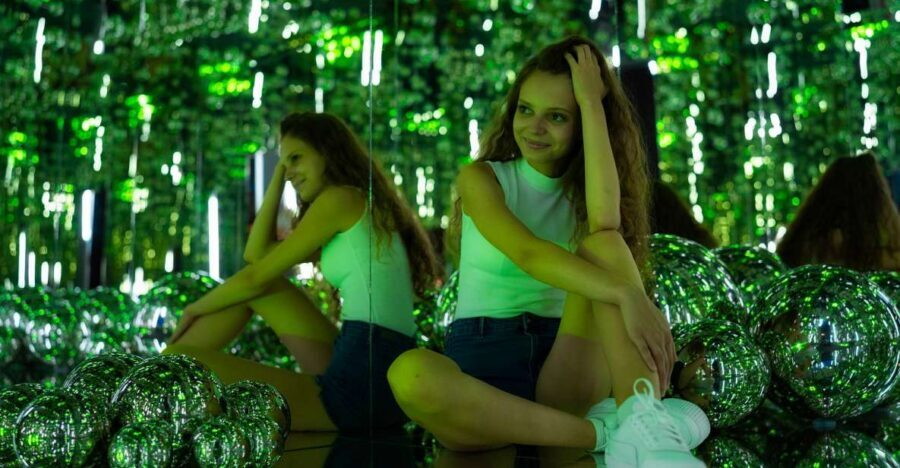
- Themed mirror rooms like the Starroom and the Abyss for instant wow photos
What Makes the Deja Vu Museum Feel Different in Berlin
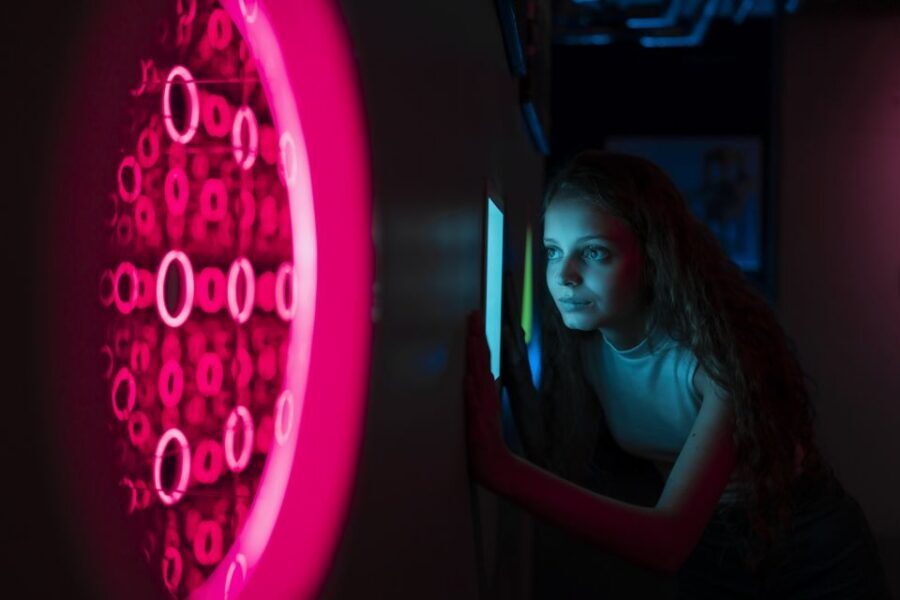
The Deja Vu Museum is built around one simple idea: your brain completes the picture before your eyes finish sending the details. That’s why so many exhibits feel like a puzzle you’re actively solving with your own body—walk here, stand there, look closer, and suddenly your senses don’t agree.
I like that it’s not just one type of illusion. You’ll see stuff that plays with scale and perspective, rooms that change what you notice, and art spaces that use reflections and projection to make you part of the scene. That mix keeps it from turning into a single gimmick, even though the theme stays consistent.
It also helps that it’s easy to enjoy with people who don’t all move at the same pace. Some spots are quick picture stops; others invite you to linger and experiment. If you’ve got kids or teenagers, this is the rare museum where they don’t need to be convinced to pay attention. Adults get plenty of fun too, just in a more skeptical way.
You can also read our reviews of more tours and experiences in Berlin

Finding the Entrance: Easy Hop from Alexanderplatz
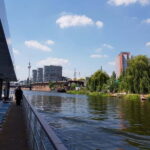
Location matters here because you’re planning a time-boxed visit. The museum entrance is right by Alexanderplatz, roughly 300 meters from Fernsehturm. That means you can pair it with other central sights before or after without adding long transit chunks.
Because you’re in a very compact area, I’d treat this as a flexible stop. If you arrive early and want a snack nearby (food and drinks aren’t allowed inside the museum, so plan ahead), you can do that without stress. If you’re combining it with Berlin TV Tower photos, you can even build your day around the light and crowd level rather than the museum timetable alone.
Practical tip: wear shoes you don’t mind walking in. Most of the experience is you moving through rooms and waiting your turn for the interactive bits, so comfort beats style.
Your 90-Minute Game Plan Across Two Floors
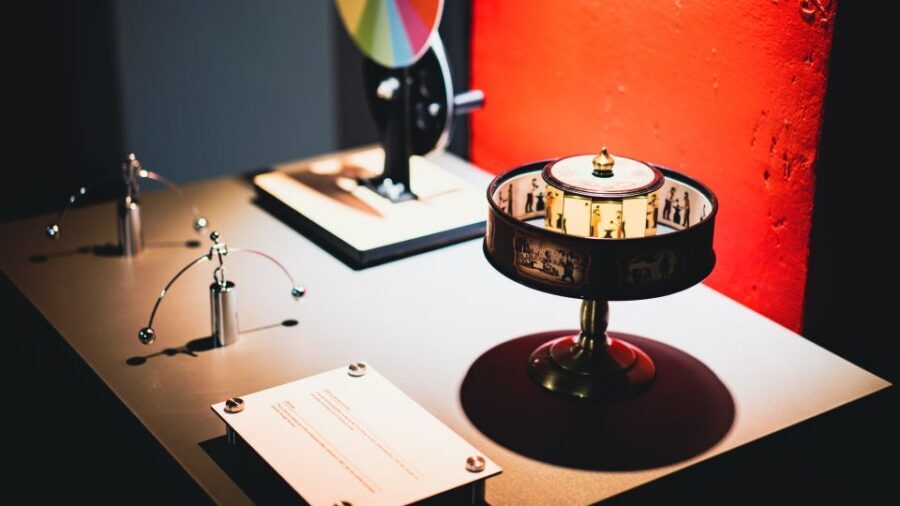
You’re looking at about 1.5 hours for the visit, spread over two floors. That timeframe is long enough to actually test illusions, but short enough that the whole place never feels like a chore.
The best way to enjoy it is not to rush room to room like a checklist. Instead, let yourself get curious when something catches your attention. If a display makes you stop and laugh (or makes you frown with confusion), lean into it. You’ll usually get more out of the experience by repeating your own actions—moving a step, changing your angle, watching how the effect shifts.
Also, keep your expectations realistic. Some rooms are set up for close viewing, so you might notice short waits. If a room only holds a small number of people at a time, going when it’s calmer can feel like a big upgrade. If you’re trying to maximize “time watching, not time waiting,” aim for quieter periods.
Hands-on Illusions: Beuchet-Stuhl, Dark Room, and Sandbox
This is where the museum wins you over fast. Several exhibits are interactive in a way that feels physical rather than just observational.
Beuchet-Stuhl (table illusion)
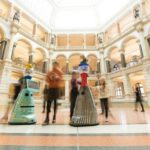
The Beuchet-Stuhl style of exhibit is designed to mess with perception using a simple setup. These are the kinds of displays where you think you understand the result, then your eyes insist on a different story. The main value is that you don’t need art training to get it—your reactions are part of the point.
You can also read our reviews of more museum experiences in Berlin

The Dark Room
A dark room makes your senses work harder. With less visual information, the illusion becomes easier for your brain to misread. It’s also one of those spots where you naturally slow down, because you’re trying to figure out what’s happening rather than just taking in a scene.
Interactive Sandbox
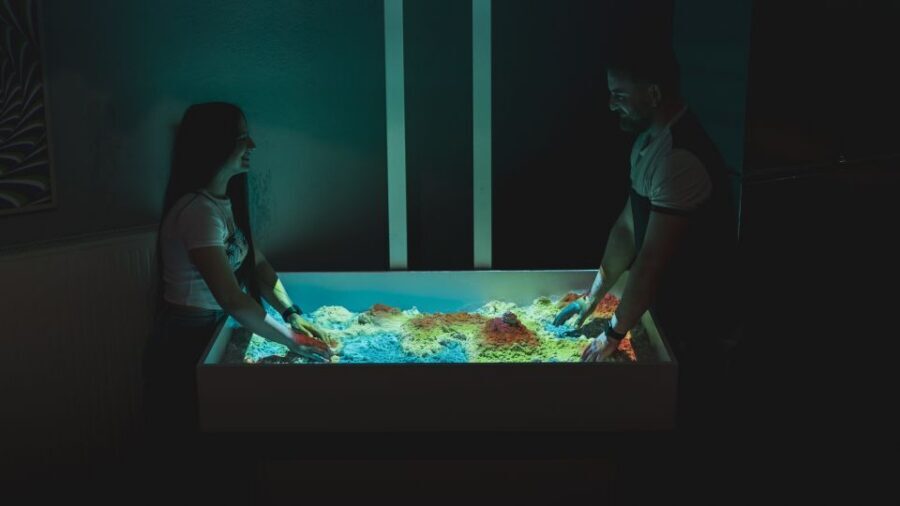
An interactive sandbox-type exhibit turns seeing into experimenting. Instead of only looking, you’ll handle inputs or move through the experience to trigger changes. This is often where families spend extra time because it feels like play, but it’s still tied to optical effects and perception.
One note: some installations can feel similar in the way they ask you to repeat motions. When the museum is busy, that repetition can feel longer. When it’s quiet, it feels like you’re getting a better puzzle-solving rhythm.
Projector Rooms: When the Art Uses You as the Focus
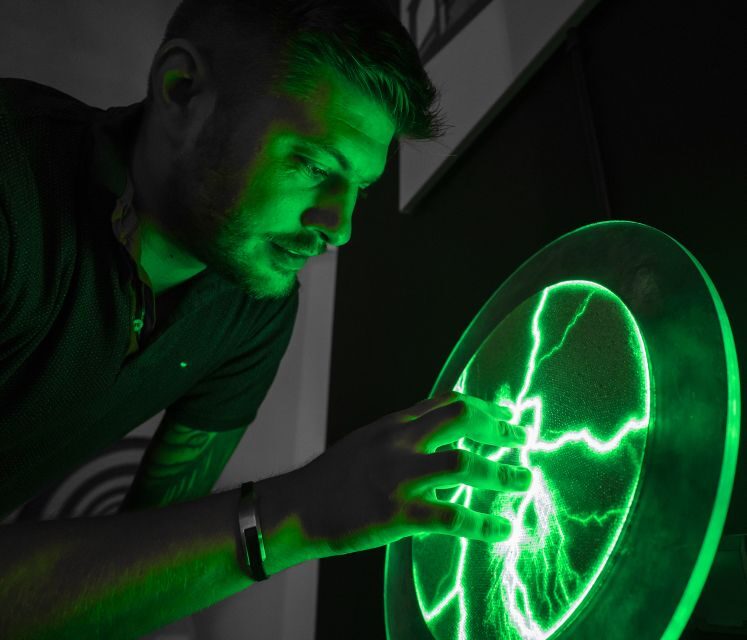
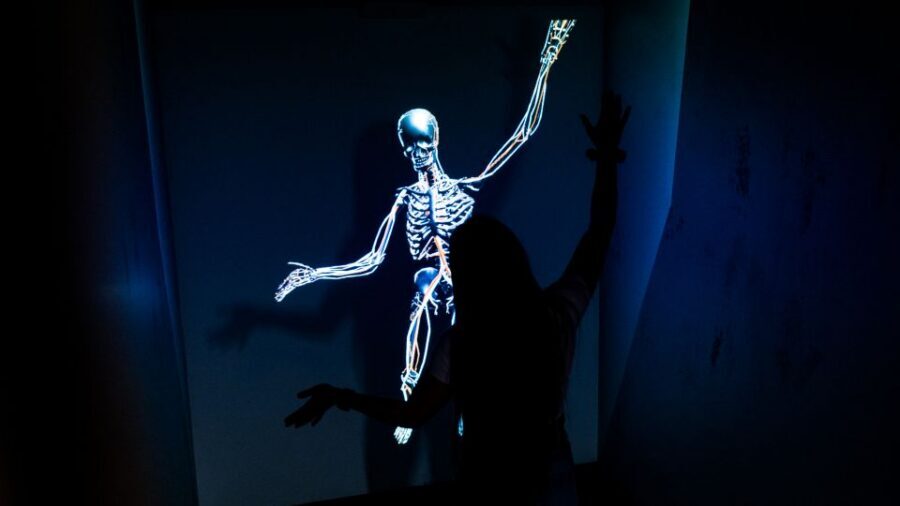
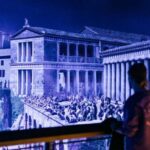
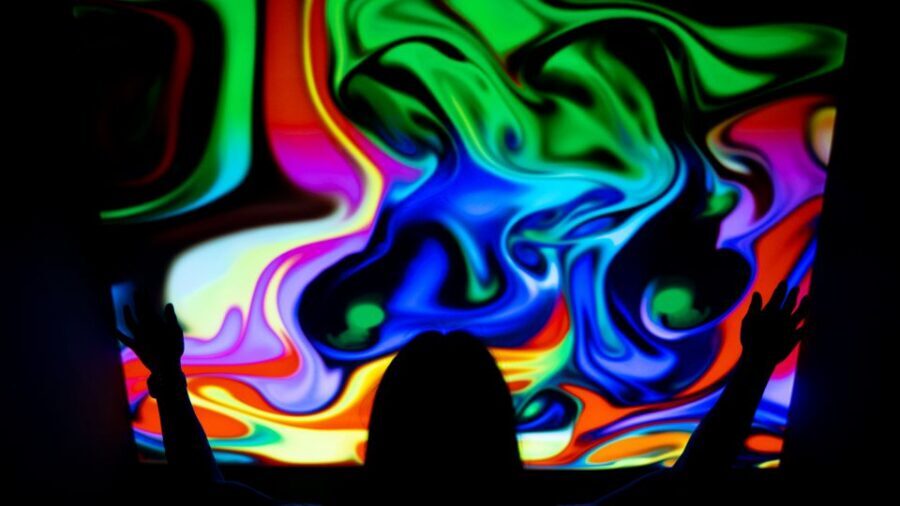
If you want the most memorable “wait, it’s reacting to me” moments, the projector rooms are the ones to chase. These spaces are designed so your position and presence become part of the artwork and the illusion.
That’s powerful because it flips the usual museum relationship. You’re not just looking at a finished composition; you’re adjusting it with your body. It also tends to create better photos, because you’ll have clear, dramatic visual results from your movement.
Practical photo tip: turn your phone camera on before you step into the scene, then test one quick recording or photo. In rooms with projection, settings and timing matter. If you’re waiting until the last second to frame, you’ll miss the best effects.
Oleg Shupliak’s Layered Portraits: More Than a Background Theme
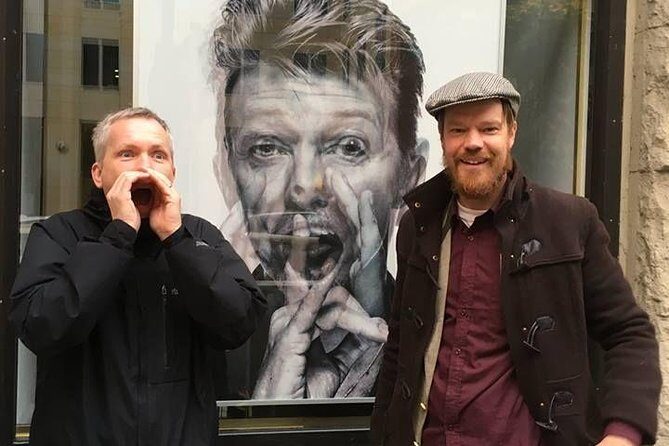
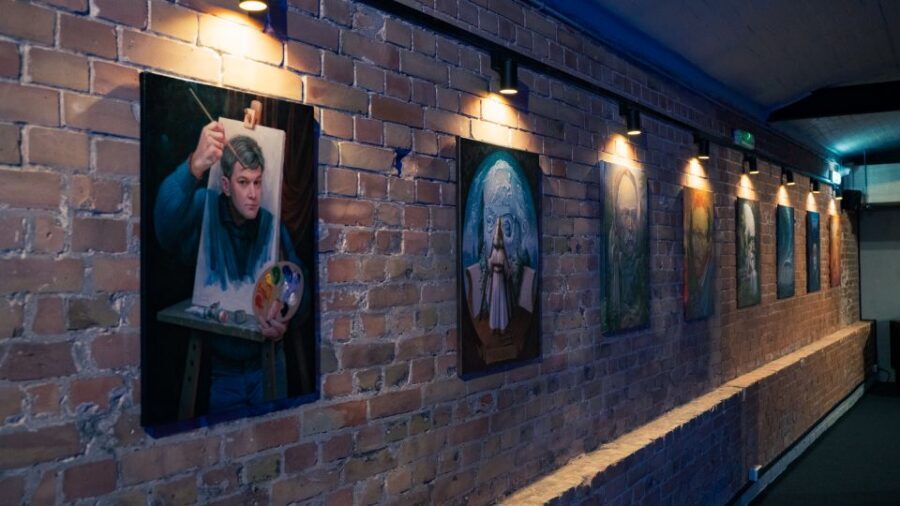
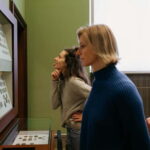
The museum also includes an art gallery by painter Oleg Shupliak, and this part gives the experience a more “art museum” backbone.
What makes it interesting is the way these artworks are presented in layers, encouraging you to keep looking. Optical illusion art is fun when it’s instant. It gets even better when it keeps rewarding attention—like you’re uncovering a different image as you get closer or shift your viewpoint.
You’ll also have fun guessing who’s portrayed in his portraits. That’s not just a party trick. It’s a way of testing your pattern recognition: what details does your brain grab first, and what does it ignore until you’re forced to notice?
This section is a good breather. After hands-on rooms and mirror effects, it gives your eyes a chance to focus on something slower and more detailed.
Mirror Rooms Like the Starroom and the Abyss (Photo Ops, Yes, But Really)
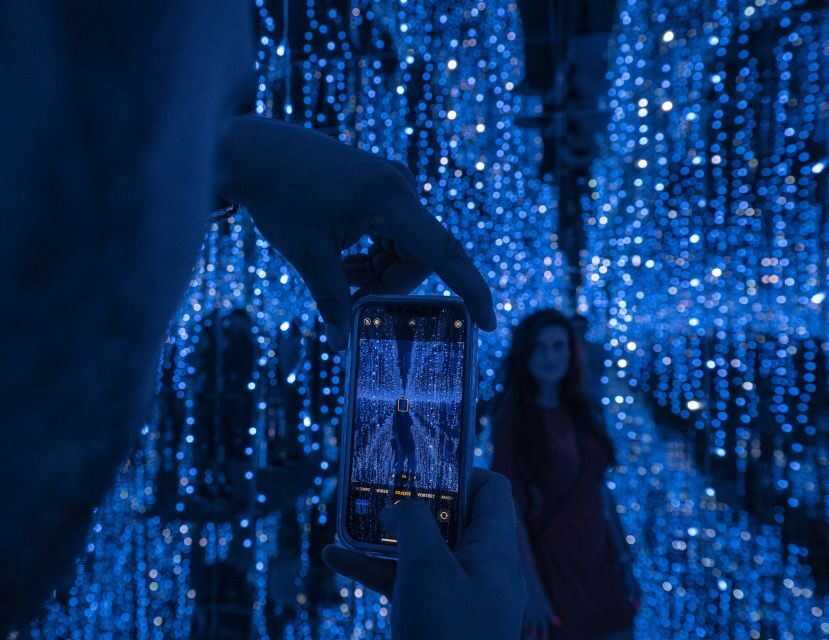
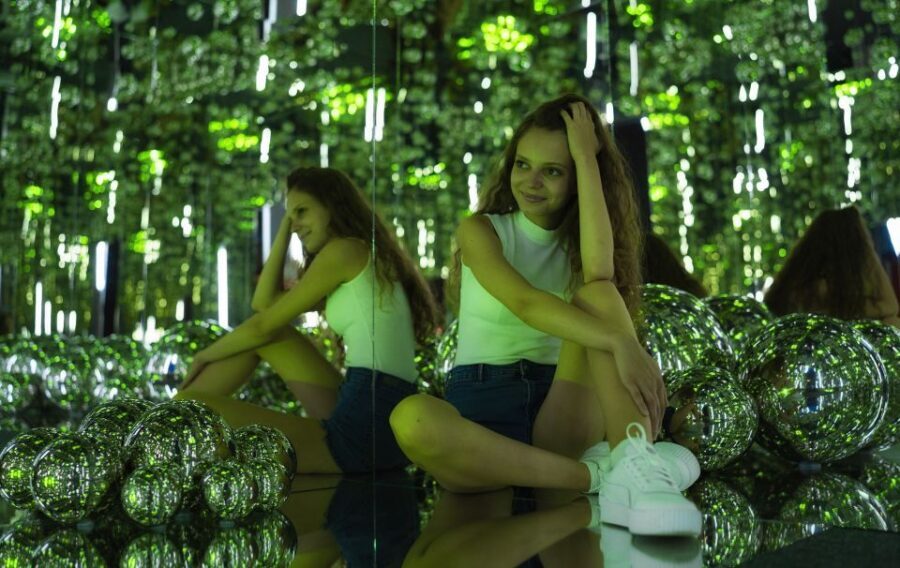
Mirror rooms are one of the strongest reasons to pick this museum. The theme rooms—like the Starroom and the Abyss—work because mirrors multiply the illusion. Your reflection isn’t just a reflection; it becomes part of the visual trick.
You’ll see colorful effects and optical setups that make photos look like scenes from a sci-fi clip. But even if you don’t care about pictures, these rooms are useful for understanding what your brain does with repetition and symmetry.
How to get better results
- Stand in the same spot for a moment and watch the visual change before you shoot
- Try a couple angles, not just one pose
- If you’re with friends, take turns. The best results often happen when someone else changes their position and you compare how the image shifts
Mirror rooms also tend to be compact, so crowding can reduce your ability to experiment. If you’re trying to do both photos and slow observation, you’ll appreciate going at a calmer time.
Value for $17: What You’re Really Paying For
At $17 per person, this isn’t a bargain compared to free sights in Berlin. But it is great value compared to many ticketed entertainment attractions—because it’s not one “look-and-go” exhibit.
You’re paying for:
- A set length of time (about 1.5 hours) with a lot of rooms
- Multiple interaction styles: hands-on objects, projection, mirrors, puzzle-like displays
- A photo-friendly environment that also doubles as sensory learning
The most important value point is that it’s hard to get bored. Most museums require you to slow way down. This one keeps your brain busy while still staying light and easy to follow.
If you’re planning a rainy day activity in central Berlin, the value gets even better. The experience is indoors, timed, and built for mixed-age groups.
When It Might Feel Less Fun: Waiting, Repetition, and Crowds
The biggest drawback is crowd management. Some interactive rooms are set up for small groups, so waiting can happen, especially on busier periods. One practical result: you might feel like certain exhibits are repeating the same idea with different visuals.
That doesn’t mean it’s bad. It means you should plan your strategy.
My advice:
- Go when you expect fewer people, so you can actually test and retry
- If you feel the repetition setting in, switch focus. Spend more time in projector rooms and mirror rooms where the effects look different from angle to angle
- Don’t try to do everything at full speed. A slower pace makes the illusions feel sharper rather than stretched out
Also, this place isn’t suitable for everyone. If you have mobility impairments, you may struggle. And if you have epilepsy, this isn’t the right choice.
Who Should Book This Ticket (And Who Should Skip It)
This is a strong match for:
- Families with kids and teens who want a hands-on “wow” experience
- Friends looking for an activity that’s social and photo-friendly
- Adults who like puzzles and don’t mind being a bit confused
You might want to reconsider if:
- You need full accessibility support for mobility
- You have epilepsy or you know light-based effects aren’t safe for you
- You dislike interactive attractions that require small turn-taking or short queues
If you’re visiting Berlin and your schedule is tight, this ticket is also useful because the time block is clear. It’s one of those activities where you can fit it in without changing the rest of your day.
Should You Book the Berlin Deja Vu Museum Ticket?
If you want a break from standard museums and you like visual challenges, I’d book this. For $17 you get a compact, indoors outing that mixes interactive illusions, mirror-room photo scenes, and Oleg Shupliak’s layered portraits. The best part is how much of the experience depends on your own perception—so it feels different every time you look at it.
But if you’re sensitive to crowds or you want lots of solo space in dark projector-heavy rooms, plan your timing carefully. The museum can be a bit slower when it’s busy, and some exhibits can feel repetitive if you’re rushing.
FAQ
How long is the Deja Vu Museum visit?
The experience lasts about 1.5 hours.
How much does the ticket cost?
The price is listed as $17 per person.
Where is the museum entrance near major landmarks?
The entrance is right by Alexanderplatz, roughly 300 meters from Fernsehturm.
What languages are available at the museum?
English, German, Polish, Spanish, and French are offered.
Is it suitable for people with mobility impairments?
No. It is not suitable for people with mobility impairments.
Is it safe for people with epilepsy?
No. It is not suitable for people with epilepsy.
Are pets, food, or drinks allowed inside?
No. Pets are not allowed, and food and drinks (as well as alcohol and drugs) are not allowed.
What’s the best way to think about the experience?
Treat it like an interactive art and optical illusion outing. You’ll spend your time moving through exhibits, themed mirror rooms, puzzles, and an art gallery by Oleg Shupliak, while your photos and videos usually turn out great.