REVIEW · BERLIN
Nazi Berlin and the Jewish Community Tour
Book on GetYourGuide →Operated by Vive Berlin e.G · Bookable on GetYourGuide
History hits hard in Berlin. This 3-hour tour connects Nazi headquarters with the Jewish quarter’s surviving traces, and I like how it keeps the story grounded in real places you can point to. I also love the way it highlights both the machinery of persecution and the human counter-moves, especially through the Otto Weidt Workshop and the Resistance memorial stops.
One thing to plan for: you’ll need an AB all-day public transport ticket and you’ll be moving between areas by public transport, so good walking shoes matter.
In This Review
- Key points before you go
- Nazi Germany and Jewish Berlin in 3 hours: the big idea
- Nazi headquarters and the dictatorship you can map on the ground
- German Resistance Memorial and Operation Valkyrie’s real stakes
- Anhalter Bahnhof and the transit feel of wartime Berlin
- Jewish Berlin’s heart: New Synagogue and the quarter’s traces
- Varian Fry and the rescue story hidden in the margins
- Operation T4 command center: extermination planned as policy
- Otto Weidt Workshop for the Blind: the Righteous Among the Nations angle
- Price and logistics: why $27 can be a good deal here
- What you need to bring and how to pace yourself
- Who this tour suits best (and who might want another plan)
- Should you book this Nazi Berlin and Jewish Community Tour?
- FAQ
- How long is the tour?
- Where does the tour start and end?
- What does the tour include?
- Do I need a public transport ticket?
- What language are the guides?
- Is the tour wheelchair accessible?
- What should I bring?
- Is free cancellation available?
- Can I reserve without paying right away?
- Are there different starting times?
Key points before you go
- Nazi headquarters + Jewish quarter in one loop, so the timeline feels clear
- New Synagogue area views, including the famous golden dome
- German Resistance Memorial and Operation Valkyrie connections
- Varian Fry and other lesser-known memorials tied to escape and survival
- Otto Weidt Workshop museum focus on a Righteous Among the Nations story
- Guides in French or Italian, with feedback praising an engaging guide named Lorenzo
Nazi Germany and Jewish Berlin in 3 hours: the big idea
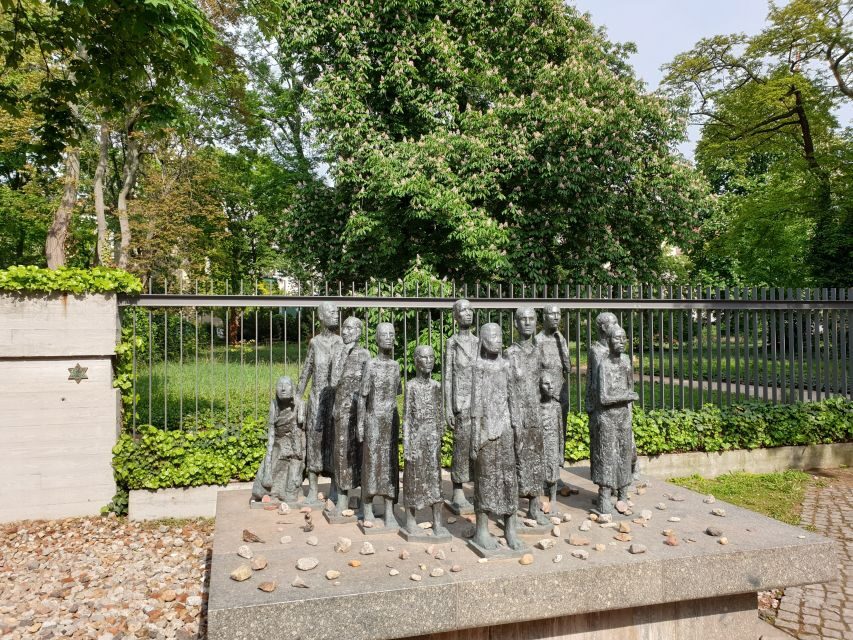
Berlin can feel like a city of layers. This tour gives you a focused way to read those layers fast—Nazi power building, Jewish life before the catastrophe, and the resistance and rescue efforts that followed.
At $27 per person for a guided, multi-stop route, the value comes from the range of sites in a short time. You’re not just seeing monuments. You’re learning how the dictatorship operated, how Berlin’s Jewish community was targeted, and where people tried to resist or help.
You can also read our reviews of more tours and experiences in Berlin.
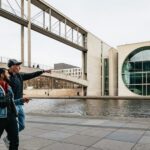

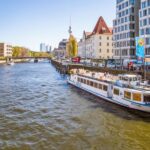
Nazi headquarters and the dictatorship you can map on the ground
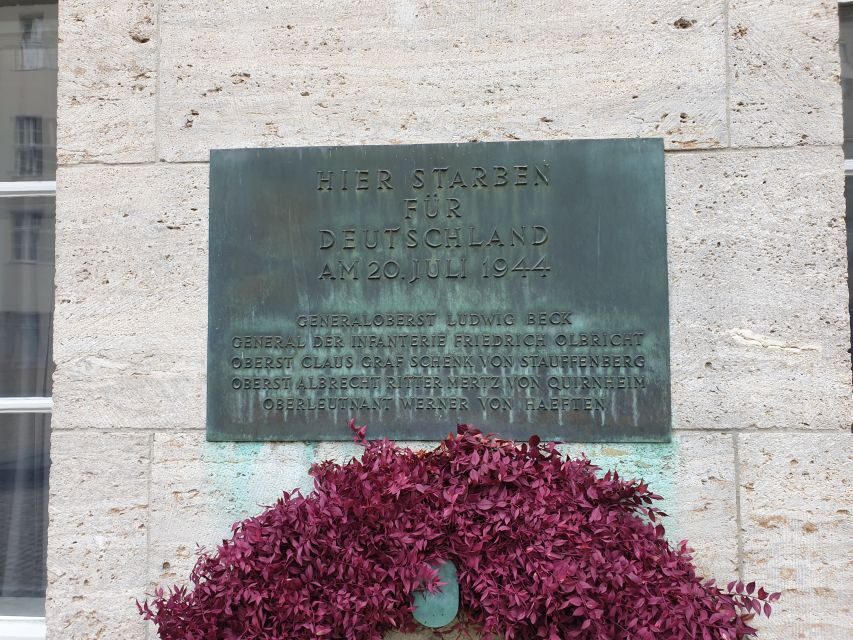
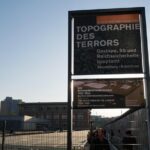
The opening stretch takes you to the Nazi power center—a headquarters area designed to function like a command brain for dictatorship. You’ll connect Hitler’s rise to power in 1933 to what followed, and you’ll hear how the Nazi regime built control step by step.
This section matters because it moves the discussion beyond dates. You get a sense of how governance turned into persecution, and how the “system” wasn’t an accident. It was planned, staffed, and enforced.
You’ll also pass by places marked by World War II combat scars. That doesn’t soften the story, but it makes it harder to treat as distant. Berlin’s war damage is a reminder that these choices led to real destruction before the war even ended.
German Resistance Memorial and Operation Valkyrie’s real stakes
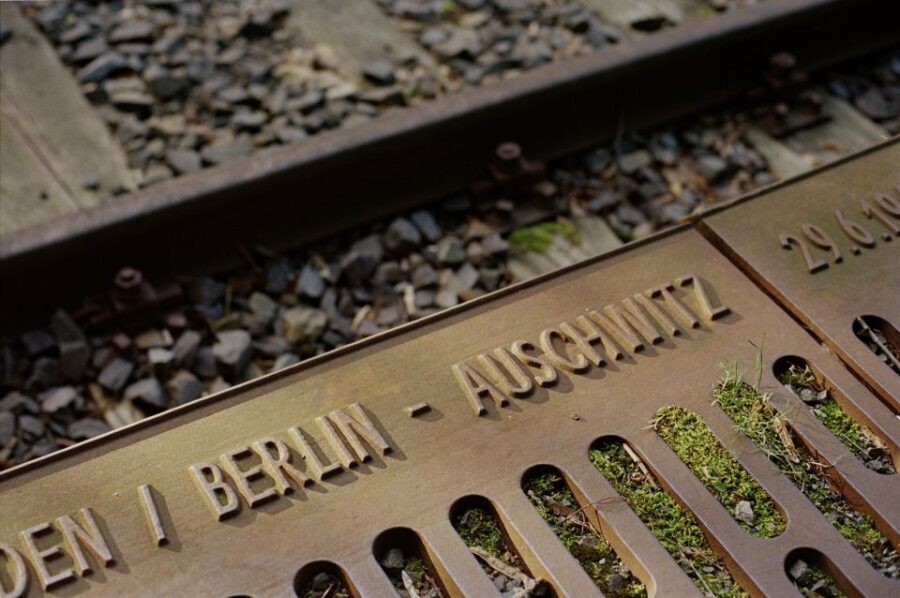
Next, you’ll visit the Gedenkstaette Deutscher Widerstand. This stop is about the people who opposed Nazism, not in general terms, but through the lens of action—how resistance efforts tried to change outcomes from within German power structures.
The tour explains the link to Operation Valkyrie, the plot associated with resisting the Nazi regime. The setting turns the concept of resistance into something tangible: a specific site that now honors Germans who opposed and fought Nazism.
This is a good contrast stop. After seeing dictatorship machinery earlier, you shift into the question of what opposition looked like, even when failure could mean brutal consequences.
Anhalter Bahnhof and the transit feel of wartime Berlin
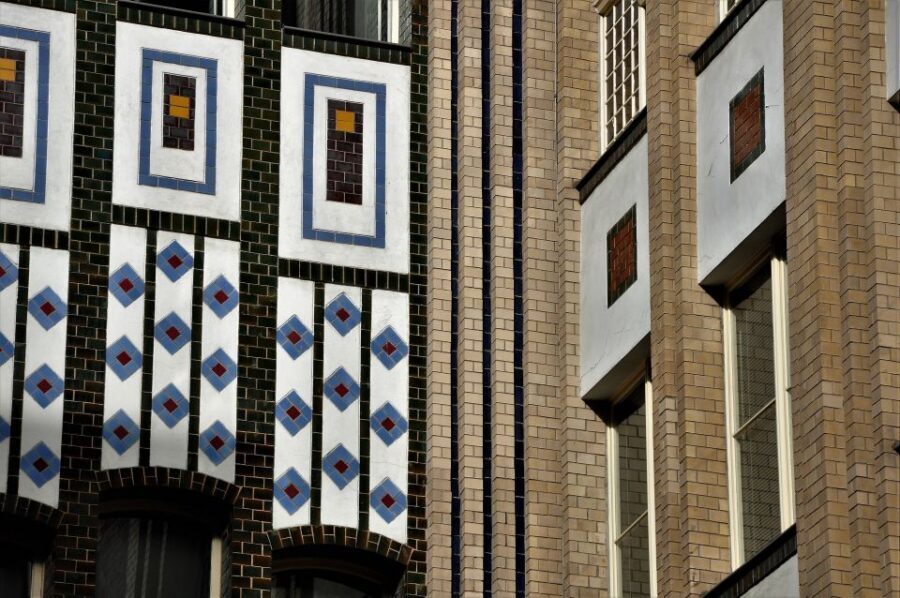
You’ll spend time around Anhalter Bahnhof, with a short guided segment. Bahnhof areas can be emotionally complicated because train stations are where arrivals and departures happen—sometimes for hope, sometimes for harm.
What makes this part useful on a short tour is the way it bridges neighborhoods and events. You’re not just jumping from one headline site to another. The tour keeps you in Berlin’s real movement routes, supported by public transport.
The practical takeaway: bring your walking rhythm. You’ll be transitioning by train and bus/coach between key points, and that pacing is part of how the story stays connected.
Jewish Berlin’s heart: New Synagogue and the quarter’s traces
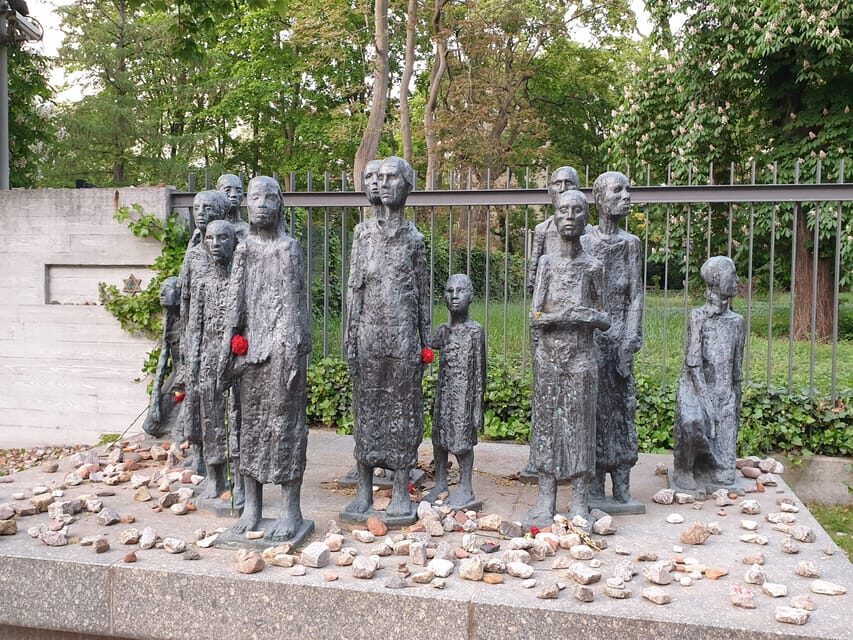
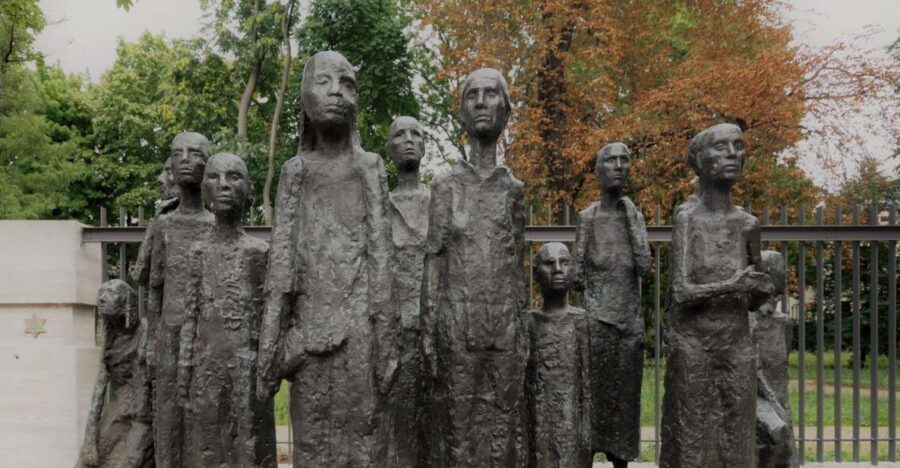
When you reach the Jewish community district, the tour slows down. You’ll see the oldest Jewish cemetery and the imposing New Synagogue of Berlin with its golden dome, and you’ll learn how the Jewish community’s long presence in Berlin was shaped over time.
This stop isn’t only about architecture. The guide ties the buildings to lived history—what Berlin’s Jewish community meant to the city, then how Nazi rule targeted that life once the Nazis came to power.
The discussion includes the mechanisms of forced labour and deportations during World War II. I like this approach because it avoids a simple before-and-after story. You see how persecution escalated through policy and administration.


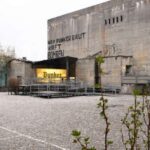

Varian Fry and the rescue story hidden in the margins
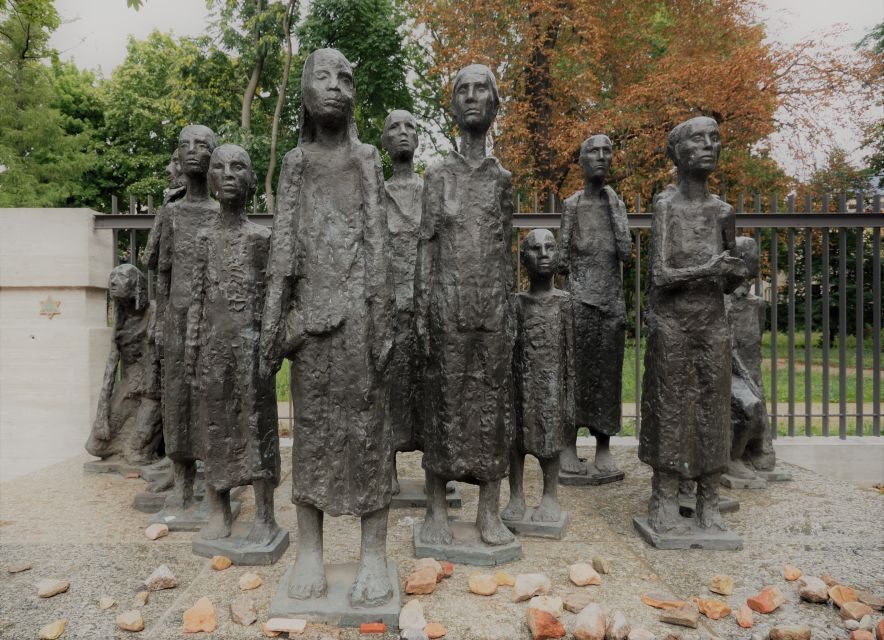
One of the most interesting elements here is the inclusion of lesser-known memorials, especially the one tied to Varian Fry. The tour explains that Fry helped orchestrate escape for over 3,000 persecuted Jews from Nazi-occupied Europe.
It also drops specific names that you’ll recognize from European intellectual and arts history: painter Marc Chagall, philosopher Hannah Arendt, and writer Heinrich Mann. That helps you connect the rescue effort to people whose later impact you may already know.
Why I think this is valuable: it counterbalances the narrative of pure loss. This isn’t about turning a tragedy into something uplifting. It’s about showing that even under extreme pressure, people built networks that mattered.
Operation T4 command center: extermination planned as policy
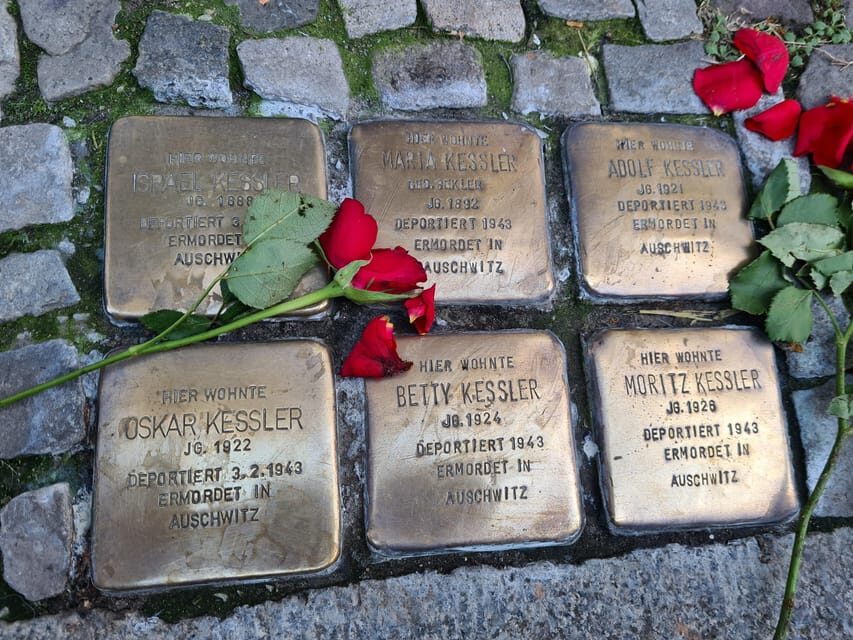
The tour also addresses Operation T4, including the command center where the SS planned extermination and sterilization of tens of thousands of disabled citizens.
This part is heavy, and it’s meant to be. It gives you a clearer view of the Nazi regime’s idea of who should be removed and why. You’re not just learning about genocide as a distant event—you’re seeing how it was organized like a bureaucratic plan.
If you want a tour that treats Nazi crimes as more than symbols, this is one of the places that delivers that depth. If you prefer strictly outward-looking sightseeing with minimal exposure to atrocity details, you may find this segment challenging.
Otto Weidt Workshop for the Blind: the Righteous Among the Nations angle
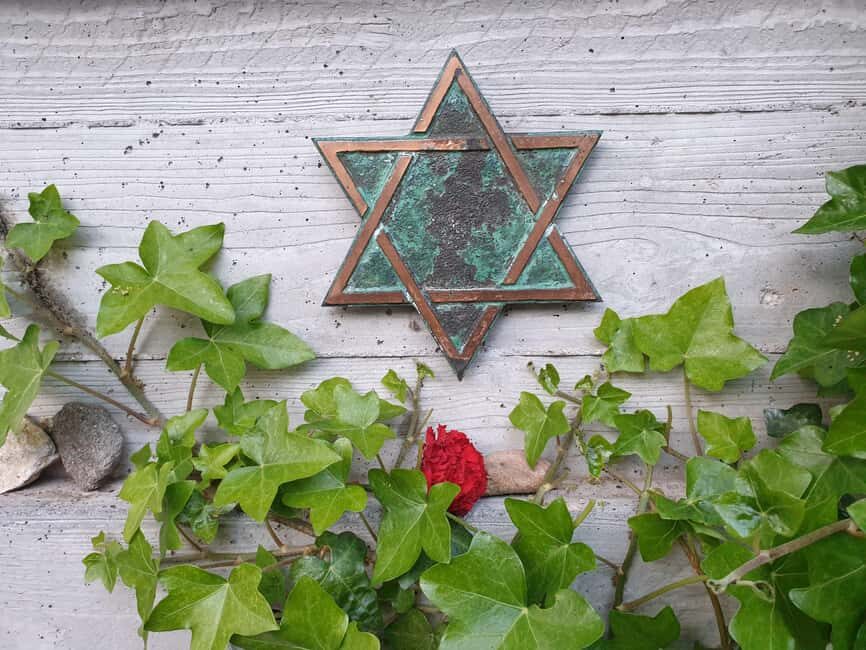
The tour’s final emotional anchor is the Otto Weidt Workshop for the Blind. Here, you’ll visit a museum that tells the story of a Righteous Among the Nations and his efforts to protect Jewish workers from persecution and deportation.
The guide explains that when the danger grew, he found places for some of the people to hide. The most powerful detail is that one of those hiding spots was on the premises of what is now the museum.
This stop lands well after the darker sites because it brings the story back to choices made by real individuals. It’s also a good reminder that resistance wasn’t always dramatic plots. Sometimes it was daily protection—risking everything to keep other people alive.
Price and logistics: why $27 can be a good deal here
At $27 per person for about 3 hours of guided time, this tour can be strong value—especially in Berlin, where quality history guiding can cost more. What you’re paying for is not only the guide’s time, but also the tour’s structure: Nazi power sites, Jewish community landmarks, resistance memorials, and a museum ending all in one session.
Two practical notes keep the economics honest. First, the AB public transport ticket is required, so it’s an added cost. Second, because you use public transport between points, your time is spent efficiently, but you can’t treat it like a sit-and-stare museum program.
What you need to bring and how to pace yourself
This is a comfortable shoes tour. You’ll be walking between memorials and moving through transit links between stops, so plan for time on your feet.
Also, mental pacing matters. This tour covers Hitler’s rise, deportations, forced labour, Operation T4, and other forms of persecution. If you’re feeling fragile that day, consider splitting your Berlin day with something lighter after the tour.
If you’re the type who likes context—how power becomes policy, how neighborhoods change under rule—this will click. If you want only a relaxed overview of WWII Berlin, you might feel it’s too focused.
Who this tour suits best (and who might want another plan)
This tour is a great fit if you:
- care about how Nazi rule took shape, not just what happened later
- want Jewish history connected to specific sites like the New Synagogue
- like learning about resistance and rescue efforts, including Varian Fry and Otto Weidt
- prefer a guided explanation rather than reading panels at your own pace
It may be less ideal if you’re looking for casual sightseeing with minimal emotional weight. Even at 3 hours, the content is intense.
Should you book this Nazi Berlin and Jewish Community Tour?
If you want a short, well-structured route through the places that explain Nazi power and Jewish targeting—plus resistance and rescue stories at the end—then yes, I’d book it. The combination of headquarters context, Jewish community landmarks, and the Otto Weidt museum creates a full arc, not just scattered stops.
The main reason to pass is simple: you don’t want to engage with difficult topics in an on-foot, place-based way. If you’re okay with that, the $27 price point plus a guided, multi-site format makes it a solid choice.
FAQ
How long is the tour?
The tour lasts 3 hours.
Where does the tour start and end?
The start meeting point can vary depending on the option you choose, and the tour ends back at the meeting point.
What does the tour include?
You get a tour guide (French or Italian-speaking). The tour also includes guided time at multiple stops and transport between parts of the route.
Do I need a public transport ticket?
Yes. You need an AB all-day ticket for the tour.
What language are the guides?
The guide is available in French or Italian.
Is the tour wheelchair accessible?
Yes, it is wheelchair accessible.
What should I bring?
Wear comfortable shoes, since you’ll be walking and moving between locations.
Is free cancellation available?
Yes. You can cancel up to 24 hours in advance for a full refund.
Can I reserve without paying right away?
Yes. The tour offers reserve now & pay later.
Are there different starting times?
Starting times depend on the selected option, so you’ll need to check availability for exact times.