REVIEW · BERLIN
Berlin: The Feuerle Collection Guided Tour and Entry Ticket
Book on GetYourGuide →Operated by The Feuerle Collection · Bookable on GetYourGuide
A WWII bunker for art sounds wild, and it works. I love the Imperial Chinese furniture and the way the space turns quiet looking time into a real experience. The John Pawson renovation plus the guided route through ancient and modern work is a standout mix, but the visit can feel short if you like lingering.
You’ll walk through stone, bronze, and wood artworks (including 7th–13th century Khmer pieces), then see lacquer and stone furniture alongside major contemporary names like Nobuyoshi Araki and Adam Fuss. One drawback to plan for: it’s not a long museum wander, and some people have felt it runs closer to 35–40 minutes.
In This Review
- Key things to know before you go
- Entering a former WWII telecommunications bunker (and why it matters)
- The guided route: how the tour is paced in just one hour
- Khmer sculpture to Imperial lacquer: the first big jump in the collection
- The contemporary art pairings: why Araki and Fuss are included
- Architecture as an exhibit: the underground lake and light design
- The feeling in the room: quiet, focused, and guide-led
- Rules that affect your visit (and how to plan around them)
- Price and time: is $25 for a one-hour guided tour worth it?
- Who this tour suits best (and who should skip it)
- A day-of reality check: what could be different on your visit
- Should you book the Feuerle Collection guided tour?
- FAQ
- How long is the Feuerle Collection guided tour?
- Where do I meet for the tour?
- How much does it cost?
- Is the tour wheelchair accessible?
- Are cameras, video, or cellphones allowed?
- Is the tour suitable for children?
Key things to know before you go
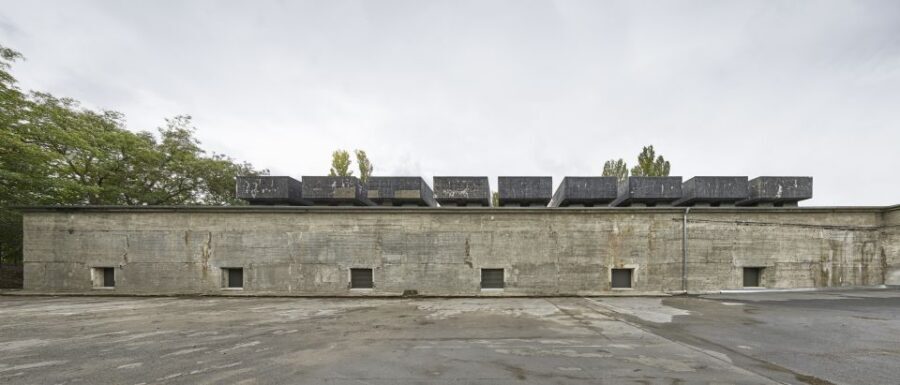
- WWII bunker setting by John Pawson: art inside a serious, preserved shell.
- A mix of Imperial Chinese + Southeast Asian ancient art: not one era only.
- Contemporary pairings with clear intent: the point is the conversation between time periods.
- An underground lake built into the light design: architecture is part of the show.
- Short, structured route (about 1 hour): ideal if you want focus, not a half-day drift.
- Bring no camera plan: phones and cameras are not allowed.
Entering a former WWII telecommunications bunker (and why it matters)
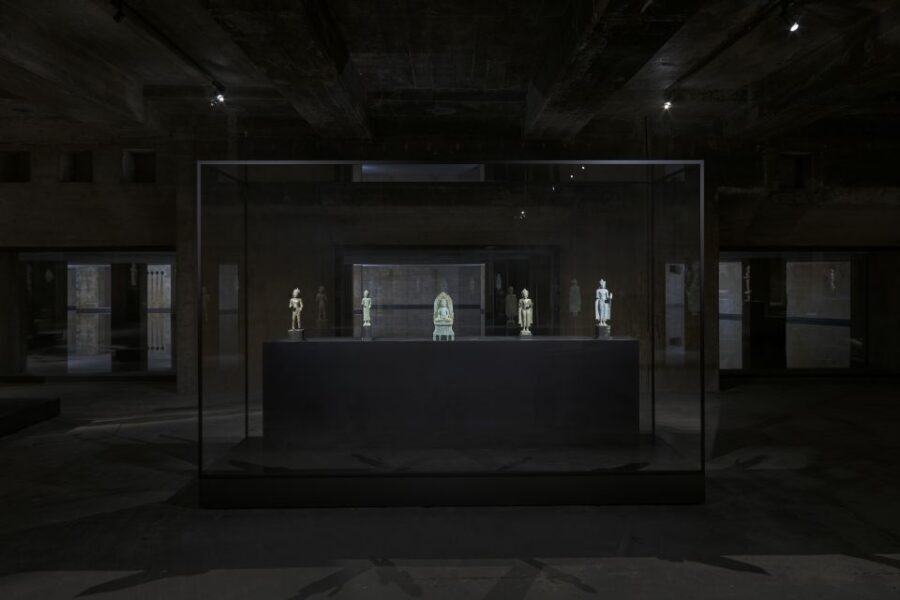
The Feuerle Collection tour starts at the entrance of the museum space, and the big idea hits fast: you’re not walking into a typical gallery building. You’re stepping into a renovated World War II telecommunications bunker that John Pawson helped transform into a calm, controlled environment for art.
That bunker origin changes how you experience the works. The rooms feel intentionally paced, with the architecture doing some of the emotional work—like it’s giving the art quieter conditions to speak. You’ll notice how the lighting and sightlines make you slow down, even though the tour itself is brief.
It also helps that the guided approach keeps things organized. This is not the kind of visit where you’re left to figure out the theme alone. The guide leads you from one set of objects to the next, so you keep getting the “why” behind the arrangement, not just the “what.”
You can also read our reviews of more tours and experiences in Berlin



The guided route: how the tour is paced in just one hour
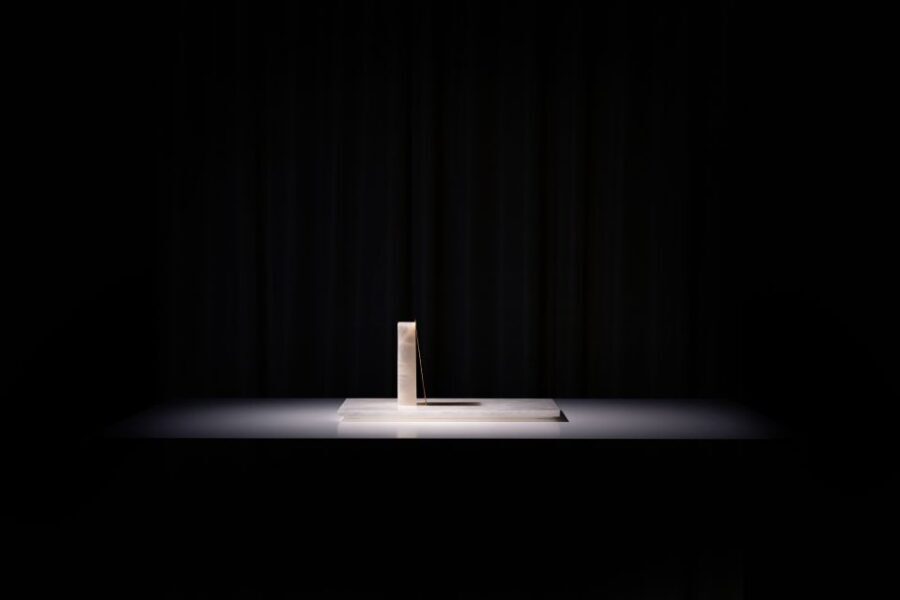
This is a one-hour guided museum tour, and it’s structured for a full idea in a short time. After meeting your guide, you’ll move through the collection in a deliberate order, with the guide explaining connections along the way.
In practice, that means you get to see a lot without the typical museum problem of fatigue and decision-making. If you like your art viewing with a light hand—direction, context, and then time to look—this format is built for you.
There’s a small caution: the tour is officially listed as one hour, but at least one review suggested it can feel closer to 35–40 minutes. So if your ideal pace is slow studying and extra detours, you’ll probably want to treat this as a concentrated first visit rather than the only stop you make in Berlin.
Also, the rules are strict enough that you won’t waste mental energy fiddling with your phone camera. No touching exhibits. No filming. No cameras. No cellphones. That shifts your attention to the objects themselves and the guide’s descriptions.
Khmer sculpture to Imperial lacquer: the first big jump in the collection
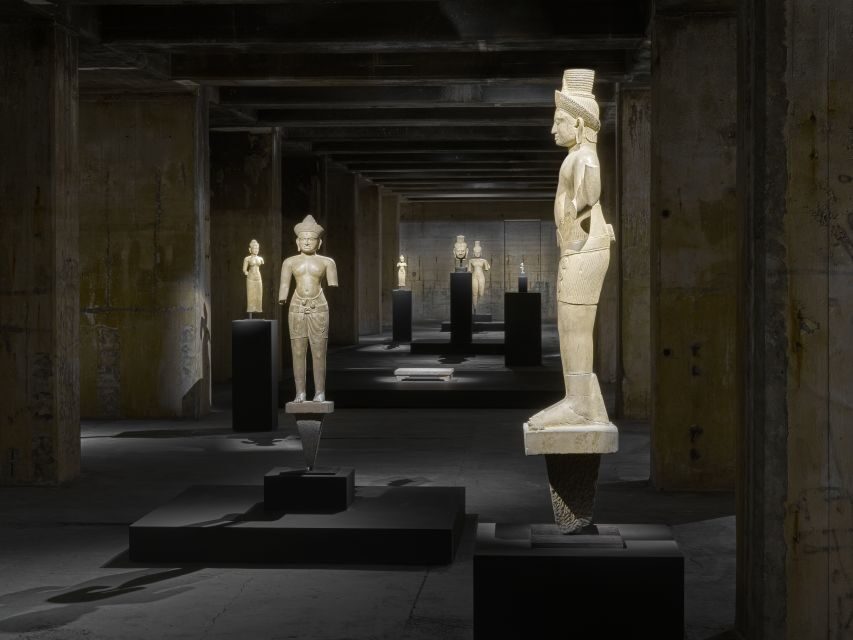
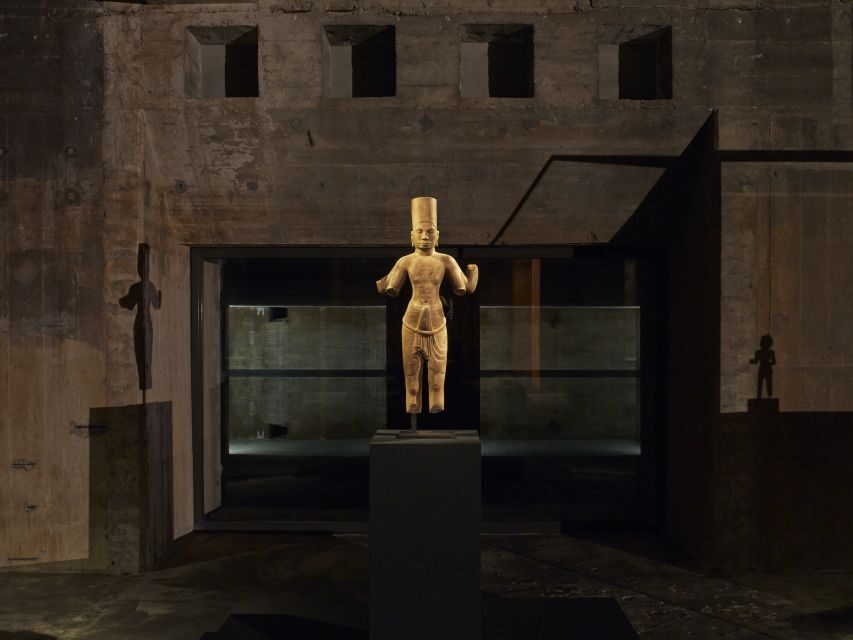
One of the best ways to understand this museum is to watch how it moves you across cultures and centuries without turning it into a history lecture. The tour begins by taking you to ancient artworks, including stone, bronze, and wood Khmer sculptures from the 7th to the 13th century.
Seeing these sculptures in this kind of underground, bunker-like setting changes the experience. You don’t get the casual museum feeling of “walk in, read labels, move on.” The guide’s pacing helps you look longer than you normally would, and the room’s atmosphere encourages a kind of quiet focus.
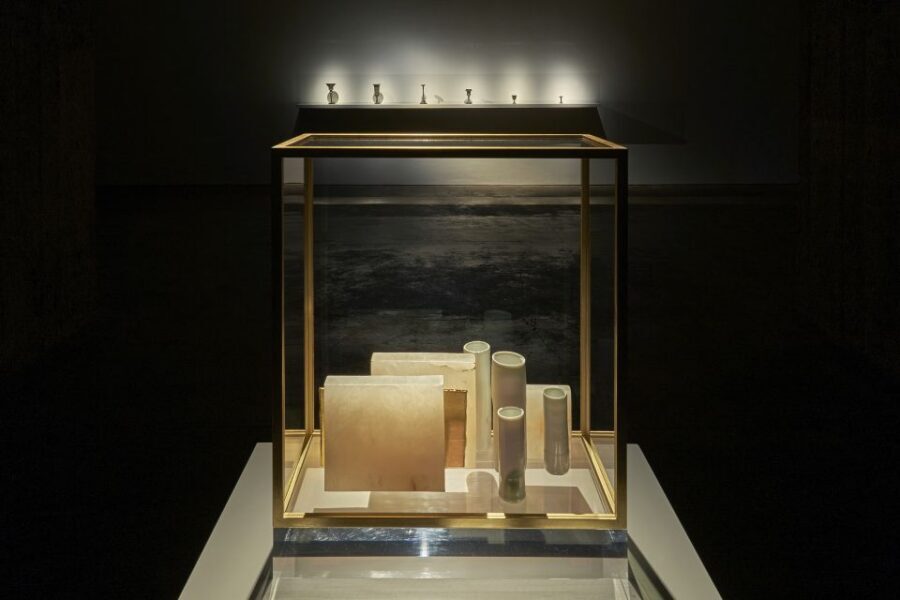
From there, you move into Imperial Chinese pieces—especially intricate lacquer and stone furniture. These aren’t presented as random “other art.” The museum sets them up as counterpart objects, so you can compare craftsmanship, materials, and visual rhythms across time.
I particularly like how this early section gives you two kinds of visual attention:
- texture and form in the older materials
- finish, detail, and decorative surface in the lacquer and stone works
If you enjoy noticing how different materials hold light, you’ll get a lot out of these rooms.
The contemporary art pairings: why Araki and Fuss are included
After the ancient artworks, the tour shifts toward contemporary works that you might not expect to sit next to them—especially names like Nobuyoshi Araki and Adam Fuss. The museum doesn’t throw modern art in as a “now and then” add-on. It’s there to create a conversation.
This is one of the tour’s strongest ideas: the museum encourages you to think about what stays meaningful across centuries, and what changes. You’re not only learning dates and origins. You’re comparing how artists make statements using form, subject, and material choices—even when the cultural context is totally different.
Adam Fuss is a good example of why this pairing works. His work tends to feel conceptual and image-driven, so next to tactile, physical ancient objects, you start noticing how different kinds of art ask you to look. With Araki, the point isn’t just recognition of a modern artist—it’s how the museum frames the contemporary work as part of an ongoing visual question, not a separate world.
The guide ties this together by explaining why Désiré Feuerle assembled the collection the way he did—a connoisseur of Asian art known for pioneering the idea of putting antiquities alongside contemporary art. That framing is the glue that prevents the tour from feeling like a “greatest hits” lineup.
Architecture as an exhibit: the underground lake and light design
One of the things I’d prioritize on your mental checklist is the building itself. The Feuerle Collection doesn’t treat architecture as background. It treats it as part of the presentation, including an underground lake that fits into the design through the lighting and art placement.
You’ll likely notice the effect quickly: the way light lands, the way the room feels, and how the space shapes your movement. A lake isn’t just scenic here. It’s an atmospheric element that supports the museum’s overall mood—quiet, controlled, and a little otherworldly.
This is also where the John Pawson renovation really shows its influence. The bunker shell, the refined renovation choices, and the art placement all work together. The result is a visit where you don’t just see objects—you experience a designed environment that makes those objects feel more concentrated.
One practical tip: because phones and cameras aren’t allowed, you won’t be tempted to “document” as you go. That’s good here. Let your eyes do the work, and let the light play be part of what you remember.
You can also read our reviews of more guided tours in Berlin




The feeling in the room: quiet, focused, and guide-led
A surprising theme in the feedback is how calm the experience feels. People noted the atmosphere is very quiet, and the guide-led flow helps keep the space from turning into a noisy crowd shuffle.
That matters more than you might think. When a museum is loud, you start tuning out labels and speeches and you end up “getting through” rooms. Here, the guided tour structure and the environment work together so you can actually absorb what you’re seeing.
The guides also seem careful about timing—helping you learn without taking over your attention. In other words, you’re not being marched through like a school group. You’re given direction, context, and then the room gives you the chance to look.
If you like art viewing that feels thoughtful rather than chaotic, this is one of the reasons the visit earns its high marks.
Rules that affect your visit (and how to plan around them)
The museum has clear restrictions, and they can make or break your comfort level. Plan for this: pets are not allowed, and food and drinks are not allowed either.
Most importantly, cameras are not allowed, and cellphones are not allowed. Video recording is also not allowed. And you can’t touch exhibits.
That means you should pack like this is a phone-free art zone:
- Keep your phone out of reach and ready to store (don’t count on checking it constantly).
- Leave small items behind if you can.
- Don’t plan on taking photos to remember details later. Instead, take mental snapshots: materials, textures, and how the lighting changes your perception.
It may sound strict, but it matches the museum’s tone. If you want a calm art encounter where you don’t hear shutter sounds from everyone around you, these rules support that.
Price and time: is $25 for a one-hour guided tour worth it?
At $25 per person for about one hour, this isn’t a bargain in the “everything is cheap” way. It’s priced as a focused museum experience: you’re paying for the entry plus a guide.
For value, ask yourself what you’re buying:
- Entry into a distinctive space (a renovated bunker, not a generic gallery)
- A structured guided explanation that connects ancient and contemporary art
- A short route that helps you see the museum’s main ideas without spending half a day
If you’re in Berlin for a tight schedule, that one-hour focus can be a big win. You get a complete conceptual arc in less time than a typical museum day.
If you’re the type who needs lots of quiet time to study every label and you don’t like being timed, you might leave wanting more. That’s the main value mismatch to consider, and it shows up in feedback noting the tour can feel shorter than expected.
Who this tour suits best (and who should skip it)
This works best for you if:
- you like art that connects eras rather than separating them
- you enjoy seeing how curatorial choices shape your interpretation
- you want a guided route that gives context quickly
- you prefer quieter, phone-free looking
It may be less satisfying if:
- you’re bringing kids under 16 (this tour isn’t suitable for children under 16)
- you strongly prefer long self-guided museum wandering
- you need photos and video to capture your experience (those aren’t allowed)
If you’re visiting Berlin and want one standout cultural stop that mixes architecture, ancient Asian art, and contemporary international names, this is a strong candidate.
A day-of reality check: what could be different on your visit
Most of what you’ll see is the core collection and the bunker setting. But one detail you should know: one review mentioned that Scent Room wasn’t available on a visit date.
The honest way to handle that is to treat it as a bonus feature rather than a must-see element. If your main reason for coming is the core art and the bunker architecture, you should still be able to have a great visit even if a specific room isn’t running.
Should you book the Feuerle Collection guided tour?
I’d book it if you want a concentrated, high-focus art stop with strong atmosphere. The combination of Imperial Chinese objects, Khmer sculpture, and contemporary pairings (with names like Nobuyoshi Araki and Adam Fuss) gives you a lot to think about in a short time. Add in the WWII bunker setting renovated by John Pawson—and the underground lake integrated with the light design—and you’re getting more than just another museum ticket.
Skip or rethink if you need longer gallery time, you dislike strict rules around phones and cameras, or you’re traveling with younger kids. In that case, you may be happier with a self-guided museum where you can linger at your pace.
If you’re on the fence, use this decision rule: if you enjoy structured viewing with context, this tour is a great fit. If you want freedom to wander for hours, you’ll feel the time limit.
FAQ
How long is the Feuerle Collection guided tour?
The tour lasts about 1 hour.
Where do I meet for the tour?
Meet at the entrance of The Feuerle Collection.
How much does it cost?
The price is $25 per person.
Is the tour wheelchair accessible?
Yes, the tour is wheelchair accessible.
Are cameras, video, or cellphones allowed?
No. Video recording, cameras, and cellphones are not allowed.
Is the tour suitable for children?
No, it isn’t suitable for children under 16 years.