REVIEW · BERLIN
Berlin: Natural History Museum Entrance Ticket
Book on GetYourGuide →Operated by Museum für Naturkunde Berlin · Bookable on GetYourGuide
A museum that feels like a science time machine. The Museum für Naturkunde entrance ticket is a smart way to see world-famous fossils and collections in under an hour, with an optional downloadable audio guide that helps you connect the dots—especially around Giraffatitan brancai in the Dinosaur Hall and the wet collection of specimens preserved in alcohol. The one catch: the experience runs best if you plan on using your phone/headphones for the audio, since not every label is consistently easy to read in English, and a crowd can make navigation a little tricky.
I like that the ticket is priced like a quick afternoon add-on—$12 per person for a set entry window (30 minutes to 1 hour)—yet you still get access to the museum’s biggest draws: dinosaur skeletons, a serious research collection, and a biodiversity display that’s designed to make you think. You’ll also find the museum is friendly for kids with short attention spans, mainly because the big visual targets (skeletons, display halls, specimen cases) are hard to miss.
One more consideration: if you’re hoping for lots of hands-on interactive areas, you may feel a bit shortchanged. The museum is primarily about looking closely at real specimens, and some parts can feel dated or less interactive than modern science centers.
In This Review
- Key things I’d circle on your museum map
- Museum für Naturkunde in Berlin: the “what am I looking at?” museum
- Price and value: why $12 buys more than you think
- Your 45-minute game plan: a practical route that works
- Dinosaur Hall: Giraffatitan brancai and the Upper Jurassic wow-factor
- The rare-star moment: Archaeopteryx lithographica
- East Wing wet collection: the million-specimen reality check
- Biodiversity Wall: 3,000+ species and a very real conversation
- Audio guide essentials: multilingual, web-based, and best with headphones
- What’s included vs not: what you actually get
- Families and short-attention visitors: why it works
- Crowds and navigation: what to expect in a busy museum
- Getting there and meeting point: Invalidenstraße 43
- Should you book this Museum für Naturkunde ticket?
- FAQ
- How long does the Berlin Museum für Naturkunde ticket take?
- Where is the meeting point?
- How much does it cost?
- Do I get to skip the ticket line?
- Is an audio guide included, and what languages are available?
- Do I receive a physical audio device?
- Is a cloakroom included?
- What do I need to bring?
- Is wheelchair access available?
- Are reduced tickets allowed, and what proof is required?
- Can I cancel after booking?
Key things I’d circle on your museum map
- Skip-the-line + timed entry so you don’t burn your whole hour waiting.
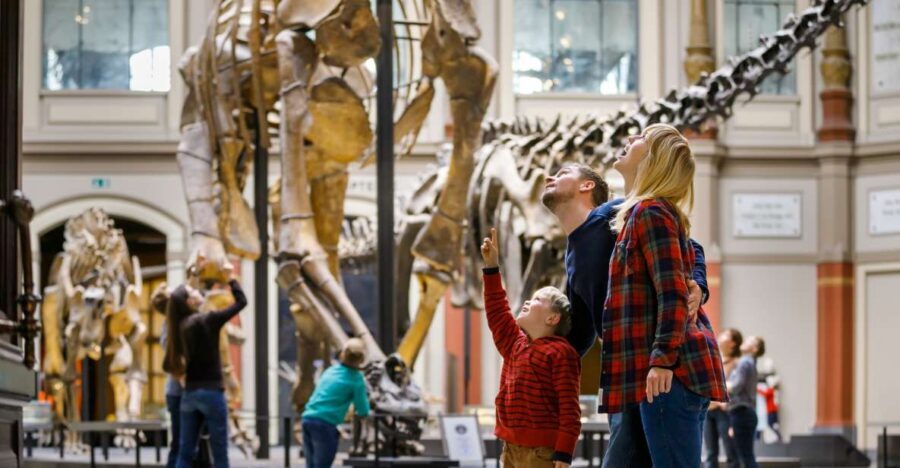
- Dinosaur Hall scale built around standout skeletons like Giraffatitan brancai.
- Wet collection East Wing with about 1 million animals preserved in alcohol.
- Biodiversity Wall impact showing more than 3,000 species at once.
- Audio guide support in multiple languages, accessed via a downloadable web-based content link.
- Cloakroom help so you can browse without lugging heavy bags.
Museum für Naturkunde in Berlin: the “what am I looking at?” museum
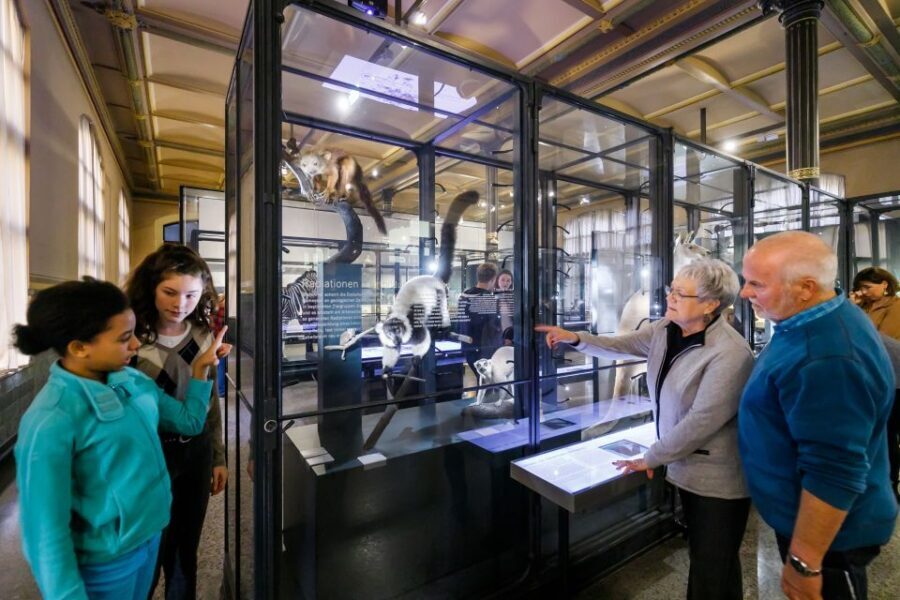
The Museum für Naturkunde (Berlin) isn’t just a room full of bones. It’s set up like a guided scientific argument: start with deep time, then move through specimens, then land on what biodiversity looks like now—and what’s at risk. That arc matters, because it turns a ticket into a story you can actually follow, even if you only have 30 to 60 minutes.
You’ll walk in and hit the museum’s best-known fossil sections fairly quickly. The Dinosaur Hall is the obvious starting point, with life from the Upper Jurassic period (150 million years ago) presented through major skeletons and fossil displays. Then, if you keep going, the East Wing shifts the vibe from dramatic fossils to real scientific storage: curated research collections and the museum’s “wet collection,” preserved in alcohol.
What makes this ticket feel good is that you don’t need a guide to get the basics. The audio option gives you the context, and the displays give you the wow factor. The result is a visit that works for adults who want meaning, and for families who just want a few unforgettable moments they can talk about later.
You can also read our reviews of more tours and experiences in Berlin


Price and value: why $12 buys more than you think
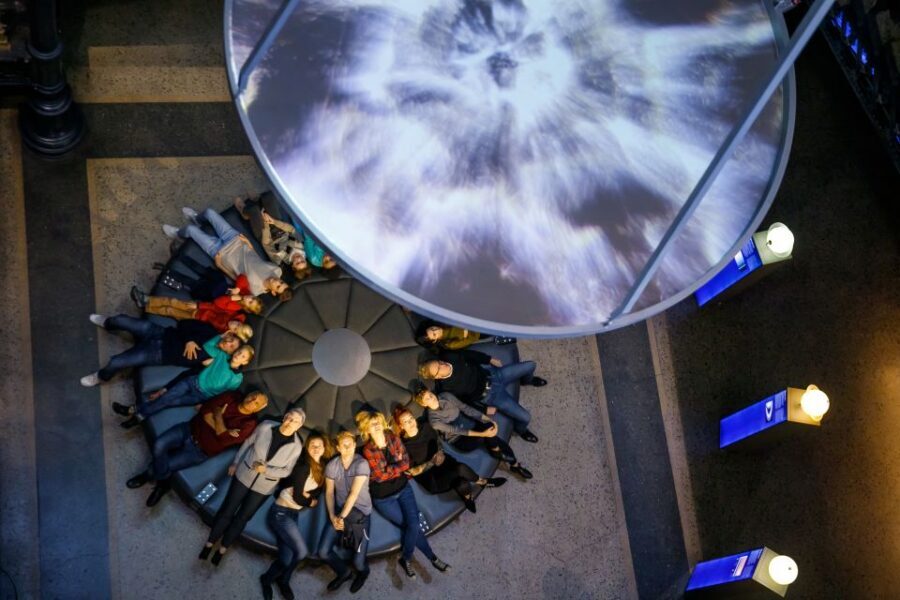
At $12 per person, this is one of those Berlin tickets that feels fair even if you only skim. You’re paying for:
- Entrance to the museum’s key permanent exhibitions
- An audio guide option (downloadable audio content accessed by logging into a website)
- Cloakroom access, which is surprisingly useful in a big museum where you may not want to carry coats or backpacks the whole time
You’re also getting a “tight visit” designed around a 30 minutes to 1 hour window. That time range is perfect if you’re packing a day with other Berlin stops. It’s also helpful if you travel with kids—because the museum’s best stuff is visually strong, so even a shorter route still lands well.
If you want to linger, you can. But you’ll likely want to prioritize. The museum contains a lot, and trying to see everything at once can turn your visit into a speed-walk.
Your 45-minute game plan: a practical route that works
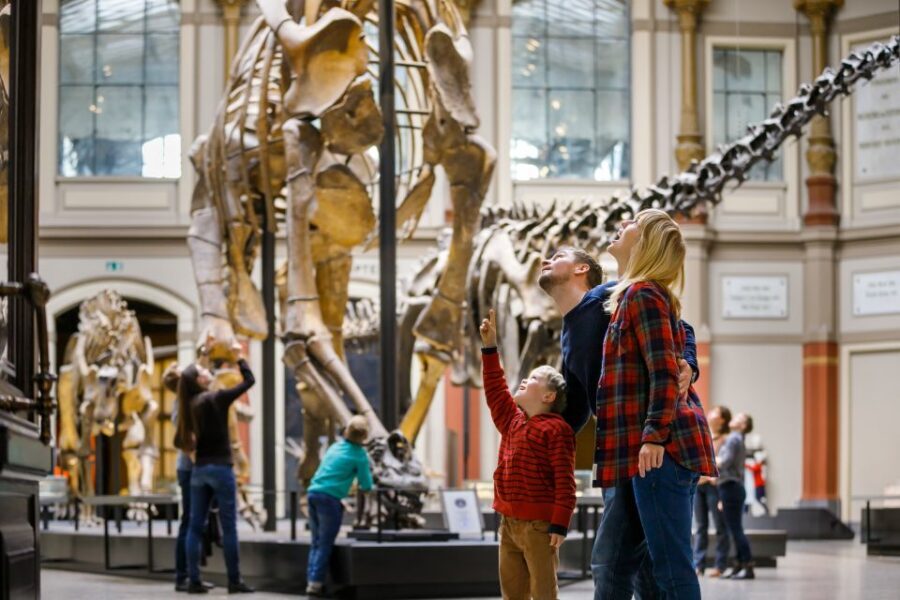
Because this is self-guided with an entry time window, I recommend a simple hit-list. Aim to see the museum’s three “anchor zones” and then add one bonus area if you still have energy.
Here’s a route that keeps your visit under an hour:
1) Dinosaur Hall first (Upper Jurassic zone)
Start where the museum is most dramatic and easiest to navigate. You’ll see the giant centerpiece skeleton Giraffatitan brancai, known as the tallest mounted dinosaur skeleton in the world. This is your fastest route to the wow factor.
2) Archaeopteryx lithographica at the back of the hall
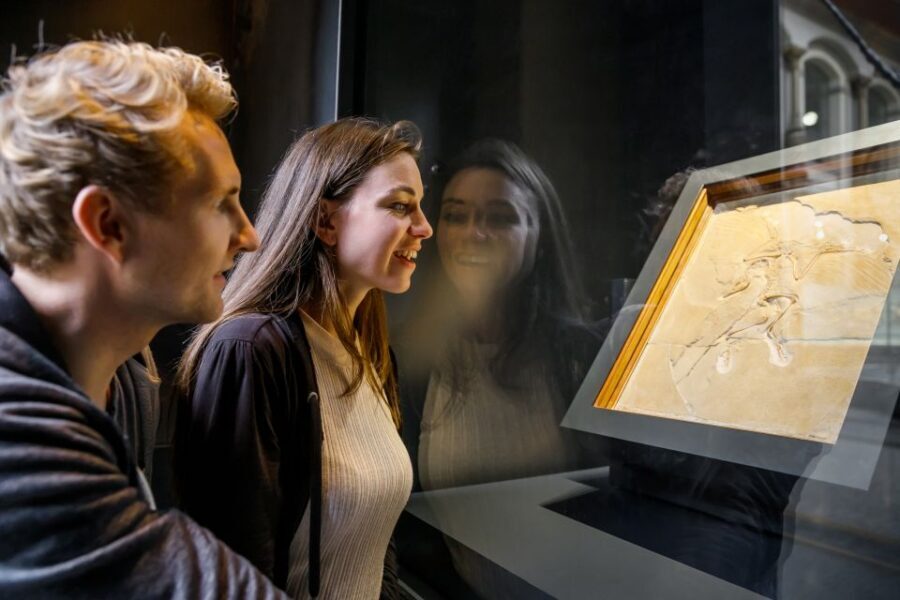
If you’re a bird-or-evolution nerd, don’t miss the Archaeopteryx lithographica display. It’s presented in a safety showcase, and it’s often described as the Mona Lisa of natural history—because it’s rare, iconic, and treated like a treasure.
3) East Wing for the wet collection
This is where the museum turns from fossil theater into real science logistics. Look for the wet collection area where the museum stores about 1 million animals preserved in 80 tonnes of alcohol.
4) Biodiversity Wall for the big-picture finale
Finish with the Biodiversity Wall, which shows more than 3,000 species in one glance and pushes the conversation toward biodiversity loss and why the museum keeps researching the living world.
That’s a full visit without feeling rushed. If you’re traveling with kids, stick closely to this route: the visuals carry the day.
Dinosaur Hall: Giraffatitan brancai and the Upper Jurassic wow-factor
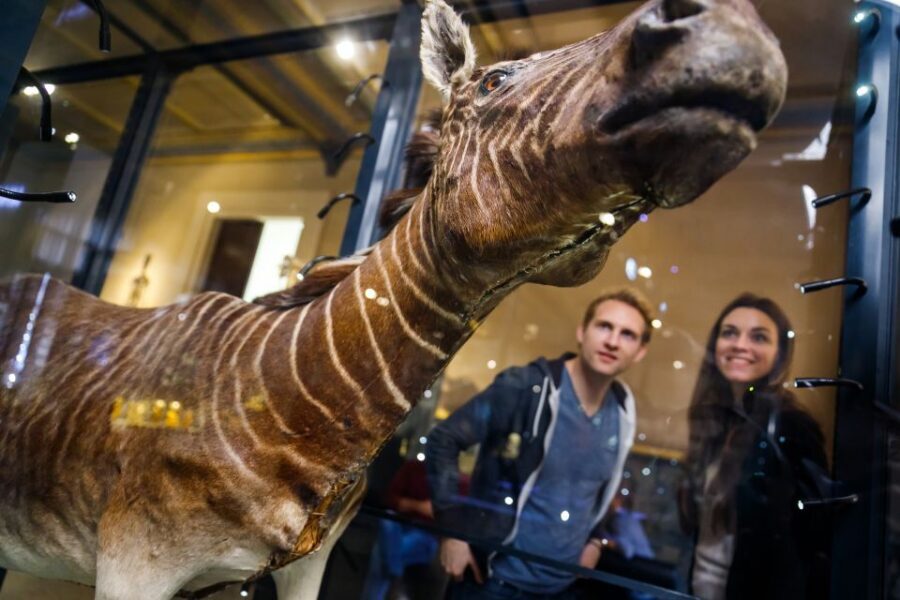
The Dinosaur Hall is built for impact. It recreates what life may have looked like in the Upper Jurassic, about 150 million years ago, and then anchors the period with skeleton displays that feel almost too big to take in all at once.
The standout is Giraffatitan brancai. Even if you only know dinosaur names from cartoons, you’ll feel the difference when you see a mounted skeleton designed to emphasize height and structure. It’s the kind of exhibit where you notice new details each time you look away and then come back.
The hall is also where you’ll find the museum’s approach to scientific storytelling. Fossils aren’t presented as random collectibles; they’re presented as evidence. The displays are structured to help you understand how scientists read bones, compare traits, and build a picture of extinct life.
If you’re short on time, don’t try to scan everything. Pick the two or three skeletons or featured specimens that grab you, and then let the audio guide explain the connections.
The rare-star moment: Archaeopteryx lithographica
At the back of the Dinosaur Hall, you’ll find Archaeopteryx lithographica in a safety showcase. This is one of those “small object, huge significance” displays. Even without getting technical, you’ll grasp why it’s famous: it sits at the crossroads of popular imagination about birds and the scientific evidence for evolution.
It’s the kind of exhibit that rewards pausing. If you speed through, you miss what makes it special. If you stop for just a few minutes—read the audio, then look at the specimen—you’ll leave with a clearer mental picture of why people call it a natural history masterpiece.
You can also read our reviews of more historical tours in Berlin






East Wing wet collection: the million-specimen reality check
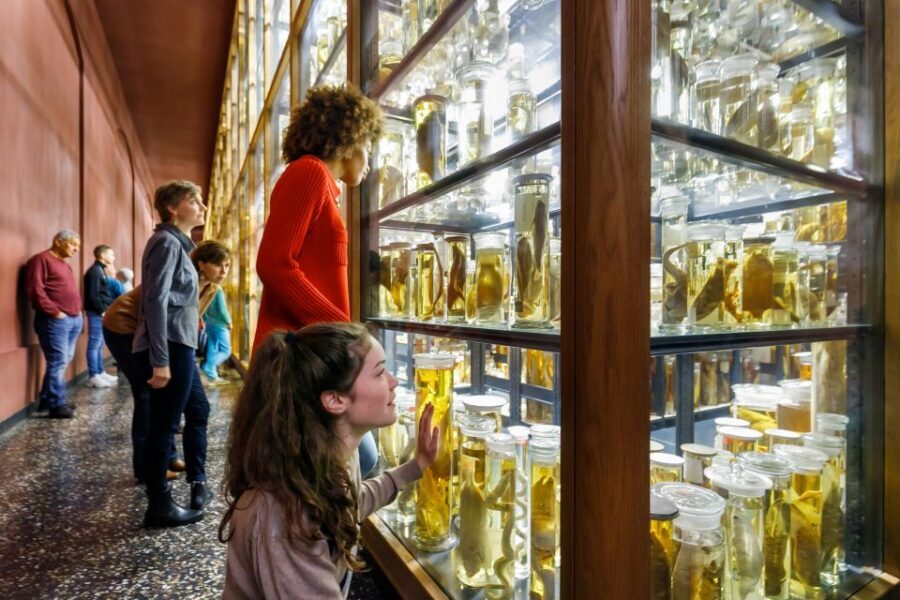
If the Dinosaur Hall is the museum’s dramatic entrance, the East Wing is the museum’s backbone. This is where you get a glimpse of a genuine scientific research collection rather than a purely public-facing display.
The big headline: the museum stores about a million animals preserved in 80 tonnes of alcohol. That sounds almost unbelievable until you see how the collection is treated—carefully curated, categorized, and connected to ongoing research.
Why this matters for your visit: it changes how you think about fossils and specimens. You realize that science doesn’t only work with what’s already discovered. It also depends on preserving, cataloging, and comparing living and historical material so future researchers can keep asking better questions.
This part of the museum is also a good choice if you want something different from the usual dinosaur-only stops in Europe. You’re seeing how natural history becomes a working science.
Biodiversity Wall: 3,000+ species and a very real conversation
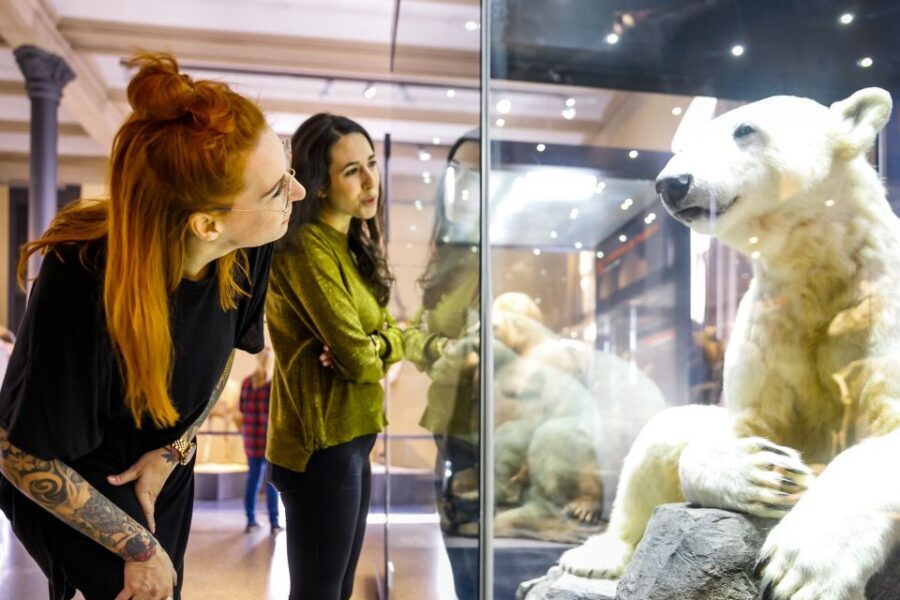
The Biodiversity Wall is designed to hit fast and linger. Instead of presenting one animal at a time, it groups more than 3,000 species in one view. That layout makes the big idea unavoidable: biodiversity is huge, and it’s not evenly distributed in nature—it’s something that can be lost.
You don’t need a degree to get the point. You can also tell the museum wants visitors to connect the wall to their research focus, because it’s presented as part of a larger discussion about biodiversity loss and what comes next.
I like how this display gives your visit a modern ending. You go from dinosaurs and ancient ecosystems into the living world and the urgency of conservation thinking—without turning the museum into a lecture hall.
Audio guide essentials: multilingual, web-based, and best with headphones
The ticket includes downloadable audio content, with languages including English, French, German, Italian, Japanese, Polish, Portuguese, Russian, Spanish, Turkish. You access it by logging into a website (not by picking up a physical device).
This is great when it works. It can be annoying if it doesn’t—so here’s how to set yourself up for success:
- Bring a phone with enough battery
- Bring headphones (so the audio is usable once you’re inside)
- If you rely on downloadable content, plan to access it before you’re deep in the museum
A few practical notes from how the museum experience tends to feel in real life:
- Some descriptions may not feel fully consistent in English across every label, so the audio guide becomes your easiest path to clarity.
- A QR code approach can vary in reliability, so don’t treat the museum like everything will instantly load the moment you scan.
If you’re visiting with kids, this is still worth it. The audio helps you turn random dinosaur facts into a story they can remember. If you’re visiting as adults, it’s the difference between seeing bones and understanding why those bones matter.
What’s included vs not: what you actually get
Here’s the clean breakdown of what this experience provides:
Included:
- Museum entrance fee
- Audio guide access (downloadable audio content via a website login; multiple languages)
- Cloakroom
Not included:
- Guided tours
- Special programs and special events
- A physical audio guide
So if you’re the type who wants a person leading you through everything, this ticket won’t replace that. But if you’re the type who likes to move at your own pace, this is an efficient way to do a museum of this size.
Families and short-attention visitors: why it works
I think this museum is a strong family pick because it’s organized around big visual anchors. Kids tend to latch onto skeletons quickly, and the dinosaur displays are set up for that kind of immediate attention.
A big plus for parents: you don’t need to translate every label yourself. The audio guide option helps you keep momentum even when your kids are bouncing between exhibits.
That said, if you’re expecting lots of interactive play stations, you may find less than in hands-on science centers. The museum’s strength is close looking—specimens, displays, structure, and scale. For many families, that’s a good tradeoff, especially if you want kids to leave with a real sense of awe and a few clear facts.
Crowds and navigation: what to expect in a busy museum
The museum can run at full capacity at times. When that happens, the experience can slow down, mainly at entry points. If you show up when the museum is packed, you may have to wait longer than you’d like before you’re fully inside.
Once you’re in, navigation depends on your pace. Some exhibit areas can feel like they’re arranged by themed rooms, so it helps to commit to your priorities early. If you try to wander randomly, you can lose time.
My advice: pick the anchor sequence (Dinosaur Hall → Archaeopteryx → wet collection → Biodiversity Wall). That keeps your visit cohesive even when the museum is busy.
Getting there and meeting point: Invalidenstraße 43
Meet at the main entrance on Invalidenstraße 43, 10115 Berlin. Build in a little buffer so you can handle checking in smoothly and storing coats if needed.
If you’re coming by public transit, give yourself time to find the entrance. This is a central Berlin location, and it’s easy to get turned around if you arrive right at the start of your time window.
Should you book this Museum für Naturkunde ticket?
Book it if:
- You want a high-impact, short museum visit with clear highlights
- You’re excited about dinosaurs, iconic fossils like Archaeopteryx, or the museum’s research collections
- You’ll actually use the audio guide on your phone (with headphones)
Skip it or switch plans if:
- You expect lots of hands-on, modern interactive activities as the main attraction
- You’re trying to do the visit without any phone/audio setup and you need every label in English
- You only have time for a quick photo stop and nothing else (this museum is at its best when you slow down for a few key specimens)
For most people, this is a smart buy: $12 gets you access to some of the most famous natural history displays in Berlin, plus a guided-by-audio framework that helps your hour feel organized rather than chaotic.
FAQ
How long does the Berlin Museum für Naturkunde ticket take?
It’s designed for a visit of about 30 minutes to 1 hour.
Where is the meeting point?
The meeting point is at the main entrance of the museum at Invalidenstraße 43, 10115 Berlin.
How much does it cost?
The price listed is $12 per person.
Do I get to skip the ticket line?
Yes, the ticket includes skip the ticket line.
Is an audio guide included, and what languages are available?
Yes. Audio content is included and available in English, French, German, Italian, Japanese, Polish, Portuguese, Russian, Spanish, Turkish.
Do I receive a physical audio device?
No. A physical audio guide is not included. Audio content is accessible by logging into a website.
Is a cloakroom included?
Yes. The ticket includes cloakroom access.
What do I need to bring?
Bring your passport or ID card.
Is wheelchair access available?
Yes, the experience is wheelchair accessible.
Are reduced tickets allowed, and what proof is required?
Reduced tickets are allowed, but you’ll need proof of age/status at entry.
Can I cancel after booking?
Yes. Free cancellation is available up to 24 hours in advance for a full refund.