REVIEW · BERLIN
Berlin Historical Highlights Walking Tour
Book on GetYourGuide →Operated by Vive Berlin e.G · Bookable on GetYourGuide
Berlin can feel like a lot at once, but this walk makes it manageable. In about 3 to 6 hours, you piece together Berlin’s biggest chapters in a small group format, with guided stops at places like the Brandenburg Gate and the Holocaust Memorial, plus the cold-war story beats around Checkpoint Charlie. And if your guide is someone like Paul, Jean Charles, Céline, or Paolo, you’ll likely get that fast, clear “how to see Berlin” context.
What I like most is how the tour turns famous landmarks into cause-and-effect: you learn what happened, then you look at the buildings and spaces with smarter eyes. I also like the pacing choices, including a planned break near the Brandenburg Gate, and the option for the group to use the metro if weather gets rough. The main thing to consider is that it is still a walking tour, so you’ll want comfortable shoes and a willingness to move for a good part of the day.
In This Review
- Key highlights at a glance
- A 3–6 Hour Walk Through Berlin’s Split—and Reunited—Story
- Potsdamer Platz to the Berlin Wall: Cold War Berlin You Can See
- Checkpoint Charlie and Hitler’s Bunker: Symbolic Places and Hard Truths
- Holocaust Memorial and the Reichstag: How the Tour Handles Emotion
- Brandenburg Gate, Unter den Linden, and Bebelplatz: Elegant Streets With Political Weight
- Museum Island and the Humboldt Forum: Museums Meet Modern Berlin
- Guide Skills and Small-Group Size: Why the $389 Per Group Can Pay Off
- Getting There and Moving Around: Potsdamer Platz Start, Smart Metro Options
- Who Should Book This Berlin Historical Highlights Tour?
- Should You Book It?
- FAQ
- How long is the Berlin Historical Highlights walking tour?
- Where does the tour start?
- Is the guide included in the price?
- What languages are available?
- Do I need a public transport ticket?
- Is the tour wheelchair accessible?
- Is there an option for hotel pickup?
Key highlights at a glance
- Start near Potsdamer Platz and work outward into Berlin’s key eras
- Berlin Wall + Cold War symbolism at Checkpoint Charlie
- Holocaust Memorial time set aside for quiet reflection
- Topography of Terror and WWII-linked sites for the darkest chapters
- Unter den Linden to Museum Island for royal-to-modern contrasts
- Humboldt Forum to connect architecture, museums, and today’s Berlin
A 3–6 Hour Walk Through Berlin’s Split—and Reunited—Story
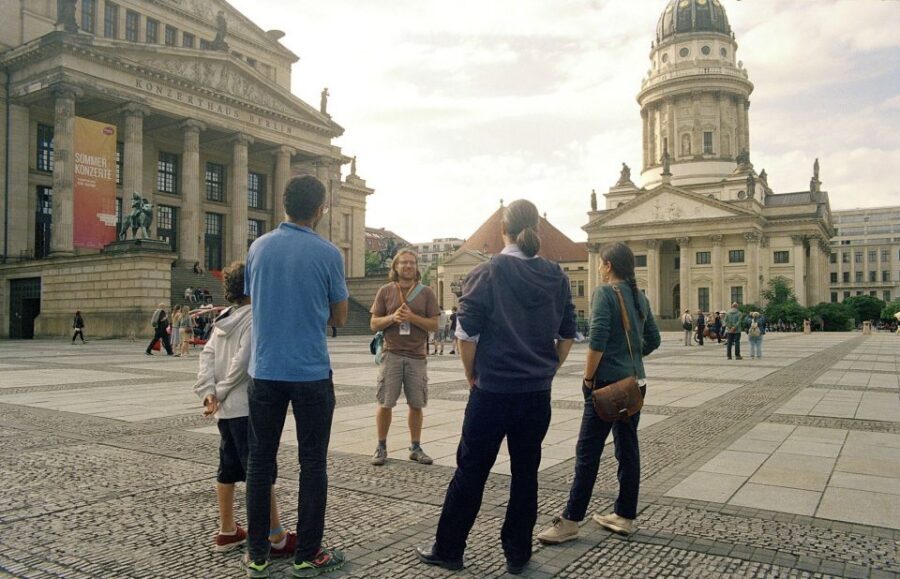
This is the kind of Berlin tour I recommend when you want the big picture without drowning in details. You’ll start in the Potsdamer Platz area and then move through central landmarks tied to the city’s political shifts. The total time is listed as 3 to 6 hours, which matters because Berlin walking tours can be short on paper and long in real life once you add weather slowdowns, questions, and careful pauses at memorials.
The group size is designed for a more personal experience: the price is $389 per group up to 6, and you’ll have a dedicated guide. In practice, that usually means you can actually ask questions while you’re standing at a place instead of only hearing information from a distance.
One smart note: the operator recommends bringing a public transport ticket for the AB zones so you can reach the meeting point and keep moving afterward, because the tour doesn’t end where you start. And due to difficult weather, they may take the metro during the tour. That’s not a flaw; it’s a realistic way to keep you on schedule when Berlin turns icy or windy.
Value check: because the guide is included and the group is small, the cost works out better if you’re traveling with up to a full group of friends—or if you just prefer not to be packed into a big crowd.
You can also read our reviews of more walking tours in Berlin



Potsdamer Platz to the Berlin Wall: Cold War Berlin You Can See
Potsdamer Platz is your warm-up in the real sense. It’s modern Berlin, but it also sits in the center of the city’s once-divided geography, so it’s a good place to start when a guide plans to explain how Berlin got from kings and emperors to fascism, war, and then division.
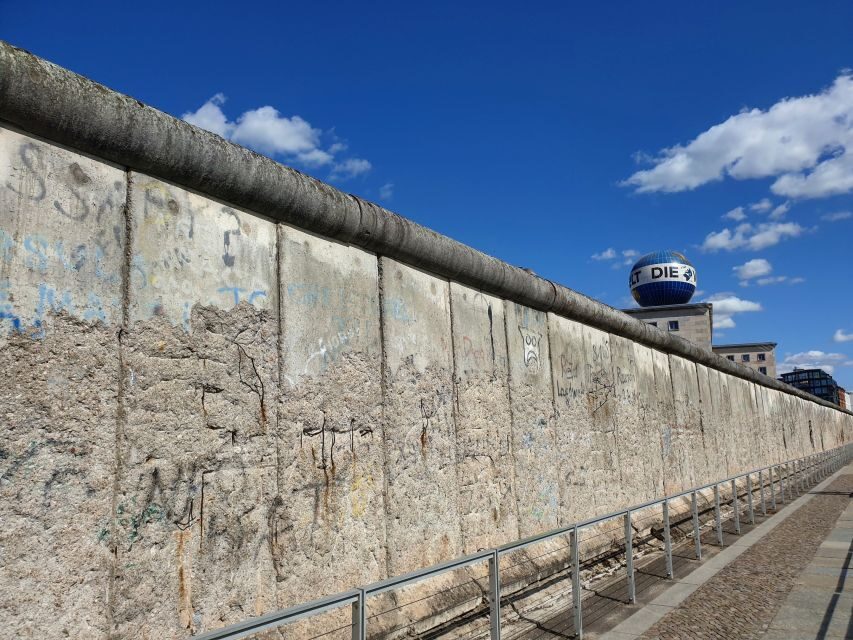
From there, the walk moves toward the Berlin Wall section. You don’t get a vague “this is where it happened” moment. You get a guided explanation while you’re literally near the physical reminder of division. Even if you’ve read about the Wall before, seeing fragments in context helps your brain connect history to space: where people could go, where they couldn’t, and how borders change daily life.
Right after the Wall area, you’ll also visit Topography of Terror. This stop is short—about ten minutes—so you should treat it like a guided orientation. The goal is to understand the forces at play, not to replace museum time. If you want a longer museum experience later, this tour is a strong way to decide what you’ll want to study more.
Possible drawback: because stops are designed for an overview, you won’t have long, freeform time at each site. The tour is built for understanding, not for wandering for hours on your own at every stop.
Checkpoint Charlie and Hitler’s Bunker: Symbolic Places and Hard Truths
Next comes Checkpoint Charlie, and it’s one of those locations where the guide matters a lot. The area is famous because it became a symbol of Cold War confrontation, and a good guide turns that reputation into clear, grounded explanation. You’ll spend around ten minutes there with guidance, which is enough to understand what made it significant without getting stuck in trivia.
Then you move to Hitler’s Bunker. The stop is brief—about ten minutes again—but it’s intentionally placed in the route right after you’ve been thinking about division and control. That pairing helps you see how different eras of power used the city in different ways. You’re not just collecting names and dates; you’re building a timeline you can walk through.
At both Checkpoint Charlie and the bunker-area stop, you’ll likely notice a theme: Berlin’s famous sites often work as shorthand for larger systems—politics, propaganda, and fear. When the guide explains the story in a way that connects to what you’re seeing, it helps you avoid treating the places like movie sets.
Practical tip for your brain: when your guide says something like “this is why it matters,” do one quick thing: look at the street layout or the immediate surroundings right then. It makes the explanation stick.
Holocaust Memorial and the Reichstag: How the Tour Handles Emotion
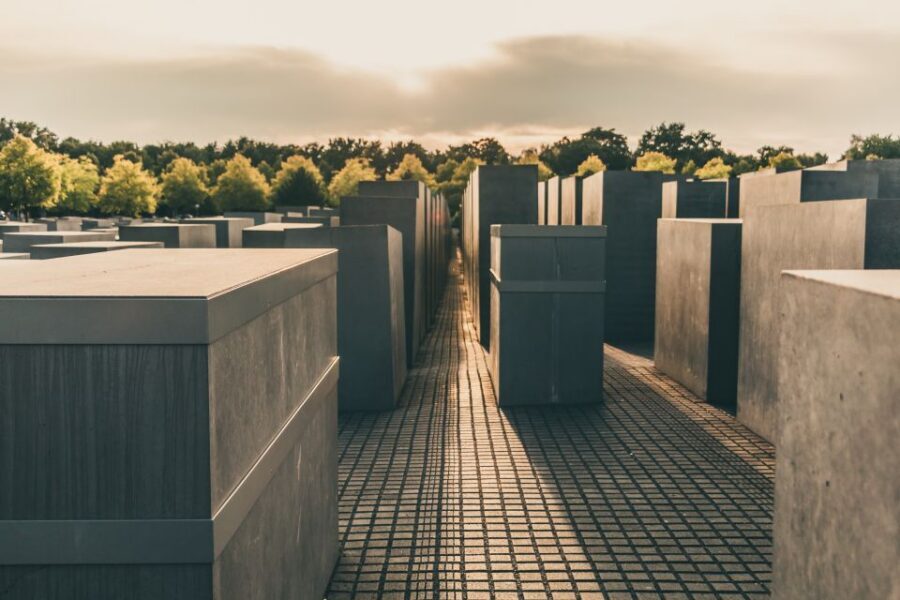
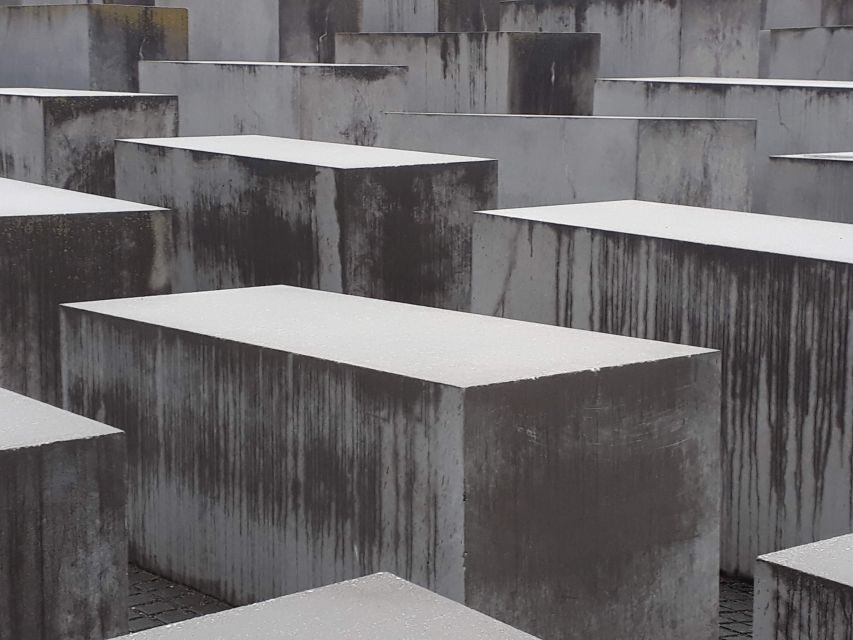
The Holocaust Memorial stop is longer—around twenty minutes—and that extra time is meaningful. This isn’t a rushed stop designed to check a box. You’ll be guided there, which helps set an appropriate tone and gives you structure for reflection in a space that deserves it.
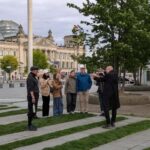
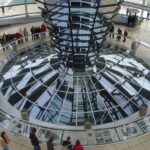
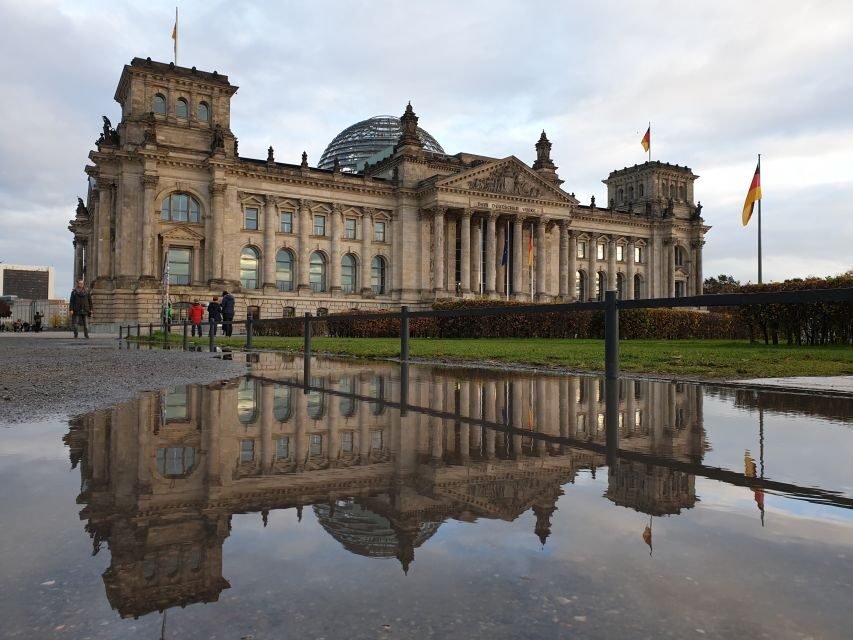
After that comes the Reichstag area, with about ten minutes of guided time. The Reichstag is often photographed, but a short guided stop can still be useful because Berlin’s political symbolism is layered. You don’t just see a famous building; you see how power and national identity get expressed through architecture and public space.
Here’s what I think works well about the way this tour is arranged: it spaces out the emotional weight. You handle Cold War moments, then you shift into remembrance, then you move into national-political space. That flow keeps you from feeling like the hardest part of history is just one more point on a list.
Consideration: if you tend to get overwhelmed in memorial spaces, plan to go slowly at the Holocaust Memorial and let yourself pause when you need to. The guided time is set, but your pace can still be your pace.
Brandenburg Gate, Unter den Linden, and Bebelplatz: Elegant Streets With Political Weight
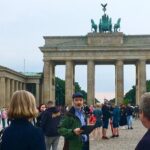
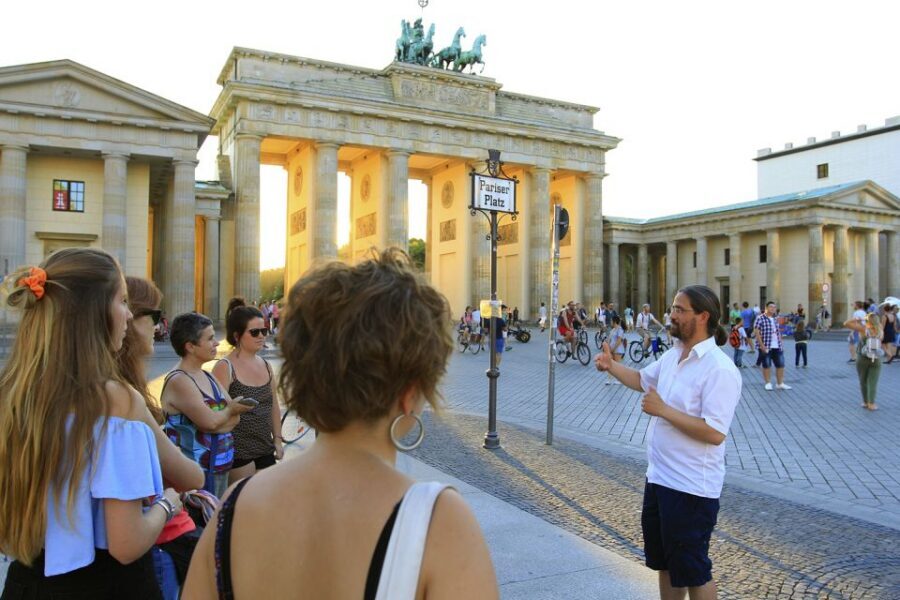
Then the tour brightens—at least on the surface—because Brandenburg Gate is one of the world’s most recognizable landmarks. You’ll spend about fifteen minutes there with guidance, plus there’s a scheduled break time of about ten minutes. That break is practical: you’ll want a quick reset before the walking continues.
A good guide doesn’t treat Brandenburg Gate as only an 18th-century postcard. They connect it to how Berlin’s story changed around it—especially since Berlin became a center for major political forces across centuries. Seeing it after the colder, heavier sites makes the contrast more powerful.
After the Gate, you’ll walk along Unter den Linden for about fifteen minutes. This corridor is the kind of place where Berlin’s identity comes through in street scale and sightlines. Your guide’s job here is to help you notice the layers, not just the buildings. If you’re new to Berlin, this stretch is where you start building a mental map you can use later.
You’ll also stop at Bebelplatz for about ten minutes of guided time. This part of the route helps link the elegant boulevard experience with educational and civic context, especially with the area’s university presence highlighted in the tour’s overview.
Best for you if: you want to feel like Berlin makes sense as you walk through it, not just as you take photos.
You can also read our reviews of more historical tours in Berlin






Museum Island and the Humboldt Forum: Museums Meet Modern Berlin
The final major run of the tour focuses on Berlin’s museum-and-mindset side, without turning the afternoon into an all-day museum marathon.
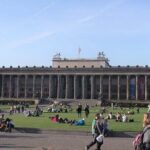
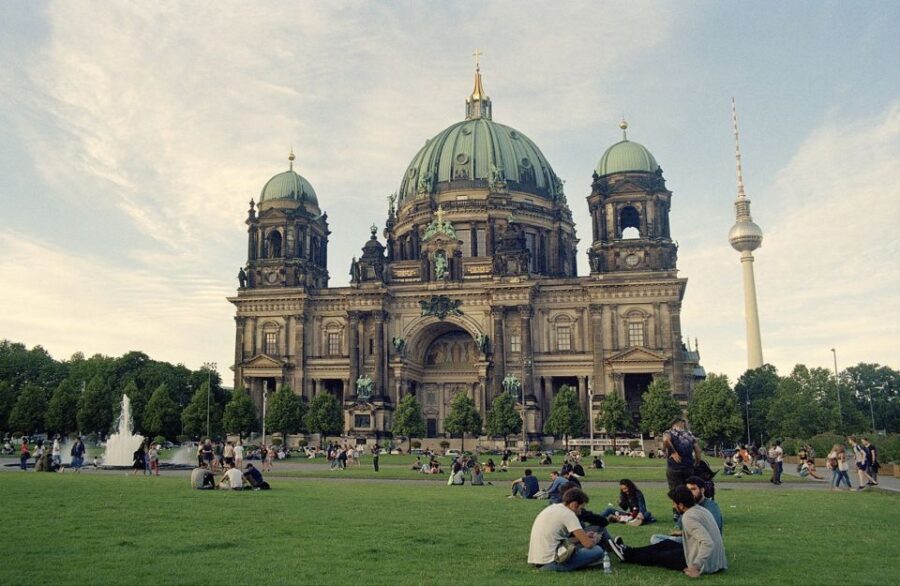
First, you’ll visit Museum Island for around fifteen minutes with guidance. Museum Island is a place you can walk around forever if you’re museum-focused, but on this tour it works as an orientation: you learn why the island matters and what the big idea is behind concentrating cultural institutions here.
Then you head to the Humboldt Forum, with about ten minutes of guided time. This stop is valuable because it connects history to how Berlin is thinking now—through contemporary storytelling, architecture, and how public space is used to frame culture.
This is one of the reasons I’d put this tour in the “high value” category even if you like museums: you don’t have to decide everything in advance. You finish with a clearer sense of what you’d want to return to, and in what order.
Timing note: because the guided time per stop is limited, you’ll likely leave wanting more at Museum Island or Humboldt Forum. That’s not a bad outcome. It’s the point of an overview tour.
Guide Skills and Small-Group Size: Why the $389 Per Group Can Pay Off
At $389 per group (up to 6), this tour can look pricey if you’re thinking “per person on a mass tour.” But with small groups, what you’re really paying for is time with a guide who can explain how to see Berlin correctly.
The guide is included, and the tour is offered in French, Italian, Spanish, and English. That language option matters if you don’t want to spend your first hours in Berlin fighting through explanations you can’t follow.
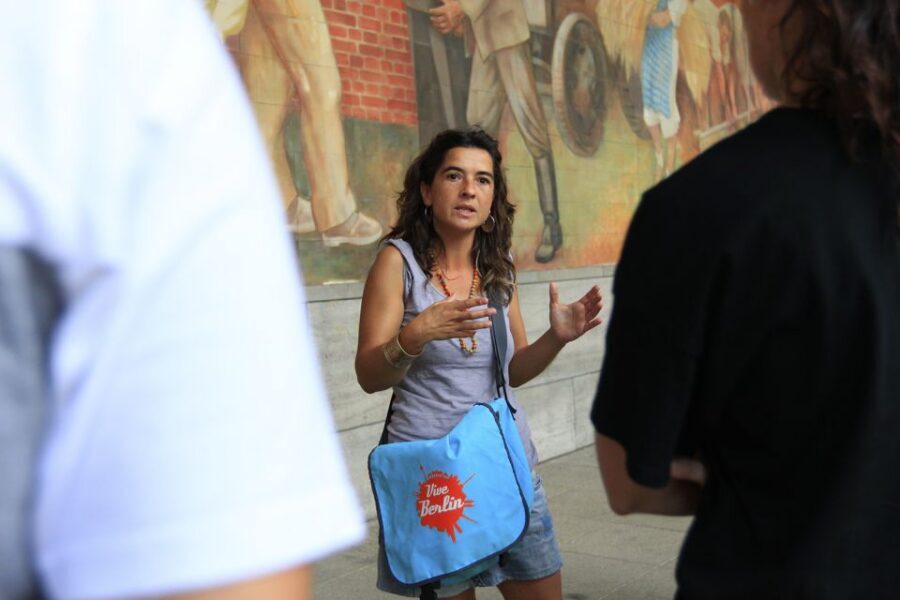
From the guide lineup that shows up across bookings, I’d pay attention to who’s leading on your date. Names like Paul, Jean Charles, Céline, and Paolo are associated with excellent feedback for keeping the experience clear even in difficult conditions. And that matters here: some of Berlin’s history is heavy, and some days are cold. When a guide can keep the pace calm and the explanations organized, you feel like you’re in good hands.
Also, the tour is marked as wheelchair accessible, which is a big plus if you need that kind of planning built in. Still, it’s smart to expect walking as part of the experience, even if transport adjustments are made in tough weather.
Bottom line: if you’re traveling as a couple or small group and you want a coherent storyline across multiple landmarks, the small-group price starts to feel reasonable.
Getting There and Moving Around: Potsdamer Platz Start, Smart Metro Options
The meeting point can vary depending on the option you book. If you choose pickup, you’ll wait in the hotel lobby about ten minutes before the scheduled time. The operator also notes you should contact them ahead of time to discuss pickup details and, for private arrangements, include hotel name and address.
They recommend buying a public transport ticket for the AB zones for the day to reach the meeting point and continue afterward. And they remind you that the tour doesn’t end at the starting point. That’s important because Berlin is large, and you don’t want to find out at the end that getting back is harder than you planned.
During difficult weather, they may take the metro during the tour. That option is one of the practical strengths of this experience: it keeps the tour from breaking down just because Berlin weather has opinions.
Drop-off details include Berlin, Unter den Linden 5, 10117 Berlin plus another drop-off location. So yes, you’ll end centrally again, but plan your next stop with the assumption that you’re not simply walking in a circle back to where you started.
Who Should Book This Berlin Historical Highlights Tour?
This tour is a strong fit if you:
- want a big-picture overview of Berlin’s 20th-century turning points
- like your history explained while you can see the places tied to it
- prefer a small group and guided storytelling over audio-only sightseeing
- are short on time and want to cover Brandenburg Gate, Holocaust Memorial, Checkpoint Charlie, Museum Island, and Humboldt Forum in one coherent route
You might want to choose something different if you:
- want long, independent museum time at each stop
- hate walking in cold or windy weather and aren’t comfortable with possible metro use
- expect a deep museum-style experience rather than a guided “see it right” overview
The tour also includes private group availability, which can be worth it if you’re traveling with family members who want a quieter pace or people who would benefit from more tailored explanations.
Should You Book It?
If it’s your first time in Berlin and you want your landmarks to feel connected instead of random, I’d book this. The route gives you the emotional arc you’d hope for: division and Cold War symbolism, then remembrance, then national-political context, and finally a cultural finish at Museum Island and the Humboldt Forum.
The biggest reason to consider booking is that the tour is built around guided meaning. You’re not just seeing famous spots. You’re learning how to interpret them in the city’s changing storyline, with enough time at the key sites to actually register what you’re looking at.
FAQ
How long is the Berlin Historical Highlights walking tour?
The duration is listed as 3 to 6 hours, depending on the schedule and conditions.
Where does the tour start?
It starts from the Potsdamer Platz area. The exact meeting point can vary depending on the option you book.
Is the guide included in the price?
Yes. A live tour guide is included.
What languages are available?
The tour is offered with live guides in French, Italian, Spanish, and English.
Do I need a public transport ticket?
The public transport ticket is not included. The recommendation is to buy a ticket for the AB zones for the day so you can get to the meeting point and continue afterward.
Is the tour wheelchair accessible?
Yes, it is marked as wheelchair accessible.
Is there an option for hotel pickup?
Pickup is optional. If available for your option, wait in the hotel lobby about ten minutes before the scheduled pickup time, and contact the provider ahead of time to confirm details.