REVIEW · BERLIN
Berlin: Sachsenhausen Concentration Camp Memorial Tour
Book on GetYourGuide →Operated by buendía · Bookable on GetYourGuide
This camp tour leaves you changed. I like how the experience starts in Berlin and continues at Sachsenhausen with a licensed guide who keeps things clear and respectful. You’ll meet at Alexanderplatz, ride out together, then walk a smart route through the places that explain how the camp worked.
I especially love the specific stops that make the history feel real. Barracks 38 and 39 highlight the cramped conditions for Jewish prisoners, and Tower A sets the tone for what the Nazis wanted this place to represent.
One consideration: it’s not set up for wheelchair users or people with mobility impairments, and you should expect a fair amount of walking—plus it can be very cold depending on the season.
In This Review
- Key highlights worth your time
- Why Sachsenhausen Still Matters When You’re in Berlin
- Meeting at Alexanderplatz and Getting There by Train
- The Route Begins at Tower A and the Main Entrance
- Barracks 38 and 39: Where Conditions Become Tangible
- The Punishment Cells, Infirmary, and Morgue: Hard Stops With Real Context
- Station Z Executions: The Place Where Violence Was Systematized
- The Prisoner Kitchen Museum and the Soviet Memorial After 1961
- Price and Value: What $21 Really Buys You
- Your Guide Makes the Difference (and It’s Usually a Big One)
- How Long You’ll Be Out and How to Plan Your Day
- Who Should Book This Tour (and Who Might Want a Different Plan)
- Should You Book This Sachsenhausen Tour?
Key highlights worth your time
- Train ride with your guide from Alexanderplatz so you get context before you step onto the grounds
- Skip-the-line entry with a separate entrance, so the visit stays efficient
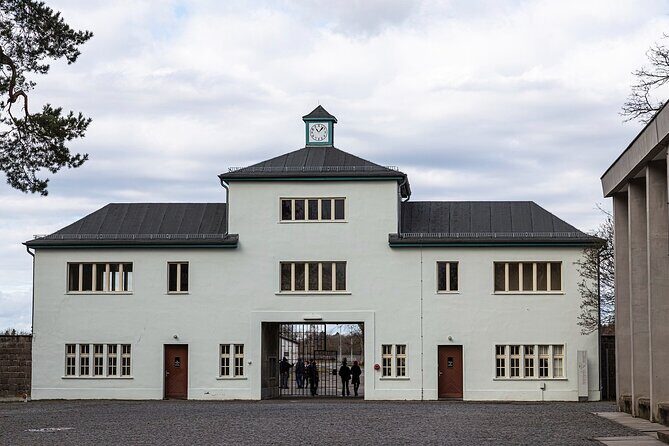
- Tower A and the main entrance to understand how the camp was presented and controlled
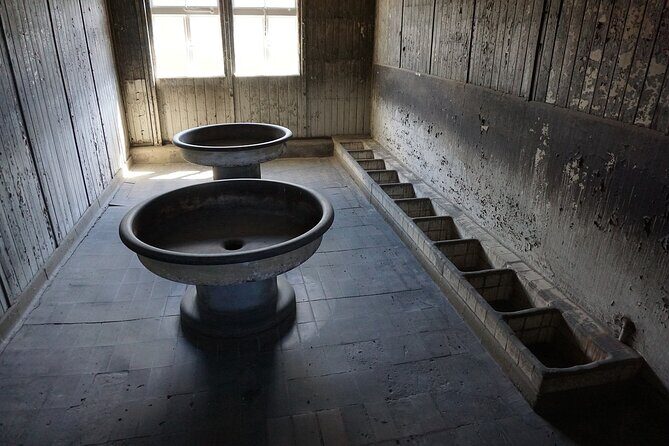
- Barracks 38 and 39 for Jewish prisoners and the museum-style look at daily life in captivity
- Punishment cells, the infirmary and morgue, and Station Z for some of the hardest parts of the story
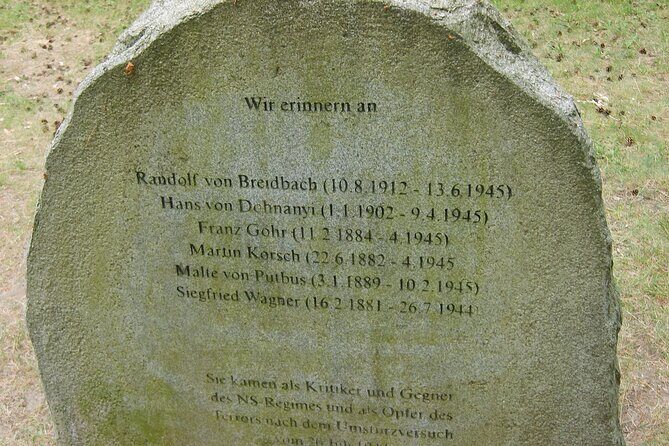
- Soviet memorial (built in 1961) that shows how Sachsenhausen was used and remembered after WWII
Why Sachsenhausen Still Matters When You’re in Berlin
Sachsenhausen is one of those places where Berlin’s WWII-era story stops being abstract. From your first minutes, the tour frames the camp as part of a larger Nazi system—its origins, its purpose, and its role as a kind of model camp for how the Nazis planned to run things.
What I like most is the emphasis on meaning. You’re not just ticking off buildings. You’re learning how a real machine of control worked, how victims were processed, and how later generations documented and memorialized what happened. Your guide is expected to approach the subject with respect for victims, and the best guides in this program keep the tone serious while still making the sequence easy to follow.
Also: this is a “walk and learn” day. If you’re the type who prefers museums with a lot of reading time, you’ll still do fine. But plan on listening, taking in visuals, and letting the physical layout teach you.
You can also read our reviews of more tours and experiences in Berlin.


Meeting at Alexanderplatz and Getting There by Train
Your day starts at Alexanderplatz, by the World Time Clock. Your guide waits there wearing their Buendía accreditation. This matters because the meeting spot is easy to miss if you’re wandering around looking for a landmark that isn’t there.
The train ride is included in the experience, but the train tickets are not. You need an ABC zone ticket in advance (buy it at the station machines or online via the Berliner Verkehrsbetriebe website). This is one of those small details that can quietly ruin your day if you ignore it—so I’d buy it right after you check your route for the day.
Here’s the practical part I’d copy: when your guide has time to check everyone has the right ticket, it’s worth cooperating. More than one guide in this program has a habit of getting the group sorted before departure, and it saves you from last-minute stress when the platform is busy and you’re trying to focus.
The overall duration is 5 hours, which gives you enough time for a full guided visit plus getting back. You’ll also be able to return to Berlin with your guide’s help at the end, or stay longer at the memorial on your own.
The Route Begins at Tower A and the Main Entrance
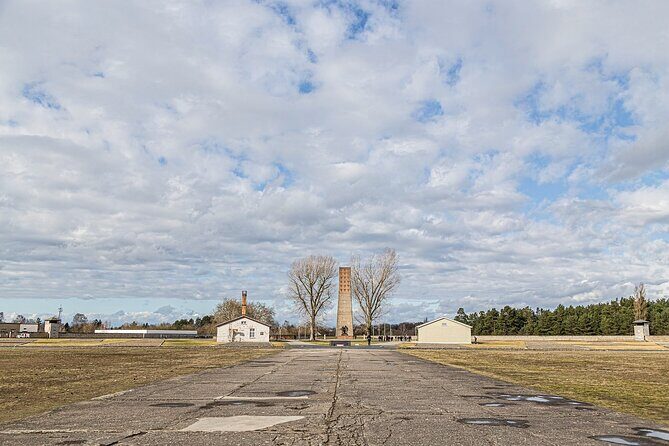
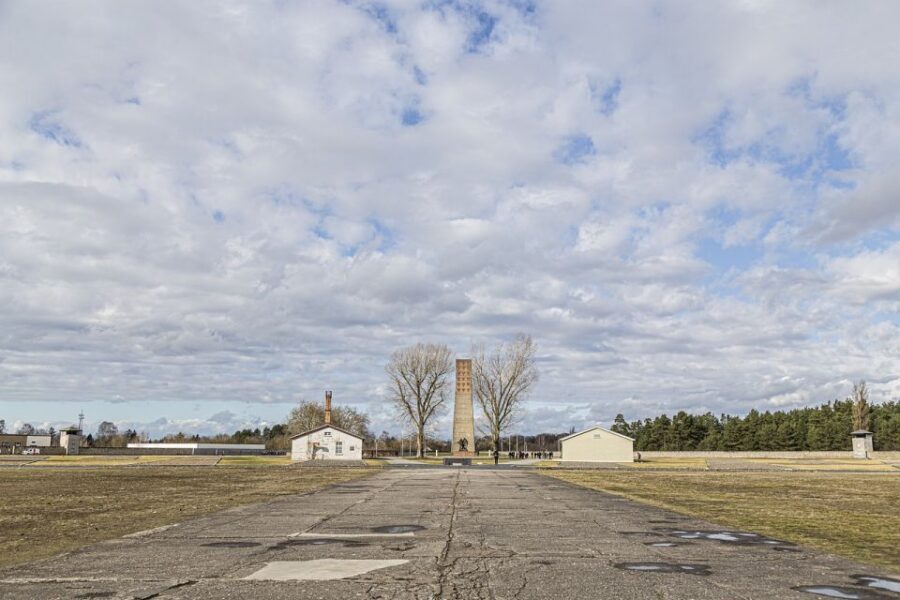
When you arrive, your tour starts at Tower A, the main entrance area marked by the famous Arbeit macht frei sign. This is not a small detail—it’s the first lesson. That phrase was part propaganda, part psychological pressure, part attempt to control how prisoners (and outsiders) understood what the Nazis were doing.
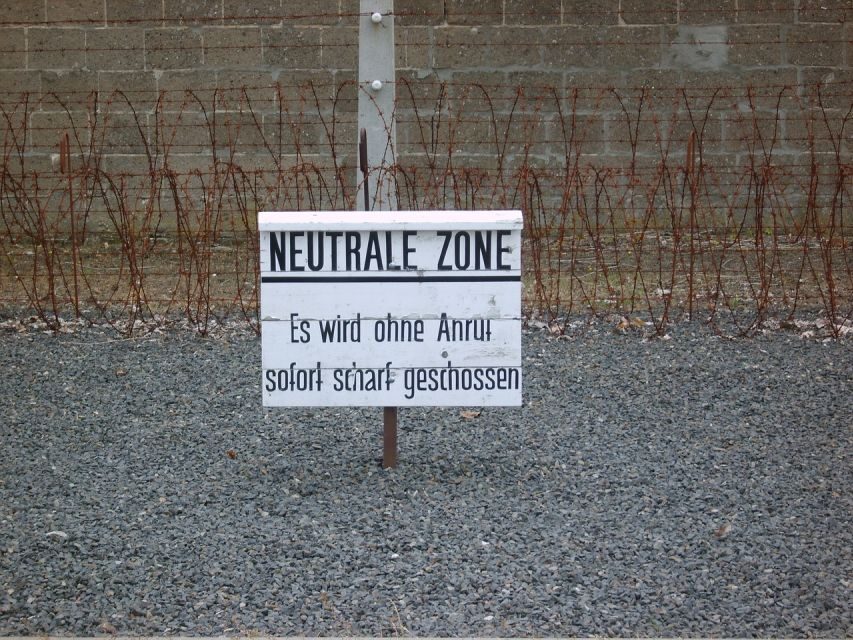
Your guide uses Tower A as a starting point to explain what the camp was intended to be and how it operated. The goal isn’t shock for shock’s sake. It’s to show the logic of the system: surveillance, movement control, and punishment built into the layout.
If you’re visiting in winter (or on any day with wind), be ready to stand still for short stretches while your guide explains what you’re seeing. Dress warm. Bring gloves if you run cold. And wear shoes you can walk in for hours without thinking about it—comfortable footwear is one of the real “make it work” tips here.
Barracks 38 and 39: Where Conditions Become Tangible
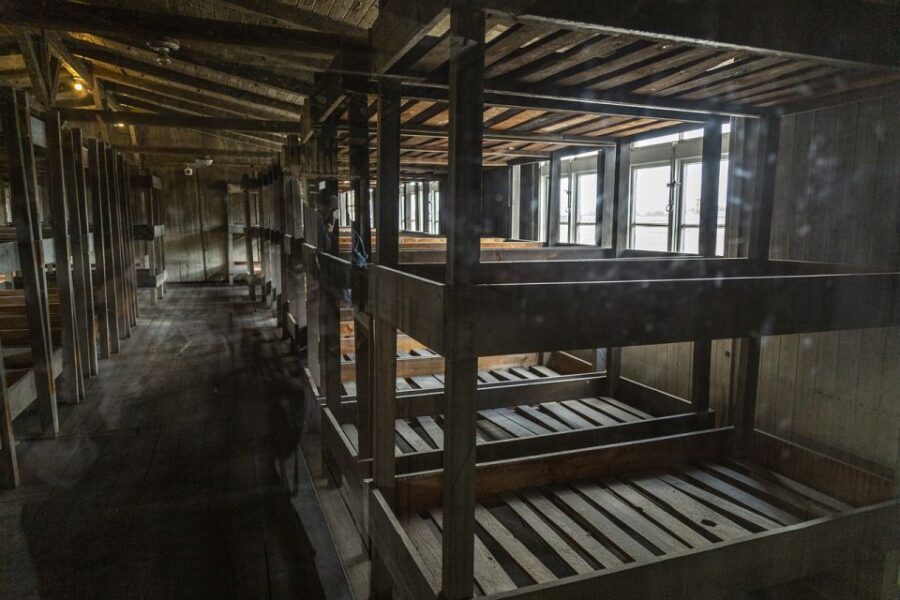
After Tower A, you’ll move into the heart of the visit: Barracks 38 and 39. This section is structured to help you understand what captivity looked like day-to-day, including the extremely cramped conditions for Jewish prisoners.
Barracks 38 now functions as a museum space showing daily life. That’s important because it shifts the focus from only major events to the ordinary horror of routine. Even if you already know the basics, seeing how the memorial tells the story through the barracks gives you a clearer mental picture of the physical reality—space, confinement, and how time likely felt inside.
You’ll also spend time in areas tied to punishment and detention for minor offenses. These stops matter because they show how the Nazis didn’t just punish when they wanted. They punished to regulate behavior, enforce fear, and maintain control through constant threat.
One reason this part of the tour gets such strong praise is clarity. Great guides manage to connect the dots without losing the seriousness. They also keep the storytelling respectful, so you’re not treated like you’re watching history as entertainment.
The Punishment Cells, Infirmary, and Morgue: Hard Stops With Real Context
If the entrance and barracks teach you the structure of control, the punishment cells and medical areas teach you the cruelty behind it.
You’ll visit the original punishment cells used to detain prisoners for minor offenses. Even if you don’t linger, this kind of room-based storytelling lands fast because the space itself communicates the intent: isolation and domination.
Then you’ll move through information connected to cruel medical experiments conducted in the infirmary and morgue. Your guide explains what happened there as part of the camp’s system rather than as random cruelty. That approach helps you understand the disturbing intent—how medicine was distorted into another tool of harm.
A point worth taking seriously: this is emotionally heavy content. Don’t schedule anything tight afterward in Berlin that demands high energy. Give yourself time to process on the way back, or at least slow down once you’re home.
Also, check how your guide handles pacing. Some guides can sound intense if they race. The strongest guides keep an even tempo and make sure you understand the why behind each stop, not just the what.




Station Z Executions: The Place Where Violence Was Systematized
Station Z is one of the most difficult parts of the tour, and it’s also one of the most important. Here you’ll see the remains of Station Z, where many executions took place.
Your guide explains the meaning of the site within the broader camp function. The point is not to stare. The point is to understand that this violence wasn’t spontaneous. It was part of an organized system used to break people, remove prisoners, and maintain control.
If you get overwhelmed, it’s okay to slow down. Stand back slightly if you need space, and keep your attention on what your guide is explaining. The tour approach aims to treat victims with respect, and that usually means you’re not pushed to do anything you’re uncomfortable with.
The Prisoner Kitchen Museum and the Soviet Memorial After 1961
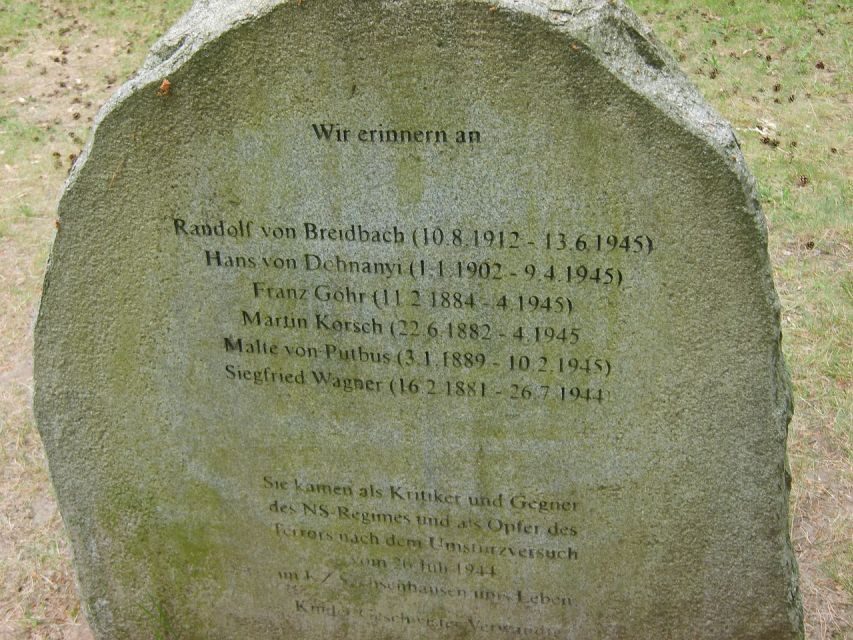
Later in the tour, you’ll visit the former prisoner kitchen, now a museum highlighting key moments in the camp’s history. This stop is useful because it keeps reminding you that prisoners lived inside a full environment of work, scarcity, and control. Food and daily labor may feel like side topics, but in captivity they’re central. They’re how the system shaped bodies and behavior.
Finally, you’ll visit the Soviet memorial built in 1961. This is where the tour expands into what happened after WWII. It’s a reminder that memorial sites evolve with time, and the meanings attached to places shift as political contexts change.
This postwar element helps you avoid a common trap: viewing everything as only Nazi-era actions with no later reckoning. The Soviet memorial gives you a visible thread showing that Sachsenhausen remained significant long after the war ended.
Price and Value: What $21 Really Buys You
At about $21 per person, this tour can feel like a bargain or a fair deal depending on what you compare it to. Here’s the value logic I’d use.
You’re paying for:
- A professional guide traveling with the group from Berlin to the memorial
- Skip-the-line entry into the memorial site through a separate entrance
- Entrance fees to the Sachsenhausen memorial (3€ included)
- Guided interpretation through multiple key areas, not just free time
What you don’t pay for is the train ticket. You’ll need the ABC zone ticket ahead of time. But that’s still simple, and your guide’s help at the start and end can make the transportation part feel much easier than going solo.
Also, the tour length is 5 hours. For a memorial experience, that’s enough time to cover the major sites without turning it into a “quick walk-by.” The best guides also use the train ride to give background, so you arrive with context instead of reading signs while you’re still getting oriented.
So yes, $21 is good value—especially if you want a guided route that keeps the story coherent and respectful.
Your Guide Makes the Difference (and It’s Usually a Big One)
One of the strongest themes you’ll see reflected by the guide names credited in this program is how they manage balance: clarity plus respect, seriousness plus human pacing.
Names like Peter, Walid, Richard, Amelia, Hugo, and Filipe appear repeatedly as guides who made the facts understandable, answered questions, and kept the tone appropriate for such a heavy topic. Several people also mention guides being engaging—sometimes with a bit of humor—while still staying respectful. I think that’s the sweet spot: a guide who can keep attention without turning the day into entertainment.
There’s also a practical layer. Guides often help ensure everyone gets on the right trains back to Berlin. Some even remind you to take advantage of restroom opportunities when they’re available during the day, which is a small thing that can make a long outing feel manageable.
When you book, pick the language you’re comfortable with (Spanish, English, German, French, Italian). If you’re not fluent, English tours are often a smart choice—but don’t underestimate how much clarity matters on days like this.
How Long You’ll Be Out and How to Plan Your Day
The full experience runs 5 hours. Part of that time is travel and part is the guided tour within the memorial grounds. You’ll start at Alexanderplatz, take the train to Sachsenhausen, then work through the key areas in a structured order: Tower A, Barracks 38 and 39, punishment cells, infirmary/morgue-related experiments, the prisoner kitchen museum, Station Z remains, and then the Soviet memorial.
At the end, you have options. You can go back to Berlin by train with your guide’s help, or stay longer and explore the memorial on your own pace.
I like having that choice because memorials don’t behave like typical attractions. If you want more time with a specific area, you can do it. If you’d rather decompress on the way back, you can leave when the group wraps up.
For planning: bring snacks and wear comfortable shoes. Also, layer your clothing. Even if it’s mild in Berlin, Sachsenhausen can feel colder outdoors. Your guide will keep moving, and you’ll likely spend time standing still while listening.
Who Should Book This Tour (and Who Might Want a Different Plan)
This is a strong fit if you:
- Want a guided history route at a major memorial site
- Prefer context before you walk into difficult spaces
- Appreciate respectful interpretation that connects the physical layout to the events
- Like the idea of starting with a train ride that sets the story, not just arriving and reading alone
This may be tougher for you if:
- You need wheelchair access or have mobility limitations, since it is not suitable for wheelchair users or people with mobility impairments
- You’re looking for a light, casual outing. This tour deals with executions, punishment, and medical experiments, so it won’t be a relaxing afternoon
If you’re visiting with a classroom group, this kind of clear structure can work well. The guides in this program tend to explain in a way that makes complex events more understandable without losing their seriousness.
Should You Book This Sachsenhausen Tour?
I’d book this tour if you want structure, interpretation, and a guide who keeps the day respectful and coherent from start to finish. The value is solid because the price covers a real guiding experience plus the memorial entrance fee, while you only handle the ABC train ticket yourself.
Skip it if you’re not comfortable with heavy content or you need accessibility support that this format can’t provide. In that case, you might still want to visit the memorial independently with a plan that matches your needs.
For everyone else: this is one of those Berlin-area experiences that teaches you how history functioned on the ground—not just what happened, but how it was organized. And once you’ve walked it, you’ll understand why people often describe it as unforgettable in the most serious way.