REVIEW · BERLIN
The Memorial Tour: Visit to Sachsenhausen Concentration Camp (licensed guide)
Book on Viator →Operated by Birchys Berlin Tours · Bookable on Viator
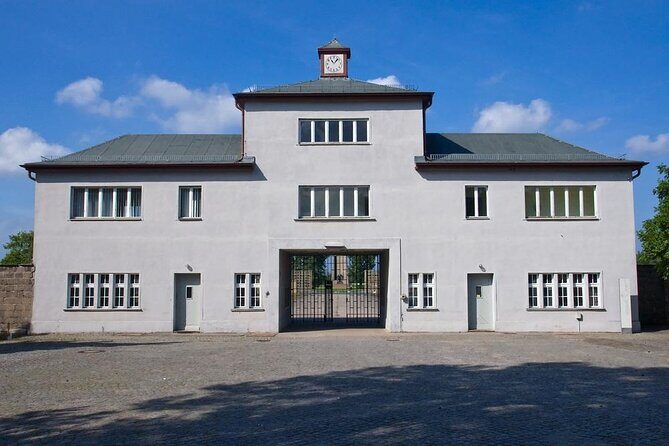
Tower A makes Sachsenhausen hit hard. With a licensed guide and a small group, you’ll walk through original areas and hear how the Third Reich used camps.
I like the small-group attention (maximum 15) because it keeps the questions coming, not the crowd noise. I also love the context-rich commentary that makes the buildings feel understandable, even when the subject isn’t.
One consideration: expect a lot of outdoor walking and strong emotions. It’s not a casual sightseeing stop.
In This Review
- Key things to know before you go
- Why Sachsenhausen belongs on your Berlin itinerary
- Meeting in central Berlin and getting north to Oranienburg
- Entering Sachsenhausen: Tower A and the roll-call area
- Medical buildings and the prison system: pathology, infirmary, and mortuary spaces
- Station Z and execution grounds: how terror was built into the layout
- Exhibits in the former kitchen and what they teach you
- Former prisoner barracks: seeing confinement as lived reality
- Guides, pacing, and why small groups work at places like this
- Price and value: what $41.12 gets you (and what to budget)
- What to pack for Sachsenhausen: shoes, layers, and small comforts
- Who should book this Sachsenhausen guided tour?
- Should you book with Birchys Berlin Tours?
- FAQ
- How long is the Sachsenhausen memorial tour from Berlin?
- Is the tour in English?
- What’s included in the ticket price?
- Do I need an ABC ticket?
- Where do I meet the guide?
- Can I get a full refund if I cancel?
Key things to know before you go
- Small group, maximum 15 keeps the guide focused and the pace humane.
- English-language guided visit helps you connect exhibits to what you’re seeing.
- Entry/admission is included for the Sachsenhausen memorial site.
- You need an ABC ticket for bus travel if you don’t already have a travel pass (bus fare isn’t included).
- Plan for walking and weather. A cold wind or rough footing can make the day feel longer.
Why Sachsenhausen belongs on your Berlin itinerary
Sachsenhausen isn’t just another museum stop. It’s a real memorial site tied to how the Nazi regime organized control, punishment, and terror. The big value of a guided visit is that you’re not trying to figure out the layout and purpose of each area on your own while your brain is busy processing what happened there.
What you’re really learning is the system. This tour guides you through core camp features—entrance, roll-call, execution grounds, prisons, and prisoner barracks—so you can understand how the camp functioned as a place of confinement and coercion, not just a set of buildings.
And yes, it’s going to feel heavy. The best kind of tour experience here is the one that stays factual, respectful, and clear. The guide’s job is to keep you oriented and explain the purpose behind what you see, from early camp operations to the sad machinery of the SS and Gestapo.
You can also read our reviews of more guided tours in Berlin


Meeting in central Berlin and getting north to Oranienburg
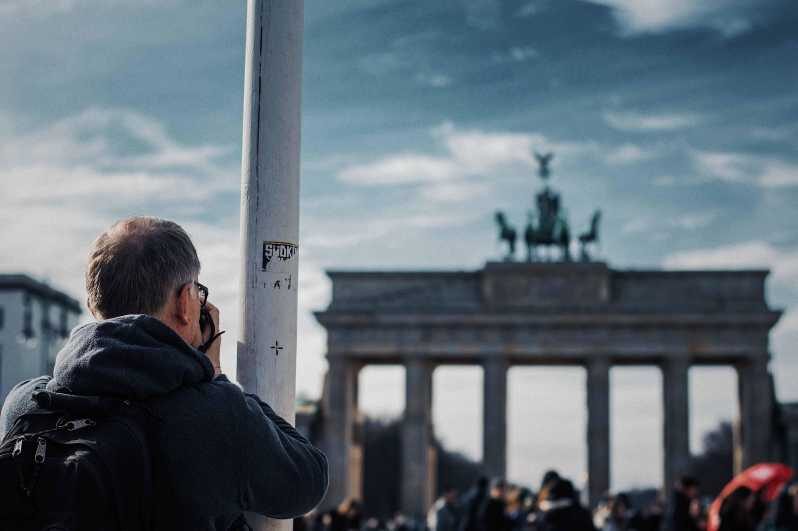
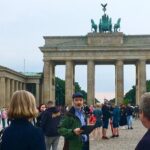
The start is in central Berlin at Birchys Berlin Tours, Ebertstraße 24 (meeting point outside Hopfingerbrau on Ebertstraße 24, near the Brandenburg Gate). You’ll begin at 10:00 am, and the tour ends back at the same meeting point.
From Berlin, the camp memorial is about 30 km north on the outskirts of Oranienburg. The ride matters because it gives you time to settle in and get oriented before you enter the site. Some people also appreciate that the trip is part public-transport friendly, so you’re not stuck waiting around with a tour bus for long stretches.
One practical detail: the ABC ticket is required if you don’t already have a travel pass. The tour notes that guides can help, but it’s still on you to have the right transit setup. And bus fare isn’t included, so if you need to pay for local transit to reach the exact camp area, budget for it.
Entering Sachsenhausen: Tower A and the roll-call area
Your main visit begins at the Sachsenhausen memorial site, where you’ll focus on key camp elements. Expect about 3 hours at the site, with admission included.
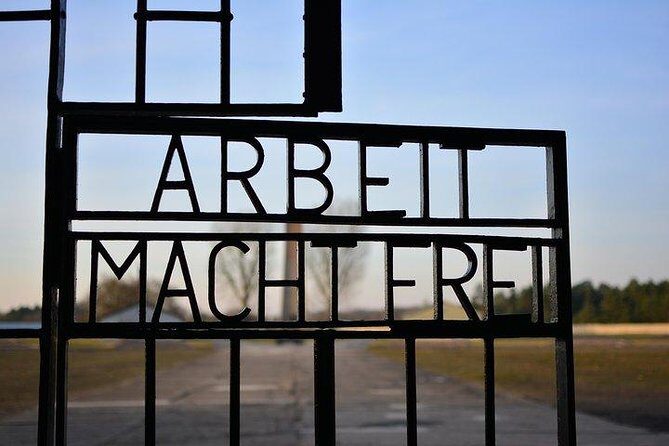
First up is Tower A, the entrance into the main camp compound. This area sets the tone. Even if you’ve seen photos before, standing in the space where entry was controlled hits differently. Your guide’s commentary is what turns it from a dramatic photo location into a real operational checkpoint: who controlled access, why that mattered, and how the layout reinforced power.
Next comes the roll-call area. Roll call sounds simple, but in a concentration camp context it was about control at scale—counting bodies, enforcing routine, and breaking down people through constant surveillance and discipline. A good guide will connect the dots between the open space you’re standing in and the purpose it served.
This is also where you benefit from the small group size. When there are fewer people, the guide can slow down for questions instead of bulldozing through. I found that especially important here, because you’ll often want clarification on terms and roles you might not know.
Medical buildings and the prison system: pathology, infirmary, and mortuary spaces
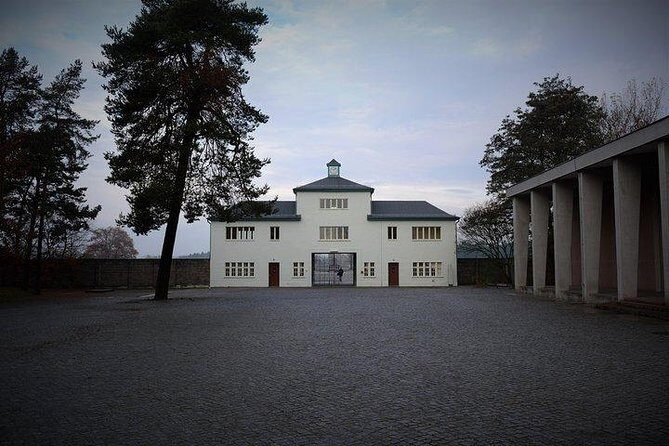
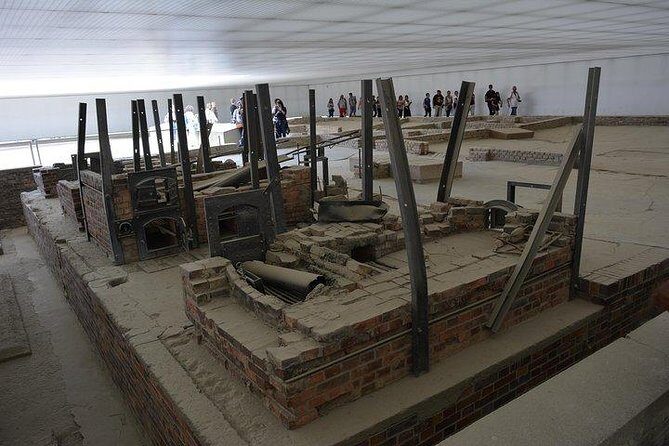
As you move through the site, you’ll pass by areas tied to medicine and detention, including the pathology building, infirmary buildings, and the mortuary cellar.
This part of the tour can be the hardest to process, because it shows how the camp system didn’t just harm people in overt ways—it also used institutional spaces that sound official and clinical. In a guided visit, you’re not left with only labels. You hear how these buildings fit into the camp’s broader operation and why they matter historically.
You’ll also visit the SS and Gestapo prison areas. That helps you understand that Sachsenhausen wasn’t just one thing. It was a network of spaces serving different functions: incarceration, interrogation, punishment, and isolation. When your guide ties those functions together, you get a clearer view of how authority worked day to day.
A useful tip for this section: keep your pace slow. If you’re the type who likes to take everything in quickly, resist that urge here. You’ll get more from the guide’s explanations if you give the place time to register.
Station Z and execution grounds: how terror was built into the layout
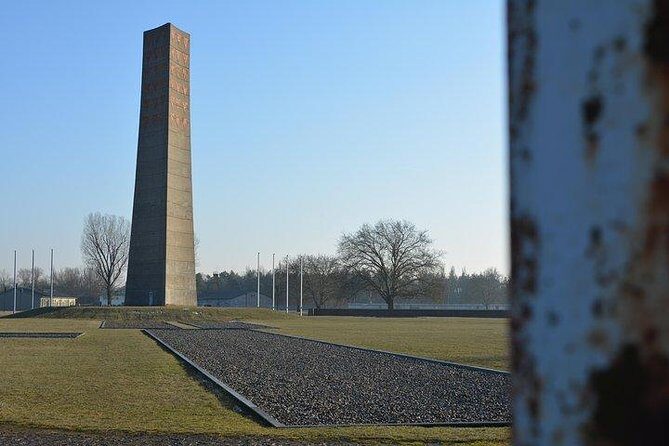
One of the most significant stops is Station Z, a purpose-built execution facility.
This is the point where the tour becomes brutally direct. The value of having a licensed guide isn’t just that they know facts—it’s that they can keep the discussion factual and grounded in context, so you understand what the area was designed for and how camp systems turned violence into routine.
This part of the visit can feel physically uncomfortable too. In one account, the weather turned colder and windy mid-tour, and that discomfort seemed to match the mood of the place. That’s not something you can control, so dress for it. Layers help. Even if you’re expecting an easy walking day, this section will slow you down emotionally.




Exhibits in the former kitchen and what they teach you
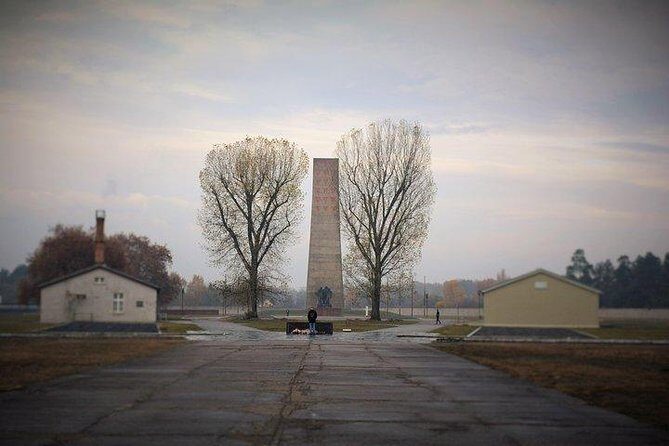
You’ll also see an exhibition in the former camp kitchen. This is a smart change of pace. The exhibition format gives your brain a place to reorganize what you’ve absorbed so far—from the open areas and prison spaces into documented context and interpretation.
This is where you start understanding not just what happened in one location, but how the camp’s environment affected daily life, labor, and survival. It’s also where you can connect physical structures to historical narratives without guessing.
If you care about detail, take your time here. Exhibitions often have a lot to read, and your guide’s job is to highlight what matters most and keep your visit coherent.
Former prisoner barracks: seeing confinement as lived reality
Finally, you’ll visit the former prisoner barrack block. Barracks are where the site stops being abstract and starts feeling personal—even when you can’t know what any one person experienced.
This area helps you understand incarceration as something physical: restricted space, forced routine, overcrowding, and the constant presence of guards and control. A guide can also explain how the camp’s design supported the regime’s goals, so you don’t end up thinking of the barracks as just another room in a complex.
In a tour like this, you’ll likely have short breaks for photos and to catch your breath. One review highlighted that a guide made time for photos and gave bathroom breaks, which matters here. If you’re sensitive to heavy content, those micro-breaks can keep the day from turning into a stressful sprint.
Guides, pacing, and why small groups work at places like this
The tour is max 15 travelers, and the guiding style is built around explanation and questions. Names that show up in recent guide experiences include Paul, Aaron, and Stephen. Whoever you get, the goal is the same: keep you oriented and answer questions while maintaining respect for the site.
Two practical notes based on what people have shared:
- If you’re meeting your guide on foot, plan to arrive early so you can confirm you’ve got the right person. One person wished the guide’s identifying clothing was more obvious, since the guide was in casual clothes.
- If you have questions, this is the kind of tour where it’s worth asking them. The best moments tend to be when the guide connects your question to a specific building or exhibit.
Also, pacing matters. Expect the day to feel longer than the clock says. The experience includes transit and a few hours of on-site walking. Your guide can help you keep your footing and your focus, but your own comfort still depends on your shoes and stamina.
Price and value: what $41.12 gets you (and what to budget)
At $41.12 per person for about 5 hours, this tour includes the key thing you don’t want to mess up: admission to the Sachsenhausen memorial site. It also includes an English-speaking licensed guide, plus a mobile ticket.
Value here comes from three places:
- You’re paying for interpretation. The camp’s layout is not always intuitive, and a guide saves you from wandering without context.
- You’re getting time in the core areas—entrance, roll call, execution site, prison, exhibits, and barracks—rather than a skim.
- You’re doing it in a small group, which tends to reduce the feeling of being rushed.
What’s not included:
- ABC ticket if you don’t already have a travel pass (listed as €4.70 per person).
- Bus fare (if needed for local travel beyond what’s covered).
- Food and drinks.
So if you want to keep costs predictable, bring a simple plan: transit ticket sorted ahead of time, plus a realistic budget for a snack or drink during the day. Even if the on-site time is only a few hours, you’ll feel it.
What to pack for Sachsenhausen: shoes, layers, and small comforts
You’ll be walking through an outdoor memorial site for much of the visit. Reviews also describe a walk from the train station to the camp/memorial if the bus isn’t used, and another note mentioned about a mile on foot.
So pack for walking, not for museum comfort:
- Good walking shoes with grip.
- Layers. Berlin weather can swing, and wind can make it feel colder than you expect.
- A refill plan for water and bathroom needs. The tour runs for hours and includes time on-site, so you’ll want your own small routine.
If you’re thinking about accessibility, the tour says it is accessible for those with limited mobility. That doesn’t mean it’s effortless, but it does suggest the provider is set up to work with limitations. If you know you’ll need specific accommodations, consider checking directly before you go.
One more small note: pets are allowed. If you’re traveling with an animal, you’ll still be moving through a memorial space where quiet and control matter.
Who should book this Sachsenhausen guided tour?
Book this tour if:
- You want a clear, guided explanation of Sachsenhausen’s major camp areas, including Tower A, roll-call, Station Z, prison areas, and prisoner barracks.
- You’d rather ask questions than guess.
- You appreciate a small group pace where the guide can respond to your curiosity.
You might want to think twice (or at least prepare yourself) if:
- You know you struggle with heavy, emotionally intense historical topics.
- You’re expecting a quick, low-walking sightseeing stop. This is more like a focused morning through early afternoon of walking and learning.
This is also a strong fit for people who prefer structured learning in English. If you book expecting English, you’re set; if you were hoping for German, this specific option is offered in English.
Should you book with Birchys Berlin Tours?
Yes, I’d book it if you want a respectful, guided, small-group memorial visit from Berlin. The price makes sense because entry is included and you’re getting interpretation tied directly to the camp’s most important locations. The small group size also matters here; it helps keep the experience thoughtful instead of chaotic.
I’d skip it only if you’re not ready for the emotional weight or you’re unwilling to walk for a good chunk of the day. If you can handle both, this is the kind of tour that helps you understand what you’re seeing instead of just looking at it.
FAQ
How long is the Sachsenhausen memorial tour from Berlin?
It runs for about 5 hours (approximately), with around 3 hours spent at the Sachsenhausen memorial site.
Is the tour in English?
Yes, the tour is offered in English.
What’s included in the ticket price?
The tour price includes the entry/admission fee to the Sachsenhausen memorial site.
Do I need an ABC ticket?
An ABC ticket is required if you do not already have a travel pass. Guides can help you with this, and the tour notes the ABC ticket cost as €4.70 per person.
Where do I meet the guide?
Meet outside Hopfingerbrau, Ebertstraße 24, 10117 Berlin, near the Brandenburg Gate. The tour starts at 10:00 am and ends back at the meeting point.
Can I get a full refund if I cancel?
Yes. You can cancel up to 24 hours in advance for a full refund.