REVIEW · BERLIN
Berlin: Private Sightseeing Tour in an E-Rickshaw
Book on GetYourGuide →Operated by Rikscha Experience · Bookable on GetYourGuide
Berlin rolls by in a quiet rickshaw ride. This private e-rickshaw sightseeing tour turns major Berlin landmarks into an easy, story-filled loop, starting near the World Time Clock on Alexanderplatz. I like that the guide builds in history talks (including East-West conflict and reunification) while keeping you comfortable and moving at a human pace. The only real caution: this ride has strict size limits and isn’t set up for larger wheelchairs.
What makes this tour work is the guide’s focus on the parts you care about—plus plenty of time for photos. You get multiple short stops for photos and sightseeing at places like Nikolaiviertel, Humboldt Forum, Museum Island, Checkpoint Charlie, and Parochialkirche, Berlin. One consideration: you’ll want to check your timing, since the tour duration can vary from 50 minutes to 2.5 hours, depending on the start time you choose.
In This Review
- Key Points to Know Before You Go
- The Comfort-First Way to See Central Berlin from Alexanderplatz
- Nikolaiviertel: Where Old Berlin Looks Like a Movie Set
- Humboldt Forum and Museum Island: Culture, Power, and a Changed City
- Bebelplatz and Parochialkirche: Small Stops with Real Emotional Weight
- Checkpoint Charlie: The East-West Conflict Explained Where It Happened
- How Photo Stops Actually Work on a Private Tour
- Drop-Off Choices: Ending at Weltzeituhr, Brandenburg Gate, or Potsdamer Platz
- Languages, Nightlife Advice, and Local Recommendations That Feel Practical
- Price and Value: Why a Private Group Can Make Sense
- Who This E-Rickshaw Tour Fits Best
- A Few Practical Notes Before You Book
- Should You Book This Berlin E-Rickshaw Tour?
- FAQ
- What is the meeting point for the tour?
- How long does the tour last?
- Can I request a hotel pickup and where can I get dropped off?
- What languages is the guide available in?
- Are museum tickets or food included?
- Is this tour accessible for wheelchair users and children?
Key Points to Know Before You Go
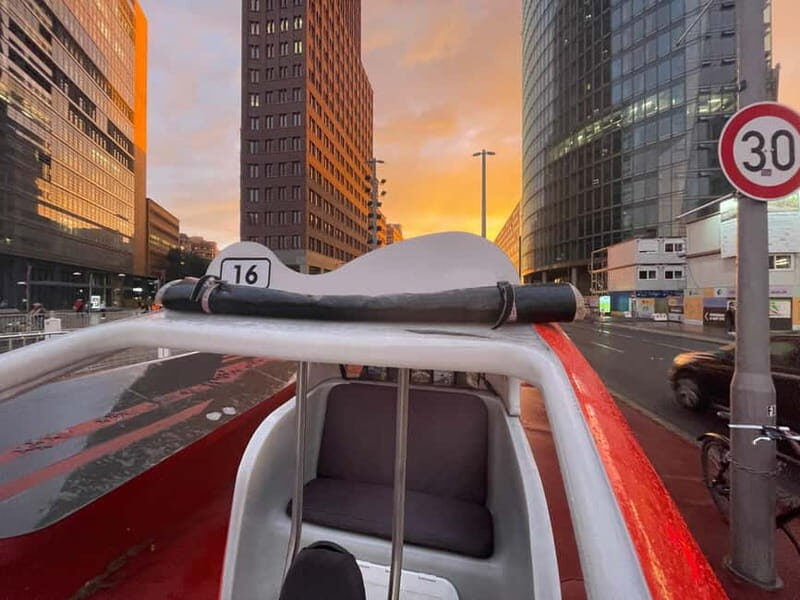
- Private e-rickshaw comfort: an easy way to cover central sights without long walks
- History built into the route: East-West conflict, 1989–1990 reunification, and a quick look at the new capital
- Photo stops throughout: you’re not rushed through the cameras-and-angles moments
- A guide who adjusts: the itinerary is a plan, but the tour can shift to match your interests
- Finish where it’s convenient: you can return to Weltzeituhr or choose a drop-off such as Brandenburg Gate or Potsdamer Platz
- Language options: German, English, French, and Turkish
The Comfort-First Way to See Central Berlin from Alexanderplatz
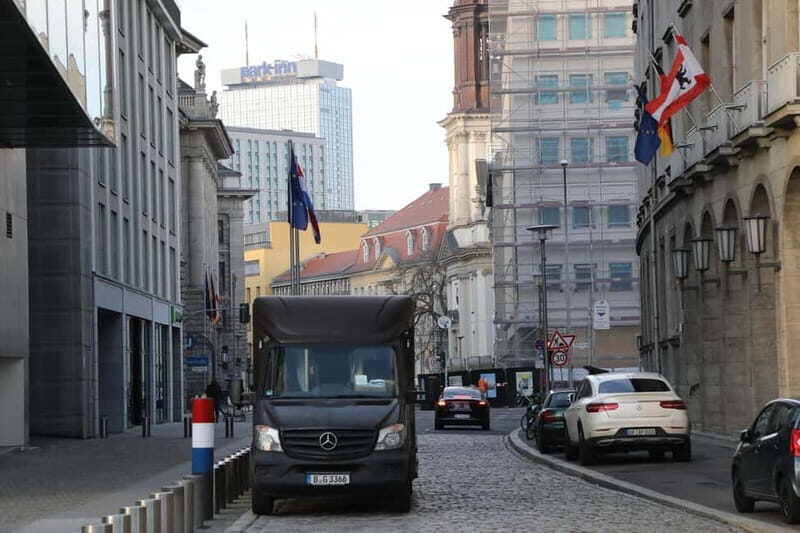
Berlin is huge in the way it feels. You can cover it fast, but you can also miss what it means. This e-rickshaw tour is designed for the opposite problem: too much to see, not enough time (or energy).
You meet at the World Time Clock on Alexanderplatz (Weltzeituhr). That’s a smart starting point because it’s right in the city center and easy to orient from. From there, you move through the core sights on a quiet electric ride while your guide supplies the context you’d otherwise have to piece together yourself.
The private format matters. You’re not squeezed into a bus schedule. Instead, you can ask for the type of stops you want—bigger landmarks, smaller details, or extra photo time. The tour is also described as customized around your interests, so the route is treated more like a flexible plan than a rigid checklist.
You can also read our reviews of more private tours in Berlin


Nikolaiviertel: Where Old Berlin Looks Like a Movie Set
Nikolaiviertel is a classic Berlin “get oriented fast” stop. It’s the kind of place where you can quickly understand old-town atmosphere—without committing to a long walking loop.
On this tour, Nikolaiviertel is built in with both a photo stop and a guided look (about 20 minutes). That timing is useful: you get enough time to step in, frame a few shots, and understand why the neighborhood matters historically, without turning this into a slow sit-and-stare experience.
The upside for most people is pacing. If your day includes museums later, this kind of short, guided neighborhood stop helps you build mental links before you head indoors.
Humboldt Forum and Museum Island: Culture, Power, and a Changed City
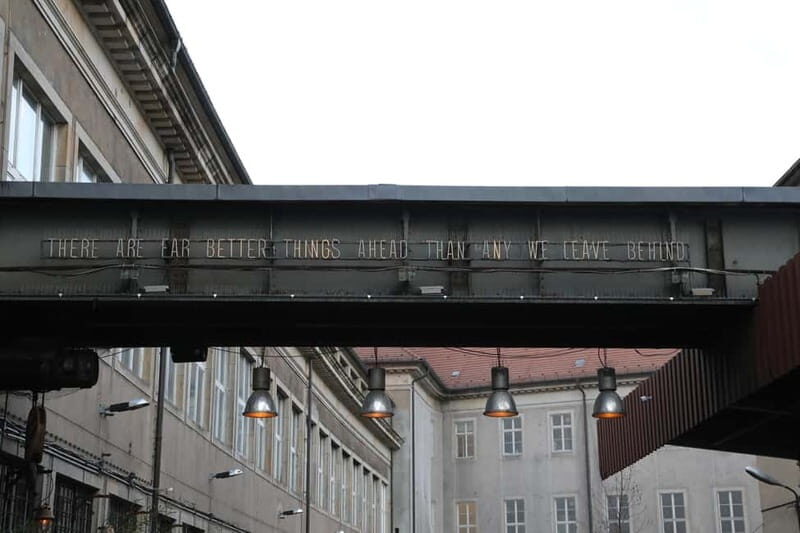
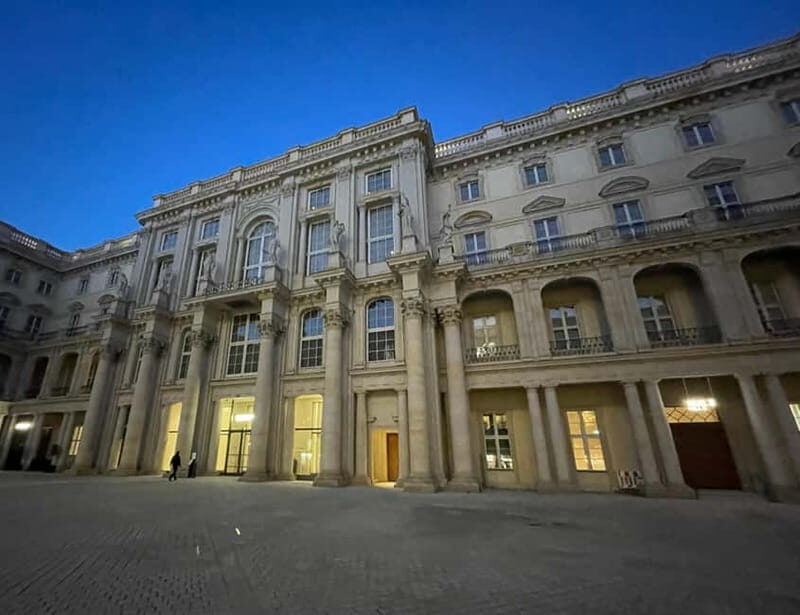
From Nikolaiviertel, you head to the Humboldt Forum. The tour includes another photo stop plus a brief visit and sightseeing pass-by (about 20 minutes). Humboldt Forum sits in a part of Berlin where you can feel the city’s modern identity colliding with reconstruction and renewed cultural planning.
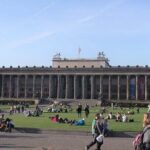
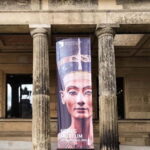
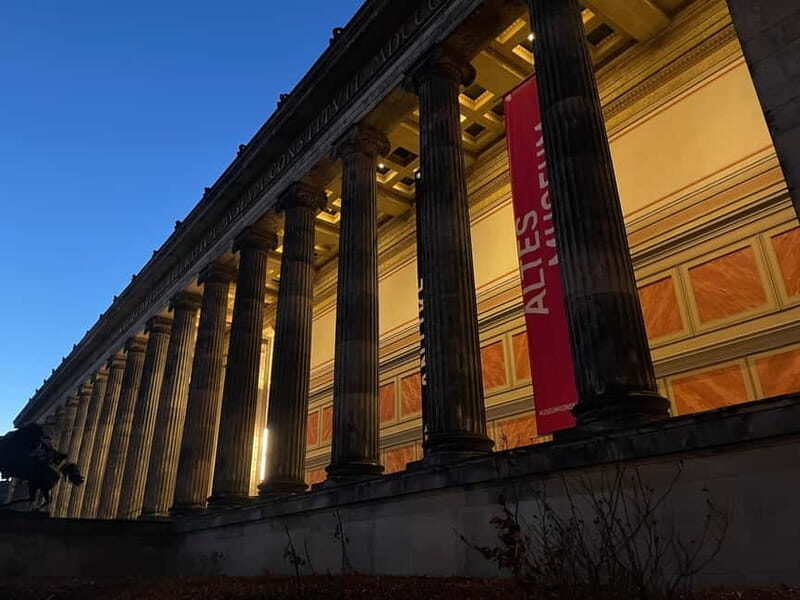
Then comes Museum Island. You get a photo stop and sightseeing pass-by (about 20 minutes). Even if you don’t go inside any museum on this tour, Museum Island is still worth seeing from the outside because it’s a visual lesson in Berlin’s priorities: monumental architecture, a strong sense of place, and the idea of culture as a public statement.
If you’re the type of visitor who likes to understand what you’re looking at before you pay for tickets, this is a good match. And if you prefer to save money for a single museum later, it works that way too—museum tickets aren’t included.
Bebelplatz and Parochialkirche: Small Stops with Real Emotional Weight
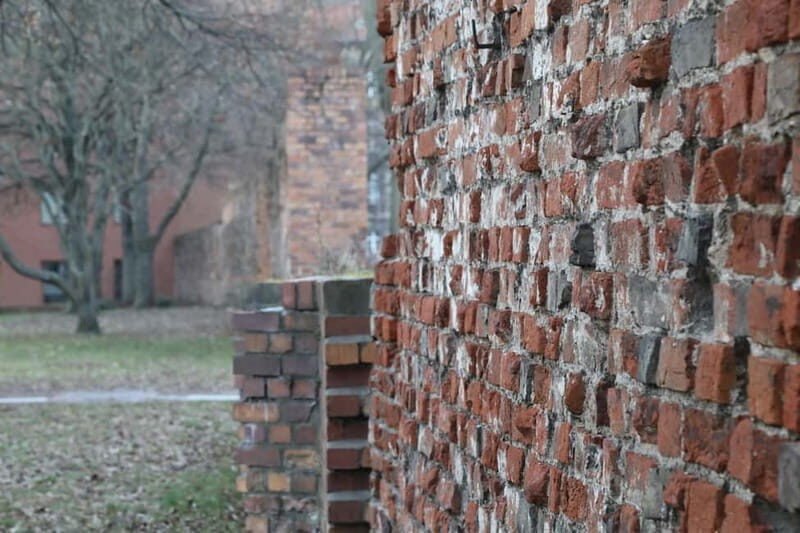
Not every stop is about size. Bebelplatz is a short photo stop (about 10 minutes), but it carries a lot of meaning for Berlin’s modern story. It’s the kind of place where your guide can point out what happened here and why it still resonates, even if your time is brief.
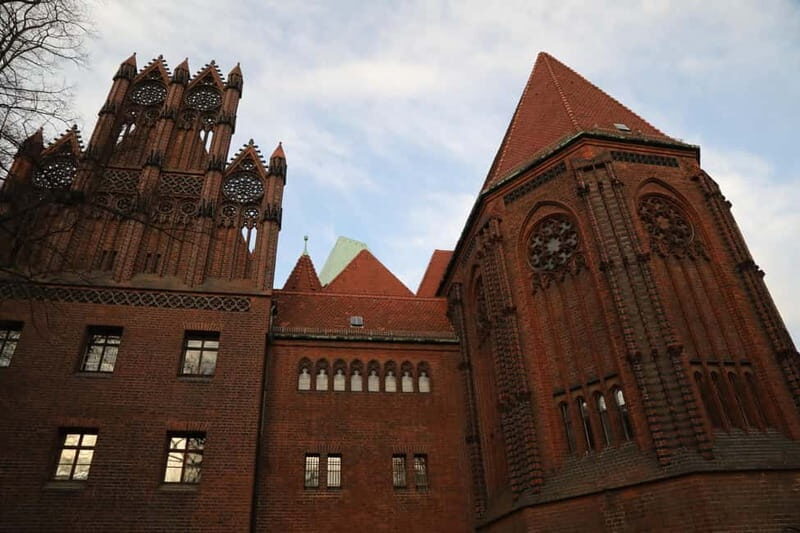
After that, you’ll reach Parochialkirche, Berlin. This stop includes a photo stop, a visit, and sightseeing (about 20 minutes). Parochialkirche is a chance to slow down slightly and see Berlin’s religious and historical layers in a setting that feels lived-in rather than purely monumental.
For me, the value of these shorter stops is simple: they break up the major landmark rhythm. You get landmark scale, then a quieter pause, then back to big-story sites. That keeps the tour from feeling like you’re just collecting photos.
Checkpoint Charlie: The East-West Conflict Explained Where It Happened
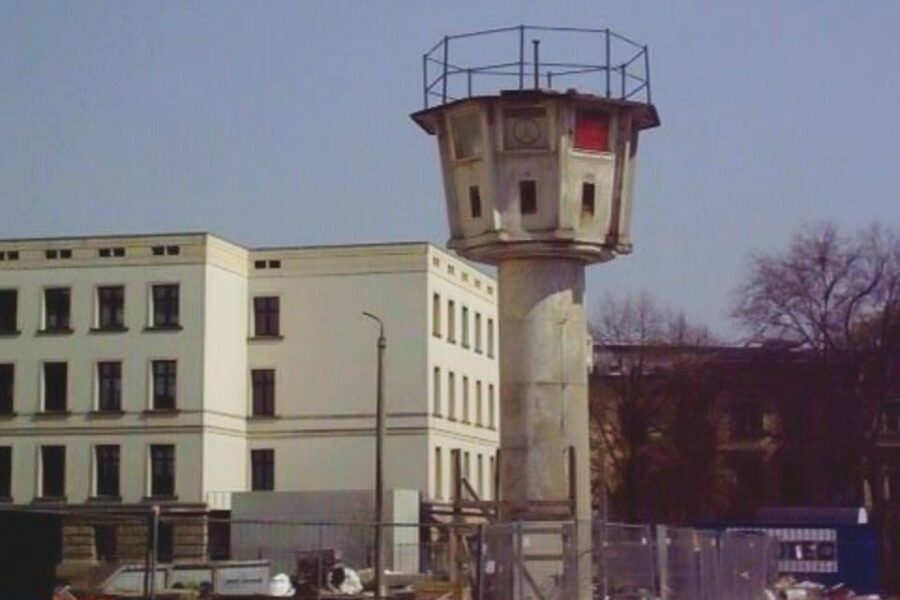
Checkpoint Charlie is where the tour’s history focus really clicks into place. You get a photo stop and sightseeing (about 20 minutes), and this is one of the clearest ways to understand the East-West story the guide is sharing.
The tour specifically highlights the east-west conflict from the second half of the 20th century, then moves into the reunification period (1989–1990) and what it meant for Berlin becoming the new capital. Checkpoint Charlie provides a strong visual anchor for those ideas, because it’s tied to how Berlin physically divided.
This is also where your guide’s talk style matters. One review notes that the guide had speakers in the ride and that the audio carried clearly. That’s a practical detail: Berlin streets are loud enough that you’ll appreciate not having to strain to hear every sentence.

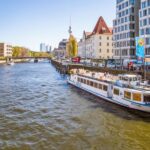
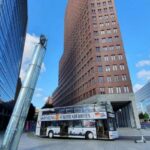
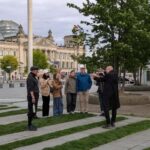

How Photo Stops Actually Work on a Private Tour
This is not a “window-view” tour. The experience is structured so you can get out, reposition, and take pictures without being treated like a passenger in a hurry.
Photo stops are built throughout the ride. That means you can spend your energy on shots you actually care about: broad skyline views, recognizable architecture, or angles that show the relationship between old Berlin and newer planning.
If you’re traveling with a partner or in a small private group, the private setup is especially helpful. You can ask for extra time if the light is right, or you can move on quickly if you’re done. The guide can also adjust based on your interests, which usually results in a more satisfying photo set than a rigid checklist.
And there’s an added comfort detail from the reviews: Mathias (spelled in one place as Matias) brought a blanket, a pillow, and a hot pack for the ride, plus a setup that made it easy to hear the guide. That’s the kind of small comfort upgrade that can make a short tour feel much less tiring.
Drop-Off Choices: Ending at Weltzeituhr, Brandenburg Gate, or Potsdamer Platz
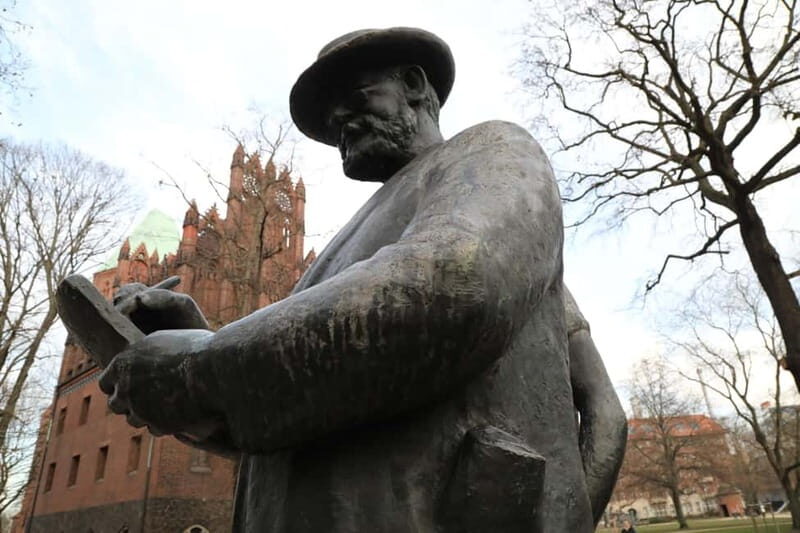
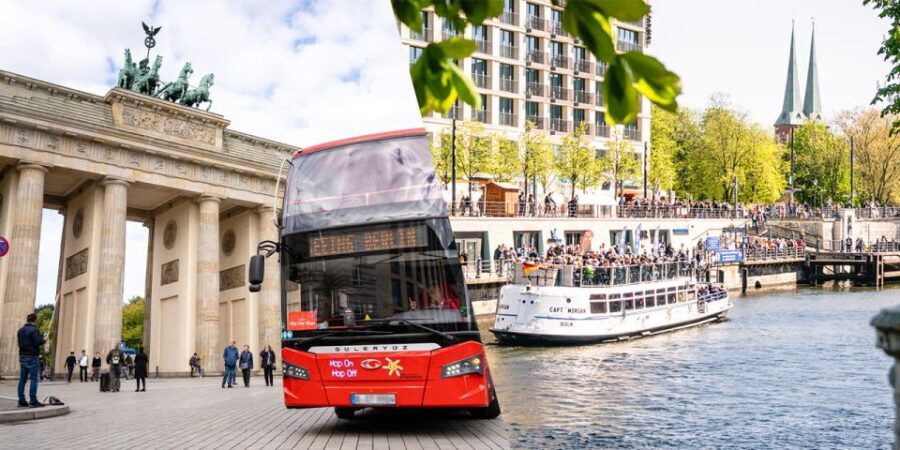
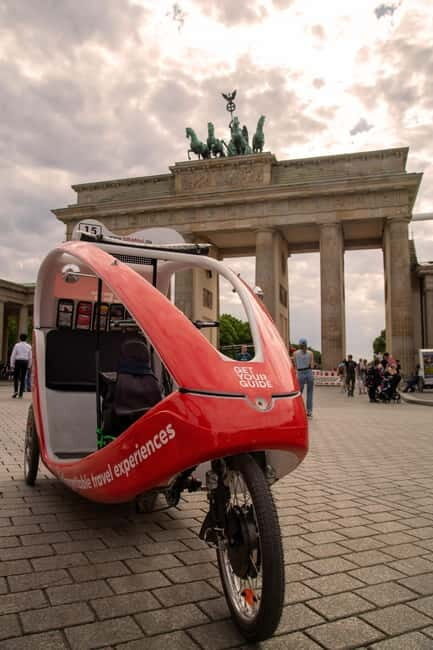
Most city tours end where they start. This one offers more flexibility. The drop-off can be either back at the World Time Clock (round-trip), or you can choose another drop-off location in the city center. Brandenburg Gate and Potsdamer Platz are listed options.
That matters if you’re planning the rest of your day. For example, if your next stop is a major attraction or a dinner area near Brandenburg Gate or Potsdamer Platz, a closer drop-off can save real time and reduce backtracking.
When picking a different finish location, it’s best to message ahead if you have a specific target (like a restaurant, museum, train station, or hotel). The tour description explicitly says they can adjust the route accordingly, so you’re not just asking for convenience—you’re shaping how the ride flows.
Languages, Nightlife Advice, and Local Recommendations That Feel Practical
Berlin is a city of layers, and it’s also a city with a lot going on after dark. This tour includes Berlin nightlife advisory, and the guide can recommend local events and advise for further cultural activity if you want that direction.
The important part here is that it’s optional and practical. You’re not forced into a long list of nightlife pitches. Instead, you can ask what fits your interests and pace—then keep the rest of your evening your own.
The guide’s language range is also helpful if you want the history delivered cleanly: German, English, French, and Turkish are available. For many visitors, being able to ask follow-up questions in a comfortable language makes the whole tour feel more “yours.”
Price and Value: Why a Private Group Can Make Sense
The price is listed as $63 per group, up to 2 people. The duration can vary, with starting times offering options from about 50 minutes up to 2.5 hours.
At first glance, private might sound pricey compared with group tours. But the value is in the combination:
- You’re getting a private ride (not just a private guide standing in front of a bus crowd).
- You’re getting multiple coached stops with photo opportunities.
- You’re getting an actual history lesson connected to the places you’re seeing, including reunification-era themes.
- You can request hotel pickup and drop-off in the city center on request (hotel pickup has a small extra charge).
If your group is just two people, the per-person math can become more reasonable fast—especially when you account for how much walking you avoid and how much time you save getting between central areas.
This tour also works well if you only have a half day or one busy morning. A well-paced 90–120 minutes in a central loop can be a strong “foundation” before you pick museums or neighborhoods on your own.
Who This E-Rickshaw Tour Fits Best
This is a smart choice if:
- You want to see major central Berlin without long walking.
- You like history, but you don’t want it delivered like a lecture on the move.
- Photos matter, and you want time at the right moments.
- You want your route adjusted to your interests, not forced into a fixed script.
It’s especially good for people who still want an active sightseeing day but need to manage legs, energy, or mobility. Reviews also highlight that comfort items like a blanket and hot pack can be part of the experience.
A Few Practical Notes Before You Book
A couple of fit checks are worth reading closely. This ride isn’t suitable for people whose wheelchair is bigger than a standard foldable one. A foldable wheelchair can be carried if it’s folded. There’s also a height limit: do not be taller than 1.95 m. Weight limit is listed as 300 lbs (136 kg). It’s not suitable for children under 4 years.
On the tour content side, food isn’t included, and museum tickets aren’t included. The activity mentions skip-the-ticket-line, but you should still plan on buying any required museum tickets separately if you want to enter places with admission.
Should You Book This Berlin E-Rickshaw Tour?
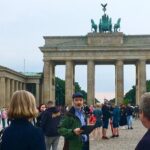
Book it if you want an efficient, comfortable way to connect Berlin’s landmarks to the stories behind them—especially the East-West division and reunification period. The private format, the clear photo stops, and the option to end near Brandenburg Gate or Potsdamer Platz make it a strong value for couples or small groups.
Skip it (or look for another option) if your top priority is deep museum time or if you know you don’t fit the ride size limits. Also, if you want a very slow, wandering experience with lots of free time, this tour’s structure may feel more “guided and timed” than “pure wandering.”
If you’re trying to make one short sightseeing day count in central Berlin, this one is built for that.
FAQ
What is the meeting point for the tour?
You meet at the World Time Clock on Alexanderplatz (Weltzeituhr).
How long does the tour last?
The duration ranges from 50 minutes to 2.5 hours. Starting times depend on availability.
Can I request a hotel pickup and where can I get dropped off?
Pickup and drop-off anywhere in the city center are available on request. Hotel pickup is available with a small extra charge. Drop-off can be back at the World Time Clock (round-trip) or you can choose another drop-off location such as Brandenburg Gate or Potsdamer Platz.
What languages is the guide available in?
The guide offers live tours in German, English, French, and Turkish.
Are museum tickets or food included?
No. Food and museum tickets are not included.
Is this tour accessible for wheelchair users and children?
It’s not suitable for a wheelchair bigger than a standard foldable one, and children under 4 years aren’t recommended. There are also limits for height (not taller than 1.95 m) and weight (not over 300 lbs / 136 kg).