REVIEW · BERLIN
The History of Berlin: WWII PRIVATE Walking Tour With Locals
Book on Viator →Operated by Withlocals · Bookable on Viator
Berlin history hits differently on foot.
This private WWII and Cold War walking tour in Berlin lets you move at your own pace with a local host, starting near Oranienburger Strasse and linking the big sites to the real human stories behind them. You skip the herd mentality of big group tours and get undivided attention, plus you can ask questions as you go and shape the route to your interests.
What I like most is the way the guide connects places that usually feel disconnected. You’ll pause at the New Synagogue for its striking Moorish look, then walk into Cold War reality at the Palace of Tears, where border escape attempts get explained in plain, grounded detail. I also love how the tour balances famous monuments with the kind of context that makes them click, from the Holocaust Memorial to WWII-era Berlin’s political shadows.
One possible drawback: expect lots of walking and a moderate fitness level. It’s also a history-heavy route, and entrance tickets to many attractions aren’t included, so you’ll spend plenty of time learning from the street-facing view rather than museum time.
In This Review
- Key highlights to look for on this tour
- Private pace in Berlin: why this format works
- From the New Synagogue to the Palace of Tears: border reality, not just landmarks
- Brandenburg Gate, Holocaust Memorial, and Hitler’s bunker area: learning the emotional geography
- Reichstag and Checkpoint Charlie: power, damage, and escape culture
- Bebelplatz and Museum Island: architecture that survived, and what that means
- How the $143.97 price makes sense (and where you might feel the limits)
- What it’s like on the ground: walking, stops, and real comfort tips
- Guide selection matters: how to get the best version of this tour
- Should you book? My take
- FAQ
- Where does the tour start?
- How long is the tour?
- Is this tour private?
- Are museum or attraction entrance tickets included?
- What’s included for the guide and sustainability?
- Is cancellation free if plans change?
Key highlights to look for on this tour

- Private, just your party: you’re not negotiating for time or trying to keep up with strangers
- Cold War border stories: Palace of Tears explains what people risked to flee
- Major WWII touchpoints: Holocaust Memorial and a visit to Hitler’s bunker area are part of the conversation
- Flexible route: your guide can customize stops based on what you want most
- Outside-the-rails sightseeing: many sights are viewed without included entries, so you’ll learn from the ground-level setting
- High guide ratings: guides like Seth, Sara, Pablo, and Miha show up in many top reviews for a reason
Private pace in Berlin: why this format works
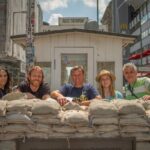
Berlin is a city where history lives in the bricks. That means pacing matters. On this private tour, you’re not stuck with a fixed script or a tight schedule designed to satisfy 30 people. Instead, you can linger at the places that pull you in, and skip what feels less relevant to you.
The best part is how the guide’s attention stays on you. In the reviews, guides like Seth and Sara are repeatedly praised for being engaging and for answering questions clearly. That matters because Berlin’s WWII and Cold War story isn’t a single timeline. It’s overlapping power shifts, propaganda, divided neighborhoods, and the everyday choices people made to survive. Having time to ask follow-up questions turns the tour from facts into understanding.
The tour also starts at a practical spot: Oranienburger Str. 36 (West Berlin). That’s easy to reach by public transportation, and it sets you up for walking through central neighborhoods without wasting time in transit.
You can also read our reviews of more walking tours in Berlin


From the New Synagogue to the Palace of Tears: border reality, not just landmarks
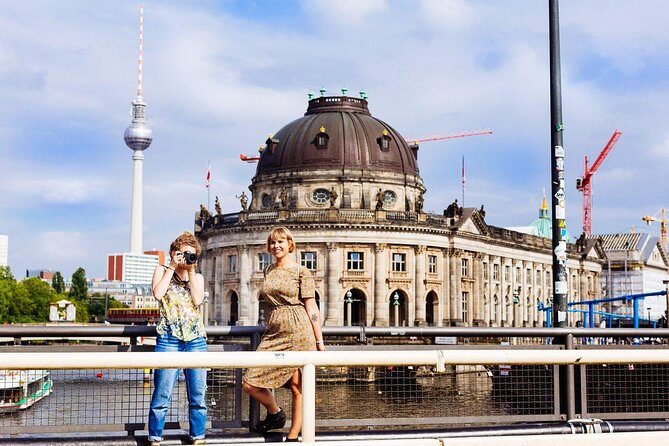
The route typically begins with architecture and symbolism before it turns fully to the Cold War. You’ll pass the New Synagogue, famous for its Moorish architecture. Even if you don’t go inside, it’s a good first stop because it reminds you Berlin wasn’t only about wars and politics. It also had communities, culture, and identity that Nazi rule and wartime destruction shattered.
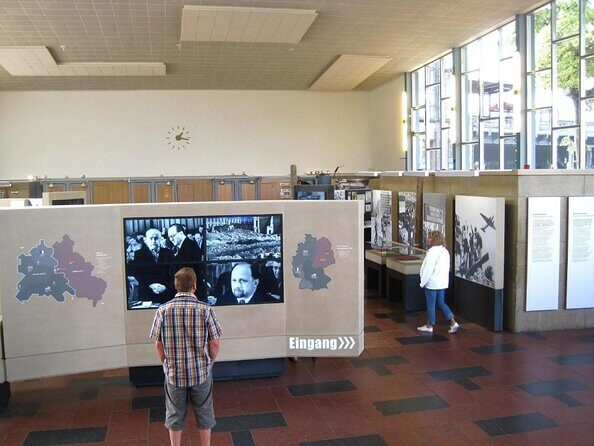
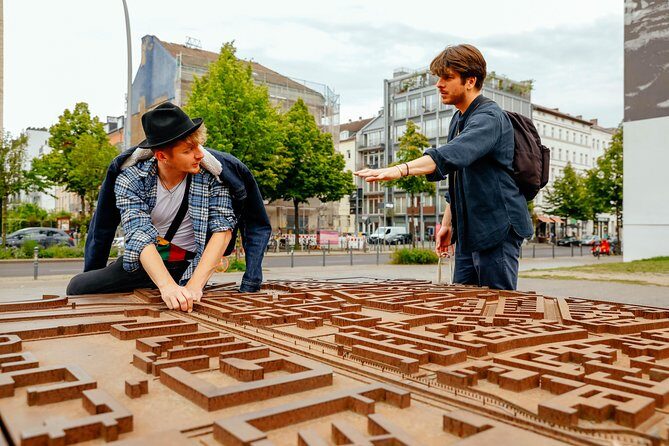
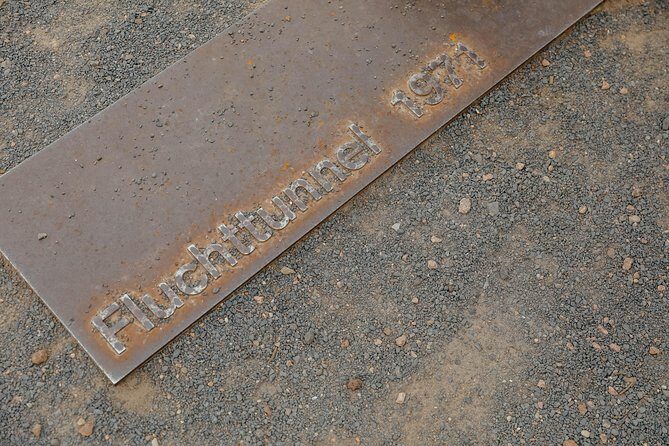
Then you move to the Palace of Tears, a former border point between East and West Berlin. This is where the tour gets emotionally specific. You’ll learn about the Cold War division and hear harrowing stories of how people attempted to flee from Russian-occupied East Berlin into Allied-occupied West Berlin.
Why that matters for you: it gives the rest of Berlin a sharper meaning. Without this kind of context, the wall-era sights can feel like static ruins and photo backdrops. With it, you start reading the city like a lived landscape—doors, checkpoints, and routes that were life-changing to the people who used them.
If you’re the type who likes structure, this is one of the best segments because the guide can walk you through how the system worked and why it was so hard to escape.
Brandenburg Gate, Holocaust Memorial, and Hitler’s bunker area: learning the emotional geography
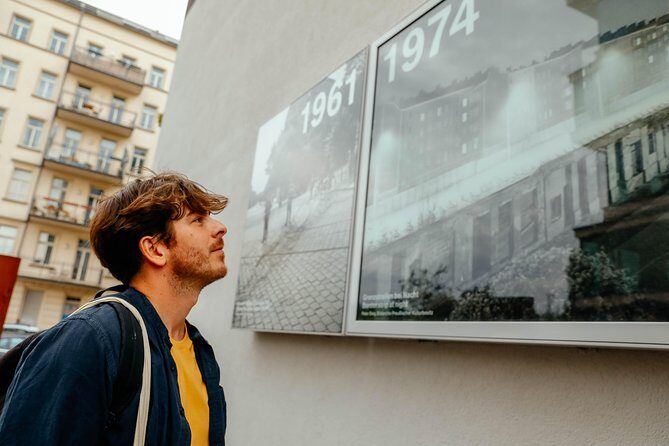
Berlin’s most famous images are also the most easily misunderstood. This tour doesn’t treat them like wallpaper. It threads them into the WWII story and the years that followed.
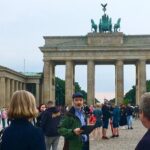
You’ll stop for photos at the Brandenburg Gate, one of Berlin’s most significant historic monuments. It looks grand and ceremonial, but the guide will connect it to the shifting political meaning of the site over time. That’s the trick in Berlin: the same stone can carry different messages across decades.
Next comes the Holocaust Memorial, described as a poignant reminder of the city’s dark past. Here, you’ll likely take your time. The format helps: as a private group, you’re free to pause, look, and process rather than being swept along by the pace of a group tour.
Then the itinerary includes a visit to Hitler’s bunker area to explain more about Berlin’s WWII history and the rise of the Nazi party. This is one of the heavier moments, and you should mentally prepare for that. It’s not there to shock you for five minutes; it’s there to connect decisions made at the top to the consequences that played out in streets, homes, and whole communities.
Practical note: because many entries aren’t included, expect to learn mostly from what you can see from the outside. That can still be powerful, especially when the guide points out details you’d miss on your own.
Reichstag and Checkpoint Charlie: power, damage, and escape culture
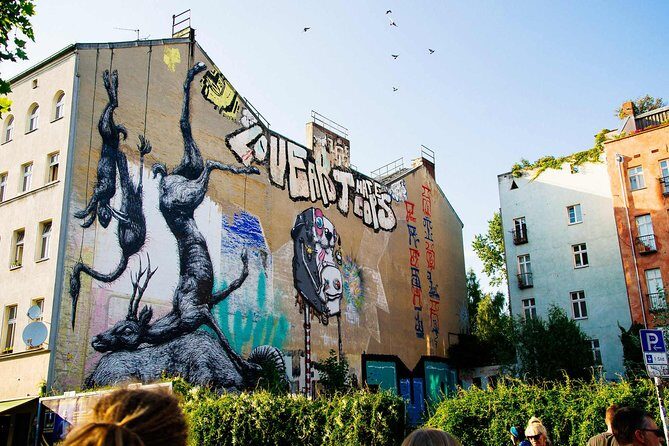
You also get stops that represent what the Nazi state tried to do—and what the post-war world tried to manage.
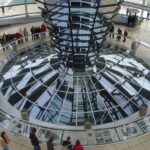
The Reichstag Building is a key WWII-era anchor. It was constructed to house the Imperial Government (opened in 1894) and housed the government until 1933, when it was severely damaged after a fire. Even standing nearby, you’ll start seeing why the building’s history matters: it’s a symbol of governance, conflict, and the break between eras.
Then you reach Checkpoint Charlie, the best-known Berlin Wall crossing point between East Berlin and West Berlin during the Cold War. The Western Allies named it, and the guide ties it to the reality of division and surveillance—why certain routes mattered so much, and how dangerous movement could be.
Why you’ll enjoy this segment: it fills in the gap between the headline-level facts and the daily reality of living in a split city. You get the contrast—big political buildings on one side, and actual crossing points on the other—so the story doesn’t flatten into one mood.
One tip: if you’re a photo person, keep your camera ready during these stops. The architecture and viewpoints are strong, and the guide’s explanations help you frame the shot so you don’t just take pictures—you capture meaning.
Bebelplatz and Museum Island: architecture that survived, and what that means
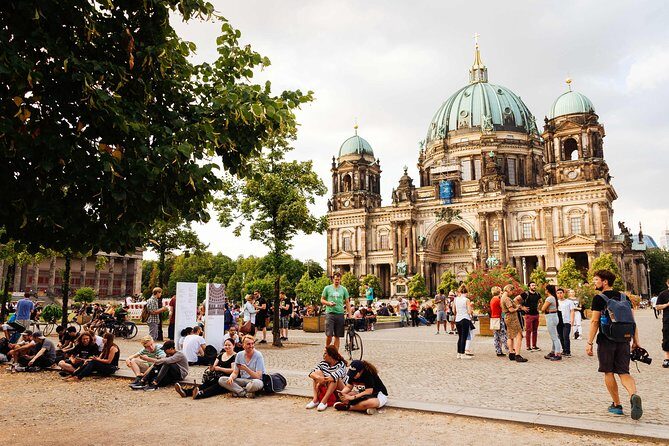
After the heavy stops, the tour often shifts to architecture and the feel of Berlin’s center. You’ll stroll around Bebelplatz, where you can see impressive architecture that helps you understand what Berlin rebuilt and preserved.
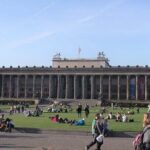
Then you’ll cross over to Museum Island, a UNESCO-listed museum complex on the Spree Island in Berlin’s historic heart. Museum Island is one of Germany’s most visited cultural areas, but for this tour, the emphasis is more on orientation and significance than on a full ticketed museum experience.
In the itinerary, Museum Island is allotted about one hour, while other key stops like the Reichstag and Checkpoint Charlie are shorter. That pacing makes sense: it keeps the walking tour moving without turning into a schedule where you feel behind.
If you love visual history, this section is a nice reset. It reminds you that Berlin didn’t just endure destruction; it also shaped what came after. That’s a vital balance in a WWII-focused tour.
You can also read our reviews of more private tours in Berlin





How the $143.97 price makes sense (and where you might feel the limits)
At $143.97 per person for about 4 hours, this isn’t an impulse buy. But it can be strong value if you care about depth and you want to avoid the constraints of a group.
Here’s the value logic that matters:
- You’re paying for private attention. If you ask questions and want context, a good guide saves you time and frustration.
- The tour is CO2 neutral because carbon emissions are offset. That’s a small bonus, but it’s still something.
- It’s tailored. Many reviews highlight that guides like Sara or Pablo adapted the tour to what the pair wanted to see.
Where you might feel limits:
- Entrance tickets for attractions are not included. The tour frequently visits from the outside, so you’re not buying a museum day ticket experience.
- The schedule can still be a lot of walking. One review mentioned around 15,000 steps, and the general physical requirement is “moderate fitness.”
If you’re the type who wants to go inside multiple museums, you may want to pair this tour with a separate ticketed visit on another day. If you mainly want story-driven sightseeing and street-level context, this price starts looking fair fast.
What it’s like on the ground: walking, stops, and real comfort tips
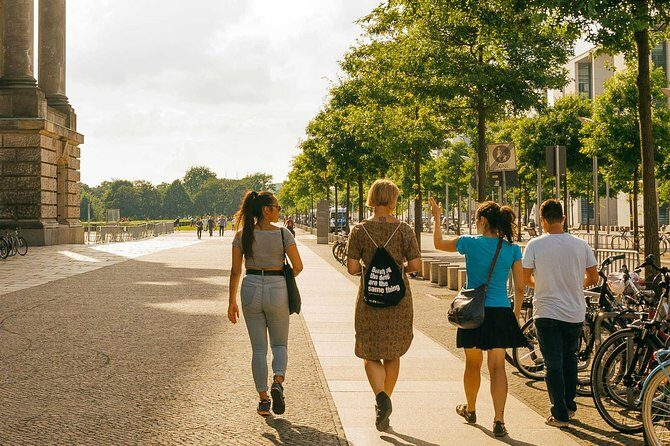
This tour is built for walking. You should plan on a steady pace and some time spent standing and looking while the guide explains. That’s exactly why it’s private: you can take breaks without feeling guilty.
Good news: many guides are praised for keeping the tour lively and for managing practical moments. Reviews mention built-in help like choosing good photo locations and making time for coffee or bathroom stops. One guide even tailored stops and recommended restaurants at the end.
Still, you’ll want to show up prepared:
- Wear comfortable shoes. Berlin cobblestones and long distances add up quickly.
- Bring water and a snack if you tend to run low on energy.
- If you’re sensitive to crowded areas, remember some of the stops are major monuments. You won’t be alone, but private pacing helps you avoid the worst bottlenecks.
Also, be aware of timing. One review noted that when museums were closed on Mondays, the guide adjusted with other interesting sites. That suggests flexibility, but it doesn’t guarantee every closure will be solvable. If museum access matters to your trip, think about booking on a day when you can still do independent entries elsewhere.
Guide selection matters: how to get the best version of this tour
Because this is private and customizable, the guide’s style makes a real difference. Many top reviews mention specific people:
- Seth for engaging, passionate explanations that made the WWII and Cold War story clear
- Sara for energy, making the tour feel personal, and answering questions
- Pablo for showing key highlights and hidden gems
- Miha for friendly, never-boring storytelling
- Boyd for showing nice places and strong story connections
- Amelia for adapting to personal interests
- Michele for keeping the tour engaging for the full time
You can’t always choose the guide directly from the info provided, but you can do something smart: once booked, be ready to tell your guide what you want most. If your priority is escape stories, lean into the border and wall-era parts. If you’re more into political history and Nazi rise, spend more time around the WWII touchpoints.
And don’t be shy about asking for a route shift. The tour is explicitly designed for customization, and you’ll get the best value when you actively shape it.
Should you book? My take
Book it if you want Berlin WWII and Cold War history with context, not just checklists. This tour shines when you care about human stories, political turning points, and understanding why the city looks the way it does today. The private format also makes it easier to ask questions and move at your pace.
Skip it or supplement it if your dream day is mostly museum interiors with included entry tickets. Because entrance tickets aren’t included and many stops are outside-view, you’ll get a lot of street-level learning rather than gallery time.
Also consider booking this if you’re okay with walking and a moderate fitness level. Berlin rewards the legs on a tour like this, and the payoff is you’ll leave with a much clearer mental map of divided Berlin and its WWII aftermath.
If that sounds like your style, this private walk is a strong pick—especially with a guide who can make the story feel real, not remote.
FAQ
Where does the tour start?
The tour starts at Oranienburger Str. 36, 10117 Berlin, Germany, and it ends back at the same meeting point.
How long is the tour?
The tour lasts about 4 hours (approx.), with the exact pacing depending on your guide’s route and your questions.
Is this tour private?
Yes. It’s a private tour/activity, and only your group participates.
Are museum or attraction entrance tickets included?
No. Entrance to attractions is not included, and the tour generally visits many sights from outside.
What’s included for the guide and sustainability?
You get a private guide, and the tour is marked CO2 neutral with emissions offset.
Is cancellation free if plans change?
Yes. You can cancel up to 24 hours in advance for a full refund.