REVIEW · BERLIN
Berlin: Disgusting Food Museum Entry Ticket and Tasting
Book on GetYourGuide →Operated by Disgusting Food Museum Berlin · Bookable on GetYourGuide
One museum. Ninety flavors of discomfort. At the Disgusting Food Museum Berlin, you move through exhibits from around the world and then face a Tasting Bar where the theme turns from visual to real-life smell and flavor. I also like the way the museum uses these gross foods to talk about nutrition and where our food comes from.
You’ll likely enjoy the experience most if you’re curious and a little brave. The second thing I like is that the tasting isn’t just a gimmick: you can run into samples tied to things like mouse wine, mite cheese, stinky fish, and worms. One possible drawback: some of the exhibition content is uncomfortable, especially if strong odors or gross-out visuals are hard for you.
In This Review
- Key Things I’d Not Skip
- Entering Disgusting Food Museum Berlin: What You’re Really Paying For
- Your Walk Through 90 Disgusting Foods: The Exhibit Route
- Tasting Bar: Mouse Wine, Mite Cheese, Stinky Fish, and Worms
- Hall of Fame and the “Challenge” Feeling
- Food, Production, and Current Issues: Why the Museum Talks Big
- Smell-Heavy Exhibits: How to Keep the Visit Comfortable
- Practical Timing and Getting the Best Value From a $20 Ticket
- Getting There and Where to Start on Arrival
- Who Should Book This Museum (and Who Might Want to Skip)
- Should You Book the Disgusting Food Museum Berlin?
- FAQ
- How much is the Disgusting Food Museum Berlin entry ticket?
- How long does the experience take?
- What is included with the ticket?
- Are tastings guaranteed for everyone?
- What specific foods are mentioned for tastings?
- Where do I start the experience?
- Is transportation included?
- What should I bring?
- Is the museum wheelchair accessible?
- Is there a refund if my plans change?
Key Things I’d Not Skip
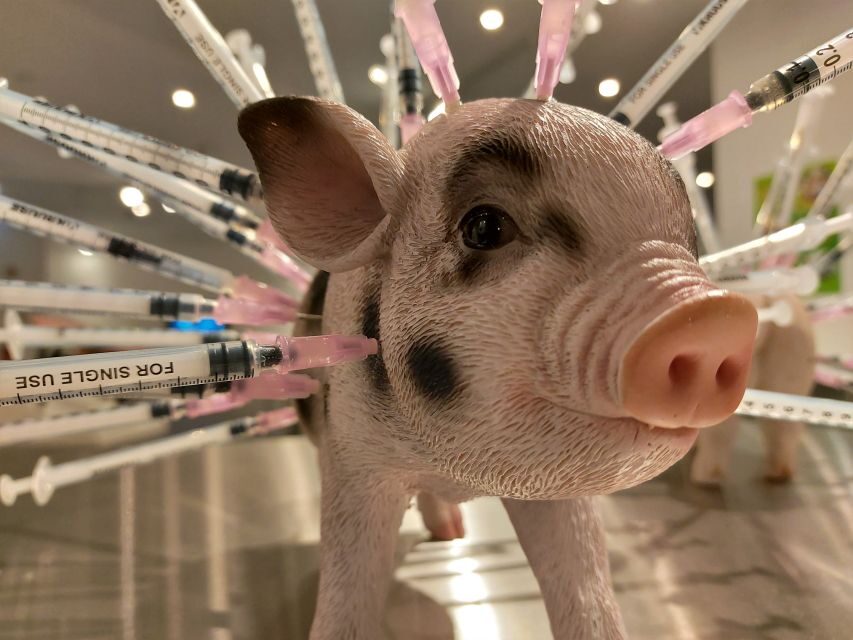
- Over 90 food exhibits: see how differently people around the world treat food as normal
- Tasting Bar samples: small portions, but they’re meant to test your real reaction
- The smell factor: some exhibits come with strong odor intensity, so be prepared
- Food and nutrition themes: the museum ties weird foods to bigger questions about diet and production
- The Hall of Fame challenge: even when it feels tough, it’s a big part of the fun for many people
- Thinking about the future: you’ll be prompted to ask what food choices might mean long term
Entering Disgusting Food Museum Berlin: What You’re Really Paying For
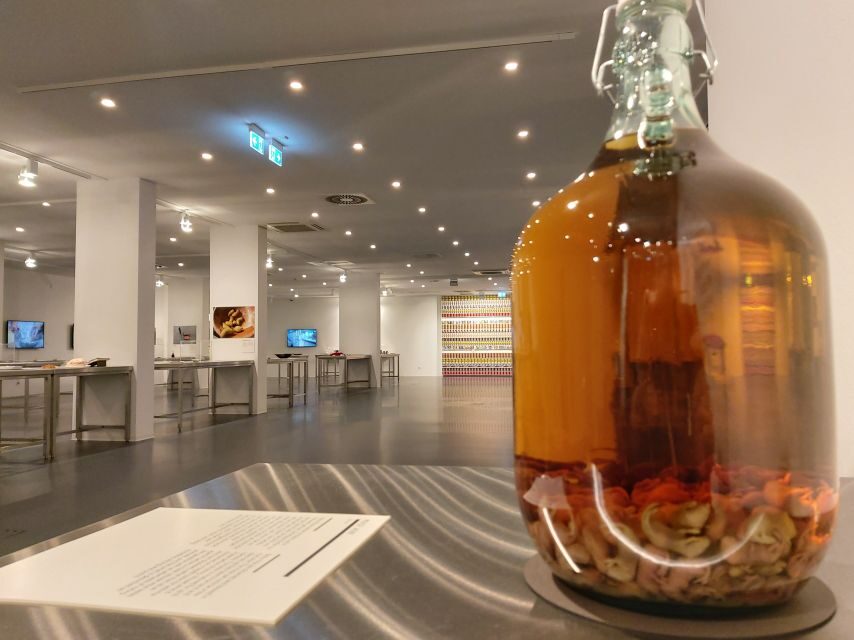
The entry ticket to the Disgusting Food Museum Berlin is about $20 per person, and the whole visit is built to fit into a 1-day window. That price may sound unusual at first, but you’re not only buying a “look-only” attraction. You’re buying access to a full exhibition concept plus a tasting component at the Tasting Bar.
The value comes from variety and choice. You get to see 90-plus exhibits, then decide how far you want to go with tastings. If you’re coming on a trip day when you want something different from the usual museums, this one gives you a strong theme and a clear payoff: you’ll leave with stories, questions, and a better sense of how wide food culture can be.
You can also read our reviews of more tours and experiences in Berlin



Your Walk Through 90 Disgusting Foods: The Exhibit Route
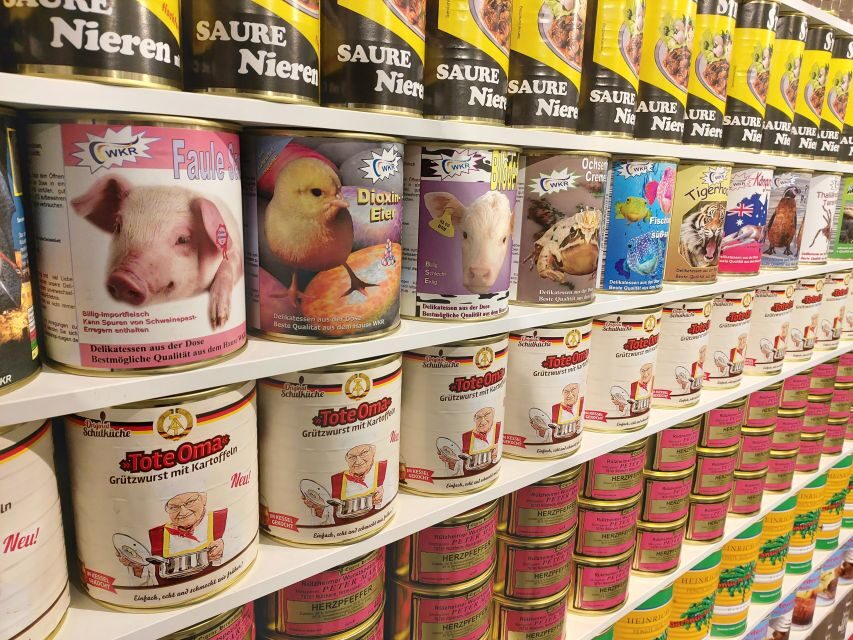
Plan on spending meaningful time moving through the exhibition galleries because the museum covers foods from many places, not just one country’s “gross choices.” The central idea is simple: what is disgusting to one person can be totally acceptable—or even celebrated—somewhere else.
Expect a mix of visuals and explanations that focus on the “abysses of food and nutrition,” meaning the museum is trying to get you to think about the darker or weirder ends of the food conversation. Some displays focus on animals and insects. Others point toward fermentation, preservation, and food that might be less common in Germany’s typical daily diet.
A helpful way to enjoy this part is to shift your mindset. Instead of asking only, Why would anyone eat that? try asking, What makes it food here? and How is it prepared, stored, and judged? The museum nudges you toward those questions, which makes the gross factor feel less random and more educational.
One practical tip: go in with enough time to slow down. The exhibit is not just shock value; it has a logic. If you race through, you’ll miss the connections the museum is making between food, nutrition, and public health questions.
Tasting Bar: Mouse Wine, Mite Cheese, Stinky Fish, and Worms
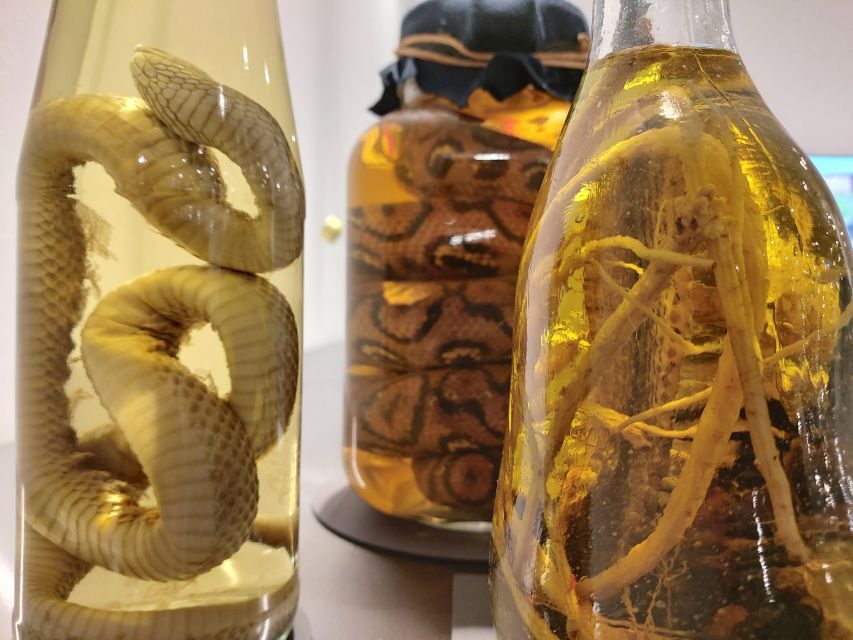
The museum’s Tasting Bar is where the experience stops being “just a museum.” You get small disgusting samples, and you’re meant to react to how each one smells and tastes. You’ll likely run into well-known weird-food categories like mouse wine, mite cheese, stinky fish, and worms.
I like this approach because it keeps the tasting manageable. You’re not being asked to commit to a big meal. You’re given small portions that act like a reality check: how do you actually respond, not how do you imagine you’d respond?
What to bring matters here. The information says to bring a credit card, which suggests you’ll want payment ready if you’re purchasing or paying for any tasting-related add-ons at the bar or inside the site.
Also, the smell factor can be intense. One of the reviews I saw highlighted the odor intensity, so if you’re sensitive, you should prepare mentally. If you’re unsure, start with whatever sample seems least intimidating, then decide if you want to keep going.
Hall of Fame and the “Challenge” Feeling
A standout piece of the experience for many people is the Hall of Fame challenge. The wording people use around it makes it clear: it’s not just another corner to look at. It’s something you earn, and it can feel hard in the moment.
Even if you’re not chasing a personal record, this kind of challenge is useful. It turns the tasting section from optional into memorable. It also gives you a “finish line” to help you pace the visit.
If you want an honest take: the challenge vibe is part of the entertainment. But it can also be mentally stressful if you hate uncertainty. So if you tend to freeze when deciding, pick a plan before you start tasting—something like, I’ll do two samples first, then I’ll reassess.
Food, Production, and Current Issues: Why the Museum Talks Big
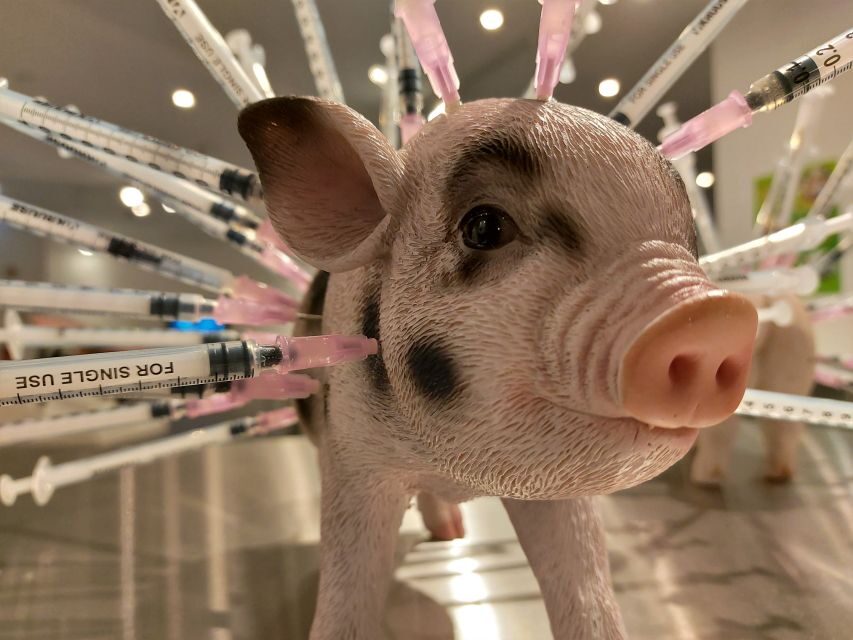
The museum doesn’t stay at the level of gross-out comedy. It pushes you into the bigger conversation: how food is produced, what people choose to eat, and the consequences of those choices. That’s one reason it can feel refreshing compared with purely weird museums that don’t connect to reality.
As you move through the exhibits and discussions, you’ll be nudged to consider why certain foods exist in human diets at all. Some of these foods are rare in Berlin. Others are tied to local tradition or to the practical realities of preservation and protein sources. The museum frames those differences as nutrition and food-system questions, not just curiosity.
You’ll also see the theme of future food—what we might be eating next and why. That part works best if you treat it like a prompt, not a lecture. Ask yourself what you think should matter most: sustainability, health, cost, taste, cultural acceptance, or how safe and ethical production is.
I find the value here is attitude change. By the time you’re done, you tend to stop treating food preference as simple taste and start seeing it as a mix of culture, environment, and availability.
You can also read our reviews of more food & drink experiences in Berlin





Smell-Heavy Exhibits: How to Keep the Visit Comfortable
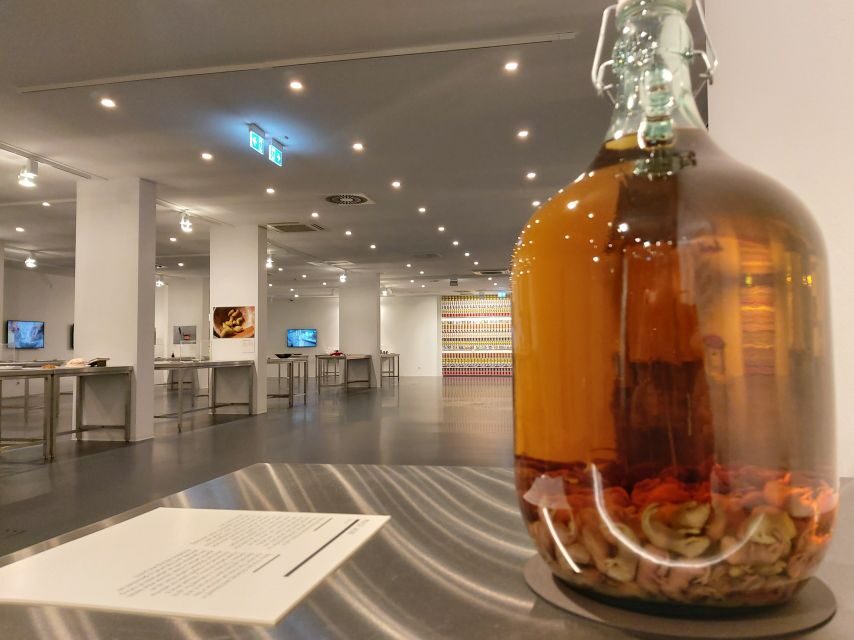
Because this is a “disgusting” museum, comfort is a real factor. The important information warns that some content may be uncomfortable for some people. That’s not just a legal note; it matches the theme.
If you know you’re sensitive to strong odors, give yourself a strategy:
- Take breaks when you need them, especially near odor-heavy exhibits.
- Start with tastings that feel least intense, then decide.
- If you’re going with family or friends, agree ahead of time on a stop signal.
Even if you’re not especially sensitive, expect that the museum leans into sensory realism. It’s one of the reasons it works. You can’t fully “logic” your way around smell and flavor.
And yes, this museum is described as suitable for all ages, but that doesn’t mean every age will enjoy the same parts. Younger kids might love the novelty. Adults might get the humor and the food-system talk more deeply.
Practical Timing and Getting the Best Value From a $20 Ticket
You’re looking at a 1-day experience, and your entry ticket is valid on the booked date and time. That means you should plan your visit around the museum slot you choose. You’ll also want to account for time to move slowly through exhibits and linger where you feel curious—or where you decide you need a breather.
Here’s how I’d maximize value:
- Treat the exhibits as your base layer: 90-plus items is enough variety to fill your time.
- Use the Tasting Bar as your “payoff” moment: don’t rush it.
- Leave time for the discussions and prompts. Those are what turn the day from gimmick into something you’ll carry home.
At $20, the ticket feels fair if you use both halves: the exhibition and the tasting component. If you skip the tastings entirely, it can start to feel expensive compared with a normal museum entry. So even if you’re cautious, I’d still plan to try at least one small sample—enough to understand what the museum is doing.
Getting There and Where to Start on Arrival
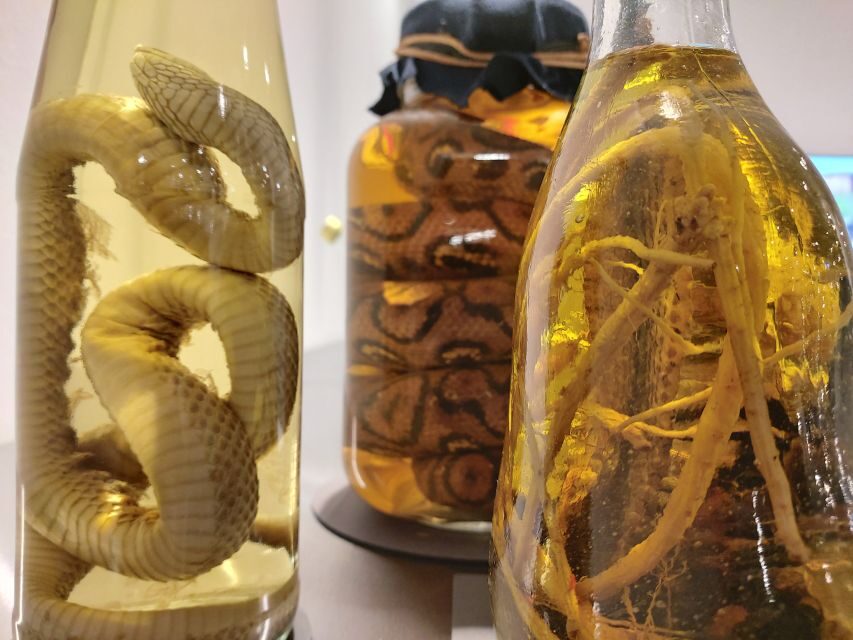
Transportation isn’t included, so plan your Berlin transit like you would for any other attraction. The meeting point guidance is simple: start your experience at the Disgusting Food Museum Berlin.
If you’re pairing this with other activities, pick a time when you won’t feel rushed. This is the kind of place where you may want to stop, react, and then continue. Rushing tends to make the gross theme either exhausting or less fun.
Who Should Book This Museum (and Who Might Want to Skip)
This is a strong fit for:
- Food curious travelers who like learning through unconventional prompts
- People who enjoy hands-on or taste-involved activities
- Groups of friends looking for a shared story (and a few brave moments)
It’s a less great fit for:
- Anyone who struggles with strong odors
- People who get easily distressed by uncomfortable content
- Visitors who want a quiet, traditional museum experience
Wheelchair accessibility is listed, so the museum should be workable for visitors with mobility needs. That said, sensory discomfort can still be a factor even when access is fine.
If you’re in Berlin for a short trip and want one distinctly different experience, this museum is a good candidate.
Should You Book the Disgusting Food Museum Berlin?
I’d book if you want a memorable, sensory museum that also asks real questions about food systems. The best part is the combination: 90-plus global exhibits plus a tasting area with small samples like mouse wine, mite cheese, stinky fish, and worms. That mix makes it more than a novelty stop.
I wouldn’t book if you’re likely to hate the theme. If strong odors or gross-out visuals are a hard no for you, the museum may feel unpleasant rather than entertaining. But if you’re curious and you’re okay with the possibility of feeling uncomfortable, it’s one of those places that turns your opinions about food into something more thoughtful—and way harder to forget.
FAQ
How much is the Disgusting Food Museum Berlin entry ticket?
The price is listed as $20 per person.
How long does the experience take?
The duration is listed as 1 day.
What is included with the ticket?
The ticket includes museum entry and small disgusting samples at the Tasting Bar.
Are tastings guaranteed for everyone?
The information says tastings are at the Tasting Bar and that small disgusting samples are included, but it does not describe exact selection rules. You’ll see samples at the Tasting Bar as part of the experience.
What specific foods are mentioned for tastings?
The tasting description specifically mentions mouse wine, mite cheese, stinky fish, and worms.
Where do I start the experience?
The guidance is to start your experience at the Disgusting Food Museum Berlin.
Is transportation included?
No. Transportation is not included.
What should I bring?
You’re advised to bring a credit card.
Is the museum wheelchair accessible?
Yes, wheelchair accessibility is listed.
Is there a refund if my plans change?
Free cancellation is available up to 24 hours in advance for a full refund, and you can also reserve now and pay later.