REVIEW · BERLIN
Berlin Center Food Tour with 8+ Authentic Local Tastings
Book on Viator →Operated by Secret Food Tours · Bookable on Viator
Berlin snacks meet Berlin street art. This 3-hour walk mixes classic East-meets-modern neighborhoods with real bites and short history stops so the city feels easier to read as you go. I like that the plan is built around food you actually want to taste, not just photo stops, and that it ends at the East Side Gallery.
What I really like is the 8+ tastings approach: you get Berlin staples like kebab and currywurst, plus German comfort food like Käsespätzle, and a few sweets along the way. I also like the way guides connect the food to places, with names like Daniel, Donia, Francesco, and Fotini showing up again and again in feedback for linking meals to Berlin’s street-level story.
One thing to consider: it is a walking tour with multiple tastings and a set menu. If you are picky about food or you expect a lot of drink options beyond what is included, plan on pacing yourself and ask about dietary needs in advance so nothing gets skipped.
In This Review
- Key highlights worth your attention
- Meeting at Burgstraße 19 and the 3-hour walking rhythm
- Raw Market, transformation talk, then a first real bite
- Berliner doughnuts and the 19th-century street-art maze
- A 1700s church stop where Cold War stories land in your lap
- Pre-war station terraces, beer garden food, and Käsespätzle comfort
- Flammenkuchen and cake-shop pastries: where Germany meets variety
- Currywurst, a Turkish sweet, and the East Side Gallery finale
- What you actually eat: mapping the 8+ tastings to your day
- Price and value for $118.51 per person
- Who should book this Berlin Center Food Tour, and who should skip it
- FAQ
- FAQ
- Where does the tour start and end?
- How long is the Berlin Center Food Tour?
- How much does it cost?
- What food is included on the tour?
- Is alcohol included?
- What’s the group size?
- Is the tour in English?
- Do I need to bring comfortable shoes?
- Can the menu change?
- What is the cancellation policy?
- Should you book this Berlin Center Food Tour?
Key highlights worth your attention
- East Berlin street art route: murals, Soviet-era boulevards, and courtyards that feel like secret corridors.
- A menu heavy on Berlin classics: kebab, currywurst, Käsespätzle, plus pastries and a Turkish sweet.
- Beer-and-wine included options: German Riesling wine or a fresh pint of local draft beer.
- A food stop that doubles as a history checkpoint: Raw Market context and Cold War era sites.
- East Side Gallery finale: finish at the Berlin Wall section while you grab one last special bite.
- Small-group pace: max 12 people, so you can ask questions without feeling rushed.
Meeting at Burgstraße 19 and the 3-hour walking rhythm
You start in the Berlin Mitte area, with the official meeting point listed at Burgstraße 19, 10178 Berlin, and the day begins around the transit area connected to Warschauer U-Bahn. That matters because you can arrive easily on public transportation, then jump right into the walk without hunting for a hidden landmark.
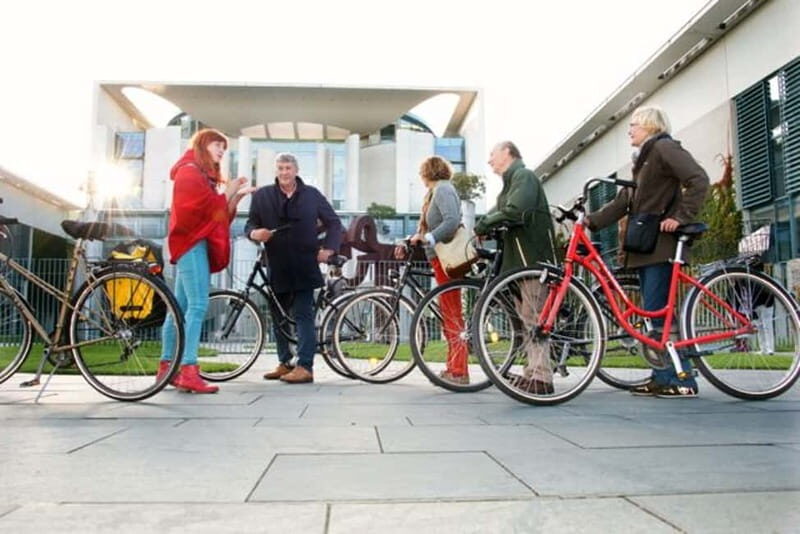
The tour runs about 3 hours, with a group size capped at 12 travelers. I like small groups for food tours: it keeps the line length shorter at each stop, and it usually means the guide can respond to the group when questions come up. Comfortable shoes help because you are walking between several neighborhoods and short stops.
Language is English, and it’s “most travelers can participate.” Translation: it is not an extreme hike, but you should still expect steady walking rather than long rides. Also, the itinerary and menu can change based on availability and weather, so don’t build your schedule too tightly around the exact timing.
You can also read our reviews of more food & drink experiences in Berlin


Raw Market, transformation talk, then a first real bite
The day kicks off by heading to Raw Market, a place that sets the stage for Berlin’s huge shifts from 1865 to 1989. This kind of opening works better than a lecture in a museum because you are seeing city cues outside while the guide gives you a simple framework: Berlin has reinvented itself again and again, and the food culture reflects that.
Then you get an early snack that turns the theory into taste. A stop at a top Berlin kebab shop usually lands right after the market context. I like this move: kebab is familiar enough to enjoy while you are still warming up, and it also gives you a clear sense of how global influences show up in daily Berlin food.
If you get hungry quickly, this start is a good match. The only drawback is that the route is food-forward from early on, so if you arrive without breakfast and you want to pace your appetite, you’ll be juggling tastes from the first stretch.
Berliner doughnuts and the 19th-century street-art maze
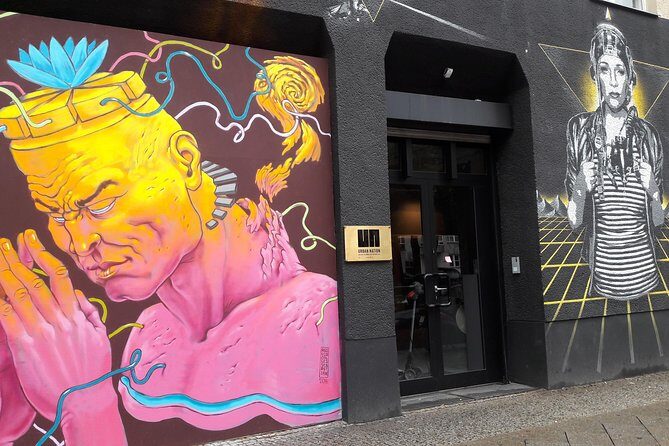
After the market and kebab, the tour leans hard into Berlin’s visual side. You weave through courtyards and alleys with street art, hidden passageways, and a feel for how older streets now host cafés and hangouts.
This part matters because it explains why Berlin food feels less formal than in many cities. Street art isn’t just decoration here; it often points to re-used spaces and new community routines. The route also includes a cool pastry shop stop for Berliner doughnuts, giving you a classic sweet early enough that it feels like a mid-walk reward rather than a last-second dessert.
This is where the guide’s role is most noticeable. Reviews repeatedly credit guides such as Daniel and Francesco with pointing out what you’re actually seeing—murals, courtyards, and side streets—and linking it to how neighborhoods evolved. If you like your history grounded in what you can stand next to, this stretch is a win.
A 1700s church stop where Cold War stories land in your lap
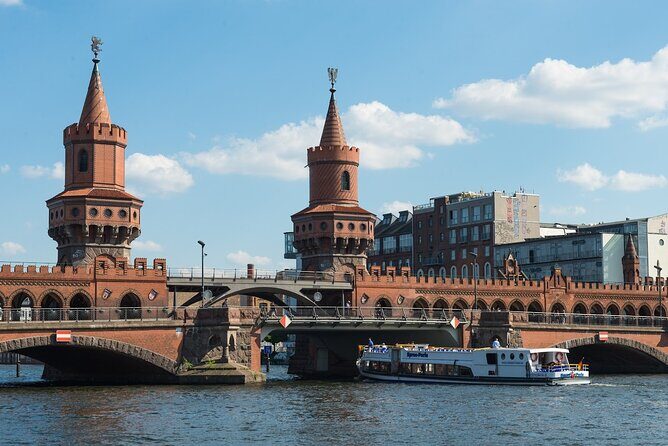
One of the more memorable pauses is at a 1700s Evangelical church, described as a site tied to a clandestine mass led by Martin Luther King during the Cold War. Even if you only catch the outline, it gives you context for why Berlin’s story is not just buildings and dates; it’s people, risk, and belief.
You should treat this stop as a respectful moment. It’s not the kind of location where you rush for photos or eat while standing in the doorway. The tour keeps the tone right because you are walking between food stops, not trying to hold a whole conversation inside a landmark.
If you’re the type who wants food tours to be strictly about food, this may feel like more story than you planned for. But if you enjoy connecting why certain communities took root and how Berlin’s identity formed, this stop adds a strong emotional anchor to the day.
Pre-war station terraces, beer garden food, and Käsespätzle comfort
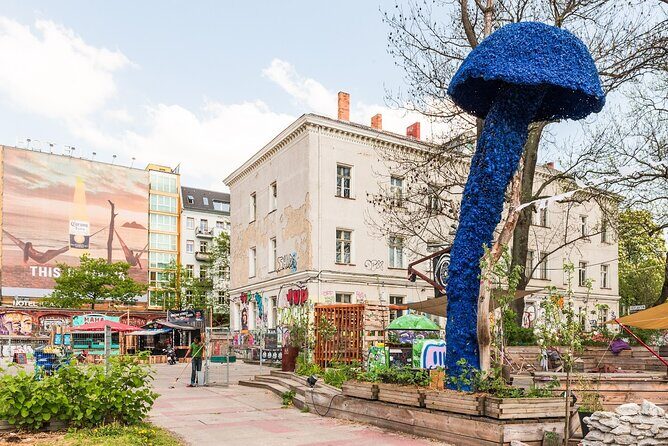
Later you reach a busy market-and-café area sheltered under one of the few surviving pre-war train stations. Think terraces, people watching, and the kind of everyday setting where you can imagine locals coming and going without making a big deal of it.
This is also where the tour’s hearty German side comes in. You’ll get Käsespätzle (cheese spaetzle), plus traditional beer garden food. I love this segment because it balances the more street-food items earlier. Currywurst tastes like Berlin-on-the-move. Käsespätzle tastes like Berlin-on-the-warm-up.
Drinks are part of the package too: you get a glass of German Riesling wine or a fresh pint of local draft beer. That pairing makes sense here. German comfort food + a simple regional white or local beer is exactly how a relaxed meal would start in Berlin.
Quick consideration: a few reviews mention that drink availability can vary at certain stops. If you prefer water between tastings, bring a small plan for hydration so you don’t end up feeling stuck waiting for what’s offered at each location.
You can also read our reviews of more tours and experiences in Berlin


Flammenkuchen and cake-shop pastries: where Germany meets variety
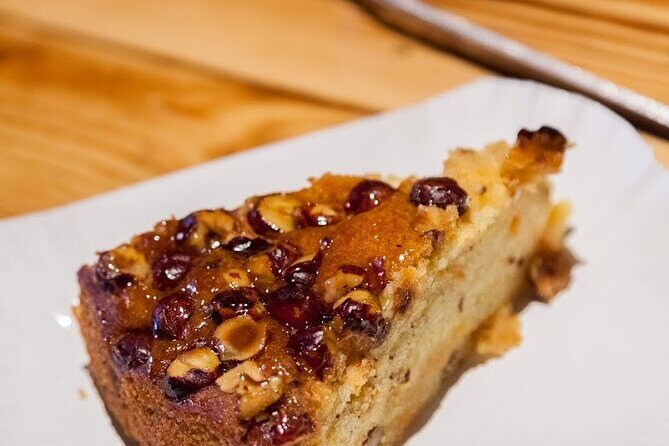
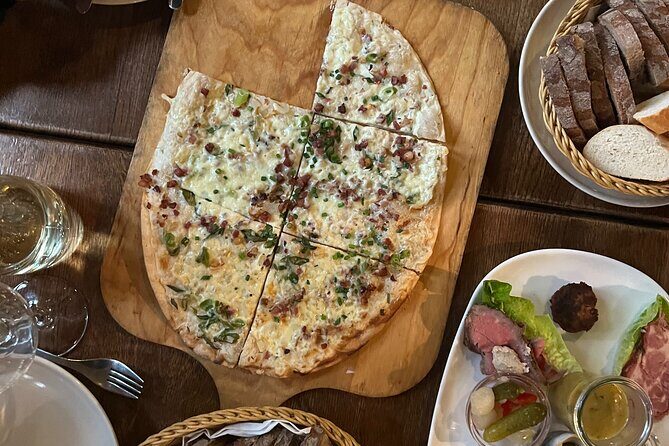
Next up is Flammenkuchen, a flatbread-style German tart. It’s lighter than some of the heavier items, so it helps you reset your appetite before the next sweets and sausages.
The route then stops at a boutique bakery where you can sample cakes and pastries. This isn’t just random dessert for dessert’s sake. It gives you a look at Berlin’s café culture, and it also adds texture variety to the meal: crisp edges, soft crumb, and sweet flavors that don’t all taste the same after you’ve already had doughnuts.
This stretch is also a good moment to slow down. You’re not just eating while walking; you’re taking a breath in a normal Berlin rhythm: a quick bite, then a few minutes to regroup before the next stop.
Currywurst, a Turkish sweet, and the East Side Gallery finale
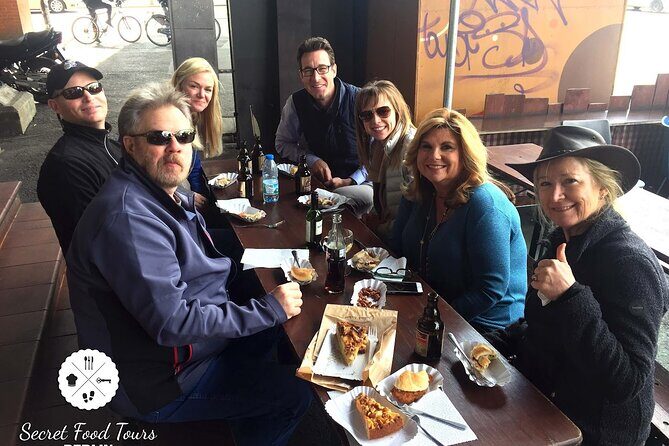
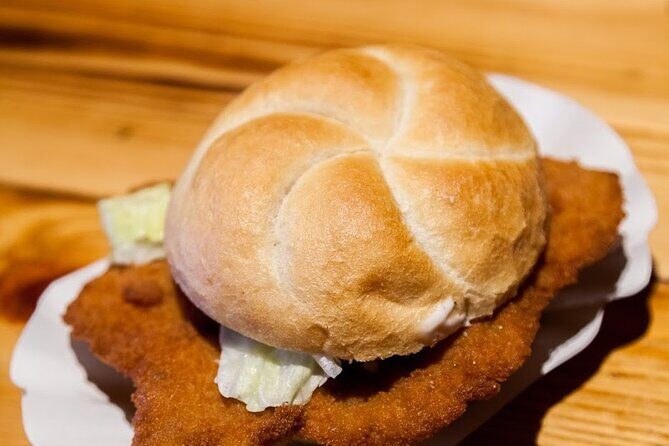
Berlin wouldn’t be Berlin without Currywurst, and the tour schedules it as one of the signature stops. It’s iconic street food: sausage, curry, and a sauce situation that’s instantly satisfying. If you only eat one savory Berlin thing, make it this.
The tour then adds flavor from Berlin’s immigrant communities with a special Turkish sweet. This is one of the smartest parts of the route because it doesn’t treat diversity like a side dish. It shows how Berlin’s food identity includes flavors that came from people building lives here.
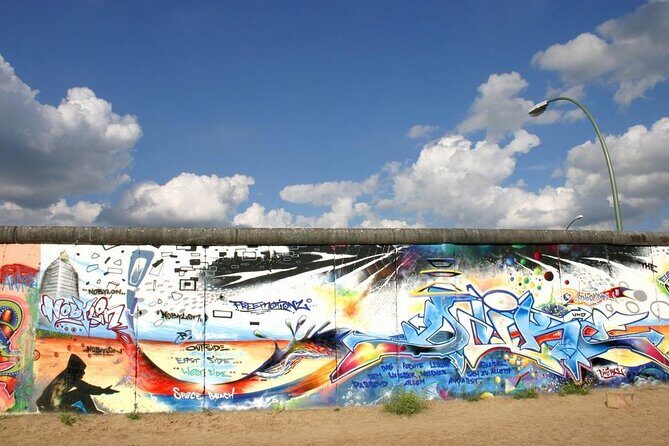
Finally, the tour ends at the East Side Gallery, one of the most famous remaining sections of the Berlin Wall. You get a chance to take in the artwork while you also try a last special food treat. I like ending here because the Wall is the city’s giant symbolic divider, and your final bites have already shown you how Berlin mixes traditions instead of keeping them in separate boxes.
What you actually eat: mapping the 8+ tastings to your day
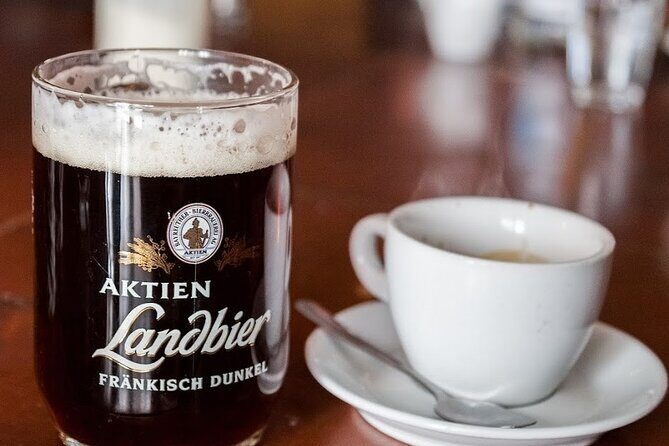
This tour is priced and paced around eating enough to feel like you had a real meal. Included items list Berlin kebab, a traditional baked local pastry, original Berlin Currywurst, traditional beer garden food, Käsespätzle, Berliner doughnut, a signature secret dish, plus a drink of German Riesling wine or draft beer.
In plain terms, you should expect:
- Multiple savory stops that feel like proper meals, not tiny samples.
- At least one hearty German comfort item (Käsespätzle) plus at least one street-food classic (Currywurst).
- Several bakery sweets, so dessert fans will feel happy rather than stuck with only one cookie-like option.
A few reviews also mention the tour landing around eight items, with drinks included in the mix. Portions may be manageable even if you’re not a huge eater, but the order still matters. You’ll likely do best if you don’t rush each stop like it’s a snack sprint.
Price and value for $118.51 per person
At $118.51, this tour sits in the mid-to-upper range for Berlin food walks. Is it worth it? For many people, yes, because you’re not paying for a long shopping list of tastings; you’re paying for a guided route, multiple meals’ worth of sampling, and access to places you might not find on your own.
Two specific value drivers:
- You get both food and context: the tour weaves street art and key historical waypoints into the tastings, so the experience isn’t just eating in public.
- Drinks are included (Riesling or beer): that can push the perceived value up, especially in a city where sitting down for a drink can add up.
That said, there are always people who compare against other Berlin walking tours and feel the price is high if they don’t eat every bite or if they compare the cost of the food itself. If you are budget-tight, go in with the right expectation: this is a “food tour first” experience with storytelling layered in, not a free walking tour plus snacks.
Who should book this Berlin Center Food Tour, and who should skip it
This tour is ideal if you want:
- A 3-hour, small-group introduction to Berlin’s center and East-side neighborhoods.
- A mix of German classics and international influences in a single route.
- History told through what you can see: courtyards, murals, old churches, and the Berlin Wall setting.
Skip it or consider a different style tour if you:
- Need a fully flexible menu. The tour is designed around specific tastings, and while dietary needs can be accommodated if you contact the operator in advance, changes depend on availability.
- Dislike walking. It’s not an all-day trek, but you are moving between many stops.
- Want lots of extra drinks beyond what’s included. Some feedback suggests that drink options can be limited at certain places.
One more practical tip: if Berlin is your first stop on your trip, this is a great early-day plan. The guide’s restaurant suggestions (and the neighborhoods you learn) tend to make later meals more confident.
FAQ
FAQ
Where does the tour start and end?
The meeting point is listed at Burgstraße 19, 10178 Berlin, Germany, and the tour ends at Hackescher Markt, 10178 Berlin, Germany.
How long is the Berlin Center Food Tour?
The duration is about 3 hours.
How much does it cost?
The price is $118.51 per person.
What food is included on the tour?
Included tastings listed are Berlin kebab, a traditional baked local pastry, original Berlin Currywurst, traditional beer garden food, Käsespätzle, Berliner doughnut, a signature secret dish, plus a Turkish sweet and food at the East Side Gallery end.
Is alcohol included?
A glass of German Riesling wine or a fresh pint of local draft beer is listed as included, and non-alcoholic options are mentioned as available in feedback.
What’s the group size?
The maximum group size is 12 travelers.
Is the tour in English?
Yes, it is offered in English.
Do I need to bring comfortable shoes?
Yes. The tour involves a fair amount of walking, and comfortable shoes are recommended.
Can the menu change?
Yes. The itinerary and menu can change based on locations’ availability, weather, and other circumstances.
What is the cancellation policy?
Free cancellation is available up to 24 hours in advance for a full refund.
Should you book this Berlin Center Food Tour?
I’d book it if you want a dense, tasty 3 hours that teaches you Berlin through its streets and meals, not through lecture-style stops. The mix of kebab, Currywurst, Käsespätzle, doughnuts, bakery sweets, and a Turkish sweet makes it feel like a real day of eating across Berlin’s flavors, and the East Side Gallery finish gives you a strong visual payoff.
Pass if you’re extremely picky, hate walking, or you want lots of drink variety beyond what’s included. If you go in hungry and plan for steady walking, this tour is one of the easier ways to get your bearings in Berlin fast—while leaving with enough food stories (and souvenirs via taste) to last longer than a museum visit.