REVIEW · BERLIN
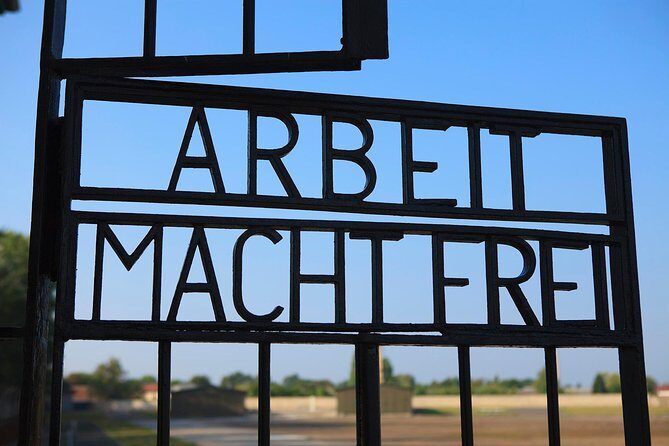
Sachsenhausen concentration camp.
Book on Viator →Operated by cultourberlin · Bookable on Viator
Sachsenhausen is history you can’t shrug off. This is a 6-hour, Spanish-speaking guided visit to one of Germany’s most important sites, covering how the camp operated from 1936 to 1945 and what happened to the grounds after the war.
I especially like two things: you get a local Spanish-speaking guide who brings the subject into focus in a serious, respectful way, and the experience includes admission ticket access for the museum block. The tour also runs with a small-group size cap (up to 30), which helps the pacing stay thoughtful.
One consideration: this is a heavy topic, and the day includes walking. It’s best if you have moderate physical fitness, wear comfortable shoes, and plan to handle a long, emotionally intense visit without needing breaks for food (meals aren’t included).
In This Review
- Key things to know before you go
- Why Sachsenhausen Still Matters for Your Berlin Trip
- The Berlin Starting Point: Meeting at the TV Tower
- What You Actually Do On Site: The Gedenkstätte und Museum Sachsenhausen Block
- The Tour Focus: Prisoners, Daily Life, and Two Eras of Imprisonment
- Guide Quality: Local Spanish Support and a Respectful Pace
- Timing and Walking: How to Prepare for a 6-Hour Day
- Small Group Size and Why It Helps You Understand More
- Price and Value: What $34.76 Covers (and What It Doesn’t)
- Who This Tour Suits Best
- The Booking Advantage: Mobile Ticket and a Smooth Start
- Should You Book This Sachsenhausen Tour?
- FAQ
- How long is the Sachsenhausen tour?
- Is the museum admission included?
- What language is the guide?
- Where do we meet and where does the tour end?
- Is food or drink included?
- Do I need an ABC transportation ticket?
Key things to know before you go
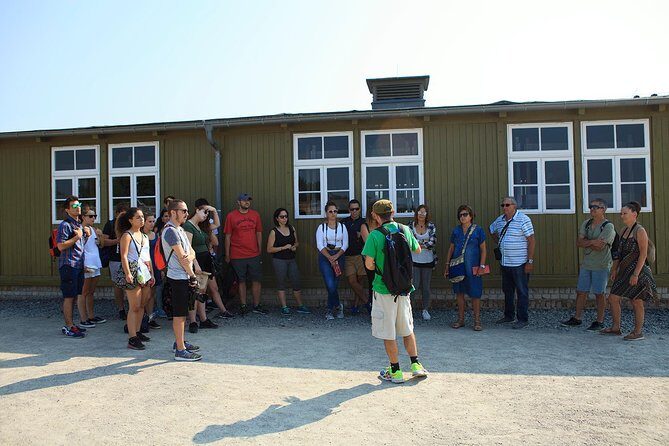
- Spanish-speaking guide with strong preparation: The tour is led by a local guide, and one guide named Juan stood out for seriousness and deep know-how.
- Admission to the memorial museum is included: You get a ticket included for the main on-site museum time.
- Up to 30 people in your group: Smaller groups tend to make it easier to follow the guide and keep questions manageable.
- Mobile ticket for easier entry: You won’t need to print anything if your phone works reliably.
- Berlin TV Tower is your starting landmark: Meeting at a major point in the city reduces stress before departure.
Why Sachsenhausen Still Matters for Your Berlin Trip
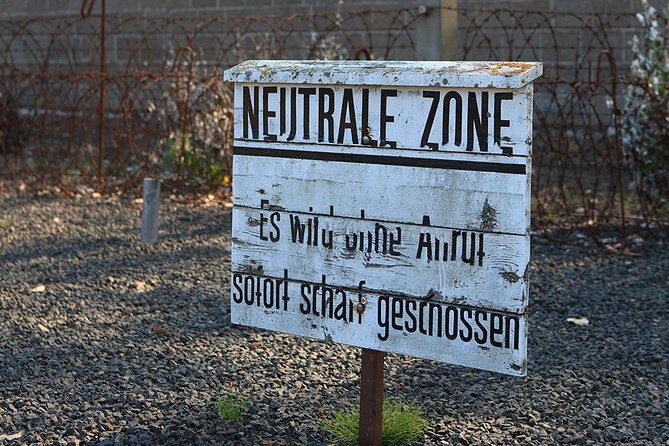
If you’re doing Berlin seriously, you can’t skip Sachsenhausen. It’s not just a name on a map. The camp represents how state violence was systematized—first under Nazi rule, and then, after World War II, under the Soviet occupation period as well.
What makes this tour valuable is the way it connects timelines, not just locations. You don’t only hear about the Nazi concentration camp years (used primarily for political prisoners from 1936 to the end of the Third Reich in May 1945). You also get the key postwar shift: the grounds were used as an NKVD special camp until 1950. That matters because it shows how suffering and imprisonment didn’t neatly stop with the war’s end.
And yes, the subject is grim. But that’s exactly why you’ll want a guide instead of doing it like a scavenger hunt. A structured 6-hour tour helps you hold the bigger picture while you’re standing in the place itself.
You can also read our reviews of more tours and experiences in Berlin.


The Berlin Starting Point: Meeting at the TV Tower
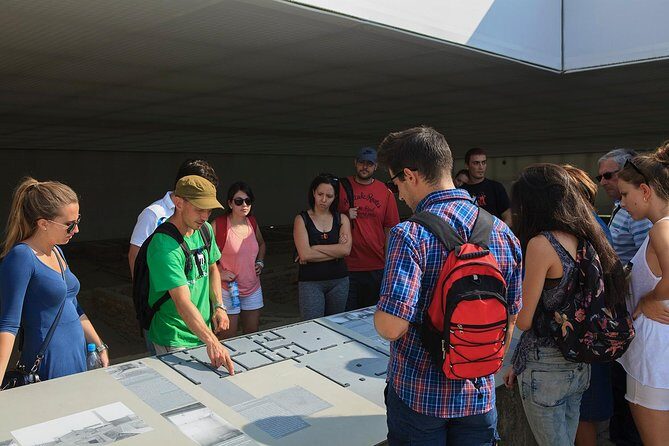
This tour starts at 10:00 am at the Berlin TV Tower area (Panoramastraße 1A, 10178 Berlin). It’s one of those meeting points that’s hard to get wrong—major landmark, easy to recognize, and typically simple to reach by public transit.
You’ll also get real-world help on moving around afterward. The end is listed as Mitte, Berlin, but with an important detail: there’s no single fixed final stop point. Instead, your guide will explain how to get to wherever you want to go next in the city. That’s practical if you’re planning dinner, another museum visit, or just want a straightforward route back to your hotel.
If you’re the type who likes to plan ahead, do yourself a favor and choose your post-tour direction before you leave. The guide can help with the transport logic, but you’ll have the smoothest time if you already know where you want to head.
What You Actually Do On Site: The Gedenkstätte und Museum Sachsenhausen Block
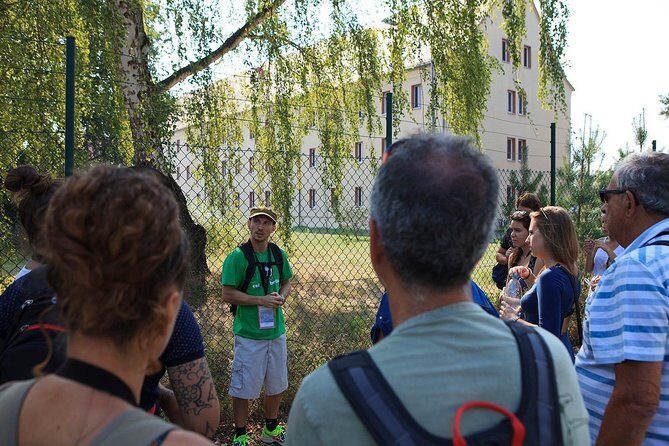
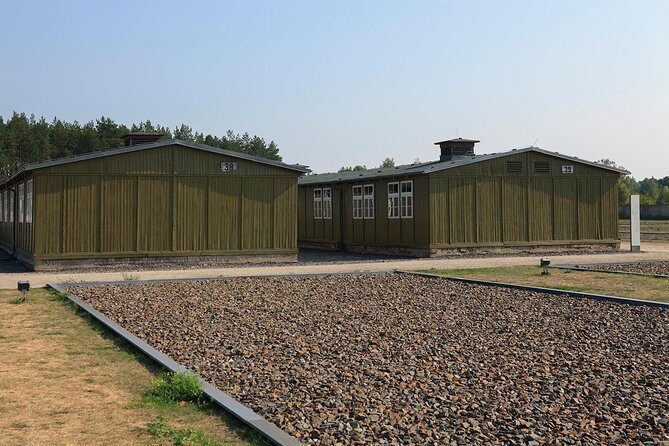
The heart of the day is your visit to Gedenkstätte und Museum Sachsenhausen, the memorial and museum open to the public on the camp grounds with remaining buildings.
Your guided time here is about 3 hours, and the admission ticket is included. That’s a strong value point, because museum entries can add up fast—especially on a day when you’re already paying for a professional guide and time on site.
During this on-site block, you’ll be guided through:
- The camp’s overall history
- The realities of day-to-day life
- The prisoners, including profiling and identity-focused context
This isn’t “just walk and look.” The tour is designed to keep you oriented so you understand what you’re seeing and why it mattered. You’ll likely notice that the grounds can feel confusing if you don’t have a map or a plan. The guide’s role is to stitch together what the space is, what happened here, and how to interpret the evidence responsibly.
The Tour Focus: Prisoners, Daily Life, and Two Eras of Imprisonment
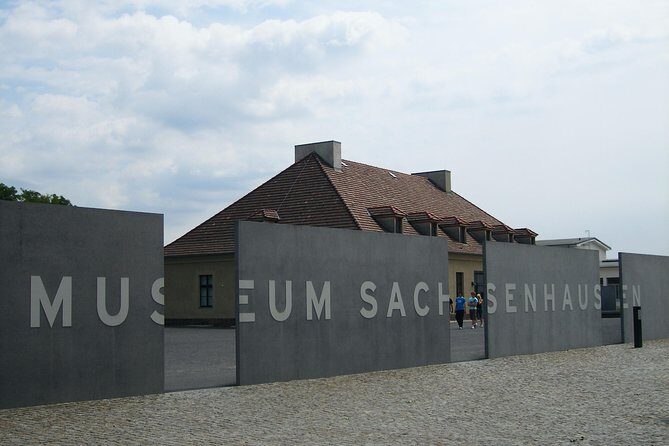
This experience stands out because it doesn’t treat Sachsenhausen like a single straight line of dates. Instead, it connects two major phases tied to the site’s history.
Under Nazi rule, the camp was used primarily for political prisoners. Under the Soviet occupation period, the same grounds were used as an NKVD special camp until 1950. That shift can be uncomfortable, but it’s also important. It changes how you understand the site: it’s not only about one regime’s crimes, but about how imprisonment and repression could persist under new authority.
The tour also promises a closer look at prisoners, with a “profile” approach for the people involved. That matters because concentration camps aren’t abstract. They were made of individuals—people who were forced into systems designed to erase them. A guide-led explanation can help you avoid the common trap of turning everything into a blur of dates and names.
In practical terms, you’ll want to be mentally ready for a day that asks you to pay attention. If you’re someone who tends to “power through” attractions, slow down here. Let the guide’s pace work. The site is solemn, and rushed listening turns into missed meaning.
Guide Quality: Local Spanish Support and a Respectful Pace
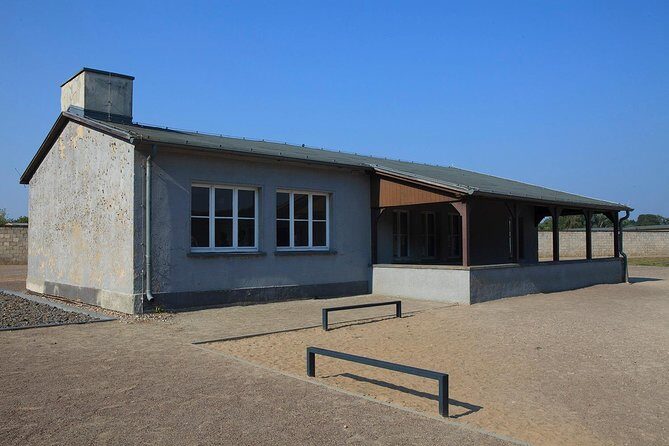
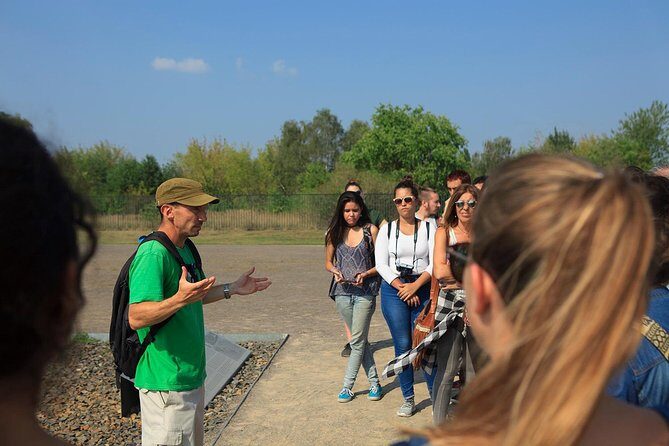
The tour includes a local Spanish-speaking guide, and the feedback points to real preparation. One review highlighted Juan specifically, praising his seriousness, knowledge, and the way he supported transfers.
That “support” piece is useful. Even when you’re not doing complicated logistics, having a guide who can help you understand how to get around Berlin (and not just where to stand during the tour) reduces stress. You’ll spend less time second-guessing routes and more time focusing on what you’re learning.
Also, the guide’s respectful handling is worth noting. Sachsenhausen demands a careful approach. The tour is set up to keep the tone appropriate and the explanations organized—so you’re not left to guess what you should feel or how to interpret specific spaces.
One more practical angle: Spanish language support means you won’t have to rely on your own imperfect comprehension to catch the most important details. That’s a big deal on a complex historical site.




Timing and Walking: How to Prepare for a 6-Hour Day
The tour duration is listed at about 6 hours, with the main memorial museum block at around 3 hours. The full length matters because it affects what you should bring and how you should pace yourself.
Plan for:
- Comfortable shoes (you’ll be walking long distances)
- A moderate fitness level (listed as needed)
- Time to absorb heavy information without constantly looking at your phone
Food and drink aren’t included. That means you should plan your meals either before or after the tour. If you arrive hungry, you’ll likely end up distracted, and distractions don’t help on a site like this.
If you’re traveling with a group mindset, set expectations: this isn’t a “see it all, take quick photos, move on” outing. A 6-hour guided structure works best when you let yourself listen and stay present.
Small Group Size and Why It Helps You Understand More
A maximum of 30 travelers is not a random detail. Smaller group size tends to improve the experience on two levels.
First, it supports better listening. On historical memorials, the guide needs the group to stay together so explanations land where they should. Second, smaller groups often mean questions are more feasible. You may not be trying to interrogate every fact, but having the option makes the learning feel more connected and less one-directional.
So even if you don’t speak up, the group size still helps you.
Price and Value: What $34.76 Covers (and What It Doesn’t)
At $34.76 per person, you’re paying for a guided experience in Spanish plus on-site admission included for the museum portion. That’s what makes the price feel sensible for most people.
Here’s what’s included vs. not included:
- Included: local Spanish-speaking guide, and the admission ticket for the memorial museum time
- Not included: food and drink, plus an ABC transportation ticket
That last point matters because in Berlin, transit costs can add up quietly if you forget. If you don’t already have a transit plan, check what you need ahead of time.
Also, consider what you’re buying beyond the ticket price: you’re buying interpretation. Sachsenhausen is not a place where “wing it” usually works well. A guided structure helps you understand what you’re seeing rather than collecting random facts.
Who This Tour Suits Best
This tour fits best if you:
- Want a guided, structured understanding of Sachsenhausen’s history
- Prefer learning in Spanish
- Are okay with a serious topic and a long, walking-based schedule
- Like smaller groups and clear meeting landmarks
It may feel like too much if you:
- Want a light, casual sightseeing day
- Have limited stamina for walking
- Expect on-site food options during the tour (none are included)
If your goal is to understand Berlin beyond the usual postcard highlights, this is a strong match.
The Booking Advantage: Mobile Ticket and a Smooth Start
The tour uses a mobile ticket. That’s practical. It saves time and reduces friction, especially if you’re juggling multiple tickets in a busy travel day.
It’s also a tour that gets booked ahead. The average booking window is 17 days in advance, so if Sachsenhausen is on your must-do list, don’t leave it to the last minute. You’ll have better odds locking in the time that works with your schedule.
Finally, the rating is extremely high: 4.9 with 99% recommended and around 1,189 reviews. High marks like that don’t guarantee everything will be perfect, but for a sensitive historical site, they do suggest consistent guide quality and good overall value.
Should You Book This Sachsenhausen Tour?
If you’re doing Berlin for real and you want history explained in a serious, organized way, I’d book it. The mix is strong: Spanish-speaking local guidance, included memorial museum admission, and a clear focus on camp history and the people affected.
Book it especially if you want help making sense of what you’ll see on the grounds. Sachsenhausen can be emotionally heavy and easy to misunderstand without context. A guide-led 6-hour visit is the safer way to learn—because you’re not guessing what each space means.
Skip or reconsider if you need a short, easy day, you want food and drinks handled for you, or you’re not comfortable with walking and a moderate fitness pace.
If you go, come with comfortable shoes, a plan for meals, and the mindset to listen. This isn’t a checklist stop. It’s a place where understanding matters.
FAQ
How long is the Sachsenhausen tour?
The tour runs for about 6 hours, with around 3 hours at the Gedenkstätte und Museum Sachsenhausen.
Is the museum admission included?
Yes. Admission to the Gedenkstätte und Museum Sachsenhausen is included in the tour.
What language is the guide?
The guide is local and Spanish-speaking.
Where do we meet and where does the tour end?
You meet at the Berlin TV Tower (Panoramastraße 1A, 10178 Berlin). The tour ends in Mitte, Berlin, and your guide will explain how to get to your next destination, without a specific fixed finishing point.
Is food or drink included?
No. Food and drink are not included.
Do I need an ABC transportation ticket?
The ABC transportation ticket is not included, so you’ll need to arrange transit separately if required.