REVIEW · BERLIN
Explore Berlin: Walking Tour of All The Iconic Sites
Book on GetYourGuide →Operated by Insider Tour Berlin · Bookable on GetYourGuide
Berlin’s story is written on the pavement. This walking tour strings together the city’s big symbols and its darker turning points, led by guides with a knack for making Berlin feel close and real. I like that it’s built for real sight-to-sight walking, with guides you can spot by their yellow umbrellas, not a guessing game.
I especially love the way the route mixes major landmarks with the human weight behind them. You’ll visit the Memorial for the Murdered Jews of Europe, plus key Cold War markers like Checkpoint Charlie and the Berlin Wall, and you get the sense of how a divided city became a united capital. Names that show up in past groups include Maria and Hannah, and that matters because both are described as passionate and engaging in how they explain the city.
One possible drawback: because it’s only 3 hours, you’ll cover a lot of ground with frequent photo stops, so you won’t linger long at each site. If one stop is a must-see for you, plan to come back later on your own.
In This Review
- Key things I’d bet on
- Why This 3-Hour Berlin Circuit Makes Sense (Even If You’re Short on Time)
- Finding the Group Outside Friedrichstrasse Station (No Stress, Just Watch for Yellow)
- Museum Island and Bebelplatz: Learning to Read Berlin’s Public Space
- Gendarmenmarkt to Checkpoint Charlie: From Beauty to the Edge of Division
- Following the Berlin Wall and the Former Death Strip
- The Holocaust Memorial and Reichstag: Where Reflection Meets Politics
- Brandenburg Gate: Seeing the City Reunite in One Shot
- Price, Value, and What You’re Really Paying For
- What to Bring and How to Prepare for a Rain-or-Shine Walk
- Should You Book This Berlin Walking Tour of Iconic Sites?
- FAQ
- How long is the Berlin walking tour?
- How much does the tour cost?
- Where does the tour start?
- What sights are covered?
- Which languages are available?
- Is pickup available?
- Is the tour wheelchair accessible?
- What should I bring?
- Does the tour run in bad weather?
- Is alcohol allowed on the tour?
Key things I’d bet on
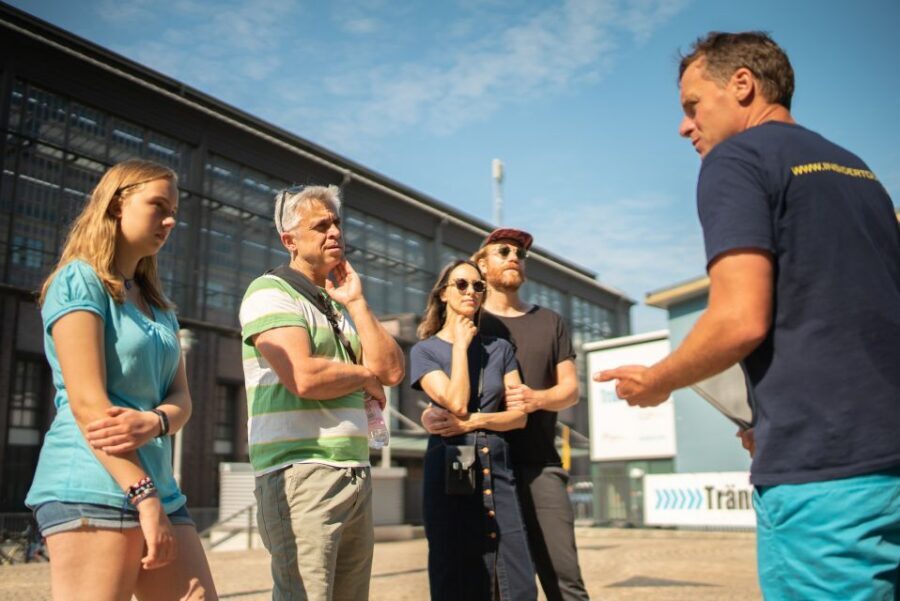
- Guides are easy to find near Friedrichstrasse station, often with yellow umbrellas/name tags
- Memorial + Cold War stops in the same walk, so the story doesn’t feel like a checklist
- Museum Island, Bebelplatz, and Gendarmenmarkt add cultural context between the heavier moments
- Checkpoint Charlie and the Berlin Wall are paired in a way that helps the timeline make sense
- Brandenburg Gate and Reichstag land you in the heart of modern Berlin
Why This 3-Hour Berlin Circuit Makes Sense (Even If You’re Short on Time)
Berlin can feel like a stack of eras—Prussian grandeur, Nazi terror, Soviet control, reunification energy—on top of each other. This tour is designed to help you read that stack quickly without skipping the hard parts. For $17 per person and about 3 hours, the value is in the guided connections: you’re not just looking at landmarks, you’re being taught what changed, and why Berlin looks the way it does now.
If it’s your first day or your first full day in town, this kind of route is a smart anchor. It helps you get your bearings fast: where the political power sits, where the propaganda once happened, and where the city’s division was made physical. Then, after the walk, you’ll know what to revisit—maybe a memorial again, maybe the Reichstag area for photos, or maybe just to wander with a clearer map in your head.
The group walks in a steady rhythm. Even so, the tour is paced with guided chunks (think 10–15 minutes at certain points) and photo stops at others. That mix is important for a 3-hour format: you get learning time without turning the whole thing into a lecture.
You can also read our reviews of more walking tours in Berlin



Finding the Group Outside Friedrichstrasse Station (No Stress, Just Watch for Yellow)
Meeting point matters on a walking tour, and this one makes it easier than most. You start outside Friedrichstrasse train station, on the square beside the Palace of Tears, at Reichstagufer 17, 10117 Berlin. Look for the guides holding yellow umbrellas—that’s the simplest way to confirm you’ve got the right group.
At the end, the activity returns you to the area near the start. The route also lists drop-off options that include Pariser Platz, so it’s set up to keep you near major sights even after the walking ends.
If you choose the private option, pickup is offered from your accommodation. The instructions say to wait in the hotel lobby about 5 minutes before pickup time, and your guide will have a yellow name tag for easy recognition. That’s helpful if you’d rather not navigate to the station before you even start the day.
Museum Island and Bebelplatz: Learning to Read Berlin’s Public Space
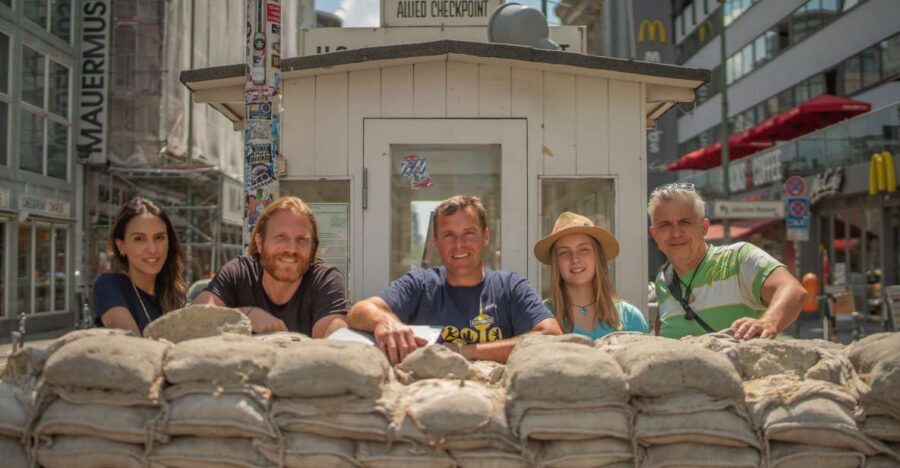
The first substantive stop you’ll hit is Museum Island, where the tour gives you a short guided orientation. Even in a quick 15-minute window, it’s a key move because it shows Berlin as a city that invested in culture and public institutions long before the 20th century cracked open.
Then comes Bebelplatz, another stop where time is short but the meaning is heavy. This is tied to the site of the Nazi book burning, a moment when the regime tried to control thought by destroying books. The value here isn’t just the fact—it’s the contrast. Berlin isn’t only walls and checkpoints. It’s also the idea of public knowledge, and then the violent attack on that idea.
In practical terms, these stops act like breathing space between the big emotional hits later. You’ll still be learning, but it’s a different kind of learning: how Berlin used public squares and institutions, and how totalitarianism targeted them.
Gendarmenmarkt to Checkpoint Charlie: From Beauty to the Edge of Division
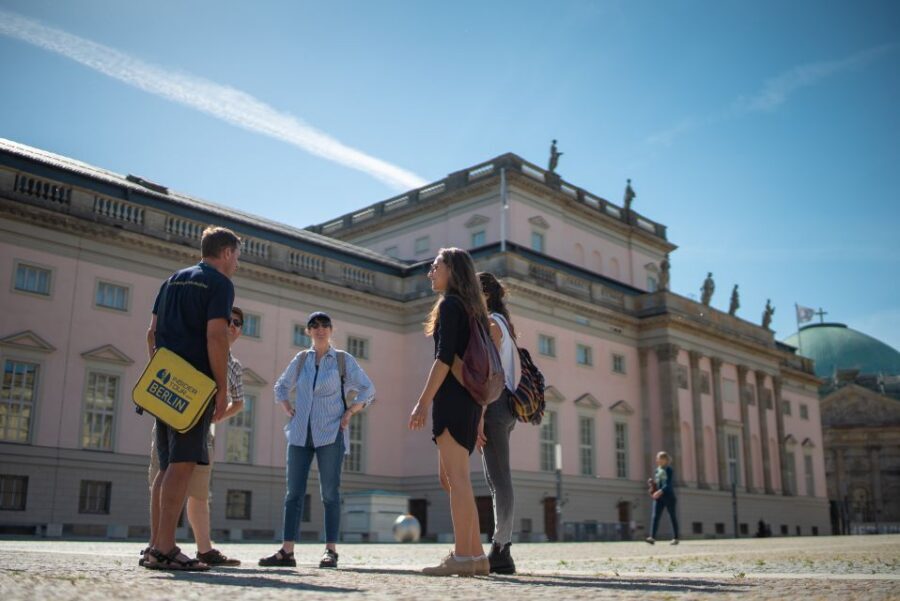
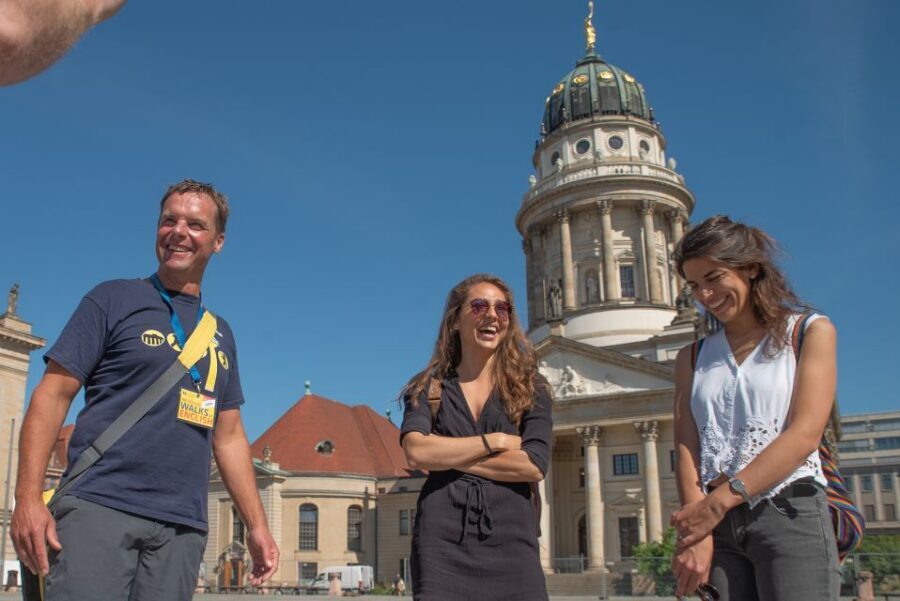
Next up is Gendarmenmarkt. Even with only a 10-minute guided segment, it’s a strategic stop. It helps you see Berlin at its more polished, classic-elegant moments before you move into the sharper Cold War geography.
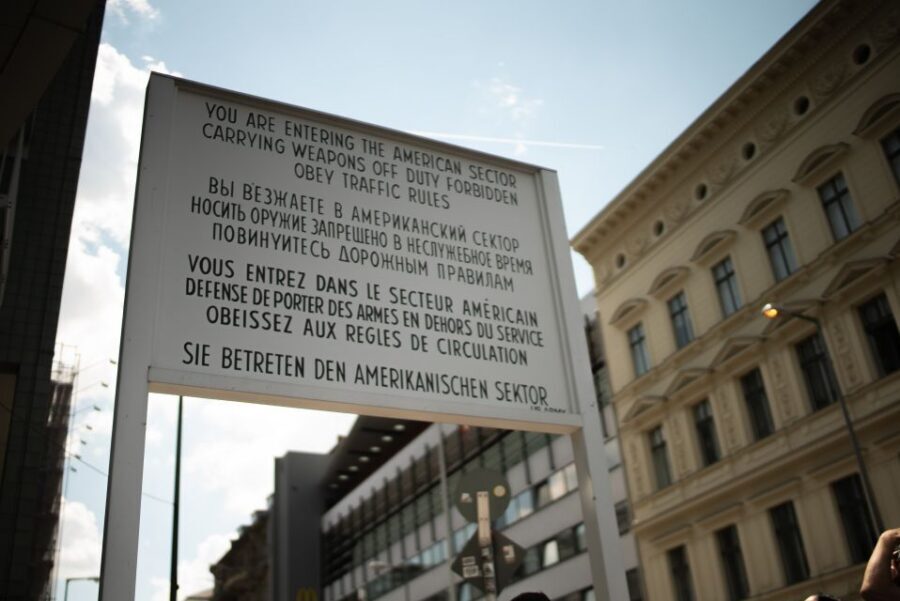
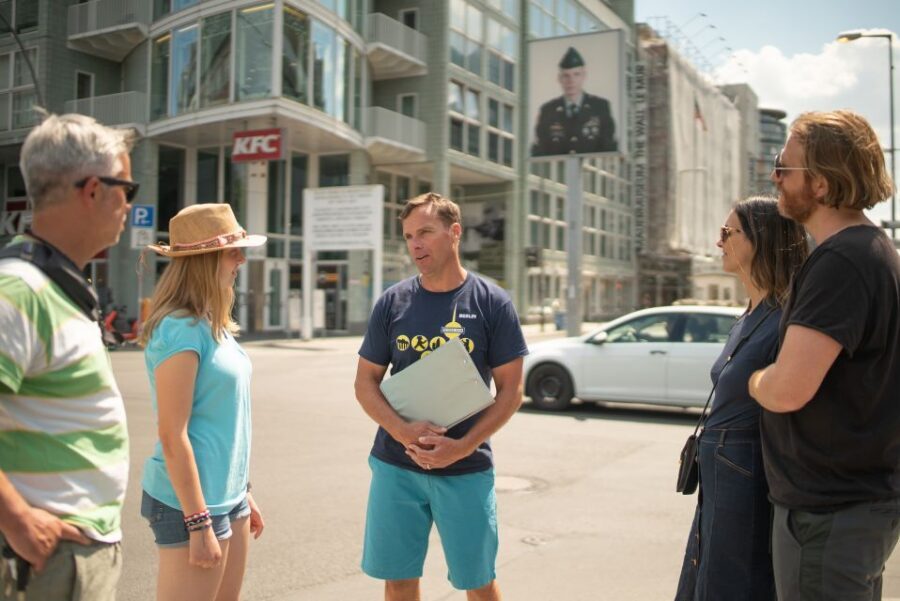
Then the tour goes to Checkpoint Charlie, with a photo stop plus about 10 minutes of guided context. This is one of those places where you can easily confuse spectacle with history, so the guide’s role matters. You’re not just taking a picture; you’re learning what it represented during the Cold War, and why it became a global symbol.
The tour also references the former power centers of the terror apparatus—specifically the former SS and Gestapo headquarters—and it connects that to what you’re seeing. That’s one of the reasons the route works: it threads together the public face of Berlin with what was happening behind it.
Following the Berlin Wall and the Former Death Strip
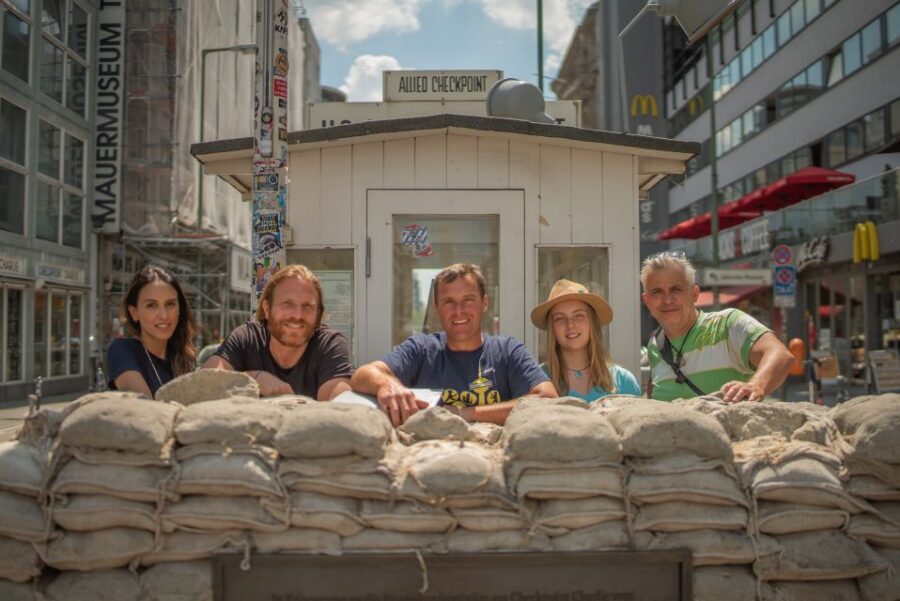
After Checkpoint Charlie, the route turns to the Berlin Wall. There’s a photo stop plus a guided explanation. This matters because the wall isn’t just a relic—it’s a piece of political engineering. You see what division looked like in physical form, and you understand how daily life changed because of it.
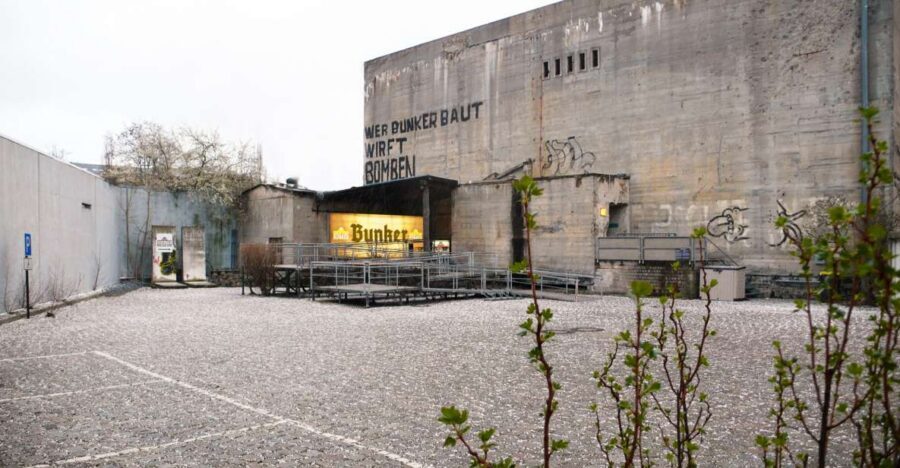
From there, the tour walks you toward the story of the escape and pursuit landscape, including the idea of walking across the former Death Strip to reach Hitler’s Bunker. The tour includes it as photo stop + guided time. That’s an intense part of any Berlin itinerary, and it’s handled as a historical waypoint, not a thrill ride.
One thing I like about how this tour is structured is the timeline feel. It helps you connect the Nazi era and its aftermath to the later Cold War years. People often treat these as separate chapters, but Berlin’s streets don’t. The guide helps you see how the city’s layers overlap.
A practical note: wear comfortable shoes. The reviews consistently mention bringing what you need for walking days, and this route is that kind of day. If you think you can handle cobblestones and long stretches in one set of shoes, you’ll probably be fine. If you’re unsure, choose comfort first.




The Holocaust Memorial and Reichstag: Where Reflection Meets Politics
Next is the Holocaust Memorial, tied directly to the Memorial for the Murdered Jews of Europe. The tour includes a photo stop and about 15 minutes of guided time. This is the part of the walk where the guide tone matters—respectful, clear, and careful. It’s not just about dates. It’s about remembering what happened and what it meant for victims and survivors.
I’m glad this tour includes it. Too many “highlights” walks skip the places that demand quiet attention. Here, it’s woven into the same route as checkpoints and government buildings, which makes the contrast sharper: state power can destroy, and it also can learn—sometimes painfully—how to protect human rights.
Then you move to the Reichstag for a photo stop and guided time. This is Berlin’s political heartbeat. Even if you only see the exterior from the walking route, the explanation helps you understand the Reichstag not as a postcard target, but as an institution tied to Germany’s modern identity after the worst of the 20th century.
Brandenburg Gate: Seeing the City Reunite in One Shot
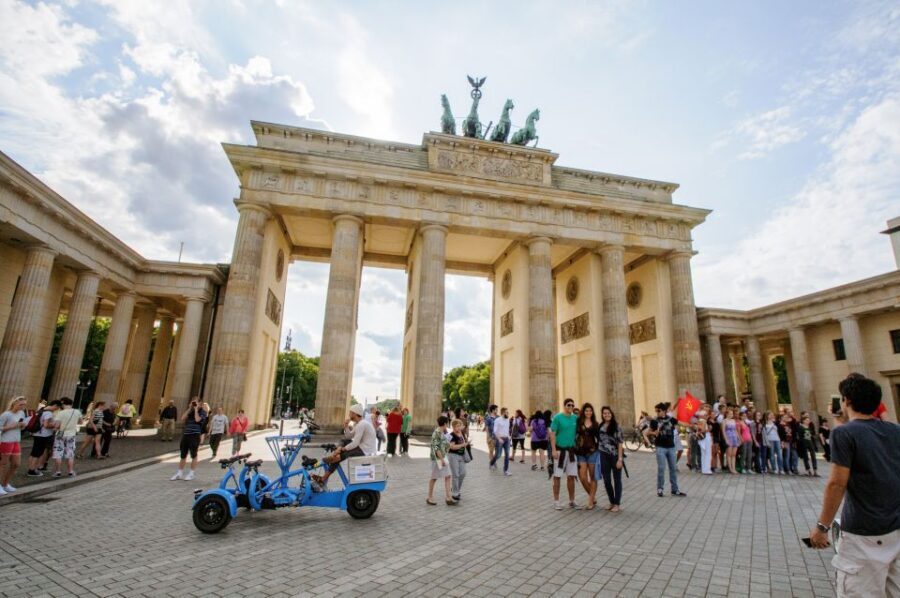
The final stretch brings you to the Brandenburg Gate, with a photo stop and guided time. This is one of those landmarks everyone recognizes, but not everyone understands as a symbol that changed meaning over time. The tour’s framing helps you connect it to the story of a city divided into East and West, and then transformed into a united capital.
If you want photos that match your understanding, this is a good capstone. You’ll see how Berlin’s most famous “face” became more than just a monument—it’s a reference point for the city’s political shifts and public memory.
After the walk, you’re left in a prime area for further exploring, with Pariser Platz listed among drop-off options. That’s useful because it keeps you close to more sights and easy transit, so you don’t feel stranded after 3 hours of intense history.
Price, Value, and What You’re Really Paying For
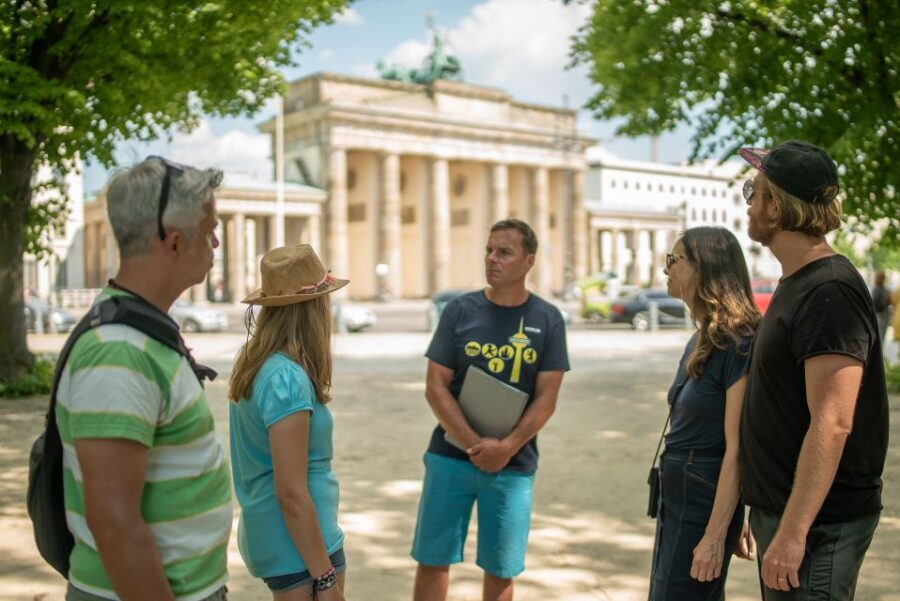
At $17, the price is low enough that it feels like you should spend the time value wisely. Here’s where it makes sense: this tour compresses multiple key districts into one guided story, covering both the iconic photos and the behind-the-scenes meaning.
You’re paying for a guide to connect the dots—things like why Bebelplatz matters beyond the label, what Checkpoint Charlie represented beyond the souvenir angle, and how the wall area fits into the broader arc from Nazi Germany through Cold War division to reunification. Without that guidance, it’s easy to see a wall, a gate, and a memorial and still miss the relationships between them.
The 3-hour duration is also part of the value equation. You can fit this early in your trip, then build from it. If later you choose to visit museums or go back to a memorial for more time, you’ll do it with better context.
What to Bring and How to Prepare for a Rain-or-Shine Walk
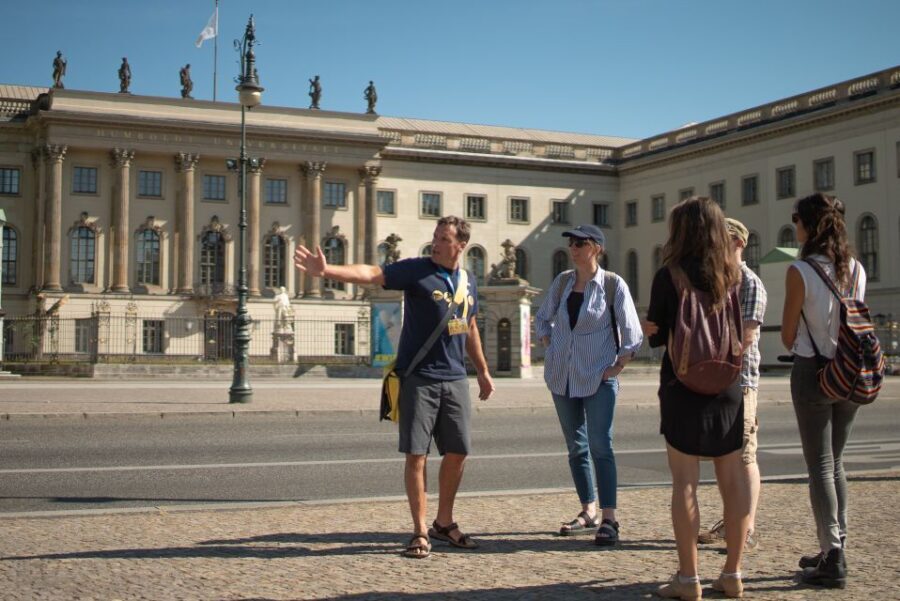
This tour runs everyday rain or shine, so plan for weather that can change your comfort level fast. Bring comfortable shoes, and bring a camera since there are multiple photo stops.
I’d also pack an umbrella if you have one. The instructions don’t require it outright, but the rain-or-shine setup means you’ll be outside for the whole route. Reviews also suggest planning for basics like water on a walking day, which is sensible when you’re moving between major points.
There’s also a simple rule: alcohol and drugs are not allowed on the tour. Keep it straightforward and you’ll be fine.
Should You Book This Berlin Walking Tour of Iconic Sites?
Book it if you want a compact way to understand Berlin’s most important symbols and the darker chapters connected to them. This works especially well at the start of your trip, when you want a map in your mind more than a pile of facts on your phone. It’s also a good choice if you appreciate guided context—people like Maria, Hannah, Martha, Tina, and others have been singled out in past groups for making the material clear, engaging, and sensitive to the group’s needs.
Consider skipping this specific format if you know you want deep time at one place. Because the tour is short and uses photo stops, you won’t get long, quiet hours at any single site. In that case, you might rather pair this with a separate standalone visit to the memorial or another site you care about most.
If you’re excited by the idea of standing at the edge of division at Checkpoint Charlie and the Berlin Wall, then ending at Brandenburg Gate with a clearer sense of reunification, this is an efficient and meaningful way to do it.
FAQ
How long is the Berlin walking tour?
The tour duration is listed as 3 hours.
How much does the tour cost?
The price is $17 per person.
Where does the tour start?
You meet outside Friedrichstrasse train station, on the square beside the Palace of Tears (Traenenpalast), Reichstagufer 17, 10117 Berlin. Look for guides holding yellow umbrellas.
What sights are covered?
The tour includes stops and photo stops at Brandenburg Gate, Reichstag, Checkpoint Charlie, the Berlin Wall, Hitler’s Bunker, the Holocaust Memorial, and also Museum Island, Bebelplatz, and Gendarmenmarkt. It also references sites tied to Nazi history such as the book burning location and former SS/Gestapo headquarters.
Which languages are available?
The live tour guide is available in English, German, and Spanish.
Is pickup available?
Pickup is optional for the private option. You’ll be picked up from your accommodation in Berlin, and you should wait in the hotel lobby about 5 minutes before your scheduled pickup time.
Is the tour wheelchair accessible?
Yes, the tour is listed as wheelchair accessible.
What should I bring?
Bring comfortable shoes and a camera.
Does the tour run in bad weather?
Yes. It operates everyday rain or shine.
Is alcohol allowed on the tour?
No. Alcohol and drugs are not allowed.