REVIEW · BERLIN
Berlin Private Custom Tour in a Minivan, East and West
Book on Viator →Operated by Sightseeing Point GmbH · Bookable on Viator
Berlin’s split past fits neatly into six hours. This private, custom East-and-West Berlin tour strings together the big monuments—plus the quieter context you’d miss alone. I especially like the hotel pickup convenience and the fact that your guide can steer the day toward what you care about, not a rigid group script.
The main trade-off: you’ll still do a fair bit of walking at memorial sites, and time can feel tight if you’re hoping to linger for lots of photos. If mobility matters (or you need special seating), tell the guide early so the pacing matches your day.
In This Review
- Key highlights at a glance
- Why this private East-and-West route works
- Price and what you’re really paying for
- The six-hour game plan, from reunification symbols to Wall reality
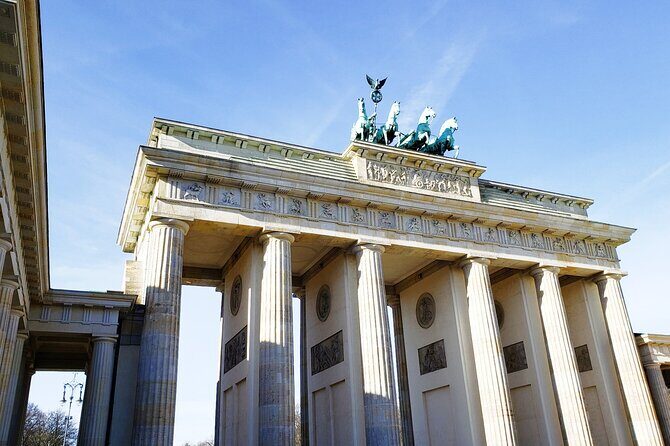
- Brandenburg Gate: more than a famous photo
- Holocaust Memorial: walking makes it heavier
- Checkpoint Charlie: the Wall in miniature
- Berlin Wall memorial: standing on the former death strip
- Topography of Terror: Nazi regime headquarters site
- Reichstag and the glass dome area: the modern capital symbol
- Nikolaiviertel: where you can actually stop for lunch
- East Side Gallery: the Wall as public art
- Soviet Memorial Tiergarten: honoring soldiers in a specific frame
- Humboldt Forum: rebuilt Berlin, modern museum footing
- The guide and driver make or break the day
- Comfort and pacing: minivan ease with real walking time
- Who should book this tour
- Should you book it? My take
- FAQ
- How long is the Berlin private tour in the minivan?
- Is hotel pickup included?
- Is the tour private or shared?
- What language is the tour offered in?
- What’s included in the price?
- Are admission tickets included for all stops?
- How strict is the cancellation policy?
- Do I need to bring food or drinks?
Key highlights at a glance
- Hotel pickup + air-conditioned minivan makes Berlin’s traffic and distances feel manageable
- Major East/West landmarks in one run: Brandenburg Gate, Wall memorials, and Cold War stops
- Guided walking through the memorials gives the sites meaning beyond the photos
- A route built for flexible interests—including shopping streets and photo stops
- Some entrances are not included (you may pay for places like East Side Gallery or Humboldt Forum)
Why this private East-and-West route works
Berlin can feel like two cities wearing the same clothes. What makes this tour different is that it doesn’t treat the Cold War as a sidebar. You move from reunification symbolism straight into the places where the Nazi regime, the Wall, and Soviet-era history left visible scars on everyday life.
A private format matters here. In a group tour, you get “quick looks.” In this one, you can ask your questions in real time, ask for a slower pace, or steer a stop toward something you’re curious about. The minivan also helps you spend energy on the moments that matter—rather than timing trams, hunting parking, or bouncing between far-flung neighborhoods.
You also get a guide who can connect architecture and street life to the events that shaped them. That’s the real value: you don’t just see Berlin’s famous postcard spots, you learn how the city’s layout and buildings reflect power, division, and change.
You can also read our reviews of more private tours in Berlin



Price and what you’re really paying for
At $538.17 per person for about 6 hours, this isn’t the budget end of Berlin sightseeing. So I look at the “cost per comfort” and the “cost per time saved.”
Here’s what you get that usually costs extra in Berlin:
- Professional guide for the full day
- Private tour (your group only)
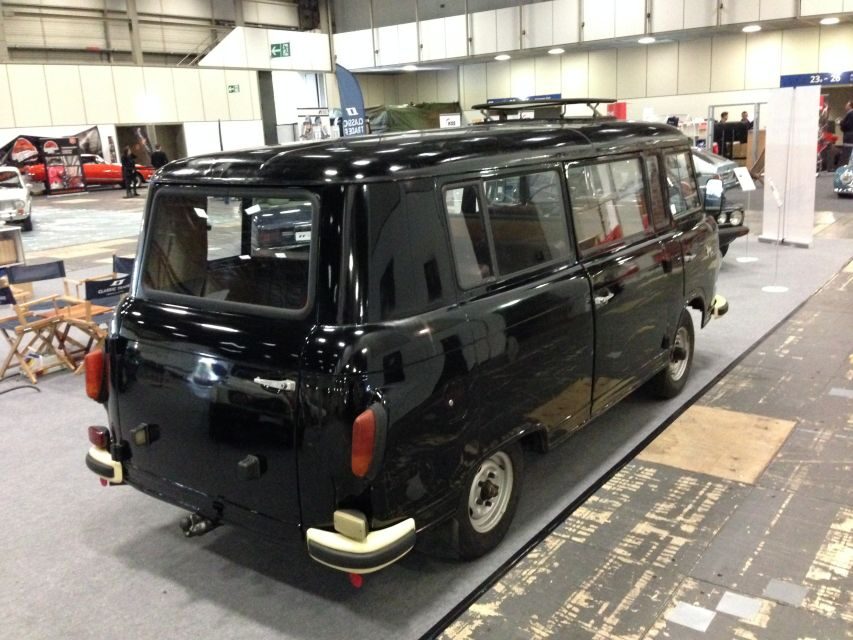
- Air-conditioned minivan for getting between sights efficiently
- Hotel pickup anywhere in Berlin
- Mobile ticket for the experience
Then there’s the admission mix. Several stops on the route are listed with free admission, including the Brandenburg Gate area, the Holocaust Memorial, Checkpoint Charlie, the Berlin Wall memorial area, and Topography of Terror. Later stops like East Side Gallery, the Soviet Memorial (Tiergarten), and Humboldt Forum are marked as not included, so you may handle entrance fees if you choose to go inside.
Is it worth it? If you’re on a tight schedule, want a high-quality overview, and appreciate not fighting transportation logistics, the private format justifies the price quickly. If you’re the type who loves long museum time and lots of independent wandering, you might prefer paying less and using that money for deeper visits later.
The six-hour game plan, from reunification symbols to Wall reality
This itinerary flows in a smart arc: reunification-era landmarks, then Nazi-era memory, then the Cold War machinery, then Wall leftovers and East-side culture, ending with a couple of major “today Berlin” stops.
A practical note: times are short at most stops (often around 15–20 minutes). That doesn’t mean it’s rushed in a chaotic way—it means you should come in with a few specific questions. If you show up expecting a full museum-length visit at every stop, Berlin will politely remind you it’s still a city, not a timeline you can stop and pause.
Brandenburg Gate: more than a famous photo
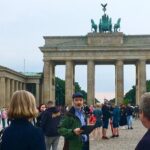
You start at Brandenburg Gate, the historic city gate that became the symbol of a divided Germany and later reunification. Even if you’ve seen it in pictures, the guide’s framing is what changes it: the gate becomes a checkpoint for understanding what Berliners experienced—politically and emotionally—before and after the Wall era.
The stop is about 20 minutes, with admission listed as free. You’ll also pass through the 19th-century Prussian boulevard area, including landmark architecture like the State Opera House, plus a separate stint along a shopping boulevard with more upscale storefronts. If you like street-level Berlin—the way neighborhoods look and feel—these in-between stretches help the day feel like a real city walk, not a list of monuments.
Tip: If you care about photography, tell your guide right when you arrive. Berlin’s crowds can shift fast, and a small plan change can save you time.
Holocaust Memorial: walking makes it heavier
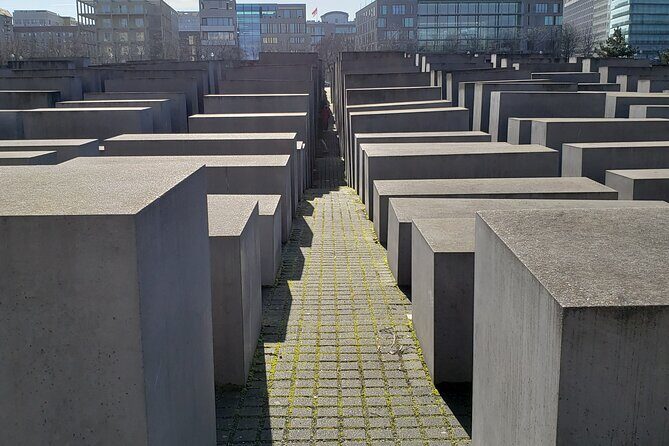
Next comes the Memorial to the Murdered Jews of Europe. You’ll walk through the memorial with the guide and spend about 20 minutes here, with admission listed as free.
This is one of those stops where “seeing” is not the point. The guide’s role matters because it helps you understand what you’re looking at and why this design choice was made. You should expect quiet and space that feels intentional.
Consideration: Dress for comfort. You’ll be walking on memorial grounds for a short window, and there isn’t a “sit and read forever” option built into the time.




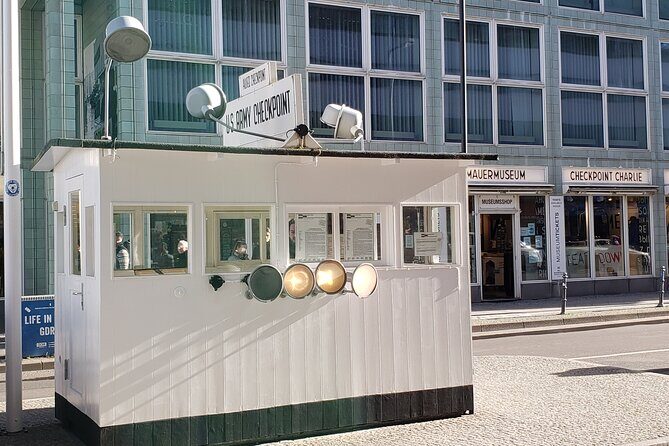
Checkpoint Charlie: the Wall in miniature
Then it’s Checkpoint Charlie, the former checkpoint between Allied and Soviet sectors during the divided-city years. About 20 minutes and free admission are listed here.
Checkpoint Charlie is famous, but the guide’s angle keeps it from becoming just a tourist photo moment. You learn how checkpoints worked, why they symbolized control, and how daily life was shaped by borders that were more than lines on a map.
Tip: If you want more than a quick stop, ask your guide at the start of the tour. The itinerary is designed for a full loop, so extra time usually depends on what you trade off elsewhere.
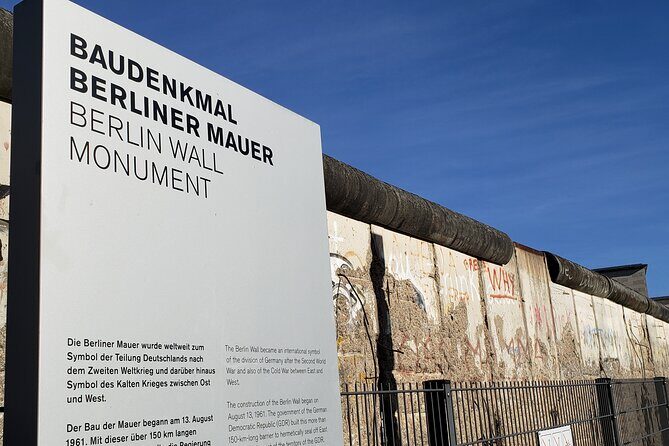
Berlin Wall memorial: standing on the former death strip
Next is the Memorial of the Berlin Wall, where you walk on the site of the former death strip and hear how people attempted escapes, including tunnels. The stop is about 20 minutes, with free admission.
This is the emotional center for a lot of people. The guide’s job is to keep the facts clear and the context respectful, without turning it into a cold lecture. Because time is limited, you won’t get the kind of hour-long analysis you’d get on a deeper Wall tour—but you do get a strong foundation.
Practical note: One review mentioned wishing there were more time for wall photos. That’s the trade-off with a packed 6-hour loop. If the Wall is your top priority, tell your guide early and decide whether you’d rather spend extra minutes here or on later stops.
Topography of Terror: Nazi regime headquarters site
You then head to Topography of Terror, the site tied to the Nazi terror regime headquarters. You spend about 20 minutes and visit an exhibition. Admission is listed as free.
If you’ve read about Nazi history before, this stop helps you connect documents and concepts to a real location in Berlin. If you haven’t, the guide’s explanations help you make sense of the layers fast—what happened, how the regime operated, and what Berlin’s built environment preserves.
Consideration: Twenty minutes is short for an exhibition. If you’re the type who wants to read every panel, you may want to plan a separate museum time later. This day works best as a high-impact orientation.
Reichstag and the glass dome area: the modern capital symbol
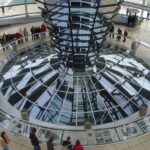
You also get a view of the seat of the German parliament (Reichstag) and its glass dome. The itinerary notes seeing this landmark, but it doesn’t state that entry is included.
So treat it as a “see-and-understand” moment rather than a guaranteed dome visit. The guide can still help you appreciate how Berlin’s political center evolved into something people can visit and view today.
Nikolaiviertel: where you can actually stop for lunch
For a breather, you’ll reach Nikolaiviertel, described as Berlin’s historical city center area with lots of restaurant options. You’ll have about 30 minutes here, and admission is listed as free.
This is where you can get food without turning your day into a scramble. One review-style detail that stands out from the experience reports: people have been taken toward classic German quick bites like currywurst, plus park-area dining options when schedules allow. You’re not stuck with pre-set catering—you can choose what fits the pace of your day.
Tip: If you need lunch to be early, say so. In a tour with fixed walking segments, you’ll enjoy yourself more if you don’t wait until you’re already tired.
East Side Gallery: the Wall as public art
Then comes the East Side Gallery, with about 15 minutes of time. Admission is listed as not included.
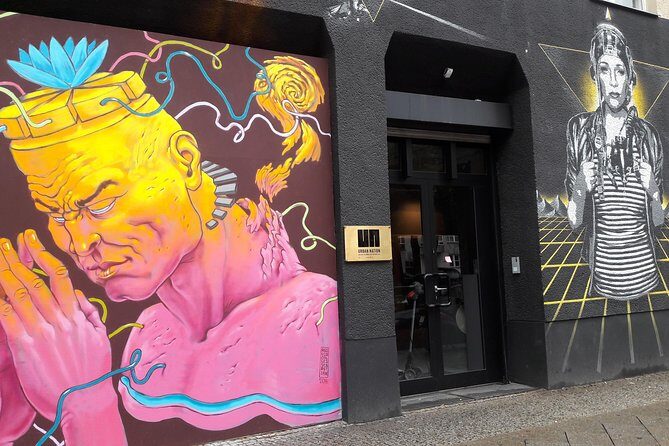
This stretch is famous because it’s not a ruin you stare at—it’s a Wall segment turned into a canvas. The guide helps you read the art and understand why it survived while so much of the Wall is gone. For many visitors, this is where the day shifts from “what happened” to “how Berlin remembers through creativity.”
Consideration: If you want more time, plan it. Fifteen minutes is enough to see the main wall segment, not enough to linger over smaller details and background meanings.
Soviet Memorial Tiergarten: honoring soldiers in a specific frame
You’ll also see the Soviet Memorial in Tiergarten. This is about 15 minutes, and admission is listed as not included.
This stop matters because it adds another layer to Cold War Berlin beyond the Western narrative most visitors know first. It’s a reminder that Berlin’s conflicts had many actors and many kinds of remembrance.
Humboldt Forum: rebuilt Berlin, modern museum footing
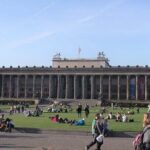
Finally, you reach the Humboldt Forum, where Berlin rebuilt the former city palace. You’ll have about 30 minutes here, and admission is listed as not included.
This is a “today Berlin” stop. Even if you don’t go inside, the location helps you understand Berlin’s current identity—where reconstruction and modern culture sit on top of older meanings. If you do enter, expect that the time you have on this tour won’t be enough for a full museum experience.
The guide and driver make or break the day
In practice, the quality shows up in the small things: pace, clarity, and how well the guide handles the heavy topics without turning them into a blunt script.
I saw a strong pattern across the names attached to this tour: guides like Tankred, Stephan (also spelled Stefan in some reports), Martin, Adrien, Gerhard, and Stefan appear repeatedly, often paired with capable drivers such as Wolfgang, Juergen, Yogan, and others. The best days, based on the feedback style, share three traits:
- The guide explains the “why” behind each stop, not just the “what”
- The pacing flexes when someone needs it (including people with mobility limits)
- The day stays organized even when Berlin traffic or street closures pop up
There’s also a people-first element. One report described a guide planning an efficient route for a specific shopping request. Another noted the guide’s patience with kids. That’s the private-tour advantage in real terms: you’re not stuck doing the day the way a group leader wants.
Practical tip: Your first 10 minutes with the guide matter. Mention what you care about most, what you want photos for, and what you need help adjusting. That’s when the custom part actually starts.
Comfort and pacing: minivan ease with real walking time
The minivan is air-conditioned, which is a big deal in a city where you might be out in direct weather between stops. Berlin also has plenty of short stretches where stopping to regroup is normal. So you get a mix: ride when distances add up, walk when meaning needs a human-scale experience.
Still, be honest with yourself about walking. Memorial grounds and outdoor exhibits involve standing and short walks on your feet. One experience report noted a car seat mismatch issue for an infant—confirming needs matters, and not every “confirmed” item always arrives correctly.
If you’re traveling with a baby, ask what they provide and reconfirm the type you need before the day. And if you have a leg injury or a mobility limit, bring it up right away so your guide can adjust how much you walk vs. how much you see from short stops.
Who should book this tour
This tour fits best when you:
- Have limited time and want a solid East-and-West overview
- Like history with context, not history as a list
- Want the comfort of hotel pickup and a private minivan
- Prefer a guide who can answer questions and reshape the day a bit
- Are traveling with a family and need a pace that doesn’t require constant long transit
It may not be your best choice if you:
- Want to spend long hours inside major museums and exhibitions (this day is built for moving and seeing)
- Expect lots of standalone time at the Wall for extended photos and reading
Should you book it? My take
If Berlin is new to you and you want to understand how the city’s modern identity grew out of division, this is a strong way to start. The private format, hotel pickup, and guide-led walking through the most serious memory sites make the day feel purposeful instead of chaotic.
Just go in with one expectation calibrated: this is an excellent overview, not a “spend the whole day at one site” plan. If you’re Wall-obsessed, plan a follow-up on another day. If you want the whole story arc in one efficient loop, this tour is a very practical pick.
FAQ
How long is the Berlin private tour in the minivan?
It runs for about 6 hours.
Is hotel pickup included?
Yes. Pickup is offered from any hotel in Berlin (you’ll provide your hotel address during booking).
Is the tour private or shared?
It’s a private tour/activity, meaning only your group participates.
What language is the tour offered in?
The tour is offered in English.
What’s included in the price?
Included features are a professional guide, private tour, air-conditioned minivan transport, and hotel pickup.
Are admission tickets included for all stops?
Many stops list free admission, but some are marked not included, including East Side Gallery, Soviet Memorial Tiergarten, and Humboldt Forum.
How strict is the cancellation policy?
You can cancel for a full refund up to 24 hours before the experience’s start time.
Do I need to bring food or drinks?
Food and drinks are not included, so you’ll need to plan your own meals or snacks during the day.