REVIEW · BERLIN
Berlin: Museum of Communication Entrance Ticket
Book on GetYourGuide →Operated by Museum für Kommunikation Berlin · Bookable on GetYourGuide
A postal museum that feels like a gadget shop. At Berlin’s Museum für Kommunikation, you walk through human communication across 2,000 objects and you get the big-ticket moment: the Blue Mauritius stamp. I especially like the hands-on, interactive setup that makes the story feel practical, not just historical.
This is a self-guided visit with an audio-visual app, so you can move at your speed. The one drawback: if you love a live guide narrating every room, you’ll be doing more of that work yourself with the app.
In This Review
- Key things I’d prioritize
- Entering Berlin’s Museum für Kommunikation: history you can use
- The Blue Mauritius stamp: the rare “how did they even do this?” moment
- Interactive terminals: signals, screens, and learning by doing
- 40,000 years of communication: how the museum tells the story
- Your self-guided route with the audio-visual app
- Price and ticket value: what $9 really covers
- Timing and opening hours: plan around the closed days
- Who should book this communication museum ticket
- Should you book this Museum für Kommunikation ticket?
- FAQ
- Do I need to reserve a time slot for my visit?
- How long is my ticket valid?
- What’s included with the ticket price?
- Can I pay with cash at the museum?
- Is the museum wheelchair accessible?
- What hours are the museum open on public holidays?
- When is the museum closed?
- Is there free cancellation?
Key things I’d prioritize

- Blue Mauritius: a must-see for stamp lovers and anyone who likes rare collectibles tied to history.
- 40,000 years of communication: you’ll see how messages evolved from early tools to modern tech.
- Interactive terminals: smoke, light, and acoustic signals give you the basics fast.
- Greeting and communication practice: you’ll learn how people in different places say hello and share info.
- A self-guided audio-visual app: helpful for keeping the visit coherent without joining a group.
Entering Berlin’s Museum für Kommunikation: history you can use
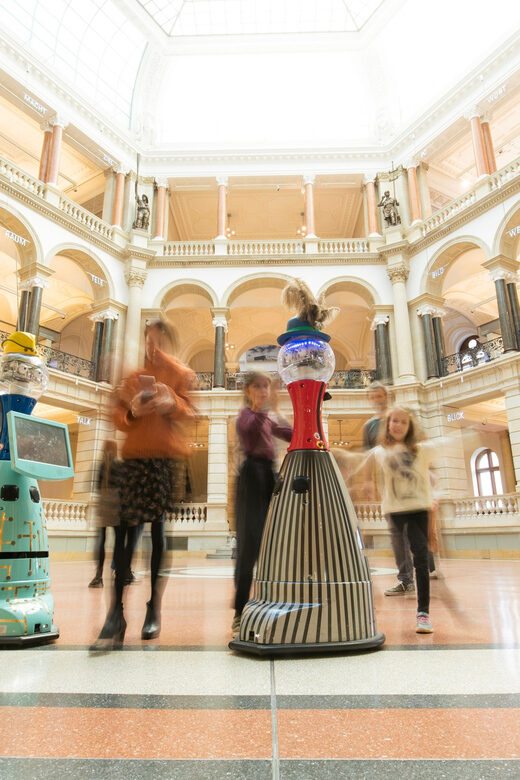
If you want Berlin museums that don’t feel locked in time, this one is a strong pick. The Museum für Kommunikation is built around the idea that communication is a human constant, not a single invention. You’re not just reading dates; you’re seeing how people figured out ways to send meaning farther, faster, and clearer.
I like how the exhibits are framed as milestones you can experience. The museum talks about communication as an ongoing conversation, including current debates, and it nudges you to think from more than one angle. That’s a nice change from museums that act like the only correct answer is the one on the wall.
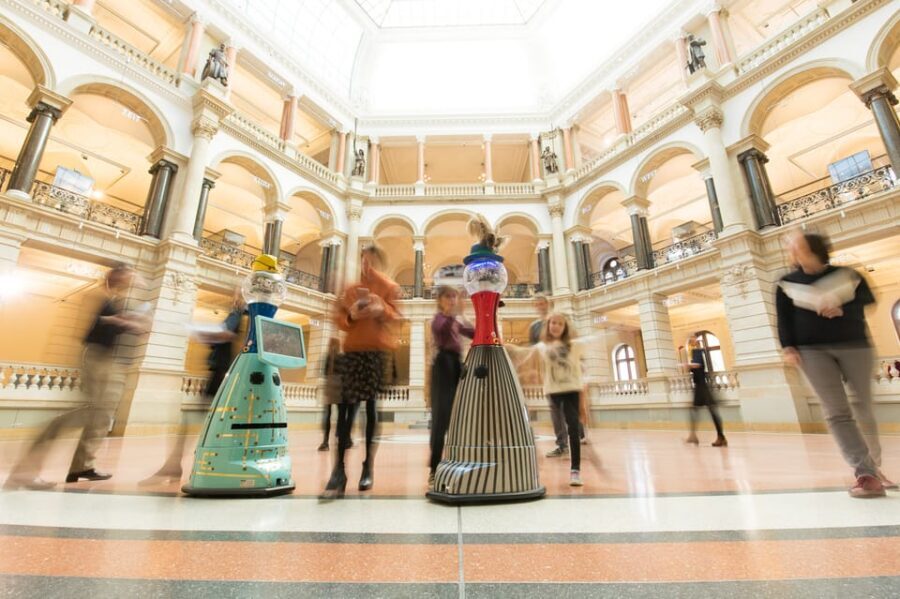
The layout also supports an easy flow. Around the atrium, you’ll find a communication gallery with interactive terminals, which works well if you’re traveling with kids or you just want quick wins early on. If you’re short on time, you can start with the most hands-on areas and then move into the deeper displays.
You can also read our reviews of more tours and experiences in Berlin



The Blue Mauritius stamp: the rare “how did they even do this?” moment
One reason people make a beeline here is the Blue Mauritius. It’s described as one of the world’s most famous and rarest stamps, and even if stamps aren’t your hobby, you’ll probably feel the weight of it. This stamp isn’t presented as a random collectible—it’s tied to the bigger story of postal communication and how trust, verification, and identity travel with paper.
Here’s how to get the most value from this stop: slow down and read what the museum connects to the stamp. Focus on why stamps matter beyond the art or rarity. In a communication museum, a stamp is basically a tiny technology for moving information through systems that are bigger than any one person.
If you like museum moments that feel like a puzzle, this is one. Rare objects do that naturally. And because this museum is about communication history, the stamp fits the theme instead of feeling like an out-of-place brag.
Interactive terminals: signals, screens, and learning by doing

The heart of this visit is that you’re invited to interact, not just observe. The communication gallery around the atrium uses terminals that let you test basic communication ideas. You can try exchanging news using smoke, light, or acoustic signals, and there are digital displays to play with.
That matters for your experience because it changes the way your brain stores information. Instead of reading how signals work, you’re doing a version of it. It’s a practical way to understand concepts like range, clarity, and limitations—things that show up again and again when communication methods evolve.
There’s also a “learn greetings” angle. You can interact and get a feel for how greeting people varies across the world. It’s a small thing, but it’s smart: communication isn’t only technology. It’s also body language, culture, and the rules you pick up without thinking.
You might find parts of the museum especially friendly if you’re traveling with children or anyone who learns best through touch-and-trial learning. One of the strongest pieces of feedback I’d take seriously here is that the museum has elements where you can actually engage, not just stand and look.
40,000 years of communication: how the museum tells the story
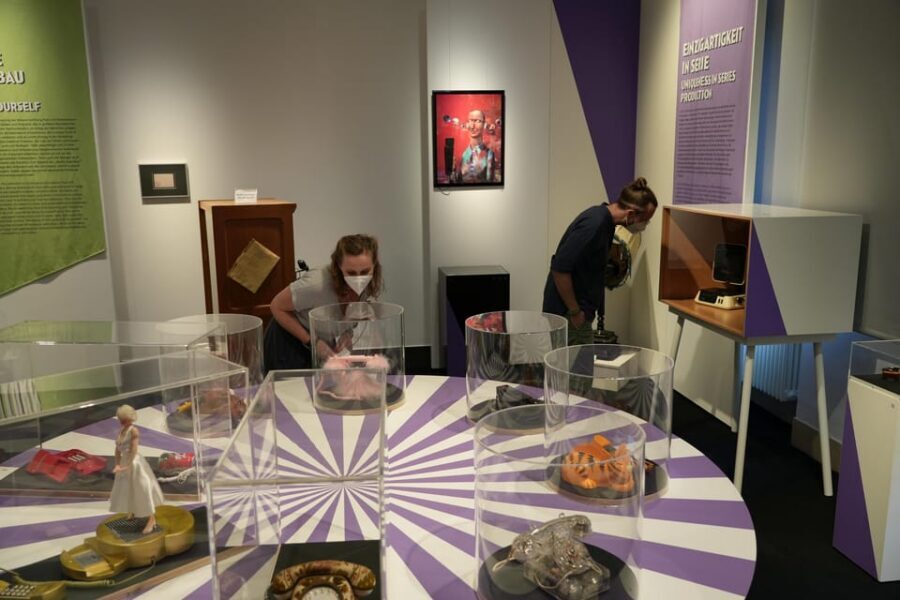
The museum frames communication as a long arc: 40,000 years of progress told through about 2,000 objects. You start with early milestones and move forward toward modern communication. The exhibits are described as taking you from the hand axe to the smartphone, which gives you a clear mental timeline.
What I appreciate is the way the museum links past milestones to current debates. It doesn’t treat communication history as a closed chapter. Instead, it pushes you to think about the trade-offs that repeat across time: speed versus accuracy, access versus control, convenience versus privacy. Even if you only catch some of those connections while walking, it’s enough to make the whole visit feel relevant.
Because it’s self-guided, you control how deep you go. If you’re the type who reads every label, you can take your time with the object stories. If you prefer the big picture, you can skim labels and rely on the app’s guidance to keep you moving through the key themes.
Your self-guided route with the audio-visual app

You don’t need to book a specific time slot. That’s genuinely helpful in Berlin, where the day can change fast. You can just show up with your ticket and go in. Inside, the audio-visual app acts like a handheld guide, helping you navigate and make sense of what you’re seeing.
This is the smart way to do it: start with the app’s orientation, then use it as a thread rather than a script. If you try to follow every instruction like a checklist, you’ll lose the fun of spontaneous exploring—especially around the interactive terminals.
You’ll also appreciate the flexibility if you want to do a “greatest hits” visit. Begin around the atrium area for the hands-on stuff, then use the app to steer you toward the major themed rooms. That way, you’re not trapped wandering in a big museum with no compass.
One more practical note: because there are many objects and the time span is huge, you’ll get better value if you decide in advance what matters most to you—stamps, signals, greetings, or the early-to-modern timeline. The app helps, but your priorities still shape the experience.
You can also read our reviews of more museum experiences in Berlin






Price and ticket value: what $9 really covers
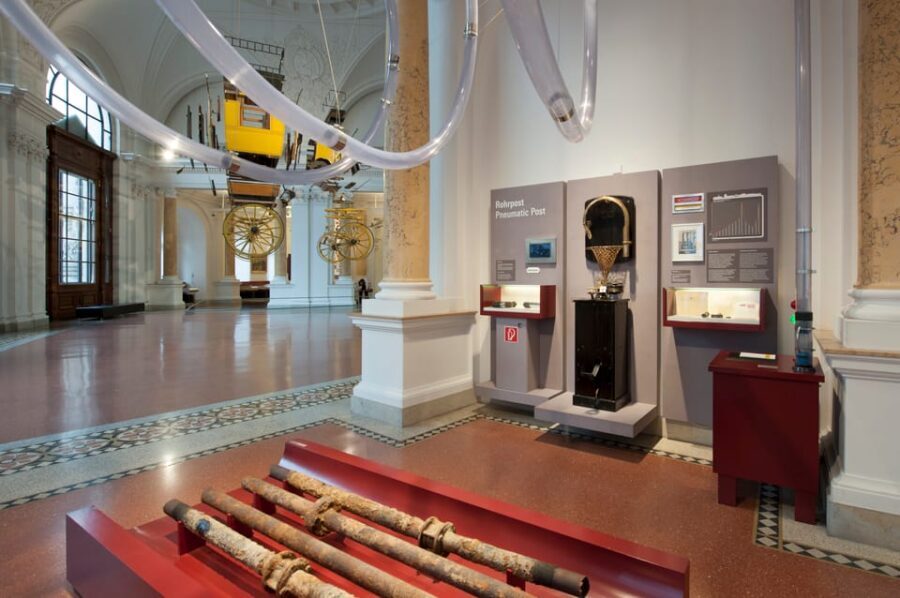
At $9 per person, the entry price is easy to justify in a city where museum tickets can climb quickly. The best part is what’s included: admission to the museum plus the audio-visual app.
So you’re not paying just for walls and display cases. You’re paying for access to interactive learning areas, object-based exhibits spanning 40,000 years, and a guided experience that helps you connect the dots without hiring a separate tour. Wheelchair accessibility is also listed, which matters if mobility is part of your planning.
Value isn’t only about the cost tag—it’s about how much of the museum you’ll actually use. If you’re the kind of visitor who enjoys playing with interactive stations and reading a few deeper sections, this price feels fair. If you strictly prefer quiet galleries with no hands-on moments, you might still enjoy the communication history, but you may spend more time passing through the interactive parts than using them.
Timing and opening hours: plan around the closed days

The museum has a regular rhythm you should respect. It’s closed on Mondays, and it’s also closed on December 24, 25, and 31. On public holidays, it opens later, from 10:00 AM to 6:00 PM.
Because your ticket is valid for 1 day, you can pick the day that fits your itinerary best. Do a quick check before you go, especially if you’re traveling during holiday weeks when Berlin museums can have unusual hours.
If you’re trying to build a smooth day, pick a time when you won’t be rushed. Even if the app helps you move efficiently, you’ll get more out of the visit if you can linger with the interactive terminals and take time with the key object areas like the stamp display.
Who should book this communication museum ticket

This place is a strong match for several types of travelers.
- Families: there’s hands-on interaction and clear, playful learning through terminals. The greeting activities and practical signal experiments can work well with kids, especially when they can touch, test, and try.
- Stamp and postal history fans: the presence of the Blue Mauritius gives you a serious “I can’t believe it’s here” draw.
- Curious generalists: even if communication technology isn’t your hobby, the museum’s arc from early tools to the smartphone gives you a coherent storyline.
- Culture-minded travelers: communication includes greetings and social meaning, not only devices and routes.
If you want a museum day that feels like a mix of history and experimentation, this is a good choice. If you prefer a strictly guided group experience, you can still enjoy it, but you’ll want to rely on the audio-visual app to do more of the narration work.
Should you book this Museum für Kommunikation ticket?
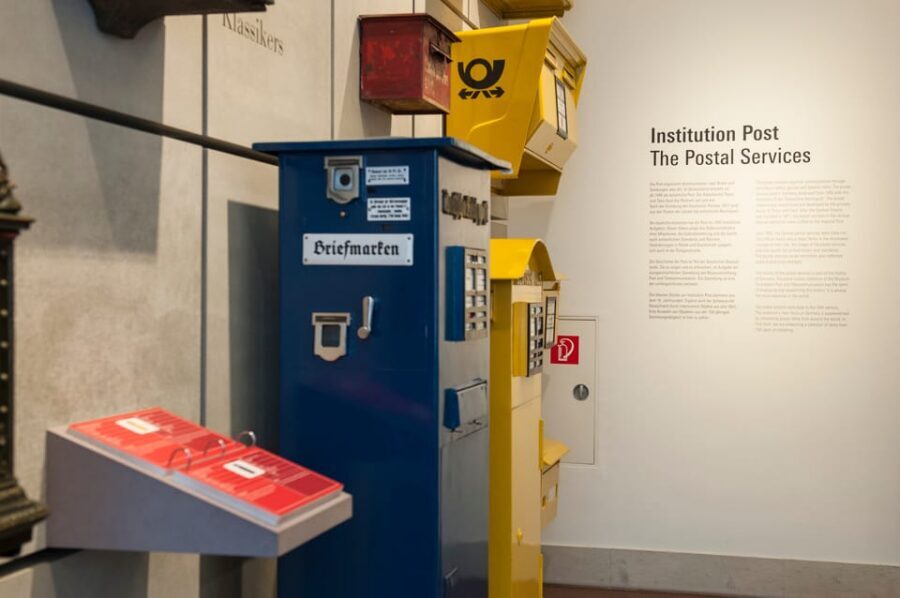
I’d book it if you want a Berlin museum that’s not just “look and read.” For $9, you get admission plus an audio-visual app, and you’ll see a world-famous stamp as part of a bigger story about human communication. Add the interactive terminals and the chance to practice greetings, and it becomes more like an educational experience than a quiet walking tour.
Skip it (or at least lower your expectations) only if you strongly prefer fully guided tours with a live narrator and you don’t enjoy hands-on stations. In that case, the self-guided format could feel a bit more DIY than you want.
FAQ
Do I need to reserve a time slot for my visit?
No. You don’t need to reserve specific time slots for your museum visit.
How long is my ticket valid?
Your ticket is valid for 1 day. You can check availability to see starting times.
What’s included with the ticket price?
The ticket includes museum admission and an audio-visual app.
Can I pay with cash at the museum?
Yes. You have the option to purchase tickets without cash, and at the museum counter you can pay with cash.
Is the museum wheelchair accessible?
Yes, it is listed as wheelchair accessible.
What hours are the museum open on public holidays?
On public holidays, the museum is open from 10:00 AM to 6:00 PM.
When is the museum closed?
The museum is closed on Mondays, and it is closed on December 24, 25, and 31.
Is there free cancellation?
Yes. You can cancel up to 24 hours in advance for a full refund, and you can also reserve now and pay later.