REVIEW · BERLIN
Hitler’s Germany: Berlin During the Third Reich & WWII
Book on GetYourGuide →Operated by Original Berlin Walks GmbH · Bookable on GetYourGuide
Nazi Berlin can feel like a puzzle with missing edges. This tour pieces it together with a clear route: you trace the machinery of persecution while also seeing what survives in today’s city. I especially love how it links power, propaganda, and violence to real street corners, not just vague history.
Two things I really like: first, the guides bring the story to life with sharp on-the-ground context, and names like Rebecca, Glen, Jonathan N, and Amelie show up again and again in the way they teach. Second, the pacing is practical: a short metro hop, then a focused walk that ends in front of the Reichstag.
One consideration: this is heavy material with serious stops, so if you want a light, mostly-visual tour, this won’t be your style. Also, since you won’t enter buildings, the most “indoors” moment is the museum break rather than full interior time.
In This Review
- Key things that make this tour worth your time
- Walking the Nazis’ Berlin power map, not just the postcard sites
- From the Jewish Quarter’s destruction to Anhalter Bahnhof
- The former Nazi government district: architecture that explains control
- Gestapo and SS headquarters, and why Topography of Terror hits so hard
- Memorials in and near the Tiergarten: remembrance in the middle of the city
- Ending at the Reichstag: Germania dreams and the Battle of Berlin
- Price and timing: is $23 good value for a Berlin history day?
- Who this tour is best for (and who should skip it)
- Should you book this tour?
- FAQ
- How long is the Hitler’s Germany tour in Berlin?
- Is this a walking tour only, or does it include public transport?
- Do we enter buildings during the tour?
- What languages is the tour offered in?
- Do I need a public transport ticket?
- Is there a private group option?
- Can I skip the ticket line?
- Is there free cancellation?
Key things that make this tour worth your time
- Nazi power mapped in one route: from the Jewish quarter’s destruction to the government district and WWII aftermath
- Topography of Terror museum break built into a logical sequence (not a random detour)
- Pass-by stops you can’t guess on your own, including former Nazi-era ministry locations
- Expert guides with native-level English who keep the group moving and questions welcome
- Memorial stops that add meaning, not just name-checking victims
- Designed for 4 hours: long enough to connect the dots, short enough to fit a real Berlin day
Walking the Nazis’ Berlin power map, not just the postcard sites
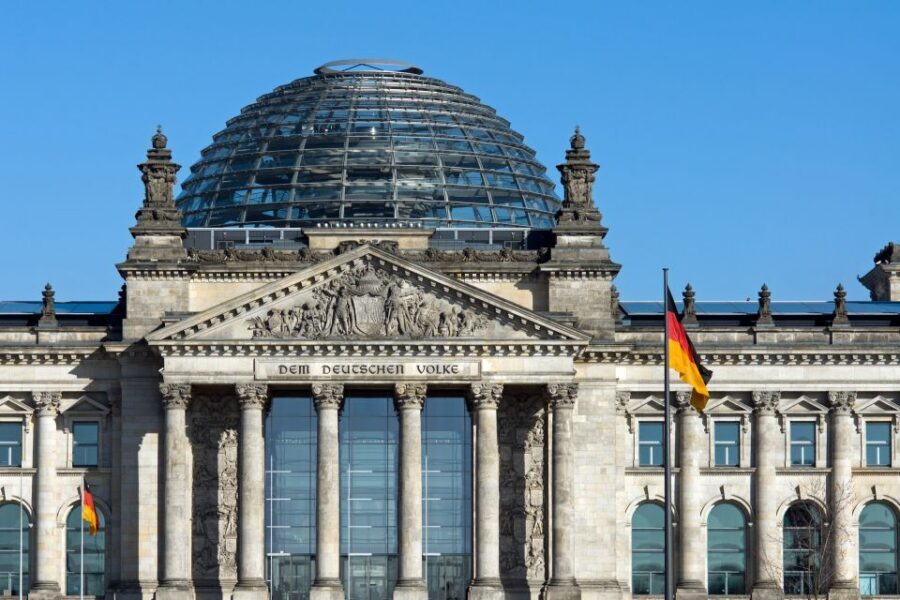
This tour is built like a guided route through the Nazi state’s working parts. You’re not only looking at famous landmarks. You’re learning how the regime turned institutions, buildings, and public messaging into control—and how Berlin remembers.
That focus is what makes it useful. When you finish, you’re less likely to treat WWII and the Third Reich like one big black-and-white blur. Instead, you’ll understand how policy and propaganda fed real persecution, and how the city now marks that history with memorials and preserved architecture.
Also, the format is practical. It runs as a 4-hour guided walk with a short metro ride, and it’s structured so you’re not endlessly hunting for where to go next.
You can also read our reviews of more tours and experiences in Berlin.


From the Jewish Quarter’s destruction to Anhalter Bahnhof
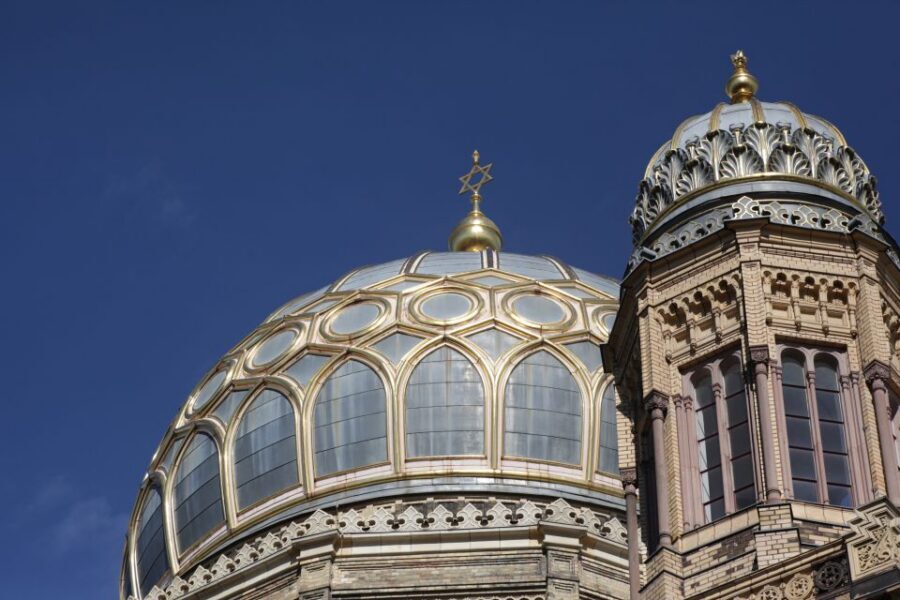
The tour starts with an overview of how the Nazis devastated Berlin’s nearby Jewish district. That opening matters because it gives you a human and civic baseline before you step into the parts of town tied to state authority.
Then you move on by metro for a short ride to Anhalter Bahnhof—a huge train station that was destroyed during WWII. Even without going inside, the site is a strong lesson in how the war wrecked the everyday infrastructure of a city.
Why this sequence works: you get the context first, then you see how the war and the regime’s actions changed Berlin’s physical map. It’s harder to tune out when the guide connects what you’re seeing to what happened around it.
The former Nazi government district: architecture that explains control
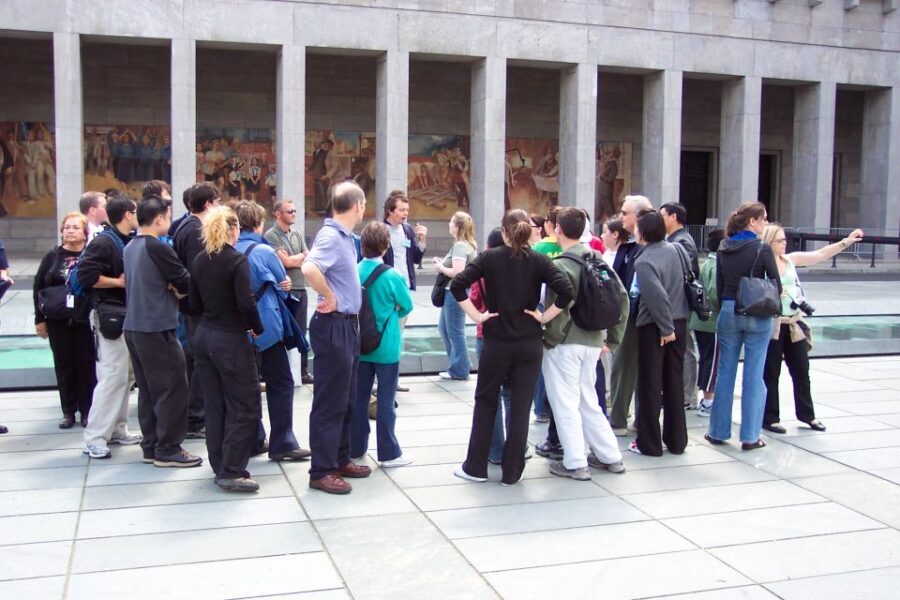
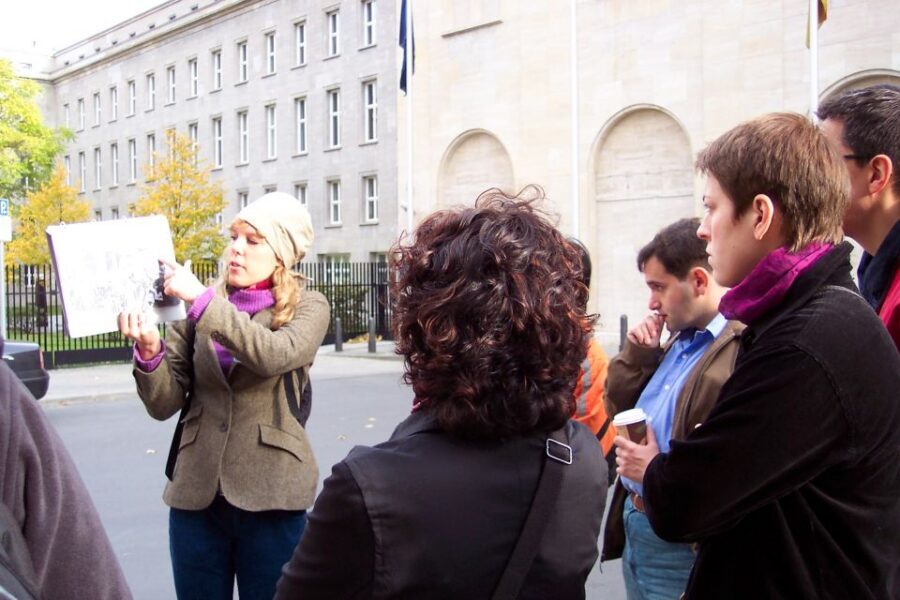
Once you’re walking through the government district, you’ll spend time seeing how Nazi power was housed and displayed. One of the most striking parts is the stop at the colossal former Luftwaffe headquarters, led by Hermann Göring.
This building is often remembered for being a major surviving example of Nazi architecture. On this tour, it’s not treated like a photo backdrop. The guide frames it as a symbol of organized state force—air power, command, and the larger war machine.
You’ll also walk past former Nazi-era sites tied to the regime’s ministries, including the former Nazi Air Ministry, the Gestapo HQ, and the Propaganda Ministry. Seeing these locations in sequence helps you understand a grim logic: control systems were built side by side with messaging systems.
If you’ve visited Berlin before, you might recognize the area. The difference here is that the tour connects those familiar streets to how the regime worked day to day.
Gestapo and SS headquarters, and why Topography of Terror hits so hard
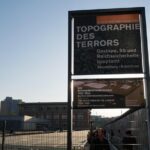
After the architecture and pass-by locations, the tour moves toward the core machinery of repression: the Gestapo and SS headquarters area, now tied to the Topography of Terror museum.
There’s a museum break during the tour, and that’s the moment where the story turns from street-level context into documentary-backed explanation. The guide’s narration covers the regime’s methods, including the role of propaganda, and it continues through some of the darkest topics tied to Nazi policy.
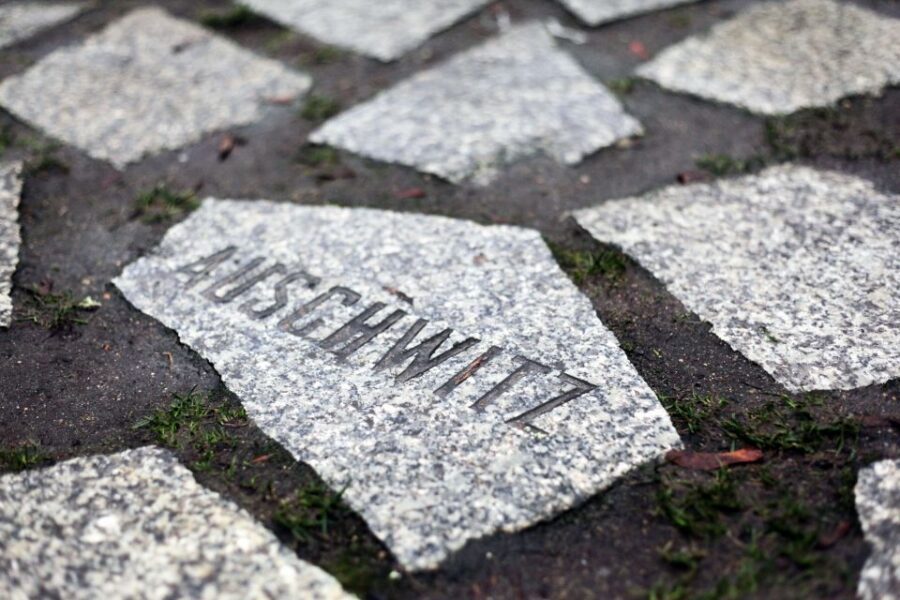
You’ll also learn about key programs and how they were justified—specifically the T4 euthanasia program and the Holocaust—along with the use of propaganda associated with Joseph Goebbels.
This section is demanding. If you’re sensitive to historical violence or you’re traveling with someone who gets overwhelmed easily, plan your day with extra water and patience. A 4-hour tour can feel quick when it’s guided well, but the subject matter won’t be light.
Memorials in and near the Tiergarten: remembrance in the middle of the city
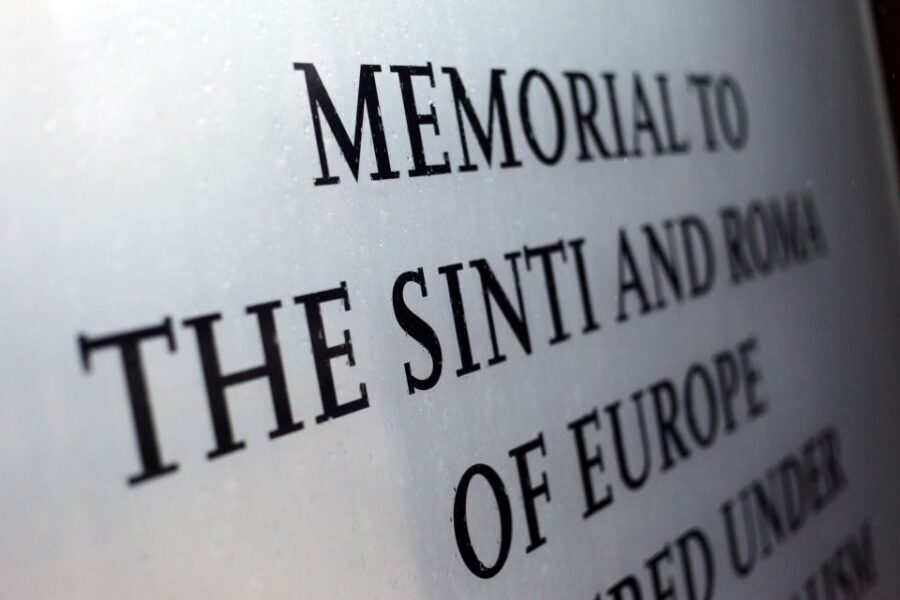
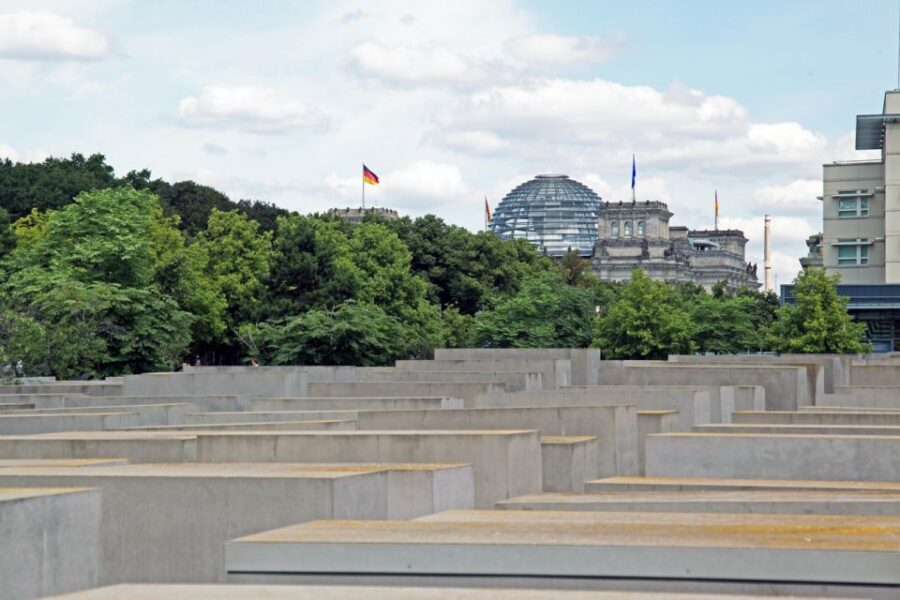
As you work your way toward Tiergarten, you stop at memorials that broaden the story beyond a single regime viewpoint. These are the moments where Berlin slows you down.
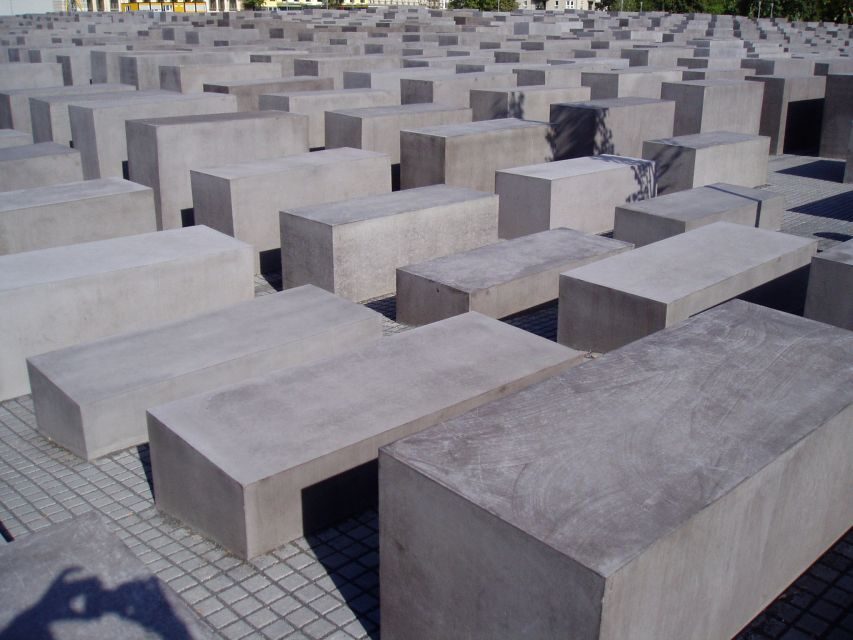
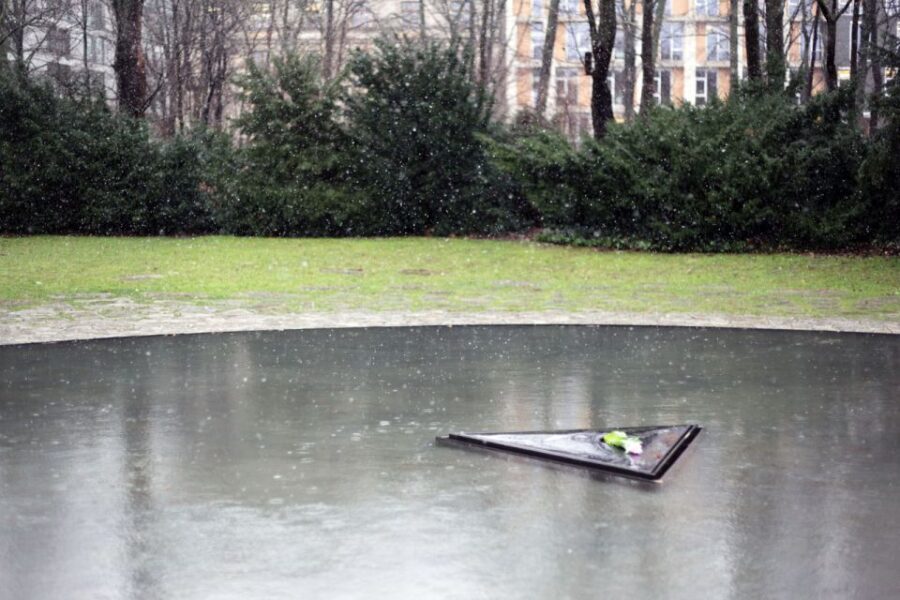
You’ll visit the Memorial to the Sinti and Roma Victims of National Socialism. You’ll also see a memorial tied to 96 politicians arrested by the Nazis in 1933 as they seized power.
I like this part because it pushes beyond the standard “leaders and battles” framing. It reminds you that persecution was targeted, planned, and wide-ranging. And it shows how Berlin chooses to remember: not only through buildings left standing, but through dedicated sites meant for public reflection.
Even if you’re not a monument person, these memorial stops give your brain something important to hold onto after the heavier institutional details.




Ending at the Reichstag: Germania dreams and the Battle of Berlin
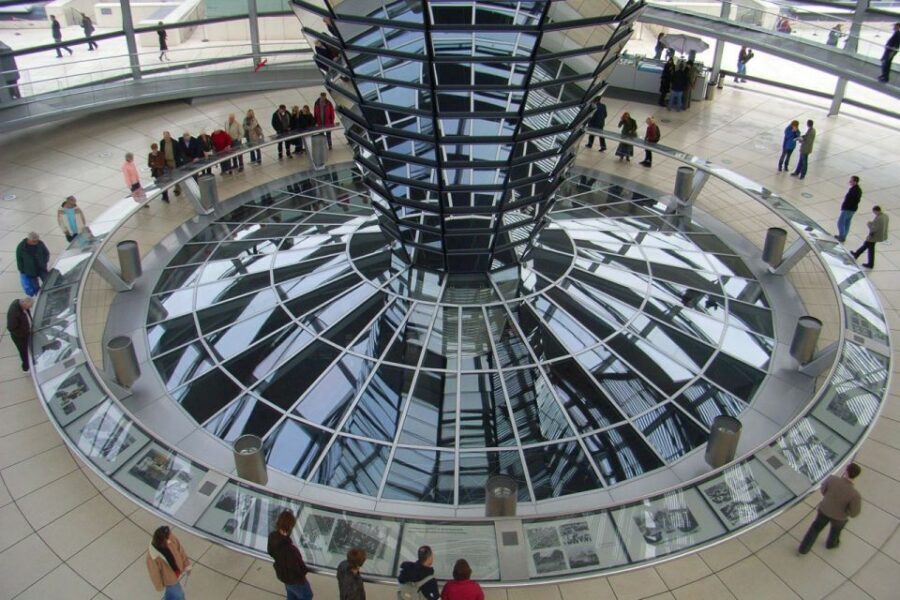
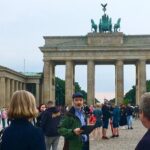
The tour finishes in front of the Reichstag, the German parliament building. The guide uses the setting to explain both Hitler and Albert Speer’s plan to redesign Berlin as Germania—the capital of the empire the Nazis imagined.
Then comes the WWII endgame. You’ll learn about the Battle of Berlin and how Soviet soldiers assaulted the Reichstag amid anti-aircraft fire, while Hitler was committing suicide nearby.
This ending works well because it ties ideology to outcome. You start with how the regime used institutions to control people, and you end with how the regime collapsed and left physical scars.
Also, finishing at the Reichstag is practical. It’s a great anchor point for continuing your day—whether you want to connect to other WWII or Cold War areas, or simply grab food and let the tour settle in.
Price and timing: is $23 good value for a Berlin history day?
At $23 per person for a 4-hour guided experience, the value is strong—especially for Berlin. You get an organized route, expert interpretation, and a museum break included in the pacing.
What makes the price feel fair is that you’re not just paying for access to a single attraction. You’re paying for a guided storyline across many different sites that are otherwise easy to miss or misread on your own. The tour also emphasizes expert delivery in English and German, with guides that include Rebecca, Glen, Jonathan N, Artie, Amelie, and others who were praised for making the time move quickly even when the topics are heavy.
Timing-wise, 4 hours is long enough to connect the early context to the later Reichstag ending. It’s also short enough that you can still do other Berlin basics the same day—like a neighborhood walk or a museum visit—without feeling wrecked.
Two practical notes that affect your comfort:
- You’ll need a public transport ticket for the tour. If you don’t already have transit worked out, plan for that so the metro hop doesn’t become a hassle.
- The tour runs in all weather, and the guide does not enter buildings during the tour. So wear real walking shoes, and expect weather to be part of the day.
Who this tour is best for (and who should skip it)
This is ideal if you want a guided route focused on how Nazi power operated in Berlin—and you want memorial context too. It’s also a good fit if you like when history is explained through place: names, buildings, and institutions tied to what happened.
It’s less ideal if you want a relaxed sightseeing day built around casual stories or art stops only. This tour deals with the machinery of persecution and genocide, and it doesn’t pull punches.
It’s also a strong choice if you’re traveling with teens or mixed-age groups, as long as everyone can handle difficult content. A solid guide helps keep the energy moving, even when the topic is grim.
Should you book this tour?
Yes—if you want your Berlin WWII visit to feel connected and specific. The route is designed to help you understand how the Nazi state functioned across multiple sites, and the ending at the Reichstag gives you a clear historical arc from rise to collapse.
If you’re short on time in Berlin, this is a good “big storyline” option. If you’re already planning to visit only a couple of WWII landmarks, this tour helps you avoid the common problem of seeing places without knowing what they meant.
One last check before booking: bring the right mindset. You’re walking through sites that still carry weight, and that’s the point. With a guide like Rebecca, Glen, Jonathan N, Amelie, or Artie at the front, the day can be intense—but it can also be meaningful and well organized.
FAQ
How long is the Hitler’s Germany tour in Berlin?
It lasts 4 hours.
Is this a walking tour only, or does it include public transport?
It includes a short metro ride early on, followed by walking through the key areas.
Do we enter buildings during the tour?
No. The tour does not enter any buildings. There is a museum break as part of the route, but the tour itself is not structured around entering multiple sites.
What languages is the tour offered in?
The live guide speaks English and German.
Do I need a public transport ticket?
Yes. A public transport ticket is needed for this tour (including an AB ticket if required).
Is there a private group option?
Yes. Private group availability is offered.
Can I skip the ticket line?
Yes. The tour includes skip the ticket line.
Is there free cancellation?
Yes. You can cancel up to 24 hours in advance for a full refund.