REVIEW · BERLIN
Skip-the-Line: Berlin Wall Museum at Checkpoint Charlie
Book on GetYourGuide →Operated by Mauermuseum-Haus am Checkpoint Charlie · Bookable on GetYourGuide
Berlin history hits different at Checkpoint Charlie. This Berlin Wall Museum visit is compelling because you see original escape tools—plus the people who helped behind the scenes.
I like that the museum covers the human side of the GDR story, not just the politics. I also like how the exhibits are built around real objects tied to successful flights to the West.
One thing to consider: you’ll do a lot of reading. The displays are information-dense, and the flow can feel more like walking through a thick archive than a tightly paced show.
In This Review
- Quick picks before you go
- Checkpoint Charlie location: why this stop feels so specific
- The museum’s founding in 1962: protest turned archive
- Skip-the-line and timing: how long a one-day ticket really needs
- Price and value: is $21 worth it?
- Escape artifacts you’ll actually remember
- How the museum handles the big political story without losing the human one
- The exhibit style: reading-heavy, sometimes lots of text
- What to notice near Checkpoint Charlie itself
- Practical tips that make your visit smoother
- Who this ticket suits best
- Should you book this skip-the-line ticket at Checkpoint Charlie?
- FAQ
- Where is the meeting point for this experience?
- How much does the entrance ticket cost?
- Is an audioguide included with the ticket?
- Is a guided tour included?
- Does this include skip-the-line entry?
- How long should I plan for the visit?
- Is the museum wheelchair accessible?
- What’s the cancellation and payment flexibility?
Quick picks before you go
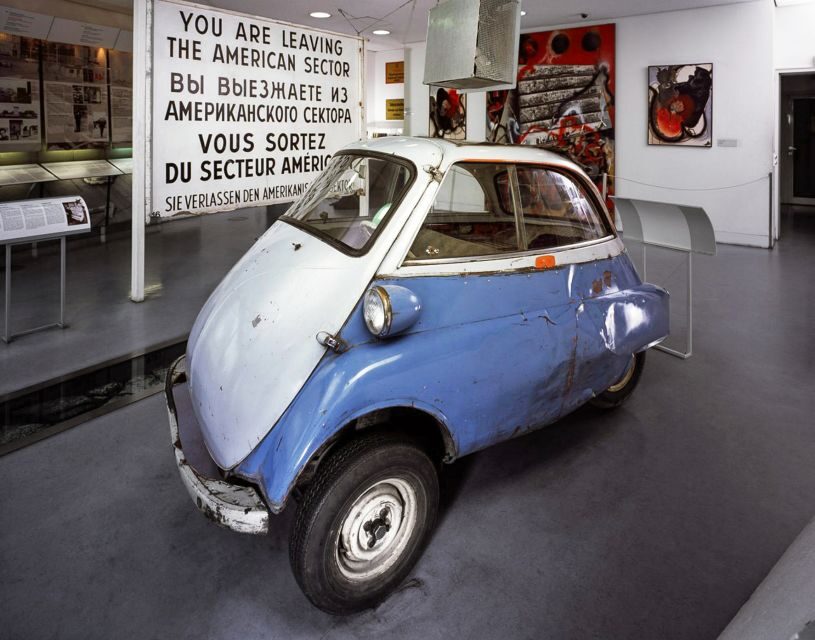
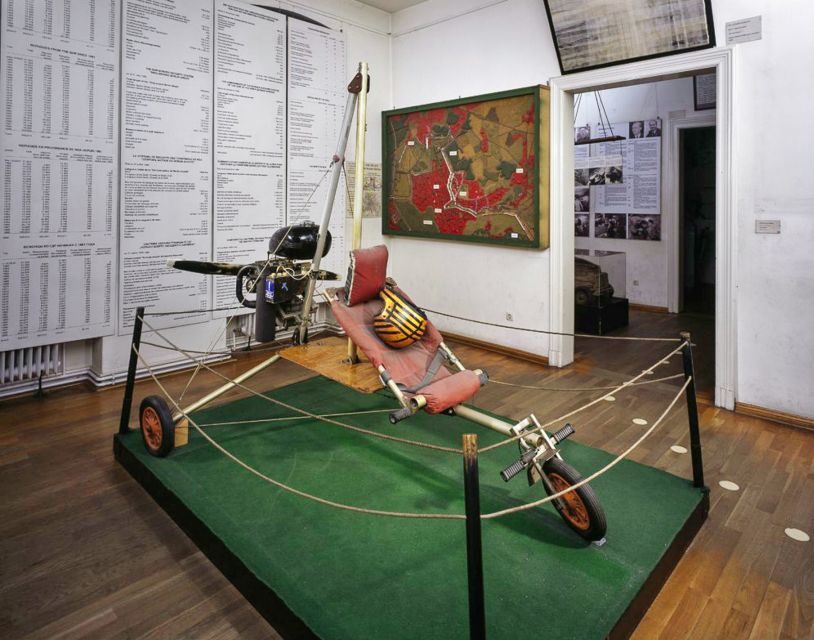
- Original escape artifacts like a hot-air balloon, mini-submarine, cars, and airplanes, donated after successful journeys
- Built as protest in 1962, right after the Wall rose, with a mission to fight human-rights violations
- Skip-the-line ticket so you can start faster at Friedrichstraße 43-45
- Plan extra time because the museum feels larger than it looks, and many visitors settle in for 2+ hours
- Multilingual translations are available for key parts, even though an audioguide is not included
- Wheelchair accessible, so the museum experience is designed to work for more visitors
Checkpoint Charlie location: why this stop feels so specific
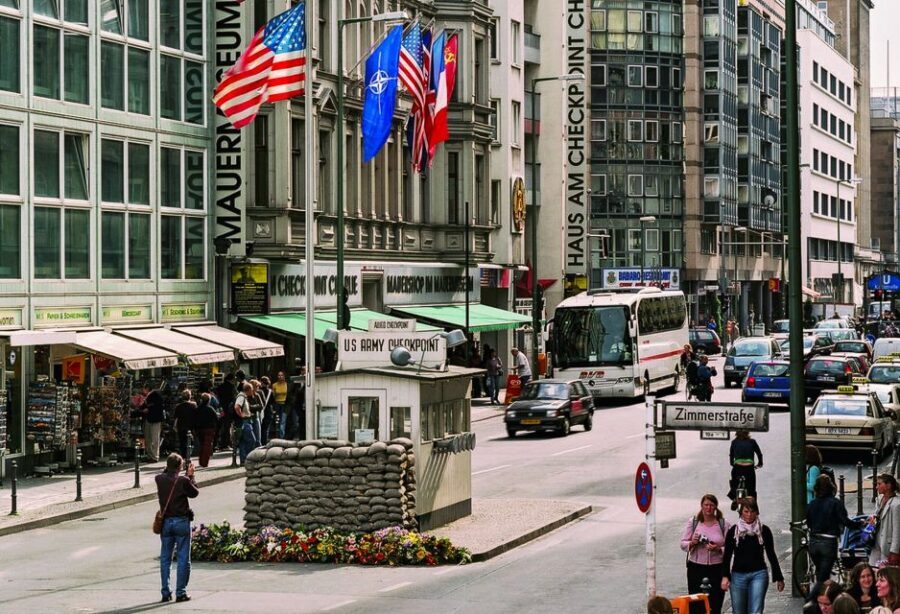
The address is simple: Friedrichstraße 43-45, 10969 Berlin. The museum sits right by the Checkpoint Charlie area, so it’s easy to combine with other nearby Wall-era sights on the same day.
What makes the location matter is the contrast between the famous photo spot and what’s inside. Outside, Checkpoint Charlie can feel like a symbol. Inside, you get the mechanics: how barriers worked, how rules were enforced, and what ordinary people risked to escape.
You can also read our reviews of more museum experiences in Berlin



The museum’s founding in 1962: protest turned archive

This isn’t a museum that started as a neutral collection. It was founded on October 19, 1962, shortly after the Berlin Wall went up, as a protest and as help for people trying to flee.
That origin shapes what you see. The museum’s mission was to fight human-rights violations tied to the Wall. Over time, it expanded its exhibition space and helped preserve stories that might otherwise have disappeared—especially the escape methods, the resistance, and the consequences.
One detail I appreciate: the museum doesn’t frame the Wall story as a finished chapter. The building and exhibitions also connect the Cold War to later conflicts and today’s realities, so your visit doesn’t end with a single date.
Skip-the-line and timing: how long a one-day ticket really needs
Your ticket is valid for 1 day, and the listing is built around starting times. In practice, it’s a museum visit, not a one-hour guided sprint.
Based on the range of visitor experiences, you should plan:
- 1–2 hours if you skim and focus on highlights
- 2–3 hours if you read steadily and want to linger on the escape stories
Many people spend around 2.5 hours absorbing exhibits and translations. If you’re traveling with kids or you’re short on time, you can still make it work—just decide which floors and which escape exhibits matter most.
The practical win is the skip-the-line entry. When you’re standing near one of Berlin’s busiest historic zones, saving time before you even enter is real value.
Price and value: is $21 worth it?

At $21 per person with entrance included, this is priced like a serious major-museum ticket, not a throwaway add-on. The value comes from the object-driven approach.
You’re paying for things you can’t get from a quick bus stop and a few photos:
- original, escape-related items
- context about how the system worked
- the story of help networks that used the museum as a base
If you’re the type who likes your history with specifics—tools, plans, and evidence—this price makes sense. If you only want quick overview facts, you might find it heavy, reading-heavy, and slower than you expected.
Escape artifacts you’ll actually remember
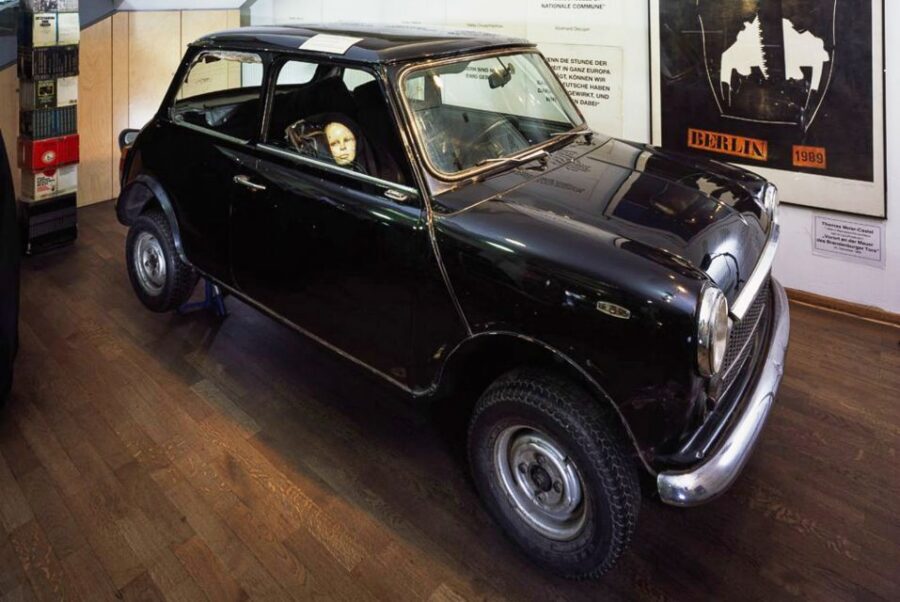
This is the part that most strongly defines the visit. The museum displays original artifacts from successful escapes, including:
- a hot-air balloon
- a mini-submarine
- cars and airplanes used in flight plans
What I like about this approach is that it turns abstract suffering into concrete ingenuity. You can see how people tried to solve impossible problems with limited tools and limited time.
The museum also highlights the helpers. People assisting East Germans didn’t just hand over advice. They helped plan escapes and organized resistance to the unjust GDR regime. After escape attempts succeeded, refugees and helpers donated the means of conveyance and objects to the museum. That donation detail matters because it turns the exhibits into proof, not props.
You can also read our reviews of more tours and experiences in Berlin



How the museum handles the big political story without losing the human one
A common frustration in history museums is either too much politics or too much sentiment. This one tries to hold both.
You’ll learn how the Wall changed daily life in Berlin under Soviet occupation and how the division of East and West created a long list of barriers—literal and legal. The exhibits explain why escape attempts were so rare, so risky, and so meticulously planned.
I also appreciate that the museum connects Wall-era stories to broader issues. One review pointed out an exhibit connected to later refugees (Ukraine), and the overall takeaway is that the Wall may be gone, but the pressures that drive flight still exist.
That can feel emotionally intense. If you’re sensitive to stories of oppression, plan your mindset like you would for a museum about war and persecution: not light entertainment, but careful remembrance.
The exhibit style: reading-heavy, sometimes lots of text
This museum is not built like a quick interactive playground. It’s more like walking through evidence, documents, photos, and explanation panels. The result: you’ll do a lot of reading.
That’s why the museum can feel bigger than expected. One person noted it was larger than they thought and still took around 2.5 hours to absorb. Another said they found it crammed with extraordinary stories of endurance and ingenuity, but also wished for better narrative flow from entrance to exit.
So here’s the practical trick: don’t force yourself to read every line. Pick a theme for each floor:
- escape methods (how did it work?)
- the help networks (who enabled it?)
- daily life (what did living under the regime feel like?)
If you keep those lanes in your head, the museum won’t blur into one long wall of text.
Also note: an audioguide is not included. You may see suggestions on-site, but with this ticket you’ll rely on the written explanations and the translations provided throughout the museum.
What to notice near Checkpoint Charlie itself
Because it’s at Checkpoint Charlie, you’ll likely start thinking like a detective: What was real here? What was staged later for memory? The museum helps you answer that by anchoring the site to documented escape efforts.
Even if you already know the famous Cold War symbols, the museum adds detail around:
- routes and tactics
- the timing of attempts
- the role of local networks
And since some rooms cover protests and non-violent movements connected to human rights, the story isn’t just escape-as-heroism. It includes the broader pushback against injustice.
Practical tips that make your visit smoother
Arrive with a plan. The museum can be information-rich enough that you’ll lose time if you wander aimlessly. Decide your must-sees first (hot-air balloon and mini-submarine, for example), then let the rest unfold.
Bring minimal baggage. One visitor noted that if you have a bag, you should expect to use a locker and have a coin ready (a 2 euro coin was mentioned). That’s the sort of detail that can slow you down if you show up unprepared.
Expect crowds at peak times. Skip-the-line helps, but Checkpoint Charlie is popular. If you hate waiting, go earlier in the day or outside the midday rush.
Photo rules can be strict. One review said they weren’t allowed to take pictures. I can’t promise every room has the same rule, so treat it as a possibility and keep your camera ready but respectful.
Narrative flow isn’t perfect. A couple of notes called out that the museum can feel huge and that some material may not match what you expected. That’s not a deal-breaker, but it means you should steer your attention so you leave satisfied.
Who this ticket suits best
This is a strong match for you if:
- you like object-based history and want evidence you can see
- you want a clear explanation of how the GDR system restricted freedom
- you care about the people behind escapes, not only the Wall itself
- you’re okay with reading and prefer facts you can revisit in your own pace
It may feel less perfect if:
- you want mostly interactive exhibits with minimal text
- you have a very tight schedule and need a short visit
- you expect the Wall story to end at the checkpoint area
Still, even visitors who wanted a smoother storyline generally called it essential. The core value stays the same: you leave understanding the Wall as a system, not just a photo background.
Should you book this skip-the-line ticket at Checkpoint Charlie?
If you’re visiting Berlin for a limited number of days, I think booking is a smart move. Skip-the-line matters at this site, and the exhibits justify the time.
Choose this ticket if you want your Wall experience grounded in original escape artifacts and the human networks behind them. At $21, you’re paying for real objects, strong context, and the kind of history that sticks because it’s specific.
I’d pass on it only if you truly dislike reading-heavy museums or you’re hoping for a quick, light, mostly visual stop. For everyone else, this is one of those rare places where the famous location becomes meaningful in a new way.
FAQ
Where is the meeting point for this experience?
The meeting point is Friedrichstraße 43-45, 10969 Berlin.
How much does the entrance ticket cost?
The price listed is $21 per person.
Is an audioguide included with the ticket?
No. An audioguide is not included.
Is a guided tour included?
No. A guided tour is not included.
Does this include skip-the-line entry?
Yes. The experience is described as Skip the ticket line.
How long should I plan for the visit?
The duration is listed as 1 day, and based on typical visit lengths, many people spend about 1–2 hours or around 2.5 hours depending on how much you read and explore.
Is the museum wheelchair accessible?
Yes. Wheelchair accessible is listed as part of the experience.
What’s the cancellation and payment flexibility?
Free cancellation is available up to 24 hours in advance for a full refund. There’s also a reserve now & pay later option mentioned, so you can book first and pay later.