REVIEW · BERLIN
Rickshaw Sightseeing City Tours Berlin – Rikscha Tours
Book on Viator →Operated by Rikscha & Bier Bike & Party Beer Bike - Leo Rickshaw Tours · Bookable on Viator
A rickshaw tour makes Berlin feel close. You’ll glide past major sights with a guide who fills the ride with history, music, and practical tips.
I especially like the close-up landmark views that beat a bus stop-and-stare. I also love the onboard Wi‑Fi so you can stay connected while you move.
One thing to consider: this experience depends on good weather, and there have been some no-show issues in past bookings—so confirm and keep a backup plan.
In This Review
- Key highlights you can count on
- How a Berlin rickshaw tour beats the bus in real life
- Price and what you actually get for $105.72 per group
- Pickup near Brandenburg Gate (and the 2 km rule)
- Your comfort setup: Wi‑Fi, warm blanket, and music on request
- Stops around Berlin’s power center: Brandenburg Gate to Reichstag/Bundestag
- German Chancellery and the Tiergarten Soviet War Memorial
- Potsdamer Platz and the shift from history to city life
- Topography of Terror: where you feel the weight of the past
- Museum stops and culture signals: Gropius Bau
- Berlin Wall memorial and Checkpoint Charlie: the border story in two punches
- From Friedrichstraße to Gendarmenmarkt: pretty squares with real background
- Deutscher Dom and Konzerthaus: the classical side of Berlin
- Bebelplatz book burning: a short stop with a lasting punch
- Museum Island and UNESCO-level concentration of sights
- Nikolaiviertel and Alexanderplatz: old-town charm meets modern energy
- East Side Gallery: ending on the Wall’s surviving art
- How long this ride really feels: 1 to 4 hours and choosing your focus
- Who this Berlin rickshaw tour suits best
- Should you book this Berlin rickshaw tour?
- FAQ
- How many people can join this rickshaw tour?
- How long is the tour?
- Is pickup available?
- What’s included during the ride?
- Are tickets included for all stops?
- What happens if the weather is poor?
Key highlights you can count on
- Up-close sights you can’t match from inside a coach window
- Onboard Wi‑Fi for maps, messages, and sharing
- Warm blanket for chilly evenings
- Music on request while you ride
- Photographer included for easier picture-taking
- Private group of up to 2 with pickup near Brandenburg Gate
How a Berlin rickshaw tour beats the bus in real life
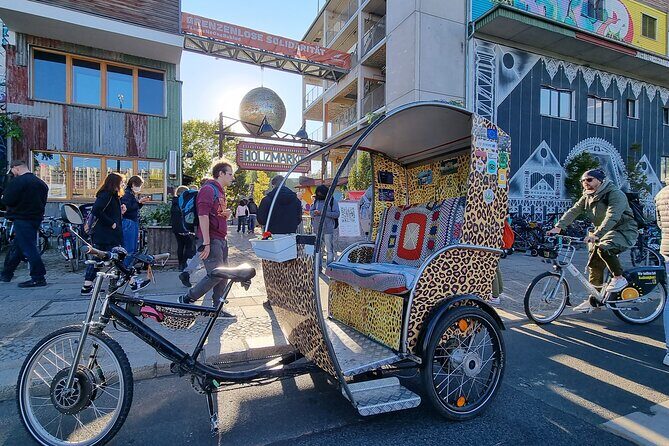
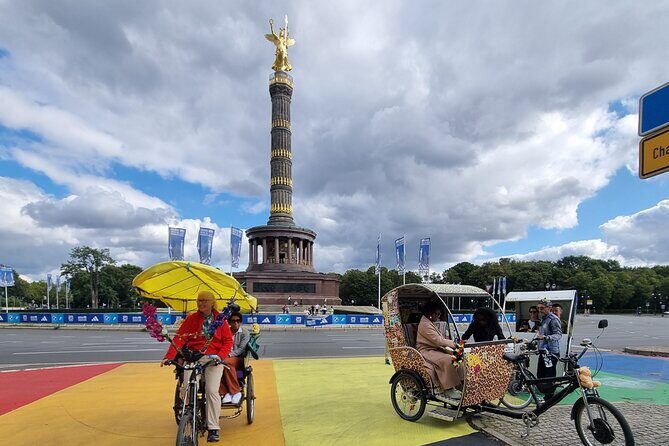
A rickshaw feels like a shortcut through big-city sightseeing. Instead of craning your neck from one spot, you get motion, breathing room, and closer angles on the architecture and monuments.
In Berlin, that matters. Some landmarks look best when you’re near the stonework, not when you’re far away behind glass. A rickshaw lets you pass through streets with a different rhythm, which also means you can spot details you’d miss on a standard route.
And because this is a private setup for up to 2 people, the ride doesn’t feel like a cattle line. If you’re the type who likes questions, chatting, or steering the focus, you’ll have room to do that.
You can also read our reviews of more city tours in Berlin
Price and what you actually get for $105.72 per group

This tour is priced per group (up to 2). That’s a key detail, because it changes the math: it can be good value if you’re traveling as a couple, or if you want a higher-comfort way to cover a lot of ground without doing hours of walking.
What you’re paying for is not just transport. You’re also getting warm blanket, music on request, onboard Wi‑Fi, and a photographer on the ride. That set of extras can easily add up once you start factoring in taxis, photo help, and the cost of buying food and drinks separately.
The tour doesn’t include alcohol or coffee/tea. Also, a handful of major attractions are marked as admission not included, so if you want to go inside those specific places, you’ll likely pay separately.
Pickup near Brandenburg Gate (and the 2 km rule)
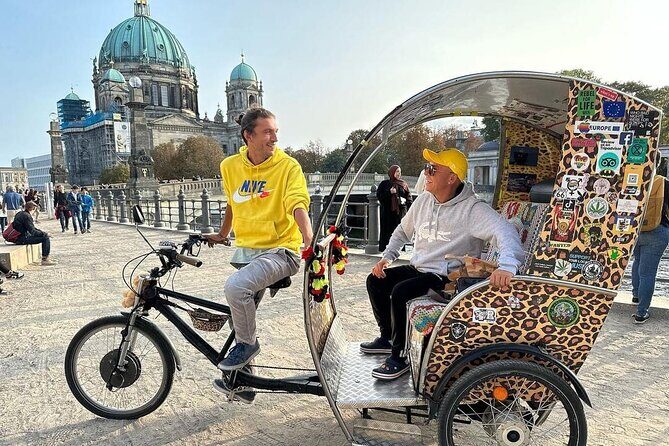
The meeting point is at Brandenburger Tor, and pickup is available within a 2 km radius. If you’re farther than that, the tour lists a charge of €10 per km.
That pickup radius is worth planning around. If you’re staying near the sights, it’s a smooth start. If you’re farther out, do the math early so you’re not surprised when you try to pin down the best pickup location.
The good news: the tour is private, and it’s near public transportation. So even if pickup isn’t perfect for your exact address, you can usually still get to the start point without a big hassle.
Your comfort setup: Wi‑Fi, warm blanket, and music on request
This is one of the more practical sightseeing rides I’ve seen because it’s designed for comfort while moving. You’ll have an onboard Wi‑Fi connection, which can be a big help for navigation and quick photo edits while you’re out.
On chilly days or evening rides, the warm blanket is a real advantage. Berlin can go from beautiful to cold fast, and you don’t want to burn energy on shivering instead of sightseeing.
Then there’s the soundtrack option. The tour includes music on request, which keeps the ride fun and can make it feel more like your own evening out than a strict guided march.
Stops around Berlin’s power center: Brandenburg Gate to Reichstag/Bundestag
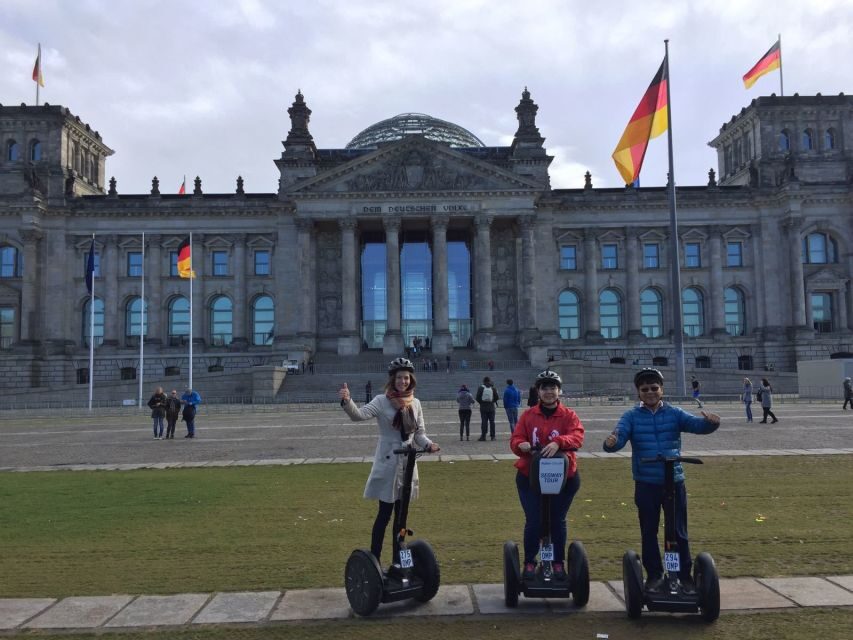
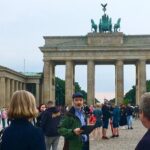
You start with the Brandenburg Gate, one of the most recognizable pieces of German classicism. It was built in the late 1700s and tied to the boulevard Unter den Linden. Seeing it at street level from a rickshaw is different from quick photos—this is where scale hits, fast.
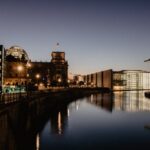
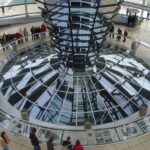
From there, the route goes toward the Reichstag/Bundestag area. This building is tied to turning points: Philipp Scheidemann’s 1918 proclamation from the balcony, the Reichstag fire in 1933, and the Soviet victory symbolized in 1945. Even if you don’t enter, this is the kind of place where the past is sitting in plain sight.
Admission isn’t included for the Reichstag/Bundestag stop. So think of this segment as a guided pass with context, not a ticketed visit unless you plan it separately.

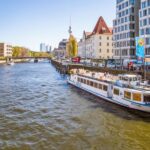
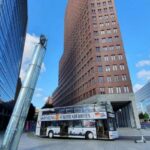
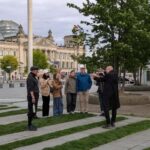


German Chancellery and the Tiergarten Soviet War Memorial
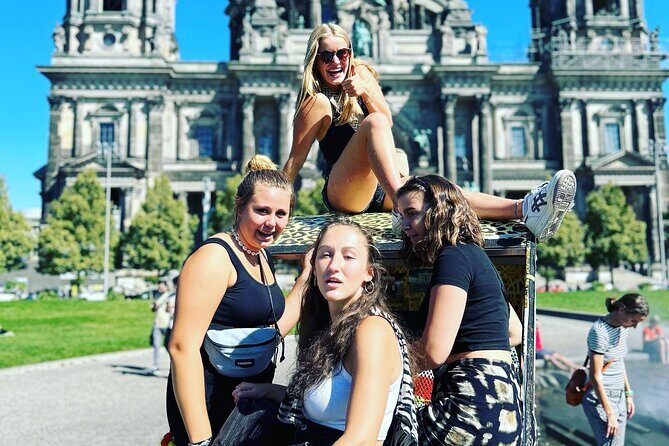
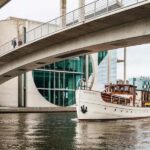
Next up is the German Chancellery area, described as a 36-meter administration building with a look of transparency and lightness thanks to its glass surfaces and big arch openings. From a rickshaw, you can actually appreciate how the complex sits between wings instead of only noticing it from far away.
One caution: the tour lists admission not included here too. So don’t plan on entering buildings as part of the standard flow. The value is in the ride-by, the explanations, and the viewpoints.
Then you’ll reach the Soviet War Memorial in Tiergarten. This stop includes two flanking T 34 tanks, a bronze statue of a Red Army soldier, and name texts on pillars. Behind it, there are graves of around 2,500 soldiers. It’s a heavy stop, and the rickshaw pacing helps you take it in without rushing past.
Potsdamer Platz and the shift from history to city life
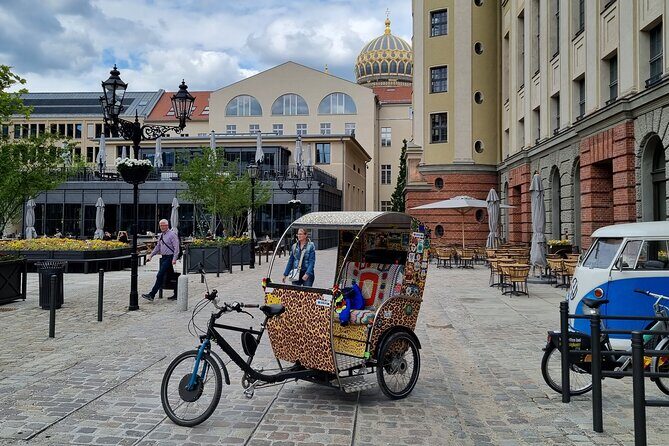
At Potsdamer Platz, the story swings into modern Berlin. The area was planned as a district, and the cafes, cinemas, and shops live right inside the action. It’s easy to see why people like it: you get variety in one compact area.
This stop is marked as free, which matters mostly for your budgeting. You’re not paying for viewing time here as part of the tour.
I like this kind of placement in a route like this. You get the heavy history, then you get a sense of how Berliners actually use public space now—without needing to jump between far-flung neighborhoods on foot.
Topography of Terror: where you feel the weight of the past
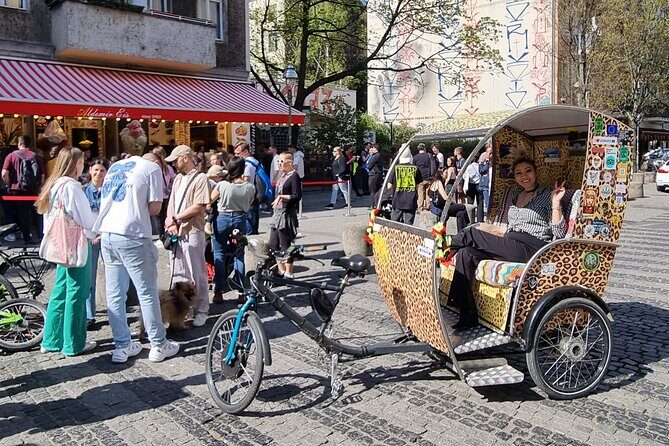
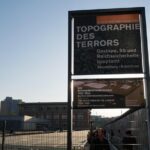
Topography of Terror is one of the most important stops on the route. The area was central to planning and control of Nazi crimes between 1933 and 1945, with key institutions of the SS and police housed there.
The tour time at this stop is short, and that’s normal for a rickshaw route. But short doesn’t mean meaningless. Even a brief pass can help you connect names and dates to locations, so later, if you want to spend longer, you know exactly where to focus.
This stop is marked free on the tour listing. So the focus here is your experience and understanding, not extra admission planning.
Museum stops and culture signals: Gropius Bau
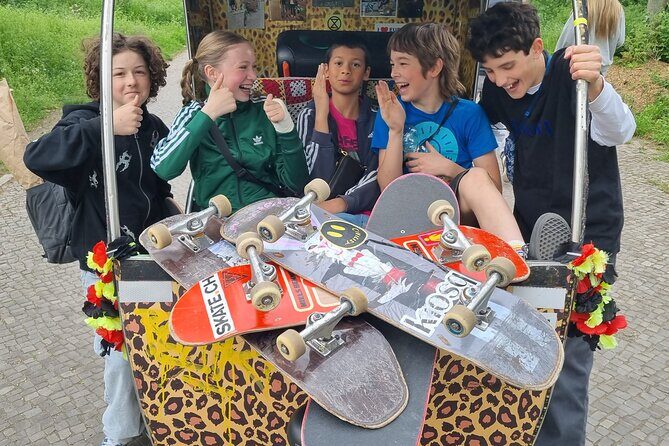
The route includes Gropius Bau, a site connected to cultural history, contemporary art, and photography. The tour lists admission not included for this stop, so again, expect the visit to be more about seeing and learning from the outside rather than stepping into exhibitions on the tour.
Still, it’s a smart choice in a Berlin rickshaw itinerary. Berlin’s cultural scene is not limited to museums on paper—it shows up in how buildings are used and referenced. Even if you skip entry today, you’ll likely want to circle back later once you’ve seen the building in context.
Berlin Wall memorial and Checkpoint Charlie: the border story in two punches
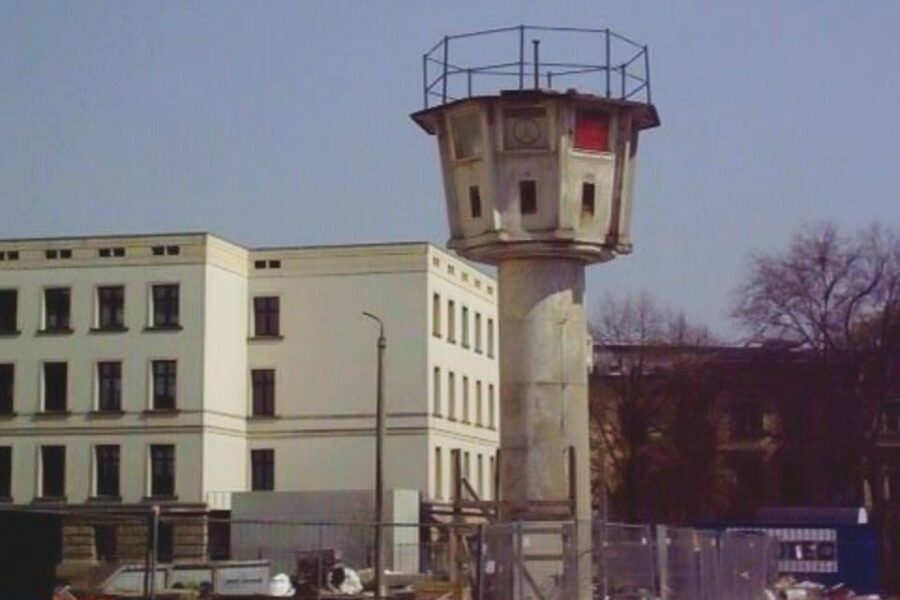
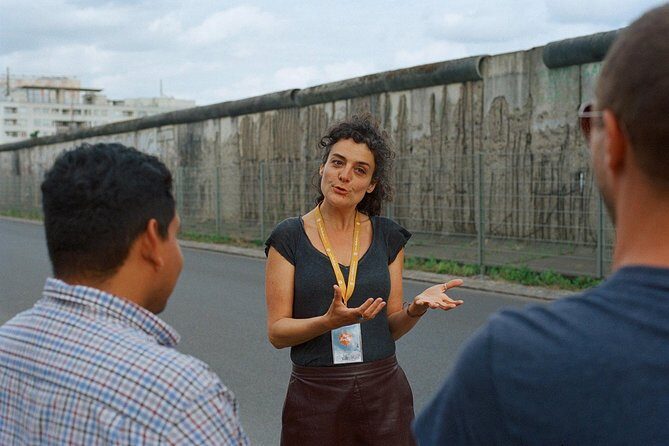
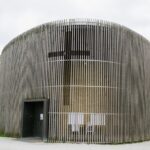
The tour includes a Memorial of the Berlin Wall stop, plus time at Checkpoint Charlie. These two are connected in your mind because they represent division and crossing, but they feel different in practice.
Checkpoint Charlie is described as the most famous border crossing controlled by the Americans, with the others being Helmstedt-Marienborn (Checkpoint Alpha) and Dreilinden-Drewitz (Checkpoint Bravo). The tour also notes that only certain people could cross, like foreigners and employees tied to the FRG representation, plus GDR officials.
The viewing here is marked free. You’re getting the context plus the atmosphere of the former crossing point.
I like having this part of the ride because you don’t just get a monument. You get a location-based explanation of how the border functioned, which makes the next stops hit harder.
From Friedrichstraße to Gendarmenmarkt: pretty squares with real background
After Checkpoint Charlie, the route heads along Friedrichstraße, a north-south axis and a shopping mile that developed after the fall of the wall. It’s a useful shift: it reminds you the border story led to streets becoming normal again.
Then you’ll get to Gendarmenmarkt, built at the end of the 17th century. The square’s history includes French Protestant settlers (Huguenots) and a steady string of name changes, ending with Gendarmenmarkt in 1799 due to the guard and stables of the Gens d’armes ward regiment. This is one of those places where the architecture feels orderly, but the past isn’t.
Admission is marked free for this square. The tour time is short, but it helps you understand why this place looks like it belongs in a postcard while also carrying layers of migration and military organization.
Deutscher Dom and Konzerthaus: the classical side of Berlin
The tour passes Deutscher Dom, where a permanent exhibition about liberal parliamentary democracy is listed. Admission is marked not included. The point for you is context—how Berlin’s civic development shows up through institutions, not just through monuments.
You’ll also see the Konzerthaus am Gendarmenmarkt, described as a classicist architectural masterpiece and a major work of Karl Friedrich Schinkel. The building’s roots go back to a small comedy house opened in 1776, later becoming the Royal National Theater.
Again, admission is marked not included, so this is a guided sight stop. But the payoff is that you learn to read Berlin buildings as political and cultural signals, not just scenery.
Bebelplatz book burning: a short stop with a lasting punch
At Bebelplatz, you’re at the museum center area and near a memorial linked to Nazi book burning. The tour notes that on May 10, 1933, Nazis burned over 20,000 books. It also includes specific authors and thinkers among those targeted.
This stop being free is helpful, but the bigger value is emotional clarity. You’ll likely feel the tension between intellectual freedom and state control here immediately, even without reading every panel.
The Neue Wache stop is nearby in the same general zone, built between 1816 and 1818 based on Schinkel’s designs. It has been the central memorial of Germany’s Federal Republic since 1993 for the victims of war and tyranny. If you’re sensitive to heavy themes, take a breath here. Berlin doesn’t hide its past.
Museum Island and UNESCO-level concentration of sights
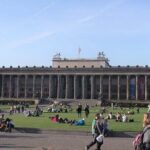
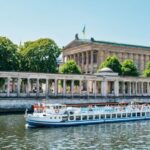
Next comes Museum Island, a UNESCO World Heritage Site and one of Europe’s standout museum complexes. The tour lists admission free for Museum Island.
Even if you don’t enter museums today, Museum Island is still worth the rickshaw time. The density of major institutions in one central area makes it a perfect “see the shape of Berlin” moment.
Nearby, the ride also includes the Berlin Cathedral area and the Lustgarten (once part of the Berlin City Palace). You’ll also pass the New Synagogue on Oranienburger Strasse, noted as once the largest and most important synagogue in Germany. These stops work best as visual context so you know what you’d want to explore later by ticket.
Nikolaiviertel and Alexanderplatz: old-town charm meets modern energy
The route includes Nikolaiviertel, described as Berlin’s first and oldest residential area, with historic houses, restaurants, coffee shops, and the Nikolaikirche.
Then you move to Alexanderplatz, which the tour describes as one of Berlin’s liveliest places. This pairing is smart: Nikolaiviertel gives you older streets and a slower feel, while Alexanderplatz gives you today’s pulse.
If your tour duration is shorter, these are the stops where you’ll notice the trade-off. You might get more time in the central landmarks or the history anchors, depending on the route length.
East Side Gallery: ending on the Wall’s surviving art
The ride includes the East Side Gallery, described as a remnant of the Berlin Wall and the longest open-air gallery in the world. Ending here gives your day a different emotional tone: not denial, not silence, but transformation of a hard boundary into public art.
This is a great last stop if you want your Berlin memories to feel visual. You can also use the onboard Wi‑Fi to share photos while the details are still fresh.
How long this ride really feels: 1 to 4 hours and choosing your focus
The tour is listed as 1 to 4 hours, approximate. That range matters because Berlin is huge, and the number of meaningful stops depends on how much time you spend near each site.
For a 1-hour version, I’d expect you to cover the core anchors with quick photo moments. For a 3–4 hour version, you’ll likely have more time to pause, take pictures, and ask questions without rushing.
One practical tip: if you want a specific spotlight—say, more Wall history or more classical squares—tell your guide in advance. In real bookings, Leo has been described as interactive and able to steer the route, even maneuvering the rickshaw along narrower paths and stopping when something interesting appears.
Who this Berlin rickshaw tour suits best
This tour is a strong match for couples or two-person groups who want a lot of landmarks without a walking marathon. It’s also good if you like a guide who mixes facts with humor and keeps the energy up during a history-heavy day.
If you’re traveling with mobility limits, the rickshaw format can be easier than crisscrossing on foot, especially since the ride naturally links distant areas. If you need to use service animals, the tour lists that service animals are allowed.
If you prefer fully ticketed museum time, you may want to pair this ride with separate museum visits. Several major sites are marked admission not included, so you’ll have to plan entries separately if that’s your style.
Should you book this Berlin rickshaw tour?
I’d book it if you want an efficient, high-comfort way to hit major Berlin landmarks in a small group, especially evenings when the warm blanket helps. The onboard Wi‑Fi, music on request, and included photographer are practical perks that make photos and logistics easier.
I’d be cautious if you’re relying on it for one fixed event window, because there have been no-show reports. If you do book, I recommend you confirm ahead of time and keep the plan flexible in case of last-minute changes tied to weather.
Overall: this rickshaw tour shines as a fun, close-up introduction to Berlin’s big story, from Brandenburg Gate to the Wall’s art.
FAQ
How many people can join this rickshaw tour?
It’s listed as a private tour for your group only, with a maximum group size of up to 2 people.
How long is the tour?
The duration is listed as about 1 to 4 hours, depending on the option you choose.
Is pickup available?
Yes, pickup is offered within a 2 km radius of Brandenburger Tor. If you’re farther than 2 km, the listing says a charge of €10 per km may apply.
What’s included during the ride?
The tour includes a warm blanket, music on request, a photographer, and onboard Wi‑Fi.
Are tickets included for all stops?
No. Some stops are marked as admission ticket not included (for example Reichstag/Bundestag, German Chancellery, Gropius Bau, Deutscher Dom, and Konzerthaus), while others are marked free.
What happens if the weather is poor?
The listing says the tour requires good weather. If it’s canceled due to poor weather, you’ll be offered a different date or a full refund.