REVIEW · BERLIN
Berlin: 3D TrickArt Museum – Tickets
Book on GetYourGuide →Operated by ASTER 3D TrickArt Museum · Bookable on GetYourGuide
Berlin becomes a photo playground.
At the ASTER 3D TrickArt Museum, you’ll step into themed scenes where reality and fantasy snap together on camera—perfect for creative, “wait, how is that possible?” pictures. I love the way the exhibits push you to participate, not just look. I also like how the museum feels practical and comfortable, with air-conditioning and staff ready to help before you start. One thing to consider: you’re not allowed to bring food and drinks inside.
The result is a low-stress Berlin activity that’s built around getting great photos quickly, even if you’re not a “museum person.” I also appreciate that tickets cover the whole exhibition for your visit window, so you can move at your own pace. If you’re planning smartphone tripod shots, note that a phone tripod isn’t included—you may need to arrange borrowing on-site.
In This Review
- Key highlights at a glance
- Why this 3D TrickArt Museum feels like a Berlin movie set
- Price and tickets: what $18 really buys you
- The photo-first flow inside: how the visit usually plays out
- 1) Start with a quick staff introduction
- 2) Move through themed sets where the camera matters
- 3) Take your time on the shots that click
- Spree boat, whale surprise, and the first big illusion moments
- Miniaturization machine scenes: posing when you feel “too small”
- Dinosaurs and that fire-breathing chaos: how to get the action shots
- Staff help, comfort, and why this place works even on a busy Berlin day
- Snacks, drinks, and the food rule you should know
- Accessibility and age fit: who this museum is for
- Should you book the ASTER 3D TrickArt Museum ticket?
Key highlights at a glance
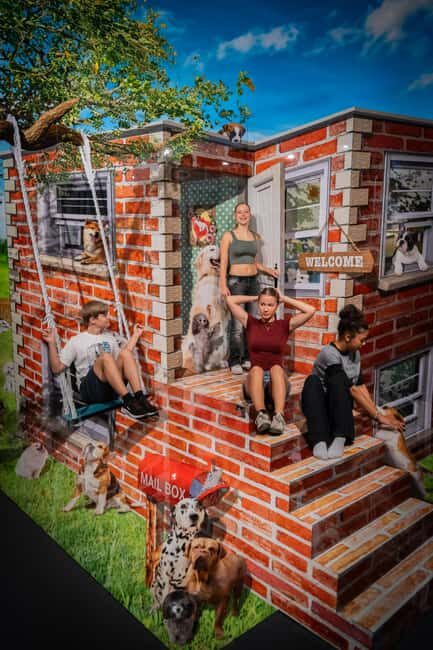
- Interactive photo scenes where you become part of the illusion
- Air-conditioned rooms so your visit stays comfortable
- Friendly intro before you start, with staff guiding you on what to do
- Smartphone + camera focus, since the effect shows up in photos
- Snacks and drinks available for purchase (but you can’t bring your own)
- Great value for the price, with tickets valid for a day and covering the full exhibition
Why this 3D TrickArt Museum feels like a Berlin movie set
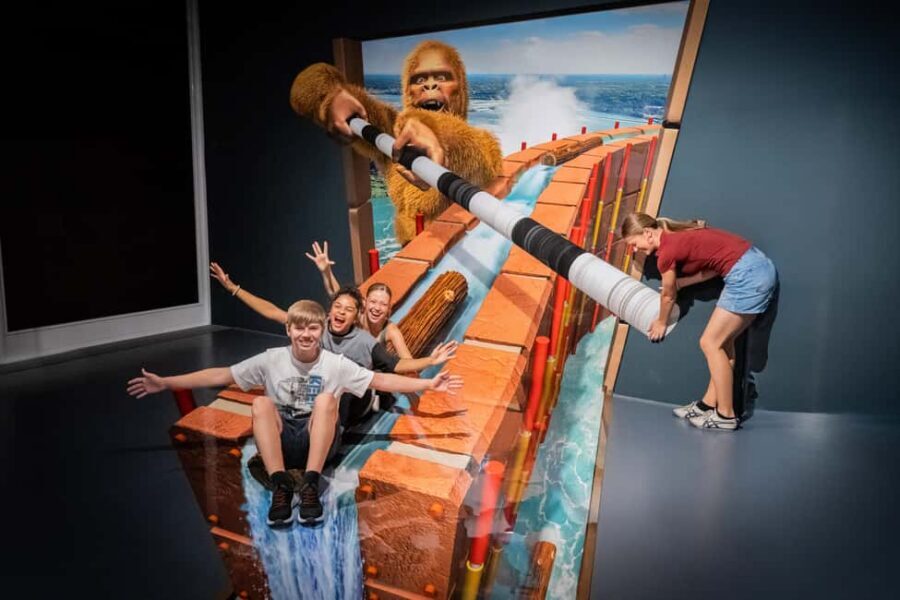
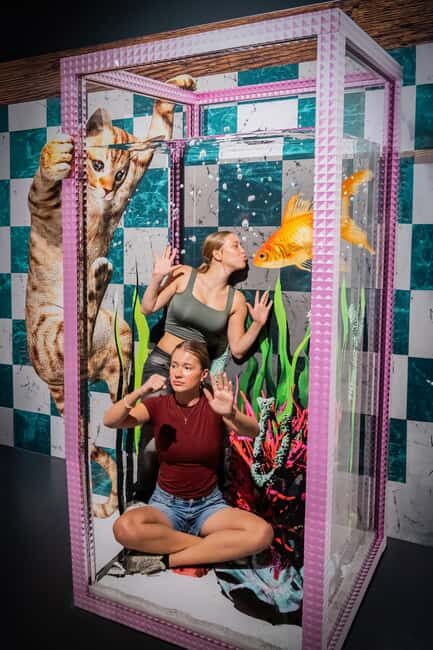
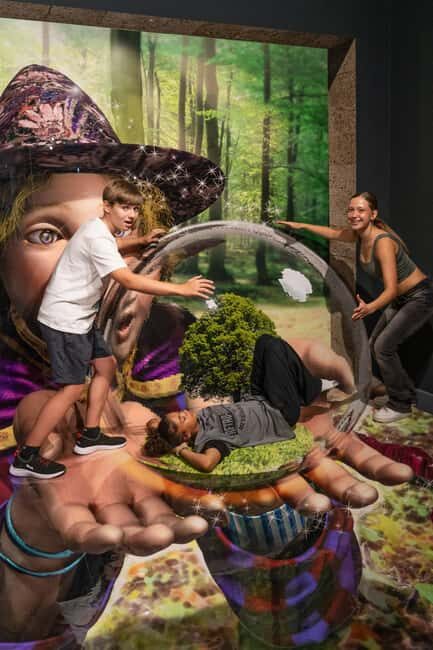
This isn’t a quiet gallery where you “admire” art from a distance. The whole 3D TrickArt Museum concept is built for participation. You walk into a sequence of imaginative moments, then your phone camera (and attention) turns each scene into something fun and weird—like the museum is waiting for you to take the shot.
The big reason it works is simple: the exhibits are designed around the moment the photo is taken. That means you’re not spending your time reading long labels or decoding meaning. You’re moving, posing, and getting that on-camera blend of dream and reality—right in the middle of Berlin.
And yes, it’s photo-forward. If you like experiences where you leave with images you actually want to share, you’ll probably have a great time here.
You can also read our reviews of more tours and experiences in Berlin

Price and tickets: what $18 really buys you
At $18 per person, the ticket price is pretty straightforward: you’re buying entry to the entire exhibition. No “you only get one room” feeling. You also get valid for 1 day, so you can plan around your schedule rather than hunting a tight timed window.
One practical thing: the activity notes say you should check availability for starting times. That matters because the museum experience is photo-based and staff often start with an introduction. If you arrive late to your intended time, you may end up waiting or joining the flow awkwardly—so I’d pick a time that gives you a calm start.
Value-wise, what makes the price feel fair is the combination of:
- a full exhibition ticket (not a partial loop)
- a built-in photo payoff
- comfort features like an air-conditioned setting
The photo-first flow inside: how the visit usually plays out
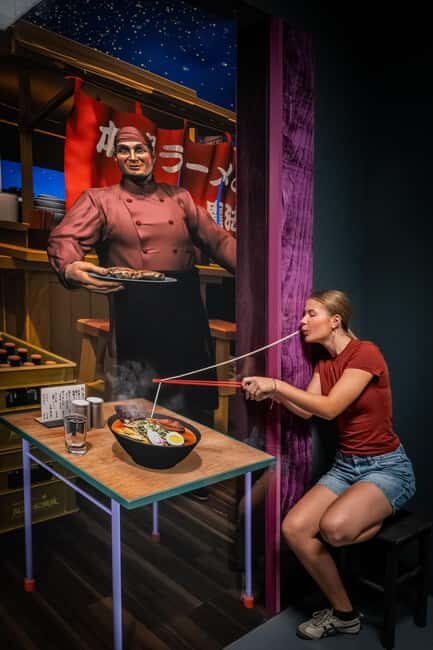
You’re likely to get more out of the museum if you treat it like a mini “scene run,” not a traditional museum stroll. Here’s the way the experience structure makes sense based on how the museum is described and how staff set it up:
1) Start with a quick staff introduction
One of the nicest practical details is that you get an introduction from staff before you start. This helps you understand how the illusions work on camera and keeps you from wasting time trying to figure it out on your own.
2) Move through themed sets where the camera matters
The main trick in this museum is that the effects show up when you take photos—your smartphone helps “blur” the line between reality and the dream world. The exhibit description even paints the feeling: you hold your breath, then the images you capture make it feel like you’re part of the action.
You can also read our reviews of more museum experiences in Berlin
3) Take your time on the shots that click
A great thing here is that the photos are the point. You can slow down for the scenes you like. One review highlighted that it wasn’t crowded and that you could take photos in peace, which is exactly the vibe you want for getting clean shots.
Tip for your camera mindset: bring patience. The best images usually come from trying a second angle, or taking the shot after you’ve adjusted your pose.
Spree boat, whale surprise, and the first big illusion moments
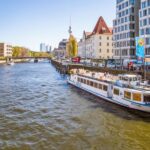
The museum’s central theme is a chain of over-the-top mini stories, all happening right in Berlin. One of the most memorable examples described is a boat tour on the Spree where a whale appears in front of you.
Even if you already know it’s an illusion, the photo effect is what makes it fun. The “Berlin in the middle of it” angle matters too. Instead of a faraway theme park fantasy, it’s a local-feeling setting turned upside down.
What you should do in this kind of first scene:
- Use your smartphone as your main “test camera”
- Keep your body facing the scene cues so the perspective looks right on-screen
- Take a quick photo right away, then try again if you want a different pose
A small practical note: the museum asks you to bring a charged smartphone and a camera, so plan on using both if you can. (A phone is quick for composition; a camera can give you a cleaner result if you’re comfortable with it.)
Miniaturization machine scenes: posing when you feel “too small”
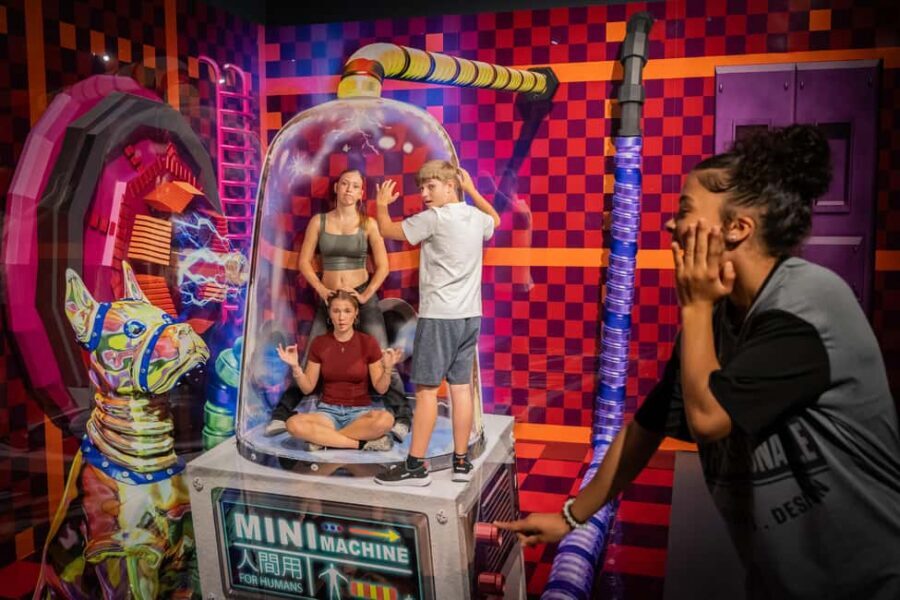
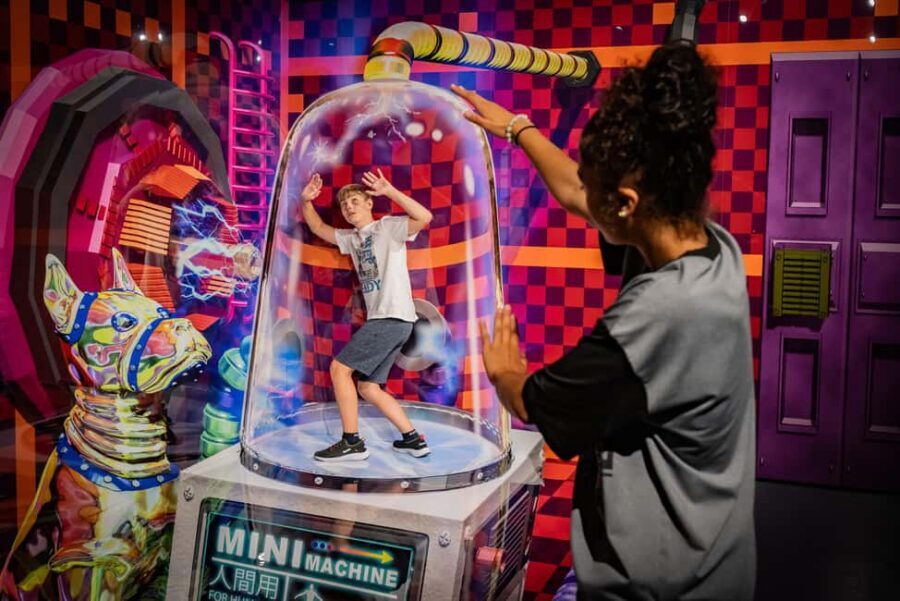
Another major set described is a miniaturization machine moment—shrinking you into a world where the scale feels impossible. This is the kind of exhibit that’s easy to enjoy even if you don’t care about “typical” museums, because the humor and visual logic land fast.
Why this part is especially good for photos:
- The scale trick invites dramatic body language
- It naturally creates a “I’m there” feeling in the frame
- It’s fun to recreate playful poses with friends or family
This is also where it helps to let staff guidance do its job. They’re there to keep you from missing the camera cues that make the illusion work.
If you’re coming as a group, miniaturization-style sets are great because everyone can rotate roles: one person poses, another takes the photo, and you swap quickly.
Dinosaurs and that fire-breathing chaos: how to get the action shots
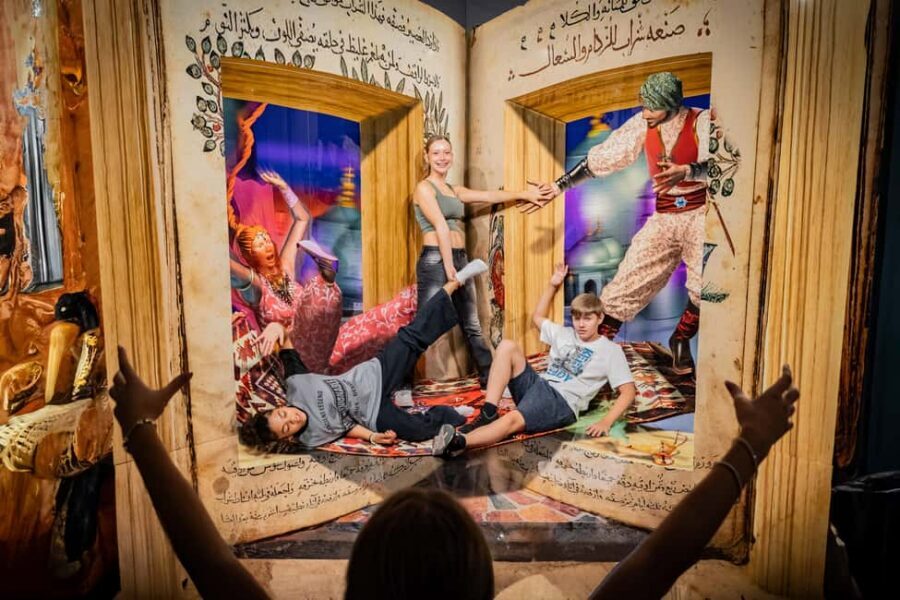
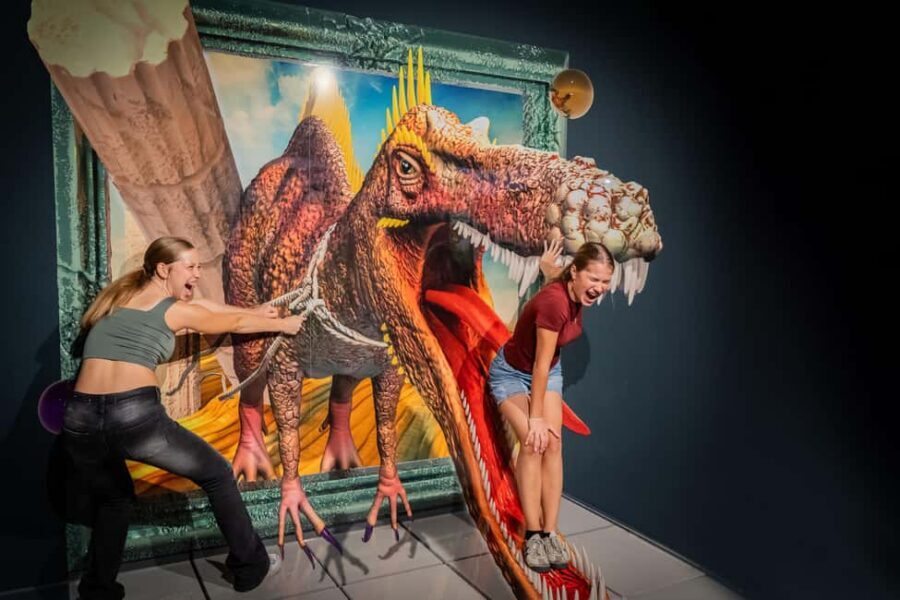
The museum description doesn’t hold back. You’re almost eaten by not just one, but two dinosaurs, then you deal with a fire-breathing Godzilla scenario that turns into a rescue moment with a helicopter at the last second.
Those are wild concepts, but the practical takeaway is this: the exhibits are designed around high-energy scenes that look best when your pose matches the moment. That means you’ll want to:
- watch your framing (what’s in the background matters)
- avoid moving too far after you’re in position
- take a few shots rather than hunting for the perfect one on the first try
One review also mentioned that the presentation idea was great, and staff were friendly. That combination is key. When the museum explains what to do at the start, you can focus on enjoying the scenes instead of figuring out the setup mid-try.
Staff help, comfort, and why this place works even on a busy Berlin day
A consistent theme in the experience is that staff are nettle/helpful and the museum runs in a way that doesn’t feel chaotic. That matters because these are “you-in-the-photo” exhibits. If staff attention is strong at the start, you waste less time and get better photos.
Comfort is another big factor. The museum is air-conditioned, which is a real plus in Berlin when weather swings can make outdoor plans frustrating. You can also buy snacks and drinks, which makes it easier to stay in “photo mode” rather than leaving to hunt food mid-visit.
And if you’re worried about crowding: the museum can be a calmer experience than you’d expect. At least one visit noted it wasn’t crowded and that you could take photos “everywhere” with peace and quiet.
Snacks, drinks, and the food rule you should know
Here’s the one rule that can catch people off guard: food and drinks aren’t allowed inside. That doesn’t mean you’ll leave hungry—snacks and drinks can be purchased at the museum.
So the practical plan is:
- Don’t bring a picnic or bottles thinking you can sip inside
- If you want something to eat, assume you’ll buy it on-site
- Pack light so your hands are free for photos
This rule also supports the photo vibe. Less mess, fewer temptations, and less clutter in the scenes you’re trying to photograph.
Accessibility and age fit: who this museum is for
The museum is wheelchair accessible, which is a meaningful detail for planning. If you use a wheelchair, you’ll want to arrive with enough time to move between photo areas comfortably and follow staff directions calmly.
On the younger side: it’s not suitable for children under 3 years. For toddlers and preschoolers, you’ll want to judge based on attention span and comfort with hands-on photo moments.
Who it suits best:
- Families with kids old enough to follow photo cues
- Friends who want something different than standard sights
- Couples who like fun, silly photos in a short time block
- Anyone who wants a Berlin activity that isn’t dependent on perfect weather
Should you book the ASTER 3D TrickArt Museum ticket?
If you like experiences where you actively participate and you care about the photos, I’d say yes, book it. The ticket price is reasonable for what you get: entry to the full exhibition for a day, a staff-led introduction, and photo-forward scenes built around your smartphone and camera. With air-conditioning plus snack options on-site, it’s also a practical pick for a planned half-day or afternoon.
You might skip it if you prefer traditional museums with long reading time and quiet viewing. This place is about getting the shot and having fun with the illusion. Also plan around the food and drink restriction, so you don’t arrive with a snack you can’t bring in.
Bottom line: for $18, this is a high-joy, low-effort Berlin stop where you leave with pictures that don’t feel like postcards. You’ll spend your time making the magic happen with your camera.