REVIEW · BERLIN
Berlin Wall: City Tour of Divided Germany
Book on GetYourGuide →Operated by Paaßens & Kniestedt Berlin kompakt GmbH · Bookable on GetYourGuide
Berlin’s wall still tells stories today. This Berlin Wall city tour shows you how division shaped everyday life, not just monuments, by taking you through the exact places where the border changed movement, work, and routines. I especially liked the personal guide storytelling I’ve seen praised, with guide names like Stephan and Stefan coming up in feedback, and I also liked that you’re led through the city’s major “split points” instead of vague history stops.
One consideration: you’ll be on your feet for the full route, and it’s often cold or windy around the border sites—comfortable shoes really matter.
Key highlights worth your attention
- Tränenpalast meeting point near Friedrichstraße station, so you start in a place tied to border-crossing emotions
- Friedrichstraße station as the single border station during the Cold War
- Parliament and government district areas along the border strip, walking you toward power and policy
- Brandenburg Gate where the border ran, linking the wall to the city’s public face
- Potsdamer Platz and the former Tiergarten Triangle, where the split is especially visible
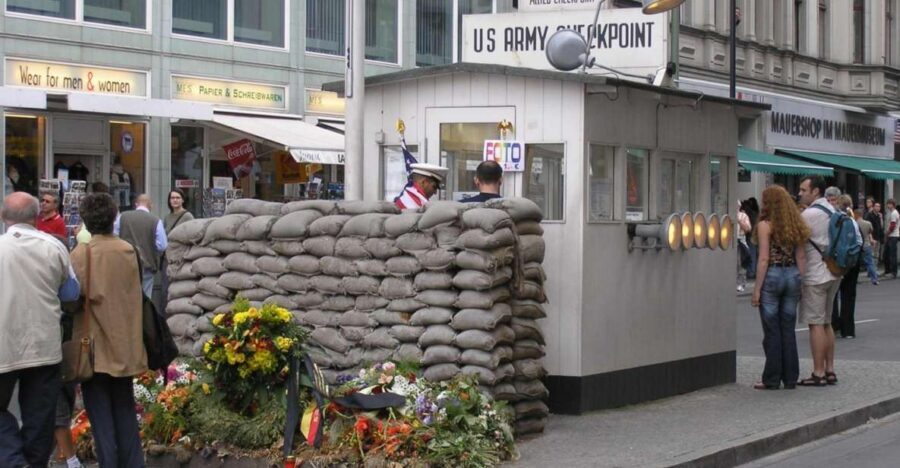
- Longest remaining wall stretch plus Checkpoint Charlie, the practical “you can still see it” part of the tour
In This Review
- A 2-Hour Walk Through Divided Berlin’s Fault Lines
- Meeting at Tränenpalast: Getting Oriented Fast
- Friedrichstraße Station: The Cold War Border Reality
- Following the Spree to Parliament and the Government District
- Brandenburg Gate: Where the Border Ran
- Holocaust Memorial at the Former Death Strip to Potsdamer Platz
- Longest Remaining Wall Stretch and the Checkpoint Charlie Moment
- Price, Group Size, and What You Get for $21
- What the German-Language Guide Format Means for You
- Who This Tour Fits Best (and Who Might Want Another Option)
- Should You Book This Berlin Wall City Tour?
- FAQ
- How long is the Berlin Wall city tour?
- Where do I meet for the tour?
- What is the price per person?
- What language is the live tour guide?
- What should I bring?
- Is free cancellation available?
- Can I reserve now and pay later?
- Which major locations does the tour include?
- Is the tour only a city tour, or does it include other activities?
A 2-Hour Walk Through Divided Berlin’s Fault Lines
If you want Berlin Wall history without getting stuck in museum-only mode, this is a strong format. In just 2 hours, you cover a chain of places that explain division through city design—where people could go, where they couldn’t, and what “normal life” looked like under pressure.
This tour works because it connects big symbols to real routes. You’ll follow the Spree toward government buildings, then angle back into the most famous border visuals like Brandenburg Gate and Checkpoint Charlie.
The best part for me is the focus on how the wall influenced daily life. That turns Cold War history from a timeline into something you can picture as you walk.
Meeting at Tränenpalast: Getting Oriented Fast
You meet at the entrance of Tränenpalast (Palace of Tears), in front of Friedrichstraße station on Reichstagufer (10117 Berlin). Tränenpalast has only one entrance, so you don’t need to guess.
Starting here is smart. The location is tied to border-crossing emotions, and it also puts you right where the Cold War geography starts to make sense. If you’re the type who wants to know why you’re standing where you are, this beginning helps.
Bring comfortable shoes. The tour is short, but it’s still a walk, and you’ll want your legs to feel good while you listen.
You can also read our reviews of more city tours in Berlin

Friedrichstraße Station: The Cold War Border Reality
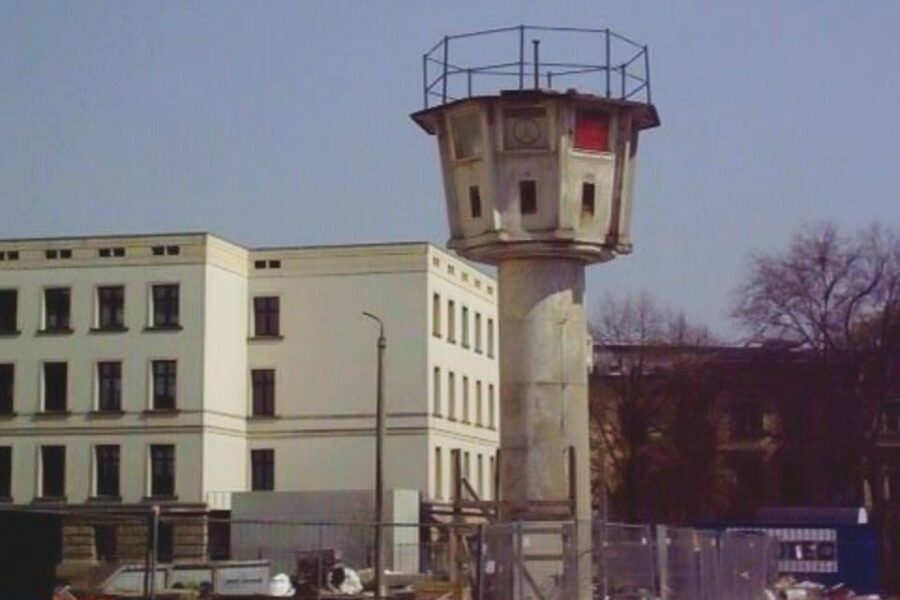
The route begins with Friedrichstraße station, described as the single border station during the Cold War. That single point matters. One station serving as a main crossing funnels crowds, controls movement, and creates daily patterns that feel more rigid than you’d expect.
What I like about starting at Friedrichstraße is how it anchors the story in infrastructure. The wall wasn’t only concrete; it was planning, checkpoints, and the way transit shaped people’s days.
From here, you also get the feeling that division wasn’t confined to a few dramatic spots. It influenced the rhythm of a major transport hub, which is exactly the kind of detail you want if your goal is to understand daily life under division.
Following the Spree to Parliament and the Government District
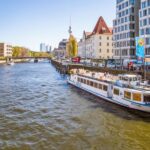
After Friedrichstraße, the tour follows the Spree toward the parliament and government district. The key point is that parts of the buildings sat partly along the border strip, meaning politics and the border lived side by side.
Walking this stretch helps you understand a tricky idea: division wasn’t just a barrier between neighborhoods. It also separated institutions and changed how the state looked and functioned.
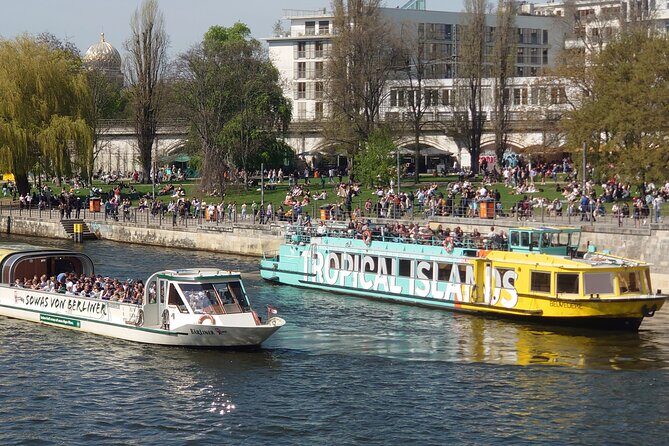
The river route is also practical. It gives you a sense of direction and a visual thread through the city, so the tour doesn’t feel like a grab-bag of landmarks.
If you’re a first-timer to Berlin, you’ll appreciate how this segment connects the wall story to places you already recognize as important.
Brandenburg Gate: Where the Border Ran
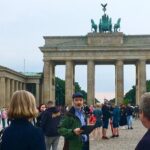
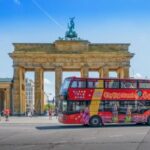
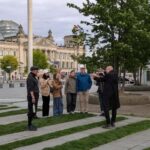
Next comes Brandenburg Gate, one of the most recognizable Berlin landmarks. The tour treats it as a symbol for a reason: it’s where the border ran, linking the wall to the city’s public, ceremonial face.
Standing here is different from seeing the gate in a photo. The tour context pushes you to think about what it meant for a landmark to be interrupted by division—how a shared civic icon becomes a boundary marker.
This stop is ideal for tying everything together: transit at Friedrichstraße, government along the border strip, and then a central symbol that people couldn’t ignore. If you like history that makes you look around and notice “how it must have felt,” Brandenburg Gate is a big payoff.
Holocaust Memorial at the Former Death Strip to Potsdamer Platz
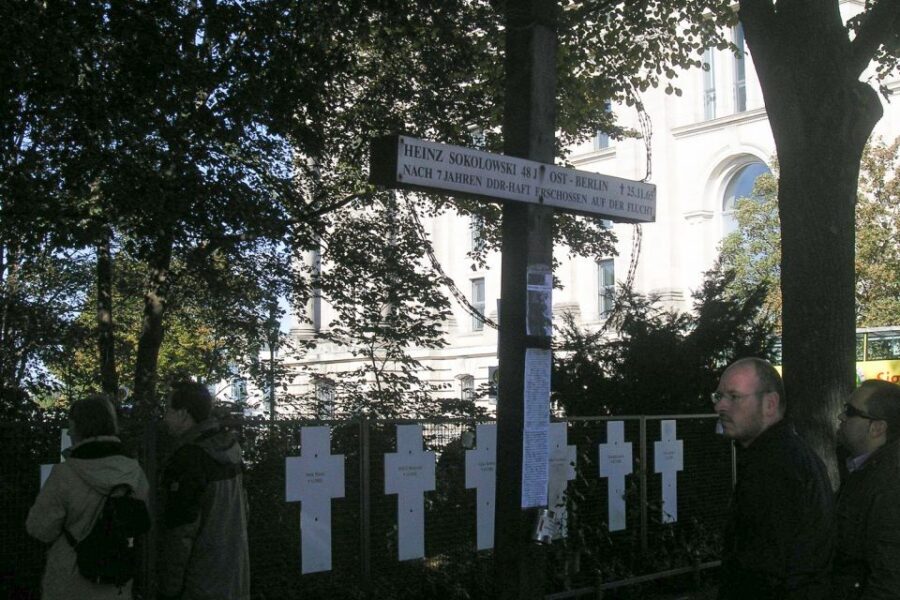
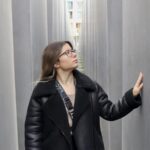
The tour includes a stop at the Holocaust memorial at the former death strip. That’s one of the most serious moments on the route, and it changes the tone.
From there, you move to Potsdamer Platz, where the split becomes particularly visible, plus the area known as the former Tiergarten Triangle. This is where “the wall effect” becomes easier to grasp with your eyes—how urban space was shaped by division.
I value this sequence because it keeps a moral and historical anchor before the tour reaches the more famous, photo-friendly border sights. It’s not only about seeing concrete; it’s also about understanding the human cost and then continuing the story into the city’s physical aftermath.
If you tend to get overwhelmed by heavy history, pace yourself on this section. Even on a short tour, it’s a lot of emotion and meaning in a small time window.



Longest Remaining Wall Stretch and the Checkpoint Charlie Moment
Late in the tour you hit the longest remaining stretch of the wall. This is the “you can still see it” part, and it’s one of the reasons walking tours like this are so effective. Photos tell you what a wall looks like; walking near the remaining sections helps you picture scale and positioning.
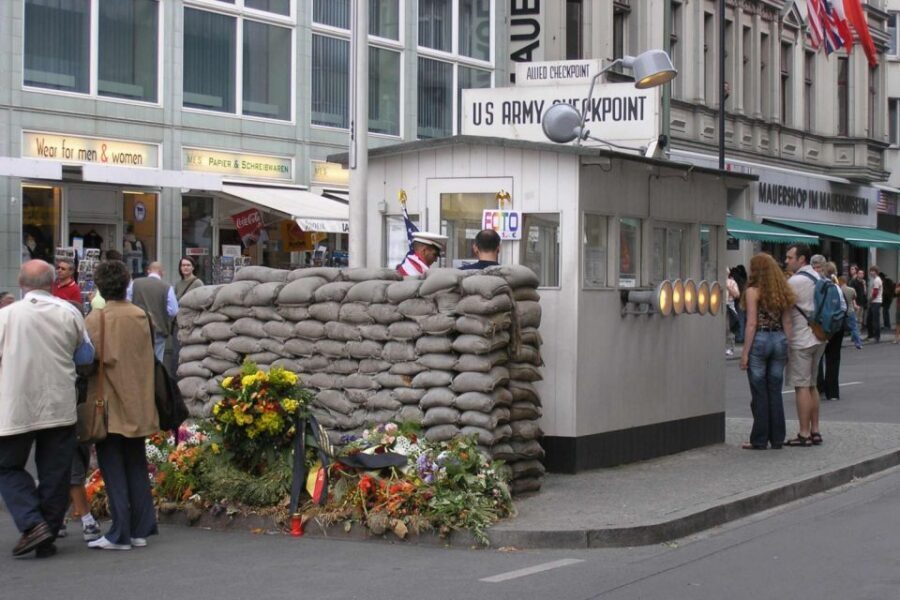
Then you finish with Checkoint Charlie, which the tour highlights as world famous. It’s easy to associate Checkpoint Charlie with pop-culture images, but on this route it’s placed after the key geography points—so it feels less like a single attraction and more like a final checkpoint in the bigger story of movement and division.
This ending works well for me because you get both types of closure. You see remnants (the long wall stretch) and you see a well-known border symbol (Checkpoint Charlie), both tied back to the places you’ve just walked through.
Price, Group Size, and What You Get for $21
At $21 per person for 2 hours, this is a fair value if you want guided context. The cost is basically buying time with a live interpreter who can connect the dots between locations—especially helpful around border sites, where signage and geography don’t always tell the full story.
Included is a city tour with a live tour guide (German), and that matters because the route is packed with place-based meaning. Without a guide, it’s easy to see buildings and spaces but miss how each one ties to daily life.
Feedback also points to a small group feel in at least one booking, and one tour was described as very intensive, even extended by an extra hour. That’s not something you should count on, but it does suggest the guide quality can make the experience feel more tailored than you’d expect for a short tour.
So if you’re weighing options, this is best viewed as a concentrated city-story lesson. You’re not trying to cover everything Berlin has to offer; you’re learning how the wall shaped this specific capital in a clear, walkable sequence.
What the German-Language Guide Format Means for You
The tour is guided in German with a live guide. If you’re comfortable listening in German, you’ll likely get the most out of the more personal storytelling parts that show up in feedback.
If your German is basic, don’t panic. Even without full understanding of every sentence, the physical route still teaches you a lot. The key is to use your attention where it counts: the border-specific sites like Friedrichstraße, Brandenburg Gate, the former death strip area, and the remaining wall stretch.
If you want, you can also prep with a few basic terms before you go. It’s a small effort that can noticeably improve your understanding during the most complex segments.
Who This Tour Fits Best (and Who Might Want Another Option)
This tour is a good match if you:
- Want a practical walk through the most important Berlin Wall geography in a short time
- Prefer a guide that connects locations to daily life impacts, not just dates and names
- Like seeing how division shows up in city planning, river routes, government areas, and public spaces
It may be less ideal if you:
- Want a long, museum-style experience where you can slow down at every stop
- Need fully detailed accessibility info, since the route length and walking time aren’t broken down further here
If you’re balancing limited time in Berlin, this fits nicely. It’s also a strong “second day” activity if you’ve already gotten a general feel for central Berlin and want the wall story to give structure to what you’re seeing.
Should You Book This Berlin Wall City Tour?
I’d book it if you want a focused, guided route through Berlin’s divided capital story in just 2 hours, anchored by specific locations like Friedrichstraße station, Brandenburg Gate, the former death strip area with the Holocaust memorial, Potsdamer Platz, the longest remaining wall stretch, and the Checkpoint Charlie area.
You should think twice if you’re looking for a very slow-paced experience or you’re unprepared for standing and walking in cold or windy conditions. Bring comfortable shoes, and plan to concentrate on listening because the guide is where the connections come from.
If your goal is to understand the wall as something that shaped everyday life—through transit, public spaces, and government geography—this tour delivers that message fast and clearly.
FAQ
How long is the Berlin Wall city tour?
The tour duration is 2 hours.
Where do I meet for the tour?
Meet at the entrance of Tränenpalast (Palace of Tears) in front of Friedrichstraße station on Reichstagufer, 10117 Berlin. Tränenpalast has only one entrance.
What is the price per person?
The price is $21 per person.
What language is the live tour guide?
The live tour guide speaks German.
What should I bring?
You should wear comfortable shoes.
Is free cancellation available?
Yes. You can cancel up to 24 hours in advance for a full refund.
Can I reserve now and pay later?
Yes. You can reserve now & pay later.
Which major locations does the tour include?
The tour includes Friedrichstraße station, the Brandenburg Gate, the Holocaust memorial at the former death strip, Potsdamer Platz, the former Tiergarten Triangle area where the split is visible, the longest remaining stretch of the wall, and Checkpoint Charlie.
Is the tour only a city tour, or does it include other activities?
It’s a city tour with a live guide.