REVIEW · BERLIN
Berlin: Cold War Walking Tour on Berlin Wall Route
Book on GetYourGuide →Operated by Adventure World Tours · Bookable on GetYourGuide
Berlin’s Wall felt like it stretched forever.
This guided Berlin Wall walking tour follows part of the original route, with stops tied to the Soviet-era pressures, key moments that pushed the system, and the events that led to the Wall’s collapse in November 1989.
I especially like how the tour has you trace real physical geography—the line from Gesundbrunnen to Prenzlauer Berg—so the story isn’t just dates on a sign. I also like that you get a Berlin Wall Memorial visit plus a chance to look out over a preserved section of the former border strip from a tower.
One thing to consider: it’s a 2-hour walking experience on an outdoors route, so you’ll want to dress for Berlin weather and plan for steady walking.
In This Review
- Quick highlights that make this tour work
- Berlin Wall walking tour route: why this one makes sense
- Tracing the Wall line: Gesundbrunnen to Prenzlauer Berg
- The border strip viewpoint from a tower: seeing control in 3D
- Berlin Wall Memorial: what the stop adds to the walking route
- Cold War storytelling: facts, pacing, and that little humor
- Tour length, meeting points, and where you end (so you can plan your day)
- Price and value: is $26 fair for a Berlin Wall tour?
- Who should book this Wall route tour
- Should you book the Cold War walking tour on the Berlin Wall route?
- FAQ
- How long is the Berlin Wall walking tour?
- What is the price per person?
- Where does the tour start and where does it end?
- What areas does the tour cover along the Wall route?
- What does the tour include besides the walking?
- Can I view the former border strip during the tour?
- Are there options for private or small groups?
- What languages are offered for the live guide?
- Is free cancellation available?
- Is there a way to book without paying right away?
Quick highlights that make this tour work
- Gesundbrunnen to Prenzlauer Berg route: you walk a meaningful stretch instead of seeing random Wall spots.
- Former border strip viewpoint: a tower lookout helps you understand distance and control, not just slogans.
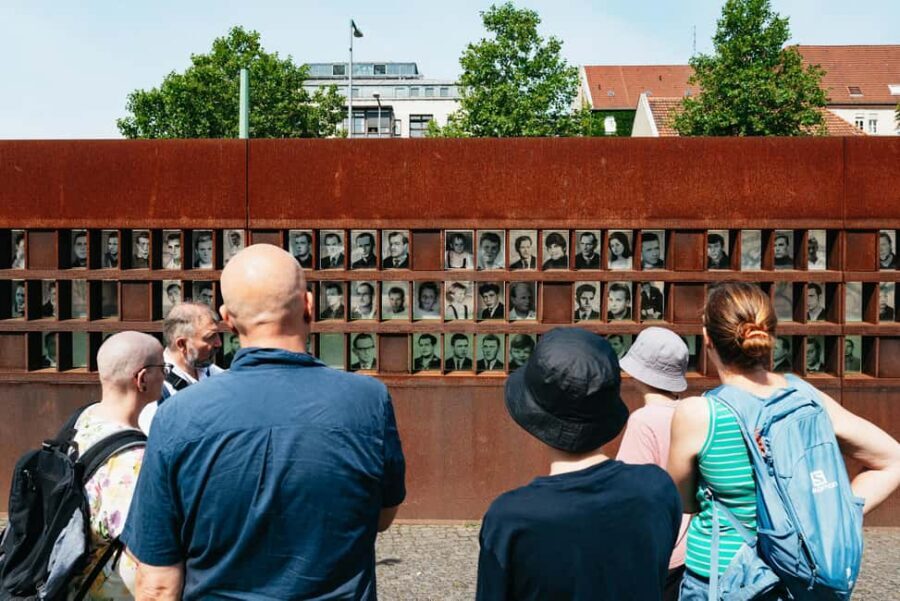
- Berlin Wall Memorial stop: a focused visit that gives context to what you’re seeing on the ground.
- Cold War timeline from 1961 to 1989: you connect events over decades into one clear line.
- Guide-led explanations with a little humor: facts land better when the pace stays human.
- Small groups or private options: easier to ask questions and keep a good walking rhythm.
Berlin Wall walking tour route: why this one makes sense
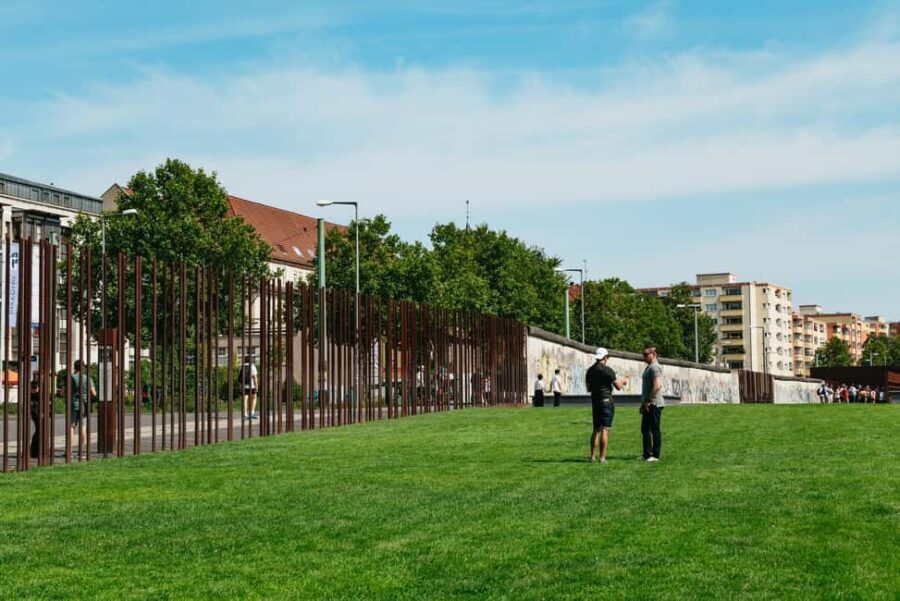
If you’ve ever seen Berlin Wall photos and thought, I get the idea, but I can’t picture it, this is the fix. Walking the original route helps your brain lock onto the scale of the division. Walls aren’t abstract when you’re actually tracing where they ran.
This is also a strong choice if you want more than a memorial stop. The tour is designed to connect the Wall’s story to surrounding Soviet-era sites and Cold War tension, then carry you forward to the collapse of the system. In other words: you don’t just look at history. You follow the chain of cause and effect.
And the timing is practical: a 2-hour format is long enough to build context, but short enough to keep your day in Berlin flexible afterward.
You can also read our reviews of more walking tours in Berlin



Tracing the Wall line: Gesundbrunnen to Prenzlauer Berg
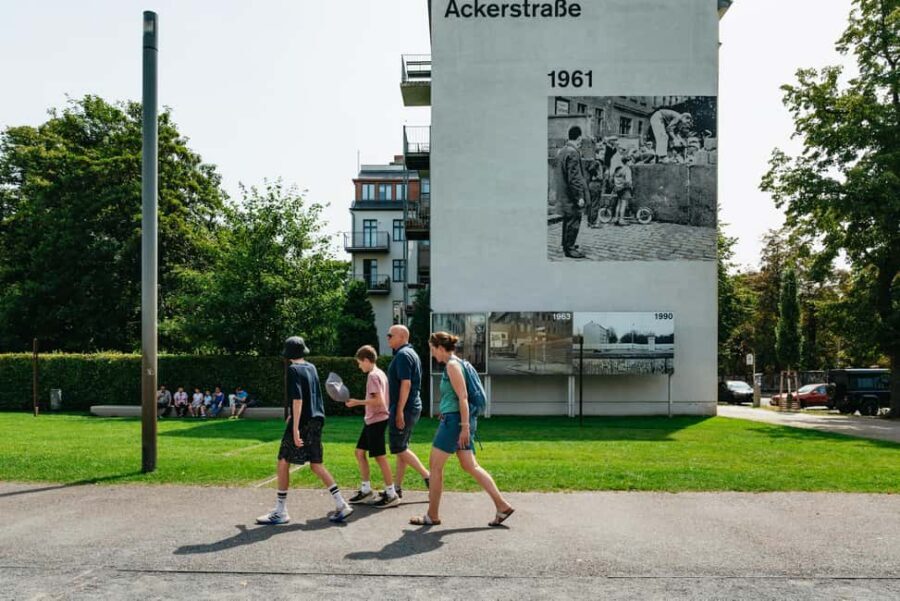
The tour follows the Wall from Gesundbrunnen toward Prenzlauer Berg. That matters because Berlin’s Wall wasn’t one uniform wall you could point to from a single spot. The route you walk shapes what you understand: movement, barriers, and how everyday life got redirected by politics.
As you go, your guide explains what was happening at each stage of the Cold War era, from the early period beginning in 1961 up through reunification in November 1989. Instead of treating those years like separate chapters, the walk builds one timeline in your head.
A nice part of the approach is that you get context about how these events shaped modern Berlin and its culture. That helps you leave the history with something usable: a better lens for why neighborhoods feel the way they do today, especially along the route you walked.
What I’d watch for: pay attention to the way the guide describes boundaries—where people were allowed to be, where they weren’t, and how control worked. If you stay mentally present during the walk, the big “oh, that’s how it worked” moments land faster.
The border strip viewpoint from a tower: seeing control in 3D
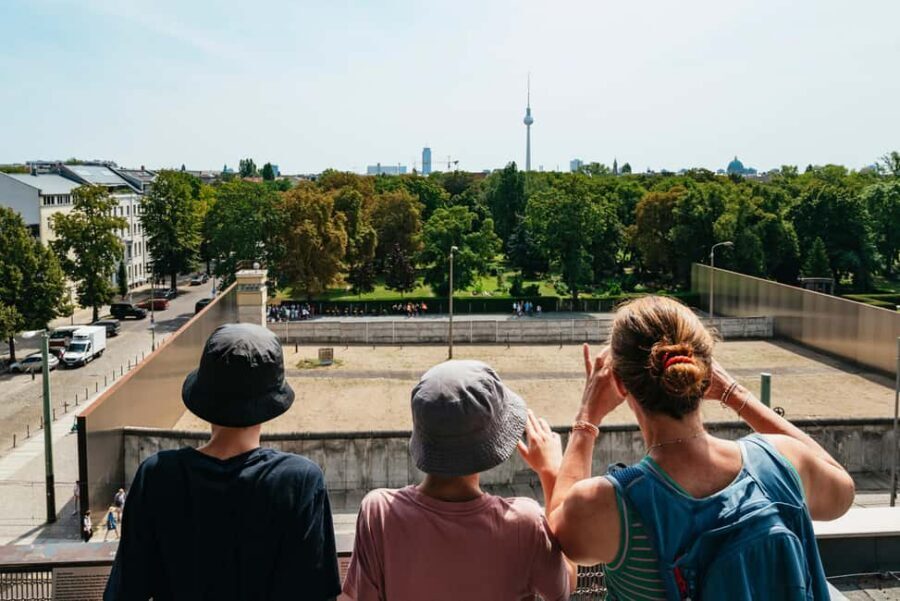
One of the most compelling parts is the time spent looking at the former border strip from a tower. This is the kind of stop that clicks for many people because you finally see distance and sightlines.
From up high, you can better understand what “watching” meant in practice. A border strip wasn’t just a line—it was an operating system built around observation and restriction. When the tour includes a preserved section that you can see from above, it helps you move from emotion to comprehension without losing the emotional weight.
The tour also includes a climb/lookout element, which gives you that “stand back and take it in” perspective. You’re not just reading about the Wall; you’re viewing how it shaped movement and how it made escapes harder.
Tip for your photos: if you plan to take pictures, pause before you shoot. Spend a few seconds really looking first. You’ll notice details once your eyes adjust, and then your photos make more sense later.
Berlin Wall Memorial: what the stop adds to the walking route
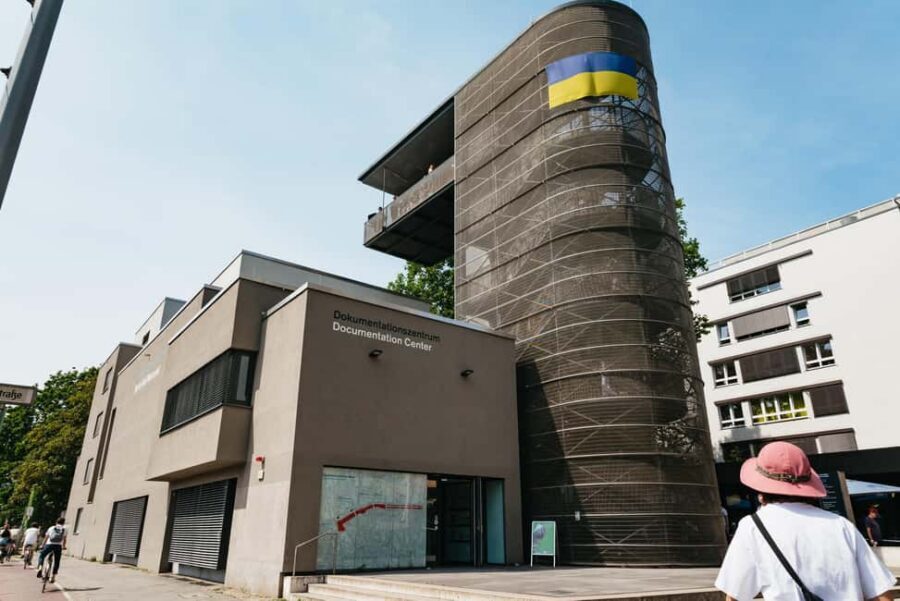
The Berlin Wall Memorial visit is the tour’s grounding moment. Walking gives you the route; the memorial helps you connect the route to the human and historical stakes.
It’s also where the story becomes more specific. The tour is guided, so you’re not left to interpret signs on your own. Your guide explains what happened, why it mattered, and what made this era so dangerous for the people living alongside it.
A key value here is balance. You hear about heroic acts and people who risked it all. At the same time, you’re reminded of the reality: the system was built to stop escape attempts and control daily life.
Why this matters for you: if you’re visiting Berlin for the first time, this memorial stop gives you a clean framework. After that, everything else you see around the city feels more coherent—less like scattered landmarks, more like a map of decisions made under pressure.
Cold War storytelling: facts, pacing, and that little humor
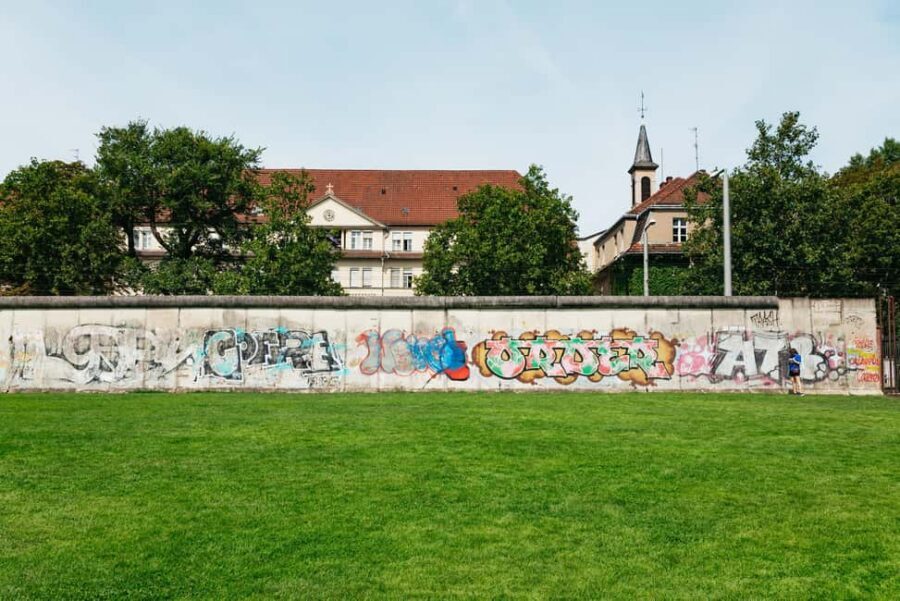
What makes this tour feel worthwhile isn’t just the subject. It’s the delivery. The descriptions you get are clear and structured, and the pacing is built for learning rather than rushing.
The guides are described as flexible, and that’s a real advantage on a history walk. Berlin can move fast for visitors—subway stops, crowds, weather—so being able to adjust helps the experience stay smooth. A tour that keeps moving at a good pace helps you retain details instead of letting everything blur together.
You’ll also hear “heroic stories” about those who risked their lives during the Wall era, and the guide ties these stories to the timeline. That combination—timeline plus personal stakes—turns Cold War facts into something you can remember.
And yes, there’s a little humor. Not jokes that water down the tragedy, but lightness that keeps the tone from becoming heavy and exhausting.
Practical note: listen for cause-and-effect language from your guide—what led to what, and how the system tightened over time. That’s where the tour becomes more than sightseeing.




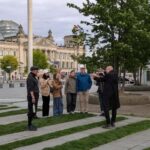

Tour length, meeting points, and where you end (so you can plan your day)
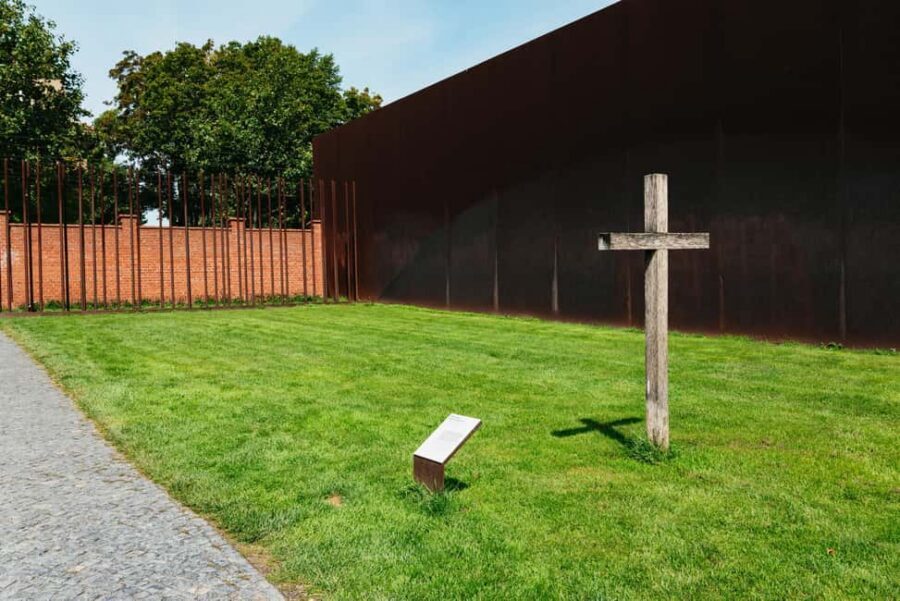
This is a 2-hour walking tour. Starting times vary, so check availability before you commit to your schedule. Meeting points may vary depending on the option you book, so plan to arrive a bit early and double-check your exact location once you reserve.
At the end, the activity ends back at the meeting point. Still, the tour experience is described as finishing in Prenzlauer Berg, with nearby cozy cafes and bars as a natural place to decompress.
That “end with an option to hang out” matters. Many Berlin history tours end in a spot that feels isolated or hard to connect to. Here, you’re likely to land in an area where it’s easy to keep your day moving—grab a snack, review your photos, or just slow down after a topic that can feel intense.
Price and value: is $26 fair for a Berlin Wall tour?
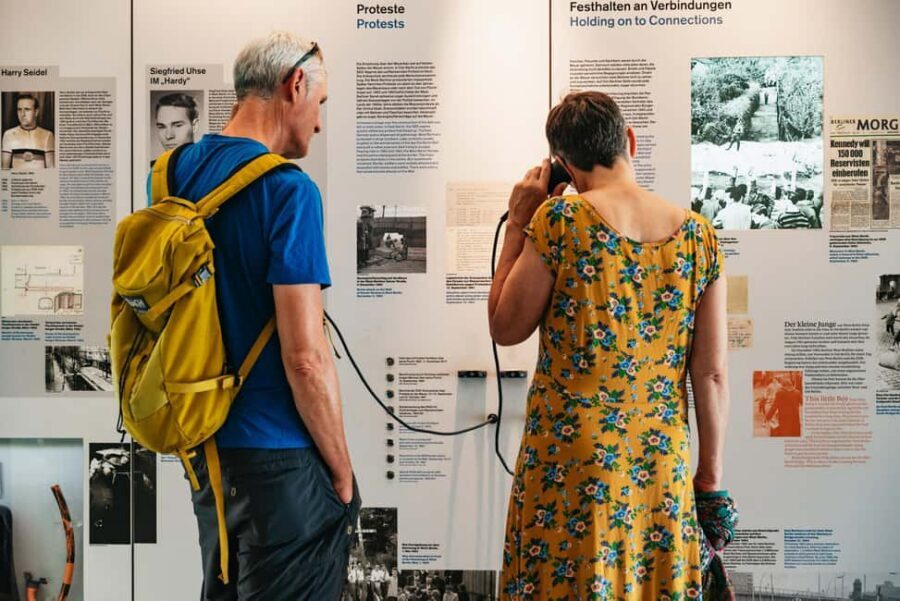
At $26 per person for a 2-hour guided walking tour, this is priced like a serious history experience without going into premium territory. The value comes from what’s included, not just the topic.
You get:
- a guided walking tour
- a visit to the Berlin Wall Memorial
- live guide support in German or English
- access to the viewpoint over a preserved border strip area
That mix is the point. If the tour were only a walk without context, you’d miss the meaning. If it were only a memorial without the route, you’d miss how the geography shaped events. This one combines both.
It also has an excellent overall rating (4.8 based on 437 reviews). High ratings here usually correlate with two practical things: explanation quality and pace. The provided feedback emphasizes clear explanations, a good pace, and guides that respond and adapt—exactly what you want for a story this detailed.
My take on value: if you’re trying to learn the Wall story in one shot without spending half a day, this is a reasonable cost for guided context and a major memorial stop.
Who should book this Wall route tour
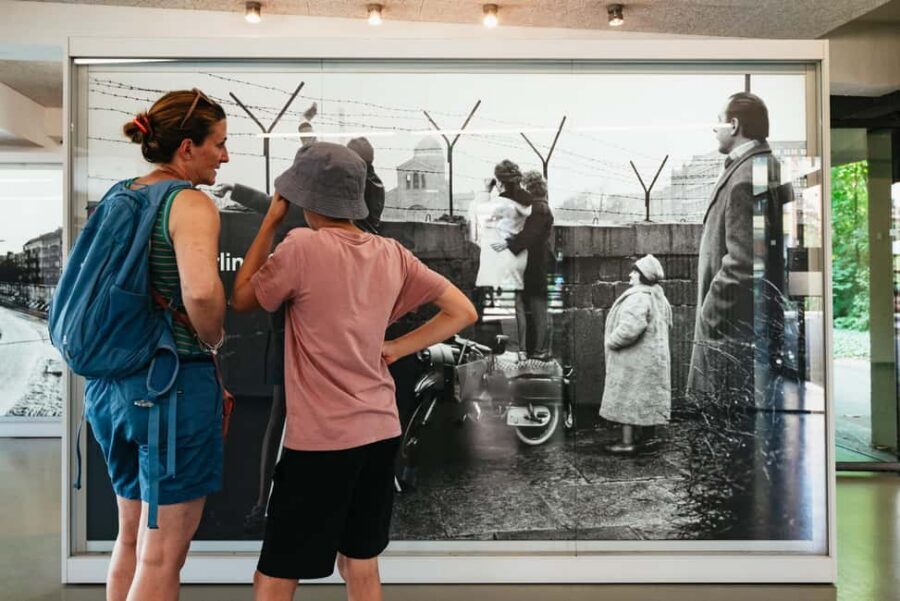
This tour is a great match if you:
- want a guided overview of the Berlin Wall with a clear timeline
- prefer walking and visual context over museums alone
- like connecting history to the way a city feels today
- want a compact 2-hour experience you can fit into a Berlin itinerary
It’s also a solid pick if you enjoy thoughtful storytelling. The guide’s explanations include detail, fact, and a little humor—so you get structure without feeling like you’re in a lecture.
If you’re traveling with someone who thinks history is boring, this kind of route-based tour often works because it turns the subject into a “see it, then understand it” sequence.
Should you book the Cold War walking tour on the Berlin Wall route?
I’d book it if you want the most efficient way to understand what the Wall did—how it ran through real neighborhoods and what that meant for real people. The Gesundbrunnen to Prenzlauer Berg route plus the Berlin Wall Memorial and the border strip viewpoint is a strong trio.
Skip it only if you already know the material deeply and you’re looking for a longer, more specialized deep-dive-style route (this one is built to stay around two hours). For most people, though, it’s a smart, well-paced entry point into Cold War Berlin.
If your goal is to leave with clarity—and not just photos—this is the sort of tour that delivers.
FAQ
How long is the Berlin Wall walking tour?
The tour duration is 2 hours.
What is the price per person?
The price is $26 per person.
Where does the tour start and where does it end?
The meeting point may vary depending on the option booked, and the activity ends back at the meeting point. The tour experience finishes in Prenzlauer Berg.
What areas does the tour cover along the Wall route?
The tour traces the original wall route from Gesundbrunnen to Prenzlauer Berg.
What does the tour include besides the walking?
It includes a visit to the Berlin Wall Memorial.
Can I view the former border strip during the tour?
Yes. You’ll view the former border strip from a tower and climb the lookout to see a preserved area.
Are there options for private or small groups?
Yes. There are private or small group options available.
What languages are offered for the live guide?
The live guide is available in German and English.
Is free cancellation available?
Yes. You can cancel up to 24 hours in advance for a full refund.
Is there a way to book without paying right away?
Yes. The option Reserve now & pay later is available, where you can book your spot and pay nothing today.