REVIEW · BERLIN
Rickshaw Tours Berlin – Groups of up to 16 people with several rickshaws
Book on Viator →Operated by Rikscha & Bier Bike & Party Beer Bike - Leo Rickshaw Tours · Bookable on Viator
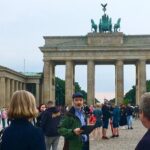
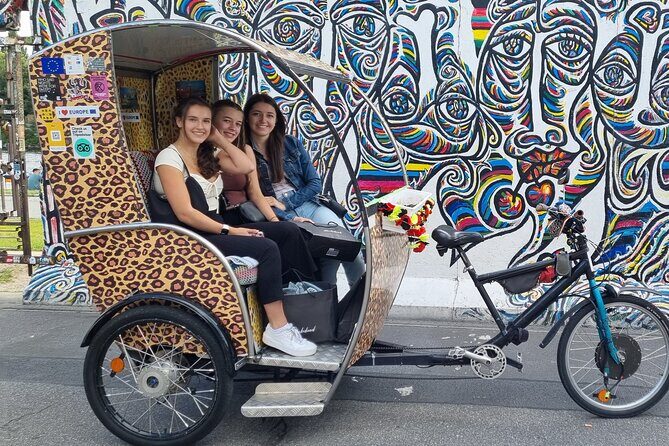
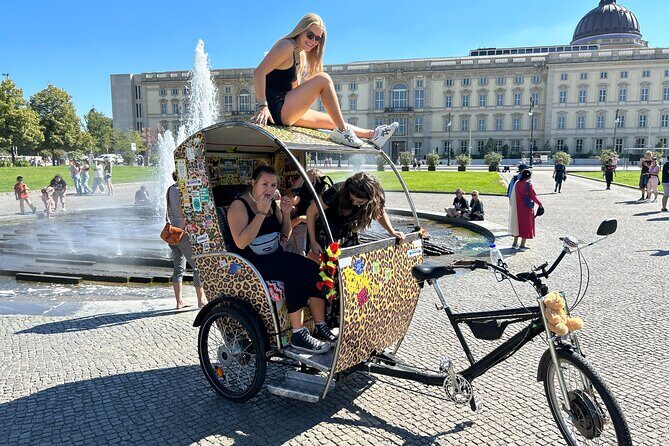
Berlin rolls faster on a rickshaw. In a private group of up to 16, the rickshaws (with several vehicles running) help you cover huge sights without doing mile after mile on foot, and pickup is set close to Brandenburger Tor.
I like that the tour is guided in English and includes a photographer, so you’re not stuck waving your phone at every stop. A few guides stand out in the way they pace the ride and tell stories, with names like Leo and Hugo showing up again and again in standout experiences.
My main heads-up is consistency. A few bookings describe no-shows or last-minute cancellations, and some people report guide audio getting too loud or riders feeling squeezed into a rickshaw.
In This Review
- Key things to know before you ride
- Berlin’s best selling point here: getting bearings fast
- Price and value: what $53.10 buys you in practice
- From Brandenburg Gate to the Reichstag: starting with German classicism
- Tiergarten’s memorial mood: T-34 tanks and the Wall’s long shadow
- Nazi-era context at Topography of Terror
- Gropius Bau and the art side of Berlin
- Bernauer Straße Wall memorial: escape tragedy, then reflection
- Checkpoint Charlie and Friedrichstraße: the border story made concrete
- Gendarmenmarkt and the classicist theater block
- Book burning at Bebelplatz, then Museum Island
- Berlin Cathedral and Lustgarten: two easy wins for photos
- Alexanderplatz: modern Berlin’s loud center
- Guides, music, and the photo factor (where the experience can swing)
- When the timing is only a couple hours, choose the right mindset
- Who should book this rickshaw tour
- Should you book this rickshaw tour in Berlin?
- FAQ
- How long is the Rickshaw Tours Berlin experience?
- What language is the tour offered in?
- How much does it cost per person?
- Is pickup available?
- What’s included in the tour?
- Are alcoholic beverages included?
- Do I need to buy admission tickets for the stops?
- Is this tour private?
Key things to know before you ride
- Up to 16 people, multiple rickshaws: you’ll get a moving group setup instead of one long line of walkers.
- Short stops with photo time: many points are quick look-and-photo moments, not long museum marathons.
- English guide plus photographer: you get help turning landmarks into real memories, not just pictures you take while walking.
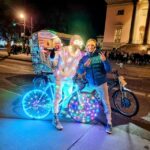
- Music on request: the vibe can be more like a guided street party than a silent history lesson.
- Most stops are outside: even when tickets aren’t included, the exterior context is built into the route.
- Weather matters: the experience requires good weather, and cold snaps can affect operations.
Berlin’s best selling point here: getting bearings fast
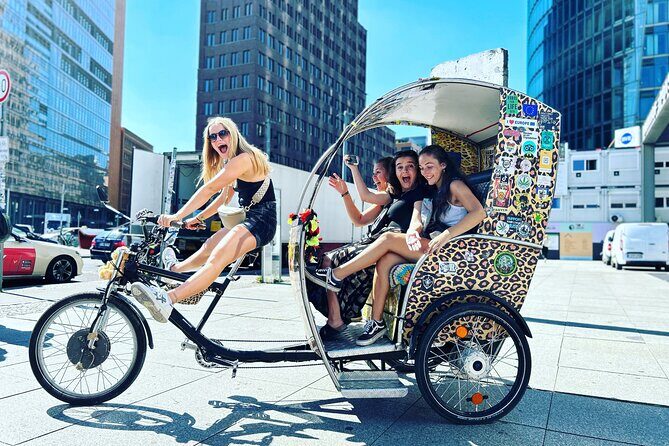
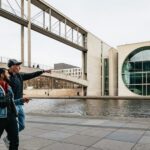
This is the kind of Berlin tour that helps you understand the city layout in one go. You’re not wandering in circles trying to guess which direction a landmark sits from the others. The route strings together the most useful “anchors” across the center: Brandenburg Gate, major government buildings, the former East/West border story, and the Museum Island area.
On a rickshaw, you sit up and move at a human pace. That matters in Berlin, because so many iconic places are defined by space: wide avenues, plazas, and riverside museum blocks. When you’re not bouncing on a bus or power-walking like it’s a race, you can actually look up, line things up for photos, and notice details you’d skip on foot.
You can also read our reviews of more tours and experiences in Berlin.
Price and value: what $53.10 buys you in practice
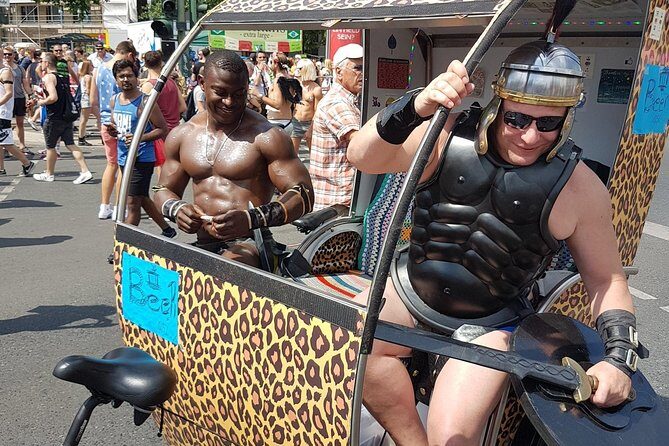
At $53.10 per person, you’re paying for more than transportation. You’re paying for a guide, private transport by rickshaw, WiFi on board, and a photographer service, plus music on request.
That combination is where the value comes in:
- You get help with context. The stops are tied to specific turning points, not vague descriptions.
- You get help with logistics. The ride is paced so you can see multiple big sites in a single morning or afternoon block.
- You get help with photos. A photographer can make a difference when you want more than one blurry shot and you don’t want to line everyone up like a school trip.
What you may still need to budget for: several stops list admission tickets not included. So if your goal includes entering buildings (or doing something like a dome visit where that’s an option), you’ll want to plan those separately.
From Brandenburg Gate to the Reichstag: starting with German classicism
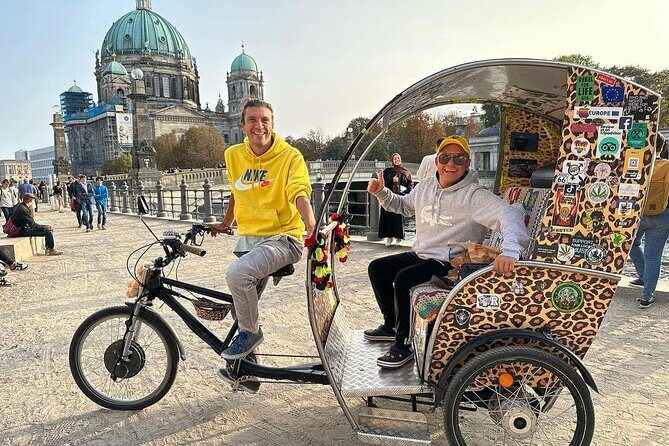
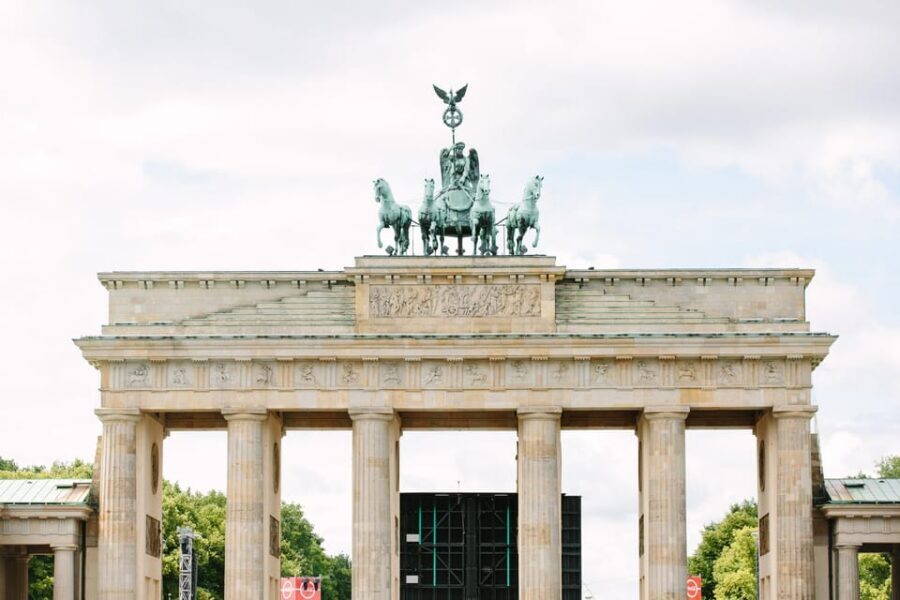
Your tour begins at Brandenburger Tor, and that’s a strong first move. The Brandenburg Gate is one of Berlin’s clearest symbols of how the city frames power and identity. It was built between 1788 and 1791, designed by Carl Gotthard Langhans the Elder, and it was meant to finish the boulevard Unter den Linden with something worthy—often compared in spirit to classical forms like the Athens propylaea.
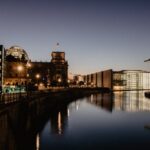
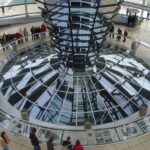
Next you’ll head toward the Reichstag / Bundestag area. This is one of those places where the building is the headline. You’ll hear the key moments tied to it, including November 9, 1918, when Philipp Scheidemann called for the republic from the west portal, and the Reichstag fire on February 27, 1933 that destroyed the plenary hall and dome. The story also reaches April 30, 1945, when a Soviet red flag was raised, marking victory over the Third Reich. Even with short stop times, these are landmarks in the real timeline of modern Germany. Admission is not included here, so plan on viewing from outside unless you add tickets on your own.
Then comes the German Chancellery (near the chancellor’s office). The architecture is the point: a 36-meter-high administration building that’s designed to look unusually transparent and light, cut with large glass surfaces between tall concrete pillars. It’s the opposite feel from heavy monuments—you’re seeing how government spaces want to communicate openness and authority at the same time. Admission tickets aren’t included for this stop, but the exterior design is dramatic enough to make the quick look worth it.
Tiergarten’s memorial mood: T-34 tanks and the Wall’s long shadow
After the government core, the tour shifts toward Berlin’s memory landscape—especially around Tiergarten.
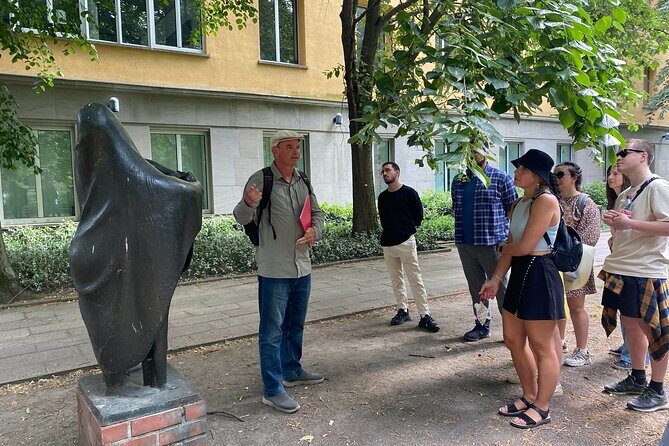
You’ll stop at the Soviet War Memorial. The standout detail here is the placement: two T 34 tanks flanking the square, and a bronze statue of a Red Army soldier with his rifle on his shoulder. Behind are names of fallen Soviet soldiers, and deeper in the memorial area are graves of about 2,500 soldiers. This is a pause stop. It’s short, but it’s the kind of place where you feel time layers stacking on each other fast.
From there, the route brings in the history of the zoo and the sights inside the broader Tiergarten park area. Berlin’s park isn’t just trees—it includes monuments and memorials, bridges, and major landmarks. The tour notes that Friedrich III created an early pleasure park from former hunting grounds, and later Peter Joseph Lenné transformed the zoo into an English-style public park between 1833 and 1838. In practical terms, this is where the rickshaw helps: you’re not trying to cover “park distance” on foot while also reading monuments. You can rest, look, and keep moving.
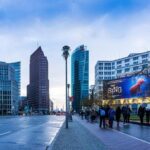
Then the tour cuts back to streets with intensity at Potsdamer Platz. This area was planned as an entire district by architects, and it shows. You’ll pass cafes, cinemas, and shops among the larger high-rises—plus the newer district planning on about 6.8 hectares between Potsdamer Platz and Reichpietschufer. It’s a good contrast after the solemn memorial stop, and it’s useful if you want proof that Berlin is not only history.
Nazi-era context at Topography of Terror

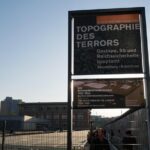
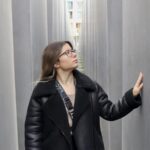
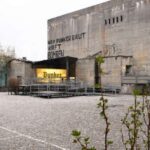
One of the strongest stops on the route is Topography of Terror. This is the area known as the center for planning and control of Nazi crimes, between 1933 and 1945, with key SS and police institutions housed there. The tour’s framing is direct: you’re seeing the physical space tied to secret state police and Reich Security Main Office operations.
Admission is free for this stop, so you’re not forced into extra costs to get the core meaning. Time is brief, though, so if you’re the type who wants to read every panel, you might later come back for a deeper visit on your own.


Gropius Bau and the art side of Berlin

At Gropius Bau, the emphasis shifts to cultural history, contemporary art, and photography. The stop is short, and tickets aren’t included, so treat it as a chance to see the building and get your bearings in the arts corridor. If a specific exhibition is on while you’re in town, that’s when this stop becomes more than a quick look.
Even if you don’t enter, it’s still valuable. Berlin spreads art and history in close proximity, and this part of the route is one example of that.
Bernauer Straße Wall memorial: escape tragedy, then reflection
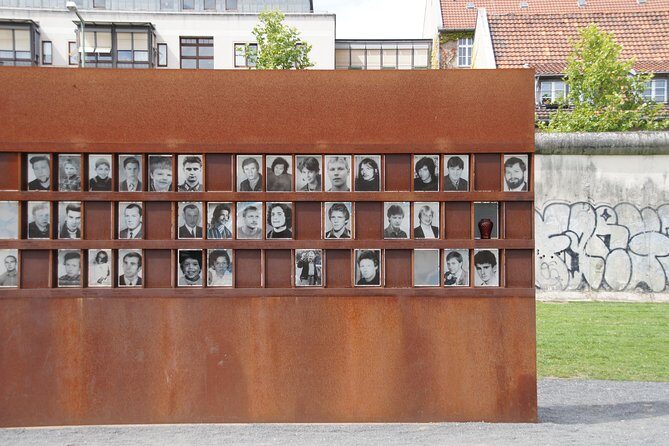
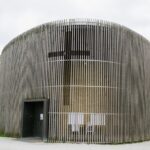
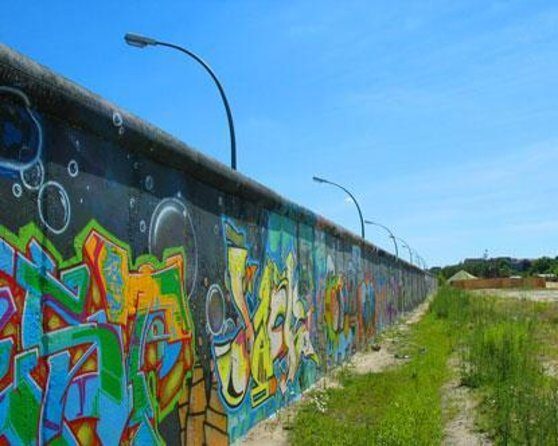
Next is the official Gedenkstätte Berliner Mauer at Bernauer Straße. This is one of the route’s most emotionally heavy stops. The tour points out that the street marked the boundary between Wedding (West) and Mitte (East), and it includes the tragic escape stories where people in locked East Berlin homes threw themselves toward freedom.
The memorial itself was inaugurated on August 13, 1998 at the corner of Ackerstraße. Ticket entry isn’t included, so again you’re mainly taking in the site from outside and in the memorial area. It’s a quick dose, but it’s also one of the best places on the route to understand the Wall as lived reality—not just a line on a map.
Checkpoint Charlie and Friedrichstraße: the border story made concrete
Then you hit Checkpoint Charlie, the former military checkpoint that became the most famous border crossing of the three main border points controlled by the Americans near the Glienicke Bridge. The tour notes that crossings worked differently depending on who you were, including foreigners and employees of the FRG permanent representation in the GDR, along with GDR officials. It’s a small area, but the rules and power behind it are what make it matter.
After that, you’ll move along Friedrichstraße, described as a north-south axis. After the Wall fell, a popular shopping mile developed here between Checkpoint Charlie and Friedrichstraße station. It’s a good place to switch from border memory to modern street life, and it helps you feel how quickly Berlin reassigns space once political rules change.
Gendarmenmarkt and the classicist theater block
At Gendarmenmarkt, the tour focuses on the square’s origin and name. It was planned at the end of the 17th century, and French immigrants—especially French Protestants (Huguenots)—settled nearby. The square changed names over time and was renamed Gendarmenmarkt in 1799, tied to the guard and stables of the Gens d’armes ward regiment that operated there from 1736 to 1782.
Nearby are more classicist stops:
- Deutscher Dom: a permanent exhibition titled Ways – wrong trails – detours about the historical development of liberal parliamentary democracy across five floors. Tickets aren’t included, so this is a view-and-context stop unless you add entry.
- Konzerthaus: a classicist building and one of Karl Friedrich Schinkel’s main works. The tour notes a history that starts with a small comedy house opened in 1776 and later becomes a royal national theater in 1787. Again, tickets aren’t included, but the exterior and context are enough for a quick architectural reset.
This section works well for first-time visitors because Berlin’s center can feel visually chaotic until you anchor it with ordered, symmetrical spaces like this.
Book burning at Bebelplatz, then Museum Island
At Bebelplatz, the tour turns toward a darker cultural story: Nazi book burning. On May 10, 1933, more than 20,000 books were burned here. The tour lists authors and categories considered non-German spirit, including names like Erich Kästner, the Mann family, Magnus Hirschfeld, Lion Feuchtwanger, Karl Marx, Else Lasker-Schüler, and Heinrich Heine. This stop is free, and the site is a strong reminder that censorship is always more than politics—it’s about culture and identity.
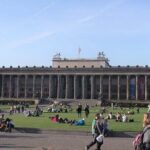
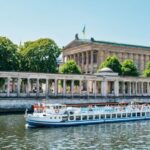
From there, you’ll reach Museum Island, between the Spree and the Kupfergraben. The route frames it as a world-famous ensemble whose collections include archaeology and 19th-century art, with its starting point tied to the completion of the Old Museum in 1830. Tickets aren’t included for museum buildings, so treat this stop like a built-in overview. You get the location, scale, and the sense that this entire stretch is designed for serious looking.
Berlin Cathedral and Lustgarten: two easy wins for photos
Then comes Berliner Dom, the Berlin Cathedral with its unmistakable dome. Tickets aren’t included, but the exterior is a landmark in itself. If you do enter, the climb to the dome is described as offering an exciting view over Berlin’s center, including the Spree, Lustgarten, and Museum Island.
Right next door is Lustgarten, the pleasure garden. The tour notes linden tree rows, a huge red granite bowl, and a fountain in the middle where tourists relax in summer. Ticket entry isn’t needed, and it’s also a helpful breathing spot when the itinerary has been heavy.
Alexanderplatz: modern Berlin’s loud center
Finally, the tour reaches Alexanderplatz, described as one of Berlin’s liveliest squares. The stop includes references across time: the 1920s, GDR times, and today. It’s where you see the television tower, the world clock, and the fountain of friendship between peoples, plus ongoing shopping energy.
This is the stop where the rickshaw tour feels like a full-circle experience. You’ve moved from classicism to government power, then across memory and division, then into modern public life.
Guides, music, and the photo factor (where the experience can swing)
This is one of those tours where the guide can make or break the feel. Many of the strongest reports praise guides like Leo and Hugo for storytelling, humor, pacing, and photo moments. People also mention that drivers can handle tight spaces smoothly, which is a real skill in Berlin’s center.
At the same time, there are warning signs you should take seriously:
- Some experiences mention music being played too loud, making it hard to hear the guide.
- A few people report feeling cramped when the group split between rickshaws didn’t match expectations.
- A small number of bookings describe rough driving behavior, which matters because you’re close to traffic.
If you book, I’d treat it like this: ask for music to be kept low enough that you can hear. And if you have any sensitivity to noise or motion, bring that up early.
When the timing is only a couple hours, choose the right mindset
With durations listed from 1 to 4 hours, the biggest trick is not trying to force “full coverage” everywhere. This route is set up for quick snapshots of key places, which is perfect if you want an overview and photos without burning your whole day.
So go in with a clear goal:
- If you’re short on time, treat the tour as your orientation and decide what to revisit later.
- If you have more time, use the free outdoor stops to soak up context, then add your own ticketed visits at the buildings marked as not included.
Either way, the rickshaw format helps you keep moving. You’re not stuck in long walks that drain your energy before the most important stops.
Who should book this rickshaw tour
This tour fits best if you:
- Want to see a lot of central Berlin in limited time.
- Prefer sitting and rolling over long foot segments.
- Like guided storytelling tied to real turning points.
- Care about photos and appreciate a photographer service.
It’s also a good match for people who want a private-group feel, since the format is described as private with only your group participating.
Should you book this rickshaw tour in Berlin?
I’d say yes if your priority is fast orientation plus guided context, and you’re okay with short looks at many major landmarks. The combination of rickshaw mobility, English guidance, WiFi, and a photographer is good value for how much ground the route covers.
I’d say use extra caution if your trip depends on a tight schedule or you’re traveling during cold, weather-sensitive days. Some reports point to operational issues and occasional no-shows or cancellations, and that’s the one factor that can turn a great plan into a frustrating afternoon.
If you do book, I’d go in ready to revisit your favorite stop later on foot or with tickets. This tour is excellent for picking your future must-dos.
FAQ
How long is the Rickshaw Tours Berlin experience?
The tour duration is listed as 1 to 4 hours, approximately.
What language is the tour offered in?
The tour is offered in English.
How much does it cost per person?
The price is $53.10 per person.
Is pickup available?
Yes. Pickup is included within a 2 km radius from the Brandenburg Gate. Pickup beyond that may cost €10 per km.
What’s included in the tour?
WiFi on board, private transportation, music on request, a photographer, and a tour guide are included.
Are alcoholic beverages included?
No. Alcoholic beverages are not included.
Do I need to buy admission tickets for the stops?
Admission tickets are not included for some stops. Other stops are listed as free, but for places marked not included, you would need separate tickets if you want to enter.
Is this tour private?
Yes. It is a private tour/activity, and only your group participates.