REVIEW · BERLIN
Berlin: Kreuzberg Guided Walking Evening Tour
Book on GetYourGuide →Operated by Adventure World Tours · Bookable on GetYourGuide
Kreuzberg at night tells stories fast. This guided evening walk connects you to the district’s rebellious spirit and 19th-century roots through street-by-street anecdotes, not museum facts. It’s also a great way to learn what makes Kreuzberg feel different in the first place.
What I love most is how much you get from the guide’s back-and-forth storytelling—your time is spent understanding history and culture where it happened, from Kotti onward. The second big win is the evening mood: you’ll stroll through streets that shift from daytime busy to bar-and-café energy as you go, while you still get clear, guided context.
One watch-out: it’s still a walking tour with photo stops, so if the weather turns or you’re not keen on a steady pace, plan for comfortable shoes and weather-ready clothing.
In This Review
- Key highlights to look for
- Kottbusser Tor at night: why this start point works
- Oranienstraße (and the streets around it): learning Kreuzberg by walking it
- SO36 and the punk-to-police story: when culture became conflict
- Görlitzer Park and the Jack-the-Ripper tale: spooky, but grounded
- Finishing at Bevernstraße 6: use the last stretch wisely
- Price and time: getting your money’s worth in two hours
- Who this Kreuzberg evening walk is best for
- Should you book this tour?
- FAQ
- How long is the Berlin Kreuzberg guided walking evening tour?
- How much does the tour cost?
- Where do I meet for the tour?
- What are the key stops during the walk?
- What languages is the tour guide available in?
- What’s included in the price?
- Does the tour offer private or small group options?
- Is there free time during the tour?
- What should I bring?
Key highlights to look for
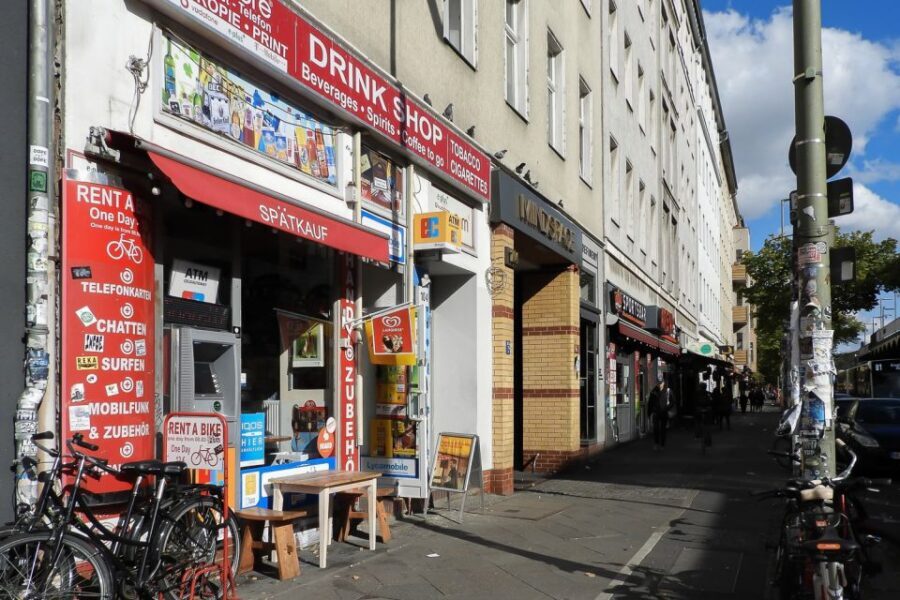
- Kotti (Kottbusser Tor) as the heartbeat start point for a fast orientation to Kreuzberg
- Oranienstraße photo stops tied to why this area filled up so tightly in the 1800s
- SO36 music club stories about punk and new wave clashing with authorities
- Görlitzer Park and a Berlin Jack-the-Ripper tale told right where the vibe fits
- Ruinen des Pamukkale-Brunnens and other small landmarks that add texture to the walk
Kottbusser Tor at night: why this start point works
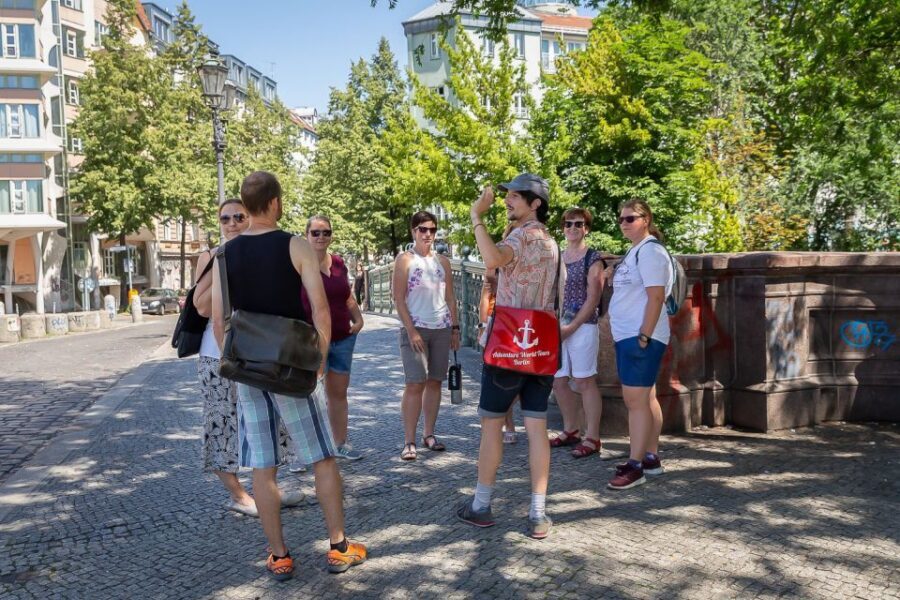
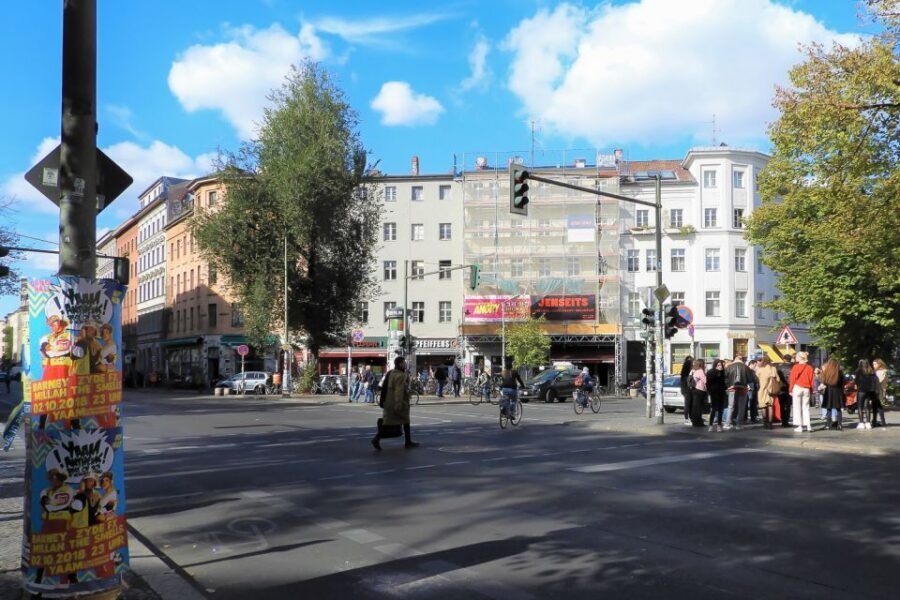
The tour begins from one of two start options: FightClub Casino or Cems Burgerhouse. From there, you’ll head into the neighborhood’s core around Kottbusser Tor, also called Kotti. This is a smart move because Kotti is where you instantly feel the mix that makes Kreuzberg what it is: crowds, conversation, and a street scene that never fully goes quiet.
You’ll get an early overview of Kreuzberg’s life and culture from your guide, which matters because the rest of the walk is packed with references—street fights, music venues, notorious stories, and changing neighborhoods. If you arrive with that framing, each stop becomes easier to follow, instead of feeling like a list of random points on a map.
If your group includes an English speaker, you’re in good shape. The tour runs with guides in German and English, and the overall tone stays story-led rather than lecture-only. Guides like Stefan and Kevin have been praised for bringing Kreuzberg’s personality through clearly, with answers for questions—not just one-way narration.
You can also read our reviews of more guided tours in Berlin


Oranienstraße (and the streets around it): learning Kreuzberg by walking it
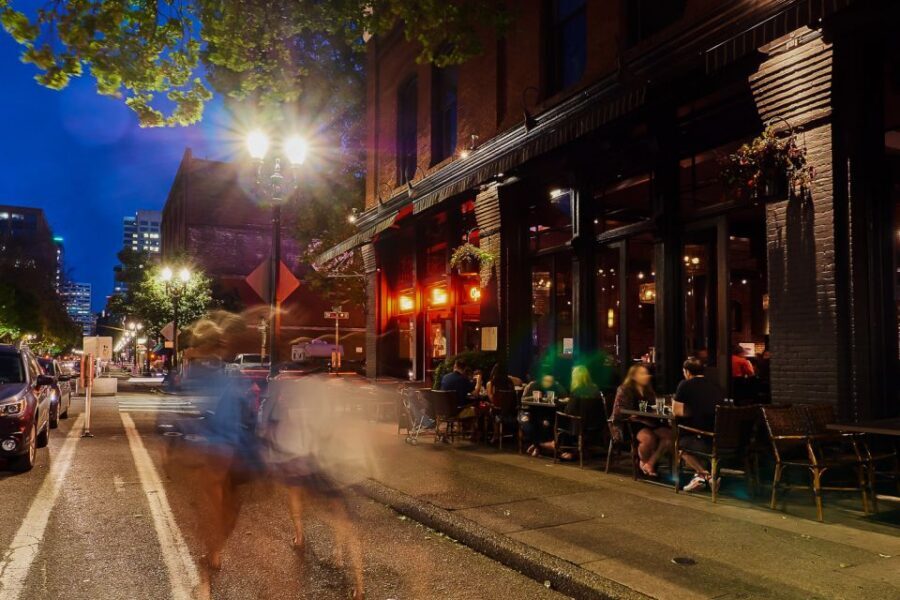
After Kotti, the tour focuses on Oranienstraße, the main artery that pulls you through the neighborhood’s identity. You’ll take a photo stop around Oranienstraße 24 and then continue through more guided moments tied to how this district formed in the 19th century—when people packed in and the area developed its dense, working-class character.
Here’s the practical value for you: if you’ve only seen Kreuzberg from afar, this part gives you the “why” behind the streets you’ll recognize later. The guide’s explanations connect the physical layout to social history, so the neighborhood stops being just a backdrop and starts feeling like a system. That makes it easier to notice details later on your own—storefront patterns, street rhythms, and which corners seem to attract attention.
Next you’ll pass another Oranienstraße photo stop at Oranienstraße 190. This is where the tour starts shifting from origins to attitude. You’ll hear about the area’s rebellious spirit and events associated with The Mother of all Street Fights. Even if you don’t know the name beforehand, the guide’s setup helps you understand how conflict shaped local identity, not just headlines.
Then the walk continues onto Mariannenstraße 15 (another short photo stop and guided segment). This stretch helps you see that Kreuzberg’s story isn’t all one mood. The neighborhood has layers—every street signals something different about who lived here, how people organized, and how culture turned into a kind of language.
SO36 and the punk-to-police story: when culture became conflict
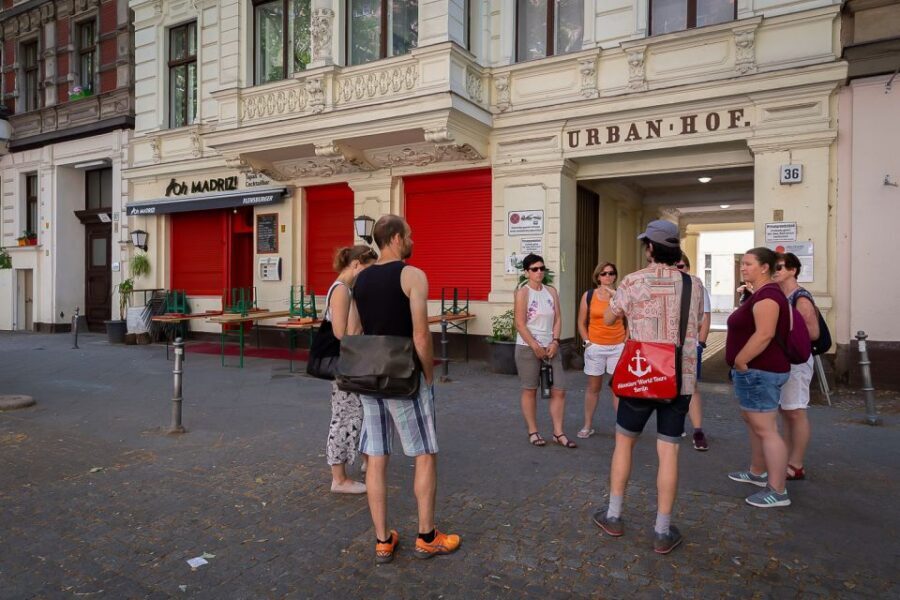
One of the tour’s most memorable sections is the stop at SO36. You’ll hear the story of this legendary music club and how anarchistic punk and new wave bands played there in the 1970s and 1980s. What makes this part click is the cause-and-effect framing: music wasn’t just entertainment. It became a provocation that triggered real attention from government and police.
From a value standpoint, this is why a guided walk is worth it. You could wander past SO36 on your own and snap photos, but without the context you’d miss the meaning behind the place. With the guide’s narrative, you start to understand why the district’s reputation includes nightlife, activism energy, and a stubborn resistance to being managed.
This segment also gives you a deeper appreciation for why Kreuzberg can feel like it’s always in conversation with authority—sometimes through art, sometimes through protest, and sometimes through sheer street-level confidence. If you like places with personality, this is the moment when the neighborhood’s attitude becomes specific, not abstract.
After that, you’ll continue through the area around Lausitzer Pl. 8 A. That stop isn’t meant to slow the tour down—it adds a little more texture while you keep moving. Think of it as another “anchor point” where the guide ties together how Kreuzberg’s culture expressed itself in public spaces, not only on stages.
Görlitzer Park and the Jack-the-Ripper tale: spooky, but grounded
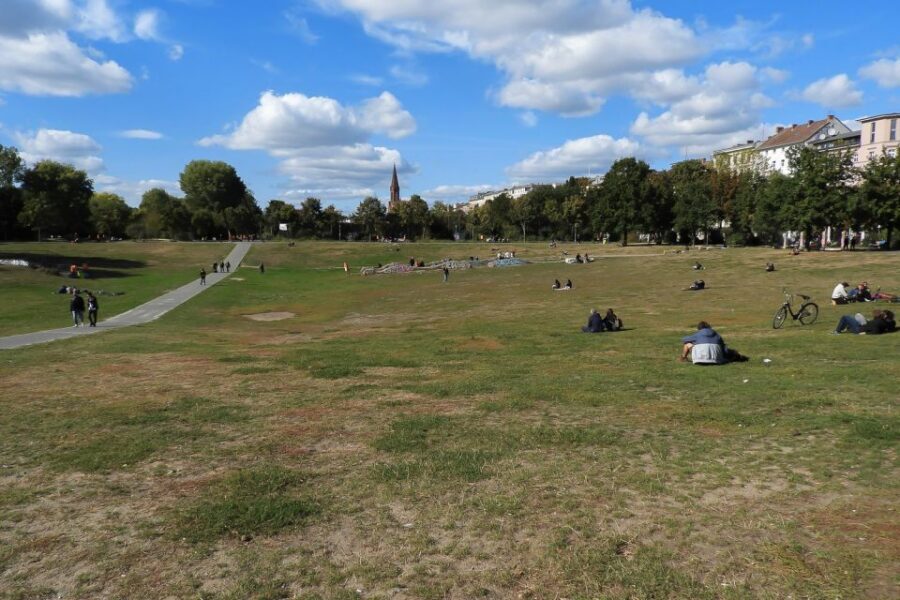
The tour then shifts into Görlitzer Park. You’ll make a photo stop there and hear the story connected to Berlin’s own version of Jack the Ripper. The key here is tone: this isn’t presented as a dusty trivia fact; it’s told in a way that matches the setting. Parks at night change the feeling of a story, and your guide uses that atmosphere so the tale sticks.
For you, this offers two benefits. First, it breaks the walk into a different emotional mode—lighter than the street-fight theme, but still sharp. Second, it shows how Berlin’s darker legends attach themselves to neighborhoods, streets, and public spaces, turning everyday locations into story magnets.
If you’re a fan of urban legends, this is likely the part you’ll remember later. And even if you’re not, you’ll still walk away with a better sense of how Kreuzberg’s past uses tension, mystery, and identity together—without turning the tour into pure horror-story entertainment.
From Görlitzer Park, you’ll continue with more short photo stops along the way, including the Ruinen des Pamukkale-Brunnens. This is a neat kind of landmark—worth seeing even without the story attached—because it gives you a physical detail to hold onto while the guide keeps explaining the area’s layers.
Finishing at Bevernstraße 6: use the last stretch wisely
Later in the walk, you’ll stop around Oppelner Str. 3 and then Bevernstraße 6. You’ll take another photo stop at each, with short guided pieces that keep the timeline moving—history, culture, and the neighborhood’s changing mood in the evening.
The finish is at Bevernstraße 6, and you’ll get a bit of free time at the end. I like having that last breathing room because it lets you do something simple: turn the facts you just heard into a plan. Maybe you want a drink nearby, or you want to circle back for photos at a street corner your guide highlighted. Either way, the final minutes are when you turn the tour into something personal.
One practical tip: if you plan to grab dinner afterward, keep the walk finish near your next stop in mind. This tour ends right where it stays interesting—so don’t schedule something too far away unless you’re okay with moving quickly.
You can also read our reviews of more evening experiences in Berlin






Price and time: getting your money’s worth in two hours
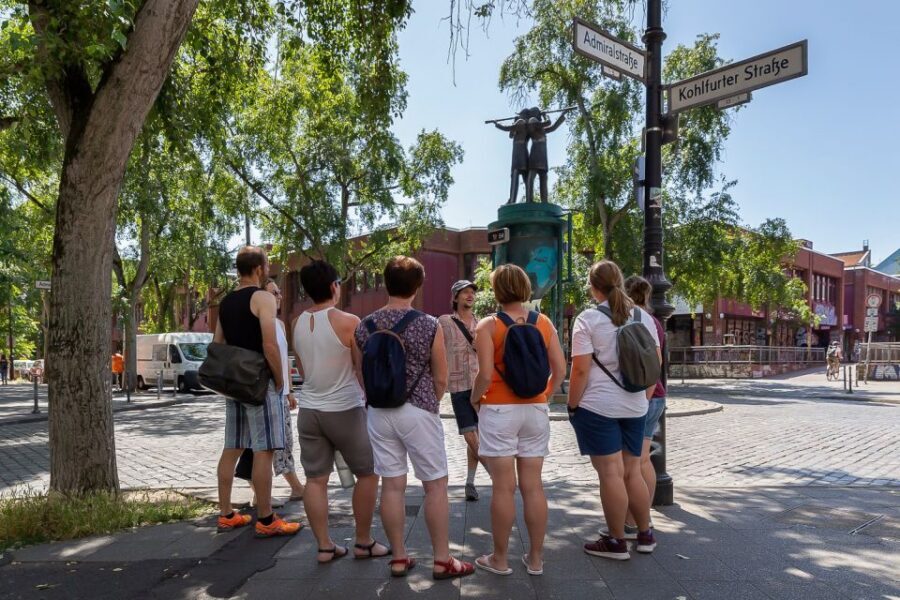
At $27 per person for a 2-hour walking tour, you’re paying primarily for a live guide and focused storytelling. You’re not paying for museum entry fees, transport, or a long schedule with multiple transfers. Instead, you’re paying for someone to connect street corners to context while you’re already in the neighborhood.
That’s the real value here: you save time. Berlin has plenty of self-guided material, but it takes effort to connect it into a coherent picture. This tour gives you that coherence while you walk, and it does it in a compact format that fits an evening.
The other side of the deal is your energy. Two hours on your feet, plus photo stops, means you’ll want to treat it like an evening activity that requires basic stamina. If you do that, the $27 feels fair; if you go in underprepared, you may feel like you rushed through a story you didn’t fully get to enjoy.
Who this Kreuzberg evening walk is best for
This tour is ideal if you want more than sightseeing. You’ll likely enjoy it most if you like:
- Neighborhood history told at street level, not from a postcard
- Culture stories with conflict, like the SO36 punk-to-authorities thread
- Legends and urban tales, especially when they’re anchored in a specific place like Görlitzer Park
- An evening atmosphere where the streets themselves feel like part of the lesson
It may be less satisfying if you only want broad highlights and don’t care about cultural context. Also, if you dislike walking or don’t do well with cool/wet weather, plan accordingly—your best friend here is comfortable shoes.
Should you book this tour?
I’d book it if you’re visiting Kreuzberg and want a fast, meaningful way to understand the neighborhood’s attitude. The mix of Kotti orientation, Oranienstraße’s origins, SO36’s punk history, and the Jack-the-Ripper-style tale gives you a story map you can carry into the rest of your Berlin days.
If you’re on the fence, use this simple checklist: do you like guided explanations that connect locations to meaning? Are you okay with a two-hour walk? If yes, then this is a solid way to spend an evening without feeling like you’re just moving from one photo stop to the next.
FAQ
How long is the Berlin Kreuzberg guided walking evening tour?
The tour lasts 2 hours.
How much does the tour cost?
It costs $27 per person.
Where do I meet for the tour?
The meeting point may vary depending on the option booked, with starting options listed as FightClub Casino and Cems Burgerhouse.
What are the key stops during the walk?
You’ll cover the area around Kottbusser Tor (Kotti), Oranienstraße (multiple photo stops), Mariannenstraße, Lausitzer Pl., Görlitzer Park, Ruinen des Pamukkale-Brunnens, Oppelner Str., and finish at Bevernstraße 6.
What languages is the tour guide available in?
The tour guide is available in German and English.
What’s included in the price?
The tour includes a walking tour and a tour guide.
Does the tour offer private or small group options?
Yes, private or small groups are available.
Is there free time during the tour?
There is free time included near the end at Bevernstraße 6.
What should I bring?
Wear comfortable shoes and bring weather-appropriate clothing.