REVIEW · BERLIN
Berlin: Museum Island Guided Walking Tour
Book on GetYourGuide →Operated by You In Berlin · Bookable on GetYourGuide
Museum Island tells Berlin’s story on foot. I like how this walk pairs big, obvious sights with the kind of background that makes them click, especially around Berlin Cathedral and UNESCO Museum Island. You’ll follow a local Berliner past major landmarks and learn what they meant at different points in Berlin’s history, not just what they look like today.
The only real drawback to plan around is that the guide’s German only, and you’ll still be walking rain or shine. Bring comfortable shoes, because you’re outside for most of the 2 hours.
In This Review
- Key highlights you should care about
- Why a Museum Island walk makes the buildings make sense
- Meeting point and the first walk: getting your bearings fast
- Nikolaiviertel to Museum Island: the river route that sets context
- The UNESCO Museum Island segment: seeing five museums as one story
- Lustgarten and the Berlin Cathedral: the landmark stop you’ll remember
- Former GDR government district: how the political past shows up in streets
- Historical harbor and the ship lock: Berlin shows a maritime side
- Humboldt Forum finish: a clean landing point for more exploring
- Price and value: is $43 for 2 hours fair?
- Who should book this tour (and who might not)
- Tour day tips that make it smoother
- Should you book the Berlin Museum Island guided walking tour?
- FAQ
- How long is the Museum Island guided walking tour?
- What is the meeting point for the tour?
- What sights are included during the walk?
- Is the tour in English?
- What group size should I expect?
- What’s the price and can I cancel?
Key highlights you should care about
- Museum Island, with five UNESCO-listed museums in view as you stroll through the core area
- Lustgarten + Berlin Cathedral in the same easy walking route, so the landmark hits fast
- A real feel for the former GDR government district and how Berlin’s political story shaped the city
- A water-focused stop at the historical harbor and ship lock, plus old ships docked nearby
- End outside Humboldt Forum, right where the story shifts toward art and human history
Why a Museum Island walk makes the buildings make sense
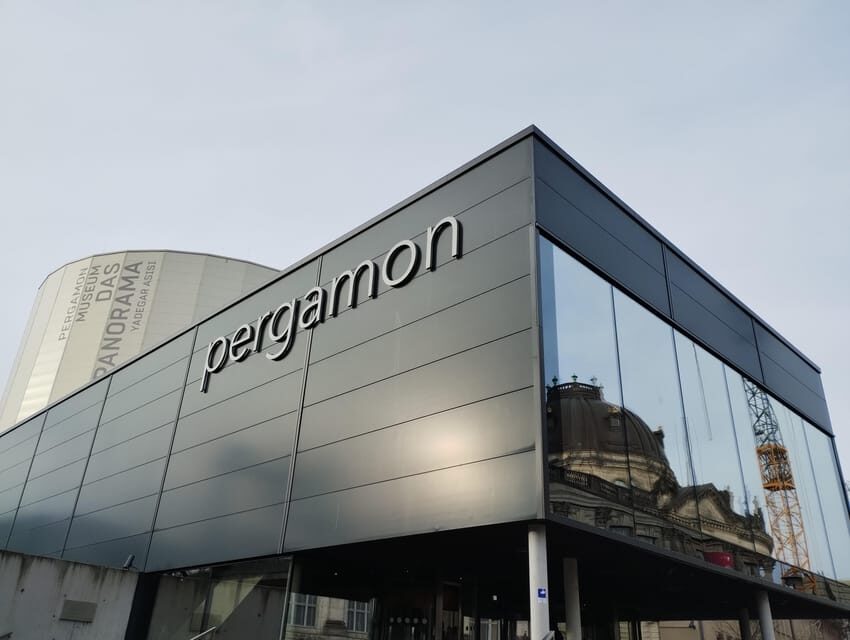
Berlin can be a lot of museum names and hard dates if you try to DIY it. This kind of guided walking tour works because it turns a cluster of impressive architecture into a timeline you can actually walk through. You’re not just looking at stone and domes; you’re connecting places to decisions, regimes, and rebuilding efforts.
I especially like that you get a local guide, not a script. That matters most when the tour starts touching the GDR government district and the shifting political use of the area. The guide’s job is to explain why buildings exist where they do and what you’re seeing as a result, and they do it in a way that keeps moving.
If you want the highlights without the chaos of planning, this is built for you: a small group, a focused route, and a finish at a major museum landmark so you can keep exploring afterward.
You can also read our reviews of more walking tours in Berlin



Meeting point and the first walk: getting your bearings fast
You’ll start at Donkey Republic, which is an easy landmark if you’re arriving near the center. The actual handoff is at the U Bhf Rotes Rathaus metro station, exit A (in the direction of Rathausstr./Spandauer Str./Schloßplatz). Look for a guide holding the Get Your Guide – You in Berlin flag.
From there, the early pacing is smart. You head toward Nikolaiviertel, a historic pocket of the city that’s great for easing into the walk. It’s not about rushing to a photo spot. It’s about understanding the river setting and how Berlin’s old core relates to the big museum zone that comes next.
Practical tip: set your phone to offline maps before you start. The route is straightforward, but you don’t want to fight your signal while your guide is explaining why a certain corner matters.
Nikolaiviertel to Museum Island: the river route that sets context
One reason this tour feels coherent is that it uses the Spree as a thread. You’ll cross and move along the river in the early part, which helps you understand why the museum island sits where it does. Berlin’s center isn’t just a grid of streets; it’s shaped by water, bridges, and crossings.
As you walk through the area toward Museum Island, you’ll get a sense of the “ensemble” effect. The museum buildings aren’t random; they’re a designed group. That’s exactly what you miss if you only pop into one museum.
Also, you’re in a small group (limited to 10). That keeps the pace human. You can hear the guide and still have time to glance around without feeling like you’re in a long line.
The UNESCO Museum Island segment: seeing five museums as one story
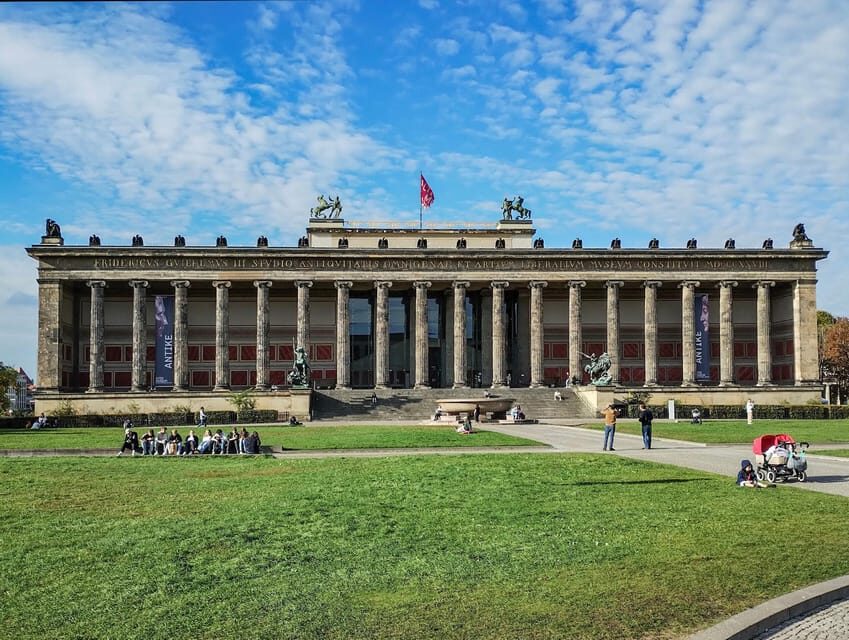
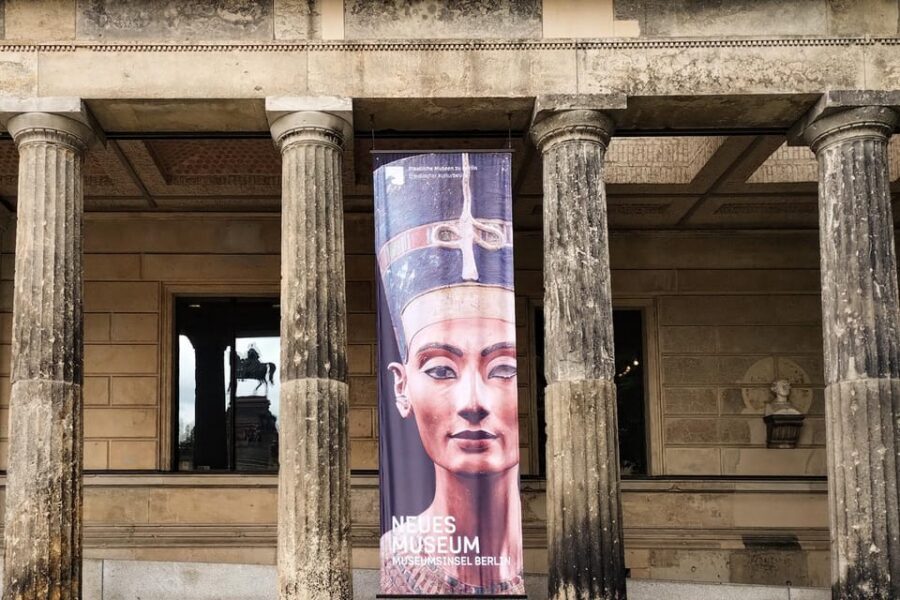
At Museum Island, the tour focuses on the bigger picture. You’ll stroll through the UNESCO World Heritage listed museum complex and pass by five of the UNESCO World Heritage-listed museums.
Here’s the value: the buildings were designed in different eras, but the area was planned as a cultural statement. A walking guide helps you notice the differences that otherwise blur together—how architectural styles line up, how the whole ensemble reads when you’re standing in the right places, and how the museum island became a cultural center over time.
You’ll also get practical orientation. Even if you later decide to enter a museum, you’ll already know where you are in relation to the rest of the cluster. That’s a huge time-saver, because Berlin museum planning can get overwhelming quickly.
One consideration: this part is more about seeing and learning from the outside and the immediate surroundings than about going inside each museum. If you’re hoping for long time in any single museum, you may want to book a separate ticket for the one or two that grab you most.
Lustgarten and the Berlin Cathedral: the landmark stop you’ll remember
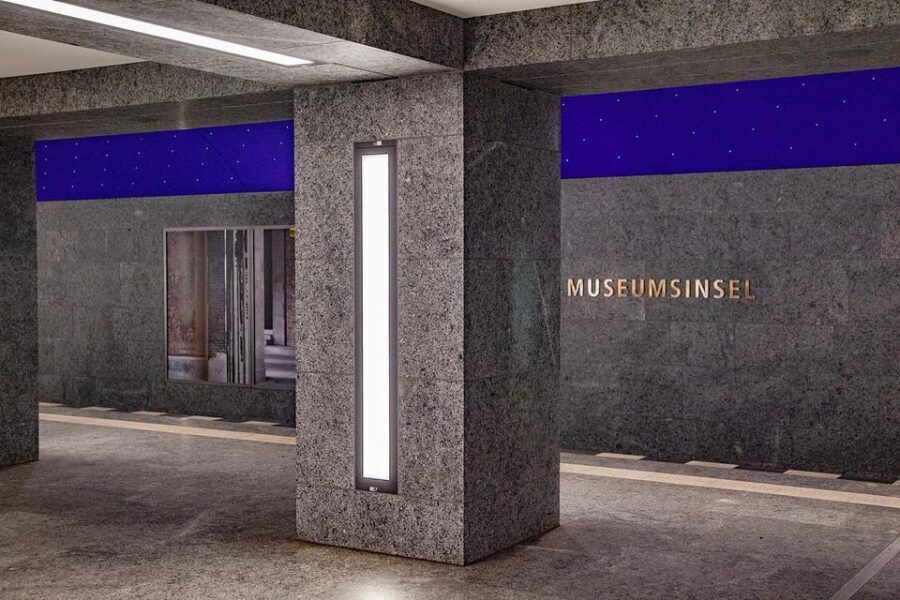
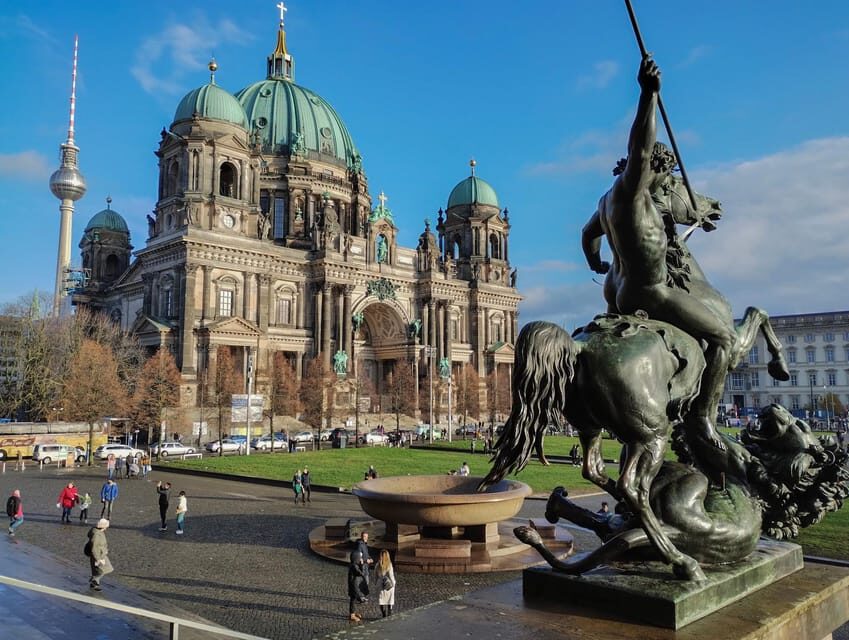
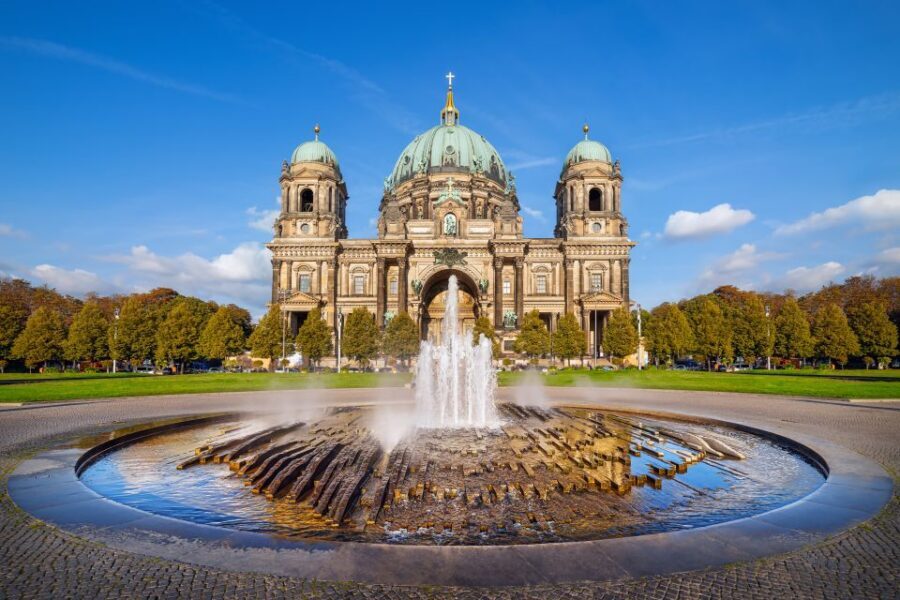
Then comes one of the easiest “wow” moments in central Berlin: the Lustgarten area and the monumental Berlin Cathedral.
This is the segment that makes the walk feel like it has a pulse. You move from the museum island’s cultural framing to a more civic, public-space feel around Lustgarten. The guide’s explanations help you understand how this area has served as a stage for major moments—so the cathedral stops being just a photo backdrop.
A cathedral is big, but the experience depends on vantage points. Being on foot means you naturally see it from multiple angles as you move through the Lustgarten area. That’s not something you get from one quick photo stop from a bus window.
If you’re a first-timer in Berlin, this is a great anchor. It gives you a mental landmark you can use later when you’re mapping Berlin in your head.
You can also read our reviews of more guided tours in Berlin




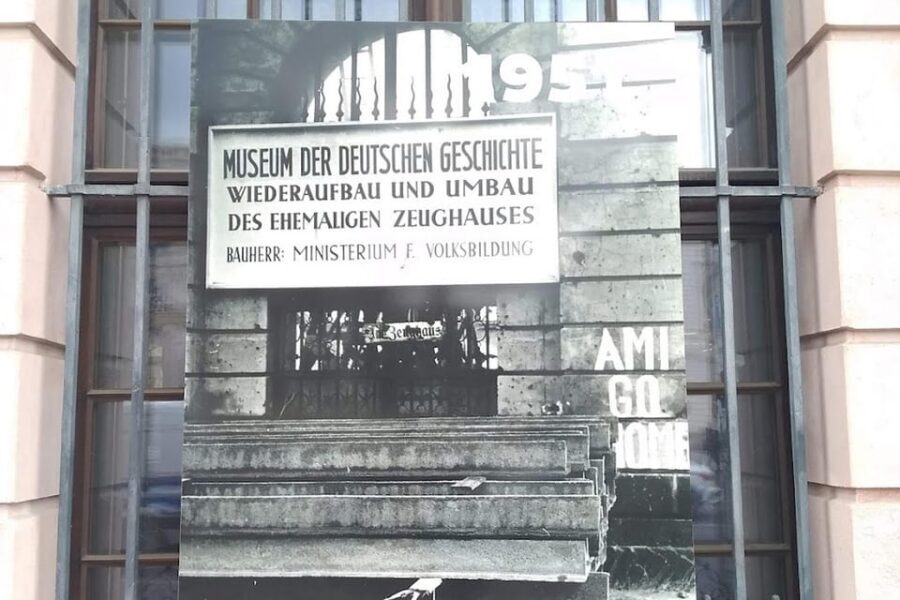
Former GDR government district: how the political past shows up in streets
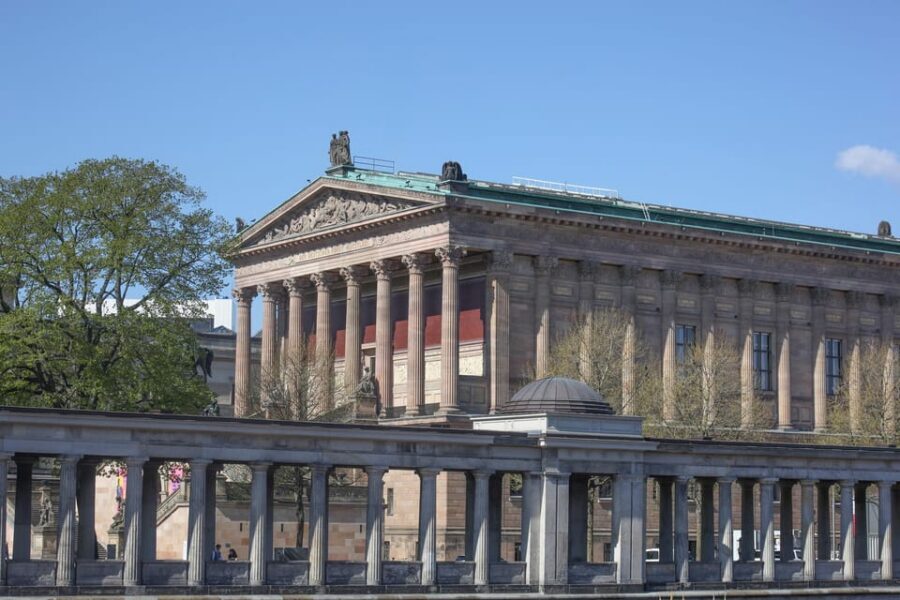
One of the most interesting parts of Berlin is that you can still read the past on the ground. This tour includes a walk through the former GDR government district of the GDR, and the guide connects what you see to what happened here.
What makes this valuable is the way it turns architectural and urban form into a story about power. Streets, building sizes, and placement all reflect political intent. With a good guide, you start spotting those cues without needing a lecture.
This segment is also where your “list of sights” becomes “understanding.” Berlin’s history is complex, and it’s easy to reduce it to slogans. A local guide helps keep it grounded: what the place was used for, how the city changed, and why certain areas feel the way they do today.
Small consideration: the tour is only 2 hours, so this part gives you insight, not an essay. If you want maximum detail about the GDR era, think of this as your orientation—then build from there using your interests.
Historical harbor and the ship lock: Berlin shows a maritime side
After the main museum-and-government focus, the route shifts toward water again. You’ll head to Berlin’s historical harbor and ship lock, with old ships docked nearby.
This is a welcome break from the monumental stone. It also makes sense geographically: the museum island isn’t far from the river systems that helped Berlin grow and function. The guide’s pacing keeps it moving, so you get the maritime context without losing time.
If you like contrasts—cathedral to harbor, politics to ships—this part is for you. It’s also a good reminder that Berlin’s identity isn’t only museums and memorials. It has working-water bones too.
What you’ll want here: patience with photos. This is the part where you may want to slow down for one more look at the lock area and any docked ships. Just don’t let it stretch your group pace if the guide is still pulling you forward.
Humboldt Forum finish: a clean landing point for more exploring
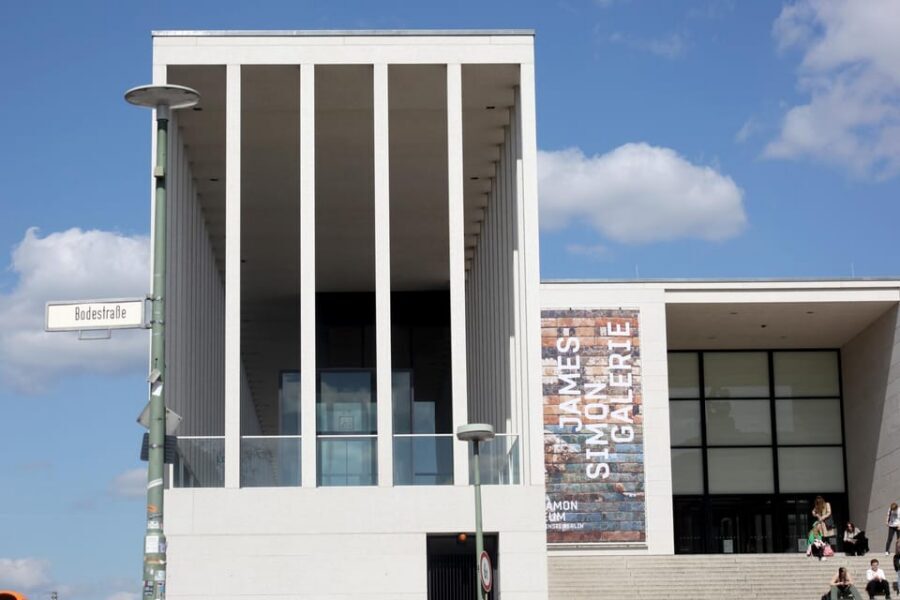
The tour ends outside the Humboldt Forum, which focuses on human history, art, and culture. Finishing here makes practical sense. You’re placed at another major destination in the center, so you can decide on the spot what to do next.
If you’re the type who likes to keep moving, you can pair this tour with extra museum time after. If you prefer a more relaxed pace, you’ve still got a strong sense of where you are and why the area matters.
Also, ending at Humboldt Forum helps you tie the cultural thread together. The walk starts in older urban fabric, moves into the museum island’s planned cultural identity, and then closes with a modern institution explicitly focused on human history and art.
Price and value: is $43 for 2 hours fair?

At $43 per person for a 2-hour guided walking tour, the value depends on what you want from Berlin time.
You’re paying for three things:
- A live local guide who explains the “why,” not just the “what”
- A small group size (limited to 10), which keeps the experience personal enough to ask questions
- A route that links Museum Island, Lustgarten, the former GDR government district, and the harbor/ship lock in one coherent arc
If you’d otherwise spend your time hopping between attractions using no context, this price can feel like a shortcut. Berlin’s sights are strong, but their meaning often needs a translator—whether that translator is written guides, videos, or a person.
If you speak fluent German, you’ll get the full effect of the live commentary. If you don’t, you can still enjoy the sights and the general structure, but you may miss some of the story that makes the tour stand out.
One timing note: the tour can run a little longer in practice. If you have a tight reservation right after, I’d pad your schedule.
Who should book this tour (and who might not)
This is a good fit if:
- You want a focused walk that hits Museum Island + Lustgarten + Berlin Cathedral without juggling tickets
- You like guided context, especially around the GDR government district and how Berlin changed
- You prefer small-group pacing over a big bus crowd
- You enjoy short sightseeing “missions” that help you map the city quickly
You might want a different option if:
- You want to spend most of your time inside multiple museums (this tour is built more around exterior viewing and walking explanations)
- You only want English commentary and don’t want to manage through a German-only tour
Tour day tips that make it smoother
- Wear comfortable shoes. The walk is a sightseeing route, and you’ll be on your feet.
- Dress for weather. The tour runs rain or shine, and it’s scheduled on public holidays too.
- If you’re the type to take lots of photos, factor in extra seconds at Lustgarten and the harbor area.
- Keep your expectations realistic: 2 hours goes fast. Use the walk for orientation and insight, then choose museum time based on what grabs you most.
Should you book the Berlin Museum Island guided walking tour?
If you’re looking for a practical way to understand central Berlin—especially the museum island cluster, the Lustgarten area, the former GDR government district, and the river-harbor setting—this is a strong booking.
The biggest reason to choose it is the combination of a small group and a guide who keeps the story moving. When you get good local guidance, Museum Island stops being just impressive architecture and becomes a readable timeline. For $43, that’s a sensible way to spend a couple of hours in the city center—then keep exploring with better instincts.
If you’re staying in Berlin for only a short time, book this early. You’ll thank yourself when you try to navigate the rest of the city afterward.
FAQ
How long is the Museum Island guided walking tour?
It lasts 2 hours.
What is the meeting point for the tour?
Meet at the exit of the metro station U Bhf. Rotes Rathaus, exit A, in the direction of Rathausstr./Spandauer Str./Schloßplatz. The guide will be holding the Get Your Guide – You in Berlin flag.
What sights are included during the walk?
You’ll see the Lustgarten and Berlin Cathedral, wander around UNESCO Museum Island (passing five UNESCO-listed museums), visit the former GDR government district, and head to Berlin’s historical harbor and ship lock. The tour ends outside the Humboldt Forum.
Is the tour in English?
No. The live guide language listed is German.
What group size should I expect?
The group is small, limited to 10 participants.
What’s the price and can I cancel?
The price is $43 per person. Free cancellation is available up to 24 hours in advance for a full refund. There’s also a reserve now & pay later option.