REVIEW · BERLIN
Berlin: Sachsenhausen Concentration Camp Guided Tour
Book on GetYourGuide →Operated by On the Front Tours · Bookable on GetYourGuide
Sachsenhausen is heavy, but it’s handled with care. On this small-group tour near Berlin, I like how the guide links the camp’s development to the broader Nazi concentration camp system, while still focusing on daily prison life and human resilience. You’ll get picked up at Park Inn Berlin Alexanderplatz, ride out together, and then walk the sites in a clear order that helps your brain keep the timeline straight. One drawback to consider: with a 5-hour total time, you may want more time to linger inside the exhibitions.
Two things I really appreciate. First, the tour doesn’t stop at big-picture history; it explains the “how” of the system, including where Sachsenhausen fit as an early prototype. Second, the guide’s tone stays respectful and sensitive, which matters a lot when you’re walking through places tied to starvation, torture, forced labor, and murder. Still, be ready for a day that’s emotionally intense and mostly outdoors, since it runs rain or shine.
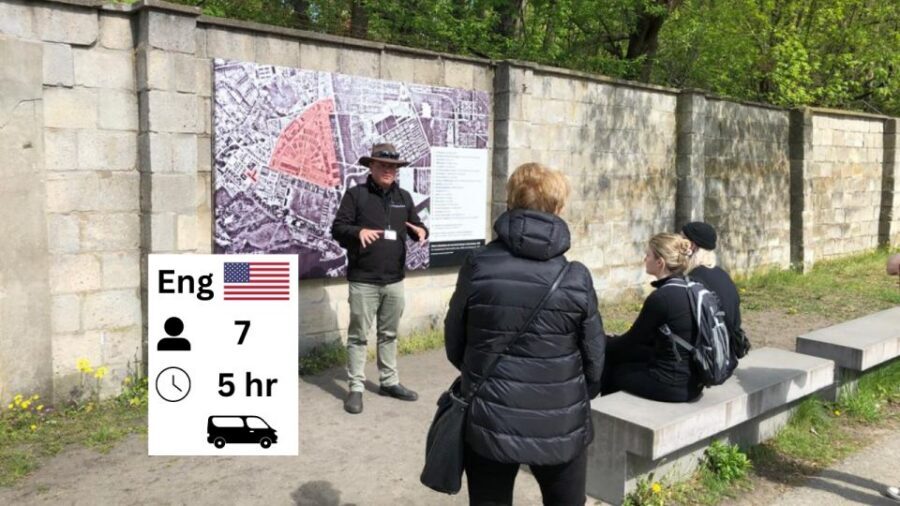
If you’re coming from Berlin, this format is practical. The pickup and drop-off are centered, the group stays small (limited to 7 people), and you’re not wasting time hunting down logistics or translation help—live English guidance is part of the deal. For anyone who wants only a light overview, this isn’t that kind of outing.
In This Review
- Key things to notice before you go
- From Alexanderplatz to Sachsenhausen: the ride that sets the tone
- Entering the SS administrative world at Sachsenhausen’s main gate
- Seeing the daily machinery: roll call and the shoe testing track
- The Jewish sector: barracks you can walk through
- Cell block secrecy: British POWs and “special inmates”
- A short break at the kitchen and the exhibition of camp items
- Special Camp No. 7: what happened after the Nazis
- Station Z: execution, gas chamber, crematorium, and the Final Solution
- The infirmary and medical experiments
- Price and value: what you get for $115 in 5 hours
- How to prepare so you don’t feel steamrolled
- Who this tour fits best
- Should you book this Sachsenhausen guided tour from Berlin?
- FAQ
- How long is the Sachsenhausen tour from Berlin?
- Where do we meet for pickup?
- Is the tour only outside, or do we go into buildings?
- Is there a guide, and what language is it in?
- How big is the group?
- Is it wheelchair accessible?
Key things to notice before you go
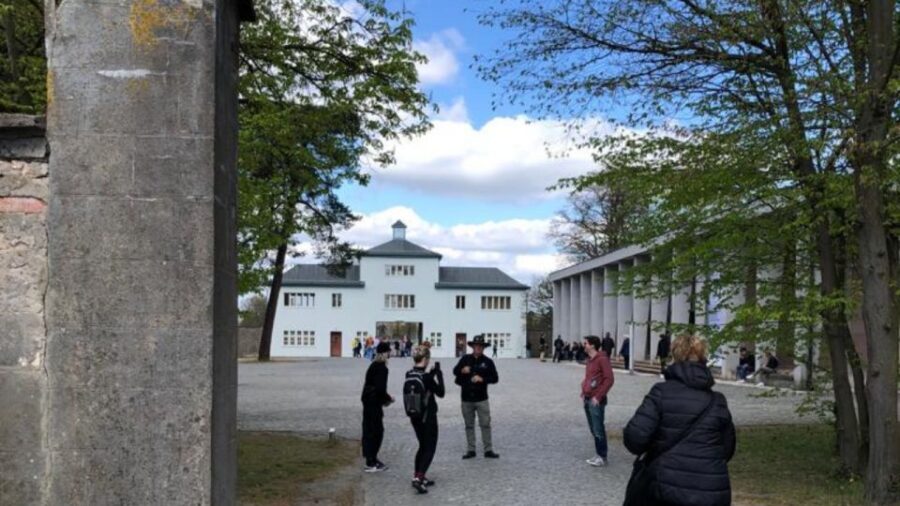
- Small group (max 7): easier questions and a less rushed feel while you move through painful spaces
- Camp-to-camp context: you’ll hear how Sachsenhausen became a prototype for later Nazi camps
- Clear route through major sites: entrance, roll call area, Jewish sector, cell block, and the post-war section
- Station Z focus: execution site, gas chamber, and crematorium are treated as part of the systematic killings
- Post-war story included: Soviet use as Special Camp No. 7 and what it meant afterward
From Alexanderplatz to Sachsenhausen: the ride that sets the tone
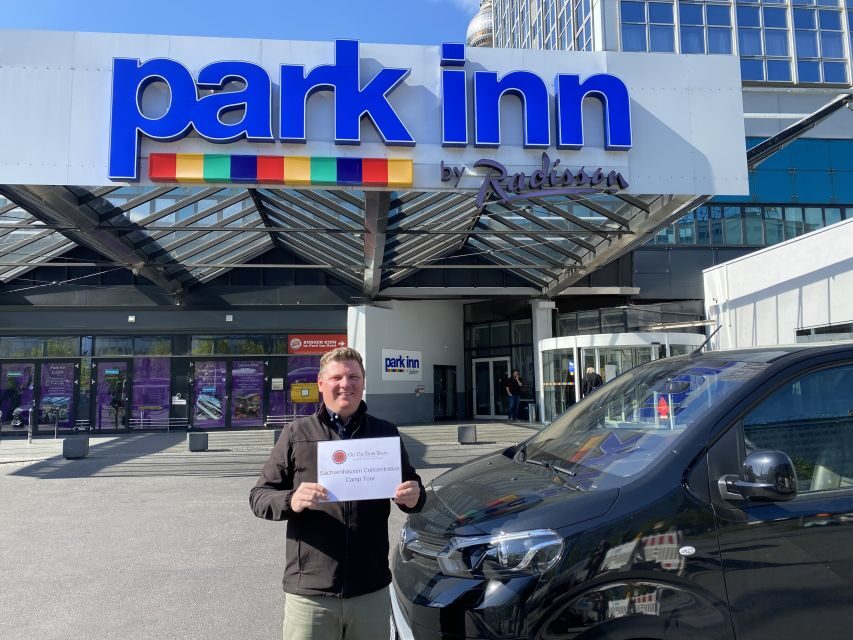
I like starting at a place that’s easy to find: Park Inn by Radisson Berlin Alexanderplatz. You meet at the hotel’s taxi pickup/drop-off point, then the tour runs by van with about a 30-minute ride to the memorial site.
That drive matters more than you might think. You start with a quick framing of the Nazi concentration camp methodology—how the system worked in practice, not just what happened in the end. If you’ve only seen Holocaust history in textbooks, this opening helps you recognize the links between policy, administration, and what prisoners endured day to day.
The van is also where you get your basics handled. Your ticket includes a bottle of water, and you’re told the tour runs rain or shine, so plan for damp weather and cold air if it’s cool out. In my view, that’s part of respecting the day: you’re there to witness history on the ground, not to chase comfort.
You can also read our reviews of more guided tours in Berlin


Entering the SS administrative world at Sachsenhausen’s main gate
Once you arrive, the first challenge is mental, not physical. The memorial is organized like a route through a once-functioning system, and the guide sets expectations so you can focus instead of getting lost.
You’ll walk through the main entrance and be taken through the SS Concentration Camps Inspectorate, described as the administrative and managerial authority for the entire camp system of the Third Reich. This is the part many tours gloss over. I like it here because it explains something crucial: concentration camps weren’t chaotic places run by whim. They were managed institutions.
Then comes the entrance area: you pass under Tower A and the words ARBEIT MACHT FREI. That sign is famous for a reason, and here it lands differently. It’s not just a piece of propaganda—it’s a piece of the cruelty machine, the idea that “work” could somehow be a path out. You’ll see how the guide ties that message to the lived reality on the other side of the gate.
Seeing the daily machinery: roll call and the shoe testing track
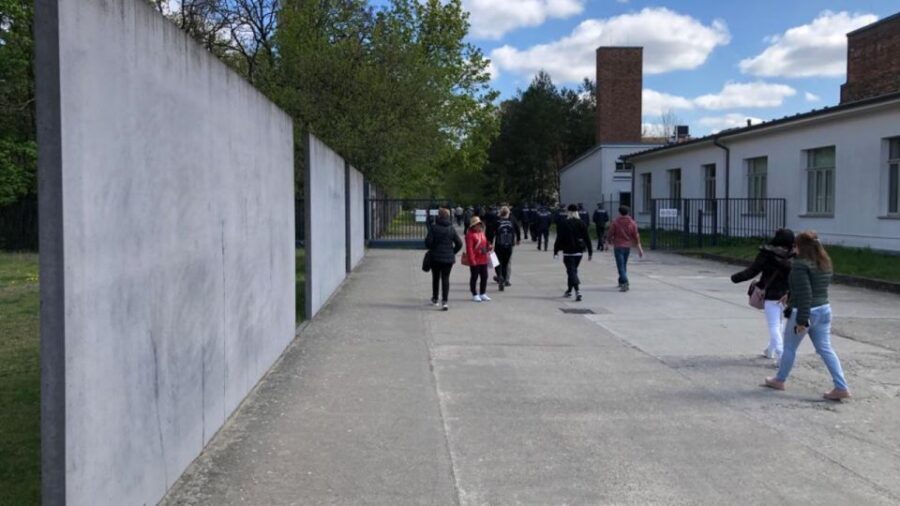
After the gate, the tour shifts from administration to routine. You’re introduced to the daily cycle inside the camp, including morning roll call and the feared shoe testing track.
I find that these smaller, specific details do the heavy lifting. When you hear about roll call in the abstract, it can feel like another historical term. Here, it’s presented as a repeated ritual tied to control, humiliation, and survival pressure. Same idea with the shoe testing track: it’s easy to think of it as one ugly episode, but the guide helps you understand it as part of the system’s obsessive enforcement of exploitation.
This is also where a small group helps. With a limit of 7 participants, you can ask how the routine worked or what certain spaces were used for, without having to wait until the end.
The Jewish sector: barracks you can walk through
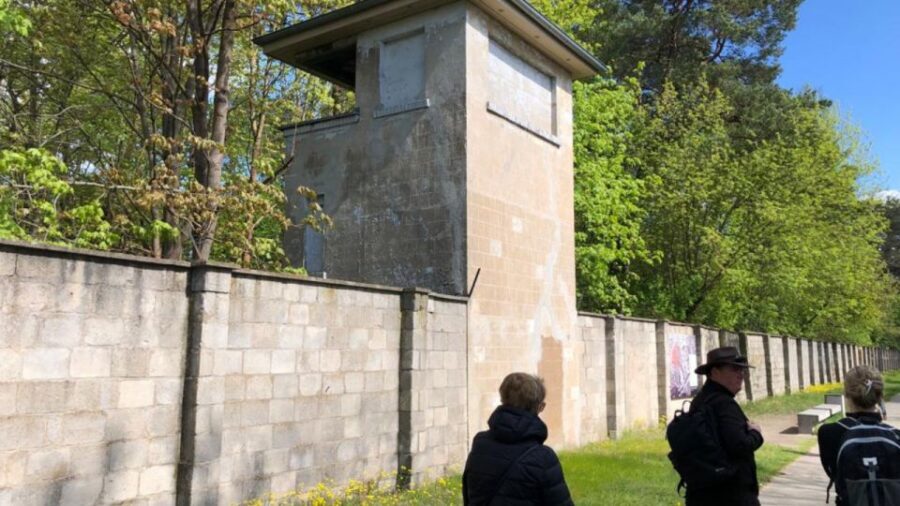
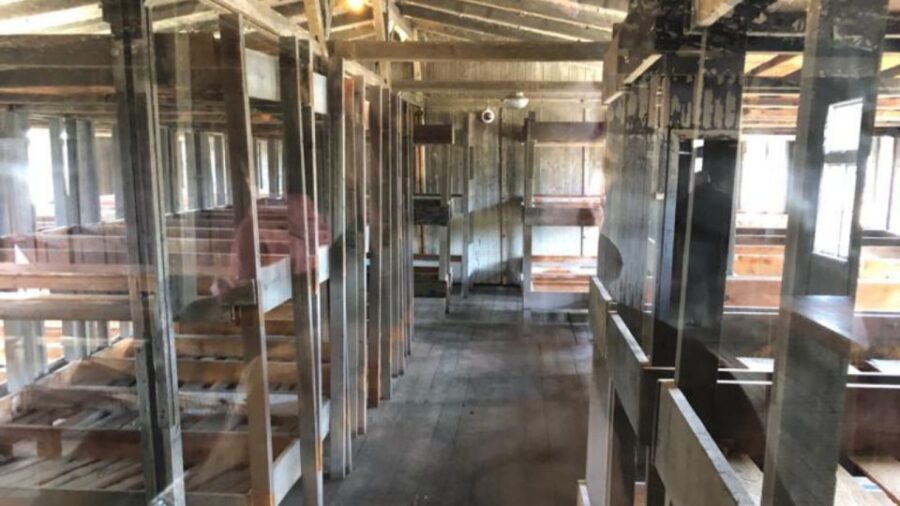
Next you’ll move through the Jewish sector of the camp. The emphasis is on understanding the living conditions, including the sense of overcrowding in the barracks.
This is the section where I recommend slowing down mentally. The guide’s job here is to make sure you don’t turn the space into a photo stop. You walk through the barracks as a physical reminder that prisoners weren’t just killed in the abstract—they were held in conditions designed to crush people.
If you care about learning how policy becomes daily life, this area is one of the most important stops.
Cell block secrecy: British POWs and “special inmates”
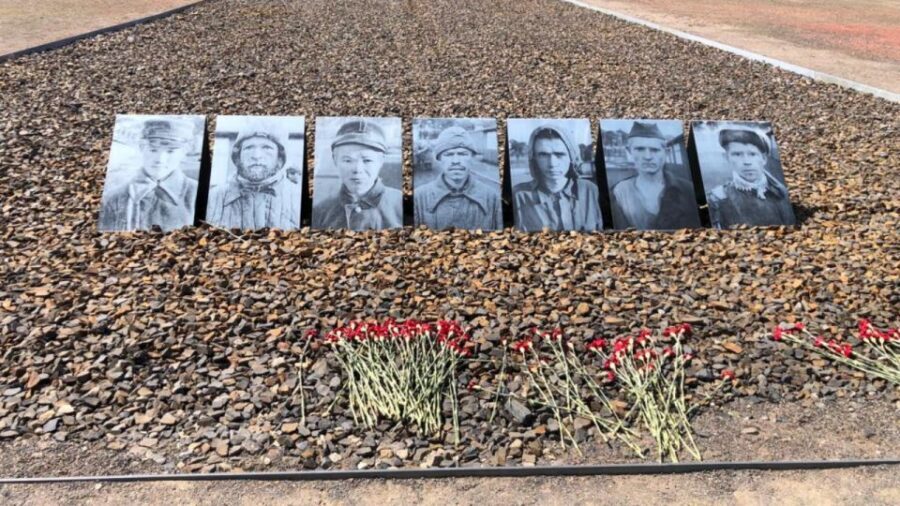
Then the tour goes to the camp cell block, described as a site shrouded in secrecy and linked to cruel mistreatment. You’ll also learn about who was held there, including British POWs and “special inmates,” including Stalin’s son.
That mix of prisoner categories matters. It reinforces how the camp system targeted different groups under different justifications, but used similar machinery of control. I appreciate when a tour doesn’t treat the Holocaust as one isolated story. The explanation here keeps the focus on how the camp system functioned across different groups.




A short break at the kitchen and the exhibition of camp items
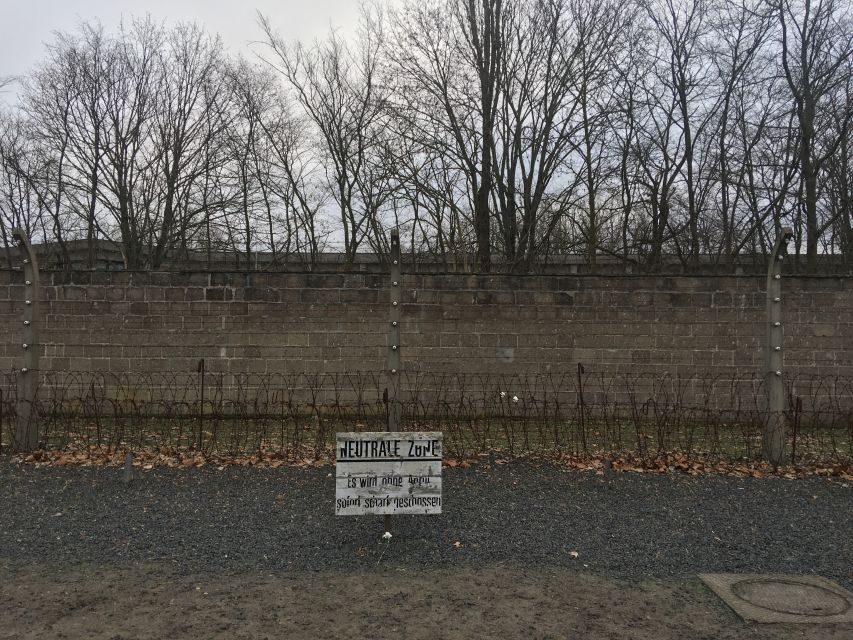
At the camp kitchen, the tour gives you a practical pause. The guide allows time for a short break and restroom use, which is smart on a tour that’s outdoors and emotionally draining.
You’ll also get to explore an exhibition of camp items, including prisoner drawings still visible on the walls. That detail hit me because it refuses to let you think only in terms of suffering. Prisoner art in a place like this isn’t a decoration. It’s evidence of minds trying to hold onto humanity even when everything else was stripped away.
Special Camp No. 7: what happened after the Nazis
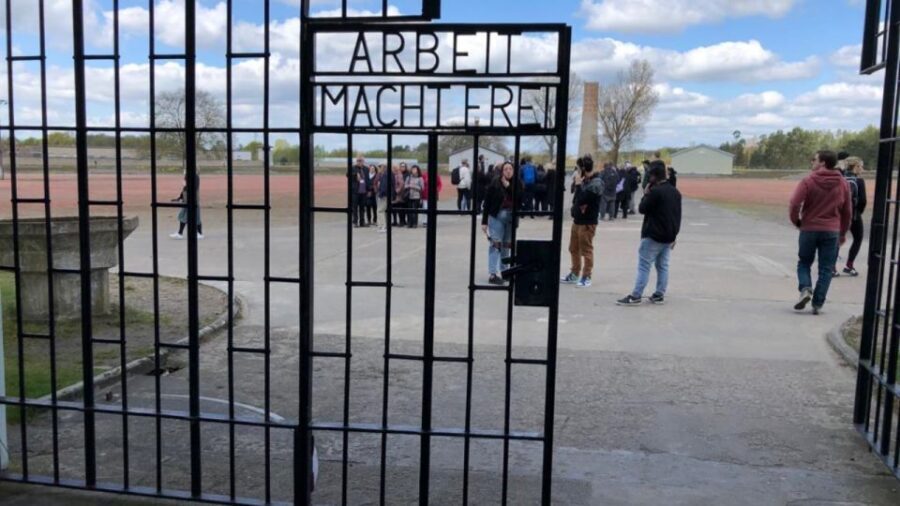
One of the more important parts of this tour is that it doesn’t stop in 1945. You’ll learn about the camp’s post-war use by the Soviet Union, known here as Special Camp No. 7.
The tour notes that the camp stayed in use holding 60,000 prisoners, including German POWs, convicted war criminals, and political prisoners. You’ll also discuss continued prisoner mistreatment, post-war conservation efforts, and how these events shaped impacts on modern Germany.
In my opinion, this section is valuable because it gives you a fuller view of how “liberation” doesn’t automatically mean safety. The tour still keeps a respectful tone, but it makes room for the uncomfortable truth that violence doesn’t simply turn off when one side loses.
Station Z: execution, gas chamber, crematorium, and the Final Solution
After the post-war period, the route brings you to Station Z, described as the camp’s execution site, along with the gas chamber and crematorium. This is where the tour explicitly addresses the Nazi Final Solution and the systematic murder of prisoners.
I’ll be direct: this is the section that hits the hardest. The guide’s role becomes especially important here—keeping the focus on facts, on the victims, and on the reality that this wasn’t random brutality. It was organized.
If you’re sensitive to heavy topics, give yourself permission to pause mentally. Take breaks when you can. In a small group, you won’t feel like you have to “keep up” every second.
The infirmary and medical experiments
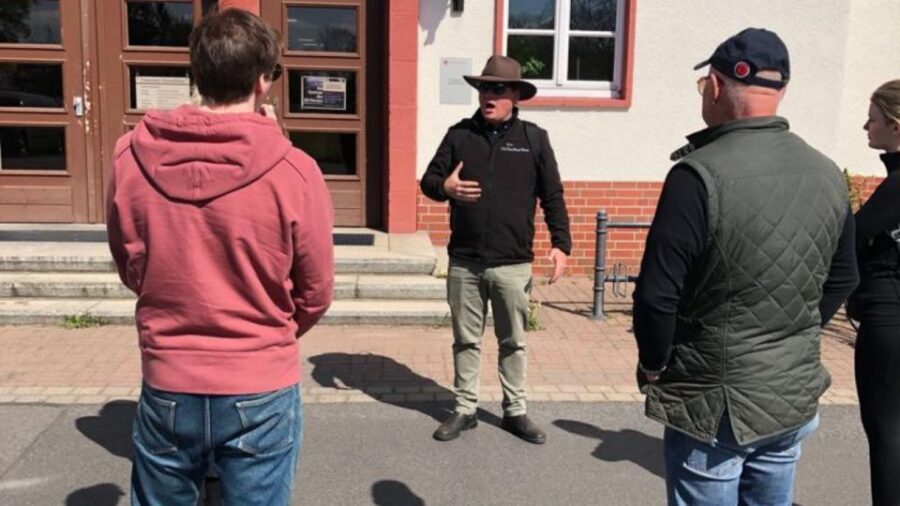
Before leaving, you pass through the camp infirmary, where prisoners were subjected to medical experiments.
This is another moment that connects ideology to outcomes. It shows you that human beings were treated as instruments, not patients. It’s also a reminder of how institutions—scientific and administrative—can be turned toward harm when ethics are removed.
Walking out after this section feels like a different kind of fatigue than tired feet. It’s mental weight.
Price and value: what you get for $115 in 5 hours
At $115 per person for a 5-hour experience, this isn’t a cheap activity. But I think the value is strong for the type of visit you’re making.
Here’s why. You get pickup and drop-off from central Berlin at Alexanderplatz, plus transport by van, and a live English guide who provides continuous context while you’re moving through the site. On top of that, the ticket includes a meaningful contribution to the camp memorial, which matters for long-term preservation of a site you’re relying on for accurate, educational storytelling.
You also get a small group with a limit of 7 participants. That’s a practical quality upgrade, not just a comfort perk. It means less waiting, more chances to ask questions, and a more guided pace.
Now, the main consideration: time. One person noted they’d like more time in the indoor exhibits and suggested a longer format. That lines up with the structure here: the tour walks through many key locations in a relatively fixed window. If your priority is maximum time in displays, you might feel slightly rushed.
How to prepare so you don’t feel steamrolled
This is a tour where planning pays off. The official advice is simple: wear comfortable shoes and bring snacks. Since it runs rain or shine, dress in layers and expect damp ground and cold wind.
A small, practical suggestion: bring a day-pack with what you need so you’re not constantly scanning for things while you’re processing what you see. You’ll also have restroom access around the kitchen stop, so you don’t need to worry about that every hour—just plan for the long stretches between major areas.
And when you can, ask questions. The small group format is built for that. You’re paying for guidance through a complex site, and questions help you connect the dots between what you’re seeing and the mindset behind how it was built.
Who this tour fits best
This is best for you if you want an organized, guided route that covers both the Nazi concentration camp system and Sachsenhausen specifically—down to key areas like the entrance, daily routine spaces, Jewish sector, cell block, Station Z, and the post-war Soviet period.
It’s also for you if you care about understanding motivations and mindsets—both guards and prisoners—instead of staying at the level of dates and labels. The tour is designed to help you grasp how the system operated and why people survived in the ways they did.
If you’re hoping for a quick photo-and-walk experience, I’d steer you elsewhere. This is a place where the point is learning and remembrance, not sightseeing.
Should you book this Sachsenhausen guided tour from Berlin?
I’d book it if you want a structured, English-guided visit with central pickup, a small group, and coverage that goes beyond the obvious headlines. The memorial contribution, the careful route through major sites, and the inclusion of the Soviet “Special Camp No. 7” chapter make it feel like a complete learning experience rather than a checklist.
I’d think twice if you know you struggle with long, emotionally heavy tours or if you’re the kind of person who needs extra time in exhibitions. With 5 hours, you may want more indoor browsing time than the schedule allows.
If you go, go prepared: good shoes, snacks, and the mindset that this day is about serious history and careful remembrance. You’ll leave with a clearer grasp of how the concentration camp system worked—and how endurance persisted even in the worst conditions imaginable.
FAQ
How long is the Sachsenhausen tour from Berlin?
The tour lasts 5 hours total.
Where do we meet for pickup?
You meet at the main entrance taxi pickup/drop-off point at Park Inn by Radisson Berlin Alexanderplatz.
Is the tour only outside, or do we go into buildings?
You walk through multiple camp areas and you also stop for a short break at the kitchen area where you can explore an exhibition of camp items.
Is there a guide, and what language is it in?
Yes. It’s a live guided tour in English.
How big is the group?
It’s a small group limited to 7 participants.
Is it wheelchair accessible?
Yes, the tour is listed as wheelchair accessible.