REVIEW · BERLIN
Berlin: Classical Concert at Kaiser Wilhelm Memorial Church
Book on GetYourGuide →Operated by Prague Classics s.r.o. · Bookable on GetYourGuide
A church concert can turn a normal night into a moment.
Here, you’re in Berlin’s Kaiser Wilhelm Memorial Church listening to big-name classics with a program that stays focused for about 70 minutes. What makes it appealing is the mix: strings and voice plus organ writing that hits hard in a space like this.
Two things I especially like. First, the sound experience: the church setting does a lot of work for you, so even if you don’t read music, you still feel the drama. Second, the program choice is smart and varied—baroque through late classical, with highlights like Bach, Mozart, and Beethoven paired with organ pieces.
One thing to consider: this isn’t always a full symphony orchestra in the way you might picture. Based on what people noted, it can be a smaller ensemble, and your seat can affect how much you enjoy the organ staging and visibility.
In This Review
- Key things to know before you go
- Kaiser Wilhelm Memorial Church: the setting that shapes your listening
- The performers: Berlin Orchestra plus solo stars (and a chamber feel)
- What a 70-minute concert feels like (and why it’s good value)
- The program, piece by piece: what each highlight is doing
- Vivaldi: The Four Seasons (Spring and Summer)
- Mozart: Requiem, Lacrimosa
- Bach: Toccata and Fugue in D minor + Air on the G String
- Schubert: Ave Maria
- Händel: Largo from Xerxes
- Beethoven: Symphony No. 5, Allegro
- Mozart: Salzburg Symphony K136, Allegro
- Widor: Toccata, Symphony No. 5
- Seating, acoustics, and how to enjoy the organ without stress
- Before you go: dress, comfort, and what to plan around
- Price and what $27 buys you in Berlin terms
- Who should book this concert?
- Should you book this Berlin classical concert?
- FAQ
- How long is the concert?
- Where does the concert take place, and when should I arrive?
- What kind of music is included?
- Is there a dress code?
- Is the venue wheelchair accessible?
- Are unaccompanied minors allowed?
Key things to know before you go
- A focused 70-minute program makes it easy to fit into a Berlin evening without committing to a whole night out
- Organ spotlight is a real part of the experience, not just an add-on
- Standout soloists include Thai soprano Duangamorn Fu, violinist, and organist Vladimir Magalashvili
- Big recognizable hits like Mozart and Beethoven sit next to lesser-known favorites (like Händel’s Largo)
- Church acoustics matter, and a few people wished for a bit more clarity depending on seating
- No dress code, but you’ll want to dress for sitting still in a church (air-conditioned in summer)
Kaiser Wilhelm Memorial Church: the setting that shapes your listening

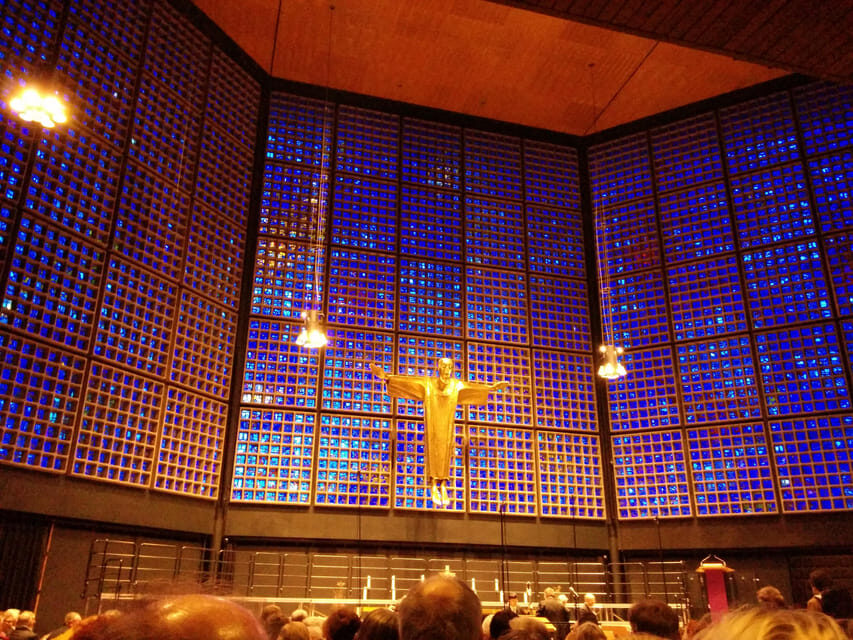
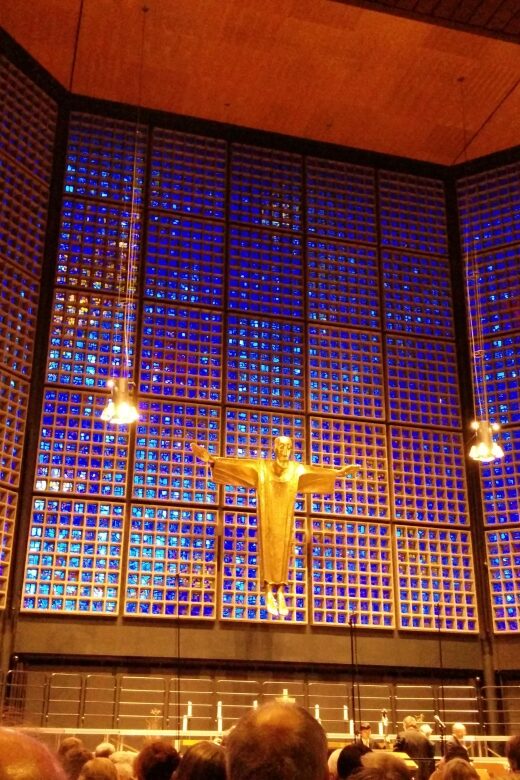
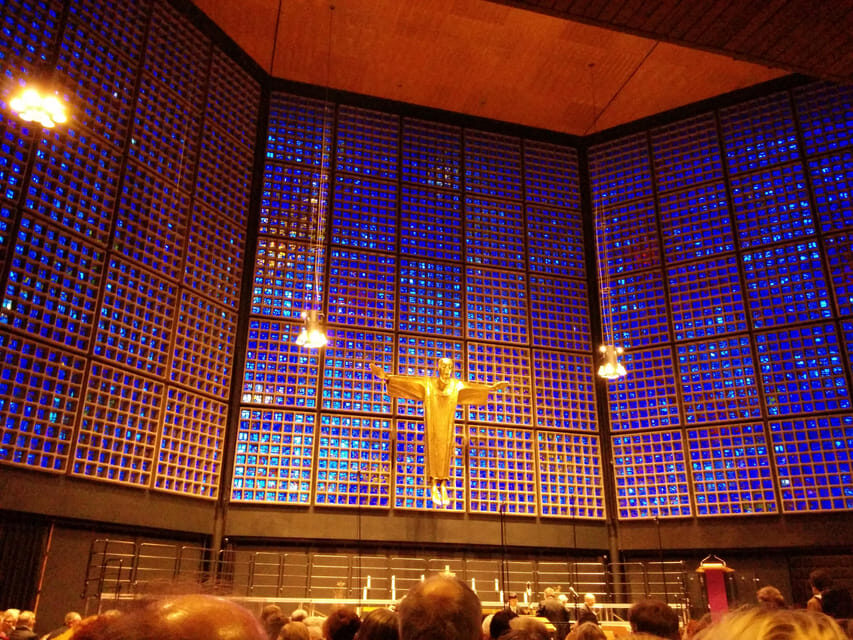
This concert happens in one of Berlin’s most recognizable churches—the Kaiser Wilhelm Memorial Church. Even if you’ve walked past it before, a performance inside is different. The room changes how music feels: long notes hang in the air, dramatic passages sound bigger, and the organ carries weight in a way that feels physical.
The church itself mixes old and new. That matters because it helps explain why the sound can feel both haunting and bright at the same time. One review specifically called out the venue’s haunting beauty, and that matches what this kind of space tends to do: it makes you listen differently. You’re not only hearing the notes. You’re experiencing the architecture working as an instrument.
In summer, the venue is air-conditioned, which is a very practical detail. Church concerts are often cool conceptually, but in real life you still deal with standing crowds outside and warm air inside. Here, you can plan on being comfortable once you’re seated.
You can also read our reviews of more tours and experiences in Berlin

The performers: Berlin Orchestra plus solo stars (and a chamber feel)

The event is billed around the Berlin Orchestra, and you’ll also hear three notable soloists: Duangamorn Fu (soprano), Vladimir Magalashvili (organ), and a violin soloist alongside the ensemble. That lineup is a big part of the appeal because the vocal and instrumental colors don’t just decorate the music—they lead it.
One thing people noticed is that the instrumental forces may be more chamber-sized than a full, large symphony setup. That can be a plus for you. With smaller forces, you often get a more intimate balance—details come through, and the performers can shape phrasing with precision. If you’re expecting a huge blockbuster orchestra, you might feel surprised, but if you like clarity and close listening, this setup can work well.
The organ deserves special attention. Multiple comments pointed to it as a favorite moment. That makes sense because the program includes works that are built for an instrument like this—especially organ writing that can fill the room even when the rest of the ensemble is relatively small.
What a 70-minute concert feels like (and why it’s good value)
You’re in the hall for about 70 minutes total. That shorter runtime is not a minor detail in Berlin. Many evenings here run long—dinner drifts, transit takes time, and museum hours are capped. A concert like this is a clean plan: you get culture, emotion, and a clear end point.
At around $27 per person, the value comes from a few things happening at once:
- You’re paying for a live performance in a major landmark venue
- The program includes multiple recognizable composers—Vivaldi, Bach, Mozart, Beethoven—so first-timers aren’t stuck with obscure material
- You get both ensemble music and organ pieces, which makes the evening feel like more than one type of concert
Also, you receive a printed program. It sounds small, but in classical concerts it helps you follow transitions—especially when the program goes from strings to organ to soprano.
One small practical note: there’s no food or drinks included. So if you want to avoid hunger creeping in, eat before you go, or plan a drink after.
The program, piece by piece: what each highlight is doing
The exact set can change, but this is the kind of program you should expect. Here’s how the listed pieces work together so you know what you’re walking into:
Vivaldi: The Four Seasons (Spring and Summer)
Vivaldi’s Four Seasons is often the “easy yes” on a concert ticket, and for good reason. It’s vivid, rhythmic, and generally understandable even without lyrics. In a church setting, the fast string passages can feel sharp and bright, while the slower stretches land with a more dramatic echo.
And yes: if you’ve heard the theme before, that recognition is part of the fun. It’s a friendly entry point that keeps your brain engaged.






Mozart: Requiem, Lacrimosa
Then the mood shifts. Lacrimosa is one of those pieces that carries weight even if you only catch it for the first time. It’s emotional, and the soprano and strings (plus the hall’s acoustics) can make it feel larger than a concert hall “screening” you’d do on headphones.
This is a smart placement in a concert. It reminds you that classical music isn’t only about beauty. It’s about stakes.
Bach: Toccata and Fugue in D minor + Air on the G String
Bach gives you both sides of his personality. The Toccata and Fugue in D minor is bold and architectural—like sound built out of lines and angles. After something intense like that, the Air on the G String acts like a breather. It’s often the piece people remember afterward because it’s so lyrical and calm, even when you can’t name every chord.
If you want a night where you feel variety without losing focus, this Bach pairing does it.
Schubert: Ave Maria
Schubert’s Ave Maria tends to create instant atmosphere. It’s accessible, tender, and very good for a room like this. With a soprano voice in play, it can feel surprisingly direct—less “performance from far away,” more like the music is speaking to the audience.
Händel: Largo from Xerxes
The Largo from Xerxes is another slow, beautiful moment that balances the faster writing around it. It’s the kind of piece that helps you settle into the hall sound and stop thinking about timing, schedules, or translations. If you’re going solo or just want to relax into an evening, this helps.
Beethoven: Symphony No. 5, Allegro
Then Beethoven kicks the door open: Symphony No. 5 (Allegro) is instantly recognizable and rhythmically forceful. It’s built to feel like momentum, and in a church space the impact can feel more dramatic.
Even if you don’t know the whole symphony, you’ll know what’s coming when the rhythm lands.
Mozart: Salzburg Symphony K136, Allegro
This one keeps things moving. It’s another Mozart “bright and organized” moment after Beethoven’s heaviness. The Allegro typically brings energy back to the room so the audience doesn’t drift.
Widor: Toccata, Symphony No. 5
This is the organ-focused closer you’ll be waiting for. Widor’s writing suits the vessel-like power of church organs: strong lines, dramatic swells, and a sense of architecture in the sound. If organ music is the main reason you chose this, don’t leave early. Stay for this.
Seating, acoustics, and how to enjoy the organ without stress
Acoustics in churches can be incredible, but they’re not identical from every seat. A couple comments suggested the acoustics could have been better, and others said it was fabulous. That tells me one thing: where you sit affects your clarity.
So here’s your practical strategy:
- If organ music is your top priority, try to pick seats where you can see the organ setup and still hear clearly
- Don’t assume every seat gives you the same balance between voice, violin, and organ
- If you care about sightlines, arrive a few minutes early so you can settle without rushing and without hunting for a better view at the last second
Also, a few people mentioned seats weren’t ideal or that moving closer would have helped for organ viewing. That points to the value of choosing a seat category carefully, if the booking lets you.
Before you go: dress, comfort, and what to plan around
The event has no official dress code, which is liberating. You can dress like you’d dress for a nice night out. Just remember you’ll be sitting for about an hour-plus, so wear something you’ll feel okay in.
One practical tip that came up in feedback: bring a hat or water. That’s not about the concert itself—it’s about how long you might wait outside in the lead-up and how warm lines can get in summer.
You should also arrive in advance of the start time. The meeting point is at the Kaiser Wilhelm Memorial Church, and the event ends back there.
Printed programs are included, so you won’t need to scramble for info mid-concert.
Price and what $27 buys you in Berlin terms
Let’s talk value in plain terms. $27 is a reasonable price for a concert in a major landmark venue, especially when your program includes multiple big composers and organ music.
What keeps it fair:
- You’re paying for a live performance (not a recorded soundtrack)
- The venue itself is part of what you’re buying
- You get a printed program and a full hour-plus of music
What keeps it from feeling overpriced:
- The concert doesn’t run too long, so you’re not paying for time you won’t use
- The repertoire is varied, so it works for classical fans and for first-timers who want recognizable names
Where it may not feel like a perfect deal:
- If you end up with a seat where you can’t see the organ clearly, you’ll still get the music, but you might not feel that “full experience” every moment
Who should book this concert?

This is a strong choice if:
- You want classical music without a marathon
- You like a program that ranges from baroque to Beethoven with clear emotional contrasts
- You’re curious about organ music and want it woven into the evening
- You’re in Berlin in summer and want an indoor plan that’s comfortable thanks to air-conditioning
It’s also good for music lovers who don’t want to memorize anything. You’re given the printed program, and the repertoire includes major touchstones like Vivaldi, Mozart, and Beethoven.
One caveat: unaccompanied minors aren’t allowed, so plan accordingly if you’re traveling with kids.
Should you book this Berlin classical concert?

If you want a night that feels classic, theatrical, and easy to fit into a Berlin itinerary, I think you should book it—especially for the organ moments and the mix of vocal + string + organ writing.
Do it if:
- You like recognizable works and want an hour-plus of high emotion
- You’re comfortable with a concert where the ensemble may feel chamber-sized rather than “massive orchestra”
Skip it (or pick seats extra carefully) if:
- You’re extremely sensitive about seating sightlines and plan to focus on watching the performers more than listening
- You were expecting a full, large symphony orchestra setup
If you choose your seat with both sound and sight in mind, this is one of those Berlin evenings that turns into a real memory, not just another ticket you used.
FAQ
How long is the concert?
The concert lasts about 70 minutes.
Where does the concert take place, and when should I arrive?
It takes place at Kaiser Wilhelm Memorial Church. Arrive in advance of the concert start time.
What kind of music is included?
The program includes works by Vivaldi, Mozart, Bach, Schubert, Händel, and Beethoven, plus Widor for organ. The exact program can change.
Is there a dress code?
There is no official dress code.
Is the venue wheelchair accessible?
Yes, the activity is wheelchair accessible.
Are unaccompanied minors allowed?
No, unaccompanied minors are not allowed.