REVIEW · BERLIN
Sachsenhausen Memorial: Walking Tour from Berlin
Book on GetYourGuide →Operated by Vive Berlin e.G · Bookable on GetYourGuide
Sachsenhausen is history that walks with you. A structured guided route turns this nearby memorial into something you can actually understand, not just look at. I really like how the tour links the camp’s layout to Nazi power—SS authority, forced subjugation, and the machinery of extermination—while friendly guides such as Fabio, Soleil, Lorenzo, Sueli, and Andrea are repeatedly praised for making the subject clear and human. The main drawback is the practical side: it’s a lot of walking, it takes a full day, and it starts promptly after train travel.
You’ll leave Berlin together by S-Bahn for about 35 km to Oranienburg, then spend roughly 3.5 hours walking inside the Sachsenhausen Memorial area. Expect heavy topics—political prisoners first, then Sinti and Roma, Jews, prisoners of war, and Jehovah’s Witnesses—plus the Soviet-run special-camp phase after World War II and the grim end-of-war death marches. Plan for no food on site and no lunch stop during the whole activity, so bring something for the train portion.
In This Review
- Key things you’ll notice on the Sachsenhausen walk
- From Berlin to Oranienburg: getting there without stress
- Sachsenhausen Memorial: why it hits hard (and why it matters)
- The 3.5-hour walking route: the camp’s control system in motion
- Tower A and the roll-call square
- Forced labor and punishment sites
- Prison barracks and rooms connected to medical experimentation
- The former kitchen (now a museum)
- Station Z, cremation sites, and the architecture of terror
- Beyond the camp walls: resistance, death marches, and the Soviet special-camp era
- What the guides do well: clear, empathetic interpretation
- Price and value: paying for the guide, the route, and the context
- Tour length, timing, and how to plan your day
- Who this tour is best for (and who should reconsider)
- Should you book this Sachsenhausen Memorial walking tour?
- FAQ
- How long is the Sachsenhausen Memorial walking tour from Berlin?
- How do we get from Berlin to the memorial?
- What language is the guide?
- Is there an extra donation at the memorial?
- Do I need a public transport ticket?
- Can I eat at the memorial?
- How much walking is involved and what should I wear?
Key things you’ll notice on the Sachsenhausen walk
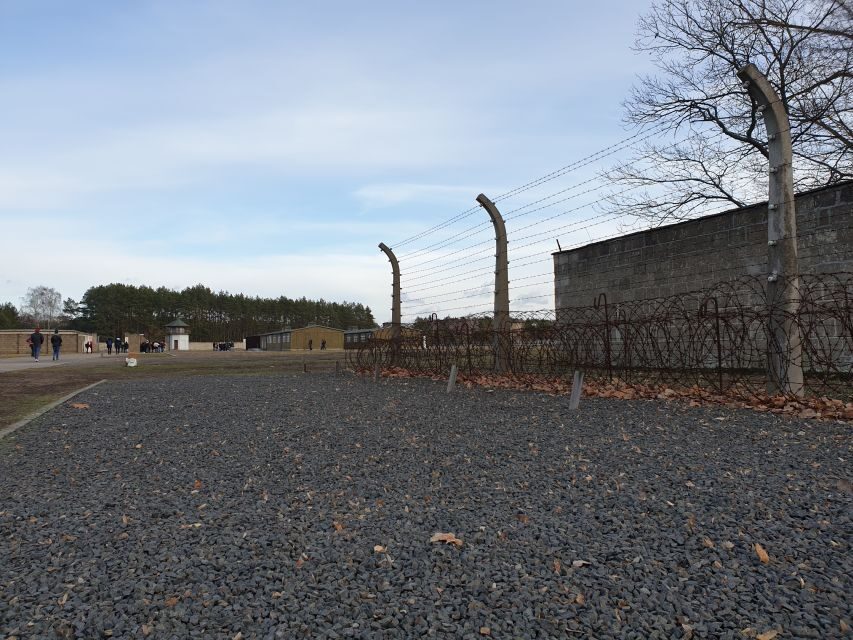
- The design is explained, not just shown: you’ll connect architecture to control, especially how the SS used space to dominate prisoners.
- Tower A and the roll-call square help you visualize daily coercion in a way photos can’t.
- Forced labor, punishment, and prison barracks give a grounded picture of how the system worked day after day.
- Station Z is confronted directly—the crematoriums and areas tied to execution are part of the route.
- A “model camp” story with consequences: Sachsenhausen is presented as a prototype for the broader camp system in Nazi Europe.
- Postwar Soviet detention is included: it’s not a one-period museum; the site continued operating under Soviet occupation.
From Berlin to Oranienburg: getting there without stress
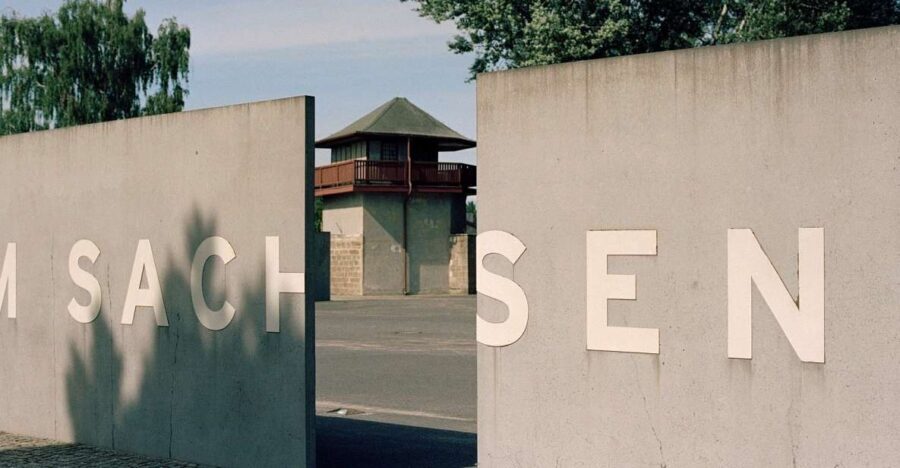
This tour is built around getting you to the right place at the right time. You meet in Berlin (the exact spot can vary by your option), get a short orientation, and then head north by S-Bahn to Oranienburg, the station closest to the memorial site—about 35 km away.
The key practical point: the group most likely leaves about 5 minutes after the official start time, and the guided tour begins promptly. If you arrive late, you can’t count on waiting. That matters more here than on casual city tours, because the schedule inside the memorial is fixed and the guide’s flow is part of how the interpretation works.
You can also read our reviews of more walking tours in Berlin



Sachsenhausen Memorial: why it hits hard (and why it matters)
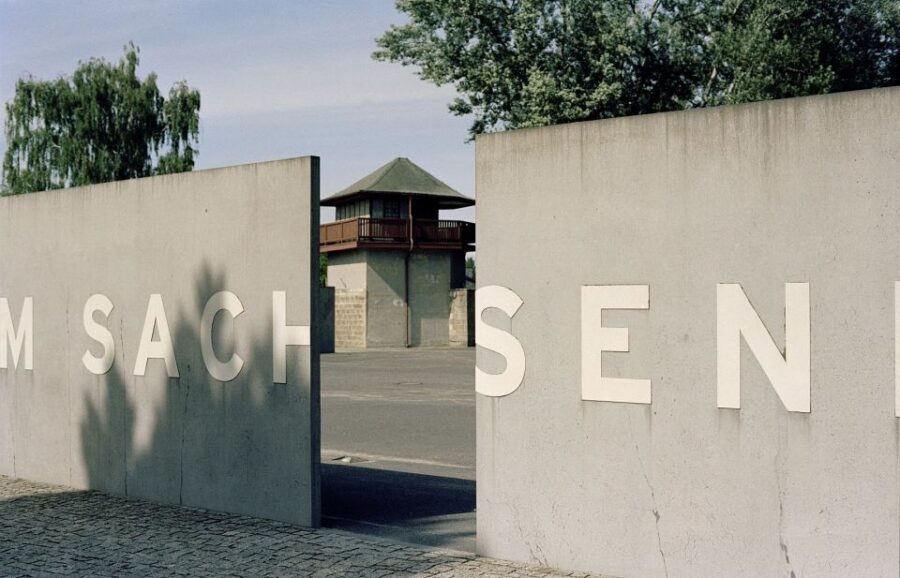
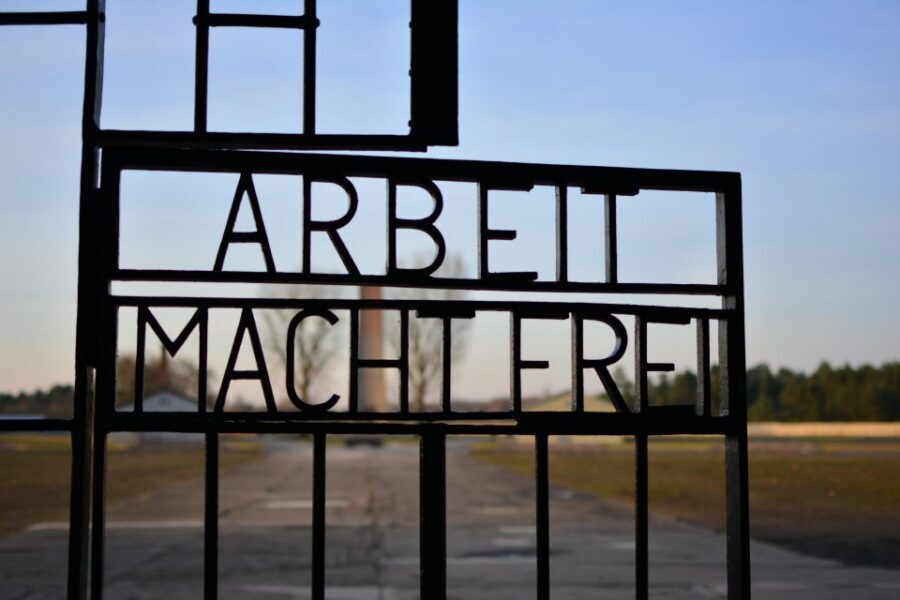
Sachsenhausen is often described as the concentration camp closest to the Nazi capital, and it’s not a label meant for drama. The tour frames it as a prototype—a camp whose structure and methods helped shape how other camps functioned.
Built in 1936, Sachsenhausen was among the first camps created by the Nazi regime. The tour explains how it started with political opponents and later expanded to other targeted groups: Sinti and Roma, Jews, prisoners of war, and Jehovah’s Witnesses. You’ll also learn that more than 40,000 people perished here under horrific conditions, which gives the visit a scale that you feel once you’re standing on the actual grounds.
One reason I respect this kind of guided walk: it doesn’t treat the camp like a set of isolated “sights.” The guide connects the dots—how physical space enforced control, how SS authority was turned into daily reality, and how the camp system linked exploitation and killing across Nazi-occupied Europe.
The 3.5-hour walking route: the camp’s control system in motion
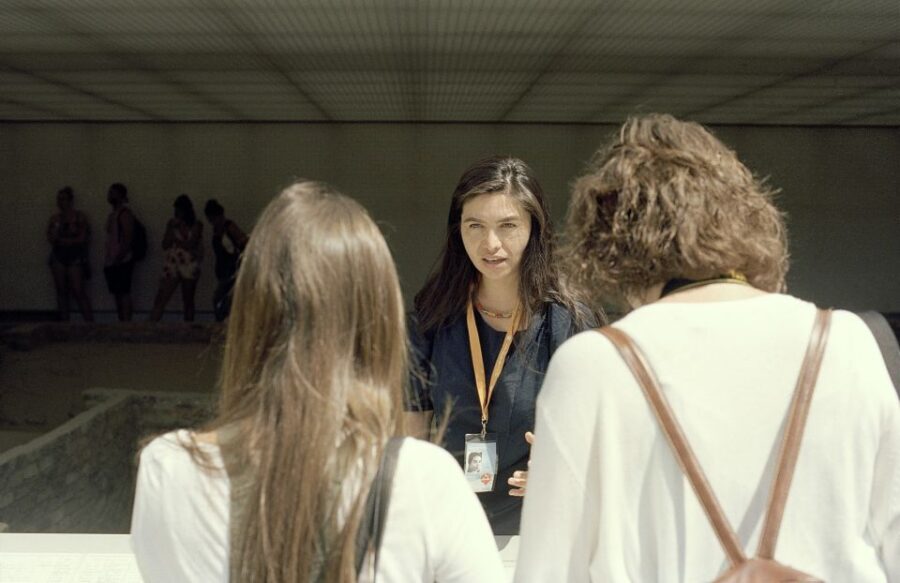
Once you reach Sachsenhausen Memorial, the walking tour is the heart of the day. It’s planned for groups up to 25, and the pace is focused—designed so you don’t just shuffle between points. The route highlights specific locations that explain the camp as a functioning machine.
Tower A and the roll-call square
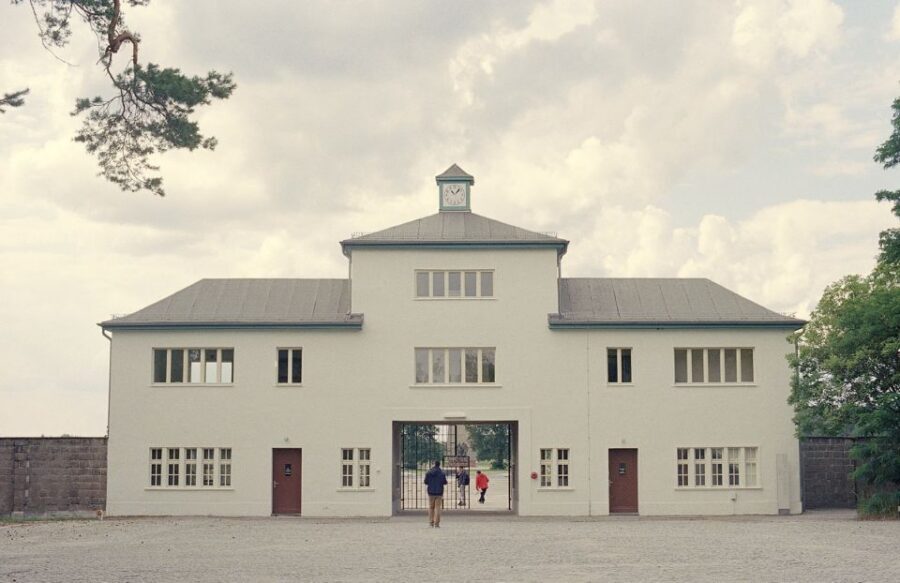
Tower A and the roll-call areas are where the idea of surveillance becomes concrete. The tour uses these points to show how the SS designed the site to enforce total subjugation—prisoners weren’t only punished; they were controlled through constant threat and visibility.
If you’ve ever wondered why camps feel so unnaturally organized, this is where the answer starts to form.
Forced labor and punishment sites
Next you’ll walk through areas tied to forced labor and punishment. The interpretation here is practical: what “work” meant, how discipline was built into the system, and how punishment supported the broader goal of breaking people.
This is the part where the tour can feel emotionally exhausting, but it’s also where understanding becomes real.





Prison barracks and rooms connected to medical experimentation
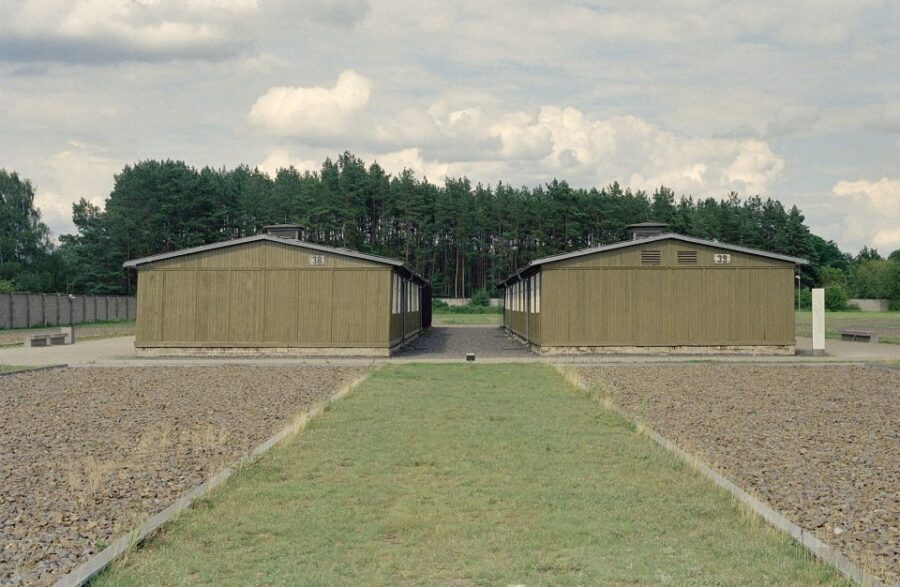
The route continues into prison barracks and spaces associated with medical experimentation. Even without graphic detail, the point is clear: Nazi cruelty wasn’t accidental. It was planned, institutional, and carried out within a framework of authority and bureaucracy.
Bring your own coping strategy. For me, it helps to slow down, read less ahead of time, and listen carefully to the guide’s explanations in small sections rather than trying to absorb everything at once.
The former kitchen (now a museum)
You’ll pass through the former kitchen area, now used as a museum space. This stop matters because it shifts your attention from punishment to the daily routines that made suffering routine.
It’s a reminder that the camp wasn’t only about executions. It was also about deprivation, routine control, and stripping people of normal life.
Station Z, cremation sites, and the architecture of terror
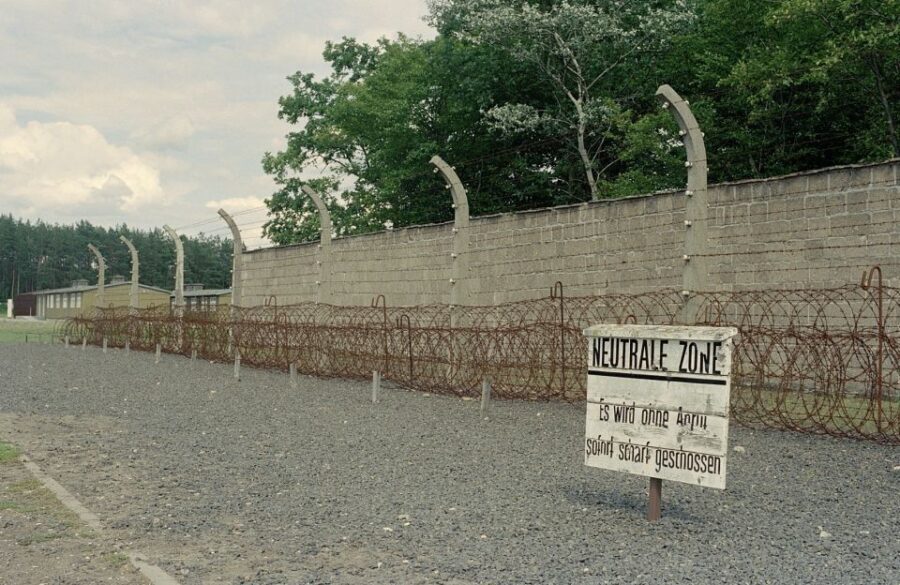
Station Z is one of the most difficult parts of the visit, and it’s included in the main route. This is where the tour addresses the areas tied to crematoriums and the mechanisms surrounding killing.
It’s also where the guide’s approach becomes especially important. The tour doesn’t leave you with vague horror; it explains the role of SS systems and the site’s design in carrying out terror efficiently. The layout is described as a tool—another way the camp operated like an engineered program rather than random brutality.
You’ll leave this portion feeling the weight of what was done here, and also understanding why memorial sites can feel both sobering and strangely structured. The structure is part of what you’re learning.
Beyond the camp walls: resistance, death marches, and the Soviet special-camp era
A good memorial tour ends up being more than a history lesson. It becomes a timeline that keeps extending.
Here, the guide covers:
- daily life in the camp and how prisoners tried to survive
- prisoners’ attempts at resistance
- death marches at the end of the war
- postwar history, including Soviet occupation and continued operation as a special camp
That last point is crucial. After World War II, under Soviet occupation, Sachsenhausen continued to operate as a detention site. The tour includes that thousands of people—former Nazis, political opponents, and civilians—were detained, and many died of hunger and disease.
This gives the visit an honest shape. You don’t just learn about the Nazi regime’s machinery; you also see how the site’s function could continue after the original perpetrators were gone.
What the guides do well: clear, empathetic interpretation
The experience lives or dies with the guide, and this tour clearly invests in interpretation. The memorial walk is led by qualified professionals, and the language options include French, Italian, and English.
Across recent bookings, names like Fabio, Soleil, Lorenzo, Sueli, and Andrea come up for their ability to explain complex events clearly and with empathy. Even when the subject is extremely hard, a good guide helps you understand what you’re looking at without turning it into cold facts.
You’ll also get context on how private industry connected to the brutal machinery, and how camps were portrayed in Nazi propaganda. That part helps you grasp the wider system, not just the camp itself.
Price and value: paying for the guide, the route, and the context
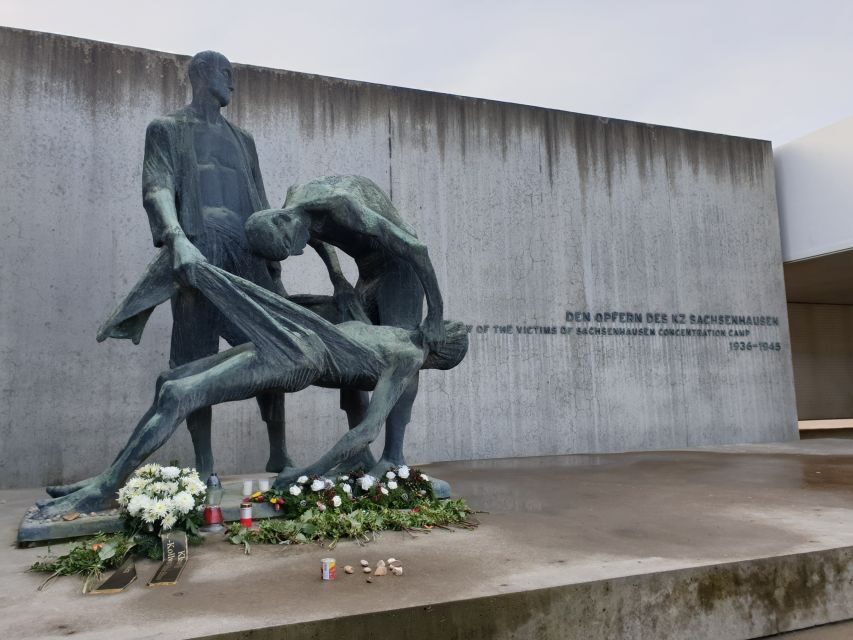
This tour is priced at $511 per group up to 6, and it’s designed as a guided day trip from Berlin that includes the walking tour and local transportation coordination. If you book it at the maximum group size, that works out to a little over $85 per person.
What that money typically buys you:
- a structured memorial walk (not a self-guided wander)
- a qualified guide who explains design, purpose, and timeline
- a group trip arrangement that gets you from Berlin to Oranienburg and back
What you still need to budget for:
- the €3 memorial donation required in cash at the meeting point
- Berlin public transport tickets for ABC zones (not included)
- your own lunch for the train portion, since eating isn’t permitted on the memorial site and there’s no lunch stop
For me, the value is in avoiding the common mistake of arriving and only seeing fragments. Sachsenhausen is large, conceptually complex, and emotionally intense. A guide turns it into a connected story you can actually follow.
Tour length, timing, and how to plan your day
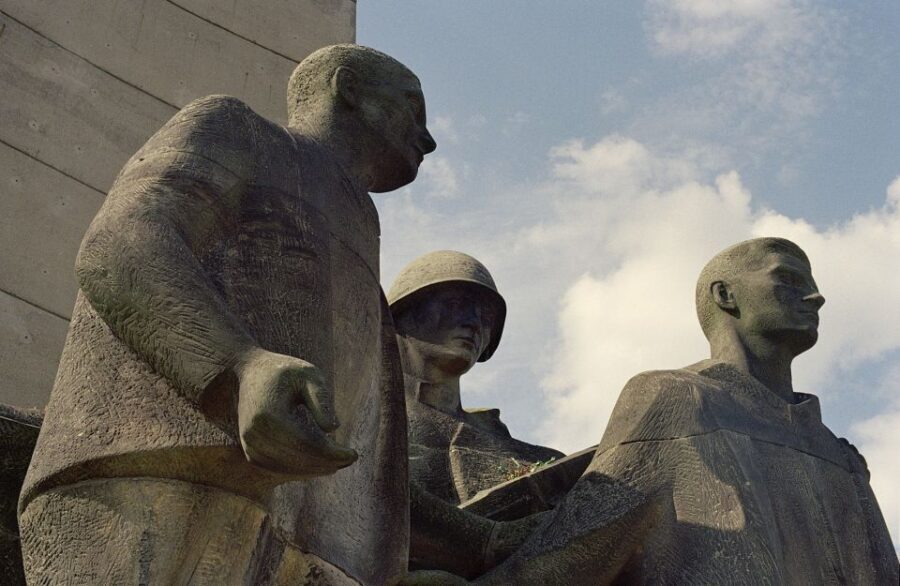
Total time is about 6 hours. In that window, you’ll do a little orientation in Berlin, travel by train, spend about 3.5 hours on the memorial walking tour, then return to Berlin together.
Here’s how to plan so you don’t feel rushed:
- Wear comfortable shoes. You’ll be walking quite a lot.
- Bring your own food for the train journey. Eating isn’t allowed on the memorial grounds.
- Dress for all weather. The tour happens outdoors across changing conditions.
And because the meeting and departure are prompt, give yourself buffer time to find the exact meeting spot and get onto the correct train.
Who this tour is best for (and who should reconsider)
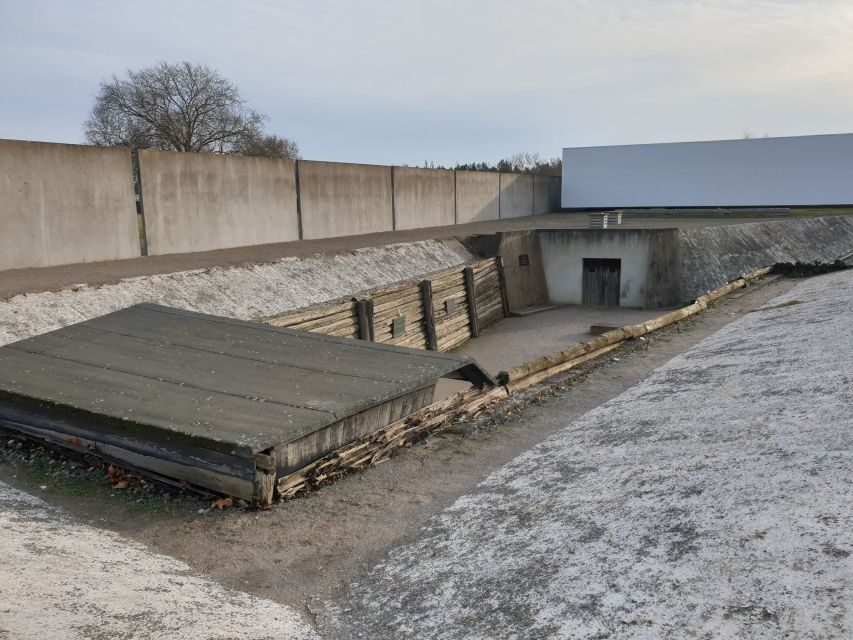
This tour is a strong match if you want:
- a guided, structured way to understand Nazi camp systems close to Berlin
- a route that includes both the camp’s design and the timeline beyond liberation
- interpretation that connects architecture to oppression (not just lists of facts)
It may be less suitable if you:
- prefer very light walking or short site visits
- don’t handle emotionally heavy history well (this is serious, and it stays serious)
If you’re the type who likes to understand systems—how institutions function—this kind of focused camp tour gives you more than sightseeing ever could.
Should you book this Sachsenhausen Memorial walking tour?
I think you should book it if you want clarity and context in a place that can otherwise feel overwhelming. The combination of a qualified guided route, a focus on how the camp was designed for SS control, and a timeline that includes forced labor, Station Z, resistance efforts, and the Soviet postwar phase makes this a meaningful day trip.
Just go in prepared: bring lunch for the train, plan for lots of walking, and be ready for a heavy experience that demands attention. If that fits your style of travel, this is one of the most worthwhile ways to learn Sachsenhausen from Berlin without losing the thread.
FAQ
How long is the Sachsenhausen Memorial walking tour from Berlin?
The full experience lasts about 6 hours, including train travel and the guided time at the memorial site.
How do we get from Berlin to the memorial?
You travel together by S-Bahn to Oranienburg, the nearest station to the memorial, about 35 km from Berlin.
What language is the guide?
The live guide language options are French, Italian, and English, depending on the selected option.
Is there an extra donation at the memorial?
Yes. All participants must pay a €3 memorial donation in cash at the meeting point.
Do I need a public transport ticket?
Yes. You need to buy a 24-hour ticket for Berlin’s ABC zones because public transport tickets are not included.
Can I eat at the memorial?
No. Eating is not permitted on the memorial site, and there is no lunch stop during the whole activity. Bring your own lunch for the train portion.
How much walking is involved and what should I wear?
This tour involves a lot of walking and takes place in all weathers. Wear comfortable shoes and dress for changing conditions.