REVIEW · BERLIN
Berlin: East and West Wall Tour by Bike with a Guide
Book on GetYourGuide →Operated by Bikegreen.de · Bookable on GetYourGuide
Berlin feels split and whole at the same time. This small-group bike tour threads you through East and West landmarks fast, with enough pauses to actually look. I like that it mixes iconic sights with calmer residential streets, so you see Berlin as people live it, not just as a postcard. I also like the clear before-and-now framing, which makes the city’s changes from 1900 to 1945 to 1990 feel real.
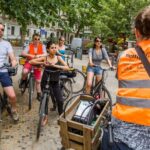
You’re looking at a 4-hour ride that’s active but not stressful: 20 km, flat, and mostly along bike lanes, inside parks, and on side streets. The guide is a native Berliner who’s been in the city over 25 years and studied history and political science, so your stops come with context, not random facts. One consideration: because it’s a compact route with lots of photo breaks, it won’t be the tour for people who want long, unhurried museum time.
The meeting point is easy to reach, the pace is designed for a range of ages, and even cold-weather gear is handled. If you want more solo roaming, you’ll still be close enough to swap into your own plans afterward since the tour loops back to where you started.
In This Review
- Key things to know before you ride
- Where East and West meet: the route concept in plain terms
- Price and value: what you get for about $33
- Getting there and meeting the guide at Cotheniusstraße 8
- What the ride feels like over 20 km (and why the pace works)
- Stop-by-stop: Friedrichshain, the Wall landmarks, and West Berlin icons
- Friedrichshain to Volkspark Friedrichshain (your first taste of East Berlin)
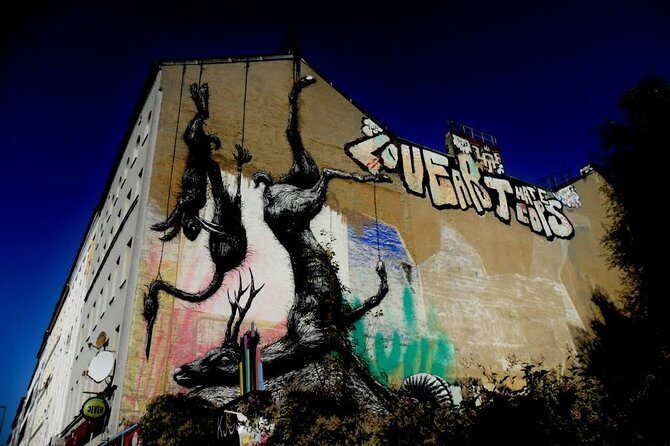
- East Side Gallery: Wall art and a classic Berlin photo moment
- Mitte and the old-meets-new sights: Alte Münze to Nikolaiviertel
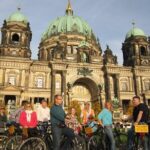
- Berlin Palace (Stadtschloss) area and Museum Island viewpoints
- Unter den Linden to Brandenburg Gate: the postcard stretch with context
- Tiergarten and Berlin’s big West Berlin silhouette lines
- Scheunenviertel and Märchenbrunnen: finishing with a playful Berlin note
- Christmas markets added onto the ride (when the calendar fits)
- Why the local bilingual guide changes the whole experience
- Bike types, families, and who this tour fits best
- E-bike note
- Should you book the East and West Wall bike tour?
- FAQ
- What’s the duration of the Berlin East and West Wall bike tour?
- How far do we ride?
- Are conventional bikes included in the price?
- Does the tour use a small group?
- Are helmets required?
- What languages are offered?
- Where is the meeting point?
- How do I get there by public transport?
- Is the tour suitable for kids?
- Is the tour family-friendly in terms of age range?
- Does it include Christmas markets?
Key things to know before you ride
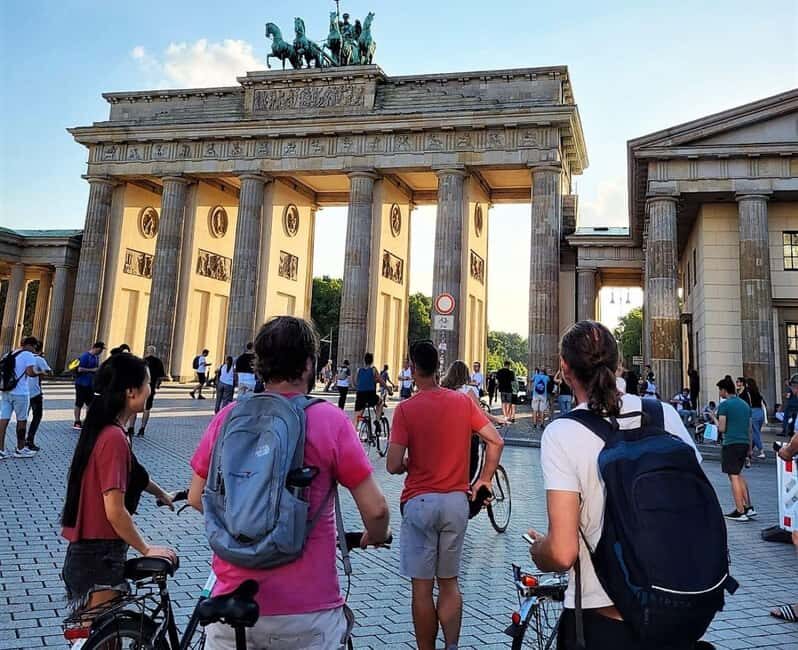
- Small group (max 10): you’ll get space to ask questions and keep stopping without slowing a crowd down
- 20 km, flat, mostly car-free: bike lanes, park paths, and side streets make the ride practical
- Photo-heavy route: East Side Gallery, Brandenburg Gate, Reichstag, Unter den Linden, and more
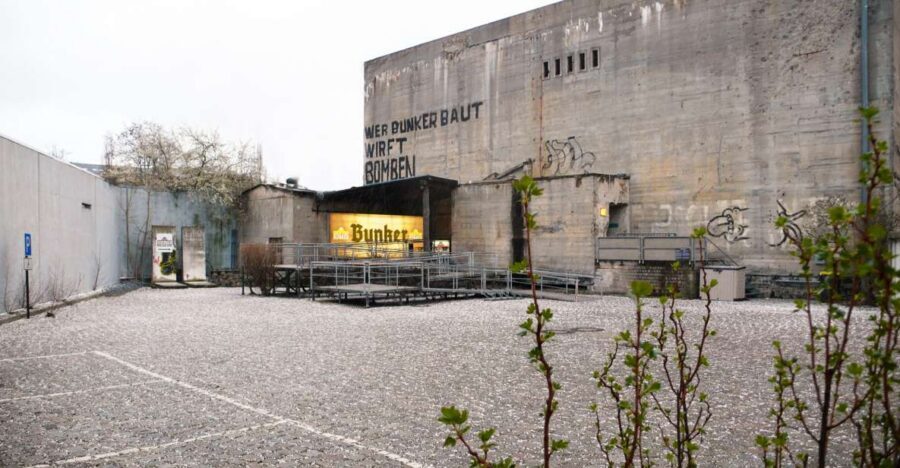
- Parks with history and personality: Tiergarten and Friedrichshain, plus a Grimm fairy-tale fountain and Nazi-era bunkers in the park area
- Kids and teens are welcome: kid bikes are available (min height 120 cm), with kids seats available free of charge
- Seasonal Christmas markets: the highlights include two famous market visits, so timing matters
Where East and West meet: the route concept in plain terms
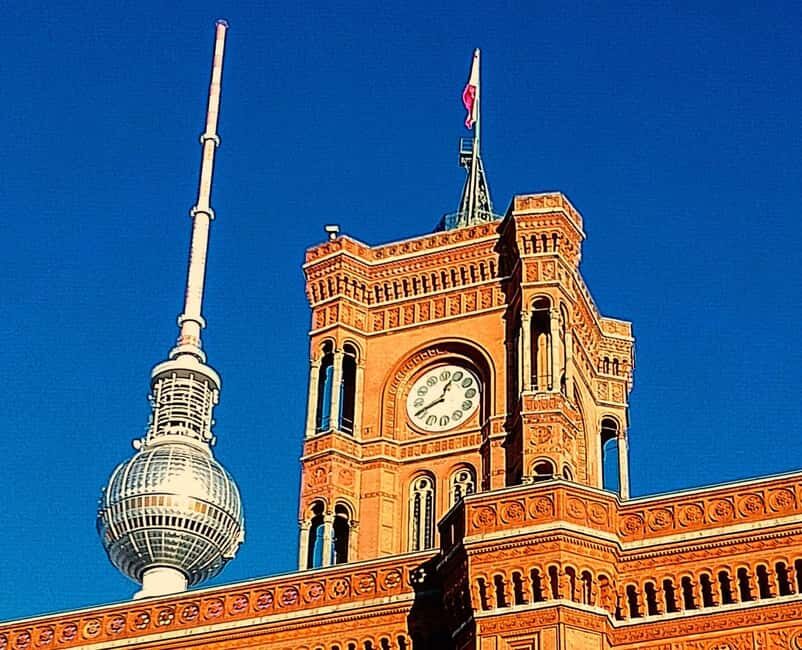
This is a guided bike tour built for one job: help you understand Berlin’s split personality and how it stitched back together. You’ll cover top landmarks, but you won’t just ride the “big three” sights and call it a day. The route is shaped to show contrasts—Wall-era symbolism next to everyday neighborhoods, and monuments next to green park space.
You also get a time-skip experience without feeling like you’re trapped in a lecture. The guide uses before-and-now photo comparisons to explain how quickly the city’s face changed. That matters in Berlin because the same spot can tell multiple stories: older city fabric, Cold War boundaries, and then the modern redevelopment that came after reunification.
And yes, it’s a good camera route. You’ll cycle into viewpoints for classic Berlin photos, but the tour also includes stops designed for people who like texture—courtyards, quarters, and streets that feel lived-in. If you want a city overview plus enough detail to guide your next day on your own, this format works.
You can also read our reviews of more cycling tours in Berlin
Price and value: what you get for about $33
At around $33 per person for a 4-hour guided tour, the value comes from what’s included—not just the guide. Your ticket covers a conventional bike (in multiple adult and kid sizes), plus practical extras that make sightseeing easier: gloves, hats for cold weather, and water. There’s also a free souvenir option.
The route is 20 km (12 miles) flat, and it’s not a “just ride in a line” experience. You get many stops and photo breaks, and the guide speaks English and German (exact language can vary with the group mix). For solo travelers, a small group is often the sweet spot: you get company and safety in numbers, but you’re not swallowed by mass-tour chaos.
Two optional add-ons you should know about:
- E-bikes are limited and cost an additional €10 (reservation after booking).
- If you want an E-bike, plan ahead since the bikes are not guaranteed in unlimited quantity.
If your goal is to cover a lot of Berlin efficiently and still get explanation at each major sight, this price fits that mission.
Getting there and meeting the guide at Cotheniusstraße 8
Your tour starts at Cotheniusstraße 8, 10407 Berlin, at the bikeshop in a corner building. Inside the same building is the restaurant Blaue Adria, which makes it easier to spot your meeting point.
Transit access is straightforward:
- S-Bahn/Metro stop Landsberger Allee (lines S41/42, S8, S85)
- Tram lines M5, M6, M8, M10
- Bus 200 (stop Conrad-Blenkle-Strasse)
This location is especially convenient if you’re staying around Prenzlauer Berg, Mitte, Friedrichshain, Pankow, or Lichtenberg. Even if you’re not, Berlin public transport is good enough that you can get there without needing a taxi.
One practical upside: the tour ends back at the start point. That means you don’t have to solve the “how do I get home from the far side of the city” puzzle afterward.
What the ride feels like over 20 km (and why the pace works)
The total distance is 20 km (12 miles) and flat, with a total duration of about 3.5–4 hours. The route is set up so you’re mostly separated from car traffic—think bike lanes, park paths, and side streets.
That “mostly away from cars” detail is big in Berlin. It keeps the ride relaxing enough that you can actually enjoy stops and get photos without arriving exhausted. The tour also supports a wide age range: the youngest participant was 7 and the oldest was 77, which hints at how carefully the pace is managed.
Bikes are well maintained, and if something goes wrong, the guide has a track record of handling bike swaps quickly. You’ll want to dress for Berlin weather, of course, but the tour provides cold-weather gear like gloves and hats, plus water along the way. Helmets are available, and since Germany doesn’t mandate helmets for this kind of activity, it’s more about comfort than rules.
Stop-by-stop: Friedrichshain, the Wall landmarks, and West Berlin icons
This route is designed like a storyline. You start in Friedrichshain (more East Berlin feel), then work through Mitte (the “center stage” sights), and finally cross into West Berlin territory via parks and big monuments.
You can also read our reviews of more guided tours in Berlin
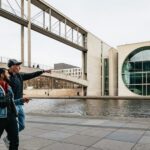
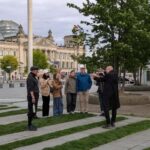
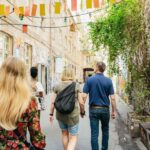
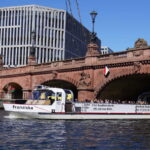


Friedrichshain to Volkspark Friedrichshain (your first taste of East Berlin)
You begin with a bike setup and a tour orientation, then move into Friedrichshain. The first meaningful sightseeing comes through Volkspark Friedrichshain, where you’ll get a photo stop and guided walk.
This is one of those stops where Berlin’s layers show up quickly:
- The park area includes two Nazi bunkers
- You’ll also see the Grimm fairy-tale fountain
- There’s space for breaks, and the park area is good for casual food like beer and ice cream if you’re in that mood
Possible drawback here: parks mean routes can include more junctions and paths. It’s still manageable, but it’s not the moment to rush your camera work.
East Side Gallery: Wall art and a classic Berlin photo moment
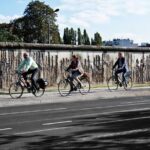
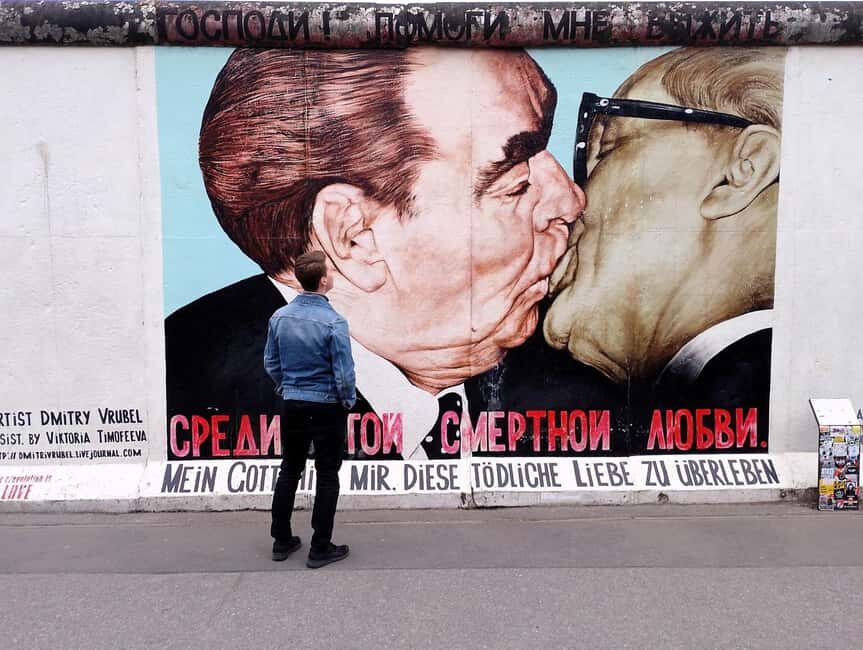
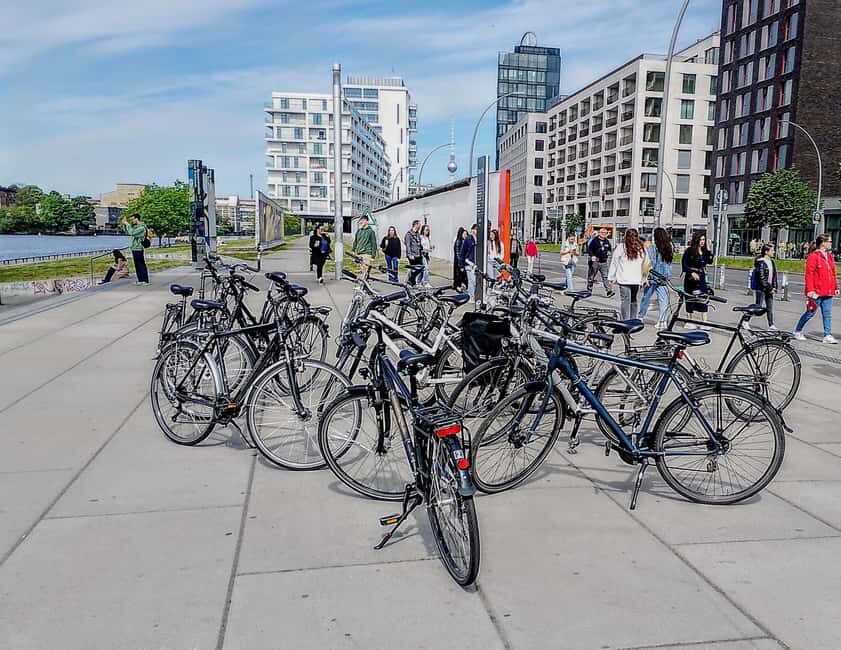
Next comes the East Side Gallery, the famous open-air stretch where parts of the Wall became an art canvas. Expect guided explanation, plus time for photos and a bit of free time.
This stop matters because it’s not just a Wall relic; it’s a statement about what Berlin decided to do after the Cold War. If you’re the type who wants to understand why the Wall matters beyond the headlines, this is a key moment on the ride.
Mitte and the old-meets-new sights: Alte Münze to Nikolaiviertel
You then cycle into Mitte, moving through areas that show how the city reworked its center. Along the way you’ll stop around:
- Alte Münze for photos and scenic views on the route
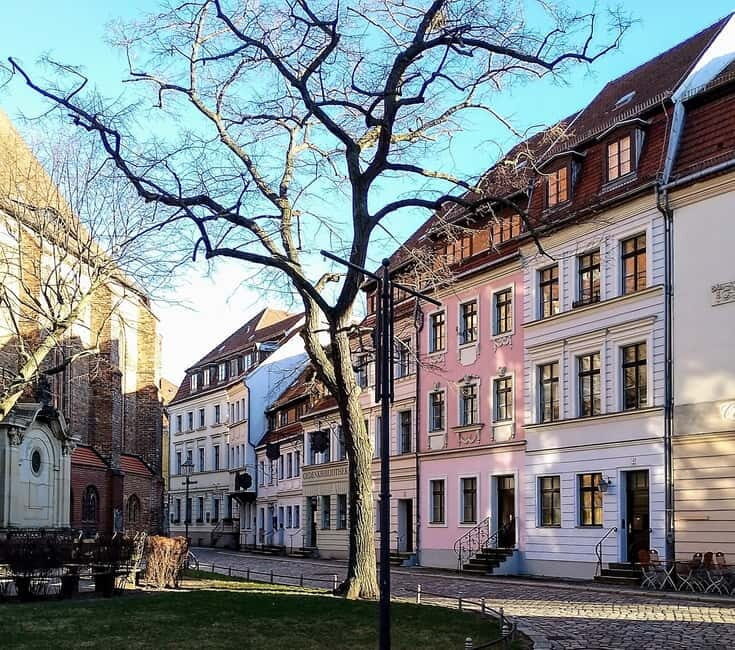
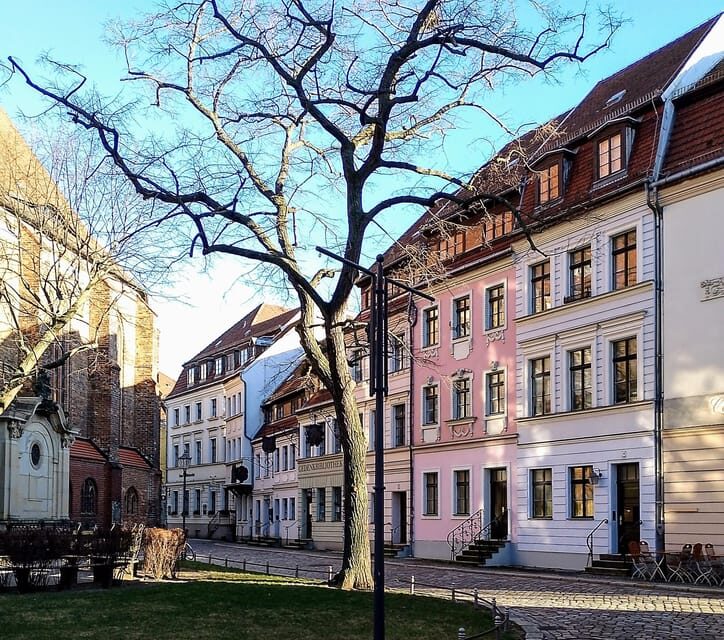
- Nikolai Quarter (Nikolaiviertel) for guided sightseeing and photo time
The advantage of these stops is pacing. They’re big-sight-adjacent but not as overwhelming as the Brandenburg Gate crowd zones. You get visual variety and a sense of “Berlin everyday life,” not only monuments.
Berlin Palace (Stadtschloss) area and Museum Island viewpoints
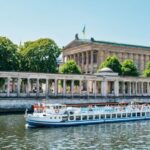
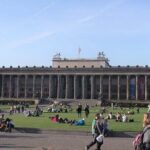
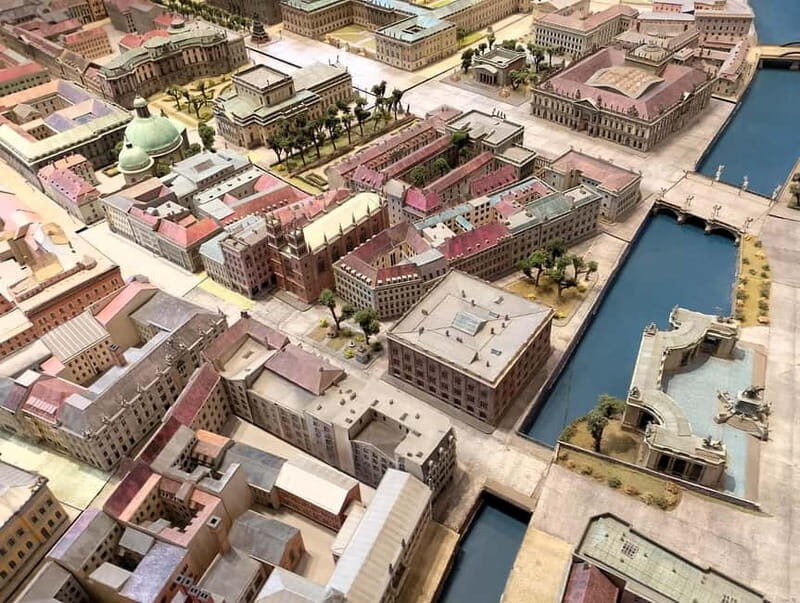
A major highlight is the stop at the Berlin Palace area, where you’ll have time to visit and take in views. From there you head toward Museum Island, with a photo stop along the way.
The Berlin Palace stop is especially valuable for the before-and-now effect. The area is tied to Cold War history and modern redevelopment, so the guide’s comparisons make the contrast click fast. Just be aware: if you love spending long hours inside museums, this tour won’t replace a museum day. It’s best for a top-sights overview.
Unter den Linden to Brandenburg Gate: the postcard stretch with context
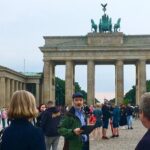
Cycling along Unter den Linden brings you to the Brandenburg Gate. You’ll get a guided tour moment, photo time, and a break.
This is one of Berlin’s strongest “you can’t fake it” landmarks. The practical win here is that you see it from several angles instead of only one street-view. That helps you remember the shape and setting of the gate later when you’re exploring on your own.
Tiergarten and Berlin’s big West Berlin silhouette lines
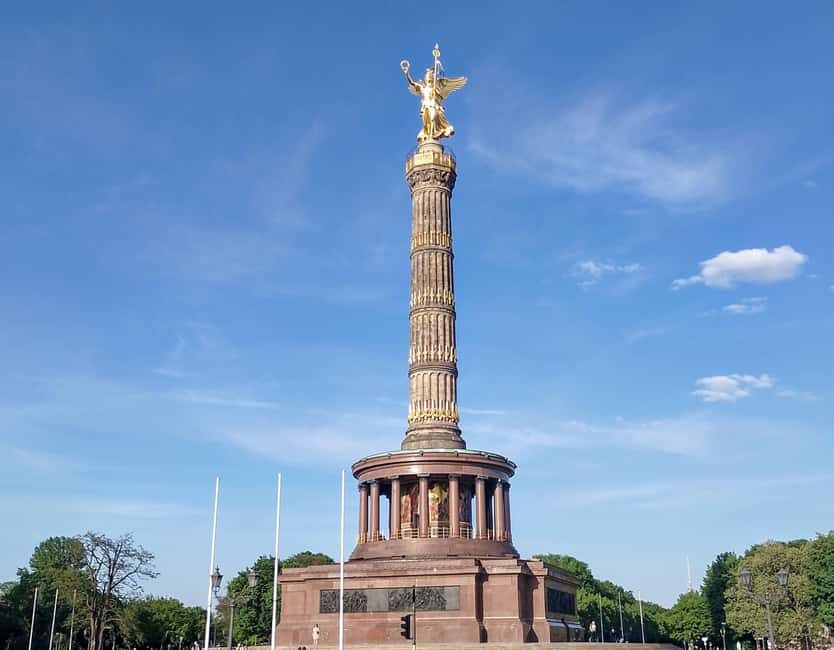
Next, you ride through Tiergarten, the famous Berlin West park. The tour pairs green space with city power lines, so you get a psychological shift from former division energy into a more expansive view of the city.
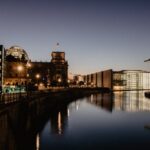
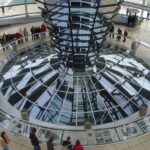
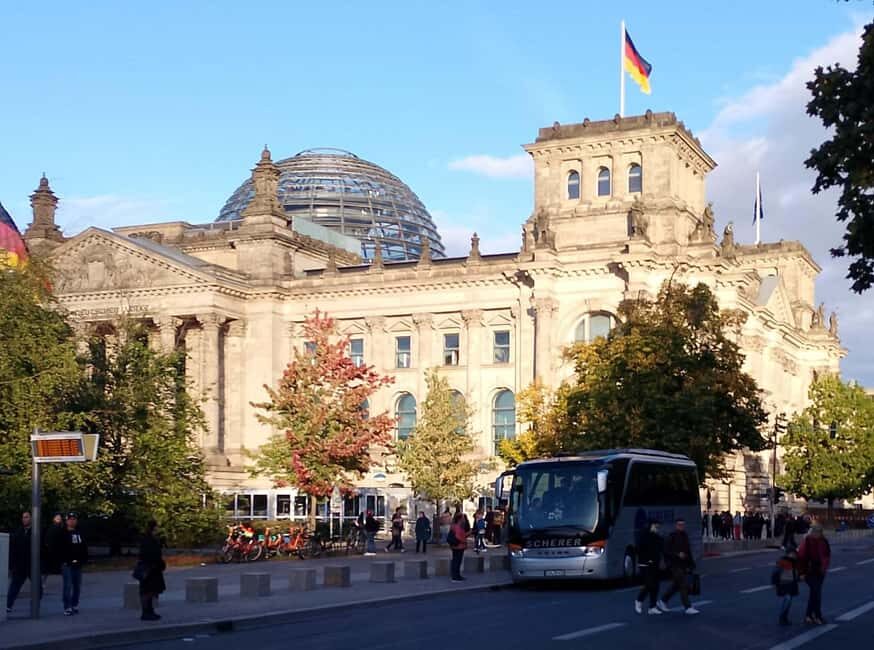
You’ll then stop at the Berlin Victory Column, and continue to the Reichstag area. Both are handled with guided explanation and sightseeing time, plus photo opportunities.
Possible drawback: these monument areas can involve tighter bike navigation near intersections and pedestrian zones. The guide’s job is to keep the group together and still let you stop for photos without turning it into a scramble.
Scheunenviertel and Märchenbrunnen: finishing with a playful Berlin note
As you head toward the end, you cycle through Scheunenviertel, then finish with Märchenbrunnen, where you’ll have guided sightseeing and photo time before you roll back to the meeting point.
This is a good way to close the tour: it adds character and softness after the heavy monument stops. It also helps families and mixed-age groups end with something lighter.
Christmas markets added onto the ride (when the calendar fits)
The tour’s highlights specifically mention visiting two famous Christmas markets. Since Christmas markets are seasonal, this is a big reason to book based on your travel month.
If you’re doing Berlin in winter, this is the smart way to combine cycling with holiday atmosphere: you’re not stuck in one shopping street all day, and you still get major sights between market stops. If you’re traveling outside market season, you’ll still get the full sightseeing backbone—just without that winter market element.
Why the local bilingual guide changes the whole experience
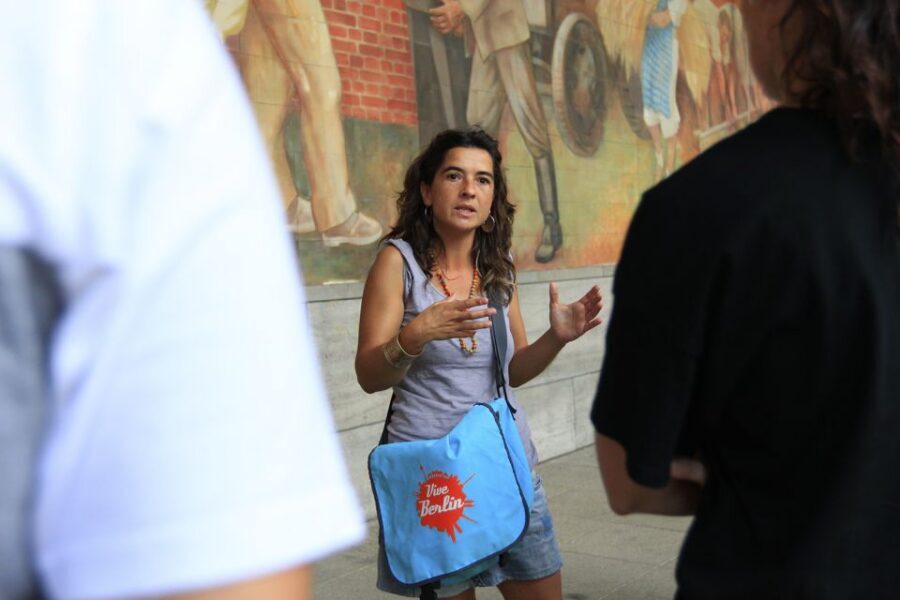
This tour is built around one ingredient: the guide. You’re cycling with a native Berliner who has lived in Berlin for over 25 years and studied history and political science. That matters because the city’s landmarks are tightly linked to political shifts. A good guide doesn’t just name buildings—they explain why those buildings exist and what changed around them.
On top of academic context, the guide’s on-the-bike attention is practical. In cold weather, the tour provides gear, and a good guide keeps checking group comfort so you don’t feel like the trip is fighting the weather. Bike issues also get handled fast: if a bike needs swapping, you won’t be left waiting around.
It also helps that the tour is bilingual. If you’re more comfortable in German or English, you’ll get guided explanations in the language you can follow comfortably.
Bike types, families, and who this tour fits best
This tour works well for a lot of travel styles because it sits in the middle: not too short, not too long, and not only monuments.
You should especially consider it if you:
- Want a city overview with major Berlin sights in a single morning/afternoon block
- Like photo stops and don’t want to hunt for viewpoints all day
- Travel with kids or teens, since kid bikes and seats are available
- Prefer a small group (max 10) rather than a big pack
- Want to understand Berlin’s division and reunification story through real locations
If you’re a very experienced cyclist who wants to ride longer distances without stopping often, you might find the frequent pauses reduce your mileage. But for most people, those stops are the point.
E-bike note
If you want assistance, the tour offers limited E-bikes for an extra €10. Reservation is needed after booking. If you’re unsure, think about your comfort level first: even though the route is flat, Berlin routes include park paths and short stretches that can feel more work when you’re tired.
Should you book the East and West Wall bike tour?
Yes—if your priority is seeing Berlin’s major sights plus understanding the East/West story without spending all day figuring it out yourself. This tour is strong value because it bundles: a bilingual local guide, a mostly car-free bike route, practical cold-weather support, and a compact selection of top landmarks.
You should think twice only if:
- You hate frequent stops or want uninterrupted riding
- You want deep, long indoor visits (this is an overview and sightseeing rhythm, not a full museum day)
- You’re traveling at a time when Christmas markets don’t run and you specifically booked for the market stops
If you’re aiming for a balanced first look at Berlin—Wall-era places, reunification-era context, and iconic monuments on a bike—this one is a smart, efficient choice.
FAQ
What’s the duration of the Berlin East and West Wall bike tour?
It runs for about 4 hours, with the exact timing depending on available start times.
How far do we ride?
The total distance is 20 km (about 12 miles), and the route is described as flat.
Are conventional bikes included in the price?
Yes. Conventional bikes are included. E-bikes are limited and cost an extra €10 if you reserve one after booking.
Does the tour use a small group?
Yes. The group size is limited to a maximum of 10 participants.
Are helmets required?
Helmets are available, but the information provided says there is no mandatory helmet requirement in Germany for this kind of activity.
What languages are offered?
The guide speaks English and German. The tour language can be both, depending on the composition of the participants.
Where is the meeting point?
You meet in front of the bikeshop at Cotheniusstraße 8, 10407 Berlin (corner house). The restaurant Blaue Adria is in the same building.
How do I get there by public transport?
The nearest options listed include S-Bahn/Metro at Landsberger Allee (S41/42, S8, S85), tram lines M5/M6/M8/M10, and bus 200 (stop Conrad-Blenkle-Strasse).
Is the tour suitable for kids?
Yes. Bikes in different sizes are available, including bikes for kids with a minimum height of 120 cm (4 ft). Kids seats and baby seats are available free of charge.
Is the tour family-friendly in terms of age range?
The information provided says the youngest participant was aged 7 and the oldest was 77.
Does it include Christmas markets?
The highlights state there are visits to two famous Christmas markets, so if you’re traveling in the market season, plan your timing around that.