REVIEW · BERLIN
Berlin: Sachsenhausen Concentration Camp and Potsdam day tour
Book on Viator →Operated by Buendía · Bookable on Viator
Two cities, one hard lesson.
This Berlin day tour links Sachsenhausen’s memorial sites with a calmer afternoon in Potsdam, with a professional guide and included transport from central Berlin. It’s serious work, but the pacing leaves room to think, not just to rush from photo spot to photo spot.
I love two parts of how this day is set up. First, you get a guided visit through Sachsenhausen’s key surviving areas and exhibitions, with time to reflect during the most emotional moments. Second, the Potsdam stop feels like a reset—palaces and gardens, plus free time—so the day doesn’t end only in heaviness.
The main drawback to plan for: this is a long, walking-heavy day, and with the tight schedule you can feel the pace more than you might want—especially if you need lots of stops to linger.
In This Review
- Key highlights to know before you go
- Sachsenhausen and Potsdam in one 7-hour loop from Berlin
- Price and what you actually get for $83.48
- Alexanderplatz start and the Berlin bus intro that helps
- Inside Sachsenhausen: what you’ll see and why reflection time matters
- Death Marches, Tower A, and the camp prison
- Small details that make a real difference: kitchen and laundry
- Walking the camp’s Soviet layers: how the memorial tells multiple stories
- Potsdam after Sachsenhausen: pace shift, palace grounds, and free time
- A heads-up about palace time
- How the long day can feel fast: pacing, bus setup, and what to pack
- Bus reality: bilingual narration and seating pressure
- What to bring (and why it matters here)
- Who should book this Sachsenhausen and Potsdam day tour
- Should you book this tour?
- FAQ
- How long is the Berlin Sachsenhausen and Potsdam day tour?
- What time does the tour start?
- Where is the meeting point?
- Is admission to Sachsenhausen included?
- What’s included in the price?
- Is food or drinks included?
- What language is the tour in?
- Is there a mobile ticket?
- How many people are in a group?
- What should I bring since there are no services during part of the day?
- Do I need good weather for the tour to run?
Key highlights to know before you go
- Sachsenhausen’s most important stops: the Death Marches exhibition, Tower A, Small Camp barracks 38 and 39, and Station Z
- Nazi and Soviet layers on the same site: includes the Soviet Monument from 1961 and multiple changing memorial markers
- Real reflection time built in so the camp doesn’t become a checklist
- Potsdam after the camp with guided walking plus free time to explore on your own
- Small-group size for a day trip with a maximum of 45 people
- Bring provisions: no services are available during the camp visit, so plan water and snacks
Sachsenhausen and Potsdam in one 7-hour loop from Berlin
This is the kind of day trip that doesn’t pretend Germany’s past is tidy. You start in Berlin in the morning, visit Sachsenhausen Memorial & Museum for about 3 hours, then head to Potsdam for a guided tour plus free time. Expect a tone shift: the camp portion is heavy and focused, while Potsdam is calmer and more scenic—still worth your attention, just with a different emotional register.
The tour is designed for people who want structure. You’re not left to figure out transport, admissions, or where to stand at the right moments. You get a professional guide and included transfers, so you can put your energy into learning and paying attention.
One small but important practical note: this is an English-speaking tour. Some bus rides in these formats run with bilingual narration between English and another language, but the on-site visits at Sachsenhausen and in Potsdam are handled in a single language at a time for clearer listening.
You can also read our reviews of more tours and experiences in Berlin.


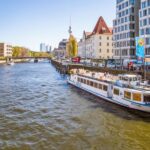
Price and what you actually get for $83.48

At about $83.48 per person, the price looks reasonable once you see what’s bundled. You’re paying for more than a bus ticket: admission to Sachsenhausen is included, plus guided tours at both Sachsenhausen and Potsdam. The day also includes a professional guide, a city bus tour of Berlin, and private bus transfer from Berlin.
That matters because Sachsenhausen isn’t “just another stop.” Admission and a guided, thoughtful route through the memorial can be where group tours either work well or fall apart. Here, the value is in having someone direct your attention through specific surviving areas and the memorial’s layered messages over time.
Food and drinks are not included, and that’s the part you’ll need to manage yourself. The good news: you can plan around it easily. The camp visit is described as having no services available, so you’ll want to bring water and something simple to eat.
Alexanderplatz start and the Berlin bus intro that helps
Your day begins at the World Time Clock at Alexanderplatz (Alexanderpl. 1), with a 9:30am start. Alexanderplatz is a smart meeting point because it’s public-transport friendly and easy to orient yourself the minute you arrive.
Before the memorial, you also get a City Bus Tour of Berlin as part of the day. Even if you already know the basics of Berlin, this bus intro can be useful. It helps you connect the city’s geography to the historical story you’re about to hear—especially when your later stops include difficult material from multiple eras.
If you’re prone to motion sickness, a longer bus day can be worth noting. It’s not a small hop; it’s a full day with transfer time, so pack comfort items and plan to settle in early.
Inside Sachsenhausen: what you’ll see and why reflection time matters
Sachsenhausen Memorial & Museum is the heart of this trip. You’ll spend around 3 hours there, and the visit focuses on how daily life, forced labor, security, and punishment operated within the camp system. The goal isn’t just facts; it’s comprehension, and the guide approach includes space to reflect.
A strong part of the experience is that you’re guided through specific surviving areas and memorial elements, including places that help explain how the camp functioned day to day. The route also pays attention to how the memorial itself has been shaped over time by different ideologies and historical periods—which is crucial for understanding how remembrance works in real places, not just in textbooks.
If your guide is someone like Walid or Peter, you’ll likely hear clear historical storytelling with careful tone—people described guides in exactly those terms, and it shows how important the guide is for a site like this.
Death Marches, Tower A, and the camp prison
You’ll visit major points such as the Death Marches exhibition. That’s one of the most direct ways the narrative connects the camp to the final collapse of the Nazi system.
Then comes Tower A, which focuses on security measures and punishments. This part helps you see the camp as a controlled machine, not a vague prison word.
The route also includes the camp prison, plus barracks in the Small Camp area (Barracks 38 and 39). Seeing those surviving structures while hearing how they were used is often where the day stops feeling like an itinerary and starts feeling like a confrontation with reality.

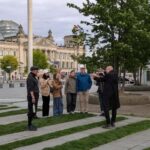


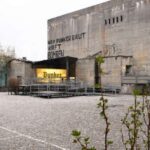

Small details that make a real difference: kitchen and laundry
The visit also includes the kitchen and laundry facilities. Those sound almost mundane, and that’s the point. Forced systems still need routines and logistics, and understanding the banality of function can make the larger horror hit harder.
Similarly, the route includes the infirmary and morgue. These stops help explain how the camp dealt with illness, injury, and death—part of the grim reality that makes Sachsenhausen hard to forget.
Walking the camp’s Soviet layers: how the memorial tells multiple stories
Sachsenhausen isn’t only a Nazi story. The memorial area also contains Soviet-era commemorations, including the Soviet Monument from 1961. You’ll see this as part of learning about the site’s complex history and how different political periods left different marks on remembrance.
There’s also Station Z on the list of places you’ll visit. That stop helps connect the camp to the broader system of transport and repression, not just to what happened behind the walls.
One of the most meaningful elements here is how the memorial pieces fit together. The tour is designed to show you that the site carries multiple layers of meaning at once—Nazi persecution, post-war Soviet narratives, and later memorial interpretations. When you understand that, you’re better prepared to read the site for what it is: not one clean story, but several historical lenses.
Practical note: many parts of the memorial involve walking on uneven paths and dealing with stairs. If stairs are difficult for you, you might want to consider another Berlin history option with less on-site movement. This is a place where comfort depends heavily on mobility.
Potsdam after Sachsenhausen: pace shift, palace grounds, and free time
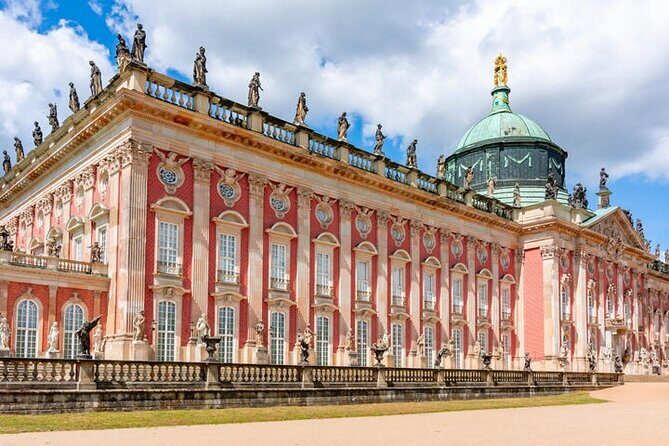
After the camp, the tour heads to Potsdam. You’ll spend about 2 hours there, exploring the city with your guide and then getting free time to discover the area at your own pace.
Potsdam is described as a royal residence city, with splendor tied to palaces and gardens where royal families once ruled and strolled. That’s a good framing for your expectations. You’re not erasing what you just learned; you’re giving your mind room to breathe while still taking in an important slice of German history and power—just from a different angle.
There’s also a practical reason to pair these places. Visiting the camp in the morning can be extremely intense. The Potsdam portion offers a natural contrast: more open views, gentler walking, and the option to slow down during your free time.
A heads-up about palace time
One thing to plan for: the Potsdam portion may focus more on walking the grounds and enjoying key areas rather than guaranteeing extended interior palace time. If palace interiors are a must for you, check what your specific departure includes before you go—otherwise you may feel like you spent a long day traveling for the exteriors.
That said, people often enjoy the Potsdam walk—central streets, scenic viewpoints, and the feel of the city after the heaviness of Sachsenhausen.
How the long day can feel fast: pacing, bus setup, and what to pack
This tour runs roughly 7 hours (about 9:30am start). That’s enough time to cover two major destinations, but it’s not enough time to linger at every stop.
Some visitors felt Sachsenhausen and Potsdam can move quickly because you’re staying with the group through distances and set timings. That doesn’t mean you won’t learn a lot—it means you should go in ready to trade a bit of independent wandering for structured learning.
Bus reality: bilingual narration and seating pressure
On the bus, the day may involve two guides sharing microphone time with English and another language. The on-site parts are handled in one language at a time, which is good. Still, if your ears lock onto missed details, the bus portion can feel distracting.
Also, the bus can be packed if tours run combined. If you’re traveling with a companion and you care about sitting together the whole ride, consider booking with flexibility in mind.
What to bring (and why it matters here)
The tour recommends bringing an umbrella (rain or sun) and a bottle of water. It also recommends food because there are no services available during the camp visit.
That’s not a small point. Sachsenhausen is not a place where you can easily step away for snacks. Pack a simple lunch you can eat without stress, and carry it so the day stays calm even if you don’t get long breaks.
Who should book this Sachsenhausen and Potsdam day tour
This is a strong choice if you want:
- A guided, sensitive Sachsenhausen visit that focuses on major surviving areas and historical layers
- A second stop in Potsdam to balance the emotional tone of the day
- Included transport so you don’t spend your energy on planning logistics
- An organized format that keeps you moving but still includes time to reflect
It may not be the best choice if:
- You need lots of slow, quiet time at each point and hate feeling pushed by group timing
- You have limited mobility (there can be stairs and uneven movement at the memorial)
- You want guaranteed extended palace interior time in Potsdam
Families and pairs can do well here, but you should go in with honesty about the subject matter. Sachsenhausen is heavy, and this tour is designed for meaning, not light entertainment.
Should you book this tour?
I’d book it if you’re the type who wants structure for difficult history—and you can handle a long day. The value comes from included admissions and a guided route through exactly the types of places that help you understand the camp beyond generic stories. Plus, Potsdam gives you a cleaner visual and emotional reset afterward, with guided context and free time to explore.
If you’re sensitive to rushing or you’re mobility-limited, adjust expectations and think carefully. Bring snacks, accept that you’ll move with the group, and choose this only if you’re ready for a serious morning followed by a scenic afternoon.
If that fits you, this is one of the best ways to get both Sachsenhausen and Potsdam into a single Berlin trip without the planning headaches.
FAQ
How long is the Berlin Sachsenhausen and Potsdam day tour?
It runs about 7 hours (approx.).
What time does the tour start?
The start time is 9:30am.
Where is the meeting point?
You meet at the World Time Clock, Alexanderpl. 1, 10178 Berlin, Germany.
Is admission to Sachsenhausen included?
Yes. Admission to the Sachsenhausen Concentration Camp is included.
What’s included in the price?
Included are a professional guide, a City Bus Tour of Berlin, admission to Sachsenhausen, guided tours of the camp and Potsdam, and private bus transfer from Berlin.
Is food or drinks included?
No. Food and drinks are not included.
What language is the tour in?
The tour is offered in English.
Is there a mobile ticket?
Yes, you receive a mobile ticket.
How many people are in a group?
The maximum is 45 travelers.
What should I bring since there are no services during part of the day?
Bring an umbrella (rain or sun), a bottle of water, and some food for the camp visit, since there are no services available during that time.
Do I need good weather for the tour to run?
Yes. The experience requires good weather; if it’s canceled due to poor weather, you’ll be offered a different date or a full refund.