REVIEW · BERLIN
Berlin: Battle for Seelow Heights WW2 tour -Clash of Titans
Book on GetYourGuide →Operated by On the Front Tours · Bookable on GetYourGuide
Seelow Heights feels closer than you expect. This Berlin WW2 tour focuses on a battle that shaped the Eastern Front’s end-game, with museum artefacts and on-the-ground stops that make the fighting feel specific, not abstract. I like how the day balances big-picture context with hands-on terrain reading, and I especially appreciate the clear tactical explanations. One thing to consider: this is a walking-focused battlefield day, and it’s not set up for people with mobility impairments.
The two parts I’d put at the top of my list are the Seelow Heights War Museum and the chance to stand in the actual German trench positions. The museum gives you the structure—maps, artefacts, and the story of why this place mattered—then the outdoor stops let you test that knowledge against the ground.
The main drawback is simple: it’s a long day, mostly outdoors, and food isn’t included. If you’re sensitive to cold rain or you hate carrying snacks, plan ahead so you don’t end up thinking more about hunger than history.
In This Review
- Key highlights you’ll actually care about
- Getting from Berlin to Seelow Heights in one focused day
- Seelow Heights War Museum: maps first, facts you can place
- Where the defenders fought: standing in German trench positions
- Tank obstacles and engineered ground you can still recognize
- The outdoor stops: Reitwein, Dolgelin, and Jahnsfelde on foot
- The panoramic views: scale hits when you can see the ground
- What you learn: tactics, not just dates
- Small group value: fewer people, more time to ask
- Price check: $152 for 8 hours, and where the money goes
- Who this Berlin WW2 tour is for (and who should skip it)
- Practical tips so your day goes smoothly
- Should you book the Seelow Heights Battle for Seelow Heights tour?
- FAQ
- How long is the Berlin: Battle for Seelow Heights WW2 tour?
- What is the price per person?
- Where do I meet for the tour in Berlin?
- How far is Seelow Heights from Berlin?
- Is the tour guided?
- What’s included in the price?
- Is food included?
- Does the tour run in bad weather?
- What’s the group size?
- Is the tour suitable for mobility impairments?
- Can I cancel for a full refund?
Key highlights you’ll actually care about
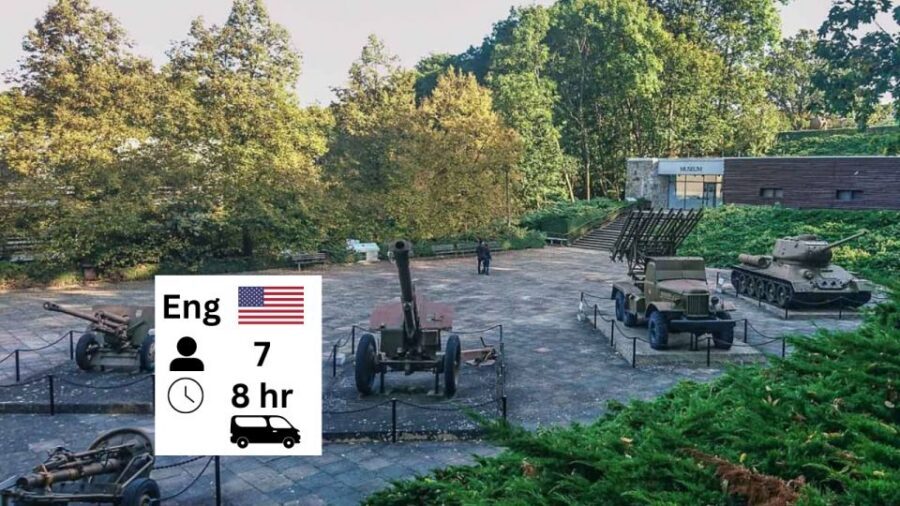
- Small group (max 8) keeps the pacing human and the questions flowing
- Museum maps + artefacts before you move onto the terrain
- German trench positions give you a direct sense of where defenders prepared
- Tank obstacles remnants help you picture how the ground was engineered
- Panoramic views that make scale click fast
- Tactical lessons on combined arms, and offensive vs defensive operations
Getting from Berlin to Seelow Heights in one focused day
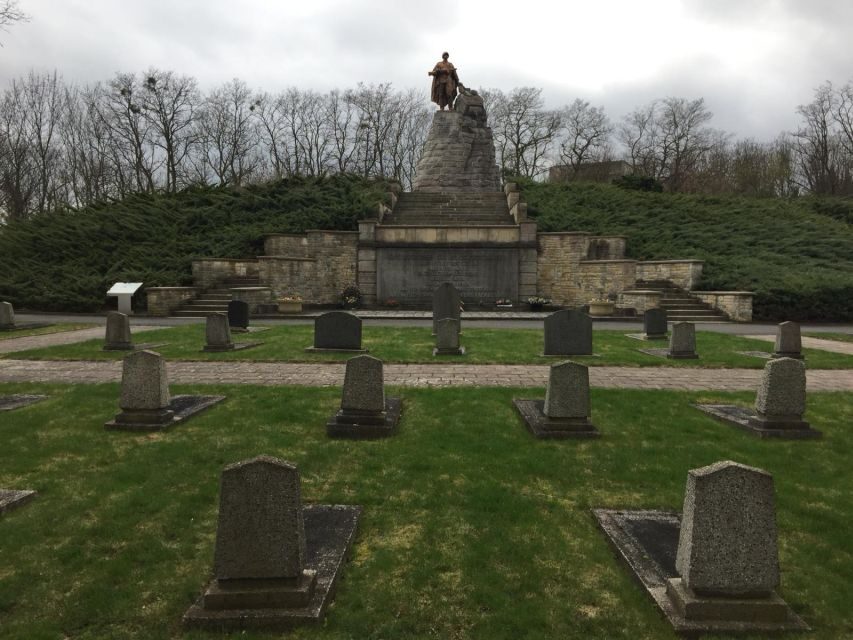
This tour runs for 8 hours, and it starts in central Berlin at the Park Inn by Radisson Berlin Alexanderplatz Hotel. Plan to arrive about 15 minutes early at the main vehicle entrance—opposite the Burger King—where your guide holds a Battle for Seelow Height Tour sign. After you meet up, you’ll head out by van for roughly 1.5 hours.
The ride matters more than you’d think. It’s an air-conditioned and heated vehicle, and the tour includes Wi-Fi inside the van, plus a small bottle of water. You’re not touring with a gaggle. You’re with a compact group where the day can stay on schedule without the usual chaos.
Once you arrive, the pacing is built to reduce guesswork. You don’t bounce between random stops. You start with the story, then you move to the ground that story was fought on.
You can also read our reviews of more tours and experiences in Berlin.



Seelow Heights War Museum: maps first, facts you can place
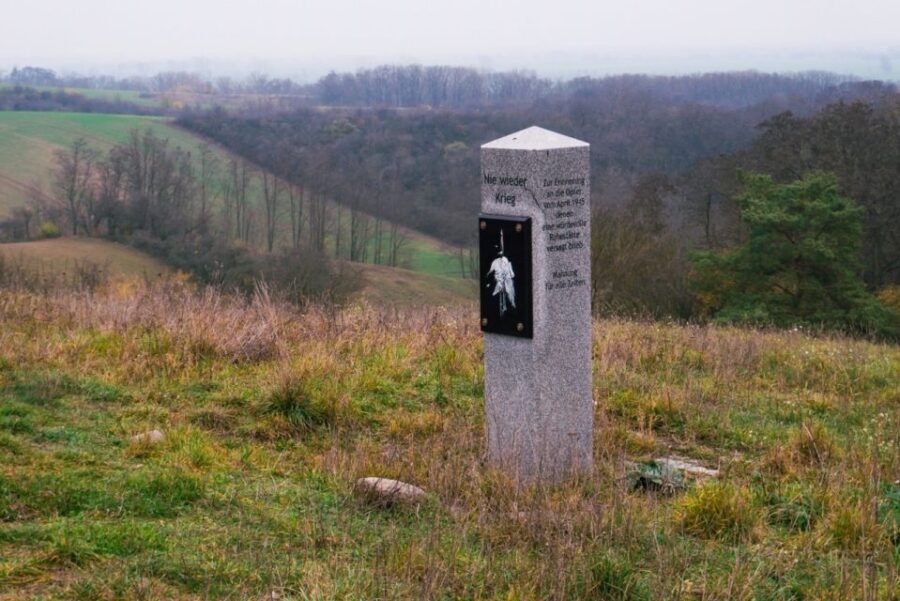
Your first real stop is the Gedenkstätte/Museum Seelower Höhen. You get a guided visit there, plus some free time to look around on your own and take in the views. This is the part of the day that helps you read everything that comes next—because battlefield walking only works when you know what you’re looking at.
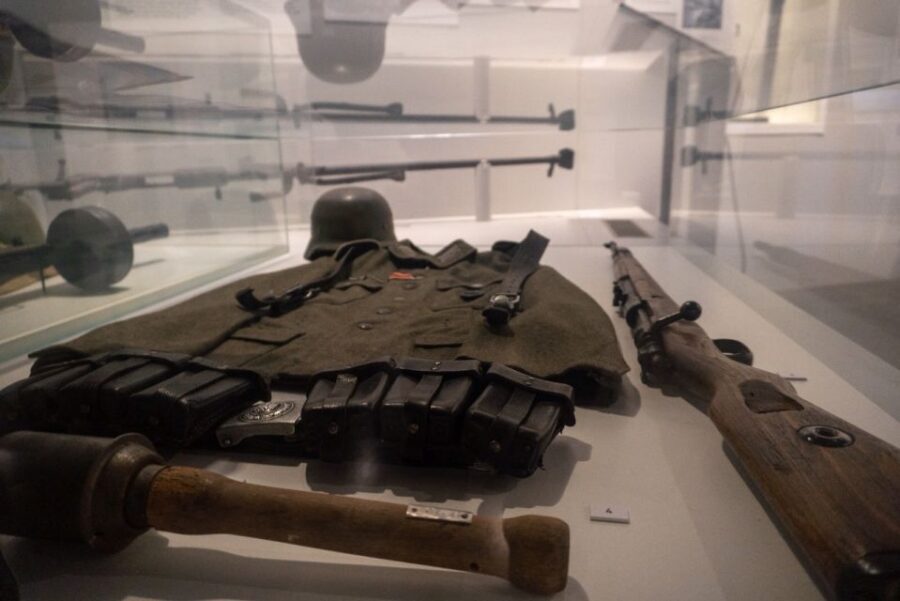
The museum’s value is practical. You’re not just seeing old things; you’re getting context through artefacts and maps tied to the battle. That matters because Seelow Heights is often overshadowed by other famous names on the Eastern Front. Here, you’re given the reason it drew such extreme force—and the direction of the fight becomes easier to understand once you’ve seen how the operations were laid out.
This is also where you can reset your understanding if you’ve come with only a headline-level idea of the war. You’ll learn how infantry tactics, combined arms, and offensive and defensive operations played out in this specific fight.
Where the defenders fought: standing in German trench positions
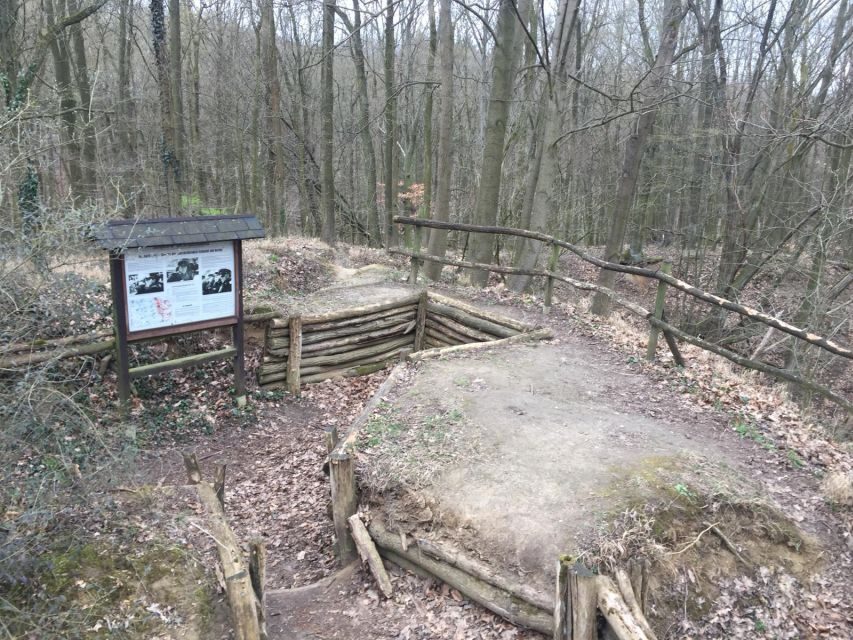
After the museum, the tour shifts from “learning the battle” to “reading the battlefield.” One of the best parts is the time spent on the German trench positions. Standing where defenders prepared gives you a first-person perspective you can’t get from books, photos, or museum panels.
Even if you don’t study military history, trenches teach you something quickly: this wasn’t an abstract clash. People built positions, dug lines, and prepared angles for survival and resistance. The trenches also help you understand why terrain was so important. When you see the ground, the explanations about offensive pushes and defensive tactics start to sound less like theory.
This section pairs well with the tactical focus of the day. You’re not just told that Germans resisted; you’re shown how that resistance fit into a system—infantry tactics and coordinated operations, not isolated heroics.
Tank obstacles and engineered ground you can still recognize
One of the most memorable items on the tour is the chance to see remnants of tank obstacles. These are the kinds of details that make history feel tangible. It’s one thing to read about armour and mechanized warfare. It’s another to stand near the physical barriers that tried to slow, channel, or stop it.
This part helps you understand the logic of combined arms. When defenders use obstacles along with infantry positions, artillery planning, and defensive tactics, it changes how an attacker can move. The obstacles become more than debris—they become tools in a defensive plan.
If you like military details, this is where you’ll start noticing how the battle’s story gets written into the terrain.
The outdoor stops: Reitwein, Dolgelin, and Jahnsfelde on foot
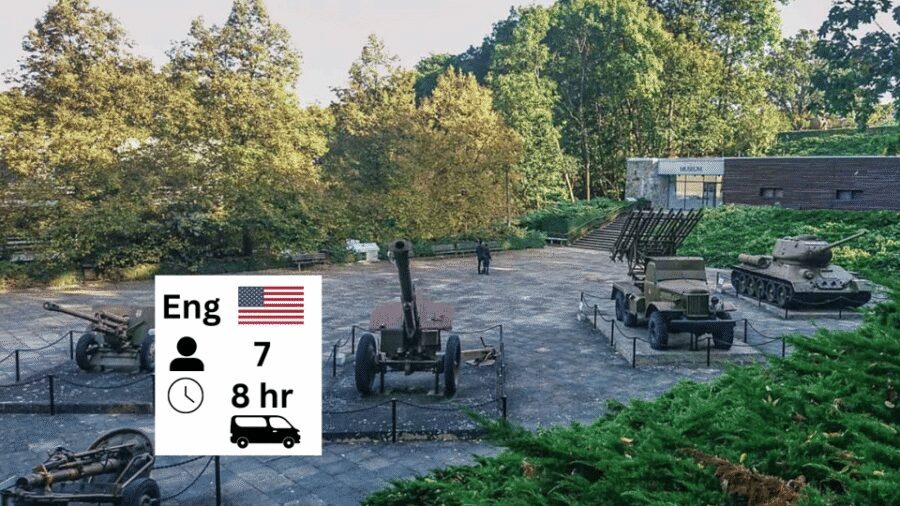
The itinerary includes a set of guided stops around the Seelow area: Reitwein (about 20 minutes), Dolgelin (about 45 minutes), and Jahnsfelde (about 1 hour). Each has sightseeing time and guided interpretation, plus walking.
Why these stops are worth it: they break the day into manageable chunks and prevent the tour from turning into a single long drive followed by museum talk. You get repeated chances to orient yourself—like getting the chapter title, then walking to the scene it describes.
A real benefit is that these locations help you understand the broader fight rather than treating Seelow Heights as one isolated point. The battle becomes a network of movements and positions, not a single dot on a map. If you enjoy piecing together how operations unfold, this structure will suit you.
The outdoor walking is also where you learn best. Weather can change what you can see, but the guide’s explanations keep the stops connected.




The panoramic views: scale hits when you can see the ground
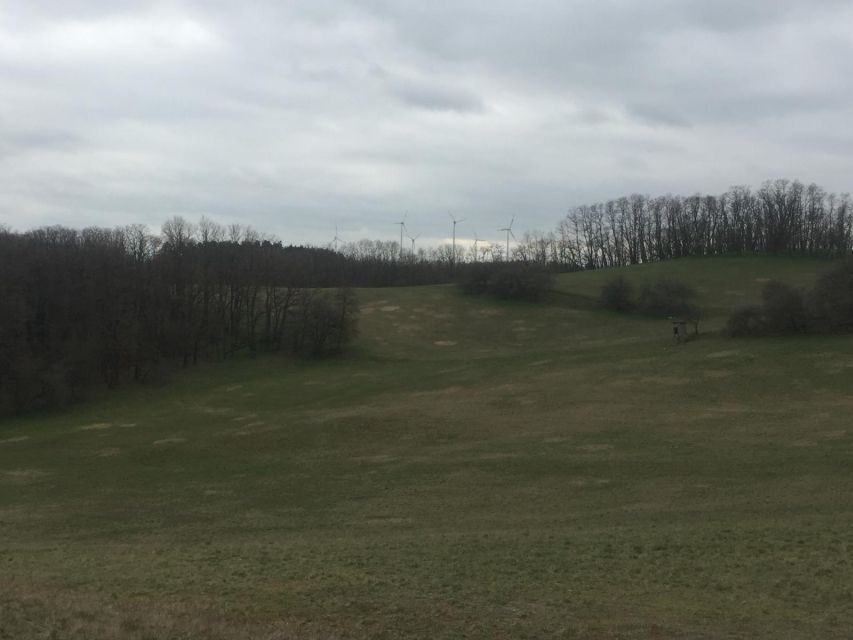
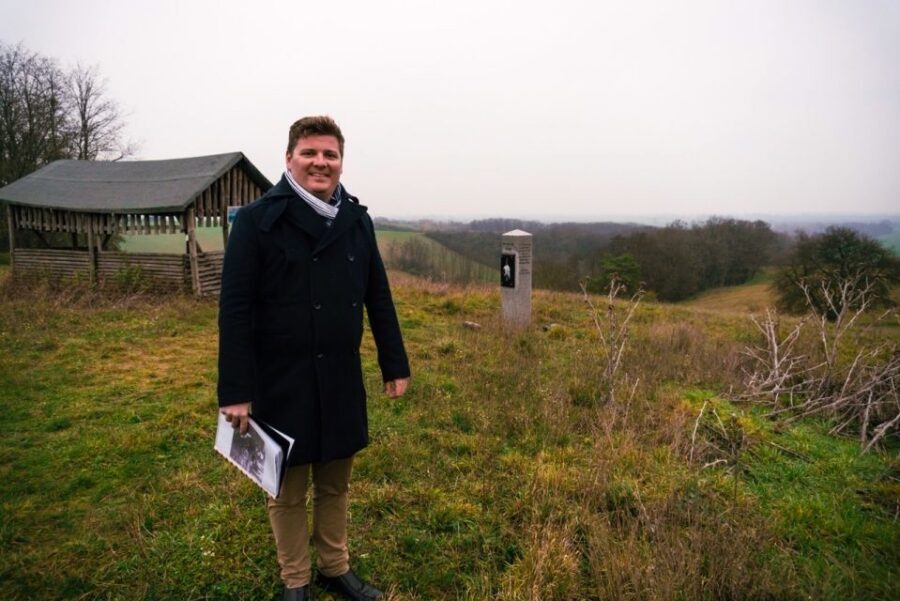
One of the tour highlights is the panoramic view of the battlefield landscape, and it’s exactly the kind of moment that makes the numbers hit harder. The battle involved staggering Soviet strength—768,000 troops, over 22,000 tanks, plus artillery and aircraft—against about 150,000 German defenders.
Those figures can feel like trivia until you see open ground and imagine how far forces had to push under fire. Once you can picture the distance and the likely routes, your understanding of offensive and defensive operations becomes much more grounded.
This is also where you’ll likely appreciate the “rain or shine” reality. The tour runs regardless of weather, so visibility might vary, but you’re still getting the same terrain context.
What you learn: tactics, not just dates
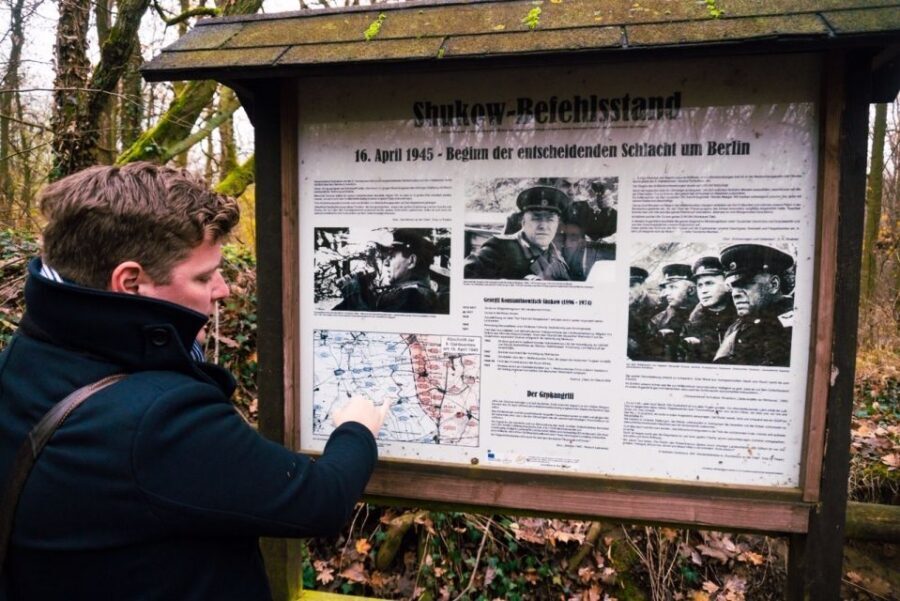
The educational payoff here isn’t only historical context. The tour is built around tactical mastery—infantry tactics, combined arms, and how offensive and defensive operations were carried out in this battle.
That’s a big deal because so many WW2 tours in Berlin focus heavily on famous Western-front sites or on broad political timelines. This one keeps pulling you back to how battles were fought. Even if you came with limited military vocabulary, you’ll pick up the core concepts because they’re tied directly to what you’re seeing.
The guide style is also a plus. Past groups have described guides like Matt (and Matt/Matthew) as dynamic and strong at explaining facts in context, with supporting materials to help you connect the dots. That’s the difference between hearing a story and understanding it.
If your goal is to walk away able to explain what happened here in a way that makes sense, this tour is designed for that.
Small group value: fewer people, more time to ask
The group size is capped at 8 participants, and that changes the whole feel of a battlefield tour. With a small group, your questions don’t get swallowed by the clock. You can ask follow-ups, and you’re more likely to hear the extra context that makes the battle clearer.
Transport quality is another value point. The van is repeatedly praised for comfort, including air conditioning, and it’s described as a “luxury” style ride in user feedback. You also get Wi-Fi inside the vehicle, which helps on the longer drive.
I also like the practical touches. Rain ponchos are included if the weather turns. That means you’re less likely to spend the day wrestling your clothes instead of listening.
Price check: $152 for 8 hours, and where the money goes
At about $152 per person for an 8-hour experience, this tour doesn’t try to look “cheap.” It’s priced like a specialist outing with transport, a guided museum visit, and multiple guided stops.
Here’s the value breakdown that matters for your decision:
- Museum entrance is included, so you’re not hunting for tickets mid-day.
- You’re paying for guided interpretation at several stops, not just a drive out and back.
- The vehicle includes comfort features like heating/air conditioning, plus water and Wi-Fi.
- It’s a small group, which usually means fewer people sharing the guide’s time.
Food isn’t included, though, so you’ll want to plan snacks you can eat without losing your rhythm. If you come prepared, the day feels efficient and focused rather than rushed.
Who this Berlin WW2 tour is for (and who should skip it)
This tour is a strong fit if you’re a WW2 history fan and you’ve already done the big Berlin highlights. It’s also a good choice if you like Eastern Front stories that don’t always get the spotlight. The battle facts here are big, but the tour keeps them connected to real terrain.
It’s also a good match for people who enjoy military tactics and how operations work, not just dates and command names. The trench positions, tank obstacles, and terrain views support that kind of learning.
One caution: this isn’t suitable for people with mobility impairments. It’s a walking-heavy day with outdoor stops, and you’ll want solid footwear.
Practical tips so your day goes smoothly
Bring comfortable shoes. This is a battlefield day, so your feet will do a lot of the work.
Bring snacks, because food and snacks are not included. You don’t need a full meal plan, but you do want something simple so hunger doesn’t derail your attention.
Bring rain gear. The tour runs rain or shine, and the included ponchos help, but an umbrella or raincoat can still be useful.
Finally, arrive on time at the meeting point. You’ll start from the Park Inn by Radisson Berlin Alexanderplatz Hotel area at the main vehicle entrance, opposite Burger King, with the tour sign visible.
Should you book the Seelow Heights Battle for Seelow Heights tour?
If you want a Berlin WW2 tour that goes beyond the usual poster-board facts and actually teaches you how this battle worked on the ground, this is a smart booking. The mix of museum context, trenches, and tank obstacle remnants, plus the tactical explanations, gives you a full understanding instead of a scatter of sights.
I’d recommend it especially if you’re the type who likes to ask why things happened, not only what happened. Come with comfortable shoes, a snack plan, and a willingness to walk a bit, and you’ll leave with a sharper, more human sense of the fight at Seelow Heights.
FAQ
How long is the Berlin: Battle for Seelow Heights WW2 tour?
It lasts 8 hours.
What is the price per person?
The price is $152 per person.
Where do I meet for the tour in Berlin?
Meet at the Park Inn by Radisson Berlin Alexanderplatz Hotel at the main vehicle entrance (opposite the Burger King). Your guide will hold a Battle for Seelow Height Tour sign.
How far is Seelow Heights from Berlin?
It’s about 1.5 hours from Berlin by van.
Is the tour guided?
Yes. You’ll have a live guide in English.
What’s included in the price?
Entrance to the Seelow Heights War Museum, air-conditioned/heated transport, a small bottle of water, Wi-Fi access inside the vehicle, and rain ponchos if it rains.
Is food included?
No. Food and snacks are not included.
Does the tour run in bad weather?
Yes. It runs rain or shine.
What’s the group size?
The tour is a small group limited to 8 participants.
Is the tour suitable for mobility impairments?
No, it is not suitable for people with mobility impairments.
Can I cancel for a full refund?
Yes. You can cancel up to 24 hours in advance for a full refund.