REVIEW · BERLIN
Berlin: Sachsenhausen Concentration Camp Tour in English
Book on GetYourGuide →Operated by Insider Tour Berlin · Bookable on GetYourGuide
A grim lesson with great care. This Berlin-to-Sachsenhausen tour uses a licensed English guide to connect the camp’s 1936 creation, its wartime terror system, and its postwar afterlife. I like that it zeroes in on major evidence points like Station Z, not just general history, while still covering what prisoners faced day to day. The only real drawback: it is emotionally heavy and you’ll do a moderate amount of walking outdoors in all weather.
One more thing that makes this experience work: the guides. People share that leaders like Daniel, Xavier, Georgia, and Irish Paul stay respectful, answer questions patiently, and keep explanations clear even when the topic is brutal. You meet your group outside Friedrichstraße station near the Traenenpalast, and you’ll spot the team by their yellow umbrellas.
Finally, plan around the timing and logistics. The trip runs about 5.5 to 6 hours, with public transport both ways, and you’ll need an ABC zone ticket. It is also not wheelchair accessible, so bring comfortable shoes and expect a steady pace.
In This Review
- Key things I’d bank on before you go
- From Friedrichstraße to Oranienburg: the train ride that keeps you on track
- The Camp Administration Center: where you learn the machinery behind the terror
- Jewish barracks, punishment cells, and the kind of suffering you can’t skip
- Station Z, the watchtower view, and where the executions took place
- Resistance stories: the human thread that keeps the tour from becoming only a list
- Special Camp 1/7: what happened at Sachsenhausen after 1945
- Practicalities: tickets, timing, and what to pack for a 5.5–6 hour day
- Price and value: why $22 makes sense here
- Who this tour is best for (and who should consider alternatives)
- Final call: should you book this Sachsenhausen tour?
- FAQ
- Where do I meet the guide?
- How long is the tour?
- What language is the tour offered in?
- How do I get to Sachsenhausen from Berlin?
- Do I need a public transport ticket?
- What’s included in the price?
- What should I bring with me?
- Is the tour wheelchair accessible?
- What’s not allowed during the tour?
Key things I’d bank on before you go
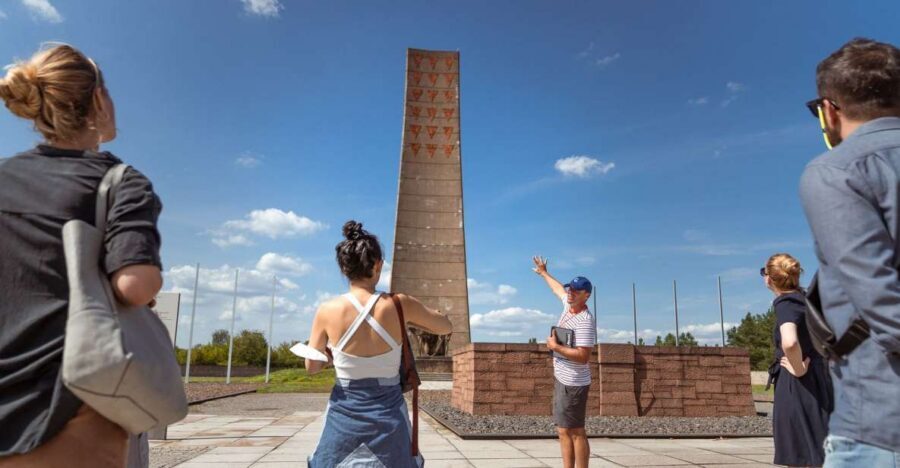
- Camp Administration Center museum start: you begin at the former headquarters of camp oversight, which helps you understand how the system ran.
- Station Z and the “place of mass murder”: you see where killings were carried out, not just buildings and stories.
- Punishment cells, infirmary, and pathology lab: the tour points at sites tied to cruelty and experimentation.
- Gallows and SS training camp: you get the execution side and the indoctrination side of the Nazi camp machine.
- Special Camp 1/7 after 1945: the story doesn’t stop with liberation; it covers how Sachsenhausen was repurposed by the Soviets.
From Friedrichstraße to Oranienburg: the train ride that keeps you on track
Your day starts in Berlin at Friedrichstraße station, outside in the square beside the Traenenpalast, where the guides hold bright yellow umbrellas. This is one of those meetups that reduces stress fast: you don’t need to hunt around for a meeting point, and you know you’re in the right group before the train even shows up.
Then comes the short rail hop to Oranienburg (about 25 minutes). This part matters more than you might think. On days like this, you want the pace to feel controlled, and public transport plus a guided group keeps you from spending extra energy navigating instead of learning.
You’ll walk about 20 minutes from the station toward the memorial grounds. It’s outdoors and it can be windy in northern Germany, so dress for the weather, not for Berlin café vibes.
You can also read our reviews of more tours and experiences in Berlin.


The Camp Administration Center: where you learn the machinery behind the terror
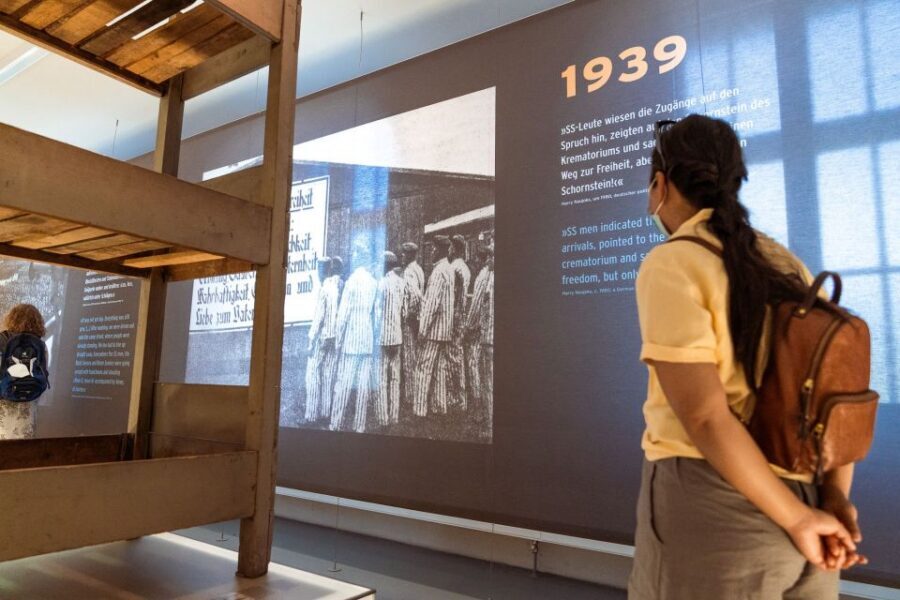
The guided portion begins at the Camp Administration Center, now an on-site museum. This building once functioned as the headquarters overseeing the Third Reich’s camp structure, including oversight of 32 main camps and more than 1,000 satellite camps. When you start here, the tour doesn’t feel like a random list of grim stops. It becomes a map of how bureaucracy and brutality worked together.
Your guide sets the timeline clearly: the SS began construction in 1936, first aiming to detain opposition to the Nazi regime, then expanding to imprison anyone the NSDAP considered a threat to Nazi ideology. That before-and-during framing is one of the best parts of the experience because it explains how a prison system became an ideological weapon.
You’ll also hear how conditions changed over time and what happened around liberation in 1945, including the forced evacuations and what’s often called the Death March. Finally, you get the postwar pivot, because Sachsenhausen wasn’t shut down and forgotten right away—it was later repurposed by the Soviets.
Jewish barracks, punishment cells, and the kind of suffering you can’t skip
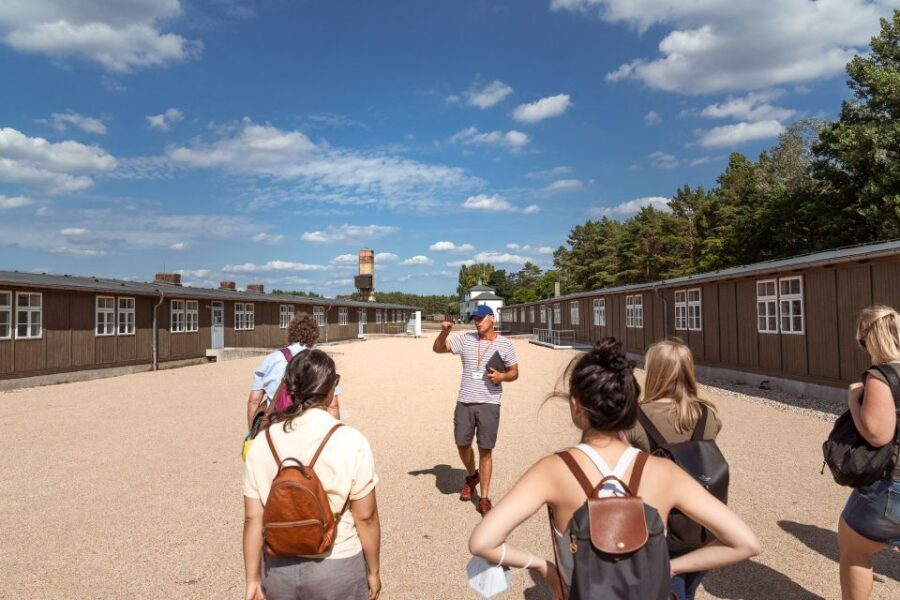
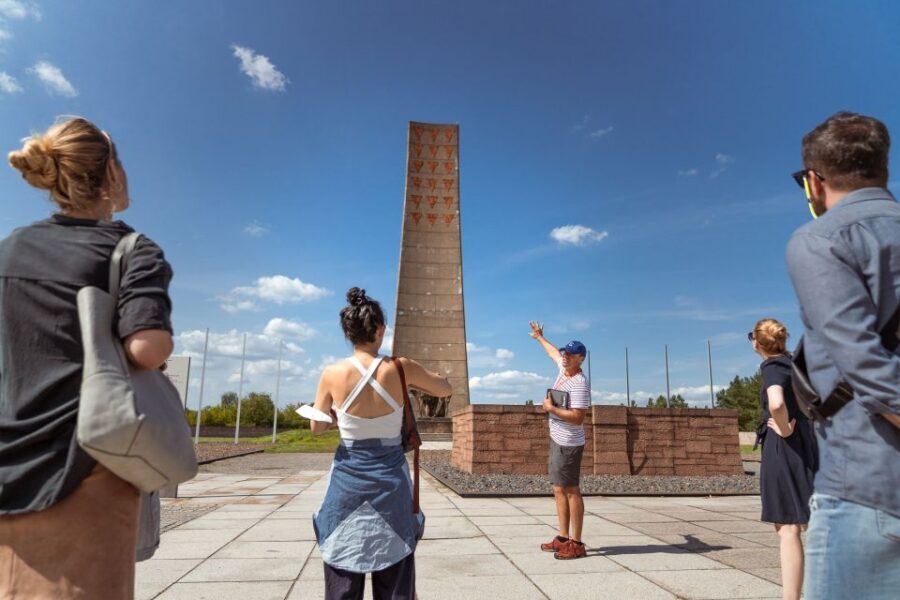
Once the tour is underway, it moves from “how the camp was run” to “what that running meant for people.” One of the stops that tends to stick in your mind is the Jewish Barracks. It helps you understand that the camp system was not one-size-fits-all; different prisoner groups were targeted and treated differently.
You’ll also see punishment-related spaces, including the Punishment Cells. These aren’t just architectural leftovers. They’re physical reminders that terror wasn’t only on arrival—it was built into daily discipline.
If you’re expecting a tour that only points at major memorial objects, this one goes further. It includes places connected with experimentation and medical abuse, such as the Pathology Laboratory and the Infirmary. The point isn’t to shock you for its own sake. It shows how the camp system used science and medicine in service of cruelty.
A practical note: these stops can feel emotionally draining. Plan to pace yourself mentally, especially if you’re traveling with kids or anyone who gets overwhelmed by heavy history.
Station Z, the watchtower view, and where the executions took place
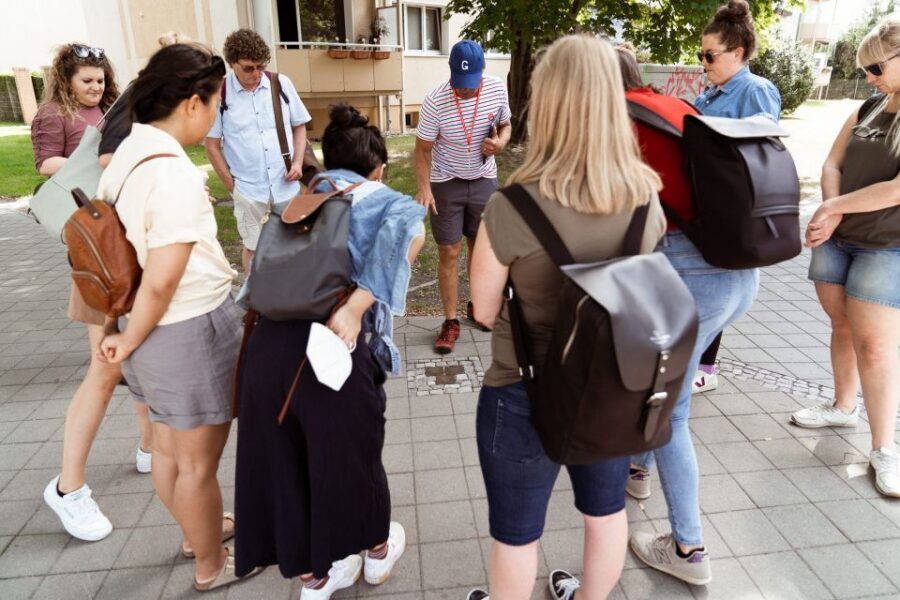
The tour then shifts to the spaces tied to mass killing and execution. Station Z is described as the site of mass murder, and you’ll be shown this location as part of a guided explanation rather than a quick walk-by.
From there, the watchtower stop adds another layer. From a distance, you can see how the camp layout was designed for control and surveillance. Up close, it becomes harder to pretend this was just “a prison.” The geography itself tells you who held power.
You’ll also visit the Commandant’s House. That’s another “system” stop—like the administration building, it puts you closer to decision-making and authority. Pair that with the gallows stop, and you get the execution side of the Nazi machine in a very direct way.
And yes, the whole sequence is heavy. But it’s also coherent. You’re not just looking at sites; you’re being guided through what happened there and why it mattered.
Resistance stories: the human thread that keeps the tour from becoming only a list
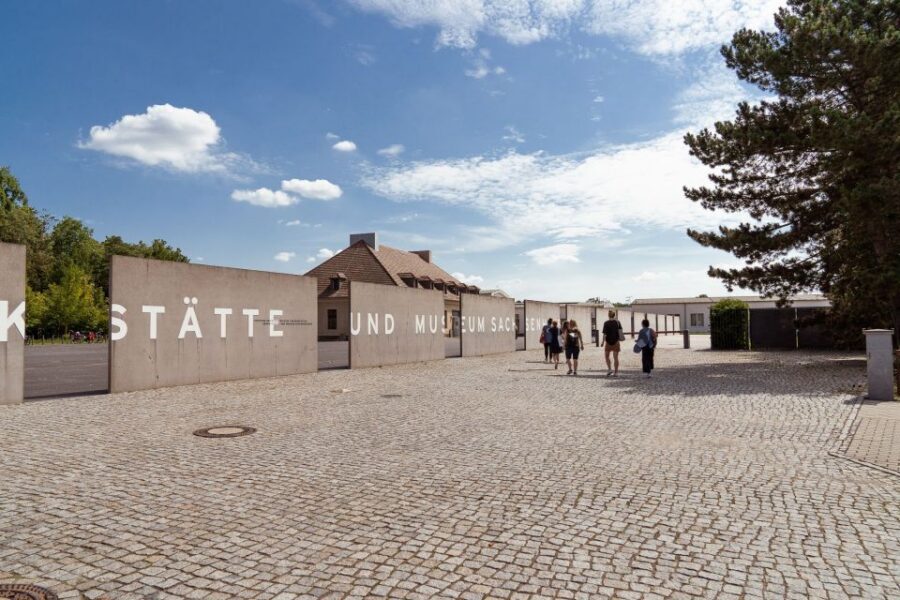
A lot of Holocaust tours risk becoming only factual inventory. This one makes room for resistance and defiance, which gives you a more complete picture of what prisoners did with the few tools they still had.
Expect stories tied to several prisoner groups and moments of resistance, including a Jewish revolt in 1942, defiance by British POWs, and acts of sabotage connected to Soviet and Polish prisoners. You’ll also hear about the tragic fate of different prisoner groups, and you’ll meet notable individuals imprisoned here, including Stalin’s son.
What I like about including this material is that it breaks the trap of seeing victims only as helpless. The history is still devastating, but it becomes more honest about agency and fear, about what people tried to do even inside a system built to crush them.



Special Camp 1/7: what happened at Sachsenhausen after 1945
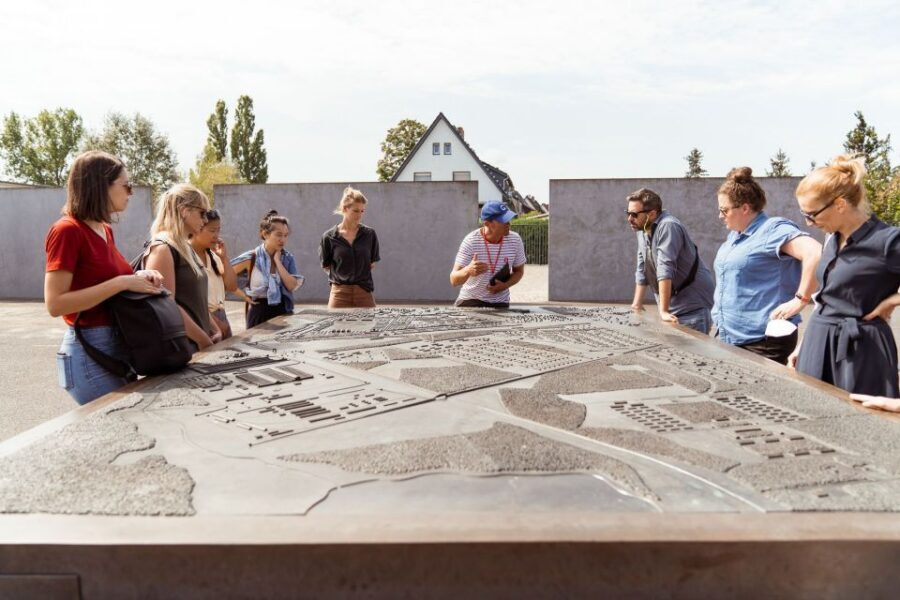
One of the most valuable parts of this tour is that it doesn’t treat liberation as a neat end point. It includes Special Camp 1/7, which covers how the Soviets used Sachsenhausen after World War II.
That matters because it challenges a common travel-history shortcut: the idea that once a war ends, the story ends. Here, you see that the camp infrastructure and control methods didn’t vanish overnight. The site becomes a lens on how postwar power worked too.
This segment is especially useful if you want to understand Germany’s 20th-century story as one continuous struggle over ideology, imprisonment, and state control—not separate chapters with clean borders.
Practicalities: tickets, timing, and what to pack for a 5.5–6 hour day
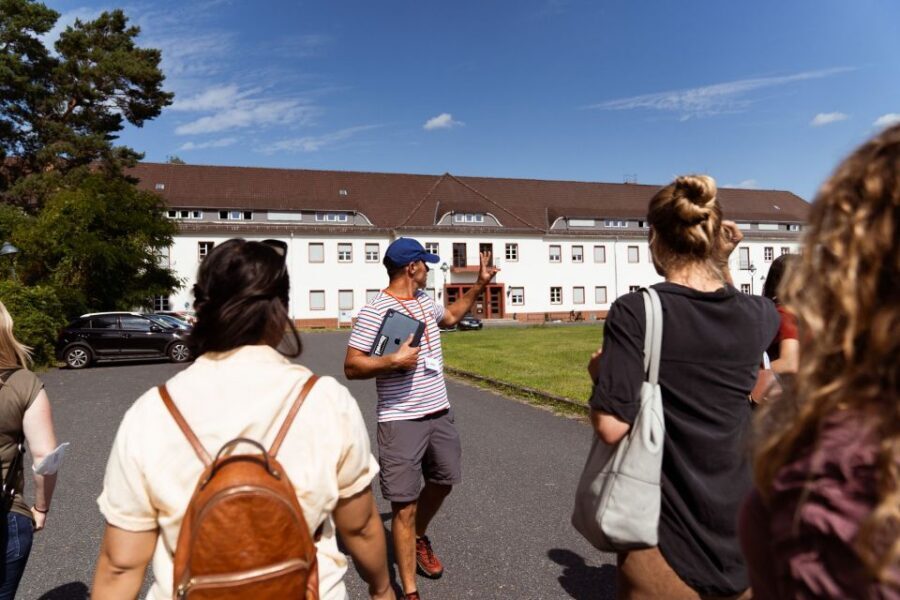
The logistics are simple, but they require attention. You’ll need public transport tickets for the return trip as well. The tour specifically notes you need an ABC zone ticket, and the ticket can be purchased on the day with help from the on-site staff. Plan to arrive a little early so you’re not rushing.
Duration is about 5.5 to 6 hours, with time for the rail segments and a roughly 3-hour guided visit at the memorial site. Most of that time walking and standing happens outdoors, so your comfort will depend on your clothing more than you expect.
Bring:
- Comfortable shoes (this is non-negotiable)
- Water and some snacks for energy
- Comfortable weather clothes for cold or rain
Not allowed includes pets and alcohol and drugs, so keep your bag simple and follow the memorial rules.
Price and value: why $22 makes sense here
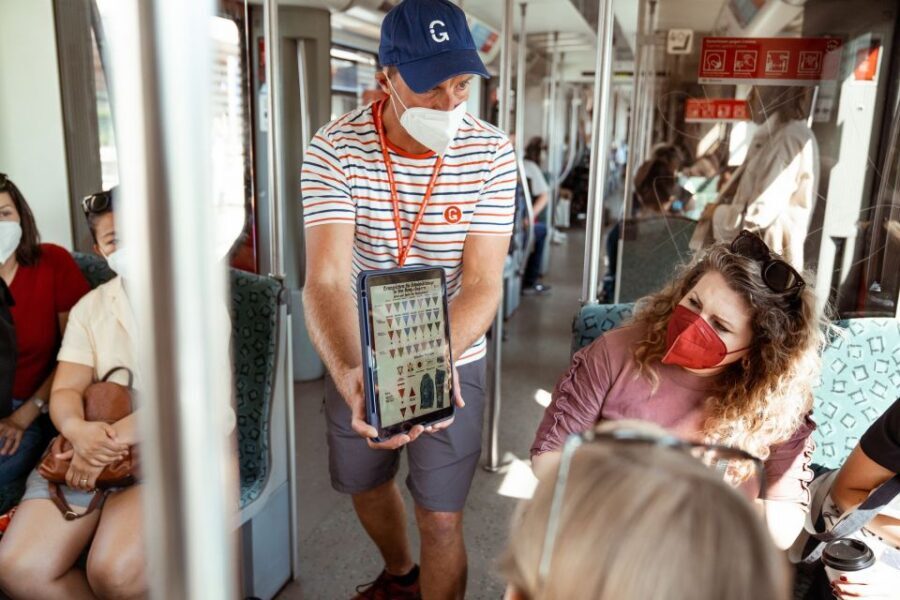
At around $22 per person, this tour is one of the better deals in Berlin for a full guided experience at a major memorial site—especially because the guide accompanies you on public transport both ways.
A key detail in the value math: there’s a €3 donation to the camp memorial included. That turns the tour from a “pay for a guide” purchase into something that also supports the site directly. You’re paying for guidance, context, and time, not just entry.
Also, this is a time-efficient format. You get round-trip structure from Berlin, a planned route through major sites (administration, mass murder location, punishment and experimentation spaces, executions, and postwar use), and a guide focused on explaining what you’re seeing and why it’s significant.
If you were doing it all self-guided, you might read more on your own later—but you’d miss the context and the “connect-the-dots” interpretation that makes the site hit harder in a meaningful way.
Who this tour is best for (and who should consider alternatives)

This is a strong fit if:
- You want a guided, structured overview of Sachsenhausen’s role before, during, and after World War II
- You care about seeing the key sites on the memorial grounds rather than piecing them together yourself
- You value a guide who stays patient with questions and keeps explanations clear, even when conditions are tough
It may not be a good match if you have limited mobility or walking impairments, since the tour is not wheelchair accessible and involves moderate walking.
If you’re coming with teens or curious adults, it can be a powerful learning day—just be sure everyone is prepared for emotionally difficult topics like mass killing and experimentation.
Final call: should you book this Sachsenhausen tour?
If you’re spending time in Berlin and you want one experience that connects geography to history, this is a book-it kind of day. The combination of starting at the administration HQ, then moving through Station Z, punishment and experimentation areas, executions, and finally Special Camp 1/7 gives you a full story arc rather than scattered stops.
Do book it if you want:
- A licensed English guide
- A guided walk through the memorial’s most important locations
- Clear context about the camp’s function and its postwar repurposing
Skip or reconsider if you know you can’t handle prolonged standing outdoors or the emotional weight of sites tied to mass murder and human experimentation.
FAQ
Where do I meet the guide?
Meet your guide outside Friedrichstraße train station on the square beside the Traenenpalast (Palace of Tears). Look for guides holding yellow umbrellas.
How long is the tour?
The tour lasts about 5.5 to 6 hours in total.
What language is the tour offered in?
The tour is available with a live guide in English (and German as well).
How do I get to Sachsenhausen from Berlin?
You take public transport. The tour includes trains, plus a short walk from the station to the memorial site, and then trains back to Berlin.
Do I need a public transport ticket?
Yes. You need an ABC public transport ticket for travel to Sachsenhausen and return to Berlin, and it can be purchased on the day with help from on-site staff.
What’s included in the price?
You get a licensed English-speaking guide, the guided tour of the camp, and a €3 donation to the camp memorial.
What should I bring with me?
Bring comfortable shoes and clothes, plus water and snacks. You should also bring your public transport ticket.
Is the tour wheelchair accessible?
No. The tour is not wheelchair accessible and isn’t recommended for people with limited mobility or walking impairments.
What’s not allowed during the tour?
Pets and alcohol and drugs are not allowed.